Colonia del Sacramento Day Trip from Montevideo: The Complete Practical Guide
Colonia del Sacramento is Uruguay's most visited colonial town, and it's reachable from Montevideo in under three hours by bus. This guide covers transport options, timing, what to prioritize once you arrive, and the common mistakes that turn a great day trip into a rushed one.

Tickets & tours
Live prices and dates from our booking partner. If you book, we may earn a commission at no extra cost to you.
TL;DR
- The bus is the only practical option for a Colonia del Sacramento day trip from Montevideo: COT runs multiple daily departures from Tres Cruces terminal, with the journey taking around 2 hours 30 minutes to 2 hours 55 minutes.
- Budget around 400–550 UYU (roughly USD 10–14) each way for the bus ticket; book in advance for weekend and summer travel.
- There is no direct passenger ferry between Montevideo and Colonia. Ferry services (Buquebus, Colonia Express) run from Buenos Aires to Colonia, not from Montevideo.
- Leave Montevideo on the earliest bus you can catch (ideally before 9am) to get a full day in Colonia before the last return service.
- Colonia's UNESCO-listed Barrio Histórico is compact enough to cover on foot in 3–4 hours, so a day trip is genuinely sufficient if you plan well.
Why Colonia del Sacramento Works as a Day Trip
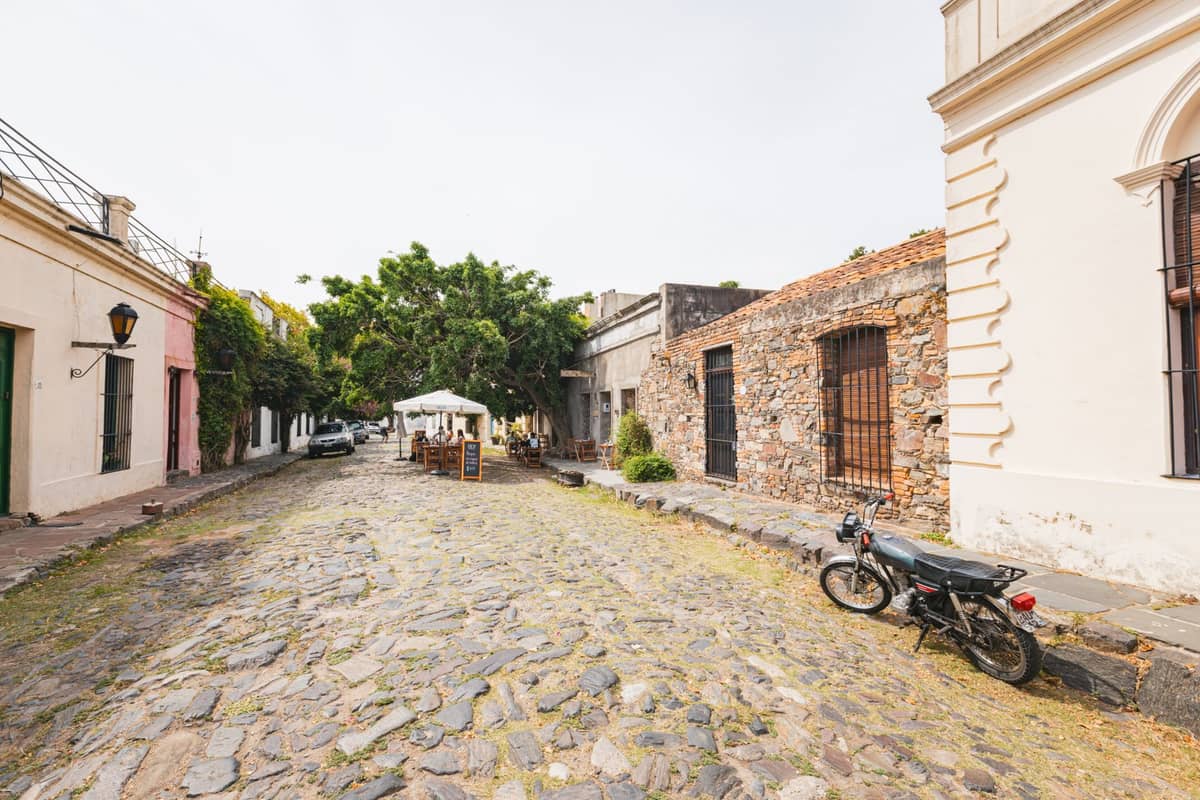
Colonia del Sacramento sits on the western bank of the Río de la Plata, roughly 180 km by road from Montevideo. It was founded by Portuguese colonists in 1680, changed hands repeatedly between Portugal and Spain, and today holds UNESCO World Heritage status for its Barrio Histórico, a small peninsula packed with cobblestone streets, colonial-era ruins, and a lighthouse you can climb for views across to Argentina. The town itself has a population of around 32,000, which means it has the services of a real city without feeling overwhelming.
The day trip logic is straightforward: Montevideo is Uruguay's capital and main hub for international travelers, and Colonia is the country's most significant colonial site. They complement each other well. If you are already spending time exploring Ciudad Vieja in Montevideo, Colonia gives you a deeper, quieter version of colonial-era Uruguay without the noise of a major city. The scale is the key difference: Colonia's historic quarter takes about 3–4 hours to explore properly on foot, making it perfectly sized for a day visit.
ℹ️ Good to know
Colonia del Sacramento is not the same as a beach destination. If you are traveling in summer (December–February) and expecting coastal swimming, the Río de la Plata here is wide and brownish rather than Atlantic-blue. For beaches, the Montevideo coastline or Punta del Este are better choices.
Getting from Montevideo to Colonia del Sacramento

The bus is the default transport option, and for good reason. COT (Compañía Omnibus del Transporte) operates regular services between Montevideo's Tres Cruces terminal and Colonia del Sacramento's bus station, which sits just a short walk from the historic center. The direct journey takes around 2 hours 30 minutes; semi-direct services with stops run closer to 2 hours 55 minutes. Multiple departures run throughout the day from early morning to late evening, though exact timetables vary by season. COT publishes updated schedules on its official website (cot.com.uy), and tickets can be purchased there or at the Tres Cruces terminal window.
- Cost (one way) Approximately 400–550 UYU per person, equivalent to roughly USD 10–14 at 2025–2026 exchange rates. Verify current fares on COT's website before travel, as prices adjust periodically.
- Journey time 2 hours 20 minutes (direct) to 2 hours 55 minutes (semi-direct). Factor in both legs when planning your day.
- Where to board Tres Cruces bus terminal, Montevideo (Terminal Tres Cruces, Avenida Italia 2800). Colonia's arrival point is the terminal on Avenida Roosevelt, a 10–15 minute walk from the Barrio Histórico.
- Booking Walk-up tickets are usually available, but book ahead for weekends, Uruguayan public holidays, and the January–February summer peak. The COT website accepts online purchases.
One persistent confusion worth clearing up: there is no regular domestic passenger ferry between Montevideo and Colonia. Buquebus and Colonia Express operate ferries, but their Colonia routes depart from Buenos Aires, Argentina, not from Montevideo. Combined bus-plus-ferry tickets sold by these companies route passengers Montevideo to Colonia by bus and then Colonia to Buenos Aires by boat. That is an international transit route, not a local day trip service. If you see 'ferry to Colonia' mentioned in travel forums, check the departure city carefully.
⚠️ What to skip
Check the last return bus time before you leave Montevideo. Services thin out in the evening, and missing the last bus back means an overnight stay you did not plan or budget for. The COT site lists the final Colonia-to-Montevideo departure for your chosen date; check this carefully before your trip.
Timing Your Day Trip: When to Leave and How Long You Need

The single biggest mistake on this day trip is leaving Montevideo too late. If you board a bus at 10am or 11am, you arrive in Colonia around noon or 1pm, eat lunch, wander for two hours, and suddenly it is time to head back. Take the earliest departure you can manage, ideally before 9am, and you will be in Colonia before noon with a genuine half-day ahead of you. That is enough time to walk the Barrio Histórico thoroughly, climb the lighthouse, sit at a riverside café, and still catch a comfortable return bus. Check the best time to visit Uruguay if you are planning around seasons rather than just a single day.
Colonia is a year-round destination, but crowd patterns matter. January and February bring the heaviest Argentine tourist traffic, since Colonia is a popular weekend escape from Buenos Aires. If you visit during those months, the narrow streets of the Barrio Histórico get noticeably busy by early afternoon, and restaurant queues form. March through November is generally quieter, with spring (September–November) offering particularly pleasant weather: mild temperatures in the 13–22°C range, lower humidity than summer, and manageable crowds. Winter (June–August) is the least visited period; some smaller guesthouses and restaurants reduce their hours, but the main sites remain open and the atmosphere is genuinely peaceful.
What to Do in Colonia del Sacramento
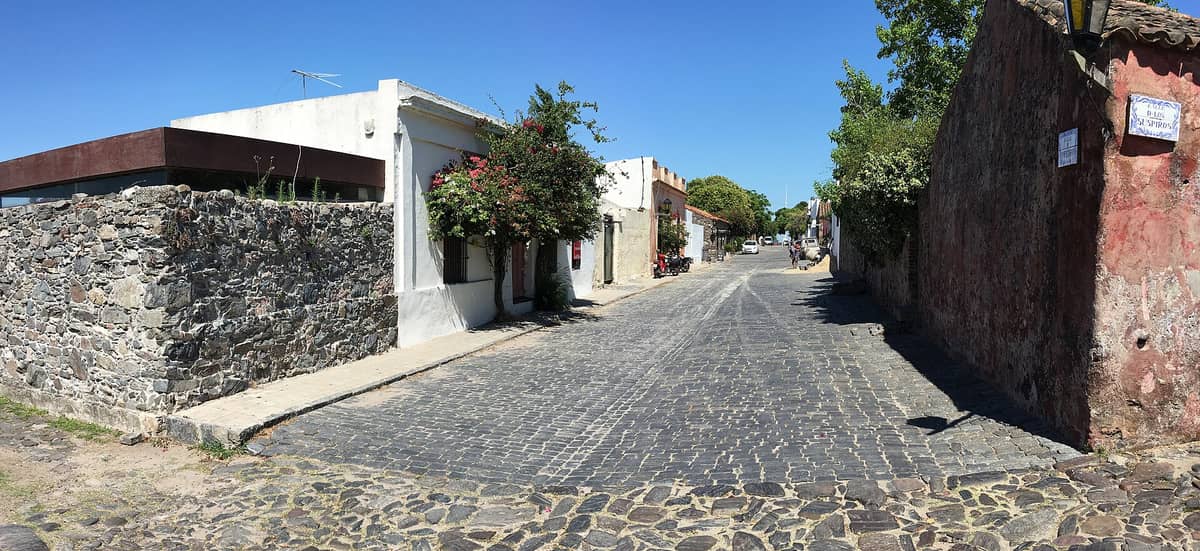
The Barrio Histórico is the core reason people make this trip, and it delivers. The neighborhood sits on a small peninsula where the original colonial settlement was built, and much of the original layout survives: the Calle de los Suspiros (Street of Sighs), lined with low colonial houses and cobblestones, is the most photographed street in Uruguay. The ruins of the Convento de San Francisco, the restored city gate (Portón de Campo), the old bulwark, and the Plaza Mayor all sit within easy walking distance of each other. The entire historic quarter is roughly 500 meters across at its widest point, so nothing requires transport.
- Faro de Colonia (lighthouse): Climb about 27 meters for views across the Río de la Plata toward Buenos Aires on clear days. Entrance fee is modest. The adjacent ruins of the Convento de San Francisco give it good visual context.
- Museo Portugués: Small but well-curated collection of artifacts from the Portuguese colonial period. One of several small museums in the Barrio Histórico that can be visited on a combined ticket.
- Calle de los Suspiros: The most recognizable street in the neighborhood, with original cobblestones and colonial facades. Worth the 10-minute walk even if you skip every museum.
- Portón de Campo (city gate): The preserved fortified gate at the edge of the Barrio Histórico, flanked by the remains of the old wall and moat. Good landmark to orient yourself.
- Waterfront promenade: The shoreline along the Barrio Histórico offers views across the river and several spots to sit. Better for atmosphere than swimming.
If you have time after the historic quarter, the town beyond it is pleasant for a walk, with a central market, several restaurants serving Uruguayan classics, and a more lived-in neighborhood feel. Colonia pairs well with broader Uruguay travel planning: it gives context for the country's colonial past that is harder to absorb in central Montevideo's commercial streets. For more ideas on structuring your Uruguay travel, the full Montevideo activities guide covers what to combine before or after your Colonia trip.
✨ Pro tip
The small museums in the Barrio Histórico (Museo Portugués, Museo Municipal, Museo del Azulejo, and several others) sell a combined entry ticket (around UYU 150, roughly USD 5–8) that covers multiple sites at a lower cost than individual admissions. If you plan to visit more than two, the combined ticket is worth it. Check at the first museum you enter.
Where to Eat and What to Expect on a Budget
Colonia has a solid restaurant scene skewed toward tourists, which means quality is generally reliable but prices are higher than what you'd pay for equivalent food in Montevideo's neighborhoods. For a sit-down lunch in the Barrio Histórico, expect to pay around USD 15–25 per person including a drink. If you want to keep costs down, the area around the bus terminal and the town center (outside the historic quarter) has more local-oriented spots at lower prices. Uruguayan food staples you will see on menus here include chivito (steak sandwich), various grilled meats, and milanesa. Vegetarian options exist but are limited in the more traditional spots.
For the overall budget of the day trip: factor in two bus tickets (roughly USD 28–32 return), entry fees if you visit museums (a few dollars per site, or around USD 5–8 for a combined ticket), lunch (USD 15–25 at a restaurant, less if you buy supplies at a supermarket), and coffee or drinks at the waterfront. A comfortable day trip from Montevideo to Colonia del Sacramento typically costs USD 50–75 per person all-in, not including what you spend on souvenirs or optional activities.
Practical Logistics and Honest Caveats
Colonia del Sacramento is not an action-packed day. It is a slow, atmospheric place best appreciated if you are willing to wander without a rigid agenda. If you are traveling with children, the open spaces and low-stress layout work well. For specific family travel considerations in Uruguay, the Montevideo with kids guide covers the broader trip. If you are on a tight budget overall, be aware that Colonia's historic center skews toward higher prices for food and souvenirs compared to Montevideo's local neighborhoods.
One underrated consideration: the walk from Colonia's bus terminal to the Barrio Histórico takes about 10–15 minutes on foot, mostly along a main road. It is straightforward and flat. Taxis and mototaxis are available at the terminal if you are carrying luggage or prefer not to walk. The historic quarter itself has uneven cobblestones throughout, so comfortable shoes matter more than you might expect. If mobility is a concern, note that some areas of the Barrio Histórico have surfaces that make wheelchair access difficult. For broader context on getting around Uruguay by bus, the transport patterns are similar across the country.
Colonia also functions as a good one-night extension rather than a strict day trip if your schedule allows. Staying overnight means you get the town in the evening and early morning, when the day-trippers from Buenos Aires have left and the atmosphere is completely different. The waterfront at sunset is genuinely good. But as a day trip from Montevideo, it is one of the most consistently rewarding excursions in Uruguay, because the distance is right, the town delivers on its reputation, and you return the same evening without needing to rearrange your whole itinerary.
💡 Local tip
Uruguay's currency is the Uruguayan peso (UYU). Colonia accepts USD and Argentine pesos informally in some tourist-facing businesses, but you will get better value paying in UYU. There are ATMs in Colonia's town center. Exchange rates and fees vary, so withdraw what you need in Montevideo if you want to avoid unfavorable rates at smaller machines.
FAQ
How do I get from Montevideo to Colonia del Sacramento?
The bus is the standard option. COT operates regular services from Tres Cruces terminal in Montevideo to Colonia del Sacramento's bus station. The journey takes approximately 2 hours 30 minutes to 2 hours 55 minutes. Tickets cost around 550–600 UYU one way (roughly USD 14–16). There is no direct passenger ferry between the two cities; ferry services to Colonia depart from Buenos Aires, Argentina.
Is one day enough for Colonia del Sacramento?
Yes, if you leave Montevideo early (before 9am). The Barrio Histórico is compact and can be covered on foot in 3–4 hours. A full day gives you time for the main sites, lunch, and a relaxed walk along the waterfront before taking a return bus in the late afternoon or evening.
How much does a Colonia del Sacramento day trip cost?
Budget around USD 50–75 per person for a comfortable day. This includes return bus tickets (USD 28–32), museum entry fees if you visit (USD 5–8 for a combined ticket), and lunch at a mid-range restaurant (USD 15–25). Costs can be reduced by packing your own food and skipping the museums.
Is there a ferry from Montevideo to Colonia del Sacramento?
No. This is a common misconception. Buquebus and Colonia Express operate ferries between Buenos Aires (Argentina) and Colonia del Sacramento, not between Montevideo and Colonia. Combined tickets sold by these companies for the Montevideo-Buenos Aires route involve a bus leg from Montevideo to Colonia, then a ferry from Colonia to Buenos Aires. That is an international transit service, not a local day trip ferry.
When is the best time to visit Colonia del Sacramento on a day trip?
Spring (September–November) and autumn (March–May) offer the most comfortable conditions: mild temperatures, lower humidity than summer, and fewer crowds than the January–February peak. Summer is busiest due to Argentine tourists crossing from Buenos Aires. Winter (June–August) is quietest but some smaller businesses reduce their hours. The historic sites remain open year-round.
Tickets & tours
Live prices and dates from our booking partner. If you book, we may earn a commission at no extra cost to you.
Planning a trip? Discover personalized activities with the Nomado app.