Best Things to Do in Montevideo: The Definitive 2026 Guide
Montevideo rewards travelers who go beyond the surface. This guide covers the best things to do in Montevideo, Uruguay, from free rooftop viewpoints and major museums to asado markets, carnival culture, and a day trip to Colonia del Sacramento. Practical, specific, and clear about what's worth your time.
Tickets & tours
Live prices and dates from our booking partner. If you book, we may earn a commission at no extra cost to you.
TL;DR
- Start in Ciudad Vieja: the historic peninsula packs colonial architecture, free museums, and the Mercado del Puerto into a walkable few hours.
- The Rambla, a 22-km coastal promenade, is genuinely one of South America's great urban walks and costs nothing.
- The rooftop viewpoint at the Intendencia building is free and open year-round, yet most visitors miss it. See our note on the Mirador de la Intendencia for visit details.
- A day trip to Colonia del Sacramento by bus (about 2.5–3 hours each way) is among the best day trips you can take from the city.
- Spring (September–November) and autumn (March–May) offer the most comfortable weather for outdoor exploring; summer is best for beaches.
Why Montevideo Deserves More Than a Layover
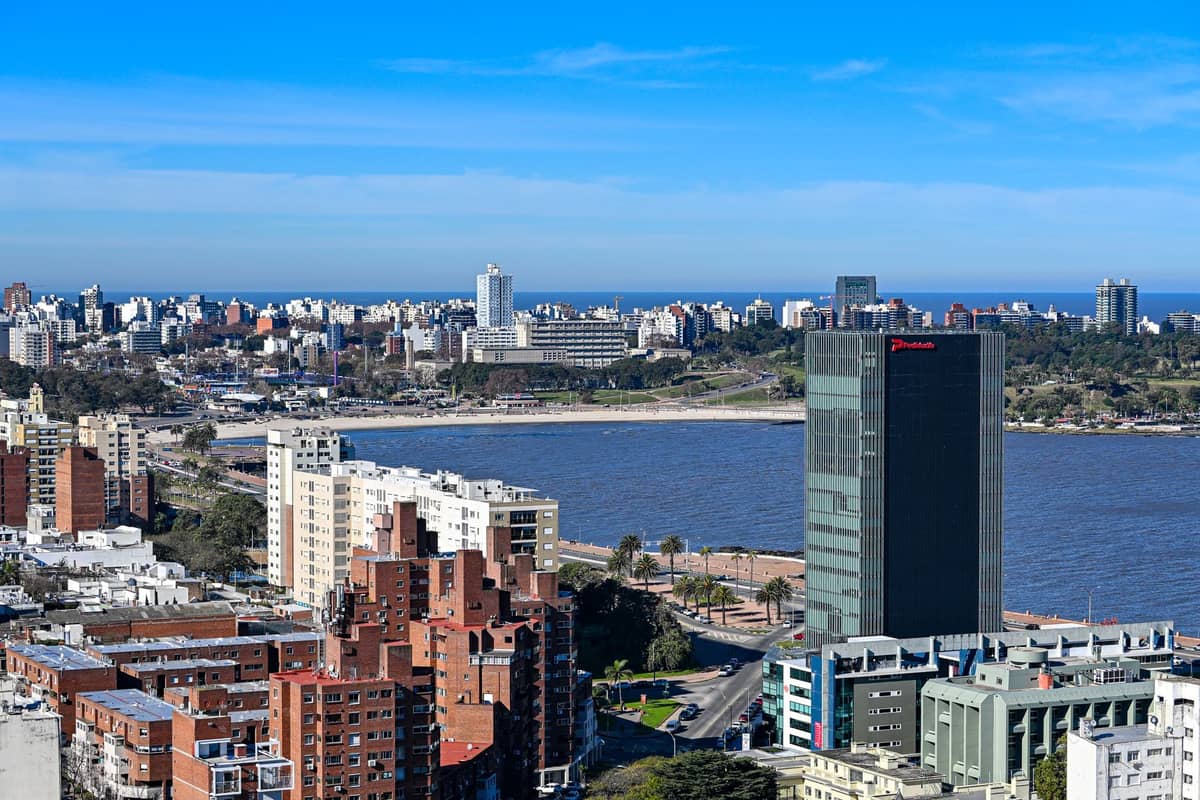
Montevideo is Uruguay's capital and home to roughly 1.28 million people, accounting for about 36.8% of the country's entire population. It sits on the northern shore of the Río de la Plata, and that coastal position shapes everything: the city's mood, its architecture, its food culture, and the way residents spend their afternoons along the Rambla de Montevideo. This is a city that earns repeat visits, not because it overwhelms you with sights, but because it rewards curiosity.
The things to do in Montevideo, Uruguay span a wider range than most first-time visitors expect: serious art museums, living candombe drumming traditions, craft markets, football pilgrimage sites, and a food scene anchored by wood-fired asado and world-class wine. The city covers about 201 km² and is easy to navigate by bus, on foot, or by taxi.
ℹ️ Good to know
Tourist information offices operate year-round, not just in summer. The Ciudad Vieja office at Piedras 257 esquina Yacaré is open daily 9:00–17:00. The Intendencia building office (22nd floor, Soriano 1372) is generally open 10:00–18:00; check current hours before visiting.
Ciudad Vieja and the Historic Centre: Where to Start
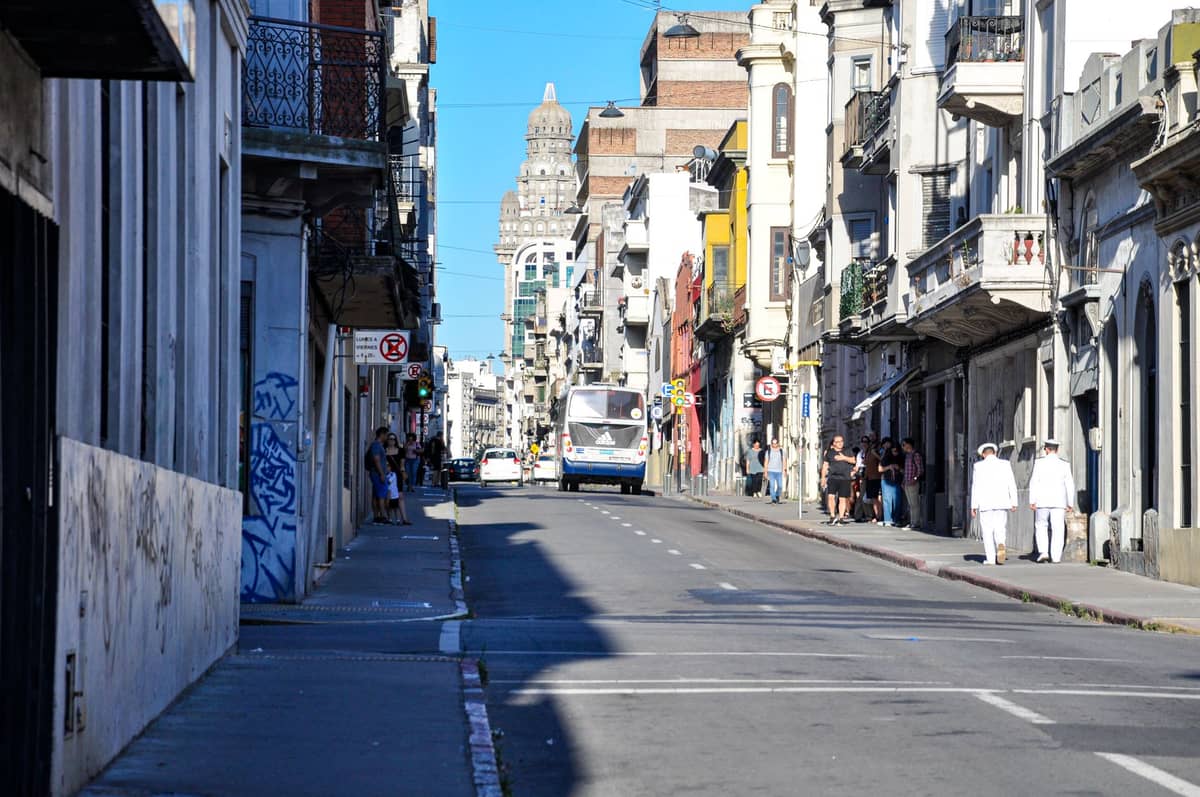
The logical starting point for any visit is Ciudad Vieja, the old-town peninsula that juts into the Río de la Plata. Within its roughly ten-block grid you'll find the Plaza Independencia, the 26-story art deco Palacio Salvo (once the tallest building in South America), and the Puerta de la Ciudadela, the last surviving gate of the colonial fortifications.
The Mercado del Puerto is the city's most iconic food destination: a 19th-century iron market hall where parilla grills send smoke up through the roof on weekends. Go for lunch on a Saturday if possible. The atmosphere between noon and 3pm is unmatched, and you'll understand immediately why Uruguayans take their beef seriously. It can skew touristy, but the food quality at the main parrillas remains solid.
Art lovers should allocate time for the Museo Torres García, dedicated to Joaquín Torres García, Uruguay's most internationally significant modern artist. The collection is compact but exceptional. Nearby, the Museo del Carnaval is the best single introduction to Montevideo's candombe drumming and carnival culture, which is distinct from Rio's version and runs for more than 40 days each year.
💡 Local tip
The panoramic viewpoint at the top of the Intendencia de Montevideo (city hall) is free to visit and open all year. Guided building tours usually run Mondays, Wednesdays and Fridays at 14:00, and Tuesdays and Thursdays at 10:00. Contact: 1950 1830 or panoramico@imm.gub.uy. Most visitors walk straight past this and pay for lesser views elsewhere.
The Rambla, Beaches, and Coastal Neighbourhoods
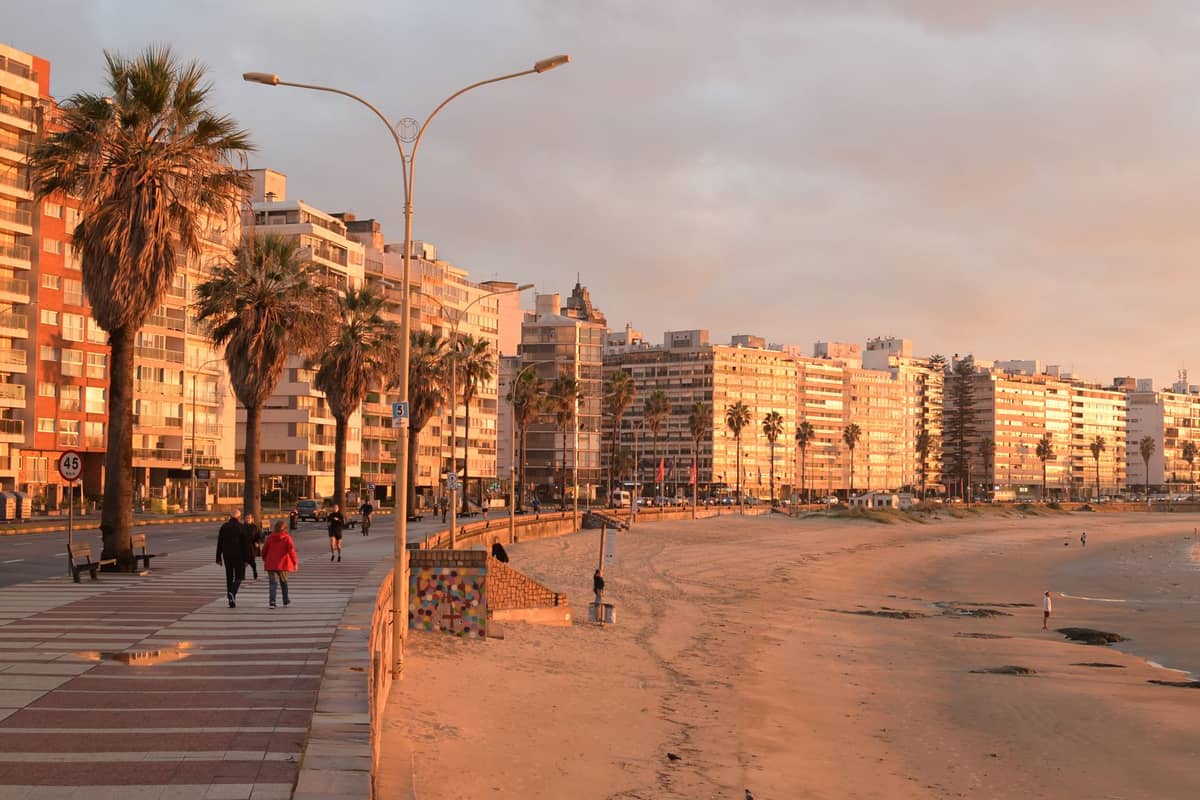
Montevideo's 22-kilometre Rambla is the spine of the city's outdoor life. It runs east from Ciudad Vieja through Parque Rodó, past Pocitos, and out to Carrasco near the airport. At any hour of the day you'll find joggers, cyclists, families with thermos flasks of mate, and fishermen. Walking even a two- or three-kilometre section gives you the city's rhythm in a way no museum can.
Beach season runs roughly December through March, when daytime highs reach 26–28°C. The most accessible urban beaches are Playa Pocitos and Playa Ramírez. Both are calm, well-serviced, and popular with residents. For a quieter option further east, Playa Carrasco sees fewer crowds on weekdays.
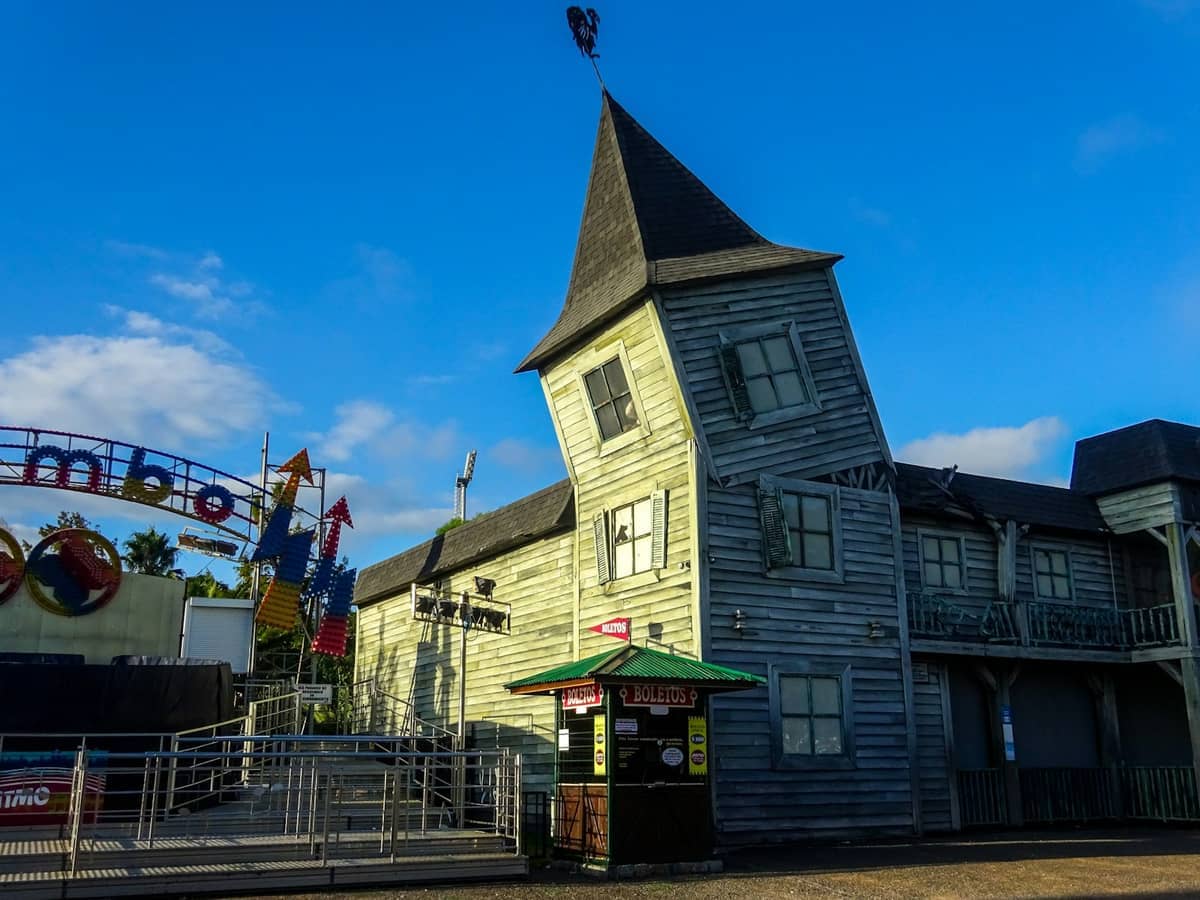
The Parque Rodó amusement park, adjacent to the park and lake of the same name, is worth knowing about if you're travelling with children. Rides cost 100 UYU per ticket or 500 UYU for six. Hours vary significantly by season: in summer (December–February) the park runs 16:30–24:30 on weekends; in winter (June–August) it closes at 22:00 and opens at 14:00. For a full breakdown of the neighbourhood, see our guide to Montevideo with kids.
Museums, Culture, and Things Often Skipped
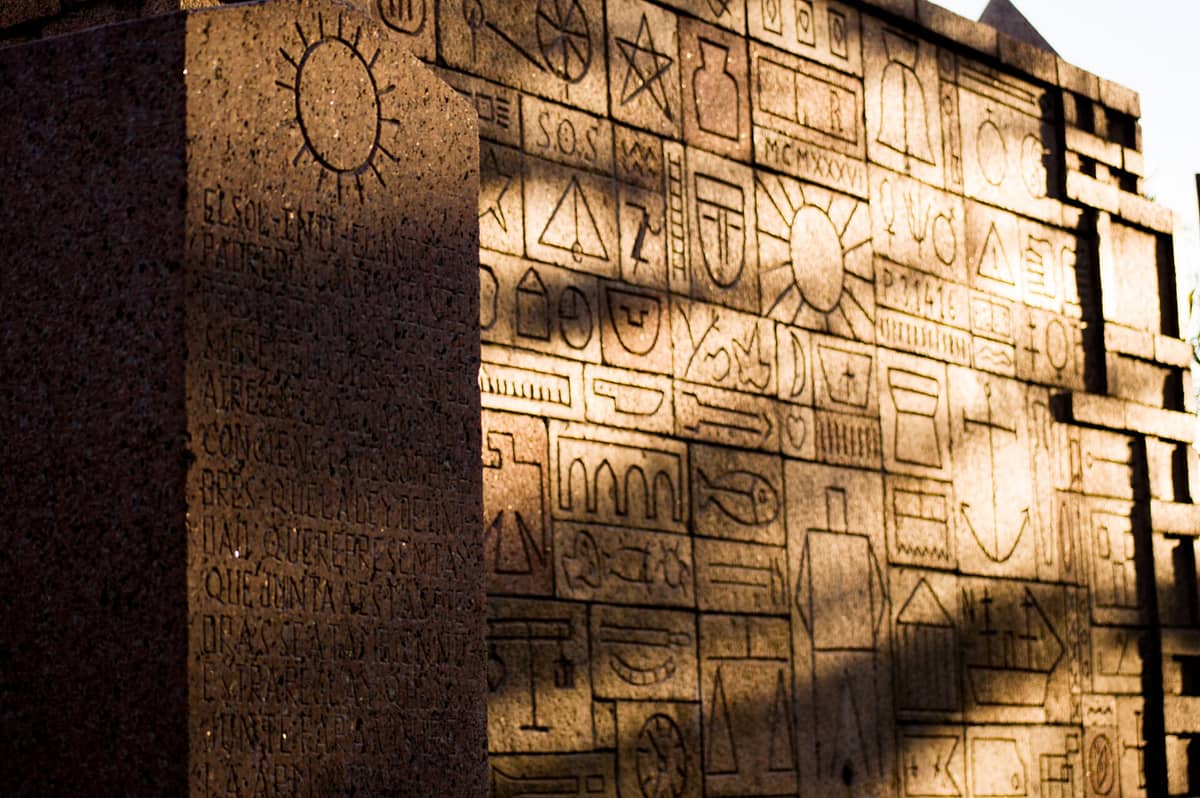
Montevideo's museum scene is better than its international reputation suggests. Entry is free or low-cost at most institutions, and crowds are almost never a problem outside of school holiday weeks.
- Museo Nacional de Artes Visuales (Parque Rodó) Uruguay's primary fine arts collection, housed in a low-key building in Parque Rodó. The permanent collection spans local and Latin American work from the 19th century onward. Free entry makes it an easy addition to any afternoon in the area.
- Museo del Gaucho y de la Moneda Located on Avenida 18 de Julio, this undervisited museum covers the history of the gaucho culture that shaped Uruguay's identity, alongside a coin and currency collection. Well-curated and rarely crowded.
- Museo de Arte Precolombino e Indígena (MAPI) A focused, high-quality collection of pre-Columbian artefacts from across the Americas. Small enough to visit in under two hours, but genuinely impressive in scope.
- Estadio Centenario and Museo del Fútbol Built for the 1930 World Cup, the Centenario is a FIFA Historic Monument of World Football and a pilgrimage destination for football fans. The on-site museum covers Uruguayan football history with real depth.
- Teatro Solís Montevideo's main opera house, dating to 1856, offers guided tours and a year-round program of classical music, opera, and theatre. Tours are affordable and cover the building's remarkable interior.
If architecture interests you, the city rewards slow walking. The Montevideo architecture guide covers the full range: art deco towers like Palacio Lapido, eclectic 19th-century civic buildings, and the curious Castillo Pittamiglio, a self-built fantasy castle on the Rambla in Punta Carretas that reflects the esoteric obsessions of its architect-owner.
Food, Markets, and the Asado Culture
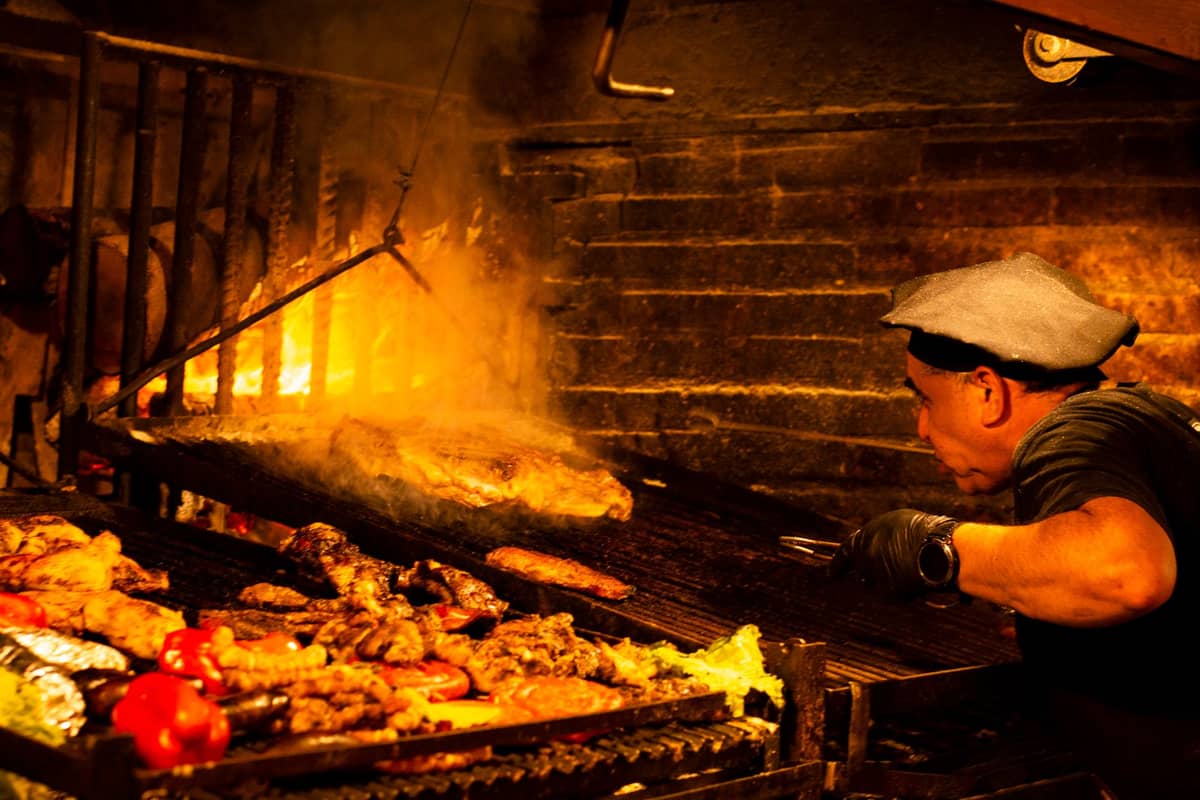
Eating well in Montevideo doesn't require much effort or much money. The local food culture centres on beef, but it extends further: chivito sandwiches (a Uruguayan original stacked with steak, egg, ham, and various additions), fresh pasta from Italian-heritage neighbourhoods, and medialunas from any corner bakery for breakfast.
Beyond Mercado del Puerto, the Mercado Agrícola de Montevideo is worth a visit for its produce stalls, specialty food vendors, and food court that draws a mostly local crowd. It sits in the Villa Dolores neighbourhood and is open most days. For weekend browsing, the flea markets of Tristán Narvaja (held every Sunday in Cordón) are a genuinely enjoyable way to spend a morning and involve no obligation to buy anything.
✨ Pro tip
Uruguayan wine is seriously underrated internationally. Tannat is the signature grape and produces full-bodied reds that pair exceptionally well with grilled beef. Several wineries offer tastings near Montevideo or in the Canelones region just north of the city. See the Montevideo wine guide for producers and tasting room logistics.
Day Trips: Colonia del Sacramento and Beyond
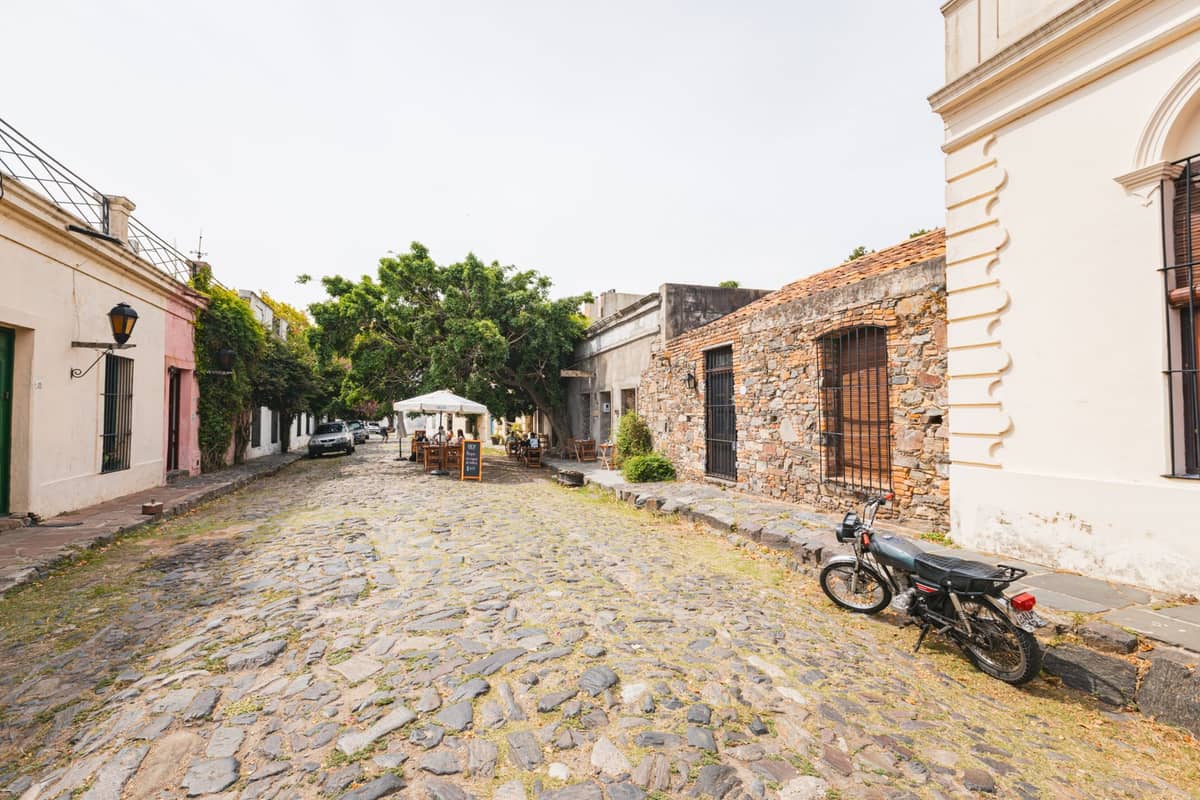
The single best day trip from Montevideo is Colonia del Sacramento, a UNESCO-listed Portuguese colonial town on the Río de la Plata about 180 km west. There is no passenger ferry from Montevideo: take a COT or Turil bus from Tres Cruces (about 2.5–3 hours). One-way tickets typically cost around 550–600 UYU. Book ahead for weekend travel.
Colonia's appeal is simple: cobblestone streets, Portuguese and Spanish colonial buildings, a lighthouse, and a pace of life that makes Montevideo feel metropolitan by comparison. It's manageable in a half-day if you're focused, or a comfortable full day with lunch. Most day-trippers from Montevideo catch an early bus, spend the day exploring, and return by evening. For other options outside the capital, the day trips from Montevideo guide covers Punta del Este, Carmelo, and the Colonia wine route.
- Colonia del Sacramento: 2.5–3h by bus, UNESCO old town, best for history and atmosphere
- Punta del Este: 2–2.5h by bus, beach resort city, best June–February for events or December–March for swimming
- Canelones wine region: under 1h by car or bus, boutique wineries, ideal for a half-day tasting trip
- Cerro de Montevideo: within the city limits but worth the climb, fort at the summit, free access to the hilltop area, best views of the bay
Practical Logistics: Getting Around and When to Go
Montevideo has a humid subtropical climate (Köppen Cfa). Annual rainfall is roughly 974 mm distributed fairly evenly through the year. Summer (December–February) averages 26–28°C during the day, which is ideal for beach activities but can feel humid in the city centre. Winter (June–August) averages 14–15°C by day and 8–9°C at night: cool but rarely uncomfortable. Spring and autumn offer the easiest conditions for walking tours and outdoor exploration.
The city has no metro. Buses cover the entire urban area comprehensively and are the primary transport for residents. Uber operates in Montevideo, and remise (private car) services are available at Carrasco International Airport (IATA: MVD), located about 18–20 km east of the city centre. For a full breakdown of transport options, consult the getting around Montevideo guide. The city uses 220V/50Hz electricity with Type C and Type F plugs; bring an adapter if you're arriving from North America.
⚠️ What to skip
Opening hours and ticket prices for museums and attractions change periodically. Always verify with the official venue before visiting, particularly for national museums and stadium tours. The same applies to bus fares and schedules for Colonia del Sacramento: check the COT or Turil operator websites for current prices.
Budget travelers will find Montevideo more accessible than Buenos Aires or São Paulo. Many of the best experiences are free: the Rambla walk, the Mirador de la Intendencia, most public parks, and the Sunday Tristán Narvaja market. For a structured approach to spending less, the free things to do in Montevideo guide is a practical starting point.
FAQ
How many days do you need in Montevideo?
Three full days is enough to cover the main areas: a day in Ciudad Vieja and Centro, a day along the Rambla and coastal neighbourhoods, and a day for museums and markets. Add a fourth day for a Colonia del Sacramento day trip. Five days allows for a slower, more satisfying pace without feeling rushed.
Is Montevideo worth visiting compared to Buenos Aires?
They complement each other more than they compete. Montevideo is smaller, quieter, and less frenetic than Buenos Aires. It rewards travelers who value authenticity over scale. The food culture (especially beef and wine), the art scene, and the Rambla are all reasons to visit Montevideo specifically, not just as a Buenos Aires overflow destination.
What is the best time of year to visit Montevideo?
Spring (September–November) and autumn (March–May) offer mild temperatures of roughly 13–22°C and manageable rainfall, ideal for walking and outdoor activities. Summer (December–February) is best for beaches but comes with higher humidity. Winter is the quietest season and still perfectly pleasant for a city-focused trip, with daytime temperatures around 14–15°C.
Is it easy to get from Montevideo to Colonia del Sacramento?
Yes — by bus, not by ferry. COT and Turil run regular services from Tres Cruces terminal; the trip takes about 2.5–3 hours and one-way tickets are typically around 550–600 UYU. There is no passenger ferry between Montevideo and Colonia (those routes run from Buenos Aires). Book ahead for weekends.
What are the most common mistakes first-time visitors make in Montevideo?
Spending too much time only in Ciudad Vieja and missing the coastal neighbourhoods. Skipping the Mercado Agrícola in favour of always eating at Mercado del Puerto. Not checking museum schedules before arriving (several close on Mondays). And overlooking the free rooftop viewpoint at the Intendencia, which offers some of the best panoramic views in the city at no cost.
Tickets & tours
Live prices and dates from our booking partner. If you book, we may earn a commission at no extra cost to you.
Planning a trip? Discover personalized activities with the Nomado app.