Candombe in Montevideo: A Guide to Uruguay's UNESCO Drum Tradition
Candombe is Montevideo's most distinctive cultural practice: an Afro-Uruguayan drum tradition inscribed on UNESCO's Intangible Cultural Heritage list since 2009. This guide covers where to hear it, when to go, what to expect at the Desfile de Llamadas, and how to engage respectfully with a living community practice.
Tickets & tours
Live prices and dates from our booking partner. If you book, we may earn a commission at no extra cost to you.
TL;DR
- Candombe is an Afro-Uruguayan drum and dance tradition, not a performance for tourists — it is a living community practice in Barrio Sur, Palermo, and Cordón, inscribed on UNESCO's Intangible Heritage list in 2009.
- The biggest event is the Desfile de Llamadas, held over two nights in February during Carnival — see our Montevideo Carnival guide for the full context.
- Weekly drum calls (llamadas) happen on Sundays throughout the year in Sur, Palermo, and Cordón — you do not need to visit in February to witness Candombe.
- Candombe is not tango. UNESCO lists them as entirely separate intangible heritage elements with distinct origins, rhythms, and communities.
- The tradition is concentrated in specific neighborhoods — the Barrio Sur and Palermo area is the spiritual and geographical heart of Candombe in Montevideo.
What Candombe Actually Is
Candombe is a drum-based music and dance tradition rooted in the cultures of enslaved Africans brought to the Río de la Plata region from the 18th century onward. It is not a stage performance or a folk revival — it is a community practice that has been transmitted within families of African descent across generations, primarily in the neighborhoods of Sur, Palermo, and Cordón in Montevideo. UNESCO recognized this continuity when it inscribed Candombe and its socio-cultural space on the Representative List of the Intangible Cultural Heritage of Humanity in 2009 (reference no. 00182).
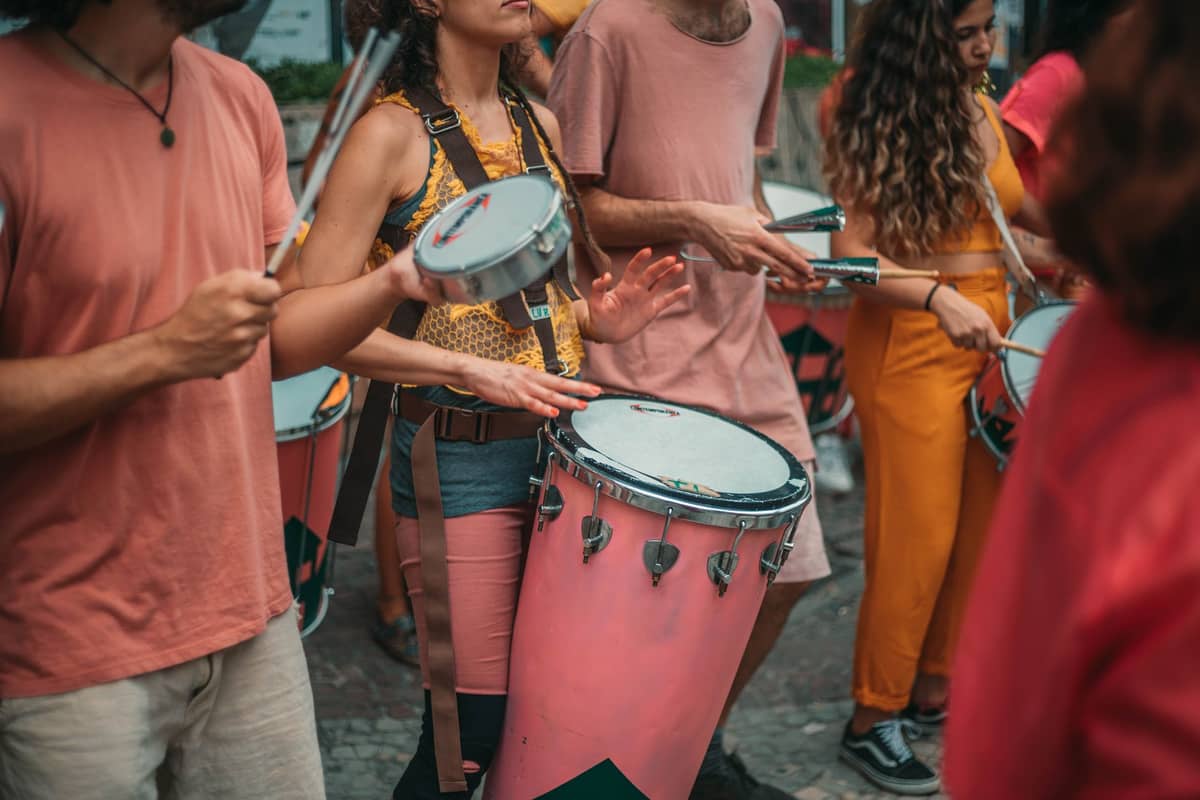
The sound of Candombe is built around three drum types: the chico (highest pitch), repique (mid-range, used for improvisation), and piano (lowest, the rhythmic foundation). These drums are always played together, never in isolation. The rhythmic interplay between them is what creates the distinctive Candombe compás — a syncopated, layered pulse that is immediately recognizable once you have heard it live. Alongside the drums, dancers in elaborate costumes and characters such as the mama vieja, gramillero, and escobero appear during parades, each with specific choreographic roles tied to historical memory.
ℹ️ Good to know
Candombe is often confused with tango by first-time visitors. While tango is also a UNESCO-recognized heritage from the Río de la Plata region, it is entirely separate in origin, instrumentation, and community. Tango emerged from a different fusion of influences and is played with bandoneón and strings. Candombe is drum-only and specifically rooted in Afro-descendant communities.
Where to Hear Candombe in Montevideo
The neighborhoods of Barrio Sur and Palermo are where Candombe is most embedded in daily life. On Sunday afternoons, cuerda de tambores (drum groups) gather informally on street corners and in open spaces to play — these are not organized performances for visitors, but rehearsals and social gatherings that are open to observers who approach respectfully. The streets around Isla de Flores, Carlos Gardel, and Zelmar Michelini in these neighborhoods are the most consistent locations for Sunday llamadas.
Cordón, the centrally located neighborhood east of Palermo, also has an active Candombe community. If you are staying in the city centre or near Parque Rodó, you are within walking distance of areas where Sunday drum calls occur. The sounds travel well in the narrow streets, so you will often hear a cuerda before you see it.
- Barrio Sur and Palermo streets The primary geography of Candombe in Montevideo. Isla de Flores and Carlos Gardel are the key streets. Sunday afternoons are the most reliable time.
- Cordón Active Candombe community slightly north of Palermo. Less concentrated than Sur but still part of the official UNESCO-recognized socio-cultural space.
- Museo del Carnaval Located in Ciudad Vieja, this museum provides historical context for Candombe alongside Carnival traditions. Good starting point before heading to the neighborhoods.
- Mercado del Puerto area During Carnival season, drum groups sometimes practice near the old port area. Outside Carnival, this is not a reliable Candombe location.
💡 Local tip
Sunday afternoons between roughly 3pm and 7pm are the most consistent time to encounter informal llamadas in Sur and Palermo. The practice is weather-dependent and not scheduled publicly, so combine a walk through these neighborhoods with other plans rather than treating it as a ticketed event. If you hear drums from a distance, follow the sound.
The Desfile de Llamadas: Montevideo's Candombe Parade
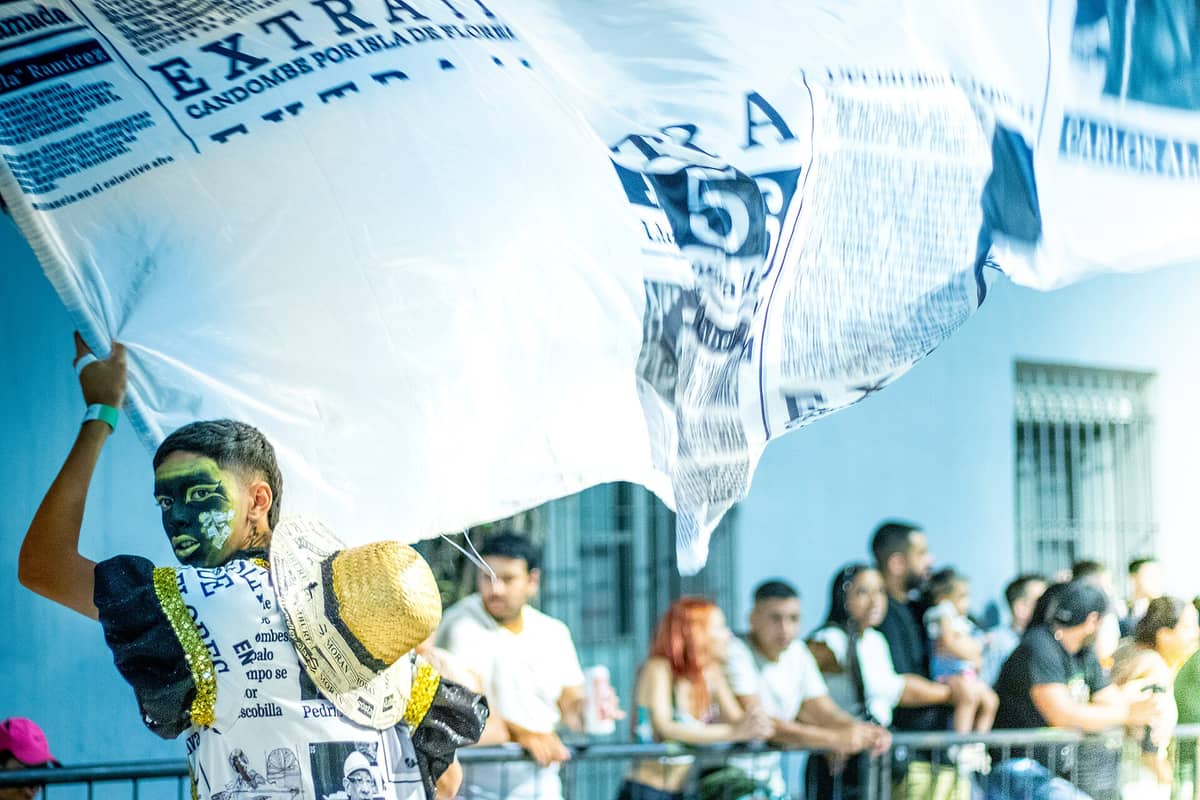
The Desfile de Llamadas is the largest and most formally organized Candombe event of the year. It takes place during Carnival in February, typically across two consecutive nights. For 2024, the municipality scheduled the parade for 9 and 11 February, with the route running along Isla de Flores from Zelmar Michelini to Minas, through the Sur and Palermo neighborhoods.
The parade draws tens of thousands of spectators and features dozens of cuerdas (drum troupes), each with their own costumes, flag-bearers, and dancers. The comparsas (groups) range from small neighborhood associations to large organized societies with hundreds of participants. Watching the full parade from start to finish can take several hours. Free viewing positions along the route fill up early — arriving at least 90 minutes before the start time is advisable. Paid grandstand seating is available through official municipal channels and sells out quickly, particularly for the first night.
For broader Carnival context beyond Candombe — including the tablados stages and murga groups — the Montevideo Carnival guide covers the full schedule, ticketing, and logistics. Candombe is central to Carnival but is only one element of what is a month-long celebration.
⚠️ What to skip
The Desfile de Llamadas route and dates are confirmed by municipal resolution each year, usually a few months before Carnival. Do not rely on previous years' dates as fixed — always check the Intendencia de Montevideo website (montevideo.gub.uy) for the current year's official schedule before planning travel around this event.
Candombe Beyond Carnival: Year-Round Opportunities
One of the most persistent misconceptions about Candombe is that it only exists during February. This misunderstands the nature of the tradition. UNESCO and Uruguayan cultural authorities emphasize that llamadas de tambores take place every Sunday and on many public holidays throughout the year in Sur, Palermo, and Cordón. The Carnival parade is the most visible expression, but it is the weekly practice that sustains Candombe as a living heritage.
In October, Uruguay's Heritage Day (Día del Patrimonio) provides a second major opportunity to see formal Candombe parades in the streets. The Llamadas del Patrimonio event has been held annually for over two decades — the 20th edition was announced for 5 and 6 October 2024. This event tends to be less crowded than the Carnival Desfile, making it a good option for travelers who want the parade experience without the peak-season crowds.
- February (Carnival): Desfile de Llamadas — the biggest event, two nights, main parade route through Sur and Palermo. Very crowded.
- Sundays year-round: Informal llamadas in Sur, Palermo, and Cordón — no ticket needed, no fixed schedule. The most authentic form of the practice.
- October (Heritage Day): Llamadas del Patrimonio — formal street parade, less crowded than Carnival, good for families and photography.
- Public holidays: Drum groups frequently gather on national holidays. No single event, but the neighborhoods are active.
- Carnival rehearsals (January): In the weeks before Carnival, cuerdas rehearse intensively in the streets. A lesser-known window for close-up observation.
If your visit falls in spring or autumn and you are primarily interested in weather and fewer crowds, consult the best time to visit Montevideo guide for a full seasonal breakdown. Spring (September to November) and autumn (March to May) both offer mild temperatures and the chance to catch Sunday llamadas without the February peak.
How to Engage Respectfully
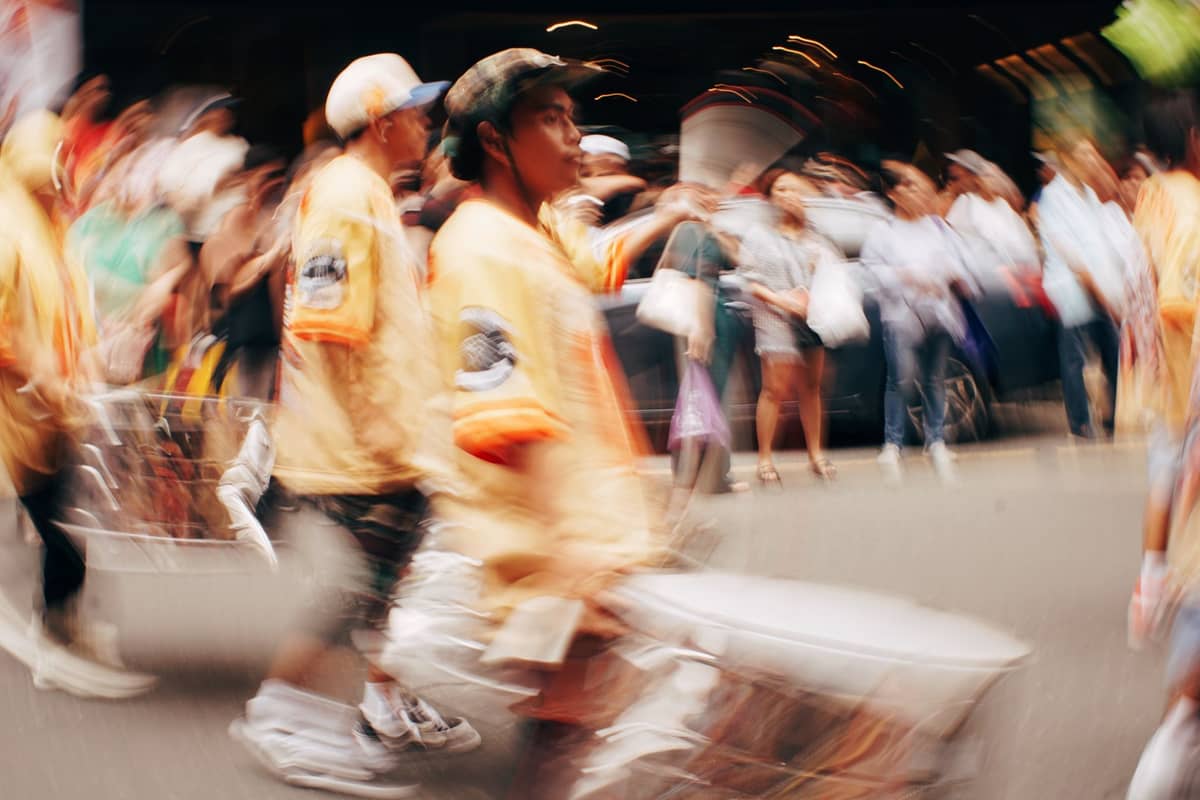
Candombe is not a cultural product designed for external consumption — it is a community practice with deep ties to Afro-Uruguayan identity and historical memory. This does not mean visitors are unwelcome, but it does mean that how you engage matters. Observing informal Sunday llamadas from a respectful distance is normal and accepted. Joining a cuerda without invitation, touching instruments without permission, or treating the practice as a photo backdrop without acknowledging the community is not.
Several cultural organizations in Sur and Palermo offer workshops and introductory sessions for those who want to understand Candombe more deeply. These vary in formality and price — some are coordinated through community associations (casas de candombe), others through cultural tourism operators. Checking with the Intendencia de Montevideo's cultural department or the Comisión UNESCO Uruguay (comisionunesco.org.uy) for vetted options is a better approach than booking through generic tour aggregators, which may offer experiences disconnected from the actual communities.
For visitors who want to combine Candombe with a broader understanding of Montevideo's cultural geography, a walking tour of Ciudad Vieja can be paired with an afternoon walk through Sur and Palermo. The two neighborhoods share a boundary near the southern end of Ciudad Vieja, making the combination logical on foot.
Practical Planning Information
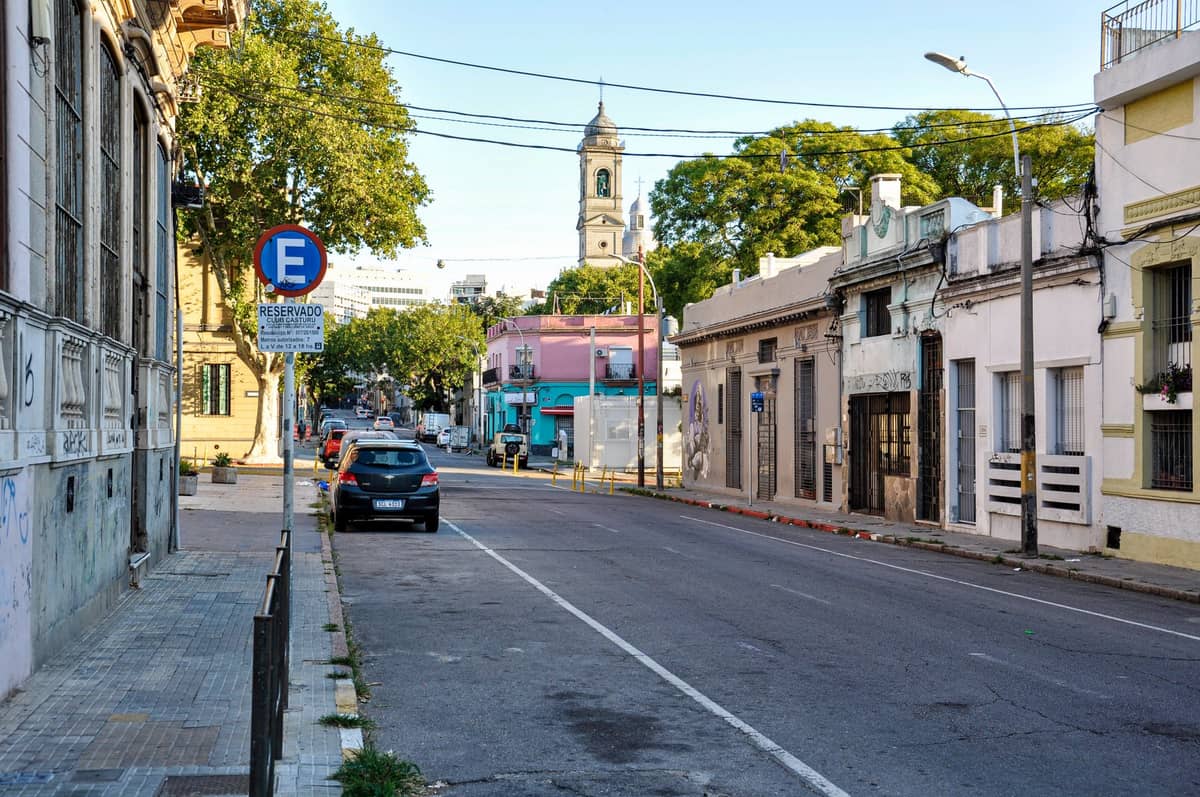
Barrio Sur and Palermo are accessible from the city centre on foot or by bus. From Ciudad Vieja, the walk south and east into Sur takes around 15 to 20 minutes. From Pocitos or the Rambla coastal strip, buses connect to the city centre with stops near these neighborhoods. The area is walkable and reasonably navigable in daylight.
Montevideo's safety profile is relevant here: Sur and Palermo are active, mixed neighborhoods rather than isolated areas. As with any urban environment, standard precautions apply, particularly in the evening. The Montevideo safety guide covers neighborhood-level context in more detail.
- Getting there Walk from Ciudad Vieja (15-20 min) or take a city bus to Barrio Sur. The Rambla de Montevideo runs along the southern edge of the neighborhood.
- Best time of day Sunday afternoons from around 3pm. For Carnival parades, check the municipal schedule — start times are typically early evening.
- Cost Sunday llamadas are free to observe. Desfile de Llamadas grandstand tickets are sold through official channels; free street viewing is available along the route.
- Photography Permitted in public spaces during parades and street events. Ask before photographing individuals up close, particularly drummers and dancers in informal settings.
- Language Uruguay's official language is Spanish (Rioplatense variety). Basic Spanish will help you interact with community members; English is less commonly spoken in these neighborhoods than in tourist areas.
✨ Pro tip
The Museo del Carnaval in Ciudad Vieja holds instruments, costumes, and archival material related to Candombe and Carnival history. Visiting before heading into Sur and Palermo gives you visual and historical grounding that makes the street experience far more legible. Check current opening hours directly with the museum before visiting.
FAQ
Is Candombe the same as tango?
No. Candombe and tango are both UNESCO-recognized intangible heritage traditions from the Río de la Plata region, but they are entirely distinct. Candombe is rooted in Afro-Uruguayan communities and is built around three types of drums (chico, repique, piano). Tango developed from a different blend of immigrant and local cultures and is played with bandoneón, violin, and piano. UNESCO lists them under separate inscriptions.
When is the best time to see Candombe in Montevideo?
The Desfile de Llamadas during Carnival in February is the largest event, but Candombe is practiced every Sunday year-round in Sur, Palermo, and Cordón. October's Heritage Day Llamadas offer a formal parade without Carnival crowds. If you are visiting outside these windows, Sunday afternoons in Barrio Sur are the most reliable opportunity.
Do I need a ticket to watch the Desfile de Llamadas?
Street viewing along the parade route is free, though spots fill up quickly — arrive at least 90 minutes early for a decent position. Grandstand seating requires tickets purchased through official municipal channels (Intendencia de Montevideo). Prices and availability change each year, so check montevideo.gub.uy for current details.
Can I join or participate in Candombe as a visitor?
Observing is always welcome. Active participation — playing drums, joining a cuerda — is a different matter and should only happen through an invitation or a properly organized workshop with a community organization. Several casas de candombe in Sur and Palermo run introductory sessions. The Comisión UNESCO Uruguay (comisionunesco.org.uy) can point you toward legitimate options.
What neighborhoods should I visit to experience Candombe?
Barrio Sur and Palermo are the core. These are the neighborhoods specifically named in the UNESCO inscription as the socio-cultural space of Candombe. Cordón is also part of this space. All three are centrally located and accessible on foot from Ciudad Vieja or the city centre.
Tickets & tours
Live prices and dates from our booking partner. If you book, we may earn a commission at no extra cost to you.
Planning a trip? Discover personalized activities with the Nomado app.