Best Time to Visit Montevideo: A Season-by-Season Guide
Montevideo is a genuine year-round destination, but each season offers a different experience. This guide breaks down the weather, crowds, prices, and key events month by month so you can choose the timing that fits your trip.
Tickets & tours
Live prices and dates from our booking partner. If you book, we may earn a commission at no extra cost to you.
TL;DR
- Spring (September–November) and autumn (March–May) offer the most comfortable temperatures for city exploration: 16–24°C (60–75°F) with moderate crowds.
- Summer (December–February) is peak beach season with highs around 28°C (82°F), higher prices, and Carnival in January–February.
- Winter (June–August) is the quietest and cheapest period — mild by global standards at 14–15°C daytime highs, but grey and damp.
- Rainfall is spread fairly evenly across the year, so a 'dry season' doesn't really exist — check our Montevideo beaches guide for beach-specific timing advice.
- The best time to visit Uruguay overall depends on your priorities: beach weather points to December–February, cultural immersion to February (Carnival), and value travel to June–August.
Understanding Montevideo's Climate
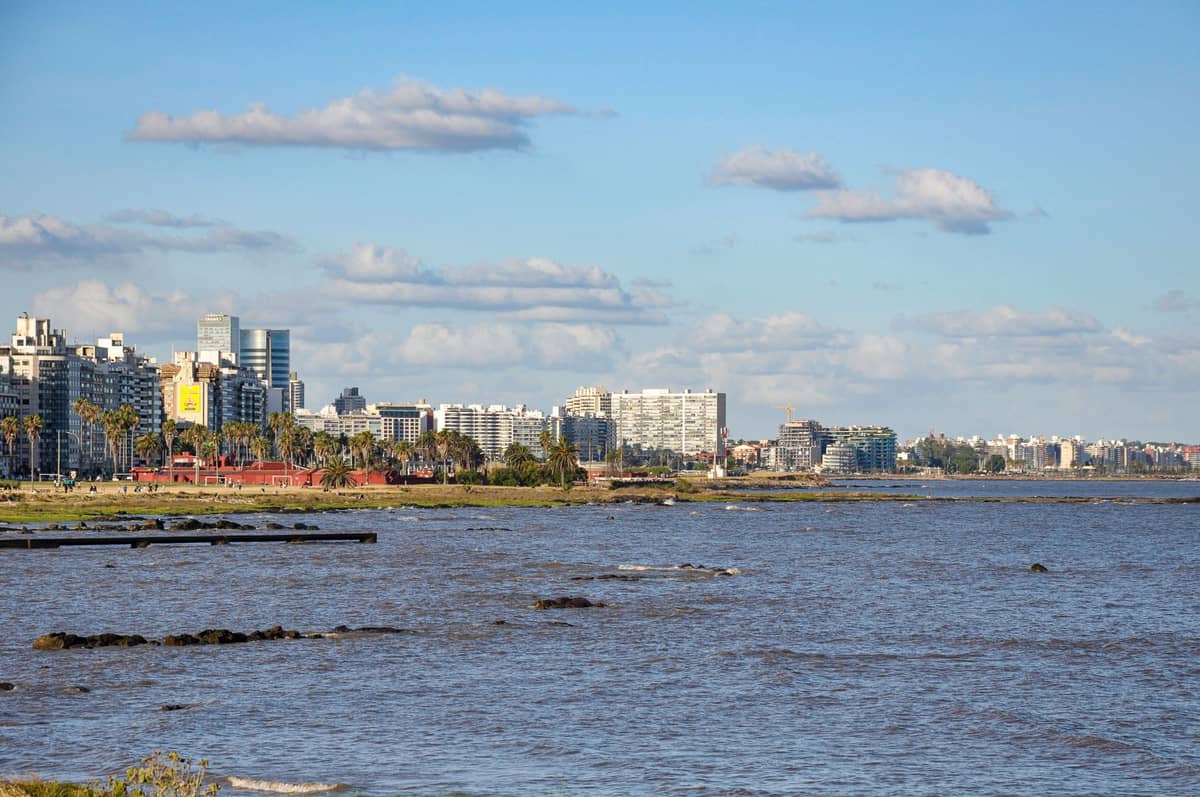
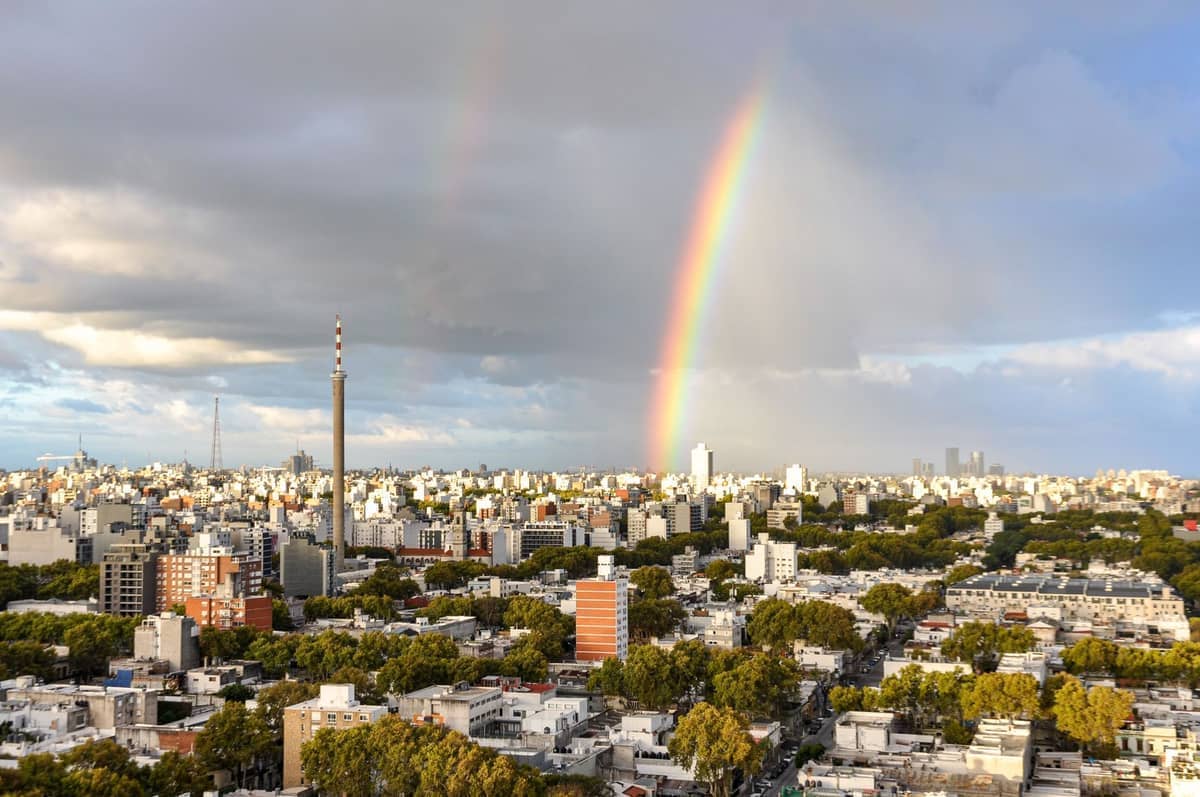
Montevideo sits at roughly 35°S latitude on the northern shore of the Río de la Plata, which gives it a humid subtropical climate (Köppen Cfa). That means warm, humid summers and mild winters — not the dramatic wet-and-dry cycle you find in tropical South America. The annual average temperature hovers around 17°C (63°F), and total annual rainfall is approximately 1,050 mm, distributed across all twelve months. There is no monsoon, no prolonged dry spell, and no season where rain is truly absent.
This matters for planning because the usual shorthand of 'go in the dry season' simply does not apply here. February, May, June, and August tend to be among the wetter months, but none of them are dramatically wetter than the rest. What actually shifts across the year is temperature, crowd density, hotel pricing, and the calendar of events — and those differences are significant enough to matter.
ℹ️ Good to know
Uruguay uses Uruguay Standard Time (UYT), which is UTC-03:00. The country does not currently observe daylight saving time. Seasons are reversed from the Northern Hemisphere: summer runs December through February, winter June through August.
Season-by-Season Breakdown
Summer in Montevideo (December–February) is the most popular window for both local and international visitors. Daytime temperatures reach 26–29°C (78–84°F), with January being the hottest month. Nights stay warm at around 17–20°C (63–68°F), which makes beach evenings along the Rambla genuinely pleasant. The coastal neighborhoods — especially Pocitos, Parque Rodó, and Carrasco — come alive with beachgoers, outdoor dining, and weekend markets. That said, summer brings the highest accommodation rates and the most competition for tables at good restaurants. Book well in advance if you plan to visit in January or February.
Carnival runs from late January through February, and this is genuinely one of South America's longest carnivals — not a clone of Rio's event, but something distinctly Uruguayan. Candombe drumming troupes, called comparsas, parade through city streets, and tablados (temporary outdoor stages) host nightly performances of murga, parodistas, and revistas. If Carnival is your goal, this is when to come — but expect noise, crowds, and hotels filling fast. Read our Montevideo Carnival guide for the full picture.
Autumn (March–May) is arguably the most underrated window. Temperatures settle into a comfortable 13–22°C (55–72°F) range, the summer crowds have cleared, and prices drop noticeably. March is still warm enough for beach days. By May the evenings get cool, but the city's parks — particularly Parque Prado and the area around Parque Rodó — take on an attractive quality with changing foliage. This is a strong window for cultural tourism: museums, architecture walks, and the mercados are all more relaxed.
Winter (June–August) is Montevideo at its quietest. Daytime highs average 14–15°C (57–59°F), with overnight lows around 7–8°C (44–46°F). It rarely freezes, and snow is essentially unheard of. What you do get is overcast skies, occasional cold fronts from the south (called pamperos), and a city going about its business without any particular concession to tourists. Hotels are cheaper, restaurants are less crowded, and if you want an honest look at Montevideo as a city rather than a resort, this is actually a decent time. Just pack layers and a waterproof jacket.
Spring (September–November) mirrors autumn in many ways: mild temperatures building from 12°C up to the low 20s, low crowds compared to summer, and good conditions for walking the city. September and October can be windy and prone to rain showers. By November, temperatures are rising and the beach season begins to warm up. Spring is a particularly good time for anyone interested in the city's architecture and historic districts, since the light is good and the heat hasn't arrived yet.
- December–February (Summer) Peak beach weather, Carnival in late Jan–Feb, highest prices and crowds. Best for sun, swimming, and nightlife.
- March–May (Autumn) Comfortable temperatures, quieter streets, lower prices. Best for city exploration and cultural sightseeing.
- June–August (Winter) Mild but grey and occasionally wet. Lowest prices, fewest tourists. Good for budget travel and seeing the city as locals live it.
- September–November (Spring) Warming up, moderate rainfall, low to moderate crowds. Good balance of conditions and value.
Best Time for Beaches
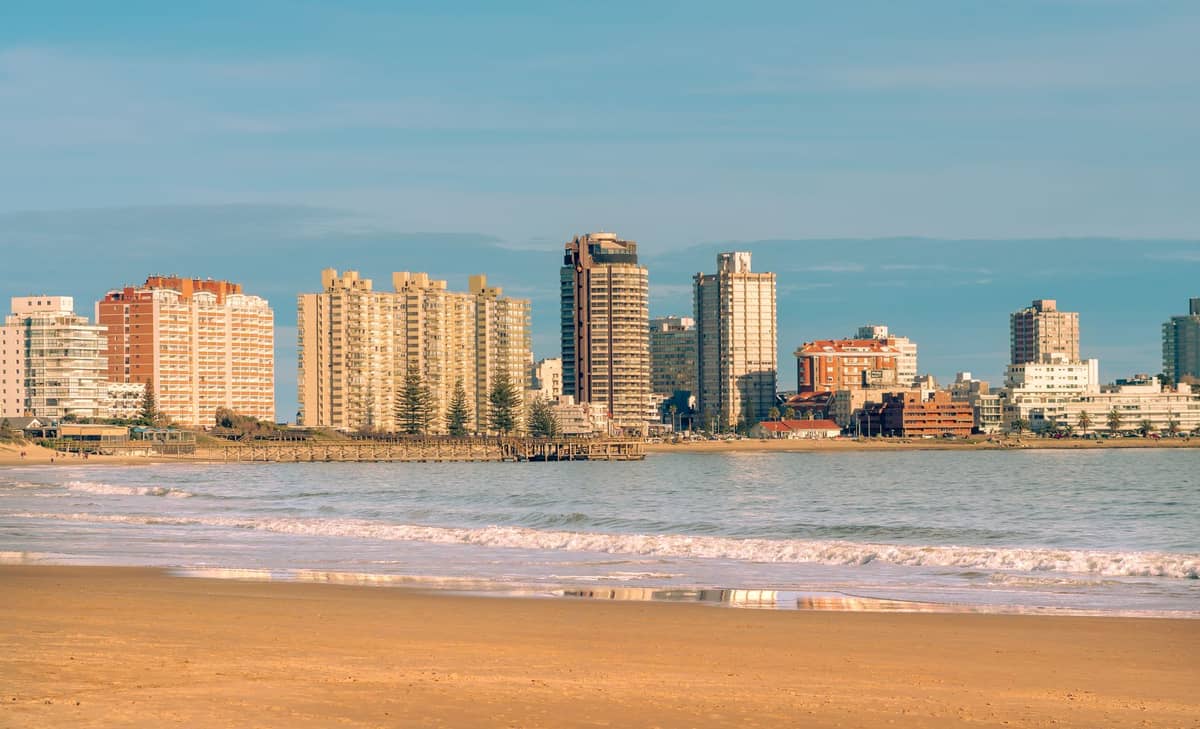
Montevideo's coastline stretches along the Rambla for roughly 22 km, connecting a series of urban beaches from Playa Ramírez near the city center to Playa Carrasco in the east. The water temperature in the Río de la Plata peaks in January and February, when sea temperatures average around 23–24°C (73–75°F), making it genuinely swimmable. By April the water cools quickly, and from May through September swimming is uncomfortable for most people.
For beach use, December through March is the realistic window, with January and February as the prime months. Playa Pocitos is the most popular urban beach and gets genuinely packed on summer weekends. If you want a calmer beach experience, aim for weekday mornings or head east toward Playa Carrasco. For serious beach holidays, most Uruguayans actually head to Punta del Este or the Atlantic coast rather than Montevideo's city beaches — worth keeping in mind if sand and surf are your priority.
✨ Pro tip
The Rambla de Montevideo is worth walking or cycling year-round, not just in summer. On a clear winter afternoon, the promenade and river views are some of the best free experiences the city offers — and you'll have it largely to yourself.
Key Events and When They Fall
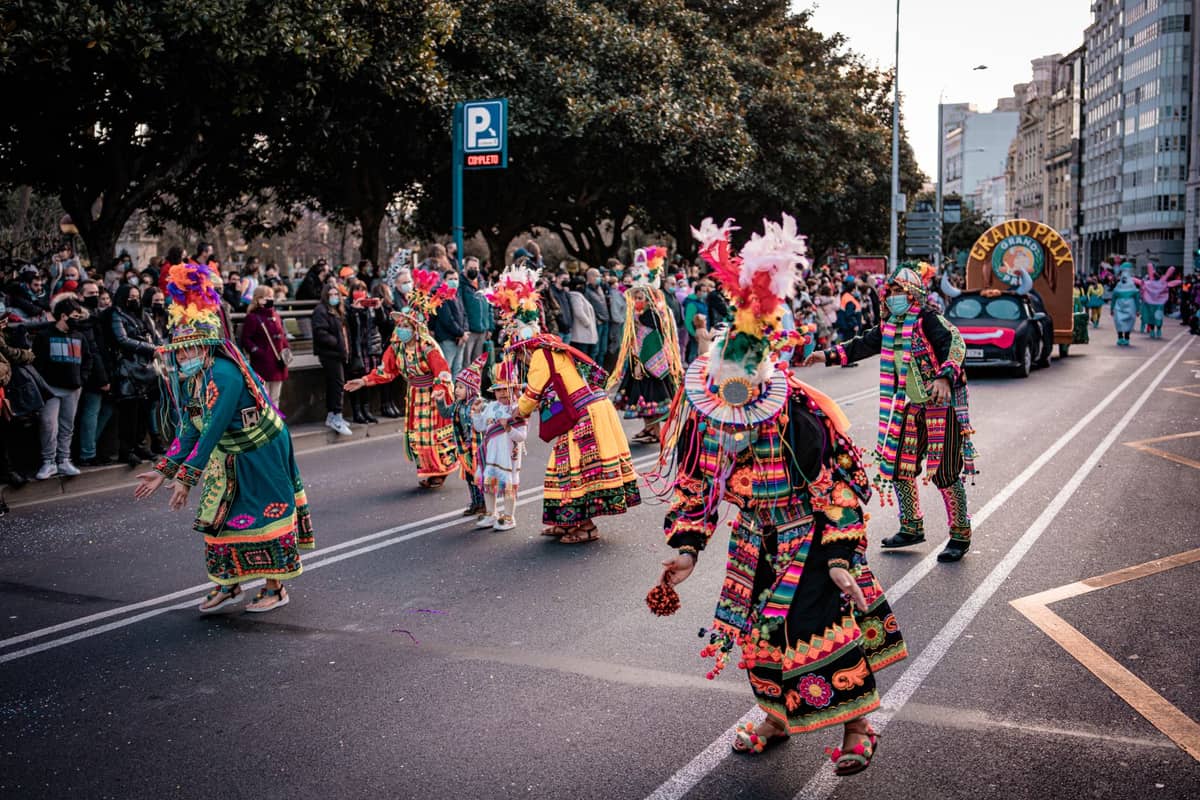
Timing your visit around Montevideo's event calendar can significantly shape your experience. The Carnival season is the headline event of the year, but it is far from the only one worth planning around.
- Carnival (late January–February) The longest carnival in the world by some measures. Candombe parades, tablados, murga performances. Hotels fill weeks in advance; book early.
- Semana de Turismo (Holy Week, April) Uruguay's secular equivalent of Easter week. Families travel, some businesses close, and cultural events run across the city. A good week to be in Montevideo if you plan ahead.
- Día del Patrimonio (October) Heritage Day opens many buildings that are normally closed to the public, including government palaces and historic private properties. Free entry to most sites.
- International Theater Festival (various dates) Montevideo has an active performing arts scene; the Solís Theater hosts major productions throughout the year, with festivals typically in autumn and spring.
- Semana Criolla (Holy Week) Held in Parque Rural, this gaucho culture festival is one of the most distinctly Uruguayan events of the year, featuring equestrian shows, traditional food, and folk music.
Football (soccer) season runs from roughly February through December in Uruguay, with the Apertura and Clausura tournaments. If attending a match at the Estadio Centenario is on your list, spring and autumn offer the most matches with the most comfortable attending weather. Our Montevideo football guide covers how to get tickets and which matches to prioritize.
Crowds, Prices, and Practical Logistics
Montevideo's tourism infrastructure is relatively compact and rarely overwhelmed, but the peak summer season (particularly January) does tighten accommodation availability and push up prices in coastal neighborhoods. The areas around Pocitos and Ciudad Vieja see the biggest price swings. If you are flexible on timing, March–May and September–October offer the best combination of decent weather and reasonable rates.
Getting into the city from Carrasco International Airport (IATA: MVD) is straightforward regardless of season. The airport sits about 18–20 km east of central Montevideo. Public buses operated by CUTCSA and Copsa run to the city center with fares around USD 2–3 and a travel time of 45–50 minutes. Taxis and remise services are faster but cost considerably more. The airport road passes through the upscale Carrasco neighborhood, which is worth knowing if you plan to stay in the east of the city.
⚠️ What to skip
During Carnival (late January through February), accommodation in Montevideo — especially in Ciudad Vieja and Pocitos — can sell out weeks in advance. If you are visiting for Carnival, treat booking accommodation as your first priority, not an afterthought.
For travelers who want to combine Montevideo with a day trip, timing matters for those options too. The bus to Colonia del Sacramento runs year-round and takes about 2.5–3 hours each way. Summer can mean fuller buses and the need to book ahead, while winter journeys are typically quieter. Similarly, Punta del Este is a genuine summer destination — it is quieter than Montevideo in the off-season, but much of its appeal (beach clubs, outdoor dining, water sports) is seasonal.
Honest Assessment: When Not to Go
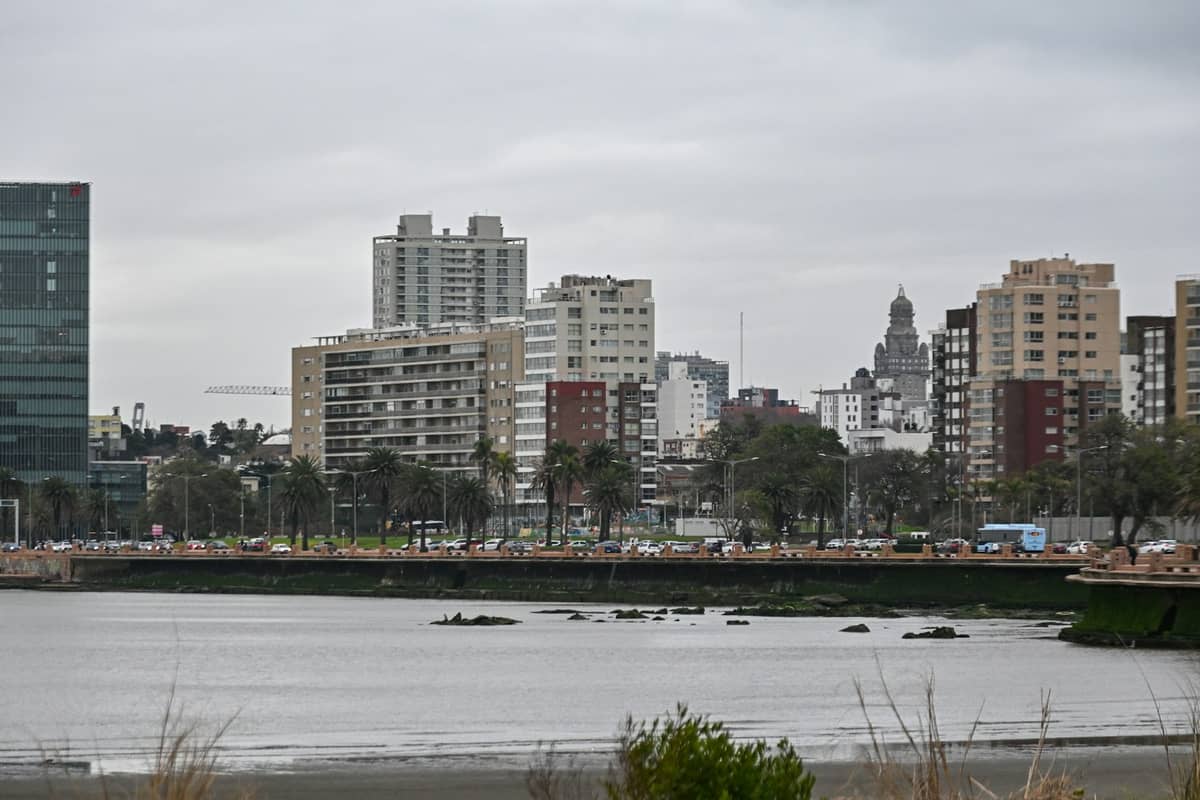
No time of year is categorically bad for visiting Montevideo, but some windows come with specific trade-offs worth naming directly. Mid-winter (July–August) is the lowest point for sunshine hours, and the city can feel flat if your main reason for visiting is outdoor life or beach access. The Rambla is grey, the beaches are empty, and some smaller restaurants and cultural venues operate on reduced schedules.
January is the peak of summer but also the month when many Montevideo residents leave the city for beach resorts. Some local businesses close or reduce hours. Ironically, if you want to experience the city's everyday local culture rather than its resort mode, January can feel slightly hollow outside the Carnival context. February is better for Carnival itself, but accommodation pressure is at its maximum.
If budget is your primary constraint, our Montevideo on a budget guide covers specific strategies for keeping costs down, but the short answer is: travel between June and August, avoid Carnival week, and stay in Centro or Ciudad Vieja rather than the coastal neighborhoods.
FAQ
What is the best time to visit Uruguay for good weather?
For warm, sunny conditions, November through March is the strongest window. January and February are the hottest months, while November and March offer warmth without the peak-season crowds. Autumn (April–May) also has pleasant weather with mild temperatures between 13–22°C (55–72°F).
Is Montevideo worth visiting in winter?
Yes, with realistic expectations. Winters are mild — daytime highs around 14–15°C (57–59°F) — and the city remains fully functional. Museums, restaurants, and cultural sites are open. Prices are lower, crowds are minimal, and you get an honest look at the city without the tourist overlay. It is not beach weather, but it suits city-focused travel.
When is Carnival in Montevideo?
Carnival runs from late January through February, making it the longest carnival celebration in the world. The main events include candombe drumming parades, tablados (outdoor performance stages), and murga (musical theatre) shows. Accommodation books up quickly during this period, so plan ahead.
Does Montevideo have a rainy season?
No distinct rainy season exists. Rainfall of around 974 mm annually is spread fairly evenly across all months. February, July, August, and September tend to see slightly higher precipitation, but no month is dramatically drier or wetter than the others. Packing a light waterproof jacket is advisable year-round.
What month is cheapest to visit Montevideo?
June, July, and August are typically the cheapest months for accommodation and flights. The winter low season means fewer tourists and better hotel rates, particularly in coastal neighborhoods like Pocitos. Avoid Carnival week even in February if budget is your priority, as prices spike significantly during that period.
Tickets & tours
Live prices and dates from our booking partner. If you book, we may earn a commission at no extra cost to you.
Planning a trip? Discover personalized activities with the Nomado app.