Football in Montevideo: Stadiums, Matches & Fan Guide
Montevideo is one of South America's most football-obsessed cities, home to two of the continent's oldest clubs and a stadium that hosted the first World Cup final. This guide covers every major venue, how to buy tickets, what to expect at a clásico, and the practical details that make the difference between a great experience and a frustrating one.
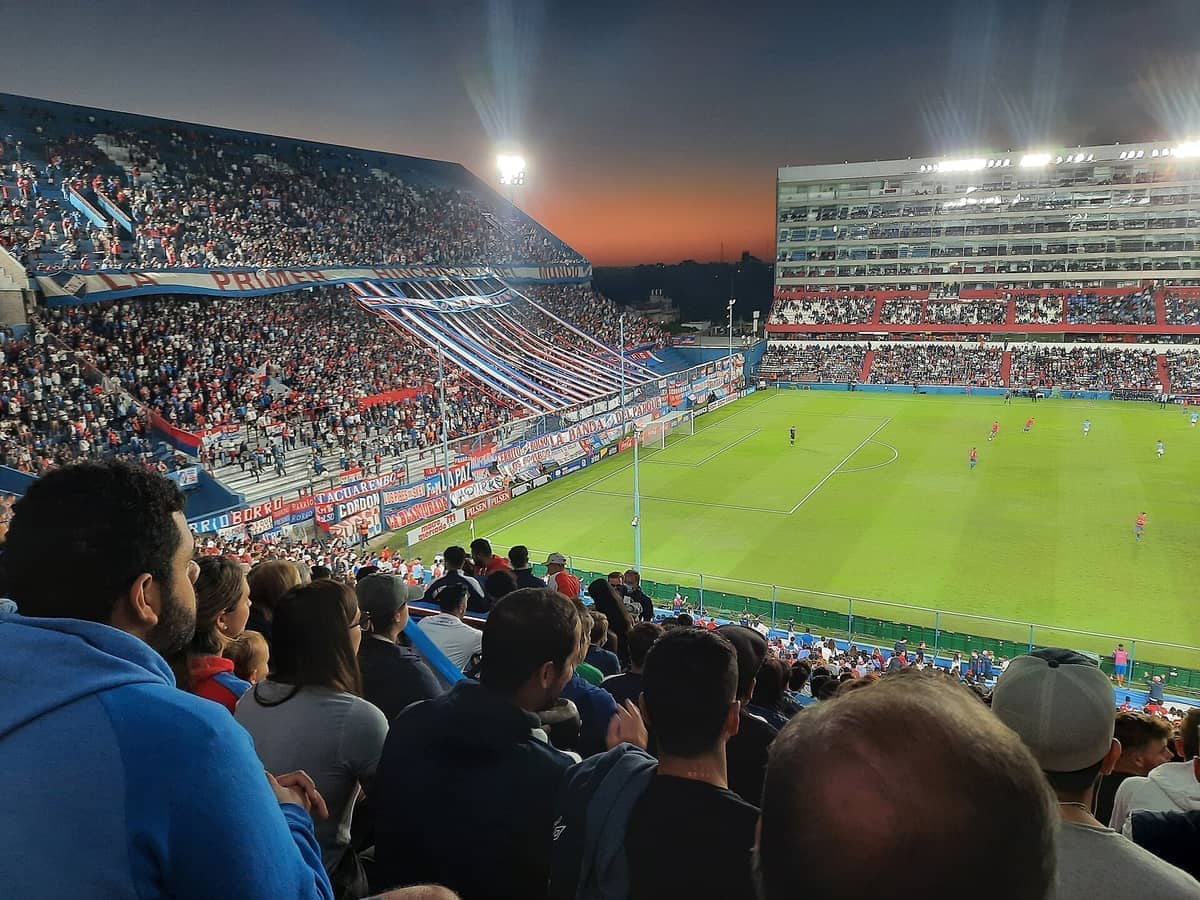
Tickets & tours
Live prices and dates from our booking partner. If you book, we may earn a commission at no extra cost to you.
TL;DR
- Montevideo has three major stadiums: Estadio Centenario (national), Campeón del Siglo (Peñarol), and Gran Parque Central (Nacional).
- Not all big games are at the Centenario — many clásicos and league fixtures take place at club grounds.
- Tickets for the Nacional vs Peñarol clásico sell fast and prioritize club members — buy online via RedTickets or club portals, not at the gate. See the Estadio Centenario for historic context.
- Stadium tours run regularly at both club grounds and are an affordable way to get inside even without a match ticket.
- The Liga AUF Uruguaya runs from February through late autumn — check the Montevideo activity calendar when planning around a match.
Why Montevideo Takes Football Seriously
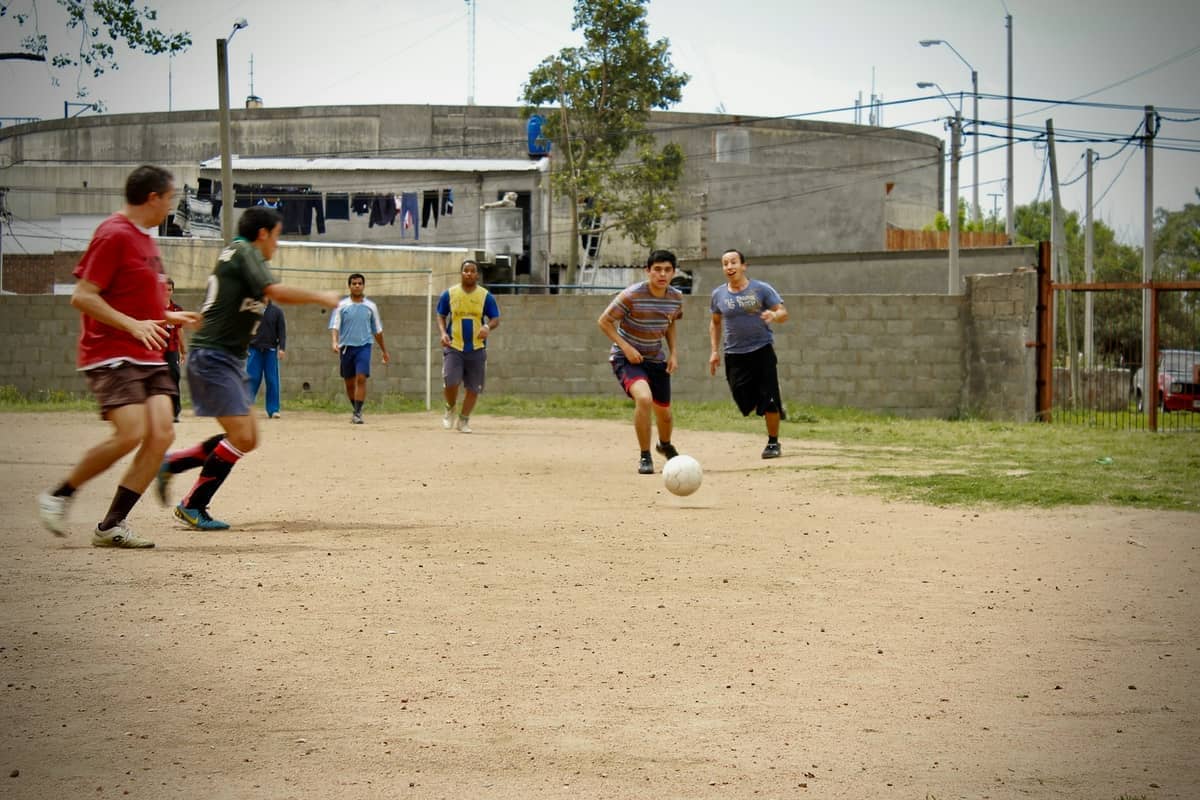
Uruguay is a country of about 3.5 million people that has won two FIFA World Cups (1930 and 1950) and produced 15 Copa América titles, second only to Argentina. Most of that footballing history runs through Montevideo, a coastal city of roughly 1.3 million people on the Río de la Plata. The density of serious football culture here is unusual even by South American standards: in a country this size, resources, talent, and passion concentrate in one metropolitan area in a way that few cities outside Buenos Aires can match.
The two dominant clubs, Club Nacional de Football and Club Atlético Peñarol, have been playing since 1899 and 1891 respectively. Their rivalry, known as el clásico, is one of the oldest and most intense derbies in world football. Beyond the big two, the Estadio Centenario stands as a genuine piece of world football history: it was built specifically for the 1930 World Cup and hosted that tournament's final. Walking into it carries weight that newer, shinier stadiums simply do not.
ℹ️ Good to know
Uruguay plays its home international fixtures at the Estadio Centenario, so if you time your visit around a CONMEBOL World Cup qualifier or Copa América match, you can watch the national team — La Celeste — in their own backyard. Check the AUF official site (auf.org.uy) for the international calendar.
The Three Stadiums You Need to Know
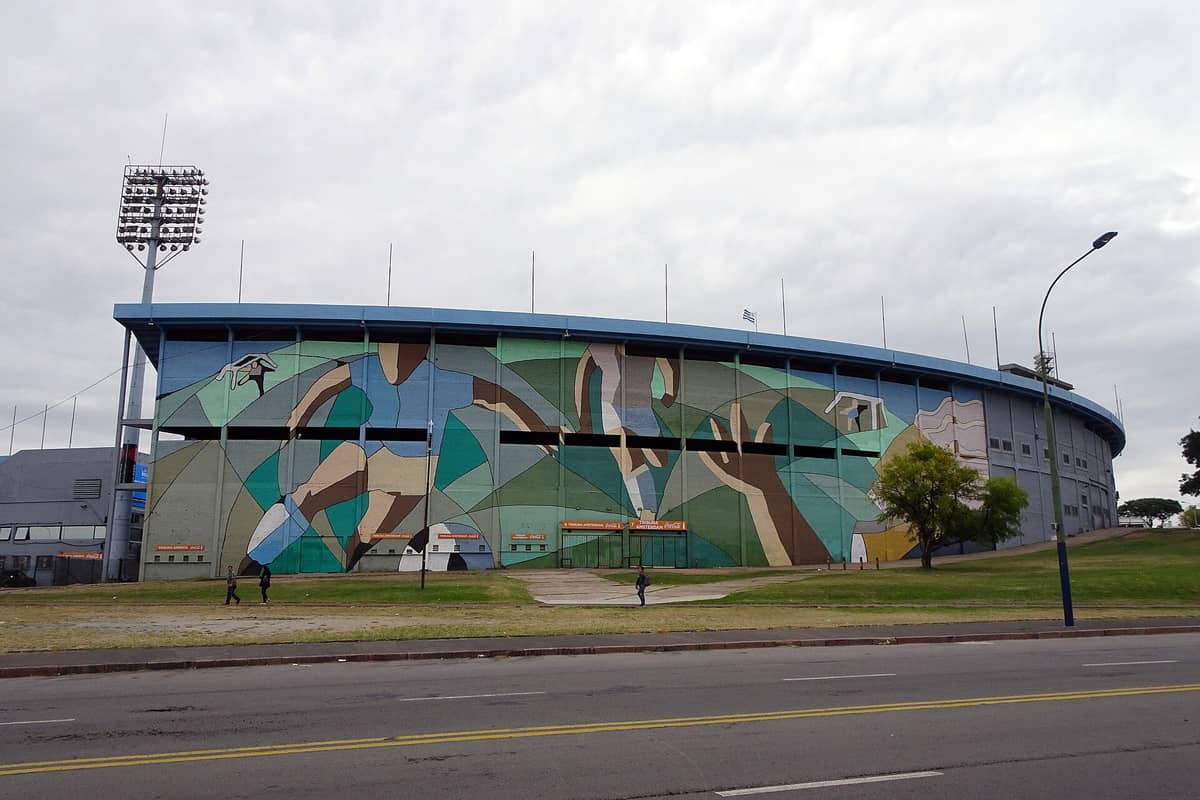
Visitors often assume every major match happens at the Centenario. That assumption leads to confusion when the fixture they want turns out to be at a club ground on the other side of the city. Understanding which stadium hosts which games saves real time.
- Estadio Centenario Located in Parque Batlle, capacity around 60,000. This is Uruguay's national stadium, used for international fixtures and selected cup finals. It houses the Museo del Fútbol, which is worth visiting even outside match days. Getting there by bus from Ciudad Vieja takes around 20-25 minutes.
- Estadio Campeón del Siglo (Peñarol) Peñarol's purpose-built modern stadium in Bañados de Carrasco, on the city's eastern edge. Capacity around 40,000. Opened in 2016, it has good sightlines and facilities. Fixtures played here can be 30-45 minutes from the city centre depending on traffic and transport options.
- Gran Parque Central (Nacional) Nacional's historic home in La Blanqueada, considered one of the oldest active football stadiums in South America. Capacity is smaller than the other two, which creates an intense atmosphere for derby fixtures. It sits closer to the city centre, roughly 15-20 minutes from Plaza Independencia by bus.
Each stadium has a distinct character. The Centenario communicates institutional grandeur; Gran Parque Central is tight and historically loaded; Campeón del Siglo is modern and loud. If you want to see the Museo del Fútbol alongside attending a match, plan around a Centenario fixture. If you want raw atmosphere from the terraces, a Nacional home game at Gran Parque Central on a cold winter night delivers something different entirely.
Stadium Tours: What to Expect and What It Costs
Both Peñarol and Nacional offer stadium tours on non-match days. These are genuinely good value and accessible to visitors with no club allegiance whatsoever. Tours typically cover the dressing rooms, players' tunnel, pitch-side areas, and trophy displays.
At Campeón del Siglo, Peñarol runs standard and premium guided visits, usually lasting between 60 and 90 minutes. Recent published prices showed standard visits at a modest price for the general public and premium guided tours at a higher price. Children under 11 typically enter free with a paying adult, though this can change — confirm on the official Peñarol site before visiting. The stadium's location means you need to plan transport in advance; it is not walking distance from any major hotel district.
Gran Parque Central's tours are similarly affordable and give access to the historic fabric of the ground, which has deep roots in the late 19th century. Check Nacional's official channels for current scheduling, as tours may not run on days before home fixtures. The Centenario has its own tour and museum structure — the Museo del Fútbol inside it provides context on Uruguayan football history regardless of whether a match is scheduled.
💡 Local tip
If you are combining a stadium tour with sightseeing in Parque Batlle, visit the Estadio Centenario and museum on the same trip. The park surrounding the stadium is pleasant in autumn and spring, and the museum alone takes 45-60 minutes to do properly.
Attending a Live Match: Tickets, Timing, and Practicalities
The Liga AUF Uruguaya (Primera División) The Liga AUF Uruguaya (Primera División) runs through the year, with the Torneo Apertura typically beginning in early February. A second phase, the Torneo Clausura, follows later in the season. This means fixtures are most plentiful between February and June, which also corresponds to some of Montevideo's most comfortable weather for outdoor evening events. This means fixtures are most plentiful between February and June, which also corresponds to some of Montevideo's most comfortable weather for outdoor evening events.
Ticket distribution works differently here than in many European leagues. Ticket distribution works differently here than in many European leagues. For regular-season games, tickets are sold through platforms like RedTickets and Tickantel for some fixtures, as well as physical payment points including Redpagos locations around the city. Some clubs also sell through their own member portals. Some clubs also sell through their own member portals. For the clásico and other high-demand fixtures, club socios (members) get priority access well before general sale opens. As a non-member visitor, you may find yourself locked out of lower-tier pricing or even unable to buy if the fixture sells through member allocations alone.
Ticket prices for regular league fixtures are accessible by most standards: a typical stand at a non-clásico Primera División game can range from modest prices to higher tiers depending on the club, stand position, and match importance. For the clásico at Gran Parque Central, recent pricing showed cheaper sectors for socios and higher-priced central and premium sectors for the general public. These numbers shift each season, so treat them as directional rather than fixed.
⚠️ What to skip
Do not plan to buy a clásico ticket at the gate. Gates for Nacional vs Peñarol frequently do not have general sale on the day. Purchase online through official platforms at least several days in advance, and check whether allocation has opened to non-members before assuming you can attend.
- Check the AUF official site (auf.org.uy) for the current season fixture list and which stadium each match is scheduled at.
- Use RedTickets or Tickantel for online purchase when they are the official sale channels — both accept international cards in some cases, though always check current payment options.
- For Peñarol fixtures at Campeón del Siglo, plan transport in advance: taxis, Uber, and remise services are the most practical options from central Montevideo.
- Bring ID to the stadium — most venues require identification matching the ticket, particularly for sensitive fixtures.
- Arrive at least 30-40 minutes before kick-off for a clásico. Queues at turnstiles move slowly and the atmosphere builds in that pre-match window.
The Clásico: Nacional vs Peñarol
El clásico between Nacional and Peñarol is not just Uruguay's biggest match. It is one of the oldest continuous football derbies in the world. The two clubs have very different identities: Nacional is historically associated with Uruguayan-born players and a sense of national identity, while Peñarol has roots in the British railway workers who shaped Montevideo's early industrial character. These distinctions matter less now in strict sporting terms, but they still echo in how fans from different social and neighborhood backgrounds identify with each club.
For visitors, attending a clásico is one of the more intense live sporting experiences available in South America. The crowd noise, the organized chanting from the terraces (curvas), and the physical presence of thousands of very committed supporters create an atmosphere that stadium design alone cannot manufacture. If you are interested in football culture broadly, this sits alongside experiences like attending a match at Buenos Aires derbies in terms of raw energy — though Montevideo's scale keeps things slightly more manageable logistically.
Security arrangements for clásicos are strict. Away supporters are typically confined to designated sections, and mixing of rival fans in other areas is not encouraged. As a neutral visitor, sit in the home stand of whichever club is hosting, avoid wearing colors associated with either club unless you genuinely support one of them, and follow instructions from stewards without question. This is not a context where tourist confusion gets much sympathy from the crowd around you.
Beyond the Big Two: Other Clubs and Fixtures
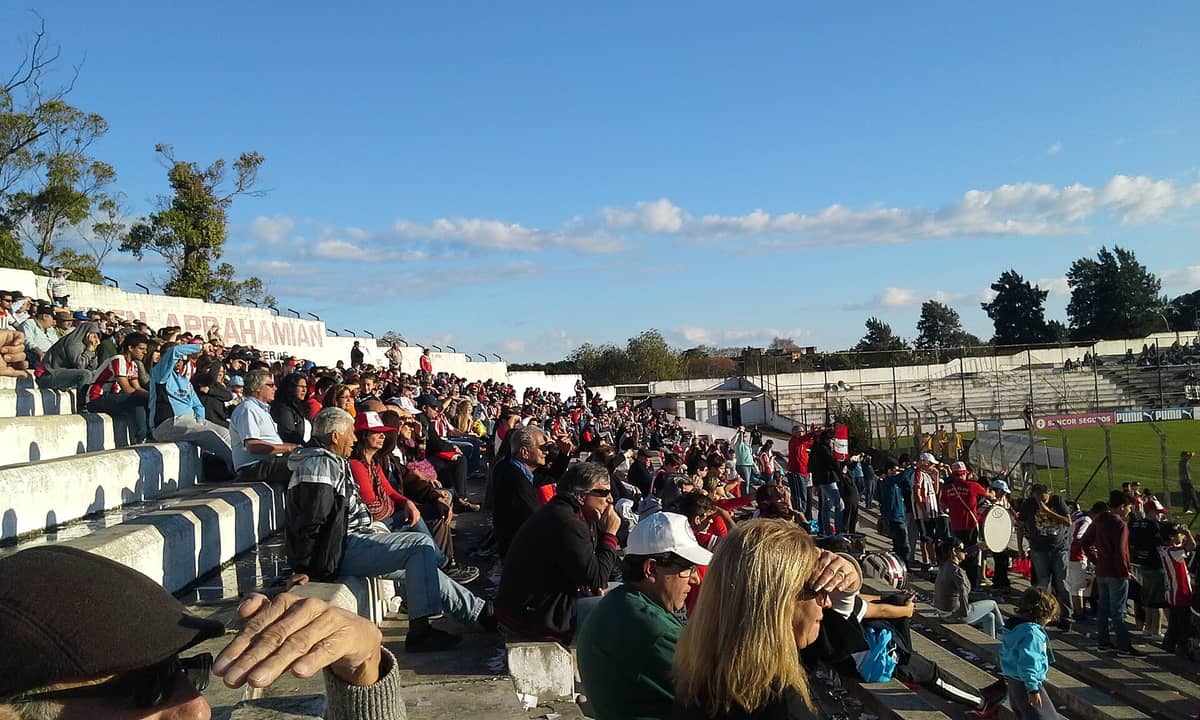
Montevideo's Primera División contains clubs beyond Nacional and Peñarol that are worth knowing. River Plate (Uruguay), Defensor Sporting, Danubio, and Fénix all have history and dedicated fan bases. Matches involving these clubs at their own grounds tend to be easier to attend: ticket availability is higher, prices are lower, and the logistical stress is reduced. For visitors who want to experience Uruguayan football culture without the complexity of clásico ticket hunting, a mid-table Primera División fixture between two of these clubs on a Sunday afternoon is a legitimate and enjoyable option.
Montevideo's football culture extends into everyday life in ways that a single match cannot fully capture. The Mercado del Puerto and neighborhood bars around Pocitos and Ciudad Vieja show live matches on screens, and the post-match discussion culture is serious. Listening to Uruguayan football radio or watching a match in a local bar gives a different kind of access to how the city relates to the sport.
✨ Pro tip
If your Spanish is limited, use the AUF site's fixture calendar in combination with Flashscore or similar platforms for English-language scheduling. Filter by 'Uruguay - Liga AUF Uruguaya' to see all current Primera División results and upcoming fixtures with stadium information.
FAQ
Where do I buy tickets for a football match in Montevideo?
Tickets for most Primera División matches are sold through RedTickets (redtickets.uy), Tickantel, and club member portals. Physical purchase points include Redpagos locations across the city. For high-demand fixtures like the clásico, online purchase in advance is essential — gate sales are rare and may not exist at all for sold-out games.
Is the Estadio Centenario open for tours?
Yes. The Estadio Centenario in Parque Batlle offers tours and houses the Museo del Fútbol, which covers Uruguayan football history including the 1930 World Cup. It is worth visiting even on non-match days. Check official schedules in advance as hours can vary, particularly around international fixtures.
When does the Uruguayan football season run?
The Liga AUF Uruguaya runs through the southern hemisphere summer and autumn. The Torneo Apertura typically begins in February, with fixtures continuing through to around May or June. A second phase follows. This means the richest period for attending live matches falls roughly between February and June.
Can visitors attend a Nacional vs Peñarol clásico?
Yes, but planning ahead is critical. Tickets prioritize club socios (members) before opening to general sale, and the clásico frequently sells out. Buy online through official platforms as soon as tickets become available to the general public. As a neutral visitor, buy in the home stand for whichever club is hosting and avoid wearing colors of either side.
Which stadium should I visit for a stadium tour in Montevideo?
Peñarol's Campeón del Siglo offers structured tours at a modest current price depending on tier, with children under 11 typically free. Gran Parque Central gives access to one of South America's oldest active stadiums. The Estadio Centenario combines a tour with the Museo del Fútbol, making it a strong single destination if you only have time for one. All prices should be verified on official sites before visiting.
Tickets & tours
Live prices and dates from our booking partner. If you book, we may earn a commission at no extra cost to you.
Planning a trip? Discover personalized activities with the Nomado app.