Best Beaches in Montevideo: Every Beach Ranked and Explained
Montevideo has more than twenty named beaches stretching along the Río de la Plata, from lively Pocitos near the city center to the tranquil sands of Carrasco. This guide covers water quality, the best beaches for swimming versus walking, seasonal crowd patterns, and how to get there.
Tickets & tours
Live prices and dates from our booking partner. If you book, we may earn a commission at no extra cost to you.
TL;DR
- Montevideo beaches run along the Rambla waterfront for roughly 22 km, covering more than twenty named beaches from Ramírez near downtown to Carrasco in the east.
- Playa Pocitos is the most popular city beach, best for swimming and socializing; Carrasco is quieter and better for a long walk.
- The water is Río de la Plata estuary, not open Atlantic, meaning it is brownish, low-wave, and lower salinity than ocean beaches in eastern Uruguay.
- Peak season is December through March. The city monitors water quality regularly in summer and posts beach status online.
- The marina cove at Puerto del Buceo is not suitable for swimming. For beach alternatives, consider reading about a day trip to Punta del Este for Atlantic-style open-ocean beaches.
What to Expect from Montevideo's Beaches
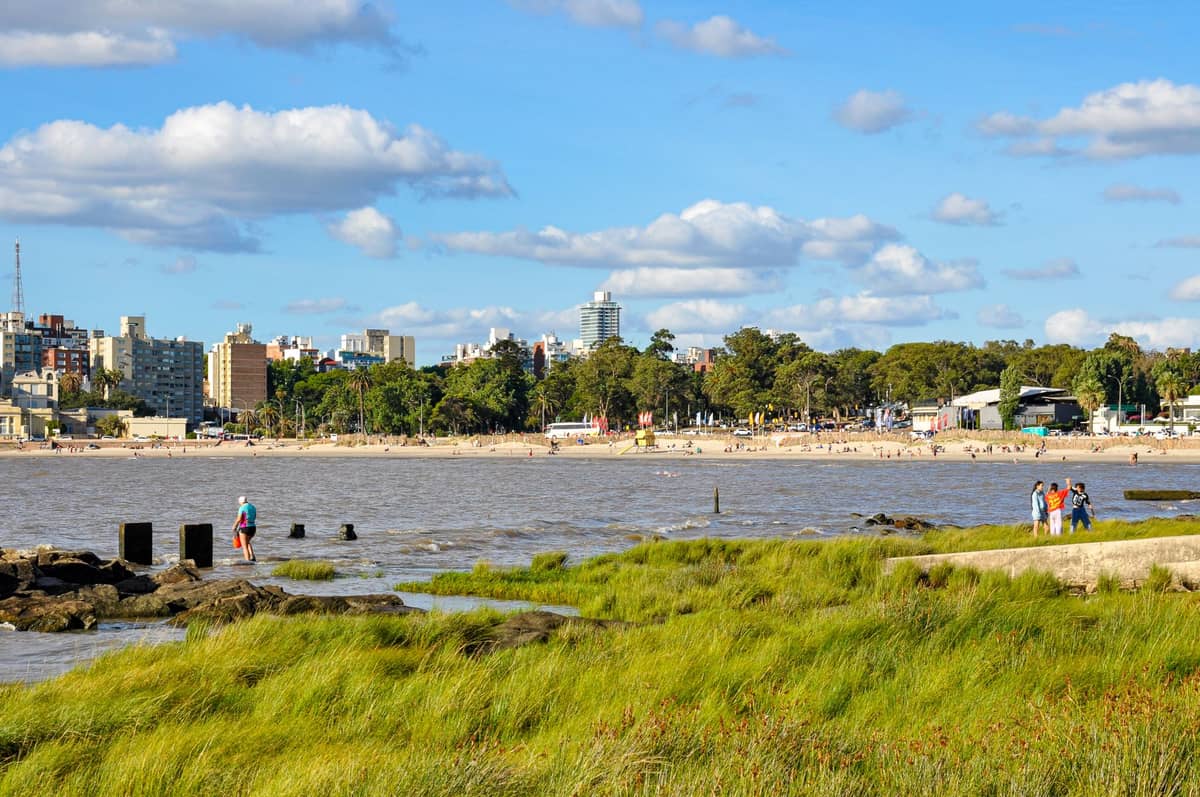
First, a realistic picture: Montevideo's beaches sit along the northern shore of the Río de la Plata, a massive estuary rather than the open South Atlantic. The water is shallow, low in waves, and ranges from murky brown to a clearer grey-blue depending on wind direction and rainfall upstream. If you are expecting the crystalline water of a Caribbean beach, this is a different experience entirely. What Montevideo offers instead is a functional, well-maintained urban coast where locals actually spend significant time, the infrastructure is solid, and the setting along the Rambla is genuinely attractive.
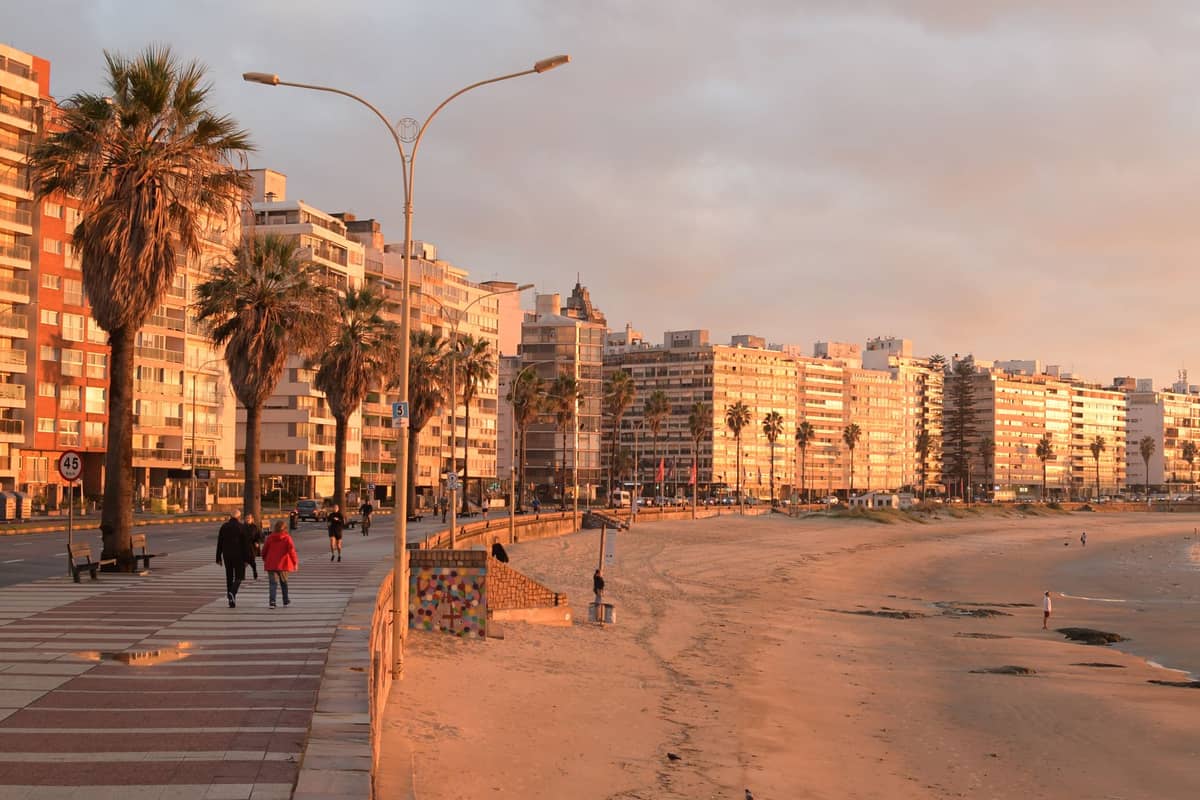
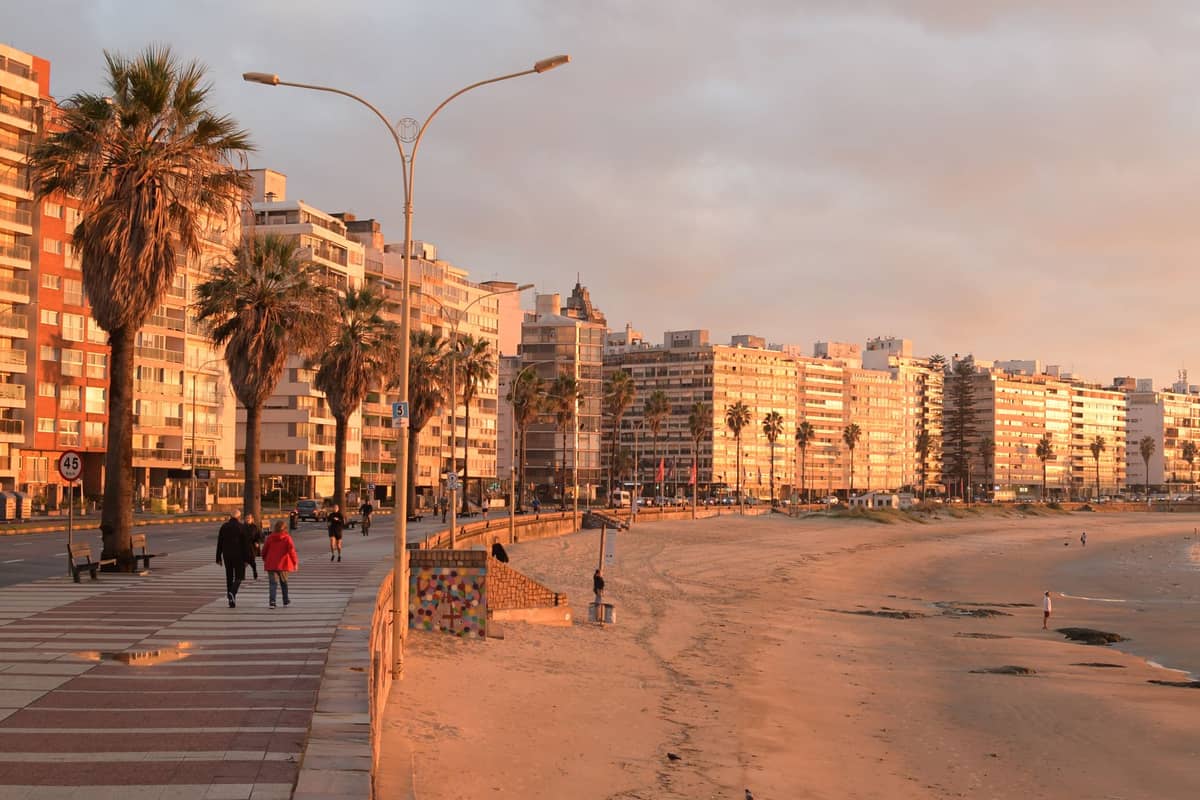
The beaches stretch continuously east from Playa Ramírez near the city center all the way through Pocitos, Buceo, Malvín, and Carrasco. Each section has a slightly different character tied to its surrounding neighborhood. You can walk or cycle the entire coast along the Rambla, one of Montevideo's most defining public spaces. The full stretch from Ramírez to Carrasco covers roughly 22 kilometers.
ℹ️ Good to know
The Rambla is not just beach access, it is also Montevideo's main jogging, cycling, and socializing corridor. Even in winter, locals walk it daily. Arriving on a weekend morning in summer, expect it to be genuinely crowded between Pocitos and Buceo.
The Main Beaches, Ranked by Purpose
Rather than listing every beach alphabetically, here is a practical breakdown by what each does best. Knowing which beach suits your priorities saves time.
- Playa Pocitos The most popular and well-serviced beach in the city. A long, wide stretch of sand backed by apartment towers, hotels, and restaurants in the upscale Pocitos neighborhood. Good swimming depth relatively close to shore. Packed in summer, especially on weekends. About 10 minutes from downtown by car or bus. Best for: swimming, socializing, beach volleyball, convenience.
- Playa Ramírez The beach closest to downtown, adjacent to Parque Rodó. Broad and sandy with shallow, calm water. Popular with families with young children due to the gentle entry. The surroundings are park-like rather than high-rise residential, giving it a different atmosphere from Pocitos. Best for: families, casual sunbathing, proximity to the city center.
- Playa Buceo and Malvín Wider, flatter beaches with gentler water, popular for running, kitesurfing, and sports rather than concentrated sunbathing. Less densely packed than Pocitos on a typical summer day. The area around the Buceo marina is explicitly not suitable for swimming due to water quality concerns, but the open beach sections are monitored and generally rated as apt. Best for: sports, a quieter day on the sand.
- Playa Carrasco A very long beach in the upscale residential Carrasco neighborhood, near the international airport. Significantly less crowded than Pocitos even in peak season. Good for walking long stretches without weaving around sunbathers. The neighborhood itself is pleasant for a post-beach coffee or meal. Best for: long walks, a quieter beach experience, combining with the Carrasco area.
⚠️ What to skip
Do not swim in the Puerto del Buceo marina cove. Local sources and city guidance flag this area as unsuitable for bathing due to water quality. Stick to the open beach sections east and west of the marina, which are covered by the city's monitoring program. Stick to the open beach sections east and west of the marina, which are covered by the city's monitoring program.
Water Quality: How Montevideo Monitors Its Beaches
Montevideo takes beach water quality seriously. The city's environmental department, known as SECCA (Sección Calidad Ambiental), samples water at multiple monitoring points including Ramírez and Pocitos. During summer (December through March), sampling happens several times per week. Outside peak season, the frequency drops. Each sample tests for fecal coliforms, turbidity, salinity, and other parameters.
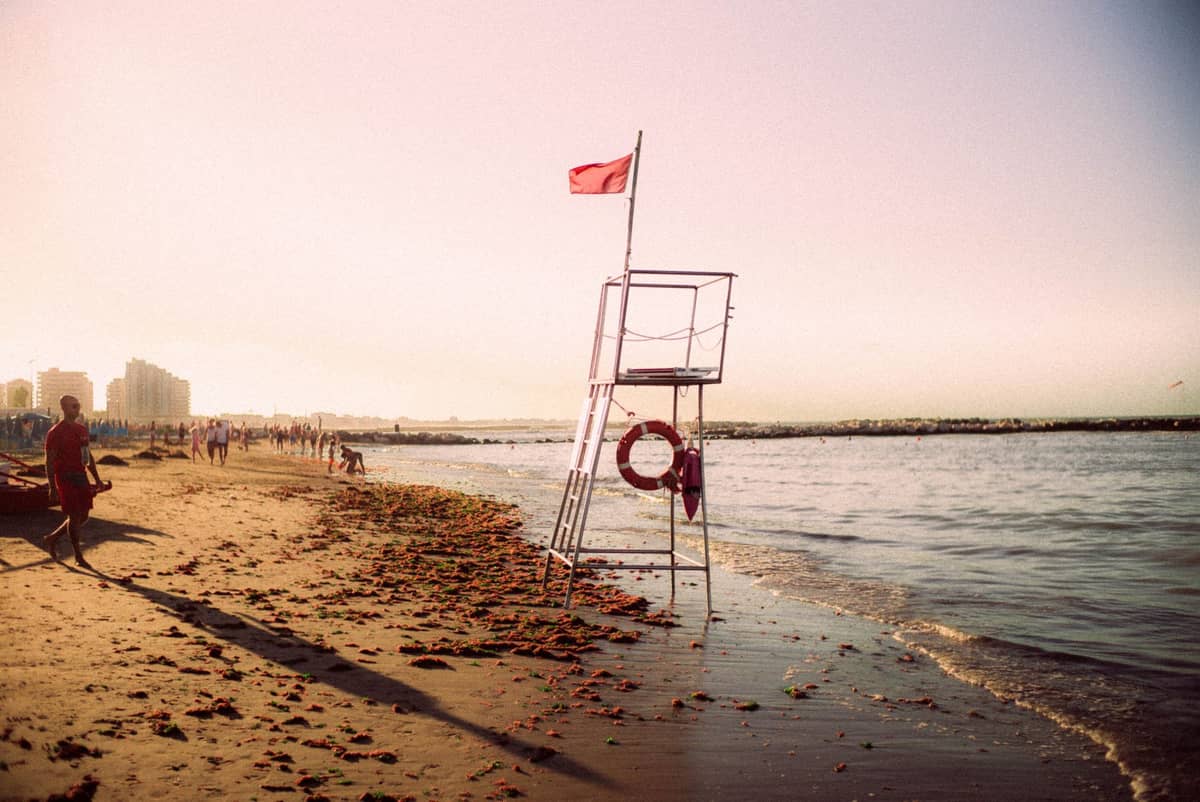
Results are translated into a flag system posted by lifeguards at each beach. The Intendencia de Montevideo (the city government) also publishes real-time beach status on its official portal at montevideo.gub.uy, which is worth checking before a visit, particularly after heavy rainfall, which can push fecal coliform levels temporarily above safe thresholds.
✨ Pro tip
Heavy rain in the 24 to 48 hours before your beach visit is the main risk factor for poor water quality. Runoff from the urban drainage system can spike bacteria counts even at normally clean beaches. Check the flag status online on the Intendencia de Montevideo site before heading out after any significant rainfall.
When to Go: Seasons, Crowds, and Temperature
Montevideo has a humid subtropical climate with hot summers and mild winters. For beach use, the relevant window is December through March, when average daytime highs sit between 26 and 28°C (78 to 82°F) and nights stay around 19 to 20°C. This is when lifeguards are posted, beach bars and kiosks operate, and the monitoring program runs at full intensity.
January and February are the peak weeks. Pocitos becomes genuinely crowded, particularly on weekend afternoons. If you are visiting in those months and want space, head to Playa Carrasco or Malvín instead. Alternatively, visit Pocitos on a weekday morning before 10:00, when the sand is quieter and the light is better for photos.
Autumn (March to May) offers a gentler experience. The water retains summer warmth into April, temperatures are comfortable (13 to 22°C range), crowds thin out considerably, and the Rambla is at its most pleasant for walking and cycling. Spring (September to November) is similar, though the water is colder coming out of winter. Winter itself (June to August) is mild by European or North American standards, with daytime highs around 14 to 15°C, but swimming is rare. The beaches are peaceful and the Rambla is still well-used by locals for exercise.
- December to March: beach season, lifeguards on duty, peak crowds, water monitoring at full frequency
- April and May: quieter, water still warm enough for swimming, good weather for the Rambla
- June to August: no swimming, mild weather, beaches almost empty, Rambla still popular with joggers
- September to November: pleasant walking weather, water cold, crowds building toward December
Getting to the Beaches: Transport and Logistics
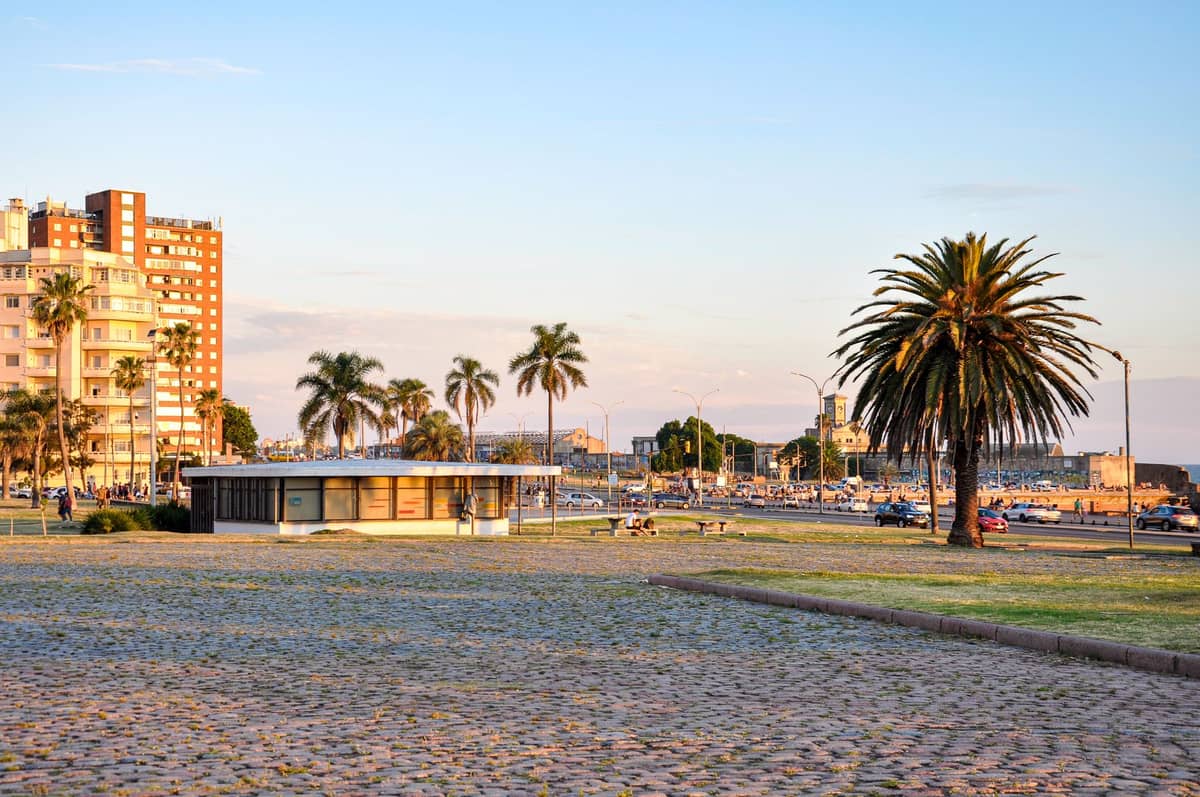
All of Montevideo's main beaches are accessible via the Rambla, the coastal road that runs continuously along the waterfront. This makes them easy to reach by multiple means. Getting around Montevideo by bus is straightforward: multiple routes run along the coast through Pocitos, Buceo, Malvín, and Carrasco. The city has no metro, but the bus network covers the entire coastal strip.
From the city center or Ciudad Vieja, Playa Ramírez is roughly a 15 to 20 minute walk, making it the only beach you can reach entirely on foot from downtown. Pocitos is about 10 minutes by car or taxi, or around 25 to 30 minutes by bus. Carrasco, at the far eastern end, takes 30 to 40 minutes from the center by car, and is also close to the international airport (Carrasco International, IATA: MVD), about 18 to 20 km from Plaza Independencia.
Cycling is an excellent option. The Rambla is flat, well-surfaced, and has a dedicated cycling lane for much of its length. Bicycle rental options exist in the city, and the ride from Ramírez to Carrasco is a full half-day excursion. Ride-hailing services including Uber also operate in Montevideo, providing a convenient option if buses feel complicated on a first visit.
Beaches Beyond the City: When Montevideo Is Not Enough
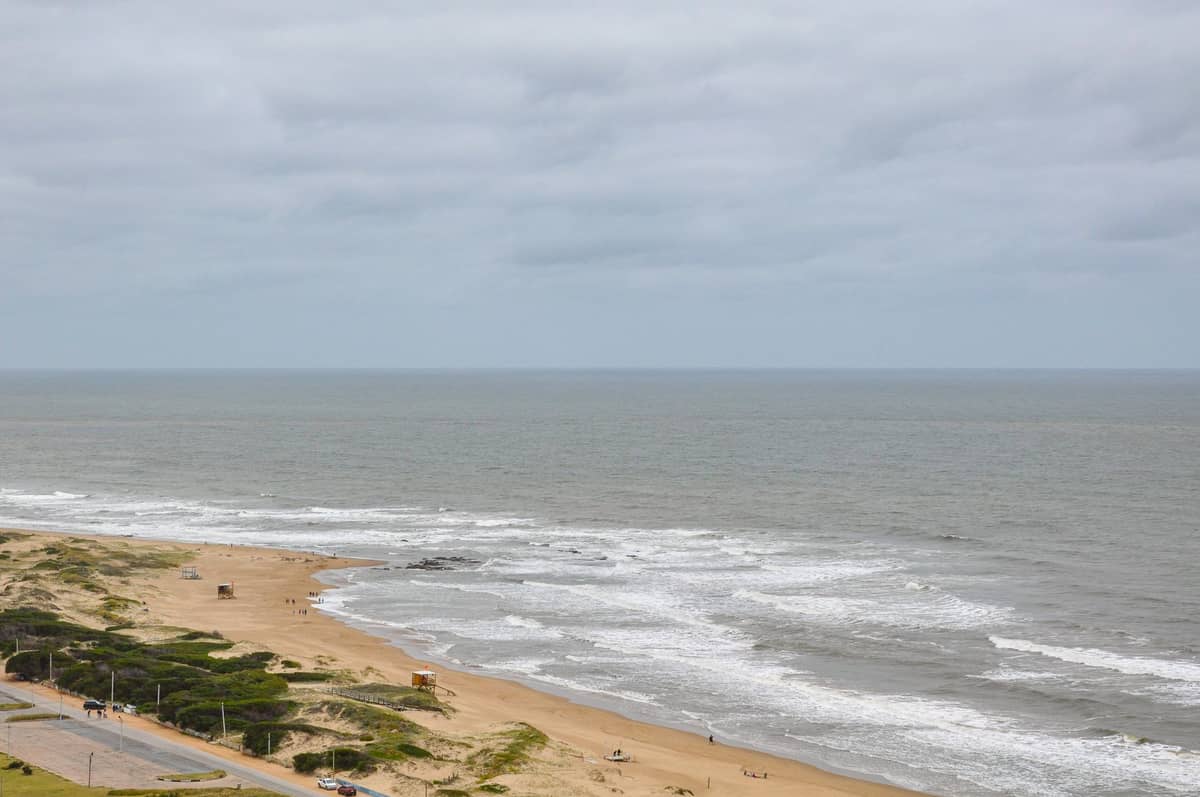
Montevideo's beaches are genuinely enjoyable for an urban beach experience, but they are not the most spectacular in Uruguay. If Atlantic-style waves, clearer water, or resort infrastructure matter to you, Punta del Este is about 130 km east and reachable in roughly 1.5 to 2 hours by bus, offering proper ocean beaches that attract international visitors. It is a realistic day trip from Montevideo.
For travelers who want to spend more than a day outside Montevideo, the broader day trips from Montevideo guide covers options along the coast and inland. Colonia del Sacramento, while not a beach destination, is another popular escape along the Río de la Plata. The key point is that Montevideo's beaches are best appreciated as part of a city experience, not as a primary beach holiday destination in themselves.
If you are planning your trip around beach time, check the best time to visit Montevideo to align your dates with beach season and comfortable temperatures. And if you are looking for ways to combine beach visits with other activities, the full things to do guide covers how the Rambla, parks, and neighborhoods around the beaches connect to the rest of the city.
💡 Local tip
The Rambla walk from Playa Ramírez through Pocitos to Buceo takes about 90 minutes at a leisurely pace and is one of the best free activities in Montevideo. Combine it with a stop at the Parque Rodó area at the western end and a coffee in Pocitos at the eastern end for a solid half-day itinerary.
FAQ
Is the water at Montevideo beaches safe to swim in?
Generally yes, during the summer season (December to March), but it depends on current conditions. The city's SECCA department monitors water at 22 points up to 4 times per week in summer and posts colored flag results on the Intendencia de Montevideo website. Green flag means safe; red flag means do not swim. Check the online status before going, especially after heavy rain, which can temporarily push bacteria levels above safe limits.
Which Montevideo beach is best for swimming?
Playa Pocitos is the most popular choice for swimming, with good depth relatively close to shore and full lifeguard coverage in summer. Playa Ramírez is better for young children due to shallower water and a gentler entry. Avoid the Puerto del Buceo marina cove entirely for swimming, as water quality there is consistently flagged as unsuitable.
How does Montevideo's beach water compare to Punta del Este?
The difference is significant. Montevideo beaches sit on the Río de la Plata estuary, which means brownish to grey-brown water, minimal waves, and lower salinity. Punta del Este's beaches face the open South Atlantic with clearer water, stronger surf, and a more classic ocean beach feel. If water clarity and waves matter to you, Punta del Este (about 130 km east, roughly 1.5 to 2 hours by bus) is worth the trip.
Are Montevideo beaches free?
Yes, all public beaches in Montevideo are free to access. There are no entry fees or paid sections. Beach chairs and umbrella rental may be available from private vendors in peak season, but the sand itself is public.
What is the best time of year to visit Montevideo beaches?
December through March is the primary beach season with warm temperatures (26 to 28°C daytime highs), lifeguards on duty, and beach services operating. January and February are peak crowd months, particularly at Pocitos. If you prefer fewer people, late March through April still has warm water and much thinner crowds. Autumn (April to May) is arguably the most pleasant time for combining beach walks with city exploration.
Tickets & tours
Live prices and dates from our booking partner. If you book, we may earn a commission at no extra cost to you.
Planning a trip? Discover personalized activities with the Nomado app.