Punta del Este Day Trip from Montevideo: The Complete Practical Guide
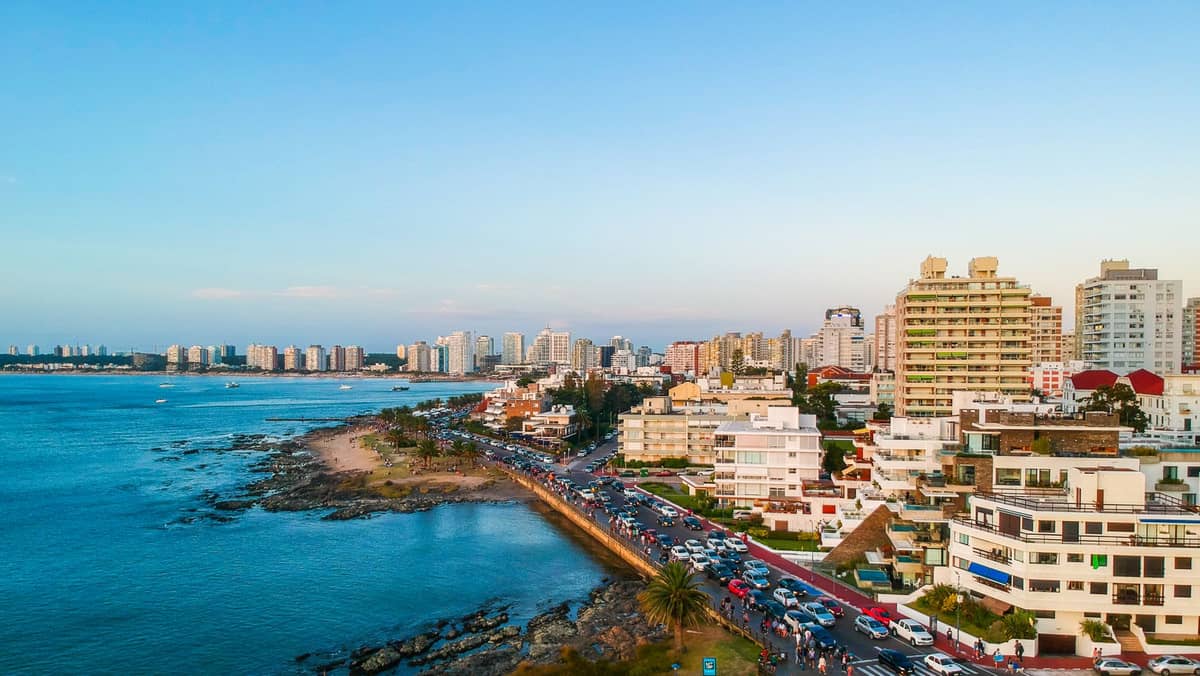
A Punta del Este day trip from Montevideo is one of Uruguay's most popular excursions, and for good reason. With buses running every 20-60 minutes from Terminal Tres Cruces and a journey of around two hours each way, it's entirely doable as a same-day visit. This guide covers transport logistics, costs, what to do with limited time, and the honest trade-offs.
Tickets & tours
Live prices and dates from our booking partner. If you book, we may earn a commission at no extra cost to you.
TL;DR
- Buses run from Terminal Tres Cruces in Montevideo to Punta del Este roughly every 20-60 minutes, operated by COT and Copsa (Línea Este).
- Journey time is approximately 2 to 2.5 hours each way on direct services.
- One-way fares run around UYU 480-550 (verify current rates before booking); book tickets online via COT or Copsa, or buy at the terminal counter.
- Peak season is late December through February: buses sell out, book in advance.
- A day trip gives you 5-7 hours in Punta del Este if you take an early bus; enough to cover the peninsula, La Mano sculpture, and a beach, but tight if you want to explore beyond the centre. See other day trips from Montevideo if you want to compare options.
Getting There: Buses, Times, and Where to Board
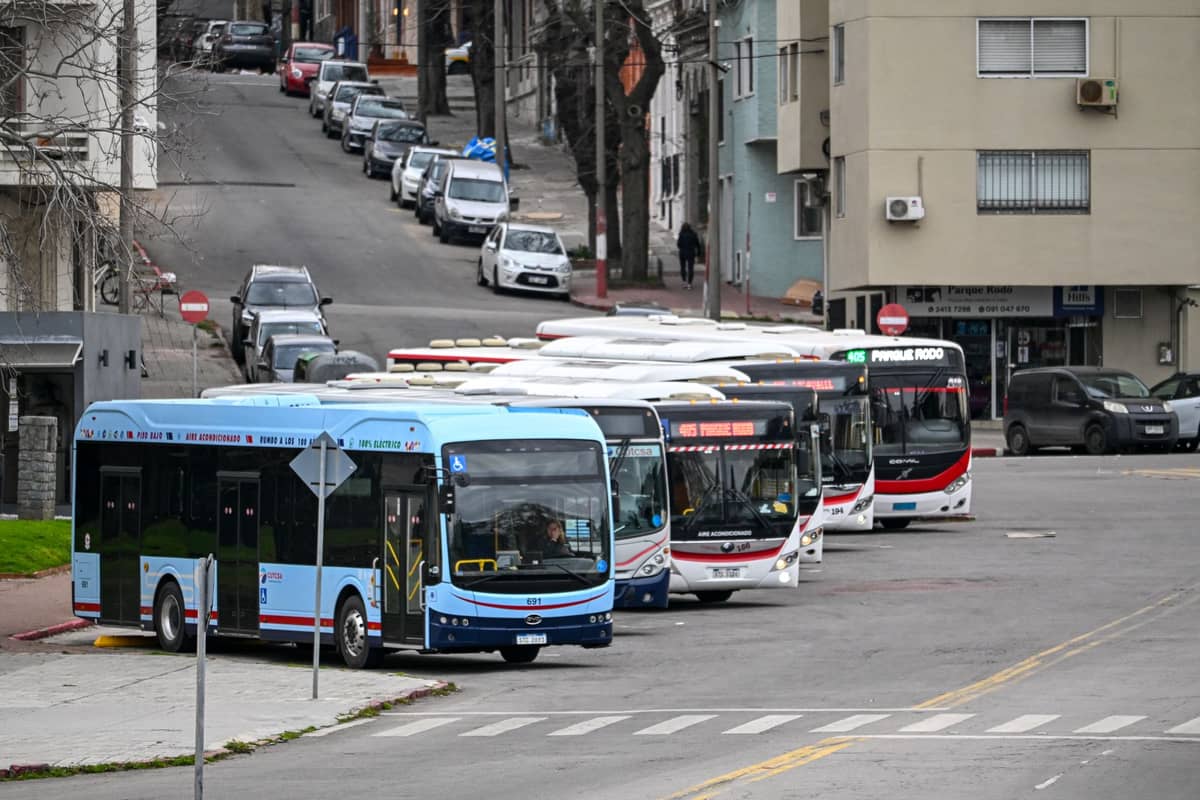
The standard way to reach Punta del Este from Montevideo is by intercity bus from Terminal Tres Cruces, the city's main long-distance bus station in the Tres Cruces neighbourhood. Two main operators cover the route: COT and Copsa (Línea Este). Between them, departures run throughout the day from around 05:30 until roughly midnight, with the highest frequency during morning and afternoon peaks. On busy summer weekends, you can find a bus practically every 20 minutes at peak times.
Direct services take approximately 2 hours to 2 hours 30 minutes depending on the operator and whether the bus makes intermediate stops in places like Piriápolis, Maldonado, or San Carlos. For a day trip, always choose the direct or fastest service. COT example departures from Montevideo include options at 06:30, 08:15, 10:00, 12:30, 14:15, 15:30, and later evening services, though schedules change seasonally and should be confirmed on the operator's official site before you travel.
💡 Local tip
If you're staying near Carrasco or the airport, there are also direct services from Carrasco International Airport (MVD) to Punta del Este via Copsa, which can save you a trip into the city centre. That said, Terminal Tres Cruces has more frequent departures and is easier to reach from most Montevideo neighbourhoods.
Tickets can be bought at the terminal on the day, but for summer travel (December to February) or long weekends, book online in advance. COT sells tickets at cot.com.uy, and Copsa Línea Este has its own booking platform at lineaeste.copsa.com.uy. Rome2Rio is a useful aggregator for comparing times and operators at a glance, though always confirm final prices on the operator's own site.
Costs: What to Budget for the Round Trip
As of 2026, indicative one-way bus fares between Montevideo and Punta del Este are around UYU 460-550 per person for standard class, depending on the operator and time of day. Some services offer an 'ejecutivo' (executive) tier with more legroom at a higher fare. Round-trip costs therefore run roughly UYU 960-1,100 for the bus alone, before accounting for food, entry fees, or activities in Punta del Este.
- Bus (round trip) UYU 960-1,100 per person, standard class. Executive class higher. Verify current fares on COT or Copsa before booking.
- Food and drink Punta del Este is notably more expensive than Montevideo, particularly in the peninsula and La Barra areas. Budget restaurants on the main drag average UYU 500-900 for a main course; seafood restaurants on the port can run significantly higher.
- Entry fees Most outdoor attractions (La Mano beach sculpture, the rambla, the lighthouse area) are free. The Casapueblo museum-hotel in Punta Ballena charges an entry fee if you want to go inside; confirm current pricing.
- Local transport in Punta del Este The peninsula and downtown area are walkable. For Casapueblo or La Barra, you'll need a taxi or local bus, which adds cost and time.
⚠️ What to skip
Punta del Este is one of South America's most expensive resort towns. Prices for food, accommodation, and services spike sharply from late December to Carnival. If you're visiting on a tight budget, eat before you go or bring food, and focus on the free attractions like the beaches and sculpture walk.
How to Structure Your Day
With 5-7 hours on the ground, which is what you get if you take an early bus and return by early evening, you need to prioritise. Punta del Este splits into several distinct zones: the narrow peninsula (Punta propiamente dicha) with its port, lighthouse, and historic centre; the beaches of Playa Mansa (calm Río de la Plata side) and Playa Brava (open Atlantic, rougher waves); and outlying areas like La Barra and Casapueblo that require extra transport time.
For a single-day visit, the most efficient approach is to start at the bus terminal, walk or take a short taxi ride to the peninsula, and work outward from there. The iconic La Mano sculpture (Los Dedos) sits on Playa Brava near the eastern end of the peninsula and is a 10-15 minute walk from the terminal area. From there, walk the rambla south along Playa Brava toward the lighthouse at the tip, then cut across to the port side for lunch and a look at the fishing boats. The entire peninsula loop on foot takes around 2-3 hours at a relaxed pace.
La Barra and Casapueblo (the striking Gaudi-esque building designed by artist Carlos Páez Vilaró) are worth it if you have an extra half-day, but trying to squeeze them into a single day trip makes the schedule genuinely rushed. Casapueblo is about 12 km from the Punta del Este bus terminal; a return taxi adds at least an hour and a half to your day. Save those for an overnight trip.
- Take the 07:00-08:30 bus from Tres Cruces to arrive before 11:00 and maximise time.
- Walk the Playa Brava rambla to La Mano sculpture first thing, before the midday crowd builds in summer.
- Lunch on the port side (Playa Mansa) is generally better value than restaurants facing Playa Brava.
- The lighthouse (Faro de Punta del Este) area is a short walk from the port and worth a stop for the views.
- Target a return bus no earlier than 18:00 to give yourself a full afternoon; check final buses (around 22:00-23:00) so you know your safety margin.
Seasonal Realities: When to Go (and What Changes)
Punta del Este is a place of extremes. In high summer (late December through February), it transforms into one of the most visited resort destinations in South America, drawing visitors from Argentina and Brazil as well as Uruguay. Buses run at maximum frequency, prices at restaurants and shops go up, and the beaches are packed by midday. If you visit during this period, book your bus tickets at least a few days ahead, particularly for Friday and Saturday departures.
The shoulder seasons of autumn (March-May) and spring (September-November) offer a quieter, cheaper version of Punta del Este. Many restaurants and shops reduce hours or close entirely in the deepest off-season (June-August), and while buses still run daily, departure frequency drops. Check current schedules directly with COT or Copsa before committing to a winter day trip. For Montevideo's own seasonal patterns, see the best time to visit Montevideo guide, which covers regional weather context relevant to planning either destination.
ℹ️ Good to know
Uruguayan and Argentine school holidays (July fortnight and late December through February) create surges in demand. If your dates overlap with these periods, book buses at least 3-5 days in advance for peace of mind. The Tres Cruces terminal ticket counters open early, but online booking is faster and avoids queues.
Is a Day Trip Actually Worth It? Honest Trade-offs
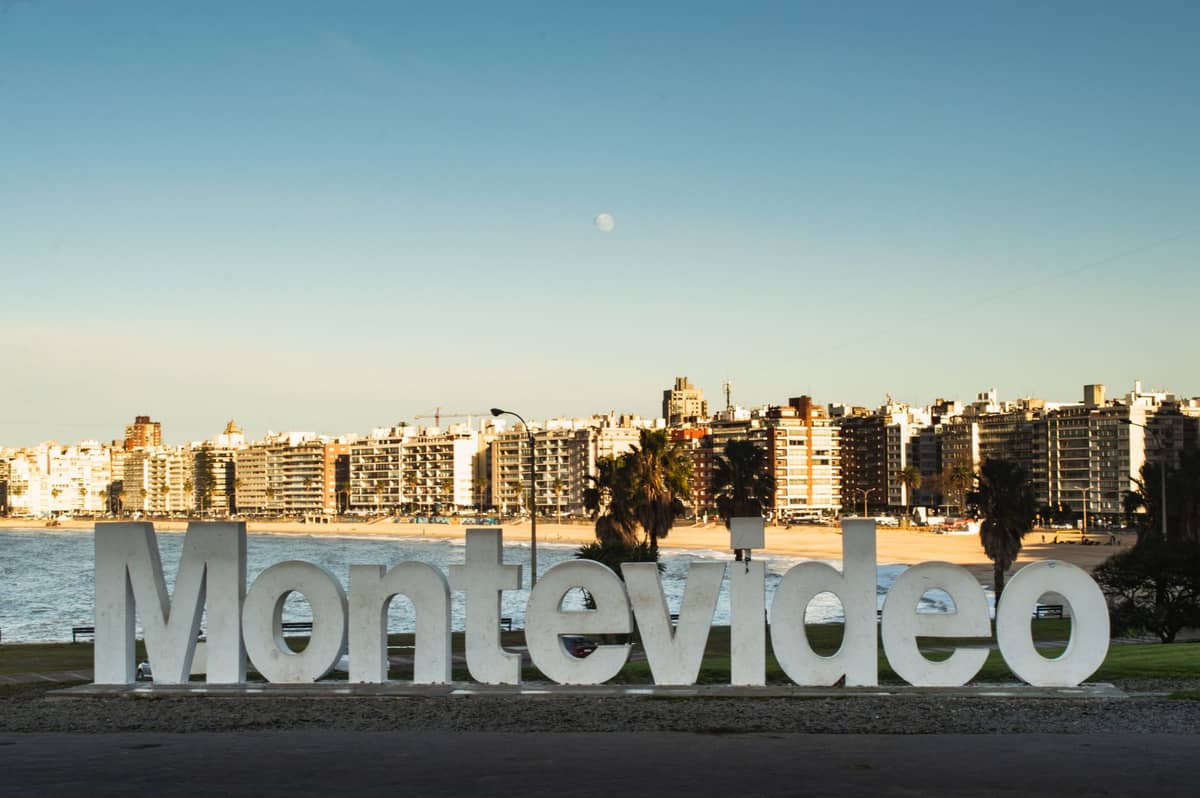
For most visitors, a Punta del Este day trip from Montevideo works well, with one caveat: manage your expectations about what you'll cover. The journey is comfortable, the beaches and sculpture are genuinely impressive, and the contrast with Montevideo's more working-city character is interesting. But Punta del Este's most memorable experiences, like watching sunset at Casapueblo, a meal at one of the serious restaurant tables, or morning surf at La Barra, require staying overnight.
If you only have one day to spend outside Montevideo, compare this against Colonia del Sacramento as a day trip, which is shorter in travel time (about 2.5–3 hours by bus), more compact on foot, and offers a very different type of experience: a well-preserved colonial town with cobblestone streets and Portuguese-era architecture. Colonia suits visitors who prefer history and a slower pace; Punta del Este suits those who want coast, modern resort atmosphere, and iconic landmarks.
A day trip to Punta del Este does not suit everyone. If you dislike resort environments or find beach towns without much else to offer underwhelming out of season, this excursion could disappoint. In low season, parts of the town feel genuinely empty, with closed storefronts and a slightly deflated atmosphere. The beach itself is still beautiful, but the 'see and be seen' energy that defines Punta del Este's reputation is a summer-only phenomenon.
Practical Checklist Before You Go
Uruguay's currency is the Uruguayan peso (UYU). Card payments are widely accepted in Punta del Este's restaurants and shops, but having some cash is useful for small purchases and transport. Exchange rates fluctuate; check current rates before your trip. For broader planning context, the Montevideo on a budget guide covers money-saving strategies applicable across Uruguay.
- Confirm current bus schedules on cot.com.uy or lineaeste.copsa.com.uy within a week of travel, as timetables update seasonally.
- In summer, book your return bus at the same time as your outbound ticket to avoid being stuck if evening services sell out.
- Sunscreen and layers: Playa Brava is exposed and the Atlantic wind can be strong year-round, even on warm days.
- Spanish is the language of Uruguay; basic phrases go a long way, especially outside the main tourist zone.
- Uruguay's emergency number is 911; country calling code is +598 if you need to contact services from an international SIM.
If this trip inspires a longer stay in Uruguay, Punta del Este also works as a base for exploring the surrounding Maldonado department, including José Ignacio to the east. For travellers planning more time in Montevideo itself, the complete guide to things to do in Montevideo and the Ciudad Vieja walking tour are good starting points for filling the days around your Punta del Este excursion.
FAQ
How long is the bus from Montevideo to Punta del Este?
Direct bus services from Terminal Tres Cruces in Montevideo to Terminal Punta del Este take approximately 2 hours to 2 hours 30 minutes depending on the operator and whether the route includes intermediate stops. COT direct services are generally at the faster end of this range. Always choose a direct service if you're making a day trip to maximise time on the ground.
How much does the bus from Montevideo to Punta del Este cost?
Indicative one-way fares in 2026 are around UYU 460-550 per person for standard class, making a round trip approximately UYU 920-1,100. Prices can vary by operator, service class, and season. Book directly via COT (cot.com.uy) or Copsa Línea Este (lineaeste.copsa.com.uy) for the most current pricing.
Is Punta del Este worth visiting as a day trip from Montevideo?
Yes, for most visitors, particularly in summer. The iconic La Mano sculpture on Playa Brava, the lighthouse peninsula, and the contrast between Playa Mansa and Playa Brava are all accessible in a full day. However, experiences like Casapueblo at sunset or dining at the town's best restaurants require an overnight stay. In low season (June-August), a day trip is still feasible but the town feels noticeably quieter with reduced services.
Do I need to book the bus in advance?
In low season, buying on the day at the terminal is usually fine. In high season (late December through February) and during school holidays, it's strongly advisable to book at least a few days ahead, especially for Friday and Saturday departures. Online booking through COT or Copsa is the most convenient option.
Is Punta del Este better than Colonia del Sacramento as a day trip from Montevideo?
They offer very different experiences. Colonia del Sacramento is closer (about 2.5–3 hours by bus), more walkable, and is primarily a historic colonial town. Punta del Este is a modern beach resort about 2-2.5 hours away by bus, best suited to those who want beaches, contemporary architecture, and a resort atmosphere. If you have one day and prefer history and a quieter pace, Colonia is the stronger choice. If you want coast and iconic landmarks, Punta del Este delivers.
Tickets & tours
Live prices and dates from our booking partner. If you book, we may earn a commission at no extra cost to you.
Planning a trip? Discover personalized activities with the Nomado app.