Best Day Trips from Montevideo: Colonia, Punta del Este, Wine Country and Beyond
Montevideo sits at the centre of one of South America's most underrated travel regions. Within three hours by bus, you can reach a UNESCO colonial town, Uruguay's glamorous beach resort, and some of the Southern Cone's most interesting wineries. This guide covers every realistic option for day trips from Montevideo, with transport breakdowns, seasonal advice, and practical logistics.
Tickets & tours
Live prices and dates from our booking partner. If you book, we may earn a commission at no extra cost to you.
TL;DR
- Colonia del Sacramento (2.5–3 hours by bus from Tres Cruces) is the strongest single day trip from Montevideo: colonial streets, a UNESCO-listed historic quarter, and easy navigation on foot. See our Colonia del Sacramento day trip guide for full logistics.
- Punta del Este is doable in a day by bus (around 2–2.25 hours each way), but the ride is tiring and better suited to travellers spending at least one night.
- Canelones wine country starts just 20 km from Montevideo's centre: Bouza and Carrau wineries run structured tours with tastings and lunch, bookable online.
- The Winebus service (Thursdays and Saturdays, 9:00–14:30) offers the easiest no-fuss route into wine country without a rental car.
- Summer (December–February) suits beach trips; spring and autumn are better for everything else. Check the best time to visit Montevideo before planning.
How to Think About Day Trips from Montevideo
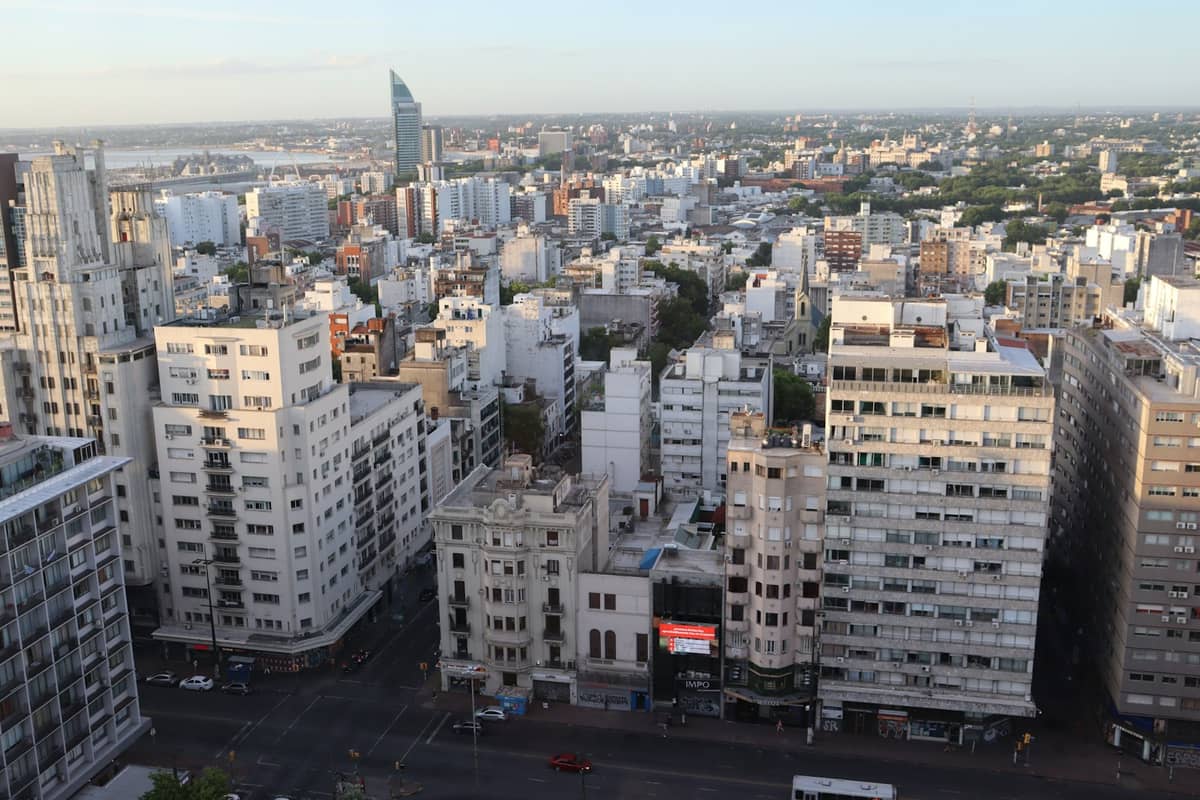
Montevideo is not a hub city in the way Buenos Aires or Santiago is, and that changes the logic of day tripping. The city itself demands two to three days of serious attention, and most travellers who rush straight to a day trip miss what makes the capital worth visiting. That said, Uruguay's geography is compact, and several destinations within the Montevideo-centred day-trip radius are genuinely worth the time.
Three categories of trip make sense logistically: colonial history (Colonia del Sacramento), beach and resort culture (Punta del Este), and wine tourism in the Canelones and Montevideo departments. A fourth option, exploring Montevideo's own coast and parks more deeply, is often overlooked by visitors who already have a base here.
ℹ️ Good to know
All prices listed below are approximate and subject to change. Bus fares in Uruguay are adjusted periodically, and winery tour packages change seasonally. Always confirm costs directly with operators before booking.
Colonia del Sacramento: The Obvious Choice Done Right
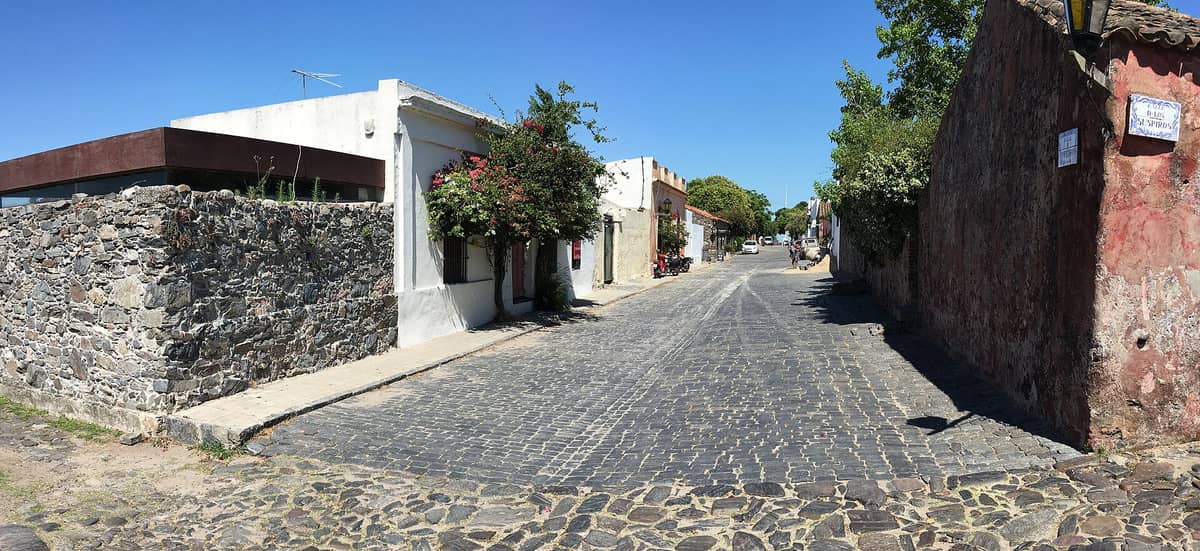
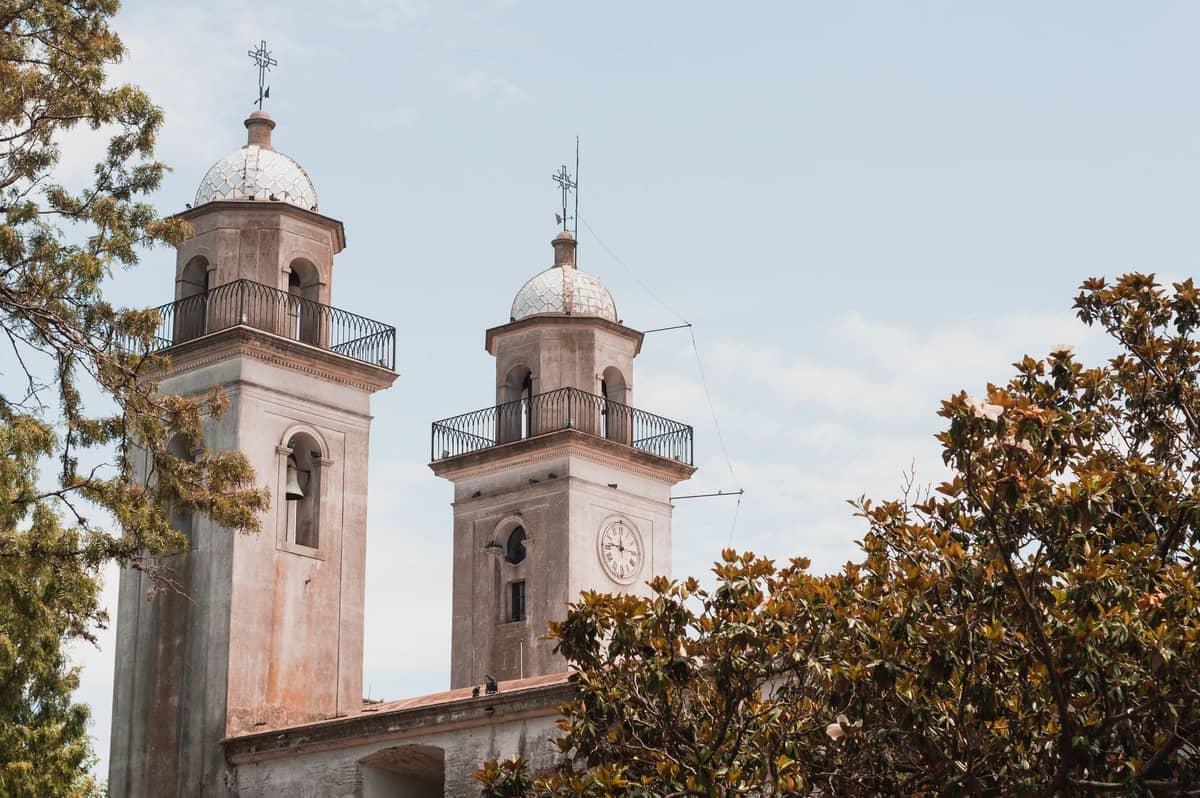
Colonia del Sacramento is the most satisfying day trip from Montevideo by a significant margin. The UNESCO World Heritage historic quarter is small enough to cover entirely on foot in three to four hours, the bus ride is straightforward from Tres Cruces, and the town's Portuguese-Spanish colonial architecture gives you something visually distinct from anything in the capital.
There is no regular passenger ferry from Montevideo to Colonia. Buquebus and Colonia Express run Buenos Aires–Colonia (and Buenos Aires–Montevideo) services; the Montevideo–Colonia hop is a 2.5–3 hour COT or Turil bus from Tres Cruces. Book weekend and holiday seats in advance in summer, when both Montevideo and Buenos Aires visitors fill the town.
Once in Colonia, the Barrio Histórico rewards slow walking. The Calle de los Suspiros (Street of Sighs), the Portón de Campo, the lighthouse, and the small but well-curated municipal museums can all be reached without a map or guide. Renting a golf cart or bicycle from operators near the port is popular, though the historic quarter is compact enough that you lose nothing by staying on foot. Lunch at any restaurant facing the Río de la Plata is the natural midpoint of the day before a late-afternoon return crossing.
💡 Local tip
Take the earliest possible outbound bus from Tres Cruces (often 7:00 or 8:00) to maximise your time in Colonia before day-tripper crowds arrive from Buenos Aires. Return on a late-afternoon or evening bus.
Punta del Este: Worth It, But Know What You're Getting Into
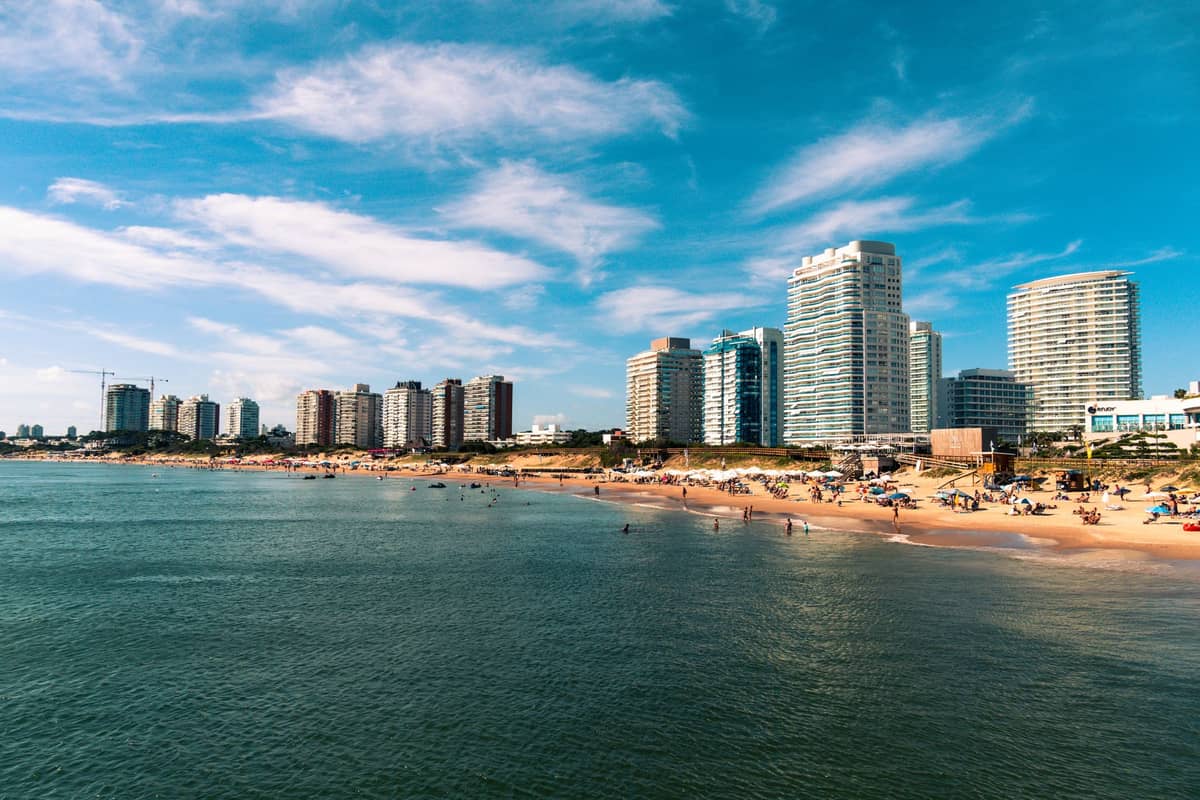
Punta del Este is Uruguay's most famous beach resort and one of South America's most visited coastal destinations. The reality of a day trip there from Montevideo is more mixed than most guides admit. Buses depart from Montevideo's Tres Cruces terminal regularly, with up to 18 departures per day starting around 04:45 and running through evening. The journey takes approximately 2 to 2.25 hours depending on the service. One-way fares typically run around UYU 450–550 on standard services, with third-party aggregators listing averages around USD 24–25. See more detail in our dedicated Punta del Este day trip guide.
The honest assessment: four to five hours of travel round-trip is a lot for a destination where you will spend most of your time on a beach or at a marina. Punta del Este makes more sense as an overnight stop, especially in peak summer (December to February) when the resort is fully operational. If you are committed to doing it as a day trip, arrive by 10:00, prioritize Playa Brava, the famous hand sculpture La Mano, and a walk through the marina, then catch a late bus back. Trying to see Punta and also visit José Ignacio or Laguna Garzón in the same day is unrealistic without a car.
⚠️ What to skip
Punta del Este is significantly quieter outside summer. Many beach clubs, restaurants, and seasonal attractions operate reduced schedules or close entirely from April to November. If you visit off-season, lower your expectations for the resort atmosphere.
Wine Country: Canelones and the Montevideo Outskirts
Uruguay's wine industry is centred in Canelones Department, which borders Montevideo to the north and east, and in vineyards literally within the Montevideo department itself. This makes wine-focused day trips among the most logistically convenient options, with no long highway journey involved. Uruguay's flagship grape, Tannat, produces structured, full-bodied reds that have earned the country genuine international recognition. For context on what to taste, our Montevideo wine guide covers varieties, producers, and tasting etiquette.
Bodega Bouza is located approximately 20 km from Montevideo's centre and offers one of the most polished winery experiences in the country. Structured tours typically run around six hours door-to-door when booked with transport, covering a guided cellar visit, tank room, barrel room, and a seated tasting paired with lunch. Departures with hotel pickup are generally around 10:00; if you drive yourself, tours at the winery typically start around 11:00. Bouza can be booked directly, through Civitatis, or through operators like Tangol.
Bodega Carrau, another well-regarded producer, also accepts visitors and can be booked through GetYourGuide and similar platforms. Several operators run combined packages visiting two Canelones wineries in a single day, with lunch and hotel pickup included. These small-group tours are genuinely convenient and remove any navigation difficulty, which matters in areas without clear public transport links to individual estates.
The Winebus, coordinated through Montevideo's official tourism office (descubrimontevideo.uy), runs on Thursdays and Saturdays from 9:00 to 14:30. It is pre-scheduled, requires prior booking, and does not operate during Semana de Turismo (Holy Week). For travellers who want a structured outing without committing to a private tour, it is the most affordable entry point into wine tourism. The city tourism site also lists standalone Wine Tours packages with round-trip transport, winery visit, and paired lunch.
- Bodega Bouza About 20 km from central Montevideo. Full tours with tasting and lunch run approximately 6 hours. Book via Civitatis, Tangol, or direct. Hotel pickup available from around 10:00.
- Bodega Carrau Bookable via GetYourGuide with tasting packages. Pair with Bouza for a full wine-country day with a combined-wineries operator.
- Winebus (official city service) Thursday and Saturday, 9:00–14:30. Pre-booking required via descubrimontevideo.uy. Closed during Semana de Turismo.
- Two-winery day tours (Canelones) Small-group packages with hotel pickup, cellar visits, tastings, and lunch. Listed on Viator and similar platforms. Best booked 2–3 days in advance.
Exploring Montevideo's Coast and Surroundings: The Underrated Option
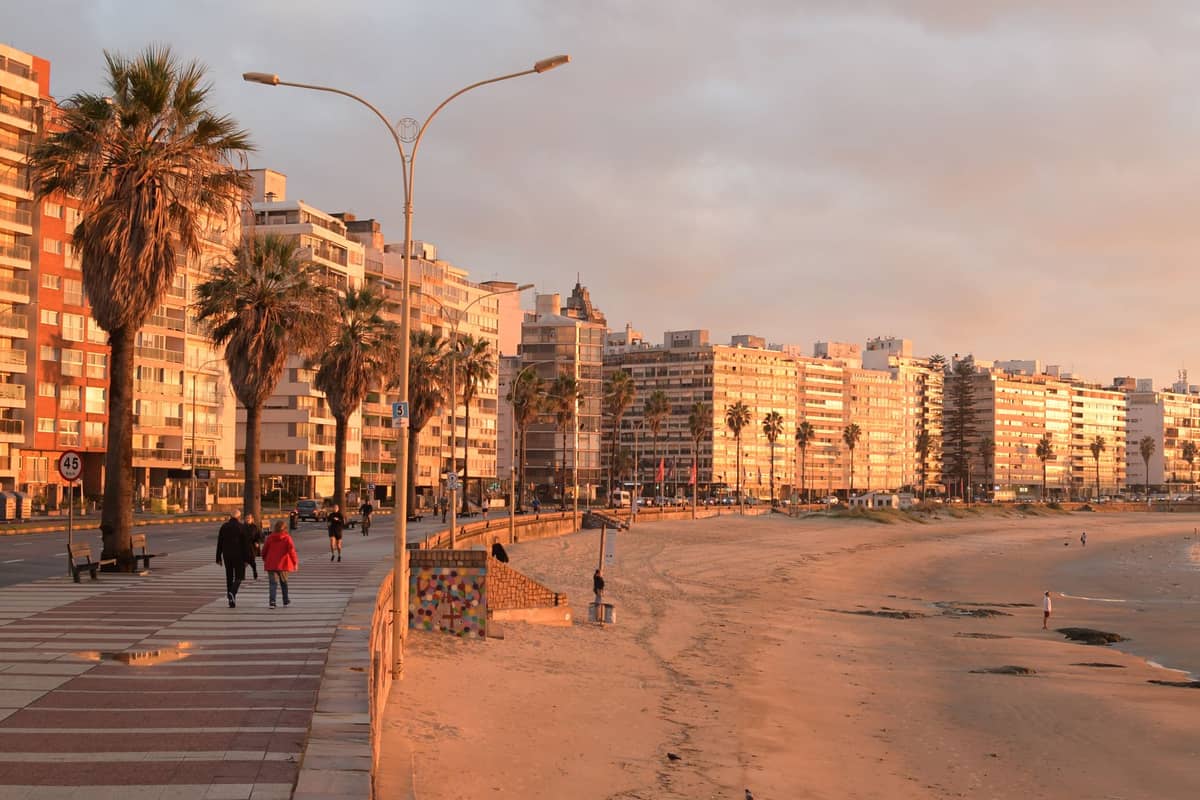
Many visitors on multi-day Uruguay itineraries overlook how much variety exists within Montevideo itself and its immediate surroundings. If you have already done Colonia and are not drawn to Punta del Este, spending a day moving along the Rambla de Montevideo from the Old City eastward to Carrasco can be as rewarding as any formal excursion. The Rambla stretches roughly 22 km along the Río de la Plata waterfront, passing through distinct neighbourhoods with completely different characters.
Starting in Ciudad Vieja and moving east through Parque Rodó, Pocitos, and eventually Carrasco covers urban beaches, residential streets, and one of the city's wealthiest coastal neighbourhoods in a single arc. This works well by bicycle (rentals are available near the port and in Pocitos) or by hopping on and off city buses along the coastal route.
Cerro de Montevideo, the hill that gave the city its name, sits across the bay to the west and makes for a short excursion of its own: city buses connect central Montevideo to the Cerro neighbourhood, from where a walk up to the old fortress at the summit takes around 20–30 minutes. The views across the Río de la Plata are the best in the city. On the way back, the neighbourhood around Barrio Sur is worth a slow walk for its Candombe murals and cultural history. Our Candombe guide explains the musical tradition rooted in this part of the city.
Practical Logistics: Getting Around for Day Trips
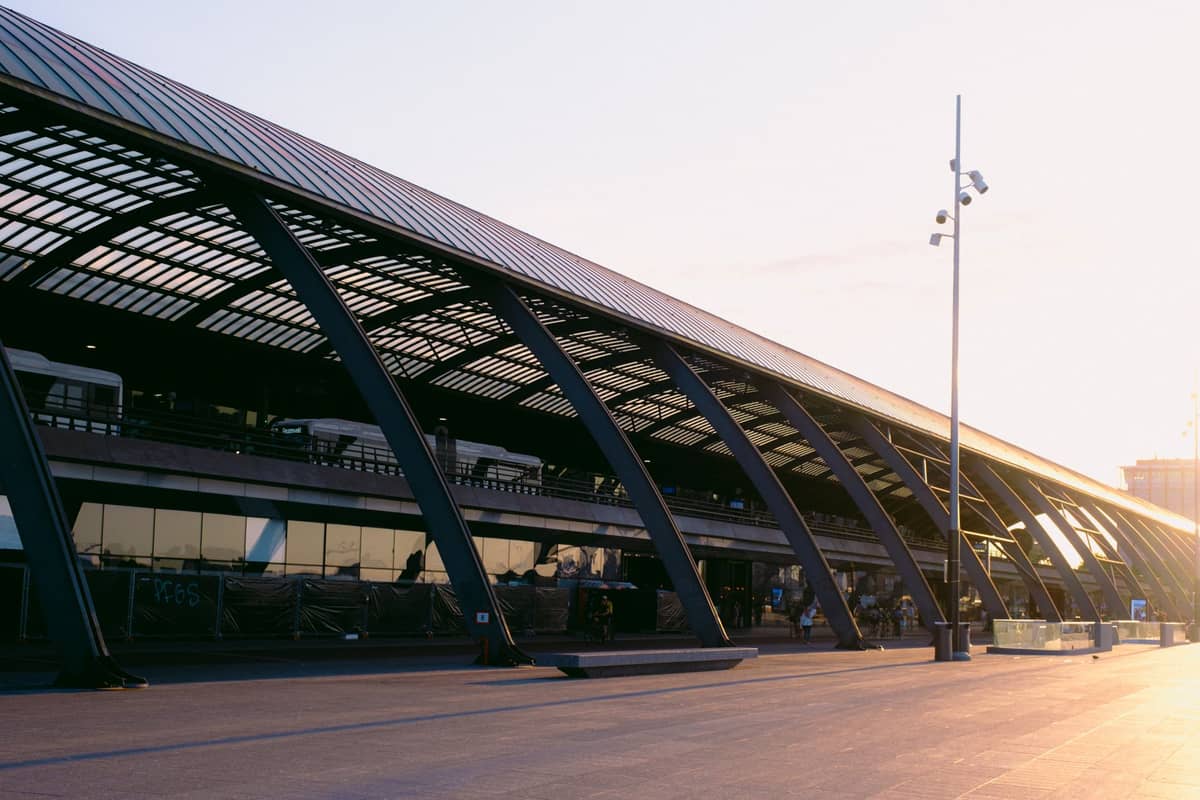
All bus-based day trips depart from Terminal Tres Cruces, Montevideo's main intercity bus station, located in the Tres Cruces neighbourhood a few kilometres east of the city centre. It is well-organised, with multiple carriers operating routes to Punta del Este, Colonia del Sacramento, and other Uruguayan cities. Arrive at least 20–30 minutes before departure.
Do not confuse Tres Cruces (for day-trip buses to Colonia and Punta del Este) with the Buquebus terminal on the waterfront near Ciudad Vieja, which serves international ferry routes to Buenos Aires only. Confirm which terminal applies to your specific trip before leaving your accommodation. For general advice on navigating the city between terminals and neighbourhoods, our guide to getting around Montevideo covers buses, taxis, Uber, and the coastal route in detail.
- Colonia del Sacramento: 2.5–3 hours by COT or Turil bus from Tres Cruces. Buquebus and Colonia Express ferries serve Buenos Aires–Colonia, not Montevideo–Colonia. Book weekend and holiday buses in advance.
- Punta del Este: bus approximately 2–2.5 hours (Tres Cruces terminal). Multiple daily departures. Fares typically around UYU 400–1,000 one-way on standard services.
- Wine country (Bouza): approximately 30–40 minutes by car or transfer. Winebus departs from a central meeting point Thursday and Saturday. Hotel pickup available with most tour packages.
- Cerro de Montevideo: city buses from the centre. Journey under 30 minutes. No special booking required.
✨ Pro tip
If you are planning both a Colonia day trip and a Punta del Este visit, do Colonia first. It delivers reliably regardless of season, while Punta del Este is significantly better in summer. Trying to fit both into consecutive days during shoulder season can leave you disappointed by whichever you do second.
Seasonal Considerations for Day Trips
Uruguay's climate means that day-trip timing matters more than most South American destinations. Montevideo has a humid subtropical climate (Köppen Cfa) with hot, humid summers (December–February, averaging 26–28°C daytime highs) and mild winters (June–August, averaging 14–15°C daytime highs). Spring (September–November) and autumn (March–May) offer the most comfortable conditions for outdoor activities.
Beach trips to Punta del Este are only worth prioritising in summer, when the resort is fully activated and water temperatures are suitable. Colonia is excellent year-round: the historic quarter is enjoyable in any weather and is actually less crowded in winter. Wine country is accessible in all seasons, though harvest season (February–April) adds the possibility of watching active vineyard work alongside tastings. The Winebus suspends service during Semana de Turismo, typically in Holy Week, so check dates if your trip falls in March or April.
FAQ
What is the best day trip from Montevideo?
Colonia del Sacramento is the strongest all-round option: COT and Turil buses from Tres Cruces take about 2.5–3 hours. There is no regular passenger ferry from Montevideo to Colonia; the well-known fast ferry is Buenos Aires–Colonia. The UNESCO historic quarter is walkable and it works well in any season. For beach lovers visiting in summer, Punta del Este is the alternative, though it requires a bus journey of around two to two and a half hours each way.
Can you do Punta del Este as a day trip from Montevideo?
Yes, it is logistically possible. Buses run frequently from Tres Cruces terminal, the journey takes around two to two and a quarter hours each way, and fares are typically around UYU 450–550 one-way. However, five-plus hours of travel for a single day is tiring, and Punta del Este is significantly less interesting outside the December–February summer season. If your schedule allows, an overnight stay is more rewarding.
How do I get to Colonia del Sacramento from Montevideo?
The most direct route is a COT or Turil bus from Tres Cruces, about 2.5–3 hours each way. There is no regular passenger ferry from Montevideo to Colonia. Combined bus-plus-ferry tickets sold by Buquebus and Colonia Express are international connections via Buenos Aires, not a local day-trip service. Book weekend and holiday buses in advance in summer.
Are wine tours from Montevideo worth it?
Yes, particularly if you have any interest in Tannat or South American wine more broadly. Uruguay's wine is underexposed internationally and the quality at producers like Bouza and Carrau is high. Tours are well-organised and include cellar visits, tastings, and lunch. The Winebus (Thursday and Saturday, operated through Montevideo's official tourism office) is the most affordable option. Organised small-group tours with hotel pickup are more flexible and available daily through operators on Civitatis, GetYourGuide, and Viator.
How many days do I need in Montevideo before doing day trips?
Allow at least two full days in Montevideo itself before committing to day trips. The Ciudad Vieja historic quarter, the Mercado del Puerto, the Rambla, and key museums deserve proper time. Rushing the capital to check off day trips is the most common planning mistake on Uruguay itineraries. If you only have three days total, spend two in the city and one in Colonia.
Tickets & tours
Live prices and dates from our booking partner. If you book, we may earn a commission at no extra cost to you.
Planning a trip? Discover personalized activities with the Nomado app.