Uruguayan Wine in Montevideo: Tannat, Tastings & Wineries
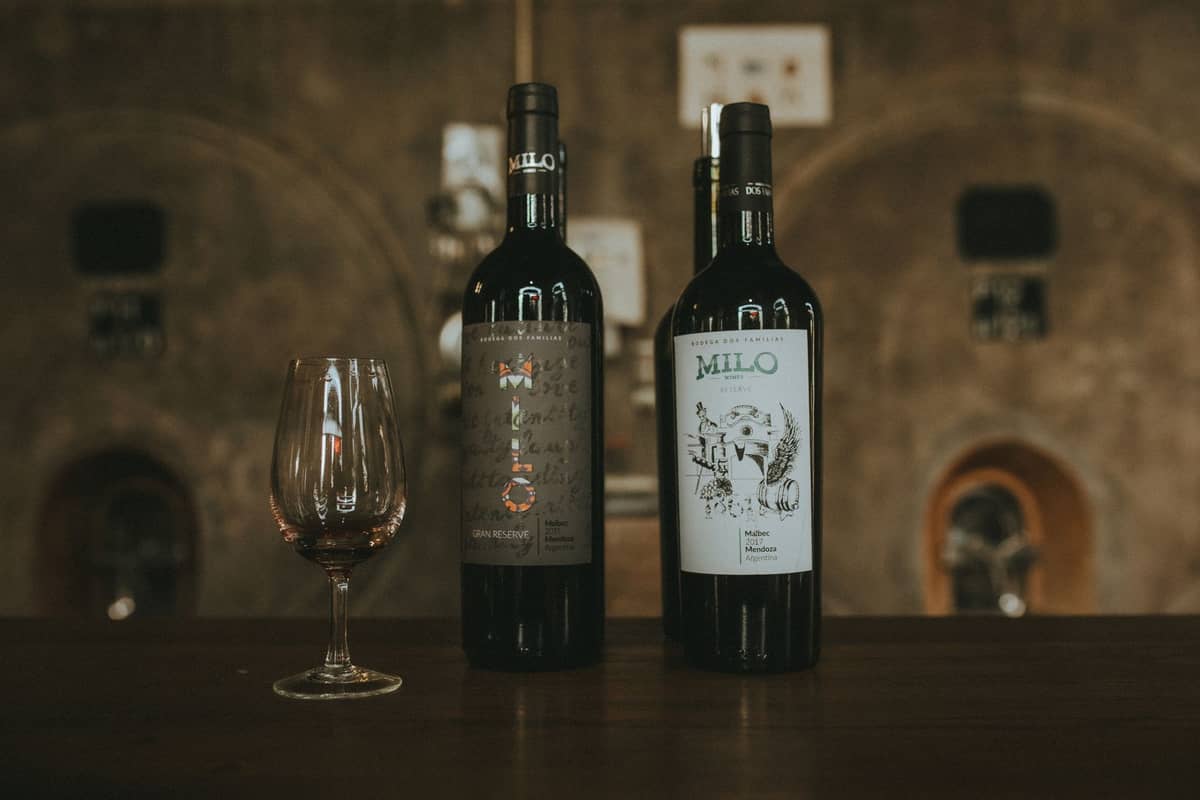
Uruguay's flagship grape Tannat has put South American wine on the map, and Montevideo is your best base for exploring it. This guide covers the top wineries, urban tasting rooms, seasonal timing, and honest pricing so you can plan a wine experience that suits your budget and schedule.
Tickets & tours
Live prices and dates from our booking partner. If you book, we may earn a commission at no extra cost to you.
TL;DR
- Tannat is Uruguay's signature red grape: earthy, firm, and increasingly made in softer modern styles including rosé and sparkling.
- Bodega Bouza, located about 20 minutes northwest of central Montevideo, is the most accessible full winery experience, with guided visits from around UYU 2,115 per person. Book in advance.
- You don't need a car: urban tasting rooms in Montevideo city center let you sample top Tannat without leaving the rambla.
- Harvest season (February to April) is the most atmospheric time to visit, but wineries operate year-round.
- For the full food and wine picture, pair any winery visit with Montevideo's food scene — see what to eat in Montevideo for pairing ideas.
Why Tannat Defines Uruguayan Wine
Tannat arrived in Uruguay from the Madiran region of southwest France in the mid-19th century, brought by Basque immigrant farmers. In France it produces notoriously tight, tannic wines that need years to soften. In Uruguay's Atlantic-influenced climate, something unexpected happened: the grape retained its structure but gained more fruit character and approachability. Today, Uruguay produces Tannat in styles that range from dense, age-worthy reds to fresh rosés and even sparkling wines, making it more versatile than its French counterpart.
Uruguay's wine regulator, the Instituto Nacional de Vitivinicultura (INAVI), oversees production standards and certifications. The country's main wine-growing region is Canelones, a department that begins essentially at Montevideo's northwestern edge. This proximity means the vineyards that supply Montevideo's restaurants and wine bars are rarely more than 30-40 km from the city center, making day trips to wineries genuinely easy rather than a half-day commitment.
ℹ️ Good to know
A common misconception: Tannat doesn't have to be heavy or tannic. Modern Uruguayan producers use controlled maceration and careful oak aging to create wines that are approachable young. If you've tried Tannat before and found it overpowering, give Uruguayan styles another chance.
Bodega Bouza: The Go-To Winery Visit Near Montevideo
Bodega Bouza is located at Camino de la Redención 7658, in the northwest of Montevideo's urban area. It's the most visited winery among international travelers for good reason: it's professionally run, English-friendly, and close enough to the city that you can fit it into a half-day without sacrificing the rest of your itinerary. The typical guided visit format includes a tour of the cellar and vineyards followed by a tasting of four wines paired with four small food bites.
Direct bookings through Bouza's own site are listed at roughly UYU 2,800 to UYU 3,400 per person depending on format and day. If you prefer hotel pickup, local agencies like Tangol and Mejor Uruguay add a transport supplement of around USD 40 per person round-trip. International platforms including GetYourGuide and Civitatis bundle transport and tasting into packages that typically start around USD 100 per person for shared tours, rising to USD 175-250 for private formats or when a full lunch is included. All prices should be verified close to your travel date as they change with exchange rates and seasonal demand.
- Opening hours Typically daily 11:00 to 18:00, with guided visit slots around 11:00, 13:30, 15:00, and 16:30. Some sources note the winery may be closed to the public on Tuesdays — always confirm on the official Bodega Bouza website before visiting.
- Reservations Required. Walk-ins are not reliable, especially on weekends. Groups of more than four should book at least a week ahead.
- Getting there without a tour Remise (private car) and ride-hailing apps including Uber operate in Montevideo and can get you to the winery. Journey time from the city center is roughly 20-30 minutes depending on traffic.
- What to expect A bilingual guide leads the cellar and vineyard walk, followed by a seated tasting. The food pairings are light — think charcuterie and cheese bites, not a full meal. Budget 2 to 3 hours total.
⚠️ What to skip
Bouza's popularity means weekend slots fill up weeks in advance during summer (December to February) and around harvest (March to April). If you're visiting in those periods, book as soon as your travel dates are confirmed, not the day before.
Urban Tastings: Sampling Tannat Without Leaving the City
Not every wine experience requires a road trip. Montevideo has a growing number of in-city venues where you can taste quality Uruguayan wine, including Tannat, in the middle of your urban sightseeing day. City Winery Montevideo, which operates in partnership with Pizzorno winery, offers Tannat-focused tastings without leaving the city. The Museo del Vino, located in the city center, is another option worth knowing about for structured tastings paired with context on Uruguayan wine history. These venues work particularly well for travelers staying in Ciudad Vieja or Pocitos who don't want to organize transport to a suburban winery.
Montevideo's restaurant scene has also caught up with wine culture. Several restaurants in the Pocitos and Ciudad Vieja neighborhoods stock serious Uruguayan wine lists where a glass of well-regarded Tannat will cost around UYU 300-600 (roughly USD 7-15 at current rates). This is often the most low-effort way to try multiple producers: order by the glass over dinner and let the sommelier guide the selection. Wine shops in Pocitos and Punta Carretas tend to have better selections than tourist-area shops, with knowledgeable staff who can recommend bottles to take home.
✨ Pro tip
If you're buying bottles to take home, Tannat travels well due to its structure. Look for producers like Pizzorno, Bouza, Familia Deicas, and Garzón for reliable quality across different price points. Most wine shops will wrap bottles for you, but pack them in your checked luggage inside clothing — airport security won't let them through carry-on.
Day Trips to Canelones Wine Country
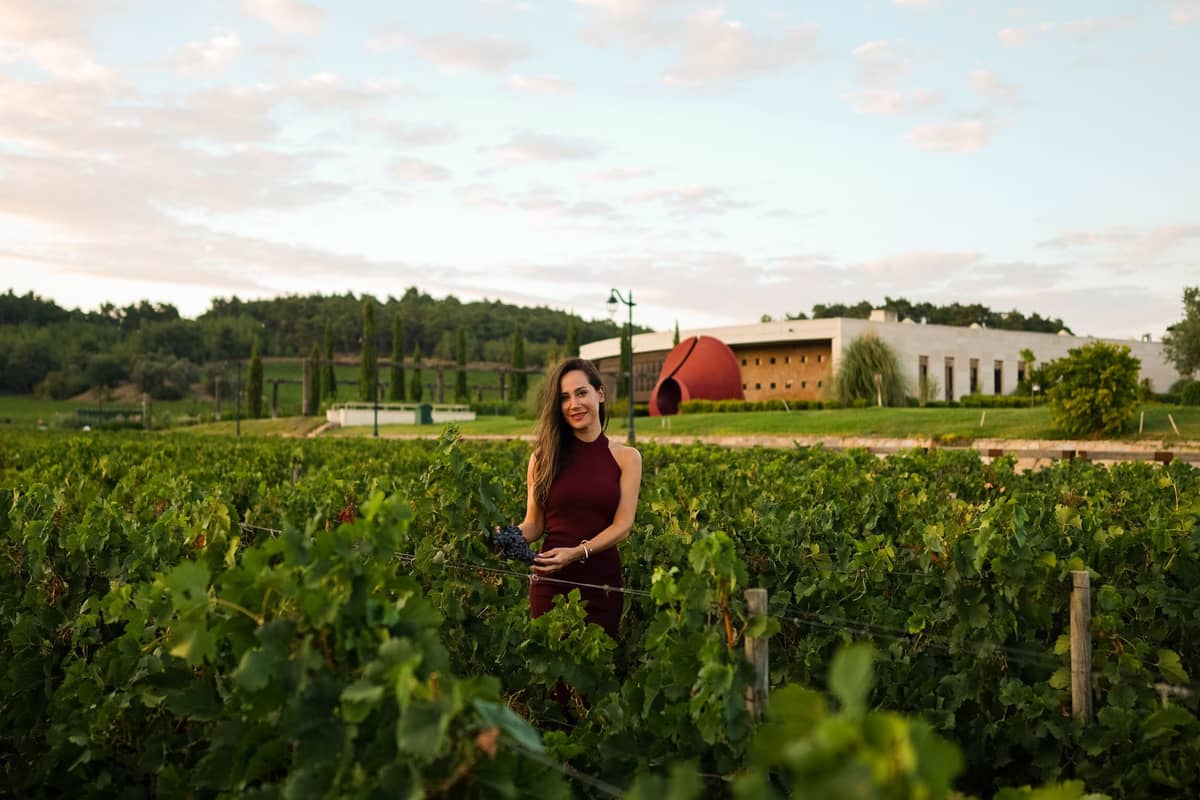
Canelones department is Uruguay's most productive wine region and borders Montevideo directly to the north and northwest. Several operators run organized tastings in Canelones year-round, typically involving visits to two or three wineries with a minimum of four to six wines including at least one Tannat. These tours can run 4 to 6 hours and often include lunch at a winery restaurant. Bercovich Travels and similar local operators offer structured Canelones wine tours that depart from Montevideo hotels — a more practical option than renting a car if you plan to actually drink during the visit. Check our day trips from Montevideo guide for logistics on reaching Canelones and other nearby destinations.
If you prefer to self-drive, the wineries in Canelones sit mostly within 40 km of central Montevideo on paved roads. The challenge is that Uruguay's drink-driving laws are strict (the legal blood alcohol limit is 0.0 g/L for drivers, meaning essentially zero tolerance). Factor this into your planning: either designate a non-drinking driver, or book a tour with included transport.
- Canelones is also where you'll find most of Uruguay's Albariño, Sauvignon Blanc, and Viognier producers if you want white wine options alongside Tannat.
- Several Canelones wineries have on-site restaurants open for lunch — pairing wine with locally sourced asado is a legitimate afternoon activity, not just a tourist gimmick.
- Private winery tours from Montevideo with transportation typically cost USD 150-250 per person; shared group tours can be somewhat cheaper at roughly USD 80-120 per person.
- Harvest activities, including grape picking and must tasting, are available at select wineries between February and April — ask when booking if this is important to you.
When to Visit: Seasonal Timing for Wine Tourists
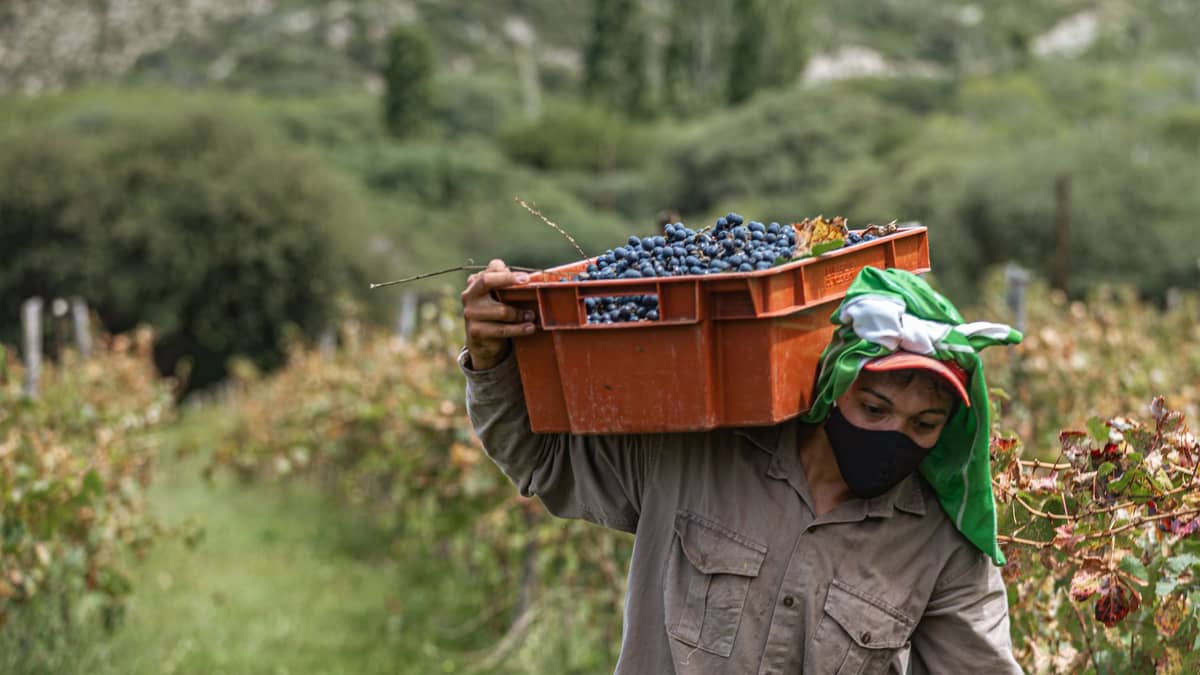
Montevideo's climate is humid subtropical with no extreme dry season, meaning winery visits are possible year-round. That said, the experience changes significantly by season. The best time to visit Montevideo for wine tourism is February through April, when harvest (vendimia) is underway in the surrounding vineyards. This is when some wineries offer special harvest activities, fresh-pressed juice tastings, and the energy of an active production season.
Spring (September to November) is the second-best window: vineyard vines are leafing out, temperatures are mild (12-21°C), outdoor visits are pleasant, and the tourist crowds are smaller than summer. Summer (December to February) brings the warmest weather and is peak tourist season, so winery slots fill fast and prices for guided tours are at their highest. Winter (June to August) is quieter and cooler (6-14°C), which suits cellar visits well but makes outdoor vineyard walks less appealing. Wineries don't close in winter, and you'll often get more personal attention from guides during the off-season.
Pairing Tannat with Montevideo's Food Culture
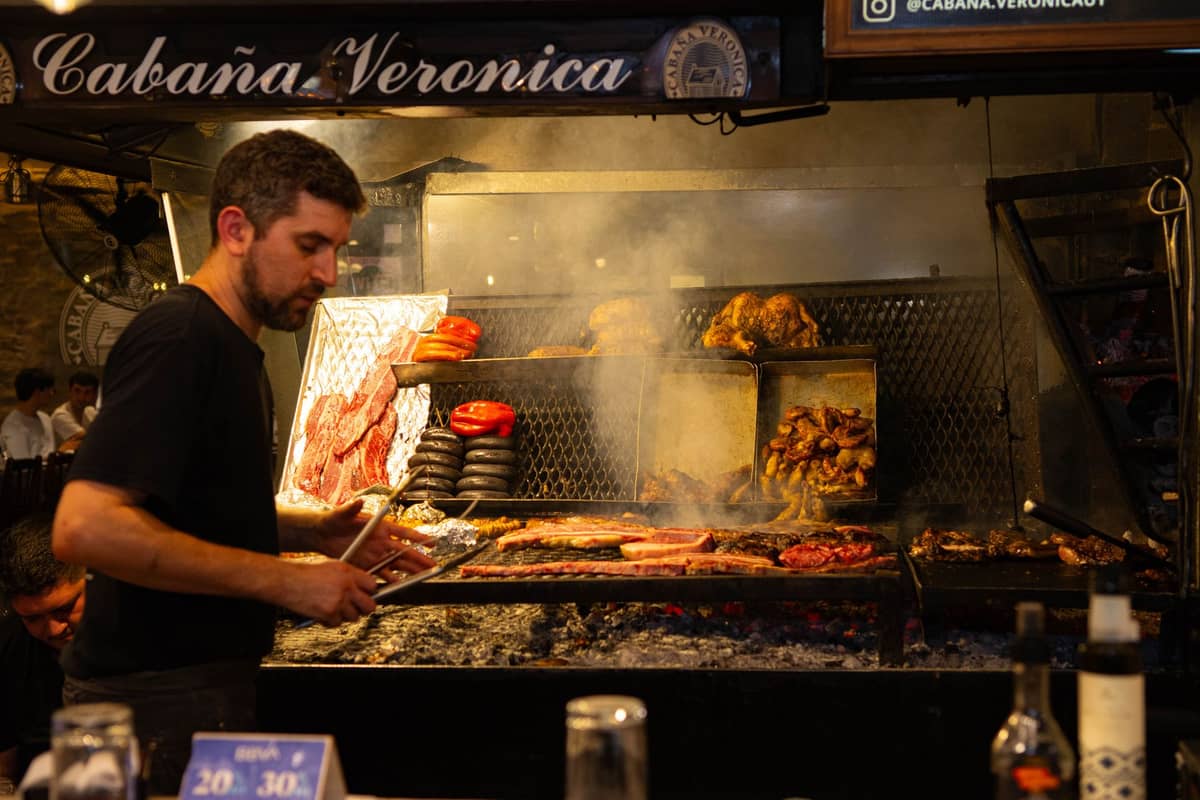
Tannat and Uruguayan beef are one of the more natural food-wine pairings in South America. The grape's firm tannins and dark fruit profile cut through the richness of a well-marbled asado cut in a way that lighter reds simply can't. If you're combining a winery visit with a food experience, Montevideo's asado culture is the obvious pairing — and the Mercado del Puerto in Ciudad Vieja is the most iconic place to do it, though it skews touristy and prices reflect that.
For a less performative wine-and-food experience, the Mercado Agrícola in Villa Dolores has wine vendors and food stalls where you can put together a more casual tasting. Restaurants in Pocitos and Punta Carretas tend to have more serious wine programs than tourist-zone spots, with staff who can walk you through Uruguayan producers. Tannat also pairs surprisingly well with aged cheeses, lamb, and wild mushroom preparations — the grape is more versatile at the table than its reputation for boldness suggests.
- Classic pairing Tannat with asado (beef ribs or short ribs), ideally a full-bodied reserve-level wine at least 2-3 years old.
- Lighter option Tannat rosé with grilled fish or light charcuterie — a good entry point if you find reds too heavy in the summer heat.
- Cheese pairing Aged Uruguayan Colonia cheese with a younger, fruit-forward Tannat is a simple and affordable combination available at most wine-focused restaurants.
- Sparkling Tannat Several producers make a sparkling version using the traditional method. It's unusual, worth trying once, and pairs well with empanadas.
FAQ
Do I need to book Bodega Bouza in advance?
Yes, advance booking is essential. The winery runs scheduled guided visits (typically at 11:00, 13:30, 15:00, and 16:30) with limited capacity. Weekend slots, especially during harvest season from February to April and summer from December to February, can fill up weeks ahead. Book directly through the Bodega Bouza website or through a reputable local tour operator.
Is it possible to visit wineries near Montevideo without a car?
Yes. Bodega Bouza is reachable by ride-hailing app (Uber and similar services operate in Montevideo) in around 20-30 minutes from the city center. For broader Canelones wine region tours, local operators like Tangol, Bercovich Travels, and Mejor Uruguay offer transportation from Montevideo hotels as part of guided winery packages. Given Uruguay's zero blood-alcohol driving limit, a tour with included transport is generally the smarter choice.
What is the typical cost of a winery tasting near Montevideo?
A direct visit with tasting at Bodega Bouza is listed at around UYU 2,800 to UYU 3,400 per person (verify current pricing on their website, as it changes). Full-day shared tours including transport, multiple winery visits, and lunch run approximately USD 100-150 per person through local operators. Private tours cost more, typically USD 175-250 or above. Prices on international platforms like GetYourGuide may differ from direct bookings.
When is harvest season in Uruguay, and can visitors participate?
Harvest (vendimia) in Uruguay's southern wine regions generally runs from February through April, peaking in March. Some wineries offer harvest experiences where visitors can participate in grape picking or watch crushing. These need to be specifically requested when booking — not all guided visits include harvest activities by default, and availability depends on that year's growing season.
Can I buy Uruguayan wine to take home from Montevideo?
Yes. Wine shops in Pocitos and Punta Carretas neighborhoods carry good selections of Uruguayan producers at reasonable prices. Winery boutiques like Bouza's on-site shop typically stock their full range including limited releases not available in supermarkets. For carry-on restrictions, wines must be in checked luggage (under 5 liters per traveler in most cases, but check your specific airline's rules and your destination country's import allowances).
Tickets & tours
Live prices and dates from our booking partner. If you book, we may earn a commission at no extra cost to you.
Planning a trip? Discover personalized activities with the Nomado app.