What to Eat in Montevideo: The Complete Uruguayan Food Guide
Montevideo's food scene is built on beef, but it goes much further than that. This guide covers the essential dishes, best markets, honest price breakdowns, and where to eat well across every neighborhood, from the historic port to the coastal rambla.
Tickets & tours
Live prices and dates from our booking partner. If you book, we may earn a commission at no extra cost to you.
TL;DR
- Beef dominates, but Uruguayan food also includes milanesa, pasta, pizza, and excellent pastries.
- The Mercado del Puerto is iconic but pricey and closes around 17:00 — go for lunch, not dinner.
- Expect to pay UYU 450–900 (around US$11–23) for a chivito and UYU 700–1,500 (US$18–38) for a parrillada at a standard restaurant.
- Dining out in Montevideo costs more than most South American capitals — budget around US$25–45 per person for a sit-down meal with wine.
- For budget strategies, see eating well in Montevideo on a budget.
The Essential Dishes: What Uruguay Actually Eats
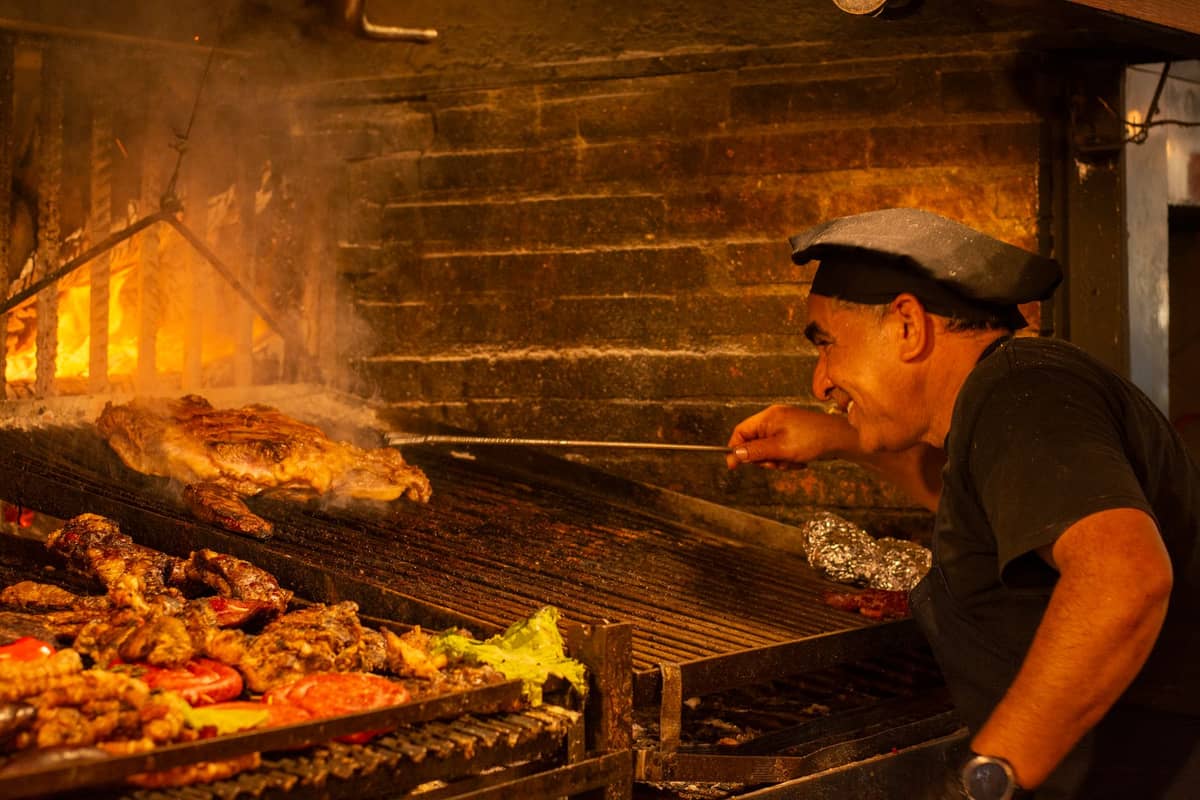
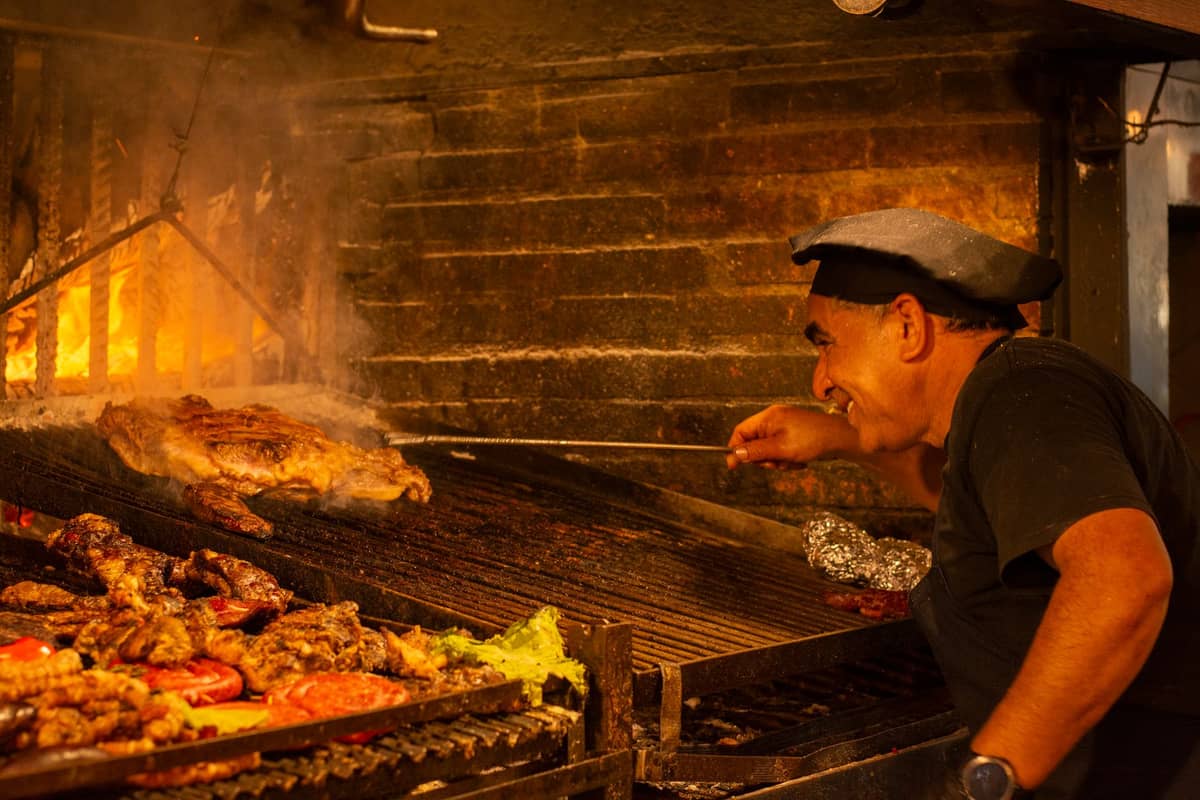
Uruguayan cuisine is shaped by waves of European immigration, particularly from Spain and Italy, layered onto a cattle-ranching tradition that goes back centuries. The result is a food culture that feels familiar to many Western palates but has its own distinct identity. Beef is central, but calling Uruguayan food 'just steak' misses the point entirely.
- Chivito Uruguay's national sandwich: a thick steak fillet layered with ham, mozzarella, bacon, egg, olives, and mayonnaise, all packed into a soft bun. The completo version adds extras. Expect to pay UYU 450–900 (around US$11–23). Every corner bar has its version; quality varies wildly.
- Asado The wood-fired mixed grill is a social ritual more than just a meal. A parrillada for one at a standard parrilla runs UYU 700–1,500 (US$18–38). Touristy spots like Mercado del Puerto charge US$20–40 for main dishes alone.
- Milanesa A breaded veal or chicken cutlet, typically served with fries. This is everyday Uruguayan cooking at its most honest. Budget around UYU 500–950 (US$13–24) at cafés and neighborhood restaurants.
- Choripán A grilled chorizo sausage on a crusty roll, sold at street stalls and parrillas. One of the few genuinely cheap eating options in the city at around US$3–6.
- Pasta and pizza Italian immigration left a deep mark. Ñoquis (gnocchi), tallarines, and cannelloni appear on menus across the city. Pizza in Montevideo is thick-crust and cheese-heavy, quite different from Argentine or Italian styles.
- Medialunas and bizcochos The morning pastry culture rivals Buenos Aires. Medialunas (croissants, slightly sweet) and bizcochos (savory or sweet pastries) are consumed with mate or coffee at breakfast and merienda (afternoon snack).
ℹ️ Good to know
Mate is not a dish — it's a lifestyle. Uruguayans carry thermoses of hot water and drink mate throughout the day, often on park benches or walking along the rambla. Visitors are sometimes offered mate as a gesture of hospitality. Accepting it is polite; asking for sugar is acceptable, though purists drink it bitter (amargo).
Mercado del Puerto: Worth It, With Caveats
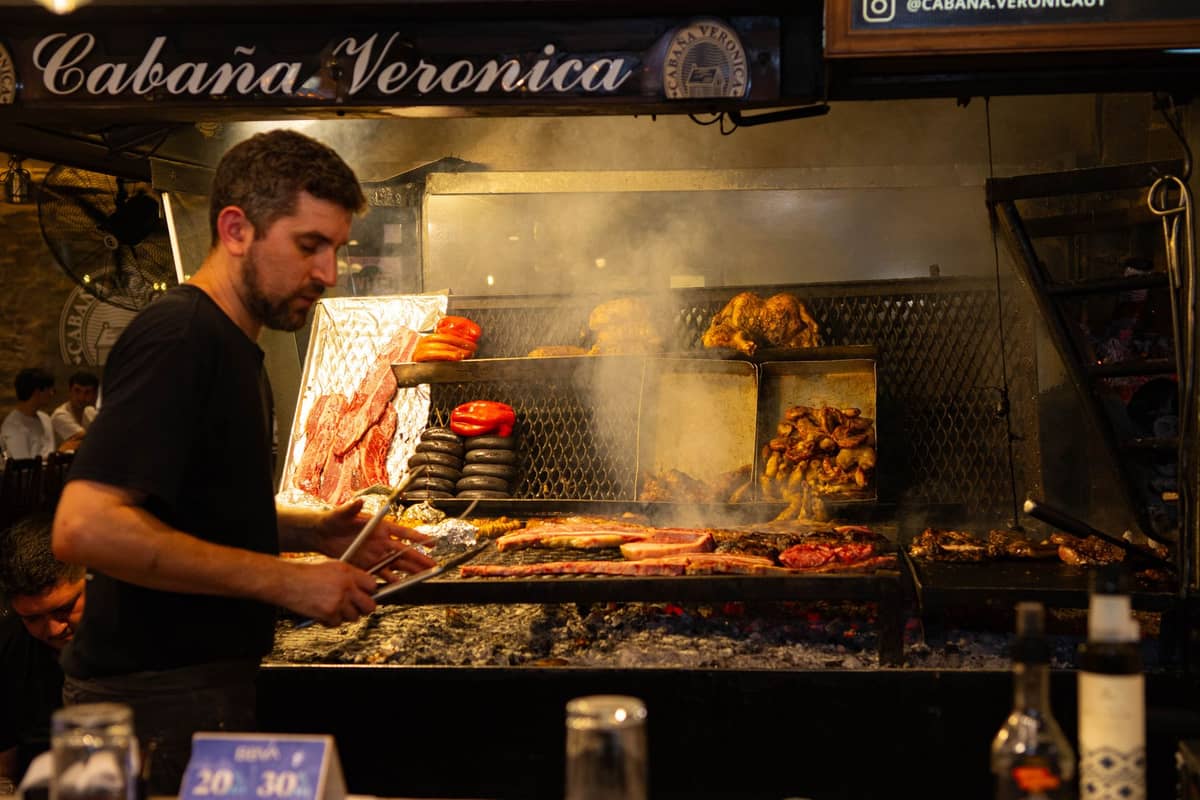
The Mercado del Puerto is Montevideo's most famous food destination: a 19th-century iron-framed market hall in Ciudad Vieja where multiple parrillas operate side by side, filling the space with wood smoke and the smell of grilling beef. It's genuinely atmospheric and worth visiting. But go in knowing what it is: a tourist-oriented lunch venue, not a local institution.
Most parrillas inside operate from around 10:00 to 17:00, with a few bars or restaurants facing the surrounding streets staying open later. The main grills focus almost entirely on lunch service. Prices reflect the location: expect US$20–35 for a main dish, and shared mixed grills for three people can run around US$50. Entry to the market itself is free. For context, you can eat similar quality asado at a neighborhood parrilla in Pocitos or Cordón for 30–40% less.
⚠️ What to skip
Do not go to Mercado del Puerto expecting dinner service. Most parrillas wrap up by 17:00. If you arrive after 15:30 on a weekday, you may find limited options or grills already cooling down. Go for Saturday lunch when the market is at its most energetic — it's a much better experience than a Tuesday midday visit.
Where Locals Actually Eat: Neighborhoods and Markets
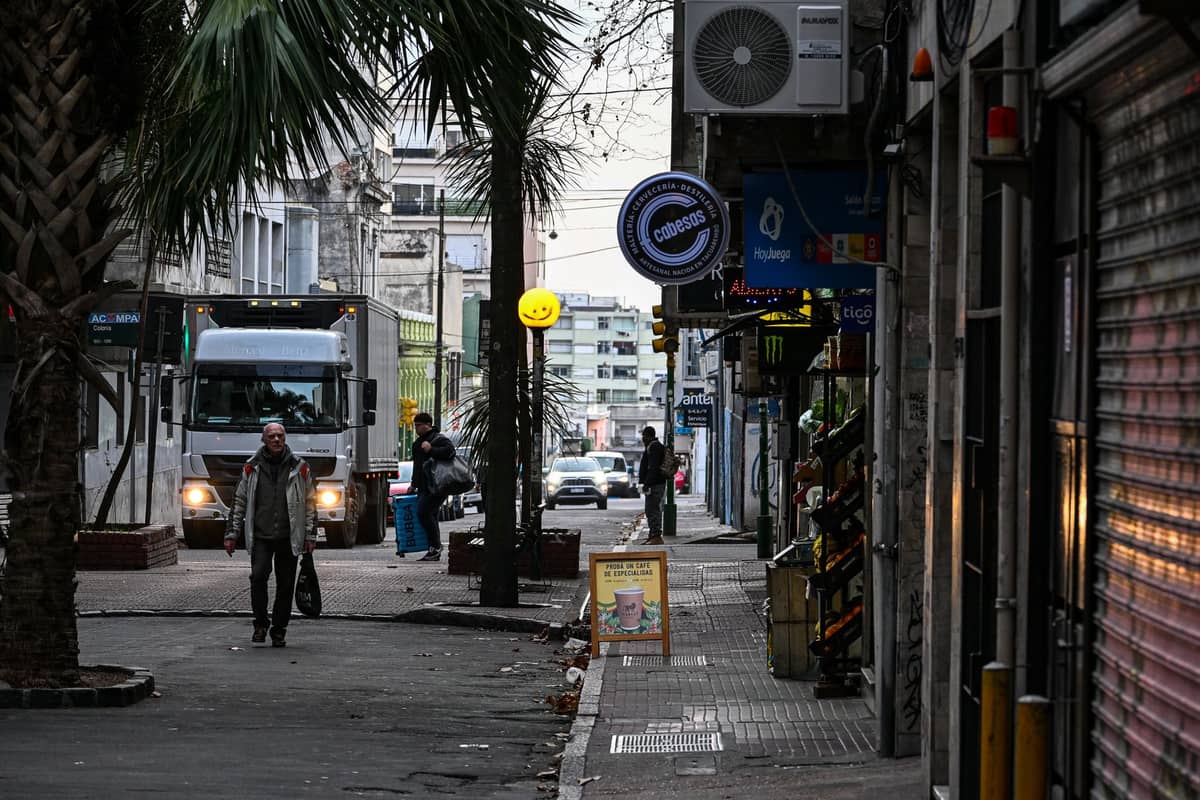
The most interesting eating in Montevideo happens outside the main tourist circuit. PocitosPocitos has a dense concentration of cafés, pizzerias, and parrillas along Avenida Brasil and the surrounding streets — this is where middle-class Montevideanos eat on weekdays. The rambla around Playa Pocitos is lined with informal spots good for afternoon snacks.
The Mercado Agrícola de Montevideo (MAM), located in the Villa Dolores neighborhood, is a better bet for everyday market eating than Mercado del Puerto. It's a working food market with produce stalls, deli counters, a bakery, and a range of food stands serving everything from fresh pasta to sushi. It's popular with locals and the atmosphere is far less performative than the port market.
Centro Montevideo around Avenida 18 de Julio is good for cheap lunch spots: panaderías (bakeries) sell fresh sandwiches for UYU 200–300, and small cafeterías offer set lunch menus (the 'menú del día') that include a main, drink, and sometimes dessert for around UYU 650–900. This is how office workers eat, and it's the best value in the city.
💡 Local tip
Look for the 'menú del día' sign in restaurant windows at lunchtime. These set menus, common across Centro and Cordón, offer two or three courses for a fixed price and represent genuinely good value compared to ordering à la carte. Many places only offer them Monday to Friday between 12:00 and 15:00.
Asado Culture: What to Know Before You Order
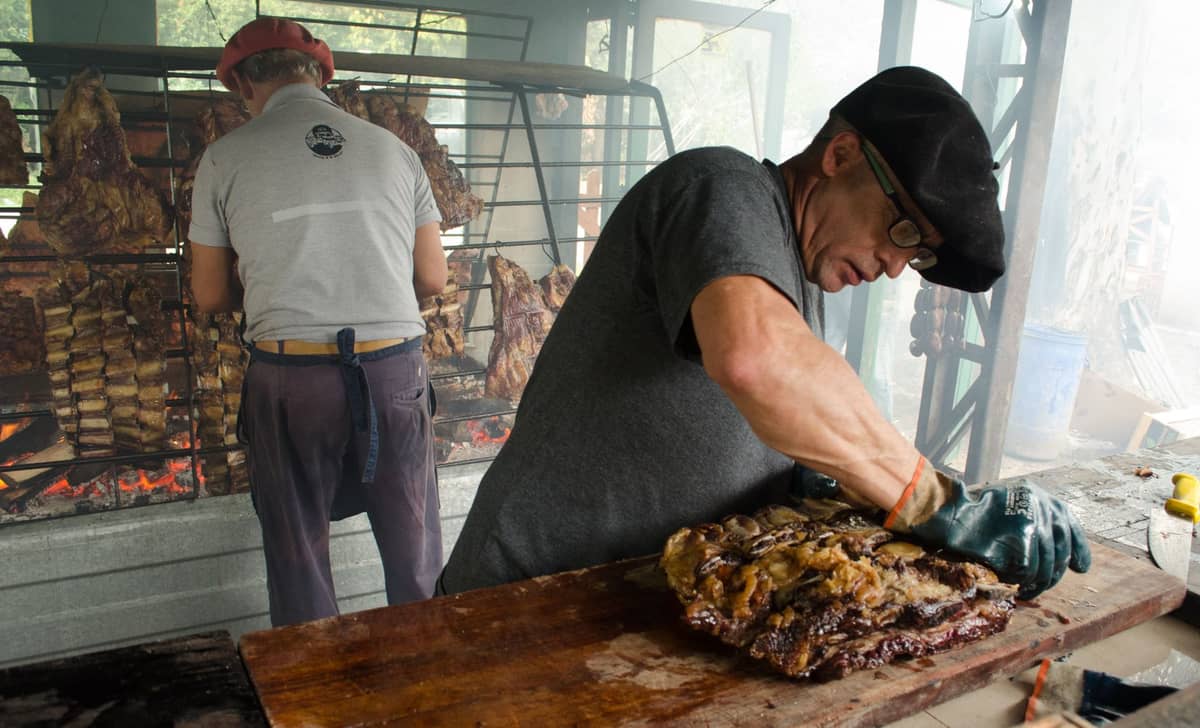
Asado in Uruguay is cooked over wood embers, not charcoal — a distinction locals take seriously. The cuts differ from Argentine barbecue traditions, and the cooking pace is slow and deliberate. If you want to understand the culture behind the meal, our Montevideo asado guide covers the cuts, etiquette, and best parrillas in detail.
Key cuts to know: tira de asado (ribs), vacío (flank), entraña (skirt steak), and choto (intestines, for the adventurous). Offal is not hidden away in Uruguay — mollejas (sweetbreads), riñones (kidneys), and chinchulines (chitterlings) are standard starters at most parrillas and genuinely popular, not just novelty items. If you're eating at a proper parrilla, ordering only a standard steak means missing the most interesting part of the meal.
- Ask for meat 'a punto' (medium) unless you want it well-done ('bien cocido') — Uruguayans cook beef longer than most Europeans expect, so 'a punto' here is closer to medium-well elsewhere.
- Chimichurri exists but is less dominant than in Argentina; salsa criolla (diced tomato, onion, and pepper in oil) is more common as a condiment.
- Side dishes at parrillas are often an afterthought: expect basic salad and fries. If you want more, ask.
- Outdoor asados along the rambla are common during summer (December–March). The city officially allows grilling in designated areas, and you'll often smell it before you see it on weekend afternoons.
Drinks: Wine, Beer, Grappamiel, and the Mate Question
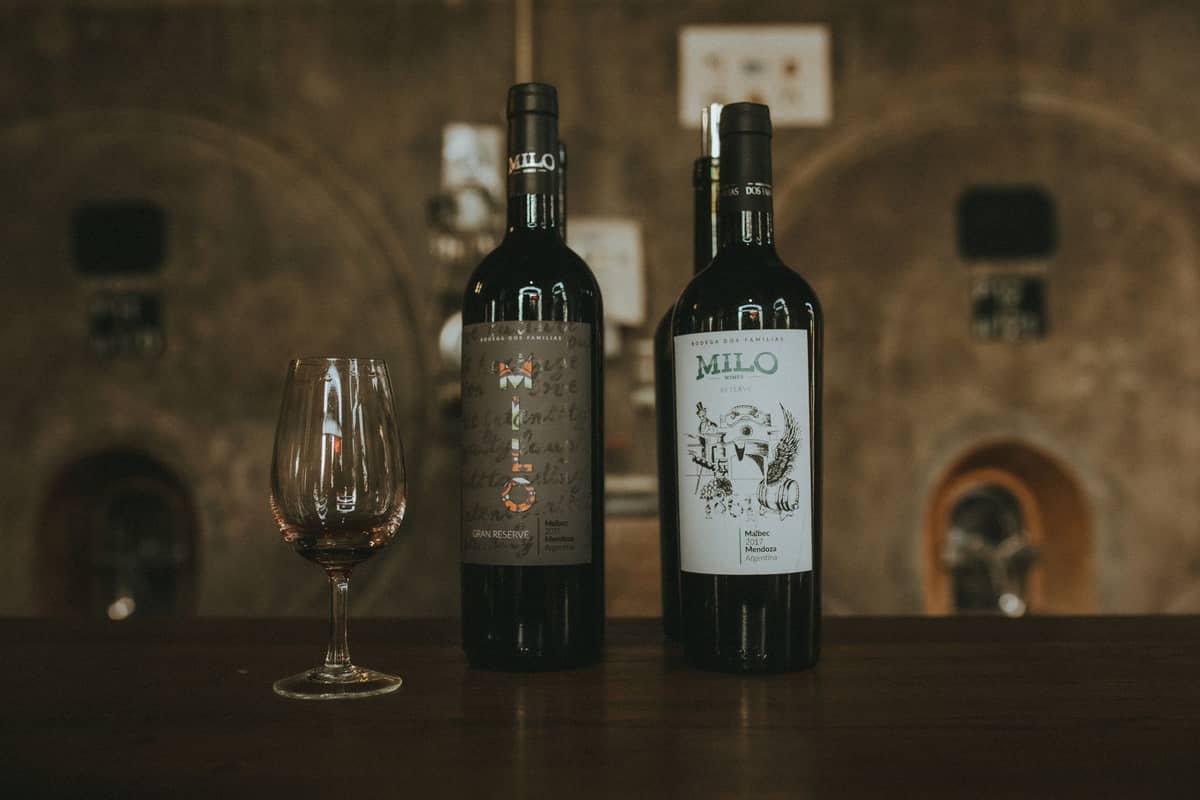
Uruguay produces underrated wine, particularly Tannat — a thick-skinned red grape that has become the country's flagship variety. Wineries in the Canelones region (just outside Montevideo) are worth visiting, and the February–March grape harvest (vendimia) season brings tastings and events near the capital. Montevideo's wine scene covers this in more detail, including which restaurants have serious wine lists.
Beer options have expanded significantly in recent years. Patricia is the dominant domestic lager, but craft beer (cerveza artesanal) bars have appeared across Pocitos, Cordón, and Parque Rodó. Grappamiel — a honey-infused grappa, warming and sweet — is a traditional Uruguayan spirit worth trying once. It's sold in most liquor stores and some bars, typically served as a digestif. Medio y medio, a sparkling white wine blended with still wine, is another local staple often drunk at celebrations.
Practical Eating: Prices, Tipping, and Timing
Montevideo is not cheap by South American standards. A sit-down dinner with wine for two at a mid-range restaurant will typically run US$55–100. Budget travelers should focus on set lunch menus, bakery sandwiches, choripán from parrillas, and self-catering from supermarkets. The Tienda Inglesa and Disco chains have good deli sections for prepared foods.
Tipping is customary in restaurants: 10% is the standard expectation, though it is not legally mandatory and is left to discretion. Some restaurants add a 'cubierto' (cover charge for bread and condiments) automatically, usually UYU 50–150 per person — check your bill before adding extra. For broader cost planning, see eating and drinking in Montevideo on a budget.
- Lunch (almuerzo) runs roughly 12:00–15:00; dinner (cena) rarely starts before 20:00 and peaks around 21:30–22:30. Arriving at 19:00 for dinner means eating alone.
- Sunday is a slow day: many smaller restaurants close, and even some parrillas reduce hours. Plan accordingly.
- Supermarkets are generally open daily, including Sundays, and are the most reliable fallback for self-catering travelers.
- All prices are in Uruguayan pesos (UYU). USD is sometimes accepted at tourist-facing venues but you'll get a worse exchange rate than paying in pesos.
✨ Pro tip
If you're visiting during February or March, look out for vendimia (grape harvest) events organized around Montevideo and the Canelones wine region. The city's official tourism platform, Descubrí Montevideo, lists scheduled tastings and winery open days.
FAQ
What is the national dish of Uruguay?
The chivito is considered Uruguay's national dish: a substantial steak sandwich loaded with ham, mozzarella, bacon, egg, olives, and mayonnaise. It's eaten at all hours and found everywhere from corner bars to dedicated chiviterías. Asado is arguably the national ritual, but the chivito is the defining everyday food.
Is Mercado del Puerto worth visiting for food?
Yes, but manage expectations. It's a genuinely atmospheric lunch spot with good wood-fired asado, but prices are at the top of the Montevideo range (US$20–40 for mains) and it closes around 17:00. Go for Saturday lunch for the best experience. It's not a place for dinner or budget eating.
How much does it cost to eat out in Montevideo?
Costs vary widely. A choripán from a street stall costs around US$3–6. A chivito at a café runs US$11–23. A full parrillada at a mid-range parrilla is US$18–38 per person. A sit-down dinner with wine for two at a decent restaurant typically costs US$50–90 total. Montevideo is more expensive than most South American cities.
What should vegetarians eat in Montevideo?
Vegetarian options are genuinely limited at traditional restaurants, particularly parrillas. However, Montevideo has a growing number of vegetarian and vegan restaurants, particularly in Pocitos, Cordón, and near Parque Rodó. The Mercado Agrícola also has produce and prepared food options. Pizza, pasta, and egg-based dishes (tortilla, milanesa de soja) are fallback options in conventional restaurants.
What wine should I try in Montevideo?
Start with a Uruguayan Tannat, the country's signature red grape variety. It's full-bodied, tannic, and pairs well with the red meat-heavy cuisine. Medio y medio, a sparkling wine blend, is worth trying as a local curiosity. Most mid-range restaurants carry a reasonable selection of Uruguayan wines from the Canelones and Colonia regions.
Tickets & tours
Live prices and dates from our booking partner. If you book, we may earn a commission at no extra cost to you.
Planning a trip? Discover personalized activities with the Nomado app.