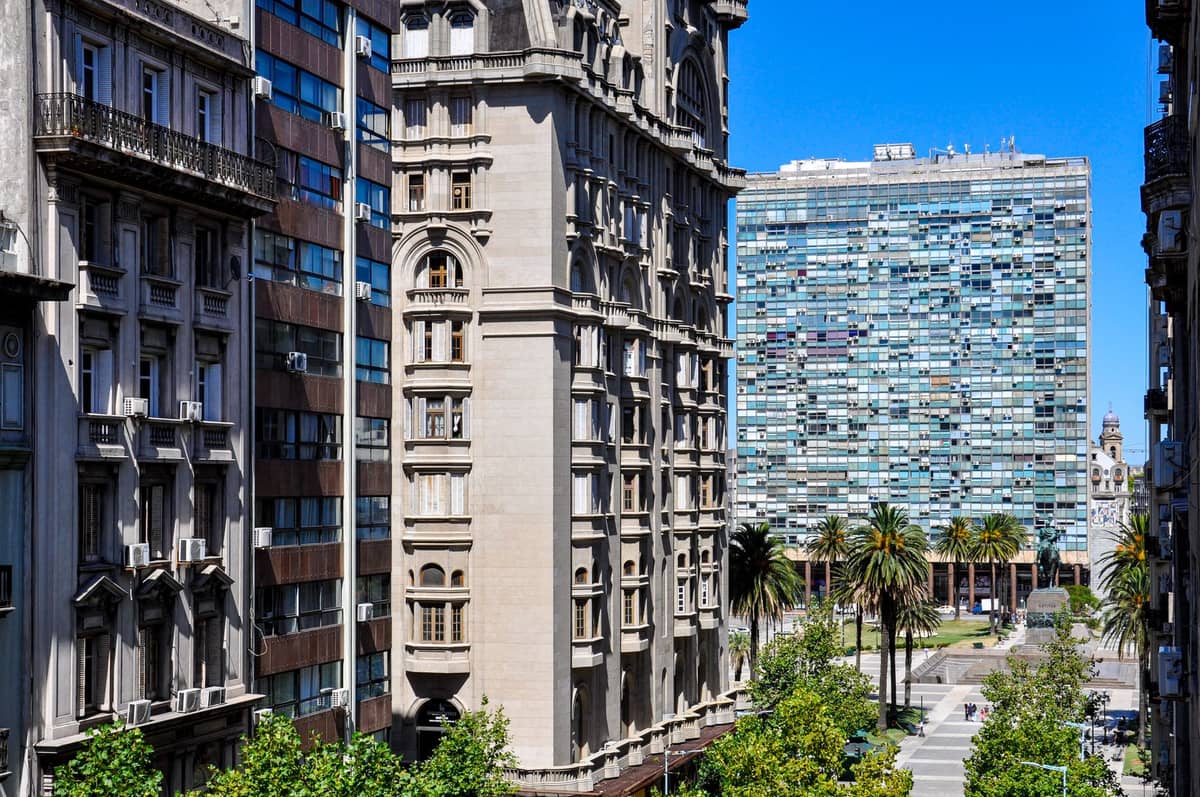
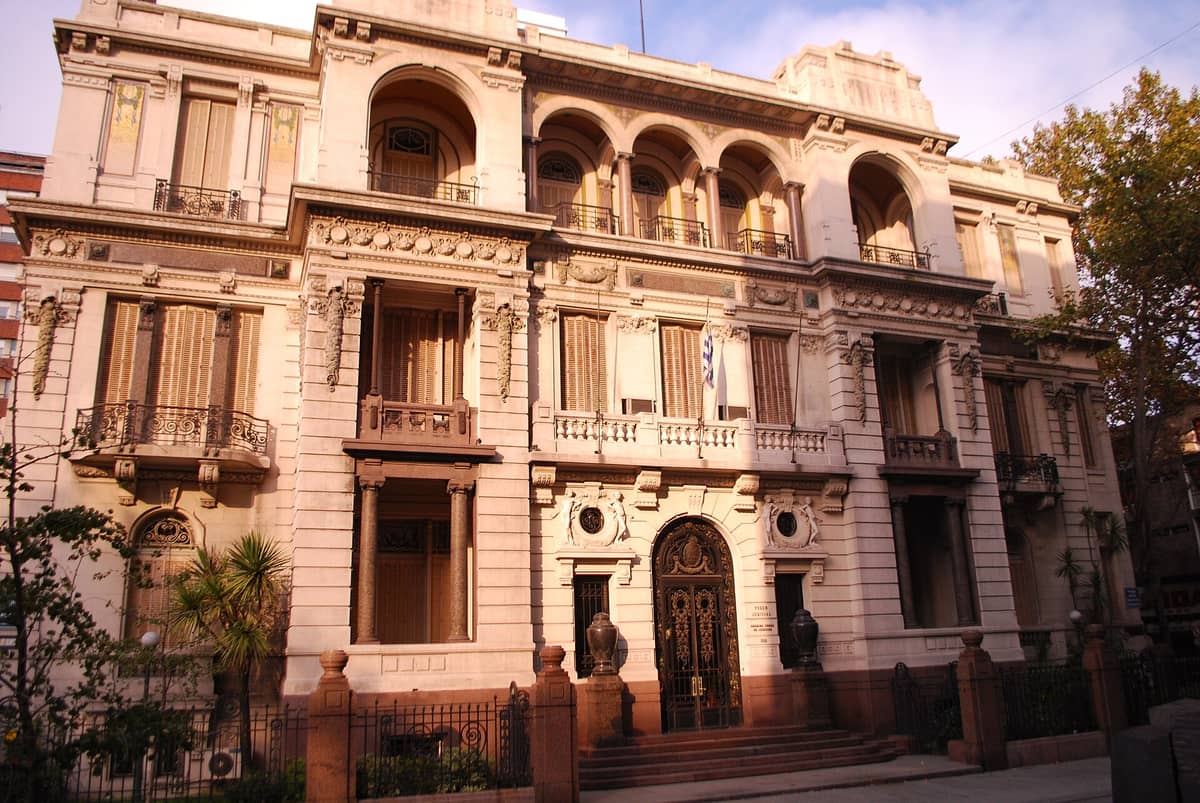
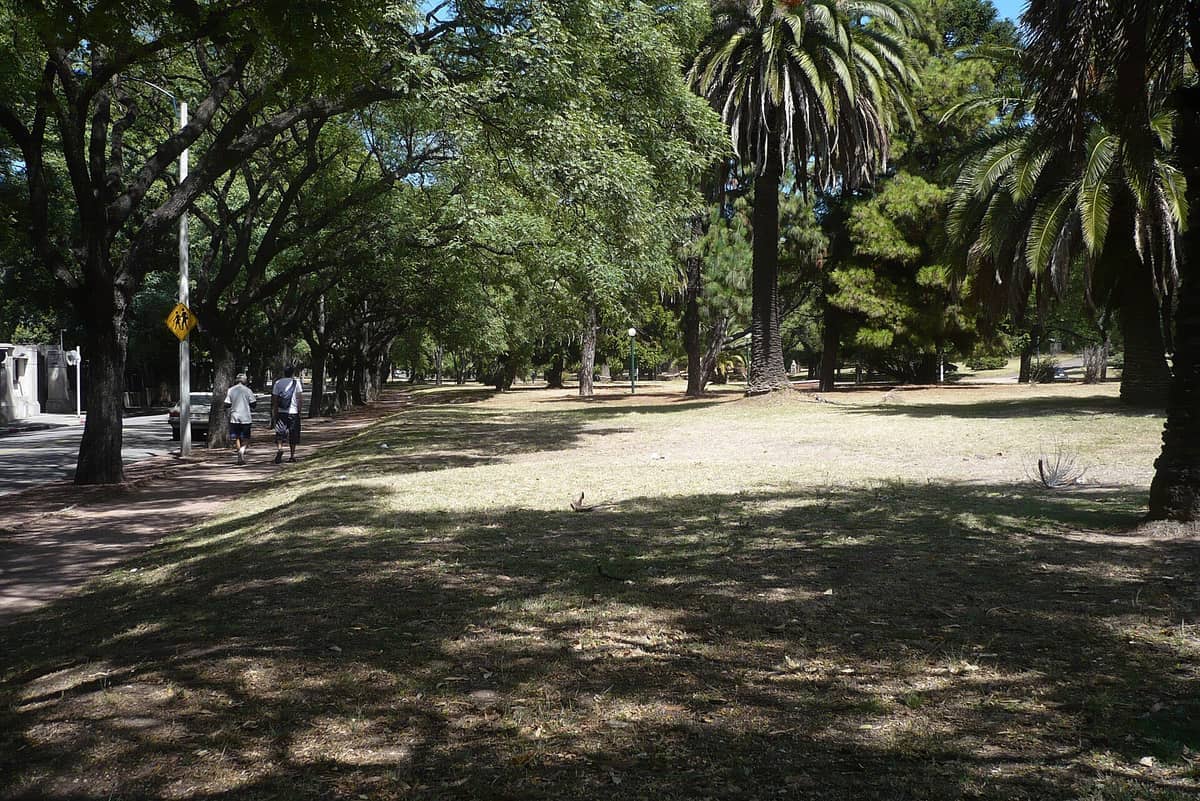
Centro is Montevideo's central business district, stretching east from Plaza Independencia along Avenida 18 de Julio to the City Hall esplanade. It's where government offices, cinemas, cafés, and street markets share the same blocks, giving the neighborhood a layered, working-city energy that few tourist zones can replicate.
Centro is the engine room of Montevideo: a dense, walkable downtown district where Art Deco towers rise above pedestrian traffic, office workers share café counters with architecture enthusiasts, and the city's main ceremonial avenue doubles as its most democratic public space. It's not polished for tourists, and that's exactly what makes it worth understanding.
Orientation
Centro occupies the strip of city directly east of Ciudad Vieja, connected to the old town at its most important hinge point: Plaza Independencia. From there, Avenida 18 de Julio runs east through the neighborhood's spine, passing plazas, commercial blocks, and institutional buildings before reaching the Palacio Municipal esplanade, which marks Centro's eastern boundary.
The neighborhood is bordered by Barrio Sur to the south, Cordón to the east, and Aguada to the north. These aren't hard edges in the way a river or a highway would be. Centro bleeds into Cordón gradually, with the residential character slowly overtaking the commercial one as you walk east past Ejido Street. To the south, the streets slope gently toward the old port district of Barrio Sur, where the rhythm changes almost block by block.
Administratively, Centro falls within Municipio B and Civic Centre Zone 1 (CCZ 1), placing it at the core of Montevideo's institutional geography. Together with Ciudad Vieja and Cordón, it forms what locals and planners treat as the city's central business and government district. If you're visiting the Palacio Salvo or the Plaza Independencia, you're already in Centro.
Character & Atmosphere
Centro works on a different schedule from most neighborhoods. By 8 a.m. on a weekday, Avenida 18 de Julio is already moving: bus after bus disgorging commuters, kiosks selling newspapers and facturas (pastries), and the smell of espresso drifting from every other doorway. The sidewalks here are wide but they fill up fast, and the collective noise of a working city in motion sets the tone for the morning.
By midday, the avenue becomes something closer to a street fair. Plaza Cagancha, roughly mid-way along 18 de Julio, hosts an artisans market most days except Sunday, with vendors selling leather goods, jewelry, and crafts laid out on folding tables. Office workers eat lunch at stand-up counters in small restaurants behind unmarked doors. The light at this hour is harsh and direct, bleaching the facades of the older buildings and making the ornate stonework of the early 20th-century architecture stand out in sharp relief.
After 6 p.m., Centro changes register. The office buildings empty, the buses thin out, and the neighborhood's nighttime personality emerges more slowly than in places like Parque Rodó or Punta Carretas. Some stretches of 18 de Julio feel quieter than you'd expect after dark, and a few side streets off the main avenue can feel noticeably empty by 9 p.m. This isn't a neighborhood that closes early, but it isn't a nightlife destination in the conventional sense either. Its energy is fundamentally diurnal.
ℹ️ Good to know
Centro is at its most alive Tuesday through Friday, during office hours. If you visit on a Sunday, expect many shops to be closed and the main avenue significantly quieter. The artisans market at Plaza Cagancha does not operate on Sundays.
What to See & Do
The obvious starting point is Plaza Independencia, which sits at the western edge of Centro and functions as the symbolic center of Montevideo more broadly. The square is ringed by government buildings, the Teatro Solís, and the looming façade of the Palacio Salvo. In the center stands the mausoleum of José Artigas, Uruguay's founding hero, with an equestrian statue above and the actual crypt accessible below ground. This isn't just a public square: it's where the city stages its largest ceremonies and where visitors inevitably orient themselves.
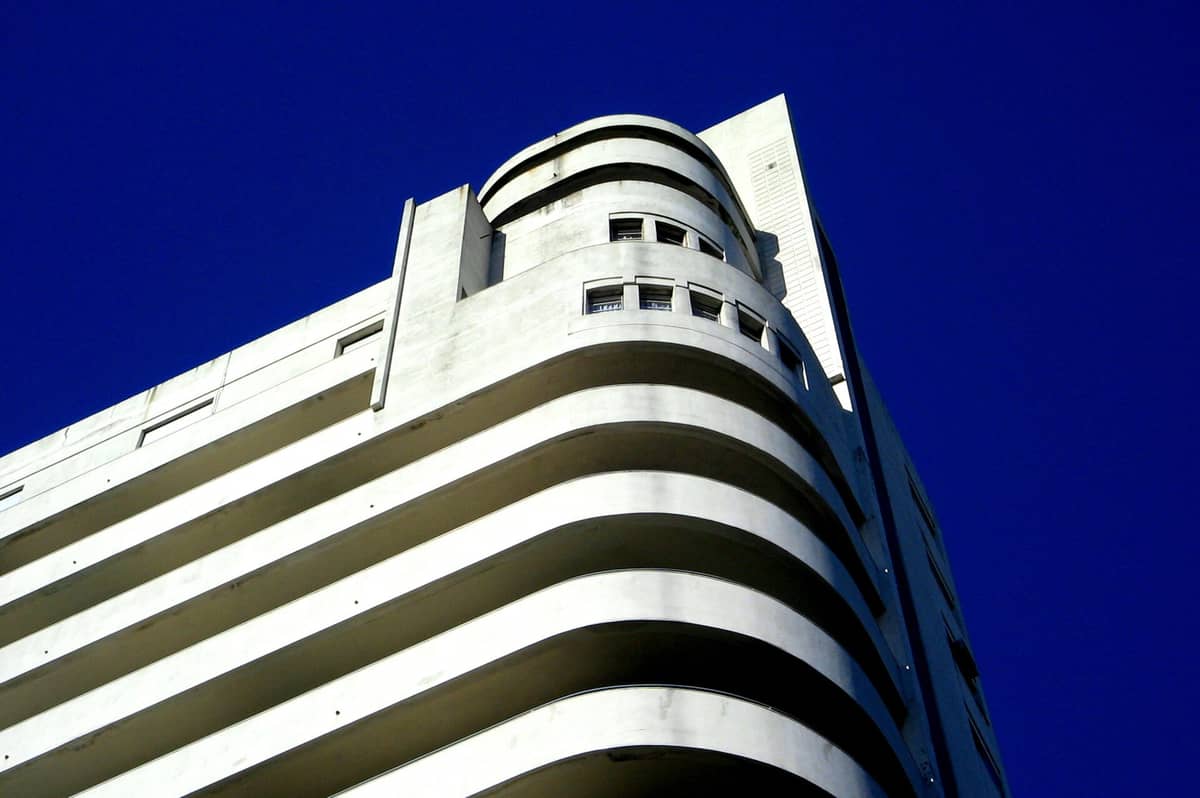
The Palacio Salvo deserves more than a glance from the plaza. Completed in 1928 and standing about 95 meters tall to the main roof (around 105 meters including its beacon), it was among the tallest buildings in Latin America at the time of its construction. The building's lower floors house offices and small businesses, and the upper floors have been partially converted to residential use. The architecture reads like Art Deco filtered through an Italian Gothicist imagination, and on overcast days the tower disappears into the clouds above the plaza in a way that feels genuinely dramatic.
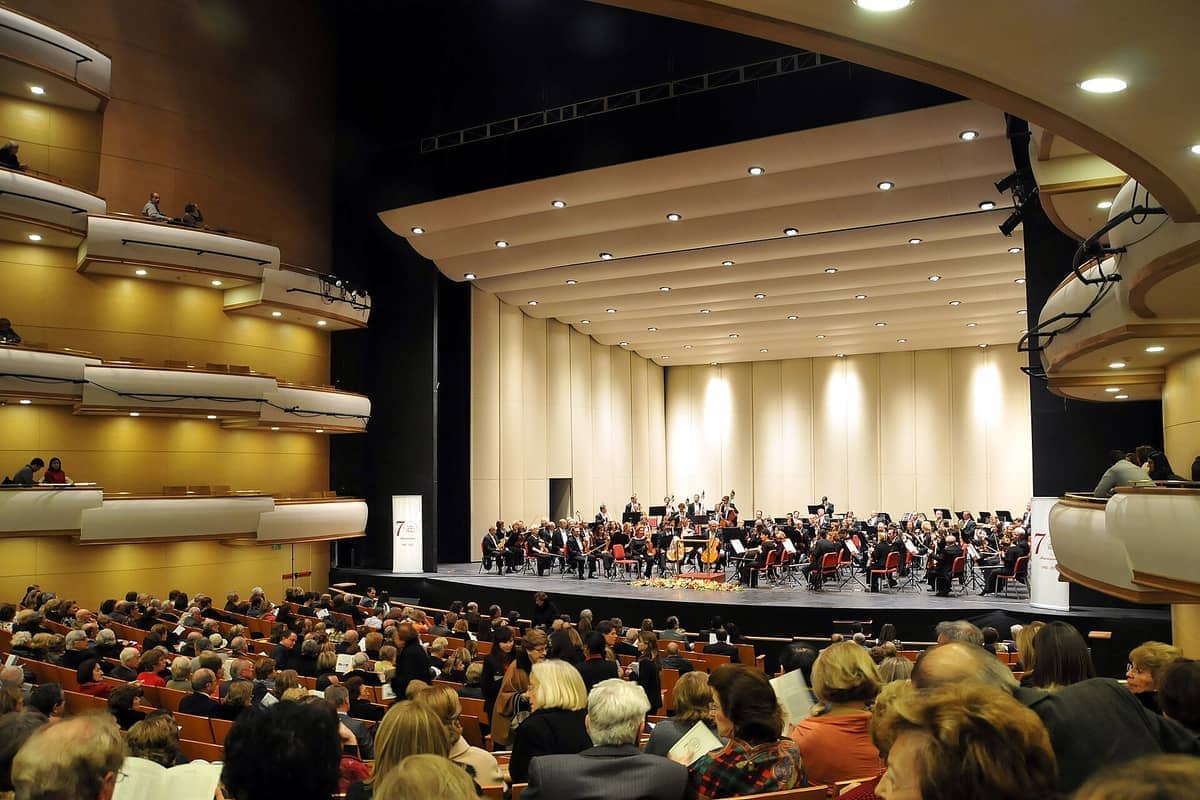
Walking east along 18 de Julio toward the City Hall, you pass several institutions worth noting. The Museo Torres García is located nearby in the broader central area, dedicated to Joaquín Torres García, one of the most important Latin American artists of the 20th century. The Teatro Solís on the southern side of Plaza Independencia is Uruguay's national theater, with a neo-classical façade and an interior that rewards a guided visit or an evening performance.
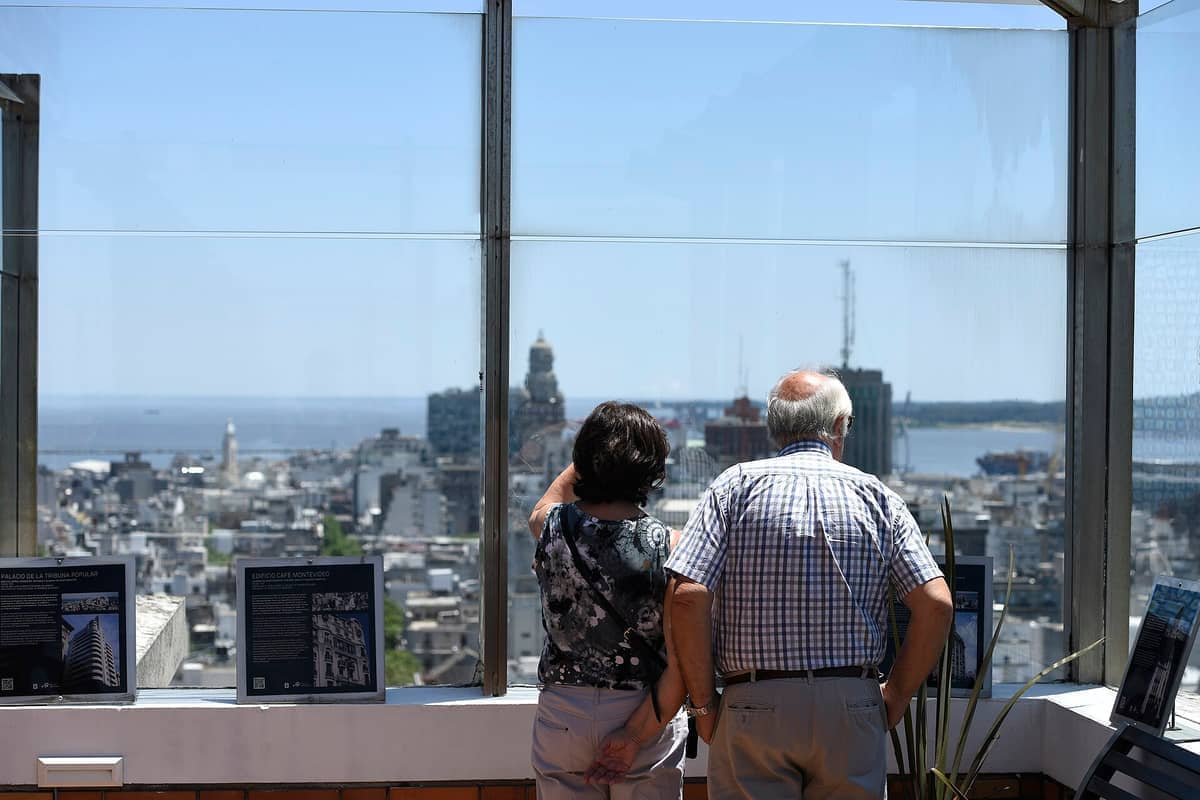
The Mirador de la Intendencia at the top of the Palacio Municipal (City Hall) offers one of the better aerial perspectives over central Montevideo and is free to access during opening hours. From up there, the grid of Centro stretches clearly in every direction, with the waterfront of the Río de la Plata visible to the south.
Plaza Independencia: symbolic center of the city, mausoleum of José Artigas, surrounded by key buildings
Palacio Salvo: 1928 landmark tower, architectural centerpiece of the plaza
Plaza Cagancha: artisans market most weekdays and Saturdays, good for crafts and people-watching
Teatro Solís: national theater, guided tours and evening performances
Mirador de la Intendencia: free rooftop views from the City Hall tower
Museo Torres García: dedicated to Uruguay's most celebrated modernist painter
💡 Local tip
If you're exploring Centro as part of a wider city walk, the logical route runs east from Ciudad Vieja through Plaza Independencia and along 18 de Julio. It connects naturally into Cordón and eventually Parque Rodó without requiring any transit. The full walk from Ciudad Vieja to Parque Rodó takes around 40 to 50 minutes at a comfortable pace.
Eating & Drinking
Centro's food scene is functional more than fashionable, which is not a criticism. This is a neighborhood where people eat lunch quickly and well, where the value-for-money ratio tends to be higher than in the coastal neighborhoods, and where you're more likely to share a counter with a government clerk than a fellow tourist. That dynamic produces honest, affordable food.
The side streets off 18 de Julio are where the best eating happens. Small restaurants serve the Uruguayan midday staple: a fixed lunch menu (usually called a menú del día or menú ejecutivo) that includes soup or salad, a main course, and sometimes dessert or coffee, at prices significantly below what you'd pay in Pocitos or Punta Carretas. Chivitos (Uruguay's famous steak sandwich, layered with egg, cheese, and vegetables) appear on almost every menu and are worth ordering at least once.
Café culture runs deep in Centro. The old-style confiterías, large café-restaurants with marble countertops and waiters in white jackets, have mostly been replaced by more modern operations, but the habit of stopping for a cortado and a medialuna (crescent pastry) persists. Several cafés along 18 de Julio and its cross streets cater to the office crowd and are open from early morning until late afternoon, then often close or slow considerably in the evening.
For a broader sense of Montevideo's food culture, what to eat in Montevideo covers the city's essential dishes and where to find them. If you're interested in the city's meat culture specifically, the Montevideo asado guide explains what sets Uruguayan grilling apart.
Getting There & Around
Centro is the transit hub of Montevideo. Virtually every bus line in the city passes through or along Avenida 18 de Julio, which means you can reach Centro from almost any neighborhood without a transfer. From Pocitos or Punta Carretas on the coast, buses run west along the rambla and into the center in 15 to 25 minutes depending on traffic. From Tres Cruces (where the main intercity bus terminal is located), Centro is a short bus ride or roughly a 20-minute walk west for most people.
Within Centro itself, walking is the right mode. The neighborhood is compact enough that Plaza Independencia to the City Hall esplanade takes about 15 minutes on foot along 18 de Julio. The streets follow a regular grid with wide sidewalks on the main avenue, though some of the narrower cross streets can be tighter and noisier, particularly where delivery trucks crowd the lanes during morning hours.
Montevideo does not have a metro or tram system. Ride-hailing services including Uber operate in the city and can be a convenient option for reaching Centro from Carrasco International Airport (roughly 19 to 22 km to the east), though taxis and remise services are also available. For a full breakdown of how to navigate the city, see the guide to getting around Montevideo.
⚠️ What to skip
Avenida 18 de Julio is heavily trafficked during weekday rush hours (roughly 7:30 to 9 a.m. and 5:30 to 7:30 p.m.). If you're arriving by bus from another part of the city, expect slower journey times during these windows. Taxis and ride-hailing services are equally affected by Centro's traffic.
Where to Stay
Centro offers practical accommodation for visitors who want to be close to the main sights and public transit without paying coastal premiums. Hotels here tend to be mid-range business-oriented properties or older establishments that have been updated over the years. The location is genuinely convenient: you're a short walk from Ciudad Vieja and the Mercado del Puerto, and bus connections to every other part of Montevideo leave from right outside most hotels' front doors.
The trade-off is atmosphere. Centro doesn't have the coastal calm of Pocitos or the bohemian energy of Parque Rodó. Street noise from 18 de Julio is significant during the day and, in some properties, carries into rooms even with windows closed. Travelers who prioritize easy logistics over neighborhood character will find Centro works well. Those who want to feel immersed in a residential Montevideo will likely be better served elsewhere.
For a full comparison of where to base yourself across the city, the guide to where to stay in Montevideo covers the major options by neighborhood and traveler type.
Safety & Practical Notes
Centro is a high-traffic urban area and carries the ordinary cautions that apply to any busy downtown district in a major Latin American city. The main concern during the day is petty theft in crowded areas, particularly around Plaza Independencia and the busiest stretches of 18 de Julio. Keep bags in front of you, be aware of your surroundings at ATMs, and don't leave belongings unattended. For a broader perspective on navigating the city safely, the Montevideo safety guide is a useful reference.
After dark, Centro is not dangerous in any categorical sense, but it does thin out. Side streets that feel completely normal at noon can feel noticeably empty by 9 p.m. on weeknights. The main avenue retains some foot traffic most evenings, particularly around cinemas and restaurants, but there's no nightlife district here in the way there is in Cordón or near Parque Rodó. If you're out late, stick to well-lit main streets or use a taxi or ride-hailing app for getting back.
Uruguay uses 220V electricity with Type C, Type F, and often Type L plugs, which aligns with most European devices. Visitors from North America will need a voltage converter and plug adapter. The Uruguayan peso (UYU) is the local currency; ATMs are plentiful along 18 de Julio and in the side streets near Plaza Independencia. Tap water in Montevideo is generally treated and potable, though checking current advisories is advisable if you have specific health concerns.
Is Centro Worth Your Time?
Centro is not a neighborhood you spend a full day exploring for its own sake. It's where you orient yourself, where you walk through to get from one part of the city to another, and where some of Montevideo's most significant architecture and public spaces happen to be concentrated. The walking tour of Ciudad Vieja almost always extends into Centro by default, since Plaza Independencia straddles the two. Understanding that dynamic is the key to using Centro well.
If you're short on time in Montevideo, spend a morning walking the length of 18 de Julio from Plaza Independencia to the City Hall, then loop back through the side streets. That's enough to absorb what Centro does well without overstaying in a neighborhood that rewards movement more than lingering. For a structured itinerary that incorporates Centro alongside the rest of the city, see the 2 days in Montevideo guide.
TL;DR
Centro is Montevideo's central business district, running east from Plaza Independencia along Avenida 18 de Julio to the City Hall esplanade — it's functional, walkable, and architecturally rich.
Best visited during weekday daytime hours, when markets, cafés, and street life are at their peak. Sundays feel comparatively empty.
Key sights include the Palacio Salvo, Plaza Independencia, the Mirador de la Intendencia rooftop, and the artisans market at Plaza Cagancha.
Accommodation here suits logistics-first travelers: excellent transit access, mid-range prices, but significant daytime street noise and limited evening atmosphere.
Not ideal as a standalone destination, but essential as a throughway and orientation point — almost every visitor to Montevideo passes through Centro, whether they plan to or not.
Forty-eight hours in Montevideo is enough to cover the historic old town, the waterfront Rambla, world-class museums, and some of South America's best grilled meat. This itinerary cuts the noise and tells you exactly what to do, when, and how to get there.
Montevideo has a stronger museum scene than many visitors expect. From a major collection of pre-Columbian art to a museum dedicated to Carnival as a living tradition, these are the best museums in Montevideo for first-time visitors and returning travelers alike.
Montevideo is a genuine year-round destination, but each season offers a different experience. This guide breaks down the weather, crowds, prices, and key events month by month so you can choose the timing that fits your trip.
Colonia del Sacramento is Uruguay's most visited colonial town, and it's reachable from Montevideo in under three hours by bus. This guide covers transport options, timing, what to prioritize once you arrive, and the common mistakes that turn a great day trip into a rushed one.
Montevideo sits at the centre of one of South America's most underrated travel regions. Within three hours by bus, you can reach a UNESCO colonial town, Uruguay's glamorous beach resort, and some of the Southern Cone's most interesting wineries. This guide covers every realistic option for day trips from Montevideo, with transport breakdowns, seasonal advice, and practical logistics.
Montevideo rewards travelers who know where to look. From always-free museums and colonial plazas to 22 kilometers of waterfront promenade, this guide covers the best free experiences in the Uruguayan capital, organized by neighborhood and type.
Montevideo runs on buses. No metro, no tram, no underground — just an extensive STM network covering the whole city, plus taxis, Uber, and a reliable airport bus from Carrasco. This guide breaks down every option with current fares, route logic, and straightforward advice on what actually works.
Montevideo is Uruguay's capital and its most-visited city, attracting about 876,000 foreign tourists in 2025 alone. But is it worth a detour on your South America trip? This guide breaks down what the city genuinely offers, who it suits, and what to skip.
Montevideo's skyline tells the story of a city that built ambitiously across several decades. From the Palacio Salvo's eclectic tower to the Neoclassical grandeur of Teatro Solís, this guide covers the key buildings, the best walking routes, and how to actually get inside them — with clear advice on tours, timing, and what to skip.
Uruguay takes its beef seriously, and nowhere is that more evident than in Montevideo's parrilla restaurants. This guide covers the culture behind asado, where to find the best grills across the city, what to expect on the menu, and honest pricing so you know what you're getting into before you sit down.
Montevideo has more than twenty named beaches stretching along the Río de la Plata, from lively Pocitos near the city center to the tranquil sands of Carrasco. This guide covers water quality, the best beaches for swimming versus walking, seasonal crowd patterns, and how to get there.
Candombe is Montevideo's most distinctive cultural practice: an Afro-Uruguayan drum tradition inscribed on UNESCO's Intangible Cultural Heritage list since 2009. This guide covers where to hear it, when to go, what to expect at the Desfile de Llamadas, and how to engage respectfully with a living community practice.
Montevideo hosts one of the longest Carnival seasons in the world, running from late January through early March. This guide covers the key events, ticket prices, neighborhood tablados, cultural context, and practical logistics to help you experience it properly.
Montevideo is one of South America's most livable capitals, with reliable infrastructure, a stable political climate, and a quality of life that few cities in the region can match. This guide covers everything remote workers need: Uruguay's digital nomad permit, the best neighborhoods to base yourself, coworking options, cost of living, and the practical details that most guides skip.
From the sprawling Sunday chaos of Tristán Narvaja to the relaxed crafts stalls of Villa Biarritz, Montevideo's flea markets and street fairs are some of the best in South America. This guide covers every major market, exact schedules, what to expect, and how to get the most out of each one.
Montevideo is one of South America's most football-obsessed cities, home to two of the continent's oldest clubs and a stadium that hosted the first World Cup final. This guide covers every major venue, how to buy tickets, what to expect at a clásico, and the practical details that make the difference between a great experience and a frustrating one.
Montevideo's nightlife runs on tango, candombe, and craft beer rather than superclubs. This guide breaks down the best neighborhoods, venues, and what to expect from the city's after-dark culture, with practical prices and timing.
Montevideo is more affordable than its reputation suggests. With free museum days, a reliable bus network costing around US$1.50 per ride, and a coastline that charges nothing for entry, the Uruguayan capital rewards travelers who plan smart. This guide breaks down exactly how to keep costs low without sacrificing the best the city has to offer.
Montevideo is one of South America's more livable capitals, but that doesn't mean it's risk-free. This guide breaks down the real safety picture — crime statistics, neighborhood-by-neighborhood risk levels, what official travel advisories say, and practical tips that actually make a difference on the ground.
Uruguay's flagship grape Tannat has put South American wine on the map, and Montevideo is your best base for exploring it. This guide covers the top wineries, urban tasting rooms, seasonal timing, and honest pricing so you can plan a wine experience that suits your budget and schedule.
Montevideo is one of South America's most relaxed capitals for family travel. From the boat-filled lake at Parque Rodó to the Rambla's long coastal path, the city offers low-cost, walkable experiences that work well across a wide range of ages. This guide covers the best activities, practical logistics, and practical advice for visiting Montevideo with kids.
A Punta del Este day trip from Montevideo is one of Uruguay's most popular excursions, and for good reason. With buses running every 20-60 minutes from Terminal Tres Cruces and a journey of around two hours each way, it's entirely doable as a same-day visit. This guide covers transport logistics, costs, what to do with limited time, and the honest trade-offs.
Montevideo rewards travelers who go beyond the surface. This guide covers the best things to do in Montevideo, Uruguay, from free rooftop viewpoints and major museums to asado markets, carnival culture, and a day trip to Colonia del Sacramento. Practical, specific, and clear about what's worth your time.
Ciudad Vieja is Montevideo's historic peninsula neighborhood, packed with colonial architecture, key museums, and some of the best food in the city. This guide covers the full self-guided walking tour route, stop by stop, with practical details on timing, costs, and what to skip.
Montevideo's food scene is built on beef, but it goes much further than that. This guide covers the essential dishes, best markets, honest price breakdowns, and where to eat well across every neighborhood, from the historic port to the coastal rambla.
Choosing where to stay in Montevideo makes a bigger difference than most travelers expect. This guide breaks down the city's key neighborhoods by character, price range, and who they suit best, so you can book with confidence.