The Best Museums in Montevideo: Art, History, Football & More
Montevideo has a stronger museum scene than many visitors expect. From a major collection of pre-Columbian art to a museum dedicated to Carnival as a living tradition, these are the best museums in Montevideo for first-time visitors and returning travelers alike.
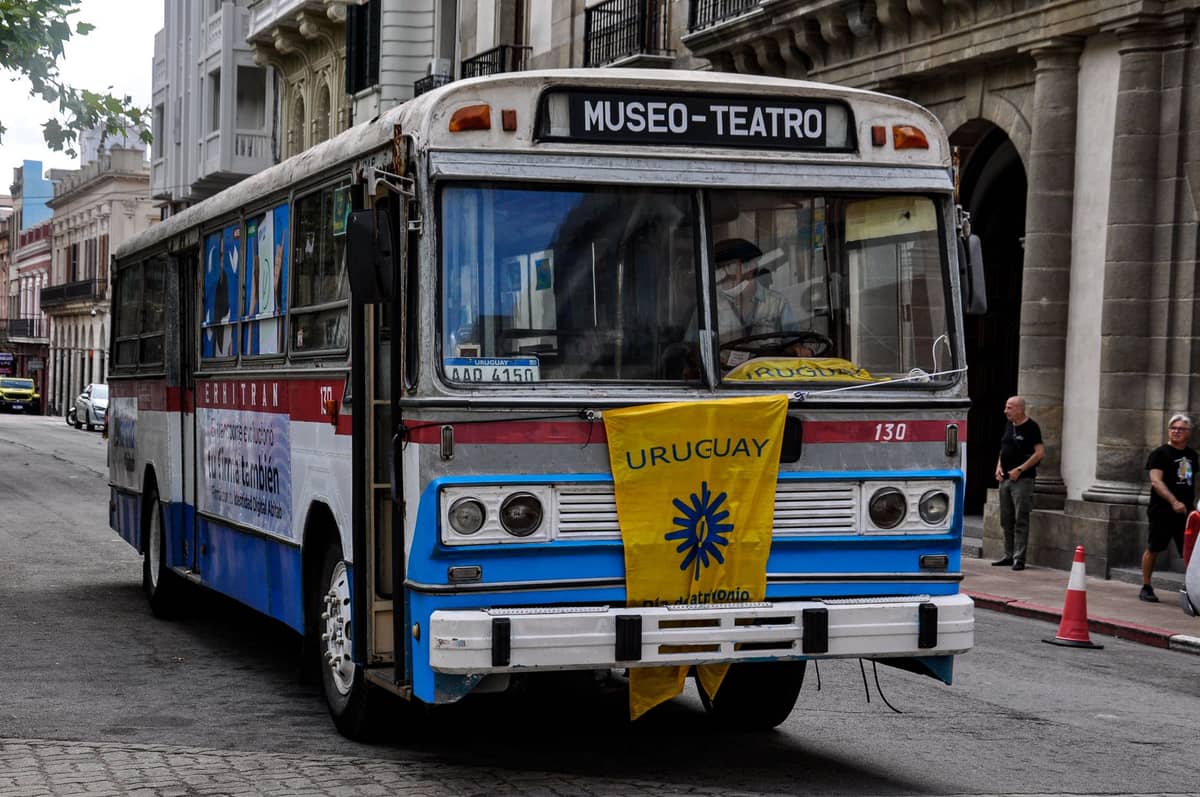
Tickets & tours
Live prices and dates from our booking partner. If you book, we may earn a commission at no extra cost to you.
Montevideo's museum scene rewards curiosity. Most of the best collections sit inside Ciudad Vieja, the historic peninsula where colonial buildings have been repurposed into genuinely excellent cultural spaces. But the city's museum life extends well beyond the old town: you'll find a fine arts museum tucked inside a neoclassical villa in Parque Rodó, a football shrine inside an iconic World Cup stadium in the Centro, and one of South America's most architecturally interesting prison-turned-shopping-mall hybrids in Punta Carretas. Entry fees are modest and many museums offer free admission on certain days. Hours change seasonally and vary widely between institutions, so check each museum's official website before visiting.
✨ Pro tip
Several Montevideo museums are free or low-cost. MAPI offers free entry on Mondays (with time restrictions). Plan your museum days mid-week to avoid weekend crowds at the most popular spots.
Art Museums Worth the Trip
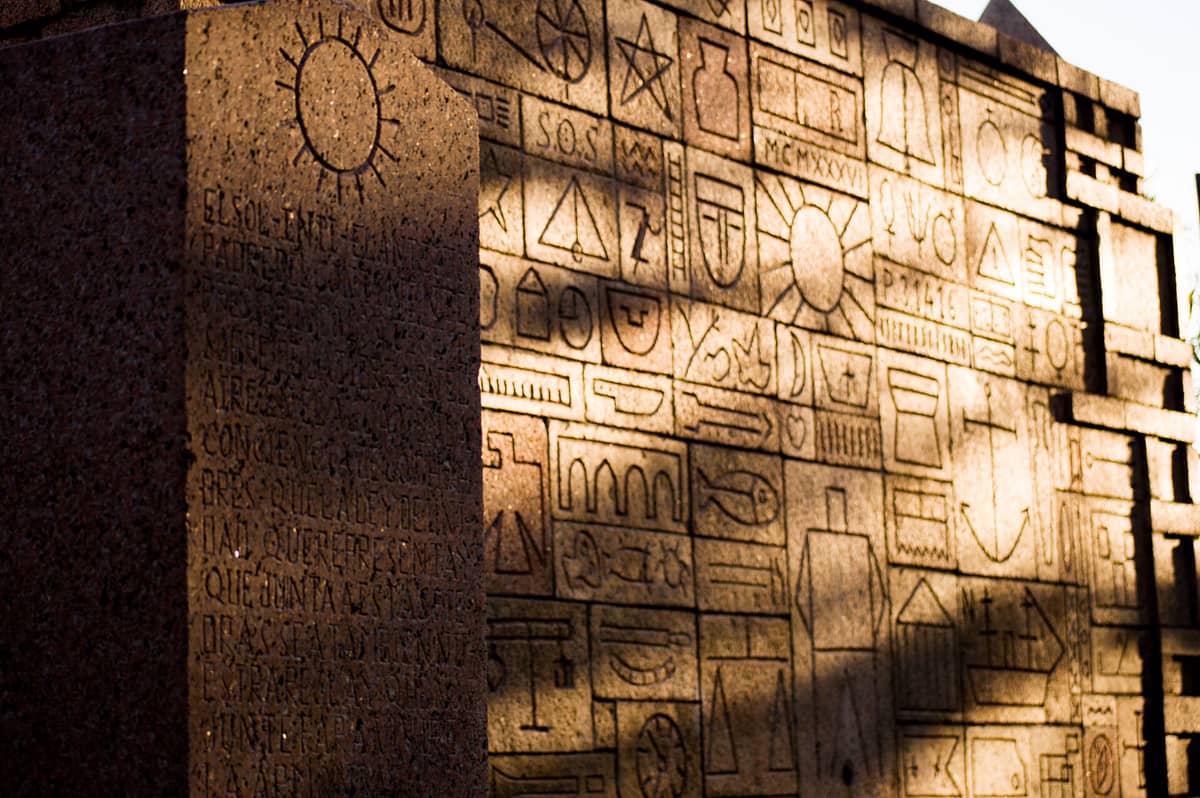
Montevideo's art museums range from intimate single-artist spaces to broad municipal collections. If you only have time for one, the Torres García museum is the place to start. For a deeper look at Uruguay's visual arts scene, pair it with the Blanes museum in Parque Rodó. The architecture along the way is often as interesting as the collections inside.
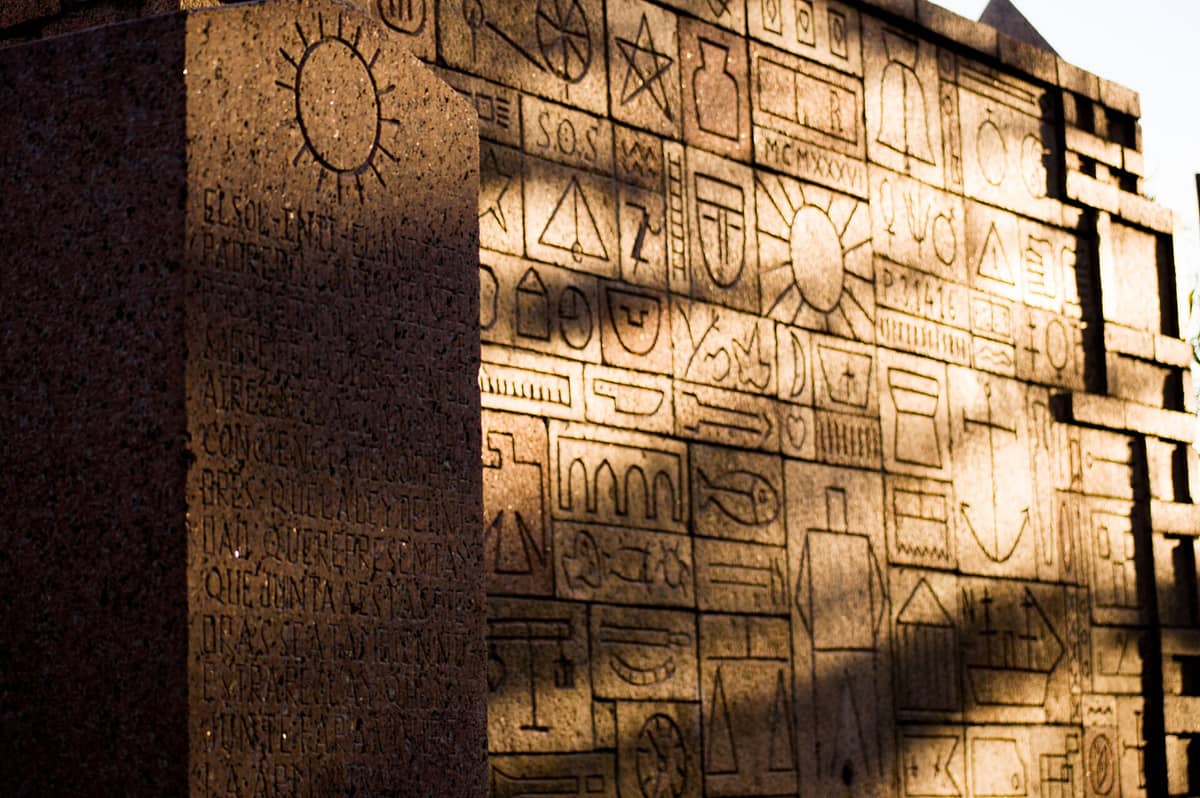
1. Explore Uruguay's Greatest Artist at the Torres García Museum
Joaquín Torres García invented Constructive Universalism, and this intimate Ciudad Vieja museum holds the largest collection of his geometric, symbol-packed works anywhere. Budget 60-90 minutes. The bookshop has quality prints at fair prices.
Explore1. Explore Uruguay's Greatest Artist at the Torres García Museum
Joaquín Torres García invented Constructive Universalism, and this intimate Ciudad Vieja museum holds the largest collection of his geometric, symbol-packed works anywhere. Budget 60-90 minutes. The bookshop has quality prints at fair prices.
Explore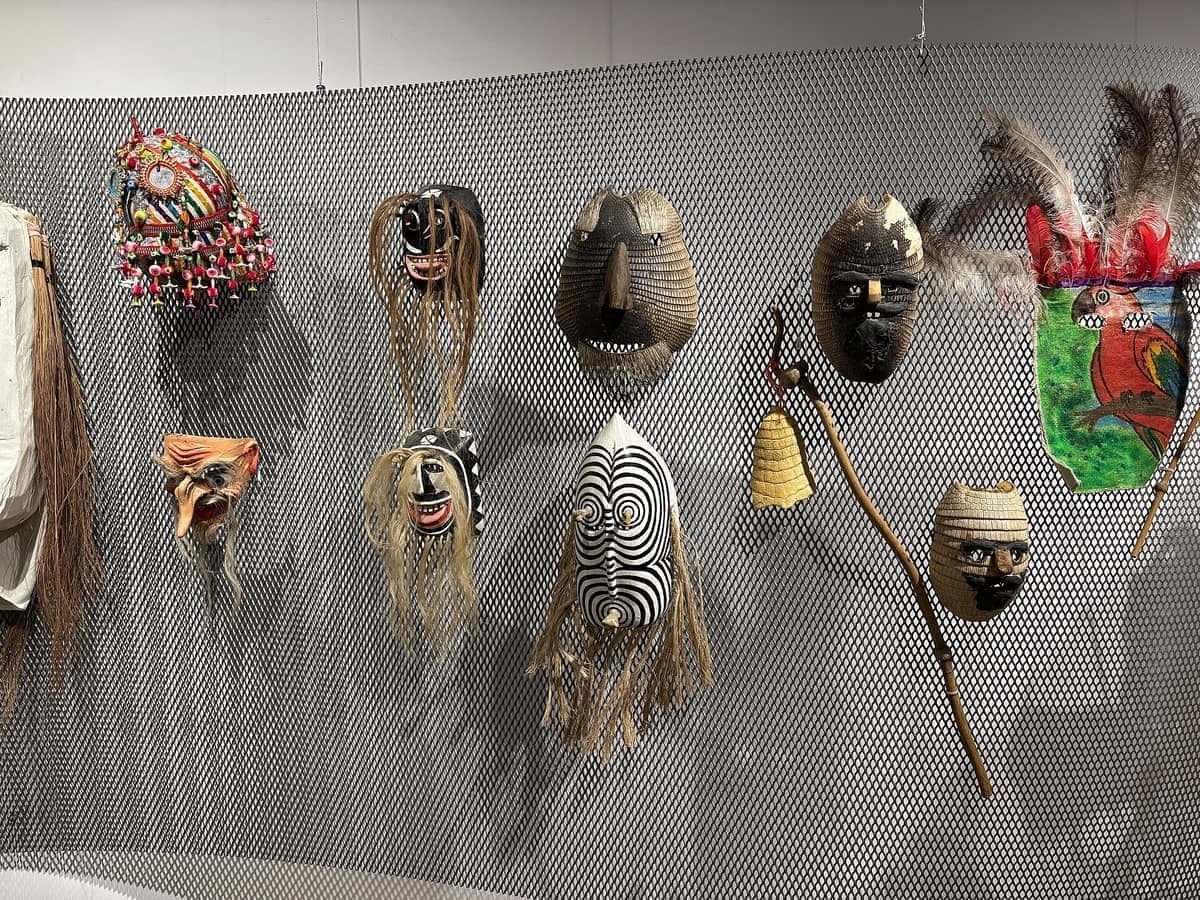
2. See Pre-Columbian Masterworks at MAPI
One of the finest pre-Columbian art collections in South America, displayed in a beautifully restored Ciudad Vieja building. Free on Mondays. Open Tuesday to Saturday; confirm current hours on the official MAPI website before visiting.
Explore2. See Pre-Columbian Masterworks at MAPI
One of the finest pre-Columbian art collections in South America, displayed in a beautifully restored Ciudad Vieja building. Free on Mondays. Open Tuesday to Saturday; confirm current hours on the official MAPI website before visiting.
Explore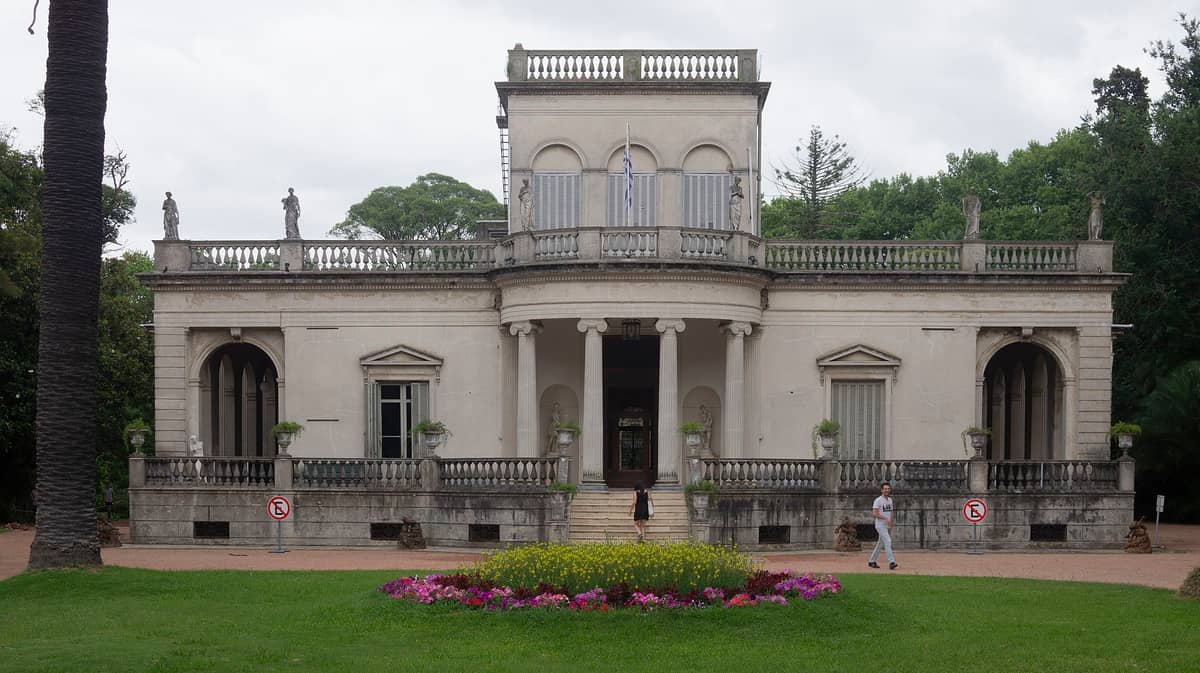
3. Discover Uruguayan Painting at the Blanes Museum
Set in a neoclassical villa inside Parque Rodó, this municipal museum holds the most important collection of Uruguayan painting, anchored by works from the country's first professional artist. The garden alone justifies the trip across town.
Explore3. Discover Uruguayan Painting at the Blanes Museum
Set in a neoclassical villa inside Parque Rodó, this municipal museum holds the most important collection of Uruguayan painting, anchored by works from the country's first professional artist. The garden alone justifies the trip across town.
ExploreHistory & Heritage Museums
Understanding Montevideo means grappling with its layers: colonial origins, independence, immigration waves, dictatorship, and recovery. The museums in this section tell those stories without flinching. Combine the Cabildo and the Museo de la Memoria for a full day of Uruguayan history, ideally as part of a Ciudad Vieja walking tour.
4. Trace Colonial History at the Cabildo Museum
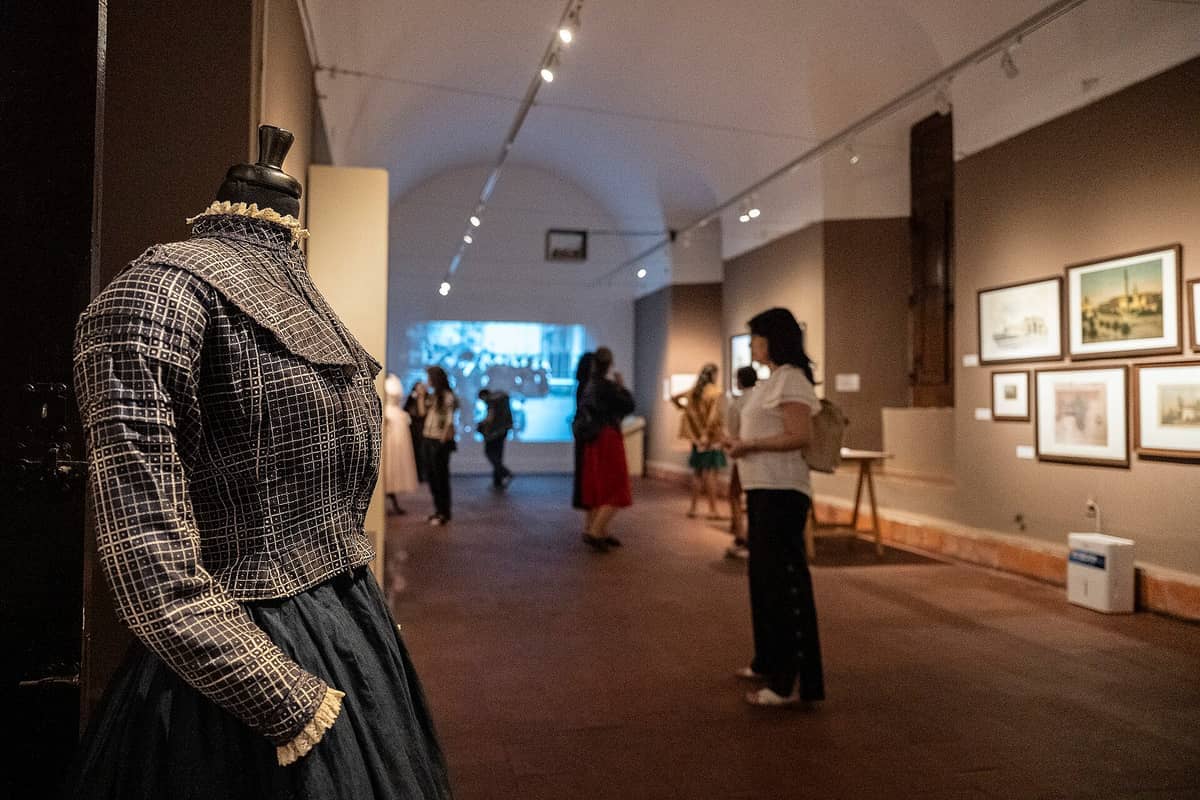
The seat of colonial government in Montevideo now houses artifacts, documents, and exhibits tracing the city from its founding to independence. The rooftop terrace offers excellent views over Plaza Matriz and the Ciudad Vieja roofline.
Explore4. Trace Colonial History at the Cabildo Museum
The seat of colonial government in Montevideo now houses artifacts, documents, and exhibits tracing the city from its founding to independence. The rooftop terrace offers excellent views over Plaza Matriz and the Ciudad Vieja roofline.
Explore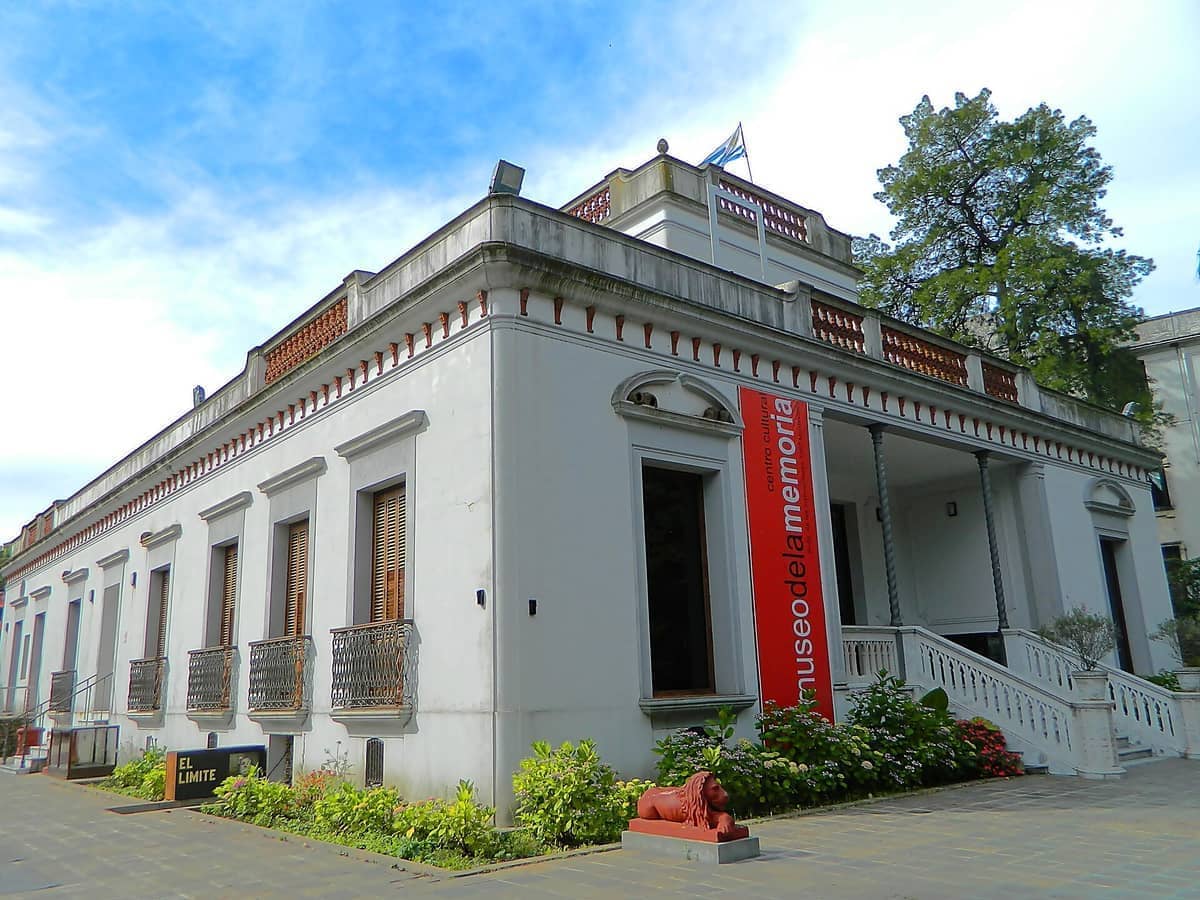
5. Reckon with Uruguay's Dictatorship at MUME
MUME documents Uruguay's military dictatorship (1973-1985) through personal testimonies, documents, and artifacts. Sobering and essential. It's one of the most honest and carefully curated human rights museums in Latin America.
Explore5. Reckon with Uruguay's Dictatorship at MUME
MUME documents Uruguay's military dictatorship (1973-1985) through personal testimonies, documents, and artifacts. Sobering and essential. It's one of the most honest and carefully curated human rights museums in Latin America.
Explore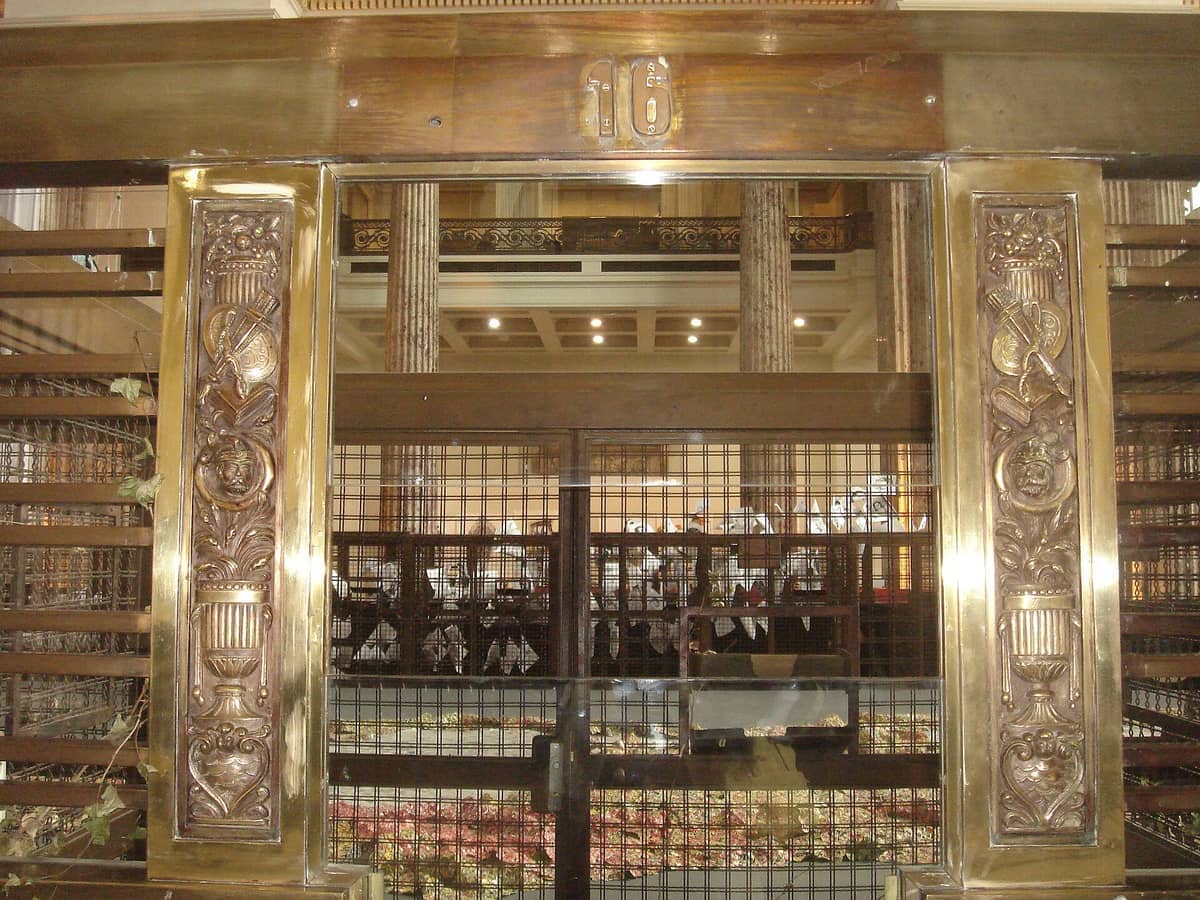
6. Understand Gaucho Culture at the Museo del Gaucho y de la Moneda
This grand building on Avenida 18 de Julio holds an impressive collection of gaucho silverwork, leather, and tools alongside Uruguayan numismatic history. It's one of the most distinctly Uruguayan museum experiences in the city.
Explore6. Understand Gaucho Culture at the Museo del Gaucho y de la Moneda
This grand building on Avenida 18 de Julio holds an impressive collection of gaucho silverwork, leather, and tools alongside Uruguayan numismatic history. It's one of the most distinctly Uruguayan museum experiences in the city.
Explore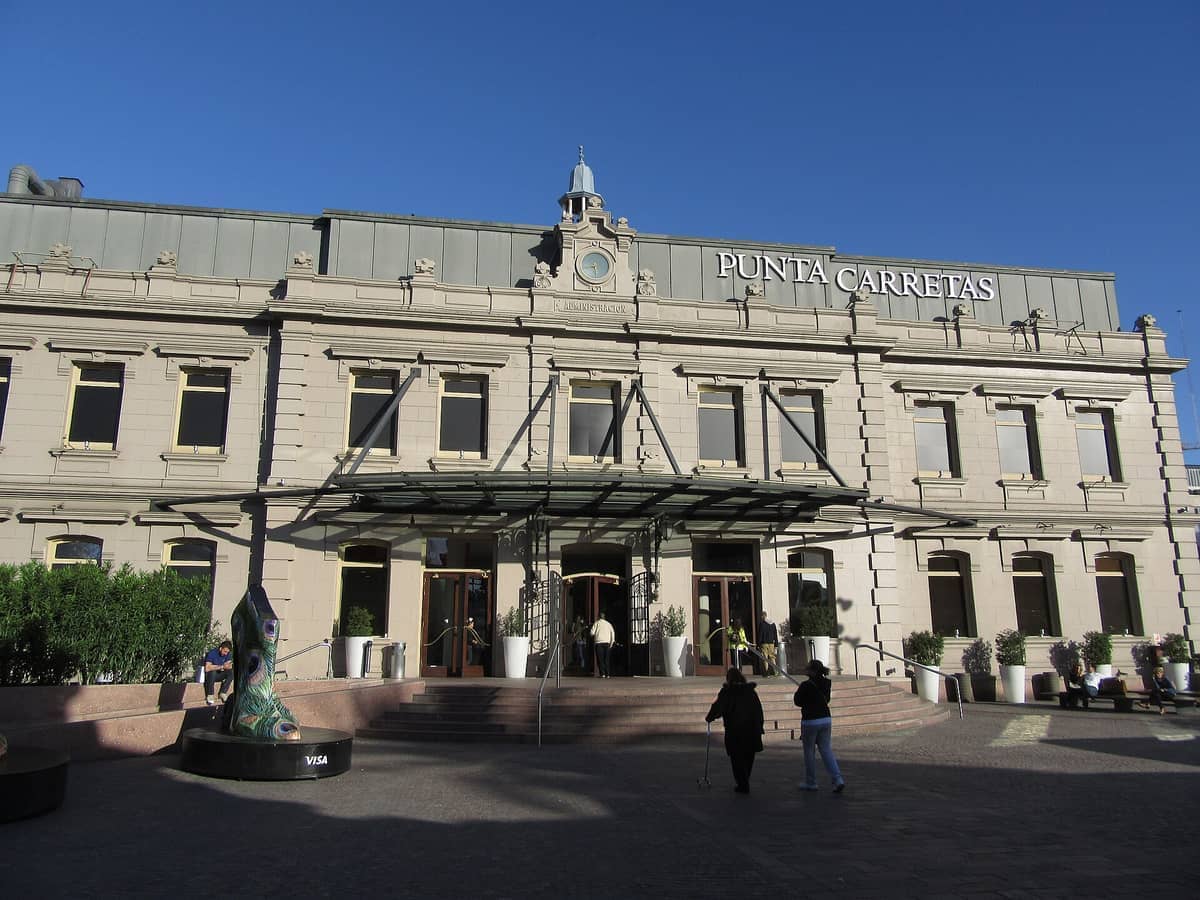
7. Walk Through a Prison's Past at Punta Carretas Shopping
Built inside a 1910 prison that once held the Tupamaros guerrillas, who tunneled out in 1971, this mall preserves original cells and watchtowers within its design. An unusual but genuinely fascinating piece of Uruguayan political history.
Explore7. Walk Through a Prison's Past at Punta Carretas Shopping
Built inside a 1910 prison that once held the Tupamaros guerrillas, who tunneled out in 1971, this mall preserves original cells and watchtowers within its design. An unusual but genuinely fascinating piece of Uruguayan political history.
ExploreSpecialist & Niche Museums
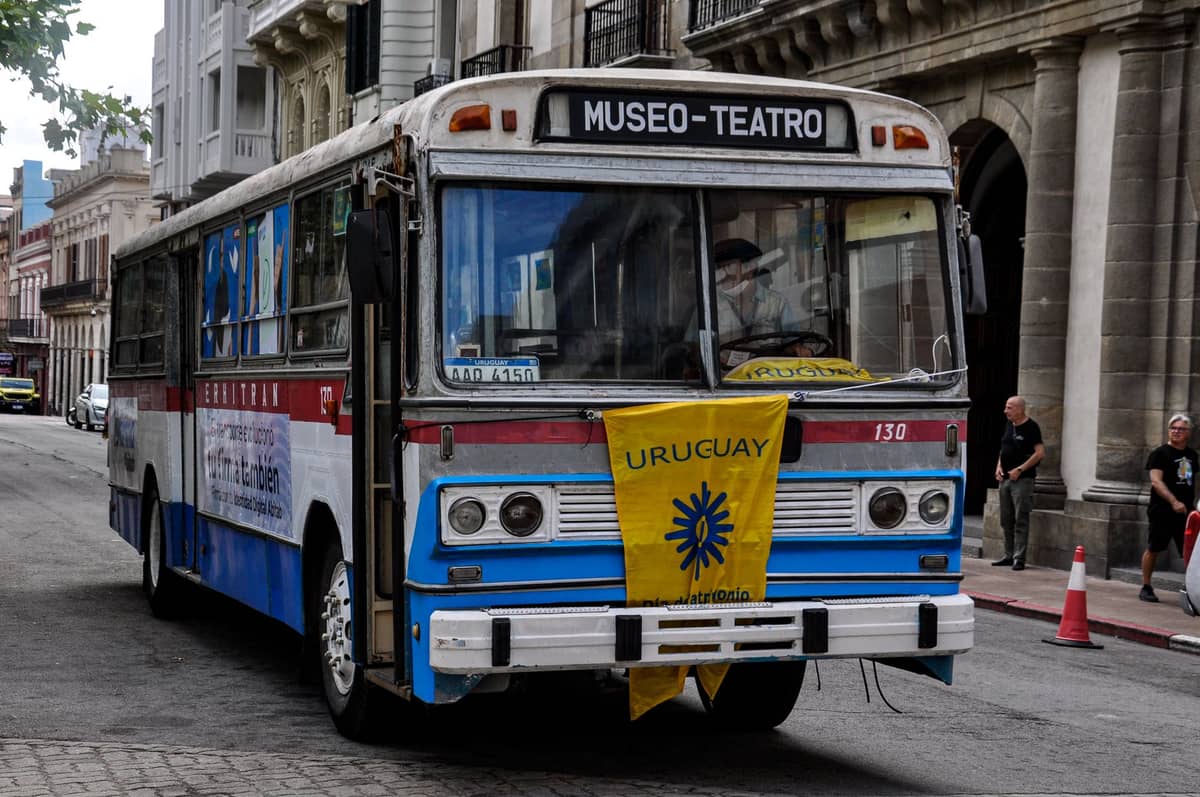
Some of Montevideo's most memorable museums are the narrowly focused ones. The Andes 1972 museum is one of the most emotionally powerful small museums in South America. The Carnival museum makes the most sense when visited alongside the broader candombe and Afro-Uruguayan culture that shaped it. The football museum is essential context for anyone visiting the Estadio Centenario, which you can read more about in the Montevideo football guide.
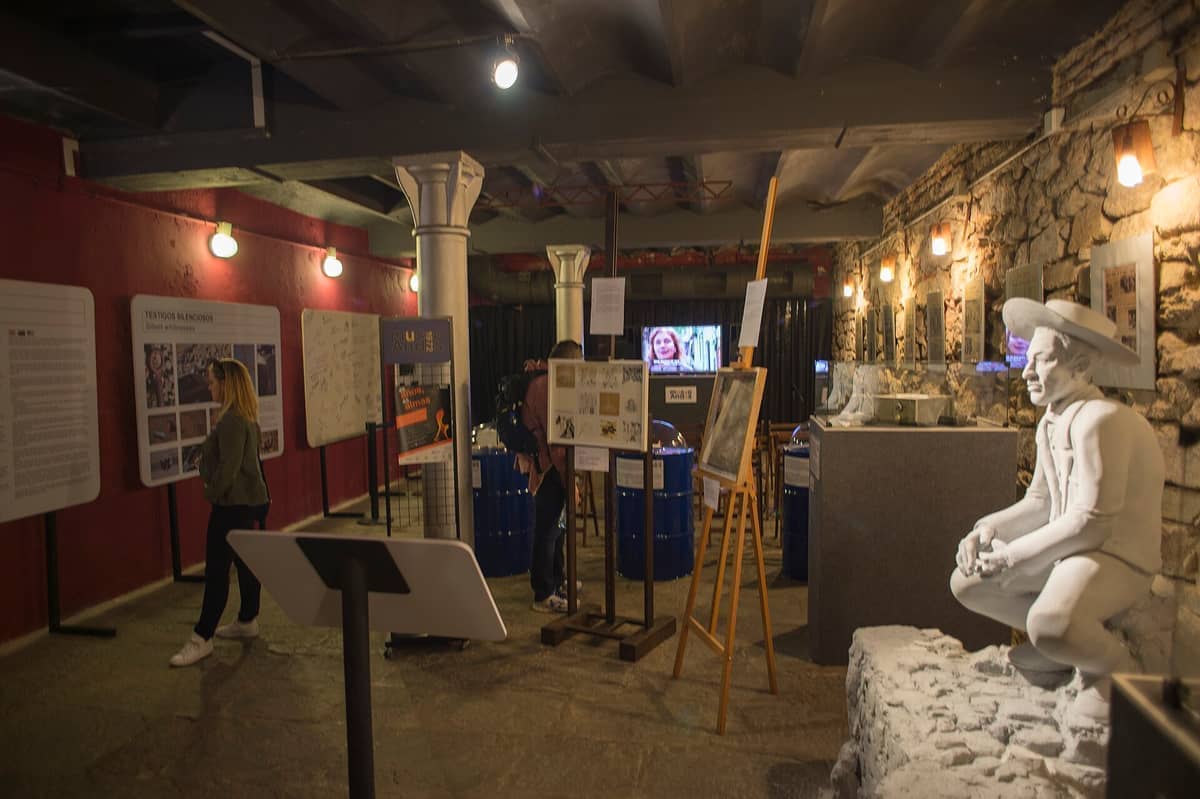
8. Relive the Survival Story of the Century at Museo Andes 1972
The Uruguayan rugby team's 72-day Andes ordeal is told here through personal artifacts, photographs, and survivor testimonies. Small in scale but immense in emotional impact. One of the most compelling museum visits in Montevideo.
Explore8. Relive the Survival Story of the Century at Museo Andes 1972
The Uruguayan rugby team's 72-day Andes ordeal is told here through personal artifacts, photographs, and survivor testimonies. Small in scale but immense in emotional impact. One of the most compelling museum visits in Montevideo.
Explore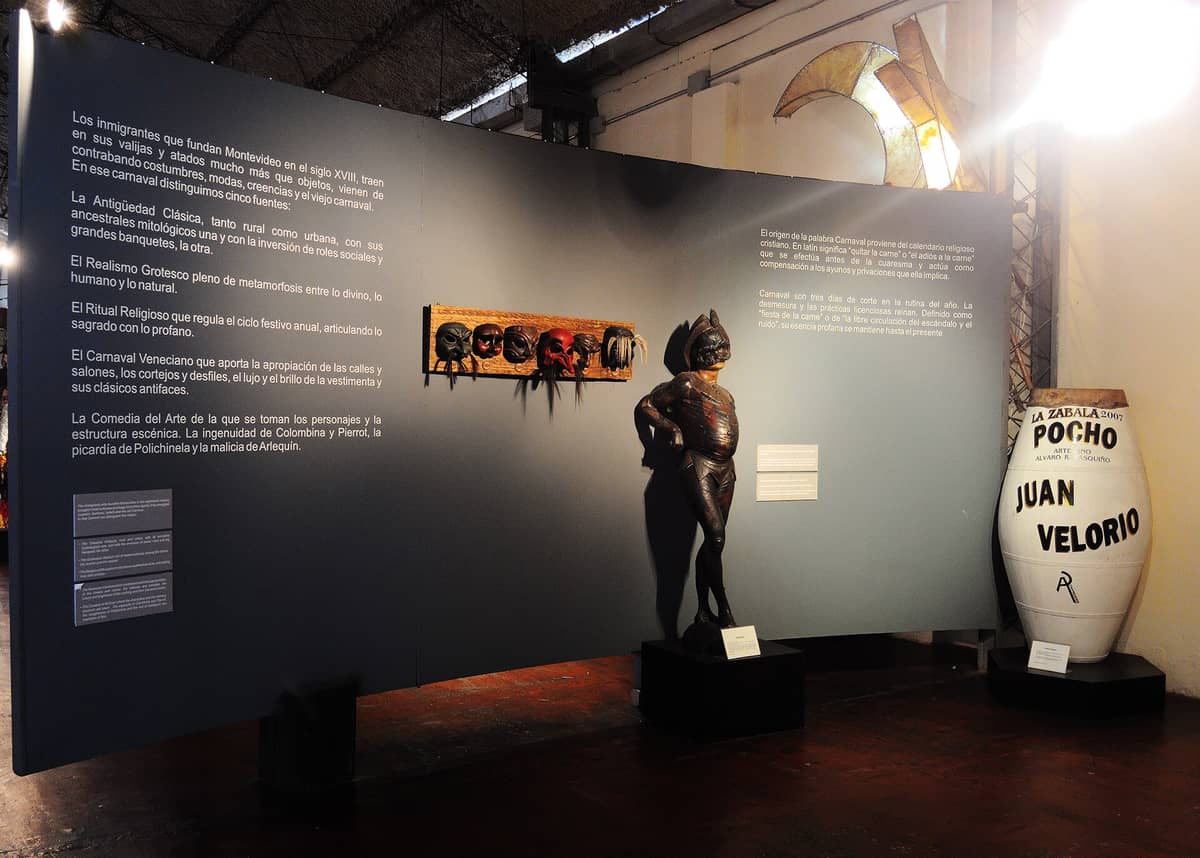
9. Get Into the Carnival Spirit at the Museo del Carnaval
A museum dedicated to Carnival as a living tradition. Costumes, drums, and the history of candombe fill this colorful Ciudad Vieja space near the port. Visit before or after Carnival season for the fullest context.
Explore9. Get Into the Carnival Spirit at the Museo del Carnaval
A museum dedicated to Carnival as a living tradition. Costumes, drums, and the history of candombe fill this colorful Ciudad Vieja space near the port. Visit before or after Carnival season for the fullest context.
Explore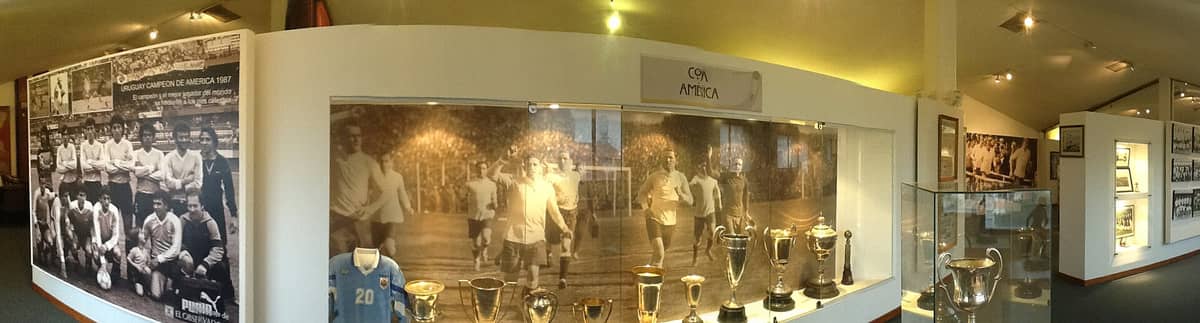
10. Celebrate Uruguay's Football Legacy at the Estadio Centenario Museum
Two World Cups, two Olympic golds: Uruguay's football story is extraordinary. This museum inside the 1930 World Cup stadium tells it with trophies, jerseys, and multimedia exhibits. Best visited as part of a full Estadio Centenario visit.
Explore10. Celebrate Uruguay's Football Legacy at the Estadio Centenario Museum
Two World Cups, two Olympic golds: Uruguay's football story is extraordinary. This museum inside the 1930 World Cup stadium tells it with trophies, jerseys, and multimedia exhibits. Best visited as part of a full Estadio Centenario visit.
Explore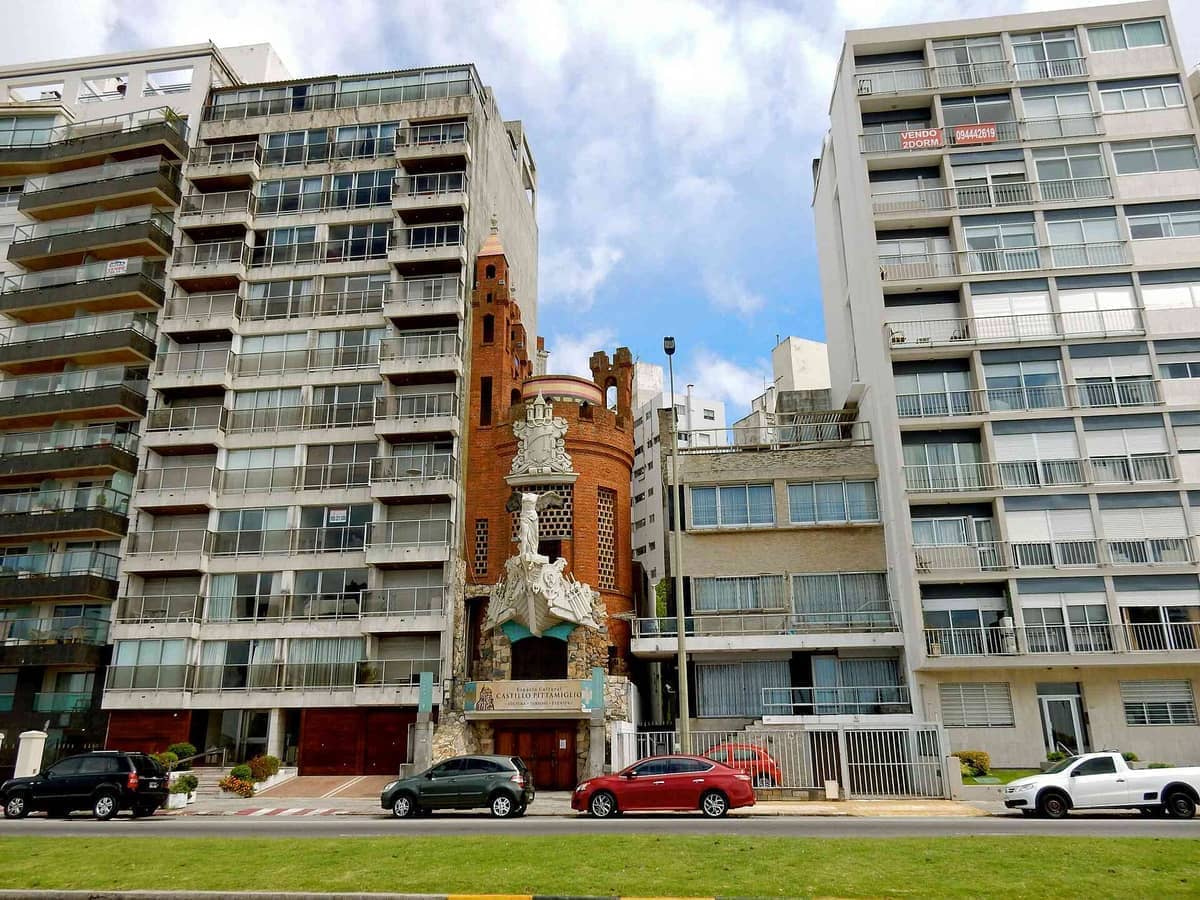
11. Step Inside an Alchemist's Dream at Castillo Pittamiglio
Built over nearly five decades by eccentric architect-alchemist Humberto Pittamiglio, this Art Nouveau castle on the Rambla is packed with esoteric symbols and secret passages. Check current guided tour availability before visiting.
Explore11. Step Inside an Alchemist's Dream at Castillo Pittamiglio
Built over nearly five decades by eccentric architect-alchemist Humberto Pittamiglio, this Art Nouveau castle on the Rambla is packed with esoteric symbols and secret passages. Check current guided tour availability before visiting.
ExploreArchitecture You Can Walk Into
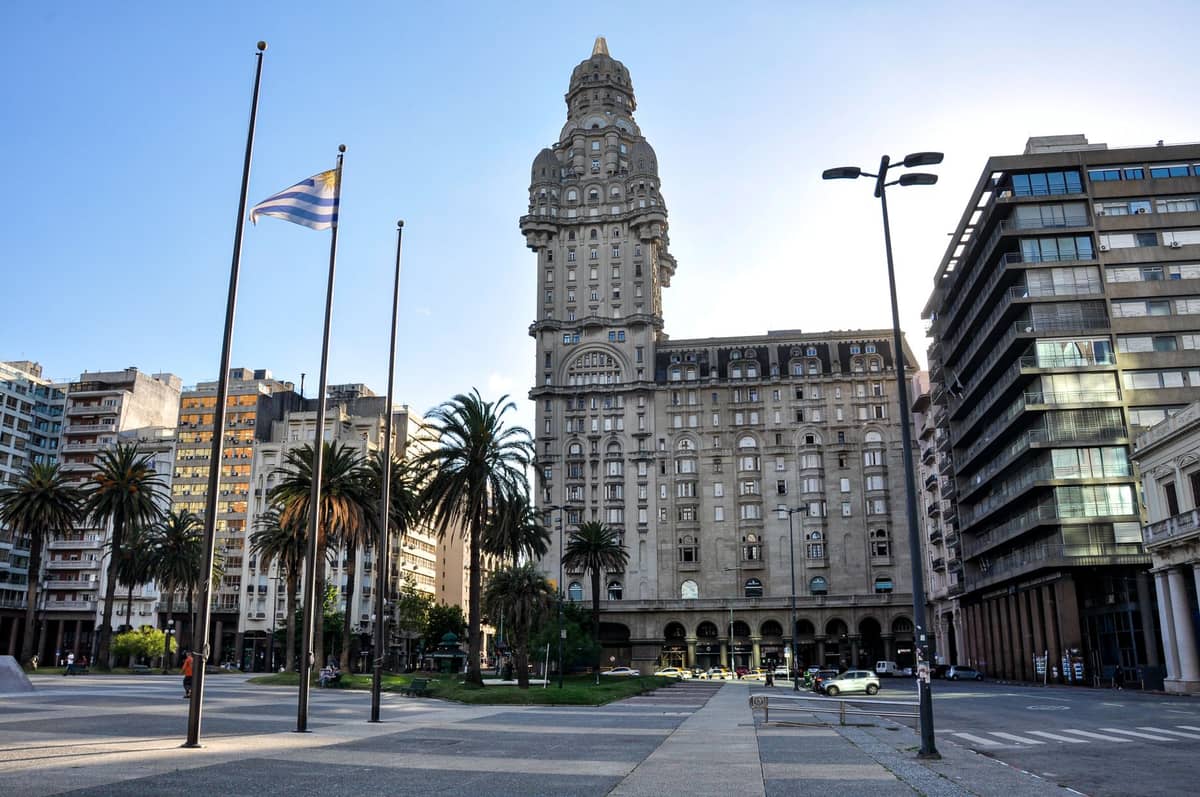
Several of Montevideo's most important architectural landmarks function partly as museums, offering guided tours that reveal interiors not visible from the street. These are worth seeking out even if formal museum culture is not your priority. The Montevideo architecture guide covers these buildings and more in detail.
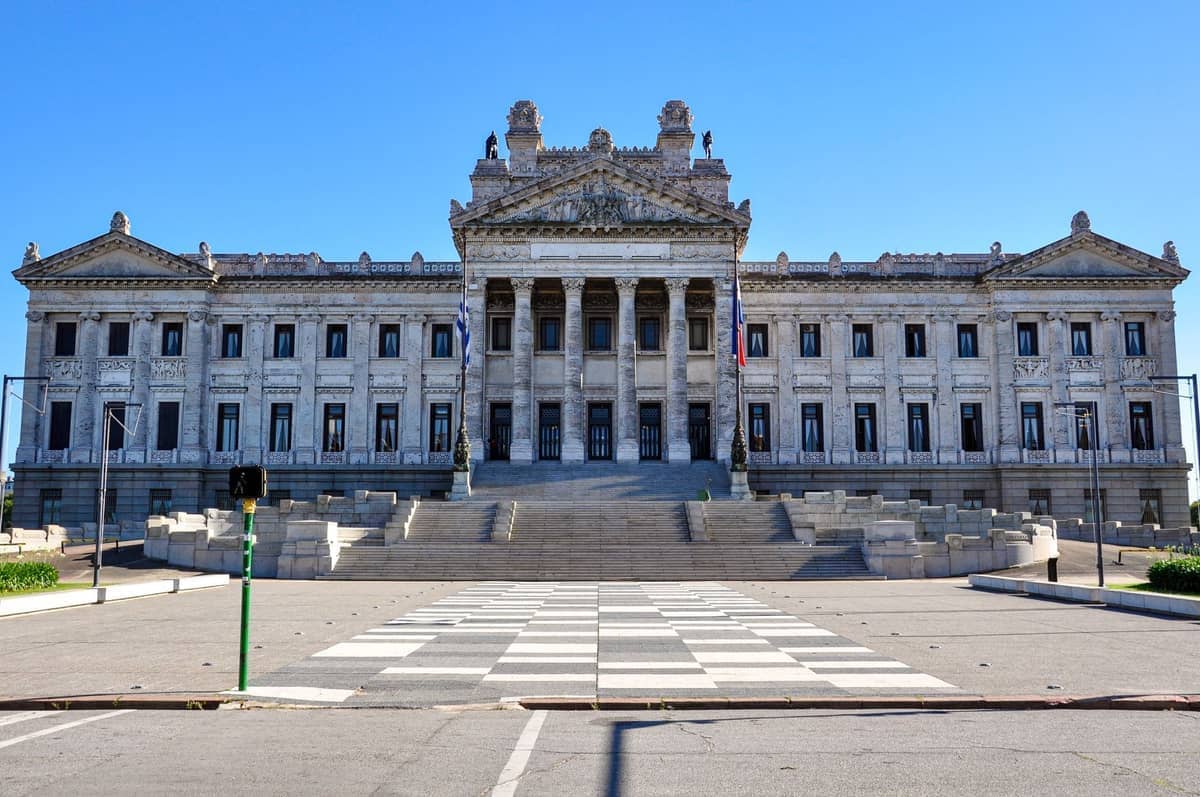
12. Tour the Marble Interior of the Palacio Legislativo
Uruguay's parliament building, completed in 1925, is built from 47 types of Uruguayan marble. Free guided tours reveal spectacular legislative chambers and ornate public halls. Book through the official parliament website or arrive for a scheduled tour.
Explore12. Tour the Marble Interior of the Palacio Legislativo
Uruguay's parliament building, completed in 1925, is built from 47 types of Uruguayan marble. Free guided tours reveal spectacular legislative chambers and ornate public halls. Book through the official parliament website or arrive for a scheduled tour.
Explore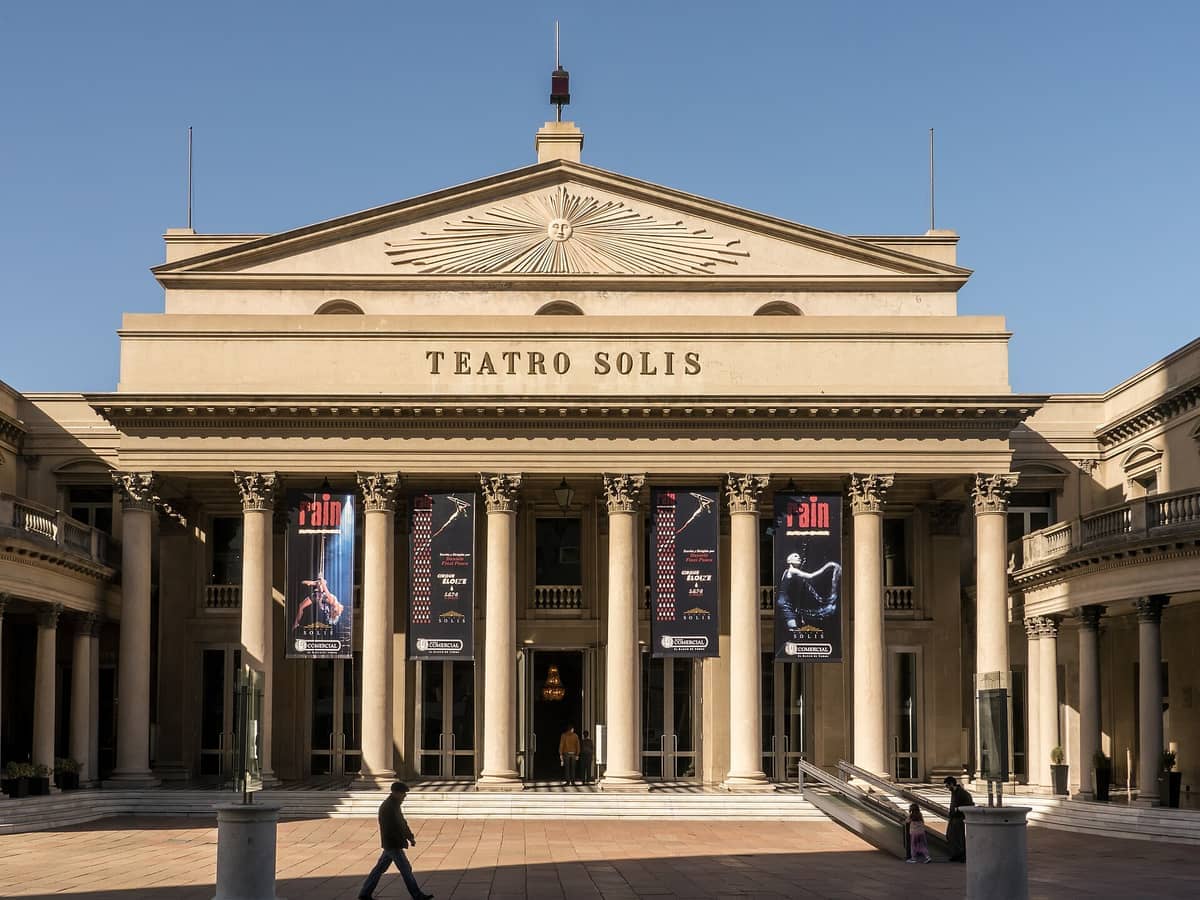
13. Go Behind the Curtain at Teatro Solís
Inaugurated in 1856, Montevideo's grand neoclassical opera house offers guided tours of its ornate interior between performances. The facade on Plaza Independencia is one of the city's finest architectural statements. Tours run most days; confirm times online.
Explore13. Go Behind the Curtain at Teatro Solís
Inaugurated in 1856, Montevideo's grand neoclassical opera house offers guided tours of its ornate interior between performances. The facade on Plaza Independencia is one of the city's finest architectural statements. Tours run most days; confirm times online.
Explore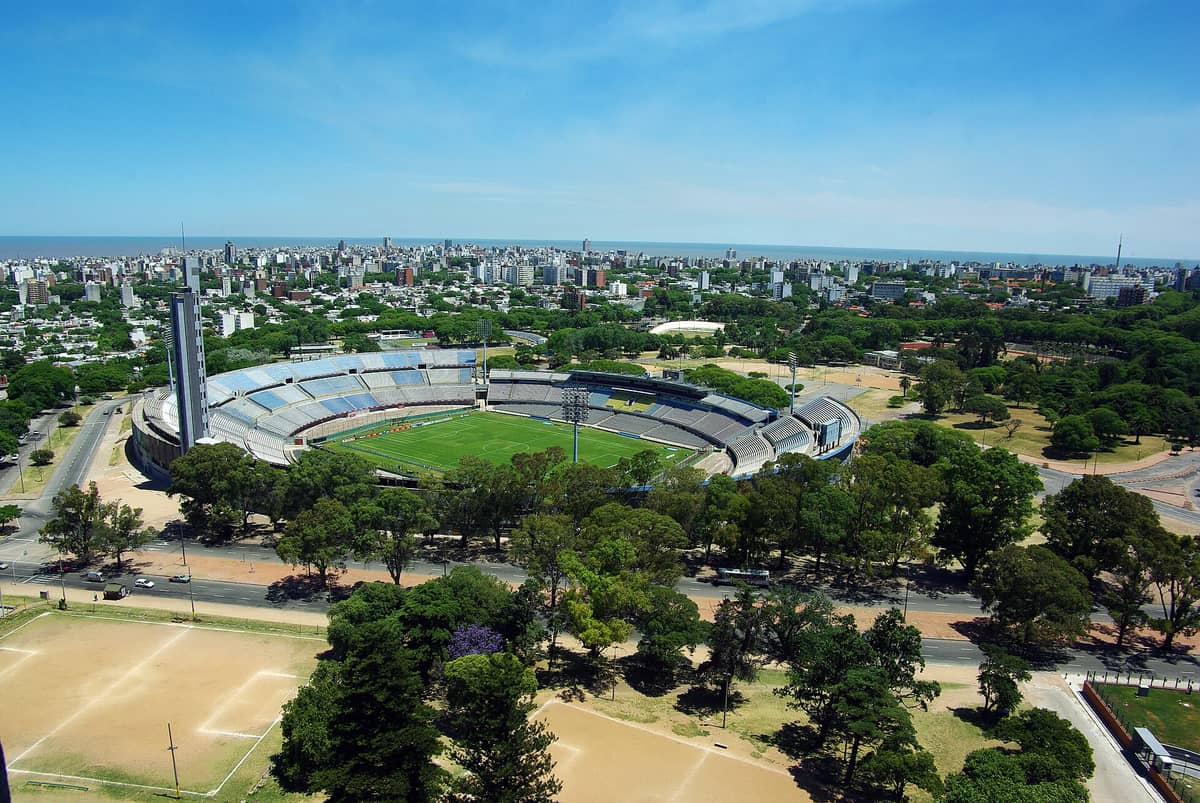
14. Visit the Historic Estadio Centenario and Its Football Museum
Built for the 1930 World Cup, this FIFA Historic Monument of World Football is one of the most historically significant stadiums in the world. The attached football museum and stadium tour together make for a full half-day experience in Parque Batlle.
Explore14. Visit the Historic Estadio Centenario and Its Football Museum
Built for the 1930 World Cup, this FIFA Historic Monument of World Football is one of the most historically significant stadiums in the world. The attached football museum and stadium tour together make for a full half-day experience in Parque Batlle.
Explore💡 Local tip
Museum hours in Montevideo change between summer and winter schedules. Always verify opening times on the institution's official website or call ahead, especially if traveling outside peak tourist season.
FAQ
Which museums in Montevideo are free?
Several Montevideo museums offer free or reduced entry. MAPI (pre-Columbian art) is free on Mondays. The Palacio Legislativo offers free guided tours. The Mirador de la Intendencia observation deck is free. Other institutions such as the Museo Nacional de Artes Visuales and Museo Nacional de Historia Natural are listed as free in official city guides, though hours and policies can change. Always confirm on the museum's official website before visiting.
How many days do I need to see the best museums in Montevideo?
Two focused days cover the essential museums comfortably. Day one: Torres García, MAPI, Museo del Carnaval, and the Cabildo, all in Ciudad Vieja. Day two: Museo Andes 1972, the football museum at Estadio Centenario, and a Teatro Solís or Palacio Legislativo tour. The Blanes museum in Parque Rodó and MUME work well as additions on a third day or combined with neighborhood walks.
When do Montevideo museums open and close?
There is no single standard. Hours vary significantly between institutions and often change between summer and winter schedules. Many museums are closed on Mondays (though some, like MAPI, offer free entry that day within limited hours). A typical pattern is Tuesday to Sunday, noon to 6pm or 10am to 6pm, but this differs by venue. The official Montevideo city museum guide (available at montevideo.gub.uy) and individual museum websites are the most reliable sources.
Is the Museo Andes 1972 worth visiting if I already know the story?
Yes. Even if you have read the book or seen the films, the physical proximity to personal objects, clothing, and photographs belonging to the survivors creates an experience that is different from secondhand accounts. It is a small museum, but the curation is thoughtful and the emotional weight is considerable.
Can I combine museum visits with a walking tour of Ciudad Vieja?
Ciudad Vieja is compact enough that most of its museums are within a short walk of each other. The Torres García museum, MAPI, Museo del Carnaval, Cabildo, and Museo Andes 1972 can all be reached on foot. Plaza Matriz and Plaza Independencia anchor the circuit. A half-day museum walk is very manageable, and the architecture between stops is part of the experience.
Tickets & tours
Live prices and dates from our booking partner. If you book, we may earn a commission at no extra cost to you.
Planning a trip? Discover personalized activities with the Nomado app.