Parque Rodó is one of Montevideo's most livable neighborhoods, sitting between the city's urban core and the Rambla coastline. Its large central park, student population, and weekend food scene make it a natural gathering point for locals and a comfortable base for travelers who want character without the tourist-heavy atmosphere of Ciudad Vieja.
Parque Rodó occupies a sweet spot in Montevideo's geography: close enough to the beaches to feel coastal, university-adjacent enough to feel young, and far enough from the historic center to feel genuinely local. The neighborhood takes its name from the park at its heart, a long green corridor that shifts personality by the hour.
Orientation
Parque Rodó sits in Municipio B, roughly two kilometers east of the historic center. Its official boundaries run along Bulevar Artigas to the west, Maldonado and Joaquín Requena to the north, Yaro to the east, and Rambla Presidente Wilson to the south, where the neighborhood meets the Río de la Plata shoreline.
The neighborhood connects naturally to the rest of the city through several corridors. To the west, Bulevar Artigas leads toward Centro and eventually to Ciudad Vieja. To the east, the streets flow into Cordón and then toward Tres Cruces, the main intercity bus hub. To the south, the Rambla Presidente Wilson runs along the waterfront and connects to Pocitos and its popular urban beach.
The park itself runs roughly north-south through the center of the barrio, bordered by Avenida Sarmiento on one side and the lake and open lawns on the other. The Faculty of Engineering sits near the northern edge of the neighborhood, explaining the steady presence of students on weekday mornings. The Rambla at the southern boundary is a wide coastal promenade, open and windswept, quite different in feel from the tree-lined residential streets just two blocks inland.
ℹ️ Good to know
Parque Rodó is compact enough to walk end-to-end in about 20 minutes. Its position on the Rambla also makes it a natural midpoint for anyone walking or cycling the coastal path between Ciudad Vieja and Pocitos.
Character & Atmosphere
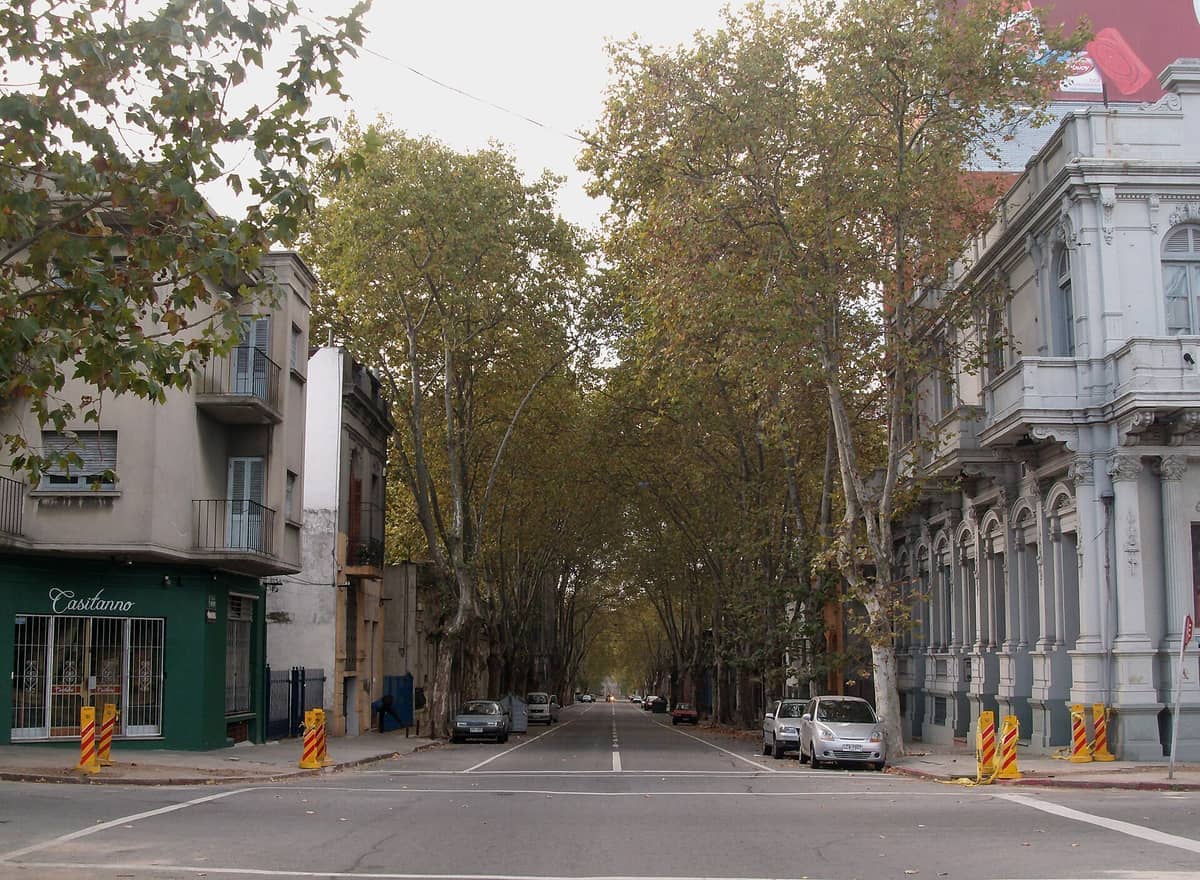
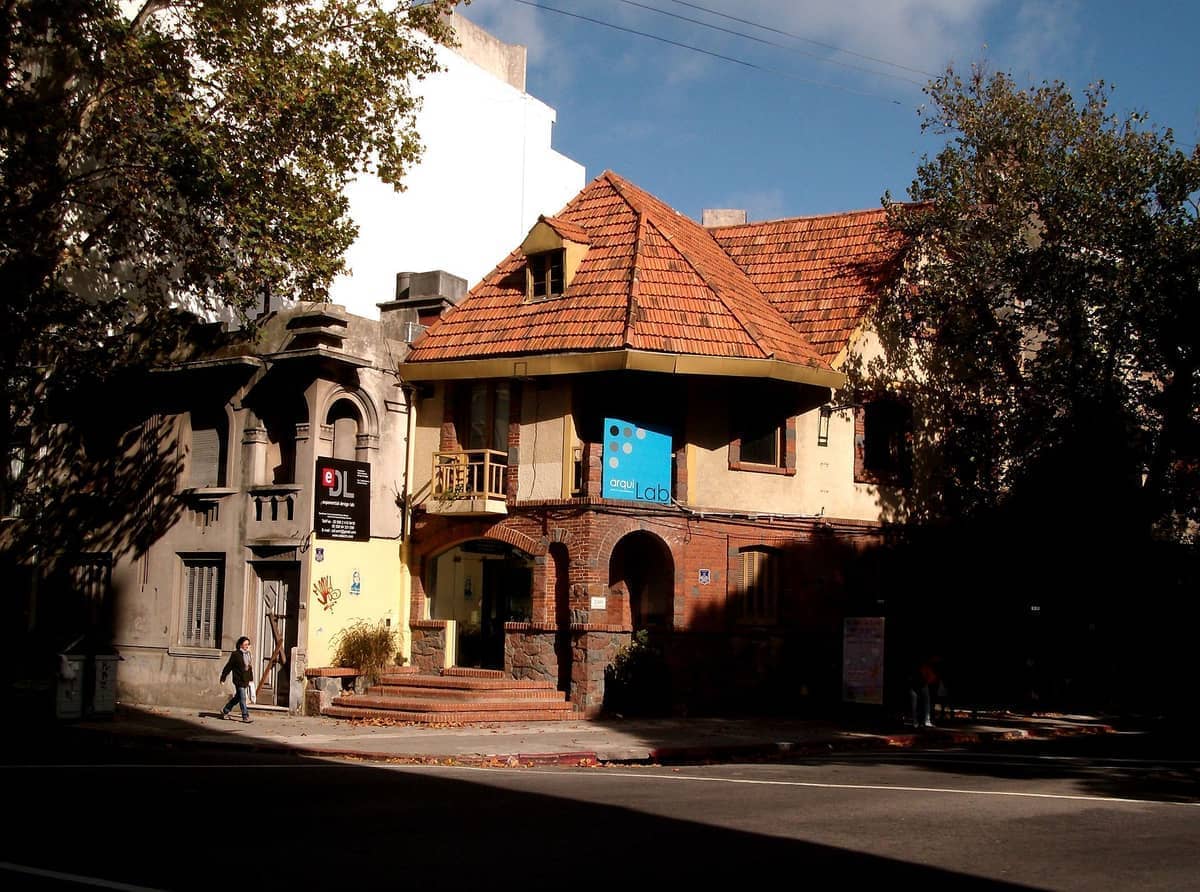
Parque Rodó operates at a different rhythm depending on the time of day and the day of the week. On weekday mornings, the neighborhood feels quietly residential. Locals walk dogs along tree-shaded sidewalks, cafés fill with students, and the park itself is mostly empty except for joggers completing circuits around the central lake. The streets between Maldonado and the park have a slightly worn, lived-in quality: old apartment buildings, small grocery stores, the occasional kiosk selling newspapers.
By midday on a weekend, the mood shifts entirely. Families spread out across the park's lawns. Vendors position themselves near the entrance gates. The area around the outdoor amphitheater, the Teatro de Verano Ramón Collazo, draws people even when there is no scheduled performance, drawn simply by the shade and the open air. In summer, when daytime temperatures can reach 27 or 28°C, the park becomes one of the most sociable outdoor spaces in central Montevideo.
After dark, the neighborhood takes on more of a bar and restaurant character, particularly around the streets closest to the Rambla. The university connection means the nightlife leans young and unpretentious. Midweek evenings are quiet. Weekends, especially from Thursday onward, bring more activity. The atmosphere is not loud or overwhelming in the way that some tourist-facing bar strips can be, but it is animated enough that streets feel alive past midnight.
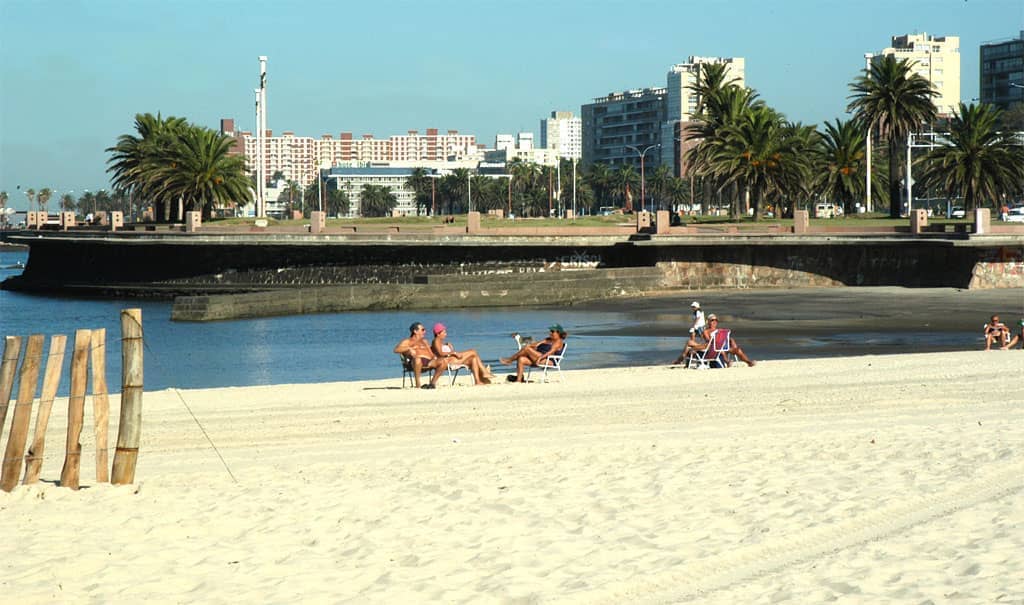
The Rambla itself deserves its own consideration. Facing north over the Río de la Plata, this stretch of the waterfront promenade catches consistent winds off the water. In the late afternoon, the light turns golden across the river, and the walkway fills with couples, cyclists, and people sitting on the stone seawall. It is a notably peaceful stretch of urban waterfront, less commercially developed than the Pocitos section further east.
What to See & Do
The central park, Parque Rodó, is the obvious starting point. The grounds include a lake with paddle boats available to rent, a small funfair area that operates on weekends and during summer, open lawns, and the Teatro de Verano Ramón Collazo, an outdoor amphitheater that hosts major events during Carnival season. If you are in Montevideo during Carnival, this venue is one of the key stages for murgas and other performances. For more on that, see the Montevideo Carnival guide.
The Museo Nacional de Artes Visuales, located within the park itself, is Uruguay's main fine arts museum with an important collection of Uruguayan and regional artwork, and admission is free for most visitors. If you are building an itinerary around the city's cultural institutions, the best museums in Montevideo guide covers it alongside other top options across the city.
The Rambla Presidente Wilson stretches along the neighborhood's southern boundary, connecting to the wider Rambla de Montevideo, one of the longest continuous waterfront promenades in South America. Walking or renting a bicycle to follow the Rambla east toward Pocitos or west toward Ciudad Vieja is one of the better ways to experience the city's scale and its relationship with the river.
Parque Rodó park: lake, lawns, weekend funfair, and open-air performances
Museo Nacional de Artes Visuales: free entry, strong collection of Uruguayan art
Teatro de Verano Ramón Collazo: outdoor amphitheater, key Carnival venue
Estadio Luis Franzini: football stadium near the park, worth passing if you are interested in local sports culture
Rambla Presidente Wilson: sunset walks, cycling, and river views
For those interested in football culture more broadly, the neighborhood sits within easy bus distance of Estadio Centenario in Parque Batlle, one of the most historically significant stadiums in world football. It is a short ride north through Cordón.
Eating & Drinking
The food scene in Parque Rodó reflects the neighborhood's demographic mix: university students, young professionals, and local families. You will find mid-range restaurants and cafés rather than high-end dining or tourist-facing menus. Prices are generally accessible by Montevideo standards, with most sit-down meals at neighborhood restaurants costing well within a modest daily budget.
The streets nearest the park and along the Rambla hold the highest concentration of eating and drinking options. Parrillas (traditional grill restaurants) appear throughout the neighborhood, serving the classic cuts of Uruguayan beef that define the country's food culture. For context on what to order and how asado culture works here, the Montevideo asado guide is a useful read before you sit down at any local grill.
Cafés in Parque Rodó tend to stay open through the afternoon and into the evening, catering to students who treat them as informal working and meeting spaces. On weekends, the park's surrounding streets fill with informal food stalls selling chivitos (Uruguay's signature steak sandwich), choripán, and seasonal snacks. The area around the park entrance on weekends has a loose market character that disappears entirely on weekday mornings.
The bar scene is concentrated on streets running parallel to the Rambla, particularly in the blocks between the park's southern edge and the waterfront. These bars are casual, frequently student-populated, and most active from Thursday through Sunday. Craft beer has grown as a category in Montevideo generally, and Parque Rodó has picked that up alongside the wider city trend. For a broader overview of where to go after dark in the city, see the Montevideo nightlife guide.
💡 Local tip
The blocks immediately surrounding the park entrance tend to have better-value lunch options than restaurants right on the Rambla, where some places charge a small premium for the waterfront proximity. Walk one or two blocks inland and you will find the same quality for less.
Getting There & Around
Montevideo has no metro system. Public transport across the city, including to and from Parque Rodó, runs entirely on buses. The neighborhood has good bus coverage, with stops along the Rambla Presidente Wilson and on the main streets bordering the park. Several bus lines connect the area to Centro, Ciudad Vieja, and Tres Cruces. For a full breakdown of how to move around the city, the getting around Montevideo guide covers routes, payment, and practical tips.
Walking is a genuine option for reaching the neighborhood from several central points. From Plaza Independencia, the walk along the Rambla or through Cordón takes around 25 to 35 minutes on foot, depending on your route. From Pocitos, heading west along the Rambla brings you into Parque Rodó in about 15 to 20 minutes. The coastal promenade route is flat and straightforward the whole way.
Ride-hailing services including Uber operate in Montevideo and provide a reliable, affordable option for reaching the neighborhood from the airport or from areas not well served by bus. Taxis are also available throughout the city. From Carrasco International Airport (IATA: MVD), roughly 20 kilometers east of the city center, expect either a fixed-rate airport taxi or a ride-hailing fare; verify current pricing directly with drivers or apps, as rates change.
Within the neighborhood itself, everything worth seeing is walkable. Renting a bicycle from one of the city's bike share points or private rental shops gives you easy access to the Rambla corridor in both directions, which is one of the most enjoyable ways to spend a morning here.
Where to Stay
Parque Rodó is a legitimate base option for visitors who want to be near green space, the waterfront, and a local neighborhood atmosphere without paying the premium of Pocitos or dealing with the noise and tourist concentration of Ciudad Vieja. Accommodation options in the neighborhood tend toward mid-range hotels, guesthouses, and apartments, many of which offer good value relative to comparable coastal options. For a full overview of the city's accommodation zones and who each area suits, see the where to stay in Montevideo guide.
The best position within the neighborhood for most visitors is in the blocks between the park and the Rambla. This puts you within walking distance of the waterfront, the museum, and the park itself, while keeping you close enough to bus stops for day trips to other parts of the city. Streets further north toward Maldonado and Canelones are quieter and more residential, which suits longer stays but can feel disconnected if you are only in Montevideo for a few days.
Parque Rodó works particularly well for travelers who are combining city exploration with beach days, since the Rambla connects it naturally to Playa Ramírez to the west and the long stretch of urban beach running east toward Pocitos and beyond. It is also a good base for digital nomads or slow travelers who value walkable daily life, park access, and a neighborhood that functions on its own without requiring constant transit.
⚠️ What to skip
Like many urban parks in South American cities, Parque Rodó is best experienced during daylight hours. Local media and residents have raised concerns about security in and around the park at night, particularly in less-trafficked sections near the lake and in stretches of the Rambla with low foot traffic after dark. Stick to well-lit streets and busier areas after sunset, and be aware of your surroundings. The Government of Canada notes tourist police patrols in the area during peak summer season, which adds some reassurance, but general nighttime caution is warranted.
Quick Verdict
Parque Rodó is not the obvious choice for first-time visitors to Montevideo who want to maximize sightseeing efficiency. Those visitors may prefer to base themselves in Pocitos for the beach and amenities, or closer to Ciudad Vieja for heritage access. But for travelers who want to feel the actual texture of the city, who value parks and local bars over curated tourist routes, and who have time to sit with a neighborhood rather than just pass through it, Parque Rodó is one of Montevideo's most rewarding places to spend a few days.
TL;DR
Parque Rodó centers on a large green park with a lake, free art museum, and Carnival amphitheater, all within a 20-minute walk from the waterfront.
The neighborhood has a university-influenced character: accessible mid-range food and drink, young energy on weekends, quiet and residential midweek.
Good bus connections link it to Centro, Ciudad Vieja, and Pocitos; the Rambla makes it easy to walk or cycle east and west along the coast.
Exercise normal urban caution at night, particularly inside the park and on quieter stretches of the Rambla after dark.
Best suited to travelers who want a local base with green space, coastal access, and genuine neighborhood atmosphere rather than proximity to tourist infrastructure.
Forty-eight hours in Montevideo is enough to cover the historic old town, the waterfront Rambla, world-class museums, and some of South America's best grilled meat. This itinerary cuts the noise and tells you exactly what to do, when, and how to get there.
Montevideo has a stronger museum scene than many visitors expect. From a major collection of pre-Columbian art to a museum dedicated to Carnival as a living tradition, these are the best museums in Montevideo for first-time visitors and returning travelers alike.
Montevideo is a genuine year-round destination, but each season offers a different experience. This guide breaks down the weather, crowds, prices, and key events month by month so you can choose the timing that fits your trip.
Colonia del Sacramento is Uruguay's most visited colonial town, and it's reachable from Montevideo in under three hours by bus. This guide covers transport options, timing, what to prioritize once you arrive, and the common mistakes that turn a great day trip into a rushed one.
Montevideo sits at the centre of one of South America's most underrated travel regions. Within three hours by bus, you can reach a UNESCO colonial town, Uruguay's glamorous beach resort, and some of the Southern Cone's most interesting wineries. This guide covers every realistic option for day trips from Montevideo, with transport breakdowns, seasonal advice, and practical logistics.
Montevideo rewards travelers who know where to look. From always-free museums and colonial plazas to 22 kilometers of waterfront promenade, this guide covers the best free experiences in the Uruguayan capital, organized by neighborhood and type.
Montevideo runs on buses. No metro, no tram, no underground — just an extensive STM network covering the whole city, plus taxis, Uber, and a reliable airport bus from Carrasco. This guide breaks down every option with current fares, route logic, and straightforward advice on what actually works.
Montevideo is Uruguay's capital and its most-visited city, attracting about 876,000 foreign tourists in 2025 alone. But is it worth a detour on your South America trip? This guide breaks down what the city genuinely offers, who it suits, and what to skip.
Montevideo's skyline tells the story of a city that built ambitiously across several decades. From the Palacio Salvo's eclectic tower to the Neoclassical grandeur of Teatro Solís, this guide covers the key buildings, the best walking routes, and how to actually get inside them — with clear advice on tours, timing, and what to skip.
Uruguay takes its beef seriously, and nowhere is that more evident than in Montevideo's parrilla restaurants. This guide covers the culture behind asado, where to find the best grills across the city, what to expect on the menu, and honest pricing so you know what you're getting into before you sit down.
Montevideo has more than twenty named beaches stretching along the Río de la Plata, from lively Pocitos near the city center to the tranquil sands of Carrasco. This guide covers water quality, the best beaches for swimming versus walking, seasonal crowd patterns, and how to get there.
Candombe is Montevideo's most distinctive cultural practice: an Afro-Uruguayan drum tradition inscribed on UNESCO's Intangible Cultural Heritage list since 2009. This guide covers where to hear it, when to go, what to expect at the Desfile de Llamadas, and how to engage respectfully with a living community practice.
Montevideo hosts one of the longest Carnival seasons in the world, running from late January through early March. This guide covers the key events, ticket prices, neighborhood tablados, cultural context, and practical logistics to help you experience it properly.
Montevideo is one of South America's most livable capitals, with reliable infrastructure, a stable political climate, and a quality of life that few cities in the region can match. This guide covers everything remote workers need: Uruguay's digital nomad permit, the best neighborhoods to base yourself, coworking options, cost of living, and the practical details that most guides skip.
From the sprawling Sunday chaos of Tristán Narvaja to the relaxed crafts stalls of Villa Biarritz, Montevideo's flea markets and street fairs are some of the best in South America. This guide covers every major market, exact schedules, what to expect, and how to get the most out of each one.
Montevideo is one of South America's most football-obsessed cities, home to two of the continent's oldest clubs and a stadium that hosted the first World Cup final. This guide covers every major venue, how to buy tickets, what to expect at a clásico, and the practical details that make the difference between a great experience and a frustrating one.
Montevideo's nightlife runs on tango, candombe, and craft beer rather than superclubs. This guide breaks down the best neighborhoods, venues, and what to expect from the city's after-dark culture, with practical prices and timing.
Montevideo is more affordable than its reputation suggests. With free museum days, a reliable bus network costing around US$1.50 per ride, and a coastline that charges nothing for entry, the Uruguayan capital rewards travelers who plan smart. This guide breaks down exactly how to keep costs low without sacrificing the best the city has to offer.
Montevideo is one of South America's more livable capitals, but that doesn't mean it's risk-free. This guide breaks down the real safety picture — crime statistics, neighborhood-by-neighborhood risk levels, what official travel advisories say, and practical tips that actually make a difference on the ground.
Uruguay's flagship grape Tannat has put South American wine on the map, and Montevideo is your best base for exploring it. This guide covers the top wineries, urban tasting rooms, seasonal timing, and honest pricing so you can plan a wine experience that suits your budget and schedule.
Montevideo is one of South America's most relaxed capitals for family travel. From the boat-filled lake at Parque Rodó to the Rambla's long coastal path, the city offers low-cost, walkable experiences that work well across a wide range of ages. This guide covers the best activities, practical logistics, and practical advice for visiting Montevideo with kids.
A Punta del Este day trip from Montevideo is one of Uruguay's most popular excursions, and for good reason. With buses running every 20-60 minutes from Terminal Tres Cruces and a journey of around two hours each way, it's entirely doable as a same-day visit. This guide covers transport logistics, costs, what to do with limited time, and the honest trade-offs.
Montevideo rewards travelers who go beyond the surface. This guide covers the best things to do in Montevideo, Uruguay, from free rooftop viewpoints and major museums to asado markets, carnival culture, and a day trip to Colonia del Sacramento. Practical, specific, and clear about what's worth your time.
Ciudad Vieja is Montevideo's historic peninsula neighborhood, packed with colonial architecture, key museums, and some of the best food in the city. This guide covers the full self-guided walking tour route, stop by stop, with practical details on timing, costs, and what to skip.
Montevideo's food scene is built on beef, but it goes much further than that. This guide covers the essential dishes, best markets, honest price breakdowns, and where to eat well across every neighborhood, from the historic port to the coastal rambla.
Choosing where to stay in Montevideo makes a bigger difference than most travelers expect. This guide breaks down the city's key neighborhoods by character, price range, and who they suit best, so you can book with confidence.