Flea Markets & Street Fairs in Montevideo: The Complete Guide
From the sprawling Sunday chaos of Tristán Narvaja to the relaxed crafts stalls of Villa Biarritz, Montevideo's flea markets and street fairs are some of the best in South America. This guide covers every major market, exact schedules, what to expect, and how to get the most out of each one.
Tickets & tours
Live prices and dates from our booking partner. If you book, we may earn a commission at no extra cost to you.
TL;DR
- Tristán Narvaja (Cordón) is the city's flagship flea market, held every Sunday from around 09:00 to 16:00 — books, vinyl, antiques, food, and much more.
- Villa Biarritz runs on both Tuesdays (food-focused) and Saturdays (full market with crafts and clothing) in Parque Juan Zorrilla de San Martín.
- Parque Rodó has a Sunday-only street fair along Avenida Gonzalo Ramírez, roughly 09:00 to 16:00 — free entry like all major markets here.
- Bring cash: most stalls are cash-only, though card payments are becoming more common. For context on the broader market scene, see things to do in Montevideo.
- Winter and rainy days shrink market hours and vendor numbers — spring and autumn are the best seasons to visit.
Why Montevideo's Markets Are Worth Your Time
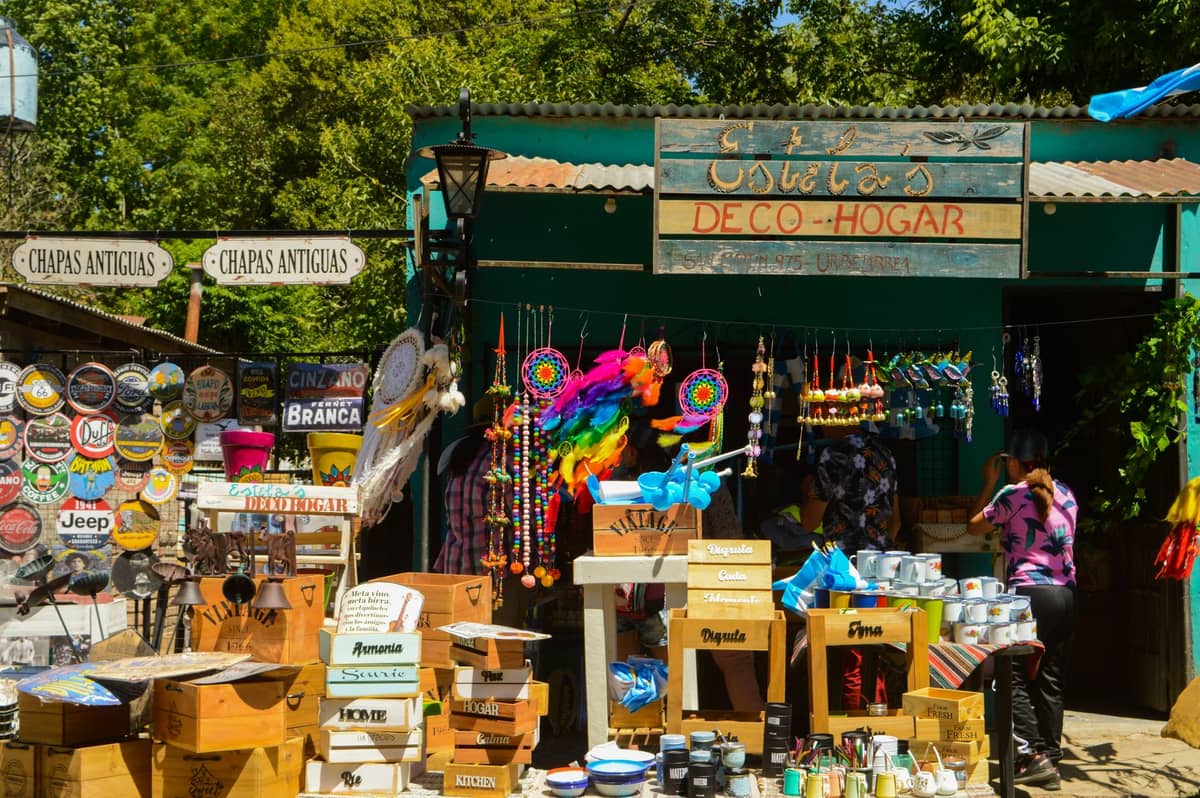
Montevideo's flea markets and street fairs are not tourist-facing curiosities — they are genuinely embedded in the city's weekly rhythm. Most are organized or overseen by the Intendencia de Montevideo (the municipal government), they charge no entry fee, and they draw a mix of locals hunting for bargains and visitors looking for something more authentic than a souvenir shop. Understanding how they work, and when to go, makes the difference between a frustrating morning and a great one.
The markets also function as a window into everyday Montevideo. A Sunday morning at Tristán Narvaja runs parallel to mate-drinking locals, improvised folk music, and the kind of slow, unhurried pace that defines the city. Pair a market visit with a walk along the Rambla de Montevideo or a stop at the Mercado del Puerto for a well-rounded half-day.
Feria de Tristán Narvaja: The One You Cannot Miss
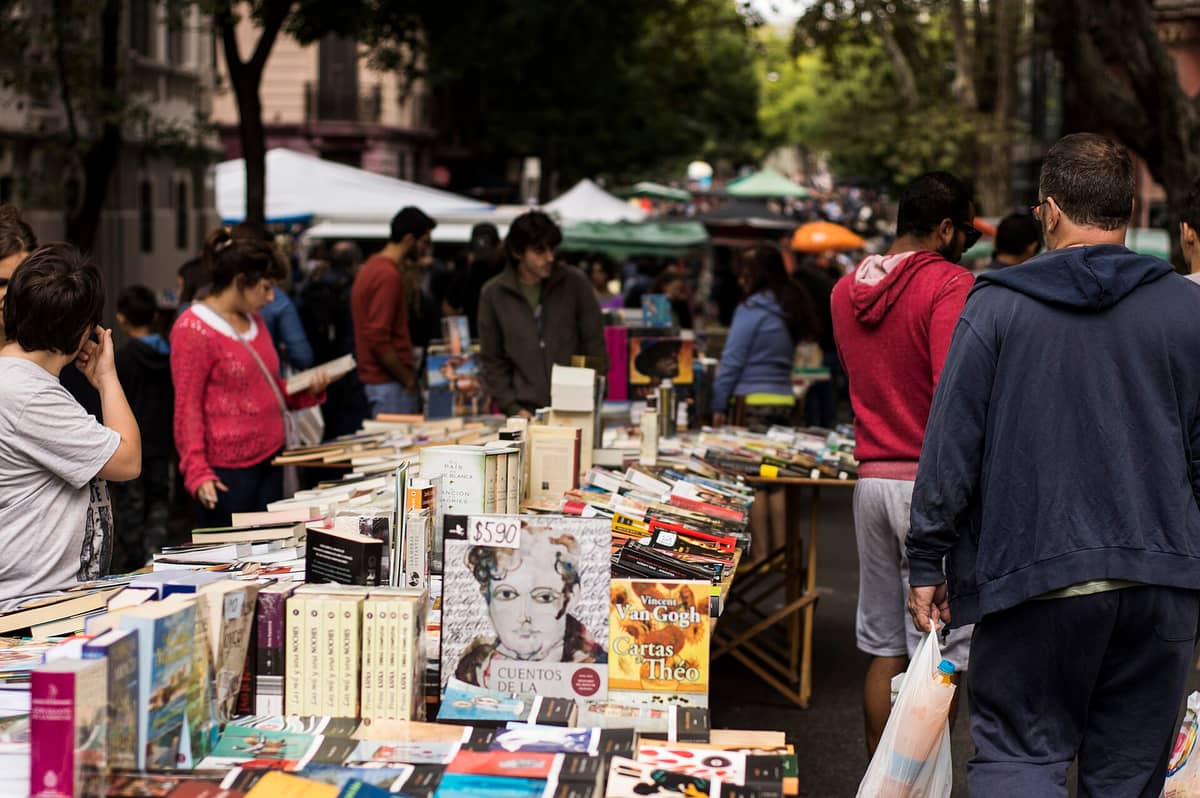
Every Sunday, the street of Tristán Narvaja in the Cordón neighborhood transforms into Montevideo's largest and most celebrated open-air market. The fair runs from approximately 09:00 to 16:00, stretching from Avenida 18 de Julio toward the University of the Republic and spilling into surrounding side streets. Entry is free.
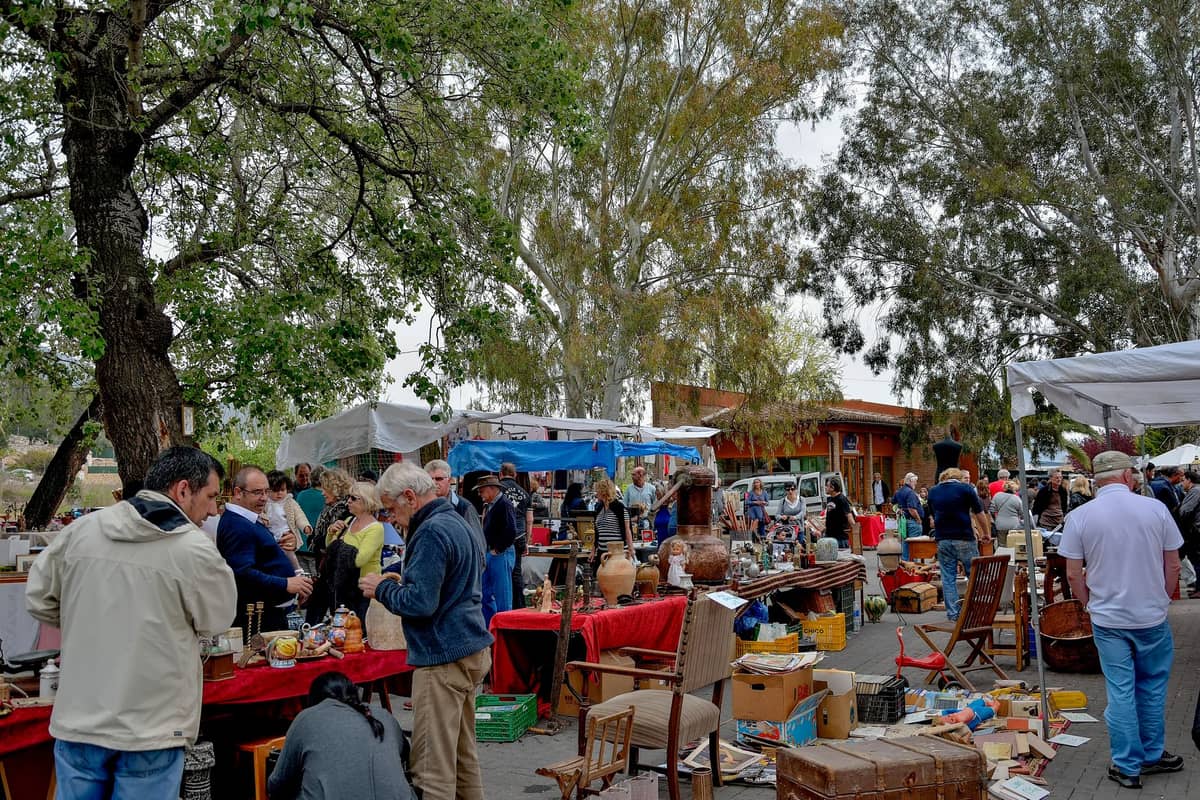
The range here is wider than most visitors expect. Yes, there are antiques: furniture, silverware, old clocks, vintage posters. But Tristán Narvaja is fundamentally a general street market. You will find stalls selling second-hand books in Spanish (and occasionally other languages), vinyl records, local street food, live animals and plants, household goods, and clothing. Antiques are prominent but they share the street with egg vendors and people selling kitchen appliances out of cardboard boxes.
✨ Pro tip
Arrive before 10:00 if you are hunting for books, vinyl, or genuine antiques. Serious local buyers get there early and the best items move fast. By midday, the market is at peak crowd and better for food and atmosphere than for finding deals.
For book hunters specifically, this is one of the best spots in Uruguay. Used Spanish-language paperbacks sell for very little, and you occasionally find older editions and out-of-print titles. Vinyl collectors report solid finds in South American and Latin folk, tango, and rock nacional. The quality varies week to week, which is part of the appeal.
Tristán Narvaja is located in central Montevideo, easily reachable by bus along 18 de Julio or on foot from most central neighborhoods. The fair runs year-round, but on cold or rainy winter Sundays expect noticeably fewer stalls and a shorter effective window before vendors pack up.
Feria de Villa Biarritz: The Upscale Neighborhood Market
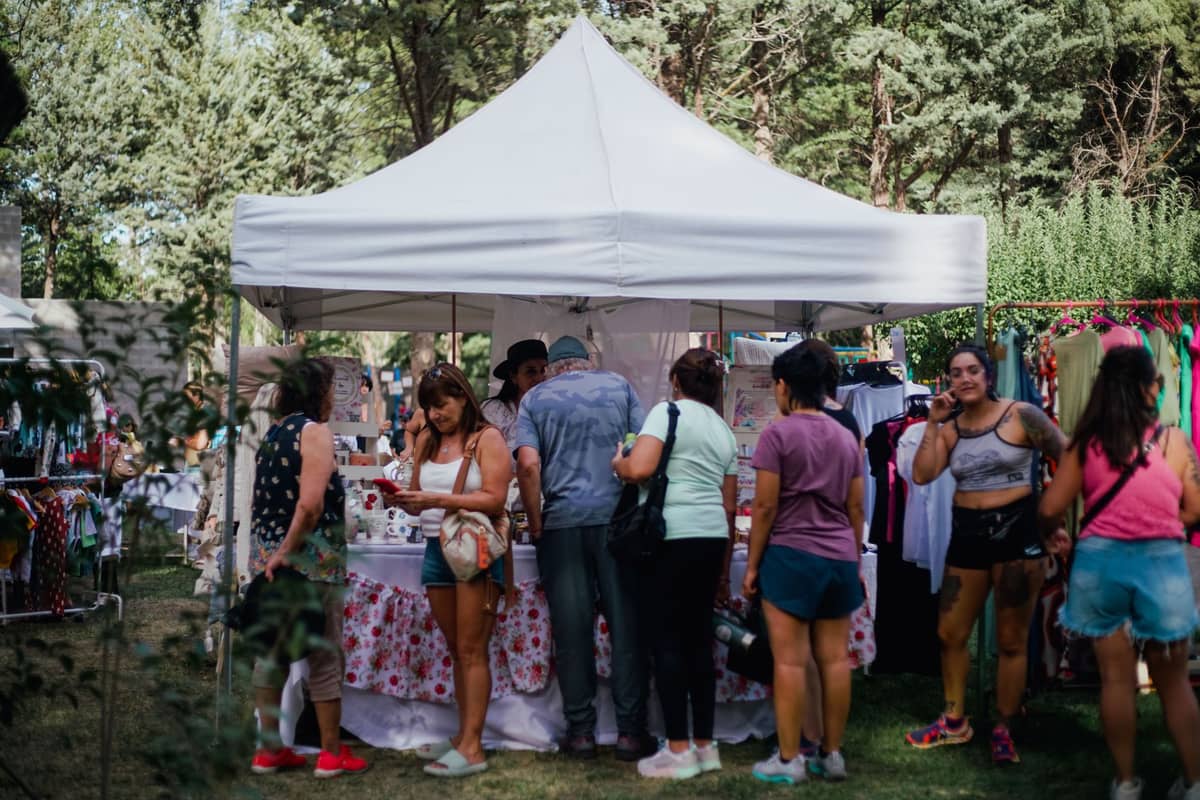
Held in Parque Juan Zorrilla de San Martín, near the Punta Carretas neighborhood, Villa Biarritz operates twice a week: Tuesdays and Saturdays. Saturday is the main event, with a full complement of stalls covering crafts, clothing, plants, home goods, and food. Tuesday is a lighter, more food-oriented market closer in character to a farmers' market — useful if you are self-catering, less interesting if you are looking for crafts or second-hand goods.
⚠️ What to skip
A common misconception among visitors is that Villa Biarritz only operates on Saturdays. The Tuesday market exists but is smaller and focused mainly on fresh produce and food stalls. Plan accordingly.
The neighborhood around Villa Biarritz is one of Montevideo's more comfortable residential areas, close to Punta Carretas and within walking distance of Pocitos. The park setting makes this a more relaxed experience than Tristán Narvaja — fewer crowds, better shade, and a calmer pace. Entry is free.
Parque Rodó Sunday Fair and Other Neighborhood Markets
The Parque Rodó fair runs along Avenida Gonzalo Ramírez and around the park perimeter on Sundays only, roughly from 09:00 to 14:00 depending on the time of year and weather. It operates on a similar model to Villa Biarritz and often shares vendor types: crafts, clothing, street food, and some second-hand goods. It is a solid option if you are already in the area, but it is not distinct enough from Villa Biarritz to justify a special trip if you have already visited that market.
The Parque Rodó area has a lively Sunday atmosphere year-round, with the park itself drawing families, cyclists, and people on paddleboats. Combining the fair with a walk through the park and then down to Playa Ramírez makes for an easy, enjoyable morning.
Beyond these three main fairs, Montevideo's municipal government maintains a network of ferias vecinales (neighborhood markets) spread across all districts. These are primarily weekly food and goods markets serving local residents rather than visitors, operating on specific streets on set days. For example, Municipio D lists markets in Piedras Blancas (Thursdays and Sundays) and Manga (Tuesdays and Saturdays). If you are staying in a residential neighborhood rather than the tourist center, checking the Intendencia de Montevideo's official municipal pages will show you the nearest market to your accommodation.
Mercado de Artesanos: Indoor Crafts Markets
For Uruguayan handicrafts specifically, the Mercado de Artesanos operates at two locations: Plaza Cagancha 1365 in the Centro and Piedras 258 in the Ciudad Vieja. These are indoor artisan markets focused on Uruguayan design and handmade goods: leather work, ceramics, textiles, and jewelry. The quality is generally higher than what you find at outdoor street fairs, and prices reflect that. Opening hours shift over time, so confirm locally before visiting.
The Piedras 258 location puts you in the heart of the Ciudad Vieja, which is worth exploring on its own terms. The area around Plaza Matriz and Plaza Independencia is walkable and architecturally interesting — a natural extension of any crafts market visit.
ℹ️ Good to know
During the weeks leading up to Christmas, special evening fairs (ferias del parque) appear around Parque Rodó and other green spaces, often running from around 18:00 to midnight. These are more festive in character and worth catching if you are in Montevideo in December.
Practical Information: Schedules, Payment, and What to Buy
- Tristán Narvaja Sundays, approximately 09:00–16:00. Cordón neighborhood, off Avenida 18 de Julio. Best for: books, vinyl, antiques, general browsing. Free entry.
- Villa Biarritz Tuesdays (food/farmers' market, 09:00–14:00) and Saturdays (full market, 09:00–14:00 to 16:00). Parque Juan Zorrilla de San Martín, near Punta Carretas. Best for: crafts, clothing, plants, food. Free entry.
- Parque Rodó Fair Sundays only, approximately 09:00–16:00. Along Avenida Gonzalo Ramírez. Best for: crafts, street food, casual browsing. Free entry.
- Mercado de Artesanos Indoor, two locations: Plaza Cagancha 1365 (Centro) and Piedras 258 (Ciudad Vieja). Best for: quality Uruguayan handicrafts, gifts. Confirm hours before visiting.
- Ferias Vecinales Neighborhood food and goods markets throughout the city, varying by district. Check the Intendencia de Montevideo's municipal pages for the schedule nearest to you.
Entry to all outdoor street fairs is free. You only spend money on what you choose to buy. Cash remains the dominant payment method across stalls, though card readers are increasingly present, particularly at crafts and clothing vendors. It is worth carrying Uruguayan pesos (UYU) in small denominations before arriving, especially at Tristán Narvaja where haggling is part of the culture and exact change matters.
- Antiques and vintage items: best found at Tristán Narvaja, but quality and pricing vary widely — know what you are looking for before committing
- Books and vinyl: Tristán Narvaja is the clear leader; arrive early for the best selection
- Crafts and design goods: Villa Biarritz on Saturday and the Mercado de Artesanos offer the best quality
- Street food: all three main outdoor fairs have food stalls — look for chivitos (Uruguay's national sandwich), empanadas, and fresh fruit
- Plants: Villa Biarritz is particularly good for plants and garden items on Saturdays
- Clothing: a mix of second-hand and new at both Tristán Narvaja and Villa Biarritz; the quality varies but prices are low
💡 Local tip
Spring (September–November) and autumn (March–May) are the most comfortable seasons for market visits. Temperatures in these months range from around 12–22°C, crowds are manageable, and vendors are more likely to stay for the full duration. In winter (June–August), temperatures can drop to 6–14°C and many vendors leave early or skip rainy Sundays entirely.
If you are planning your visit around the markets, a Sunday itinerary combining Tristán Narvaja in the morning with lunch at the Mercado Agrícola de Montevideo is a natural pairing. Both are in or near the Centro and Cordón area, and the Mercado Agrícola has excellent food stalls for a sit-down break. For a broader look at how to structure your days in the city, the 2 days in Montevideo guide has a solid framework.
FAQ
Is Tristán Narvaja open every week, year-round?
Yes, Tristán Narvaja operates every Sunday year-round. However, winter Sundays (June–August) and rainy days often see fewer vendors and shorter hours than the nominal 09:00–16:00 window. If you visit on a cold or wet morning, expect a reduced version of the market.
Do I need cash at Montevideo's flea markets?
Cash is strongly recommended. The majority of vendors at outdoor markets like Tristán Narvaja and Villa Biarritz operate cash-only. Some crafts and clothing vendors now accept card, but you should not rely on it. Bring Uruguayan pesos (UYU) in mixed denominations before you arrive.
Is Villa Biarritz only open on Saturdays?
No. Villa Biarritz operates on both Tuesdays and Saturdays. Saturday is the full market with crafts, clothing, plants, and food. Tuesday is a lighter, more food-oriented version closer to a farmers' market. If you are specifically looking for crafts or second-hand goods, Saturday is the right day to go.
What is the best flea market in Montevideo for antiques?
Tristán Narvaja is the clear answer. It has the largest and most varied selection of antiques, vintage items, and collectibles in the city. Arrive before 10:00 on Sunday for the best selection before serious local buyers have cleared the most interesting stalls.
Are there any evening or night markets in Montevideo?
Special evening fairs appear seasonally, particularly in December, around Parque Rodó and other park areas. These ferias del parque typically run from around 18:00 to midnight and have a festive, pre-holiday character. The regular weekly markets (Tristán Narvaja, Villa Biarritz, Parque Rodó) are daytime-only events.
Tickets & tours
Live prices and dates from our booking partner. If you book, we may earn a commission at no extra cost to you.
Planning a trip? Discover personalized activities with the Nomado app.