2 Days in Montevideo: The Perfect Itinerary
Forty-eight hours in Montevideo is enough to cover the historic old town, the waterfront Rambla, world-class museums, and some of South America's best grilled meat. This itinerary cuts the noise and tells you exactly what to do, when, and how to get there.
Tickets & tours
Live prices and dates from our booking partner. If you book, we may earn a commission at no extra cost to you.
TL;DR
- Two days is genuinely enough to cover Montevideo's core highlights without feeling rushed — the city is compact and walkable.
- Spend Day 1 in Ciudad Vieja and around the port area; save Day 2 for the Rambla, Pocitos, and the Parque Rodó stretch.
- Museo Andes 1972 is closed on Sundays — if your trip includes a Sunday, adjust accordingly or you will miss it.
- Get a free STM bus card on arrival to save money on public transport across the city.
- Spring (September–November) and autumn (March–May) offer the most comfortable weather; see the full breakdown in our best time to visit Montevideo guide.
Before You Arrive: Logistics Worth Knowing
Montevideo's Carrasco International Airport (IATA: MVD) sits roughly 20–22 km east of the city centre in Canelones Department. Taxis and remise (private car) services operate from the terminal on metered or fixed tariffs. Uber and similar ride-hailing platforms are active in Montevideo, so you can compare prices before committing. Public buses also serve the airport and connect to central Montevideo, making them a budget-friendly option if you are not carrying heavy luggage. Fares change periodically, so verify current rates at the airport or on the getting around Montevideo guide before you travel.
For public transport within the city, Montevideo runs an extensive bus network under the Sistema de Transporte Metropolitano (STM). Visitors can pick up a Tarjeta Común (the reloadable bus card) free of charge at STM customer service points by showing a passport or ID. Replacement cards cost the equivalent of two standard STM common trips. Buses cover all the neighborhoods in this itinerary, and the Rambla route is one of the most scenic urban bus rides in South America.
💡 Local tip
Uruguay uses 220V electricity at 50Hz. Plug types are primarily Type C and Type F. North American travelers in particular should pack a universal adapter. Tap water in Montevideo is treated and generally reported as potable, but check for current advisories from the Intendencia de Montevideo if you have any concerns.
Day 1: Ciudad Vieja, the Port, and Uruguayan Asado
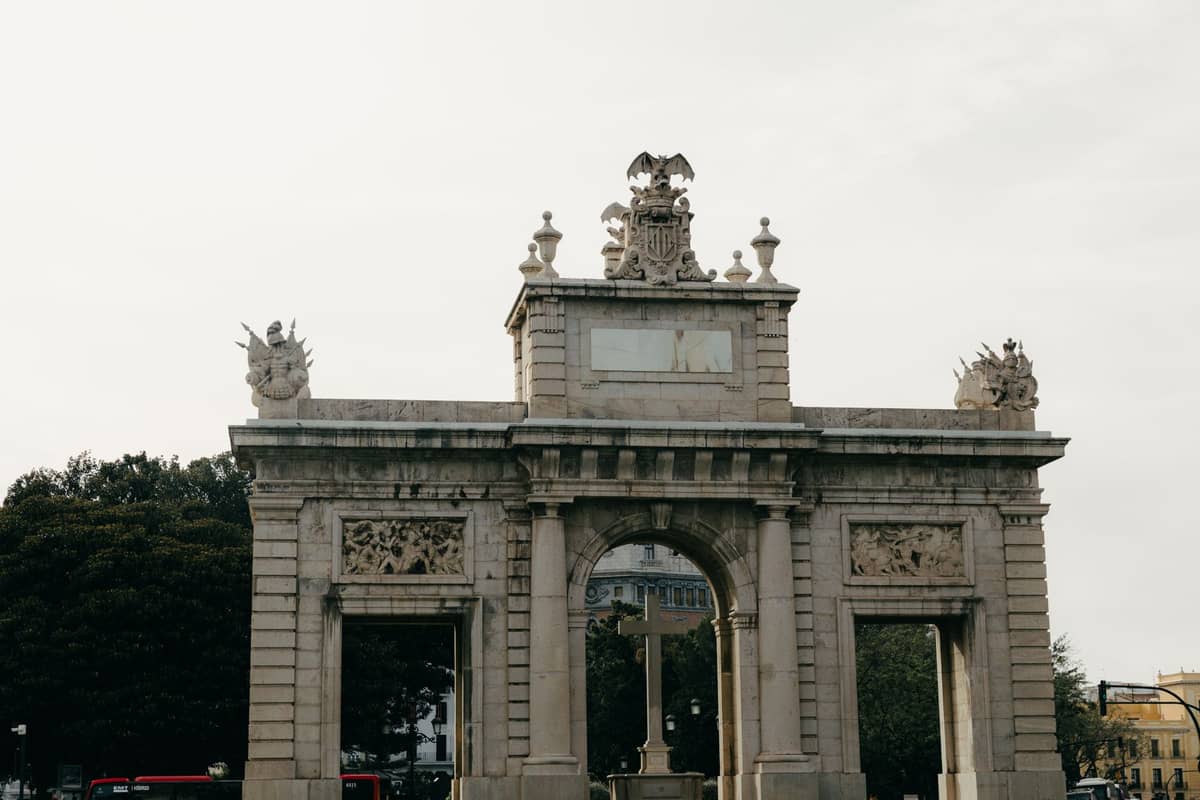
Start your first morning at Plaza Independencia, the formal dividing line between the old city and the modern Centro. The plaza anchors the city's layout and makes an ideal orientation point. From here, the Puerta de la Ciudadela — the lone surviving gate of Montevideo's original colonial fortifications — frames the entrance to Ciudad Vieja on your left. Spend about 30 minutes here before heading west into the old city grid.
The streets of Ciudad Vieja are tight and flat, which makes them easy to navigate on foot. Work your way toward Plaza Matriz, the oldest square in Montevideo, flanked by the Catedral Metropolitana and the Cabildo. Both are worth a brief visit. Then continue toward the port end of the peninsula. The entire walk from Plaza Independencia to Mercado del Puerto takes around 20 minutes at a relaxed pace.
Plan to arrive at Mercado del Puerto for lunch, ideally before 13:00 when the main parrillas (charcoal grills) hit full stride. This cast-iron market hall near the port is Montevideo's most famous food destination, and it earns the reputation — the smell of wood smoke and beef fat hits you from half a block away. Most parrilla counters operate roughly 10:00–17:00 daily. A full lunch with half a rack of ribs, a glass of Tannat, and a side will cost around UYU 800–1,200 depending on the cut and vendor. Note: this is a daytime market. It is not a night market — most of the serious grill action winds down by mid-afternoon.
⚠️ What to skip
Mercado del Puerto is genuinely worth visiting, but skip the vendors closest to the entrance who aggressively pitch to tourists — walk to the interior counters where locals eat. Prices and quality are better further in.
After lunch, walk back through Ciudad Vieja to Peatonal Rincón 619 for Museo Andes 1972, the memorial to the 1972 Andes plane crash that became the basis for the book and film 'Alive.' The museum is small but extremely well-curated — expect to spend 45–60 minutes inside. Hours are Monday to Friday 10:00–17:00 and Saturday 10:00–15:00, with last entry 30 minutes before closing. The museum is closed on Sundays. General admission is USD 8; seniors over 65 pay USD 6; youths under 15 pay USD 4; children under 12 enter free. USD, EUR, BRL and local currency are accepted.
⚠️ What to skip
If your two days in Montevideo fall on a Saturday and Sunday, visit Museo Andes 1972 on Saturday morning before 15:00. A Sunday-only visit makes this museum impossible to see — plan accordingly.
Wrap up the afternoon with a walk along the lower Rambla near the port, or detour to Palacio Salvo on Plaza Independencia — the 26-floor art deco tower completed in 1928 and long considered one of the most distinctive buildings in South America. For dinner, Ciudad Vieja has a growing restaurant scene. Alternatively, take a bus or taxi to Cordón or Pocitos for a wider range of options at a range of prices.
Day 2: The Rambla, Pocitos, and the Museum Mile
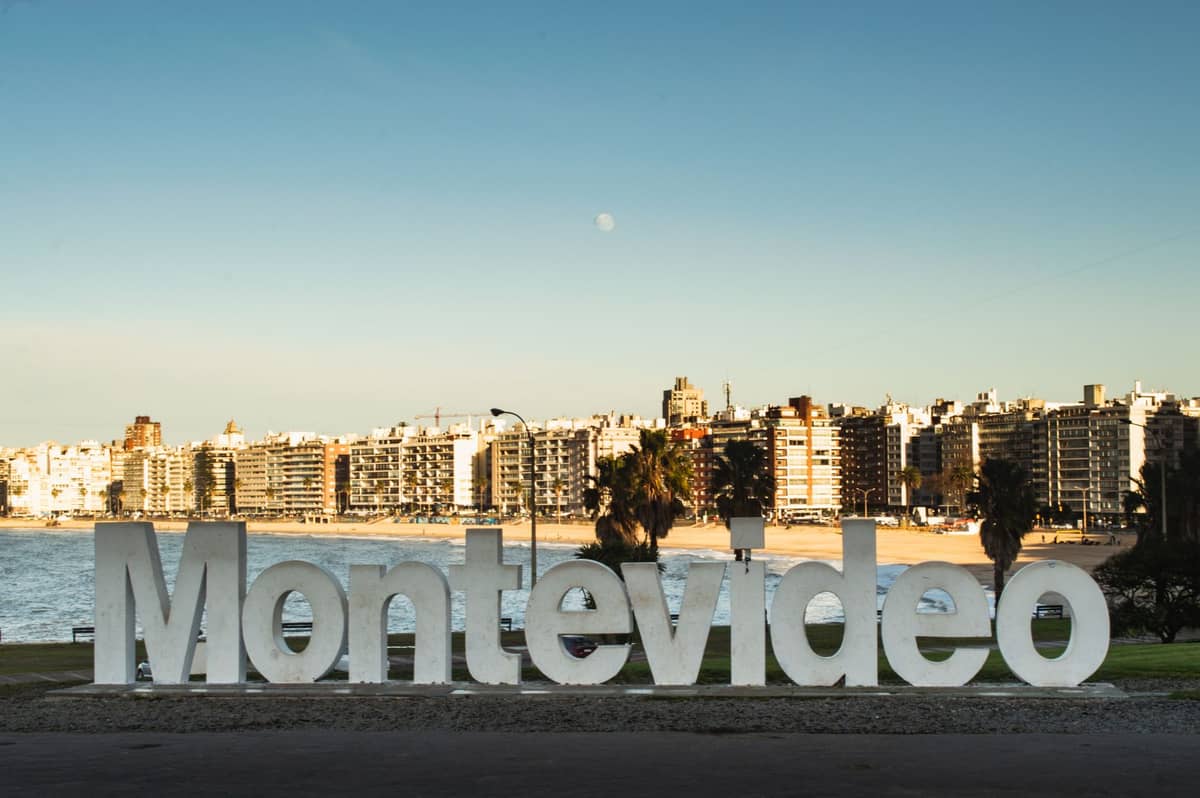
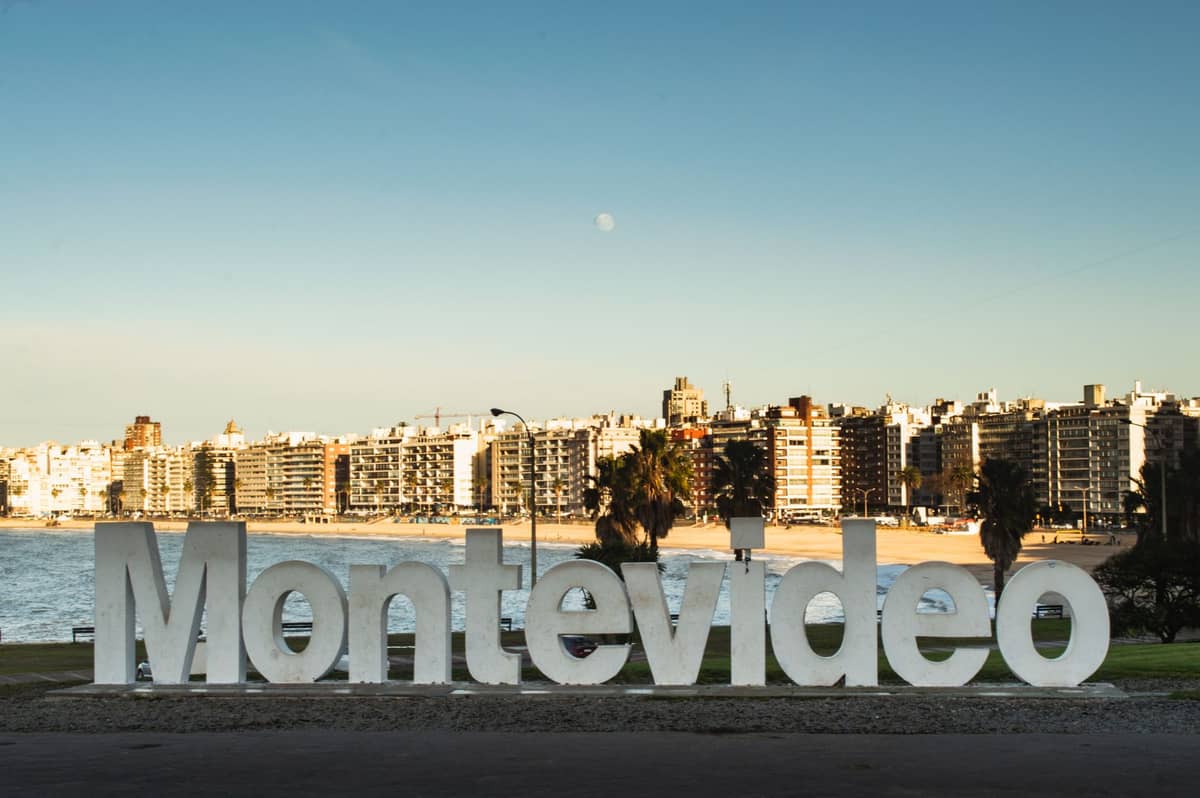
Montevideo's Rambla de Montevideo is a 22-km coastal promenade stretching from Ciudad Vieja east to Carrasco. You cannot walk all of it in a day, but the stretch from Parque Rodó through Pocitos to Punta Carretas covers most of the highlights and takes 2–3 hours at a comfortable pace. Start the morning near Playa Ramírez and walk east.
Along the way, the Museo Torres García in Ciudad Vieja is one of the most important art spaces in Uruguay, dedicated to the constructivist work of Joaquín Torres García. Admission is low and the collection is serious — if you have any interest in Latin American modernism, this is not a stop to skip. Budget about an hour. Alternatively, if contemporary local culture interests you more, the Museo del Carnaval near the port gives excellent context for Montevideo's February Carnival, which is the longest in the world by calendar days.
By midday, you should be in the Pocitos neighborhood. This is where Montevideo's middle-class residential life is most visible: high-rise apartments, outdoor cafes on Avenida Brasil, and Playa Pocitos itself, the most popular urban beach in the city. In summer (December–February), the beach is packed with locals. In autumn and spring it is quieter but still pleasant for a walk. Swimming quality in the Río de la Plata varies; check official advisories from the Intendencia de Montevideo before entering the water.
Lunch in Pocitos or the adjacent Punta Carretas neighborhood is a good call. Punta Carretas has a converted prison (now a shopping mall) and several solid restaurants within a few blocks of the coast. For the afternoon, continue along the Rambla or consider a taxi or bus to Parque Rodó, a large urban park with a lake, an open-air theatre, and weekend craft stalls — worth 45 minutes if the weather is cooperative.
What to Eat and Drink in 48 Hours
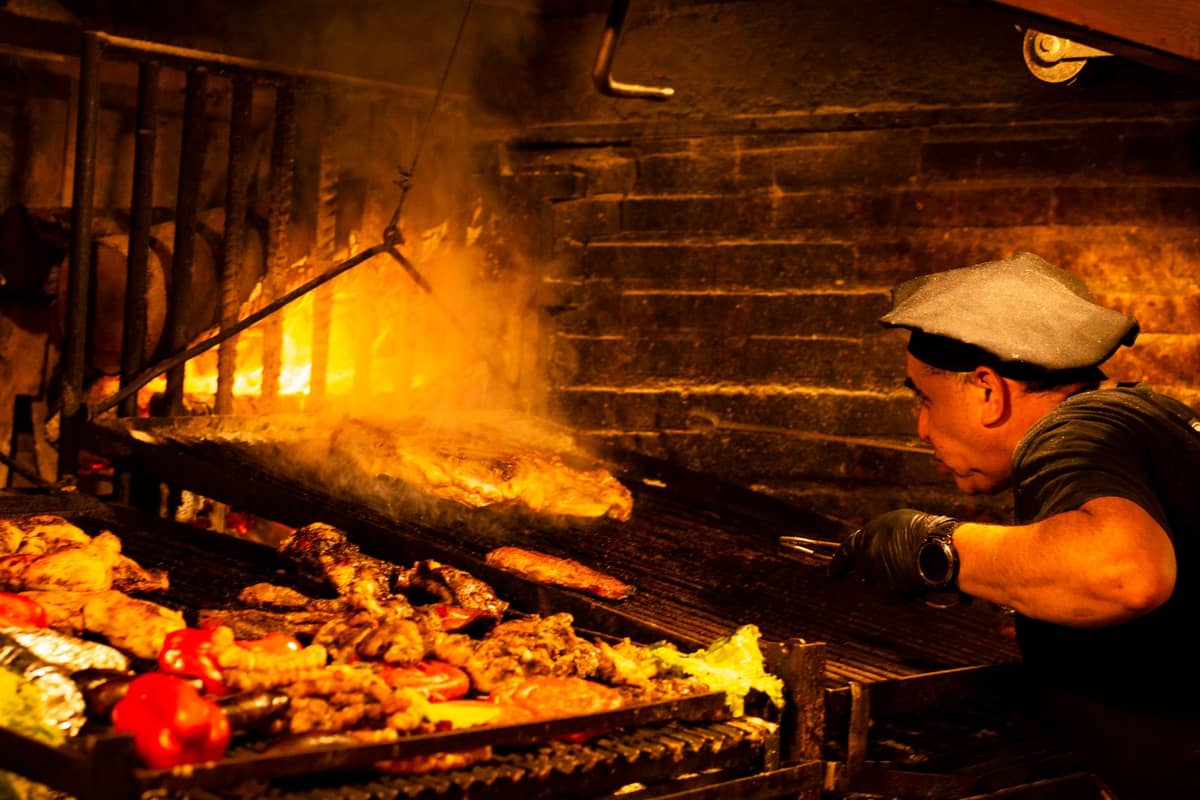
Two days is not enough to exhaust Montevideo's food scene, but it is enough to cover the essentials. The full breakdown is in our what to eat in Montevideo guide, but here is the short version for a 48-hour visit.
- Asado at Mercado del Puerto The non-negotiable Day 1 lunch. Order a mixed parrillada to try multiple cuts. Tannat red wine from Uruguay pairs perfectly and is widely available by the glass.
- Chivito Uruguay's national sandwich: steak, ham, cheese, egg, and assorted toppings on a bun. Filling and cheap. Found at virtually every café and sandwich bar.
- Tortas fritas Fried dough discs sold from street stalls, especially popular on rainy days. A few pesos each and genuinely good. Do not skip them if you see a cart.
- Café y medialuna The standard Uruguayan breakfast: strong espresso or cortado with croissant-style pastries. Served at any confitería. Budget around UYU 150–250.
- Medio y medio A local sparkling wine blend (half still, half sparkling white) associated with the Bar Fun Fun in Ciudad Vieja. Worth trying at least once.
✨ Pro tip
Uruguayan meal times run late by Northern European and North American standards. Lunch is typically 12:30–14:30 and dinner rarely starts before 21:00. If you sit down for dinner at 19:00, you will be eating alone in most restaurants. Plan your Day 2 dinner accordingly, and use the early evening hours for a sunset Rambla walk instead.
Seasonal Considerations for This Itinerary
Montevideo has a humid subtropical climate (Köppen Cfa) with no extreme dry or wet season. Rain is distributed relatively evenly across the year, with annual precipitation around 974 mm (about 38.3 inches). What changes significantly between seasons is temperature and how locals use the city.
- Summer (December–February) Daytime highs of 26–28°C. The Rambla and beaches are at their most active, but heat and humidity can make Ciudad Vieja walks uncomfortable by midday. Book accommodation early — January is peak domestic tourism.
- Autumn (March–May) Temperatures of 13–22°C. Arguably the best time for this itinerary: comfortable walking weather, fewer crowds, and the city is in full swing after summer.
- Winter (June–August) Daytime highs around 14–15°C with wind chill off the Río de la Plata making the Rambla feel colder. The outdoor sections of this itinerary become less appealing, but museums and Mercado del Puerto are unaffected. Pack layers.
- Spring (September–November) Temperatures of 12–21°C. Similar to autumn in appeal. The Parque Rodó and Parque Prado are especially attractive as gardens come into bloom.
Extending Your Trip: What Comes Next
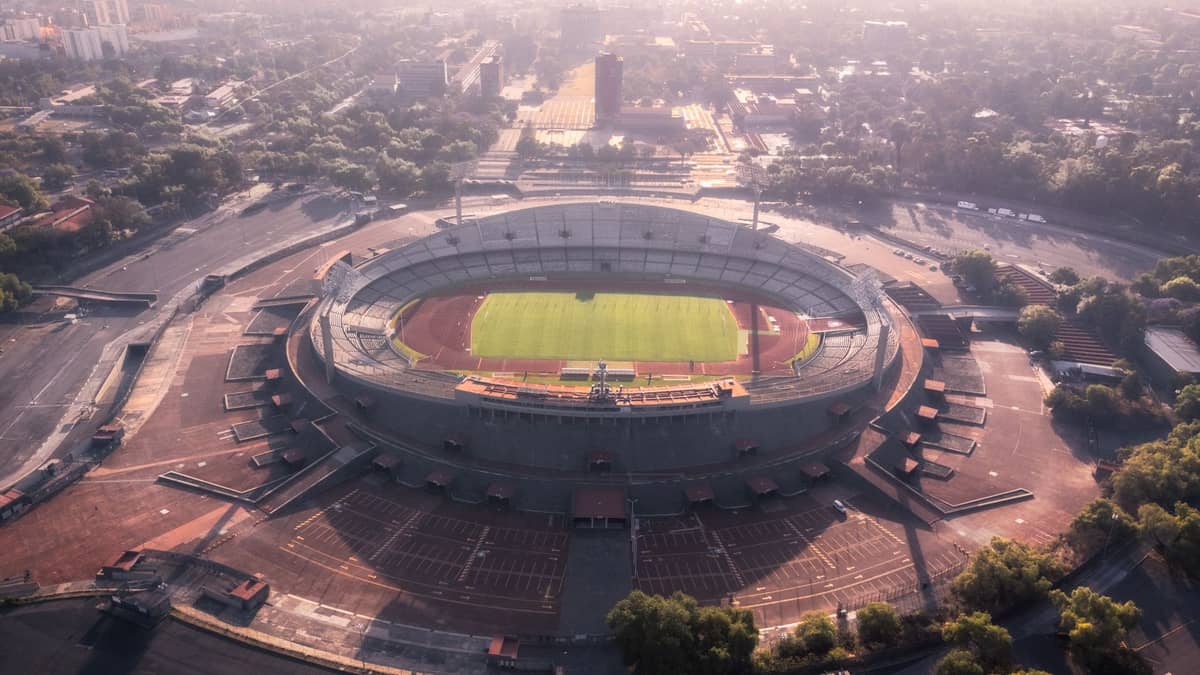
If you have a third day or more, Montevideo rewards additional time. The Estadio Centenario and its on-site Museo del Fútbol are worth a half-day for anyone interested in football history — this is where the first World Cup final was played in 1930. The stadium is in Parque Batlle, a large park east of the city centre with good jogging paths.
For a day trip, Colonia del Sacramento is 2.5–3 hours by bus and offers a completely different atmosphere: cobblestone colonial streets, Portuguese fortifications, and a slower pace than Montevideo. It is one of the most popular day trips in Uruguay and genuinely worth it if your schedule allows. Alternatively, Punta del Este is about 140 km east and reachable by bus in roughly 2 hours.
For budget planning across more days, the Montevideo on a budget guide has current price benchmarks across accommodation, food, and transport. If you are visiting with children, Montevideo with kids covers family-friendly adjustments to the standard itinerary.
FAQ
Is 2 days enough for Montevideo?
Yes, two days covers the main highlights comfortably if you follow a structured itinerary. Ciudad Vieja, Mercado del Puerto, the Rambla, Pocitos, and two or three museums fit well across 48 hours. A third day allows for day trips or deeper neighborhood exploration, but two days leaves you satisfied rather than rushed.
What is the best area to stay in Montevideo for a short visit?
Ciudad Vieja or Centro puts you within walking distance of Day 1's highlights. Pocitos is a good alternative for the Rambla and beach access, with better restaurant variety for dinner — but it adds 20–30 minutes of travel to Ciudad Vieja. For most first-time visitors on a two-day schedule, staying in Ciudad Vieja or Centro saves the most time.
Is Montevideo safe for tourists?
Montevideo is generally considered one of the safer capitals in South America, but normal urban precautions apply: watch your belongings in crowded areas, avoid displaying expensive equipment in quieter streets at night, and stay aware in less-touristed parts of Ciudad Vieja after dark. For current safety context, consult your government's travel advisory page before departure.
Do I need to speak Spanish to visit Montevideo?
Spanish is the official language and Rioplatense Spanish is the local variety, which differs somewhat from Castilian. English is spoken at many hotels and tourist-facing businesses, but less commonly in local restaurants and on public transport. Learning a few basics — numbers, greetings, and food vocabulary — makes a meaningful difference. Menus in Ciudad Vieja increasingly include English translations.
What currency should I bring to Montevideo?
The Uruguayan peso (UYU) is the local currency. USD is widely accepted at hotels, larger restaurants, and tourist attractions (Museo Andes 1972 explicitly accepts USD, EUR, and BRL), but you will get better value using pesos for smaller purchases, street food, and public transport. Exchange rates fluctuate, so check a reliable source before your trip and avoid exchanging money at the airport if possible.
Tickets & tours
Live prices and dates from our booking partner. If you book, we may earn a commission at no extra cost to you.
Planning a trip? Discover personalized activities with the Nomado app.