Parque Rodó: Montevideo's Lakeside Park Worth an Afternoon
Parque Rodó is a sprawling urban park in one of Montevideo's most livable neighborhoods, offering shaded paths, a central lake, an amusement area, and a location steps from the Río de la Plata. It draws a genuine cross-section of Montevideo life, from families on weekends to students from nearby universities on weekday afternoons.
Quick Facts
- Location
- Avenida Gonzalo Ramírez and Rambla Pte. Wilson, Parque Rodó neighborhood, Montevideo
- Getting There
- Multiple city bus lines stop along Avenida Gonzalo Ramírez and the Rambla; no metro in Montevideo
- Time Needed
- 1.5 to 3 hours for a relaxed visit; half a day with the amusement area and surroundings
- Cost
- General park entry is free; amusement area tickets sold separately in UYU (verify current prices on-site)
- Best for
- Families, picnickers, joggers, and anyone wanting a genuine local weekend experience
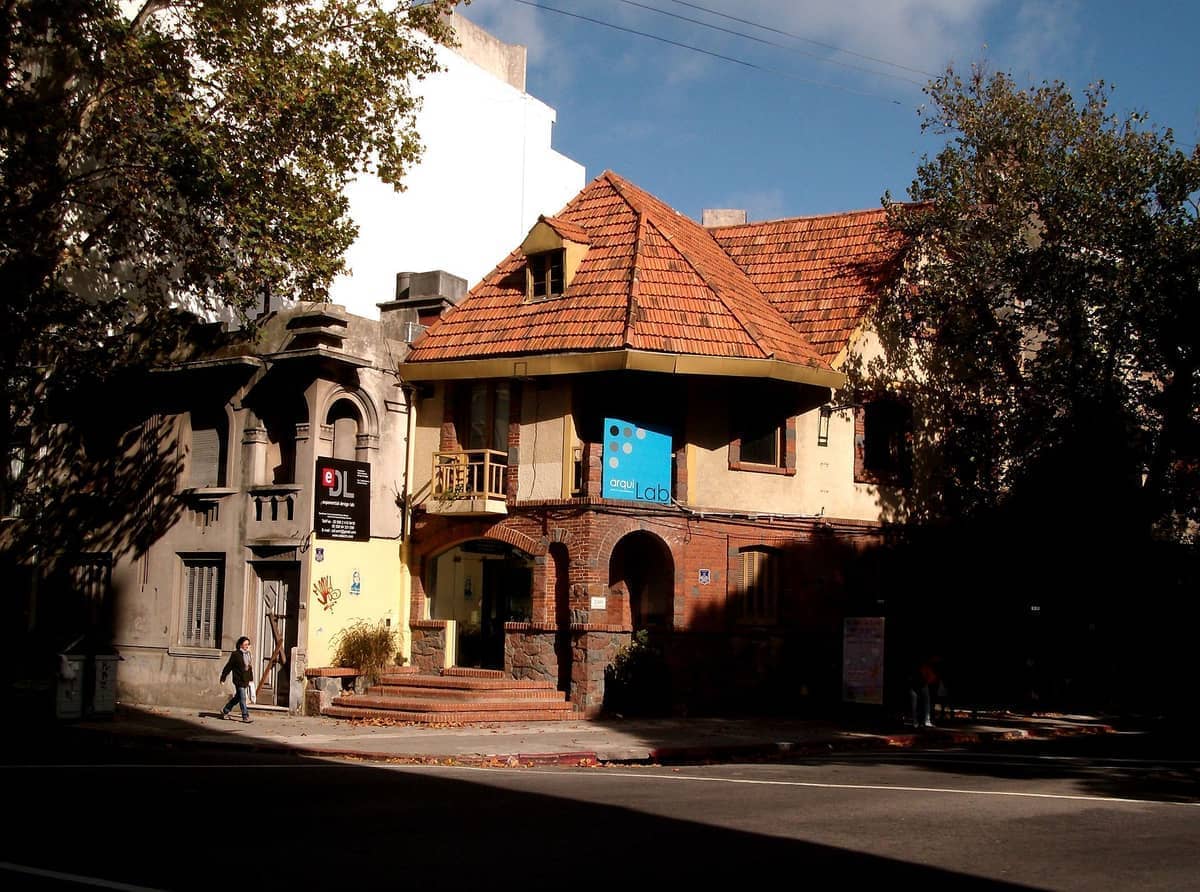
What Parque Rodó Actually Is
Parque Rodó is the kind of urban park that a city reveals through its residents rather than its tourism boards. Named in 1917 after José Enrique Rodó, the Uruguayan essayist and one of Latin America's most influential intellectual figures of the early twentieth century, the park was previously known as Parque Urbano. The renaming was a statement of civic pride, and the park has carried a certain neighborhood identity ever since.
Bounded by Avenida Gonzalo Ramírez, Julio Herrera y Reissig, Rambla Presidente Wilson, and Avenida Sarmiento, the park sits at a transition point between the university-heavy interior streets and the open air of the Río de la Plata waterfront. That geography matters: on a warm afternoon you feel the river breeze well before you reach the Rambla, which gives the park a slightly cooler, airier quality than the inland city blocks.
💡 Local tip
The park connects directly to the Rambla de Montevideo, Montevideo's famous coastal promenade. If you time your visit for late afternoon, you can walk from the park to the waterfront for a sunset without any transit needed.
The Landscape: Lake, Trees, and Open Lawns
The central lake is the park's visual anchor. Rowing boats have historically been available for hire here, and even without that activity, the lake draws people to its edges for the simple reason that water in the middle of a city creates a different pace. Ducks and other waterfowl use the lake regularly. The tree cover is mature and varied, with broad shade available on sunny days, which matters in Montevideo's summer months when temperatures can reach 28°C (82°F) with high humidity.
The lawns are wide enough for spontaneous football, frisbee, and weekend picnics with full asado setups, the kind where families arrive with portable grills and spend three hours eating and talking. This is not a manicured European-style park where you keep off the grass. Montevideans use it, and that lived-in quality is most of the appeal.
The park sits within easy reach of Playa Ramírez, one of the closest city beaches to the urban center. Combining a park visit with a beach walk along the Rambla takes less than ten minutes on foot.
Tickets & tours
Live prices and dates from our booking partner. If you book, we may earn a commission at no extra cost to you.
Guided Tour with Wine Tasting Experience at Bouza Winery
From 68 €Instant confirmationFree cancellationAirport to Hotel or Hotel to Airport Transfer in Montevideo
From 47 €Instant confirmationFree cancellationTasting and Lunch at Bodega Pizzorno in Montevideo
From 115 €Instant confirmationFree cancellationPunta del Este full-day guided tour from Montevideo
From 47 €Instant confirmationFree cancellation
The Amusement Area: For Families with Young Children
Inside the park there is a dedicated amusement area, operating under the branding 'Tu Parque.' This is a traditional small-scale amusement park with rides oriented toward children and families, not a large theme park. Tickets are sold in Uruguayan pesos (UYU); pricing is listed by individual tickets or in small bundles (exact figures change regularly and should be verified on-site or via the official channels). Hours vary significantly by season, with different weekend and holiday schedules for summer, autumn, winter, and spring.
⚠️ What to skip
The amusement area operates on seasonal and weekend-heavy schedules. Do not assume it will be open on a weekday visit, particularly outside the summer months. Check current hours at parquerodotuparque.com before planning around it.
Families planning a broader day out in Montevideo can combine Parque Rodó with other family-friendly options. The guide to Montevideo with kids covers the full range of options across the city, including which attractions have the most reliable family infrastructure.
How the Park Changes by Time of Day
Early mornings, roughly 7am to 9am, belong to joggers and dog walkers. The park is quiet enough that you can hear birds clearly, and the light through the trees has the low-angle quality that photographers prefer. The air is cooler and the paths are uncrowded. This is the best window if you want the park without noise.
By late morning on weekends, the character shifts entirely. Families with children arrive, vendors set up near the amusement area, and the lakeside paths fill with people at a walking pace. The smell of mate, the grassy herbal tea that Uruguayans carry everywhere in insulated flasks, is constant. The sound is layered: children, birds, the occasional portable speaker playing cumbia or rock uruguayo.
Weekday afternoons bring a younger crowd, largely university students from the nearby institutions in the Parque Rodó neighborhood and adjacent Cordón. They tend to occupy the lawns in small groups, studying or talking, with a lower-energy presence than the weekend families. On those days the park feels closer to a campus green than a recreational destination, which is its own kind of pleasant.
Evenings are more variable. In summer, the park stays active well past sunset thanks to the long daylight hours and warm temperatures. In winter, with temperatures dropping to 8-14°C (46-57°F), the park empties earlier and takes on a quieter, slightly austere quality that suits a solo walk but is less suited to lingering.
Cultural and Historical Context
José Enrique Rodó, for whom the park is named, wrote 'Ariel' in 1900, a philosophical essay addressing Latin American identity in relation to North American and European influence. The essay became foundational in Latin American intellectual history, and Rodó remains a significant cultural figure in Uruguay. The park's 1917 renaming came just months after his death in May 1917 in Palermo, Italy.
The Parque Rodó neighborhood itself grew up around the park and has long had an arts and intellectual character, reinforced by the proximity of university faculties and cultural venues. The Museo Juan Manuel Blanes, Uruguay's municipal fine-arts museum, is actually in Prado rather than beside the park. The nearby collection here is the Museo Nacional de Artes Visuales (MNAV) at Tomás Giribaldi 2283.
For a broader understanding of how Montevideo's neighborhoods fit together spatially and culturally, the Ciudad Vieja walking tour guide provides useful orientation to the city's structure, even though Parque Rodó sits well east of the old town.
Getting There and Moving Around the Park
The park is served by multiple city bus lines running along Avenida Gonzalo Ramírez and the Rambla. Montevideo has no metro system; the bus network is the primary public transit option. From Ciudad Vieja or Centro, the journey is straightforward by bus and takes roughly 15 to 25 minutes depending on route and traffic. Ride-hailing services including Uber also operate in Montevideo, making drop-off easy at the Rambla entrance.
The park's official address is listed as Requena García S/N between Sarmiento and Rambla, 11300 Montevideo, though the park spans several blocks and most visitors enter from the Rambla side or from Avenida Gonzalo Ramírez. Walking the perimeter gives a better sense of scale than approaching from any single entrance.
If you are moving around Montevideo more broadly, the guide to getting around Montevideo covers bus routes, ride-hailing, and walking distances between the city's main areas in practical detail.
ℹ️ Good to know
The park connects directly to the Rambla de Montevideo at its southern edge. From there you can walk east toward Pocitos or west toward the port area. The Rambla stretch adjacent to the park is flat, paved, and accessible for strollers and wheelchairs.
Weather and When to Visit
Spring (September to November) and autumn (March to May) offer the most comfortable conditions for a park visit. Temperatures in those windows typically range from 12 to 22°C (54 to 72°F), the light is pleasant for the entire day, and the park's trees show seasonal color changes that are modest by Northern Hemisphere standards but notable in a city that stays green through most of the year.
Summer visits (December to February) work well in the morning before the heat builds. Afternoon summer visits can be genuinely hot and humid, and the amusement area gets crowded with children. Winter visits are viable, particularly on clear days, but the park's appeal drops noticeably when it is cold and the lawns are empty. Rain affects the park significantly as the paths can become muddy and the open areas lose their appeal quickly.
Who Should Reconsider
Travelers with limited time in Montevideo who are prioritizing historic architecture, museums, and the Ciudad Vieja area may find Parque Rodó a detour rather than a destination. It does not have the monumental quality of the city's most famous parks. It is also not a botanical garden or wildlife reserve. If your measure of a park is rare plants or structured horticultural displays, look instead at the Jardín Botánico.
The park is most rewarding for people who find value in watching a city live its ordinary life. If that kind of observation is not what you travel for, your time in Montevideo is better spent at the Mercado del Puerto or exploring the architectural layers of the historic center.
Insider Tips
- Enter from the Rambla side on a clear afternoon and walk north through the park toward Avenida Gonzalo Ramírez. The view back toward the river through the tree canopy is one of the better urban green perspectives in Montevideo.
- The amusement area gets its highest footfall on Sunday afternoons. If you have children and want shorter queues, a Saturday morning visit in the warmer months is a better bet.
- Vendors near the park sell mate supplies including gourds, bombillas, and thermoses. If you want to try mate in a setting where it feels natural rather than performative, buying supplies here and sitting on the lawn is as authentic as it gets.
- The park's lakeside benches fill up fast on weekend mornings. Arriving before 10am gives you a comfortable spot with a view of the water. After midday on weekends they stay occupied continuously.
- Combine the park with a walk along the Rambla toward Playa Ramírez. The total loop from the Rambla entrance, through the park, and back along the waterfront is under 3km and gives a good sense of how the neighborhood connects to the coast.
Who Is Parque Rodó For?
- Families with young children visiting the amusement area on weekends
- Joggers and walkers who want a green route that connects to the Rambla
- Travelers who want to observe everyday Montevideo life rather than tourist attractions
- Picnickers and anyone looking for a shaded outdoor space in the summer months
- Visitors pairing the park with a walk along the waterfront or a stop at a nearby cultural venue
Nearby Attractions
Other things to see while in Parque Rodó:
- Playa Ramírez
Playa Ramírez is a free public beach on the Rambla Presidente Wilson, sitting at the edge of the Parque Rodó neighborhood and within easy reach of the city centre. It draws a wide cross-section of Montevideo life, from early-morning joggers to weekend families, and serves as a genuine local beach rather than a tourist spectacle.
Planning a trip? Discover personalized activities with the Nomado app.