Montevideo with Kids: Best Family-Friendly Activities
Montevideo is one of South America's most relaxed capitals for family travel. From the boat-filled lake at Parque Rodó to the Rambla's long coastal path, the city offers low-cost, walkable experiences that work well across a wide range of ages. This guide covers the best activities, practical logistics, and practical advice for visiting Montevideo with kids.
Tickets & tours
Live prices and dates from our booking partner. If you book, we may earn a commission at no extra cost to you.
TL;DR
- Parque Rodó is the top family destination: free entry, a lake with rental boats, children's rides on weekends, and a café. See the Parque Rodó park guide for full details.
- The Andes Museum suits teens and older kids, not young children — its subject matter covers a real survival tragedy and some content is intense.
- The Rambla de Montevideo is a 22 km coastal promenade ideal for cycling, walking, and picnics with kids — free and open all day.
- Summer (December–February) is busy and hot; spring (September–November) and autumn (March–May) offer milder conditions for outdoor family activities.
- Most family-friendly attractions have low or no admission fees, making Montevideo an affordable destination for families.
Why Montevideo Works Well for Families
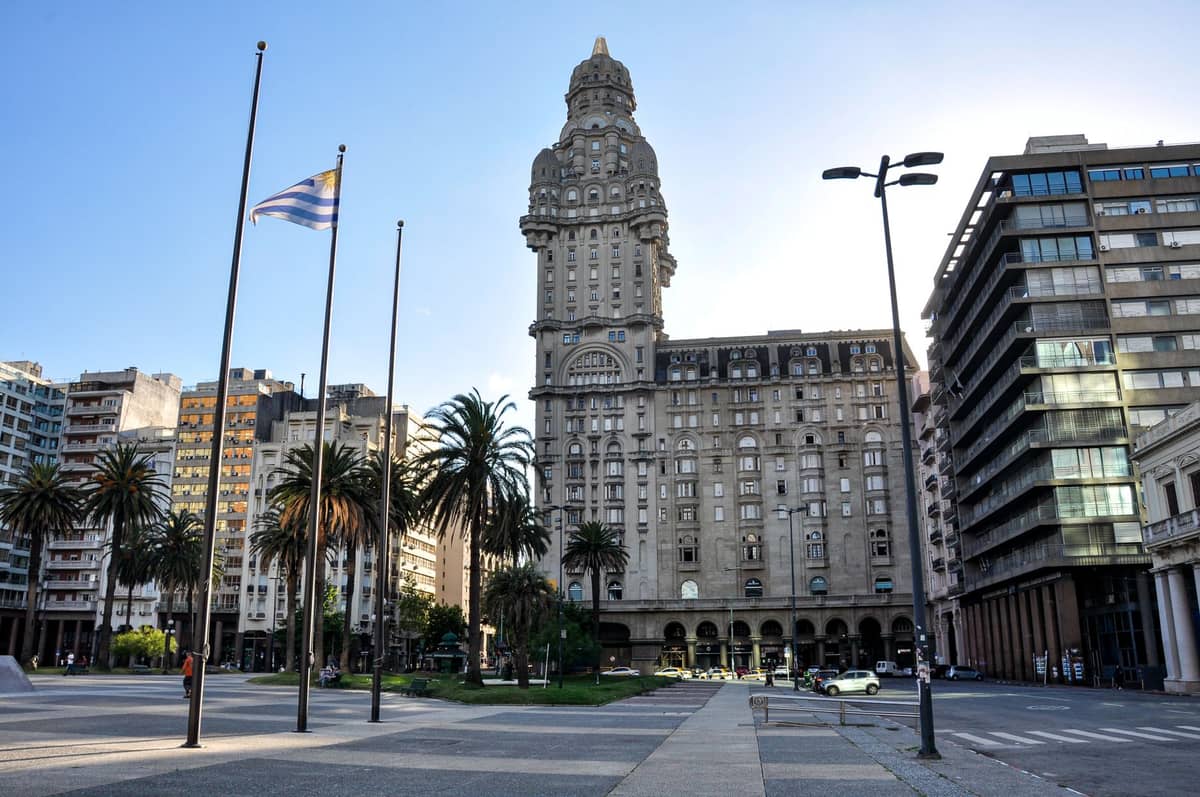
Montevideo is Uruguay's capital, home to around 1.3 million people, and one of the most walkable, low-stress cities in South America. Unlike Buenos Aires or São Paulo, it moves at a calmer pace — traffic is manageable, public spaces are genuinely family-oriented, and the local culture actively welcomes children in restaurants, parks, and street life. The city sits along the Río de la Plata, which means a long, flat coastline ideal for strollers and young cyclists.
The cost of visiting with kids is another draw. Many of the best family activities — parks, the Rambla, several public museums — cost little or nothing. For a broader overview of how to stretch your budget, see the guide to free things to do in Montevideo. The city's compact geography also helps: most family-friendly neighborhoods, including Parque Rodó and Pocitos, are close to each other along the coast, making it practical to combine multiple stops in a single day.
💡 Local tip
Montevideo operates on Uruguay Time (UTC-3). Days tend to run late by northern hemisphere standards — lunch at 13:00, dinner rarely before 20:00. Kids' activity schedules at parks often reflect this, with rides and boats running into the evening rather than starting at dawn.
Parque Rodó: The Centerpiece for Younger Kids
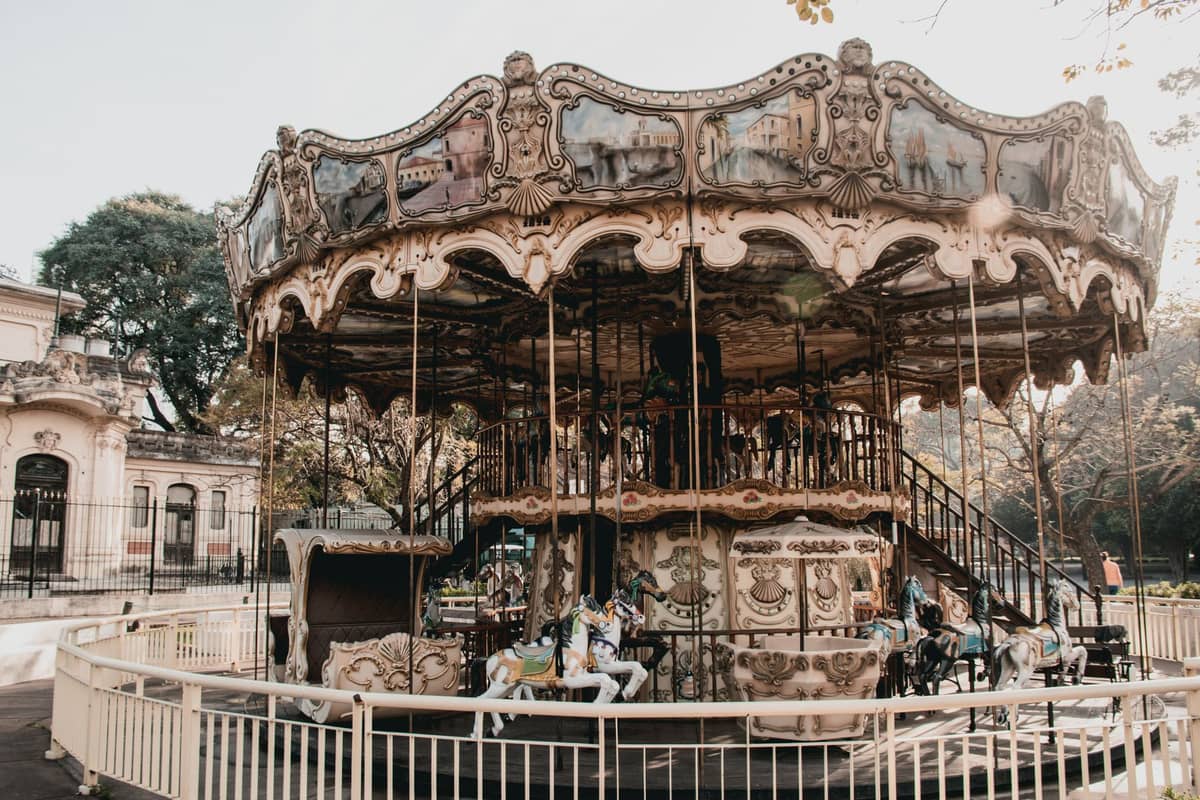
Parque Rodó is the single best destination in Montevideo for families with young children. The park itself is open 24 hours, but what makes it genuinely useful for families is the cluster of attractions inside: a lake with rental rowing boats, a small amusement area with children's rides, playgrounds, shaded paths, and a lakeside café.
- Lake boats Available Tuesday through Friday 12:00–18:00, and weekends 11:00–18:00. Rental rowing boats are a reliable hit with children aged 5 and up.
- Children's rides Operate Saturdays, Sundays, and public holidays from approximately 14:30 to 21:00. The extended evening hours suit Uruguayan family rhythms well.
- Palaruan ng mga bata Open Monday–Friday 6:00–22:30, Saturday–Sunday 15:30–22:30. Playgrounds and open space for running around at no cost.
- Lakeside café Open Tuesday–Friday 8:00–20:00, Saturday–Sunday 10:00–20:00. A useful stop for a coffee break while kids play nearby.
On weekend afternoons the park fills with local families, food vendors, and occasional street performers. This is when it's most lively but also most crowded. Weekday mornings are quieter and better for toddlers who don't do well in crowds. The park is surrounded by the Parque Rodó neighborhood, which has several casual restaurants and ice cream shops along Avenida Julio Herrera y Obes, useful for post-park meals.
⚠️ What to skip
The children's rides at Parque Rodó are weekend and holiday only. If you're visiting midweek, the boats and playgrounds are still available, but don't arrive expecting the full funfair experience on a Tuesday morning.
The Rambla and Beaches: Outdoor Space for All Ages
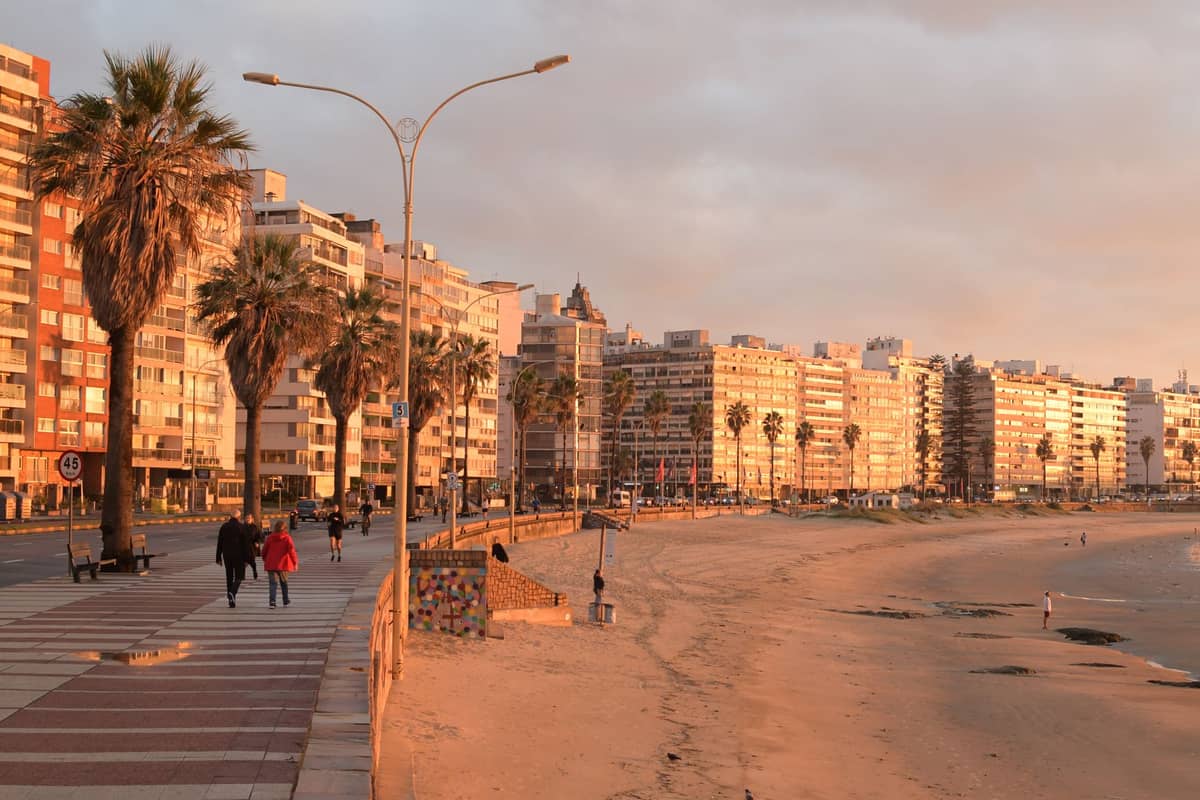
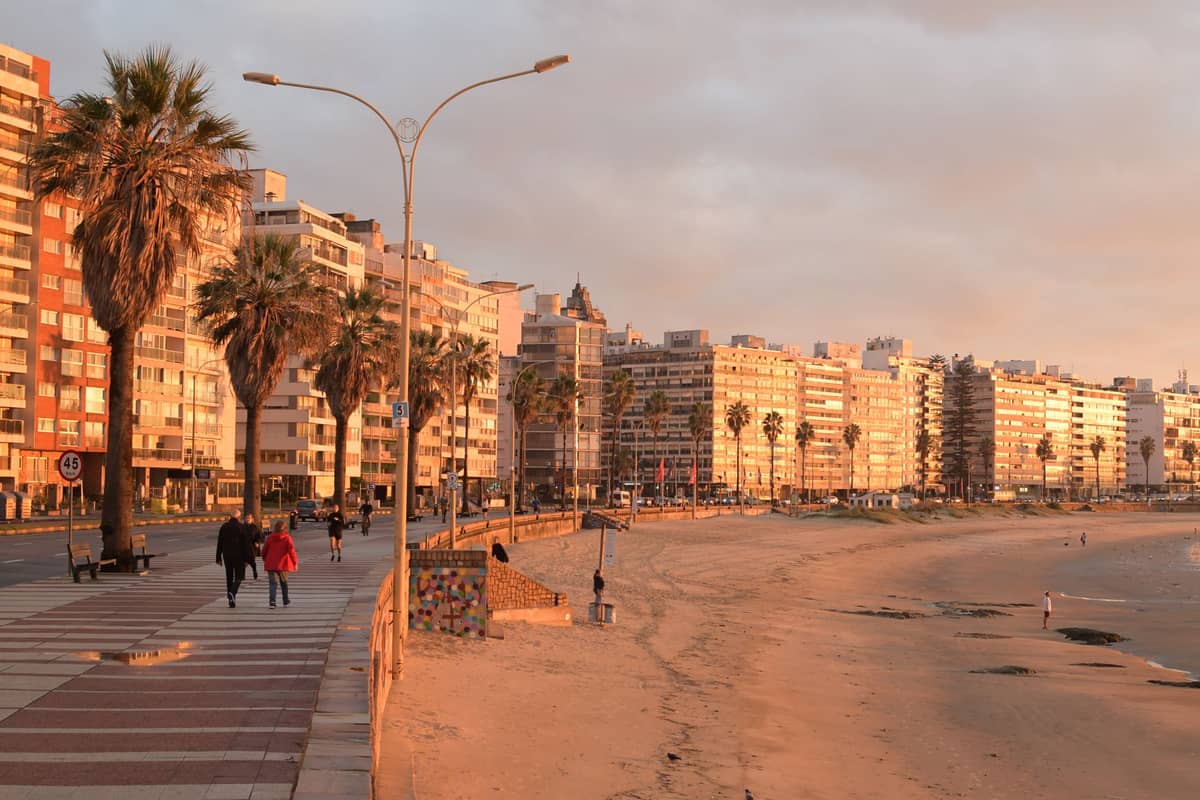
The Rambla de Montevideo is a 22 km coastal promenade that runs along the entire southern edge of the city. For families, it's an underrated asset: flat, car-free on the beach side, and lined with benches, open grass areas, and access to multiple beaches. Cycling the Rambla is one of the most popular family activities — bike rentals are available in Pocitos and near Parque Rodó.
The nearest beaches to the central tourist area are Playa Ramírez and Playa Pocitos. Both have calm water, lifeguards during summer, and easy bus access. Playa Pocitos is particularly family-friendly: it's flanked by the upscale Pocitos neighborhood, so there are plenty of cafés, clean public toilets, and shade trees nearby. For a fuller picture of Montevideo's coastal options, the Montevideo beaches guide covers each beach in detail.
ℹ️ Good to know
Montevideo's beach season runs from December through March. Outside those months, the Rambla is still excellent for walking and cycling, but water temperatures drop considerably. In winter (June–August), daytime highs average around 14–15°C (57–59°F) — pleasant for a walk, but not beach weather.
Museums Worth Visiting with Kids
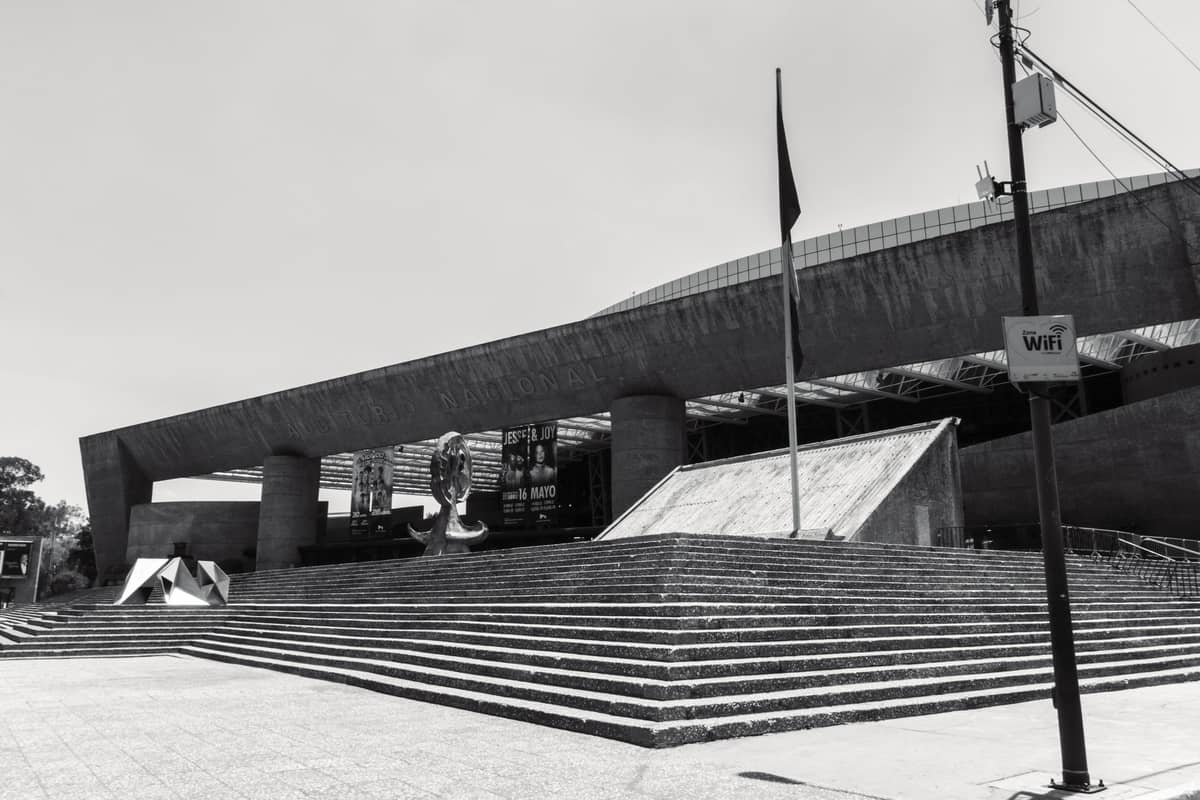
Montevideo has a solid museum scene, and several institutions handle the challenge of engaging younger visitors better than you might expect. The key is matching the museum to the child's age — there's a clear split between what works for under-10s and what suits teenagers.
- Museo del Carnaval Costumes, drums, and video displays covering Montevideo's famous Carnival tradition. Colorful and sensory-heavy — strong choice for ages 5 and up. Located in Ciudad Vieja.
- Museo del Fútbol (Estadio Centenario) Inside the historic Centenario stadium, this museum covers Uruguayan football history with trophies, photos, and match footage. Football-mad kids will love it regardless of age.
- Museo Andes 1972 Dedicated to the 1972 Andes plane crash and the survival story that followed. Genuinely compelling for teenagers and adults, but not appropriate for young children due to the nature of the content. Open Monday–Friday 10:00–17:00, Saturday 10:00–15:00, closed Sundays. Admission is USD 8 per adult — verify current pricing before visiting.
- Museo de Arte Precolombino e Indígena (MAPI) Pre-Columbian artifacts from across South America. Well-curated and accessible. Good for curious kids aged 8 and up who are interested in history.
- Jardín Botánico Montevideo's botanical garden combines open green space with a small natural history museum. Free entry. Good for young children who need room to roam.
A word on the Museo Andes 1972: it is one of Montevideo's most reviewed attractions, and for teenagers with an interest in real survival stories, it delivers. Allow 45–90 minutes. The guided tour format keeps older kids engaged in a way that wandering through a static exhibit often doesn't. Combined ticket-and-lunch packages (museum plus a traditional Uruguayan lunch) are available through booking platforms and can be a practical way to structure that half of the day.
Family-Friendly Neighborhoods and Day Structure
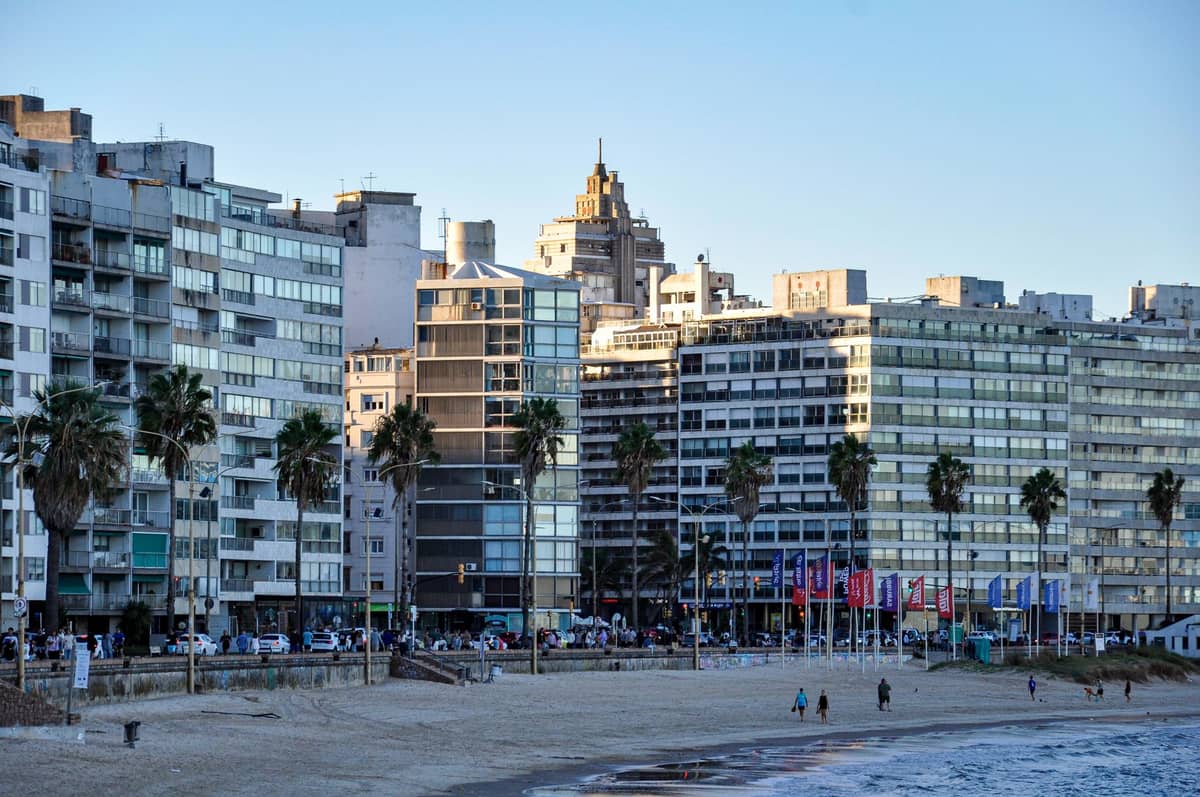
The neighborhoods that work best for families traveling with kids are Pocitos, Parque Rodó, and Carrasco. Pocitos and Parque Rodó sit adjacent to each other along the coast and can be covered in a single day on foot or by bike. Carrasco, further east near the airport, is quieter and more suburban — useful if you're staying near the airport or want calmer beach access.
Ciudad Vieja, Montevideo's historic old town, is worth a half-day with kids who are old enough to walk and engage with architecture and street life. The Plaza Independencia is a good central reference point, with open space for kids to run and benches for parents. The Mercado del Puerto nearby is worth visiting for lunch — a covered market full of parrilla grills and local food, though it's lively and smoky at midday. Younger children may find the noise and heat overwhelming; consider going just before or after peak lunch hour.
A practical day structure for families: morning at the beach or Rambla (cooler air, fewer crowds), lunch in Pocitos or Parque Rodó neighborhood, afternoon nap or downtime at the accommodation, then Parque Rodó in late afternoon when the rides open and the heat drops. This rhythm aligns with how Montevideanos actually use the city on weekends.
✨ Pro tip
The STM bus network covers all family-friendly areas and is very affordable. Download the official Cómo ir transit app before you arrive to check routes and real-time arrival times. Taxis and ride-hailing apps like Uber are available and practical for longer trips or when traveling with a stroller late at night.
Practical Tips for Families Visiting Montevideo
Uruguay is generally considered one of the safer countries in South America for travel. Montevideo follows standard urban precautions — be aware in crowded areas, keep valuables out of sight, and avoid walking with your phone out in quieter streets late at night. For families, the main tourist areas (Rambla, Pocitos, Parque Rodó, Ciudad Vieja) are all considered low-risk during the day.
- Tap water in Montevideo is treated and generally considered potable — check current advisories before your trip, but most visitors drink it without issue.
- Uruguay uses 230V electricity with Type C, Type F and Type L plugs. Bring adapters if your devices use a different standard.
- Spanish is the primary national language and the only language used officially in most day-to-day contexts. In tourist-facing settings, some English is spoken, but basic Spanish phrases help considerably, especially with children's activity staff.
- Strollers are manageable on the Rambla and in parks, but Ciudad Vieja's cobblestone streets are rough. A carrier or compact stroller is more practical for the old town.
- Sunscreen and hats are essential in summer (December–February) — UV levels are high at this latitude and the coastal breeze can mask how intense the sun is.
- Most restaurants welcome children, and high chairs are commonly available in family-oriented areas. The local mealtime rhythm runs later than northern visitors may be used to.
If you're planning a full itinerary for a short trip, the 2 days in Montevideo guide includes a structure that can be adapted for families. If a day trip is on the agenda, Colonia del Sacramento is an excellent choice with kids — a small colonial town about 2.5–3 hours west by bus, with cobblestone streets that work well at a slow family pace.
FAQ
Is Montevideo safe for families with children?
Montevideo is one of South America's safer capitals, and the main tourist and residential areas used by families — Pocitos, Parque Rodó, Carrasco, and the Rambla — are low-risk during daytime. Standard urban awareness applies, particularly in Ciudad Vieja at night. Check updated travel advisories from your country's foreign affairs ministry before traveling.
What is the best time of year to visit Montevideo with kids?
Spring (September–November) and autumn (March–May) offer mild temperatures — roughly 13–22°C (55–72°F) — that suit outdoor activities without the heat and crowds of summer. Summer (December–February) is best for beach visits but temperatures can reach around 28°C (82°F) and humidity rises. Winter (June–August) is mild by global standards but too cold for beach use.
Is the Andes Museum appropriate for children?
The Museo Andes 1972 covers the 1972 Andes plane crash — a real survival story involving extreme hardship. It is well-suited for teenagers and curious older children (roughly 12 and up), but not recommended for young children. The museum is closed on Sundays, so plan visits Monday–Saturday.
Are there good playgrounds and green spaces in Montevideo?
Yes. Parque Rodó has playground equipment and large open areas. Parque Batlle, Parque Prado, and the Jardín Botánico are other large green spaces with room for children to run. The Rambla also has grassy strips and benches along much of its length, useful for breaks during walks or cycling.
How do you get around Montevideo with kids?
The STM bus network is affordable and covers all key family destinations. Uber and local taxi services are practical for trips with young children or bulky gear. For coastal areas, cycling the Rambla is a popular option — bike rentals are available near Pocitos and Parque Rodó. Ciudad Vieja is walkable from the central neighborhoods.
Tickets & tours
Live prices and dates from our booking partner. If you book, we may earn a commission at no extra cost to you.
Planning a trip? Discover personalized activities with the Nomado app.