Getting Around Montevideo: The Complete Transport Guide
Montevideo runs on buses. No metro, no tram, no underground — just an extensive STM network covering the whole city, plus taxis, Uber, and a reliable airport bus from Carrasco. This guide breaks down every option with current fares, route logic, and straightforward advice on what actually works.
Tickets & tours
Live prices and dates from our booking partner. If you book, we may earn a commission at no extra cost to you.
TL;DR
- Montevideo has no metro or tram — public transport is entirely bus-based, operated under the STM (Sistema de Transporte Metropolitano) network.
- Get an STM card: electronic fares are around 50–52 UYU versus 61–64 UYU in cash for the same 1-hour ticket. It pays for itself on day one.
- From Carrasco Airport (MVD) to the city centre: public buses cost around 68 UYU and take 45–60 minutes via Tres Cruces; taxis and remises are faster but significantly more expensive.
- Uber and local ride-hailing apps operate in Montevideo and work well for short hops — especially useful for reaching Ciudad Vieja late at night when bus frequency drops.
- The Rambla coastal road connects most beach neighborhoods. Walking sections of it is genuinely practical, not just scenic.
The STM Bus Network: How It Works
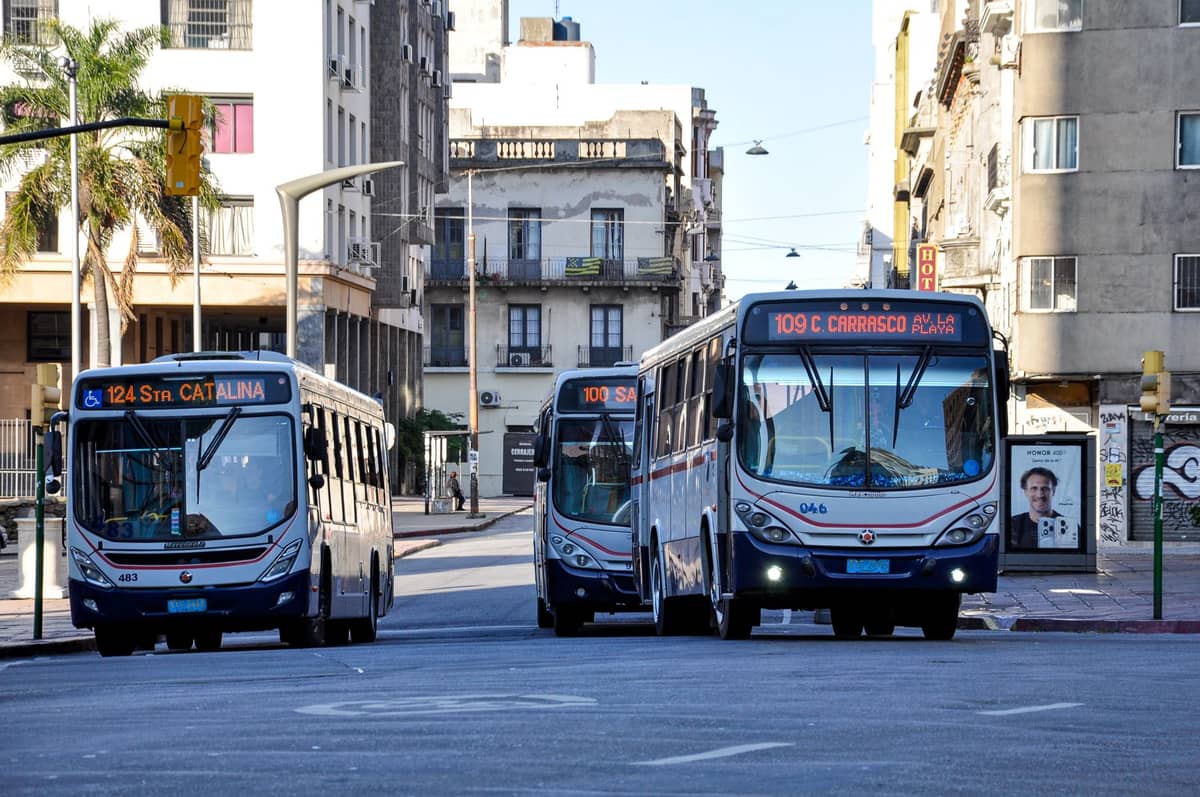
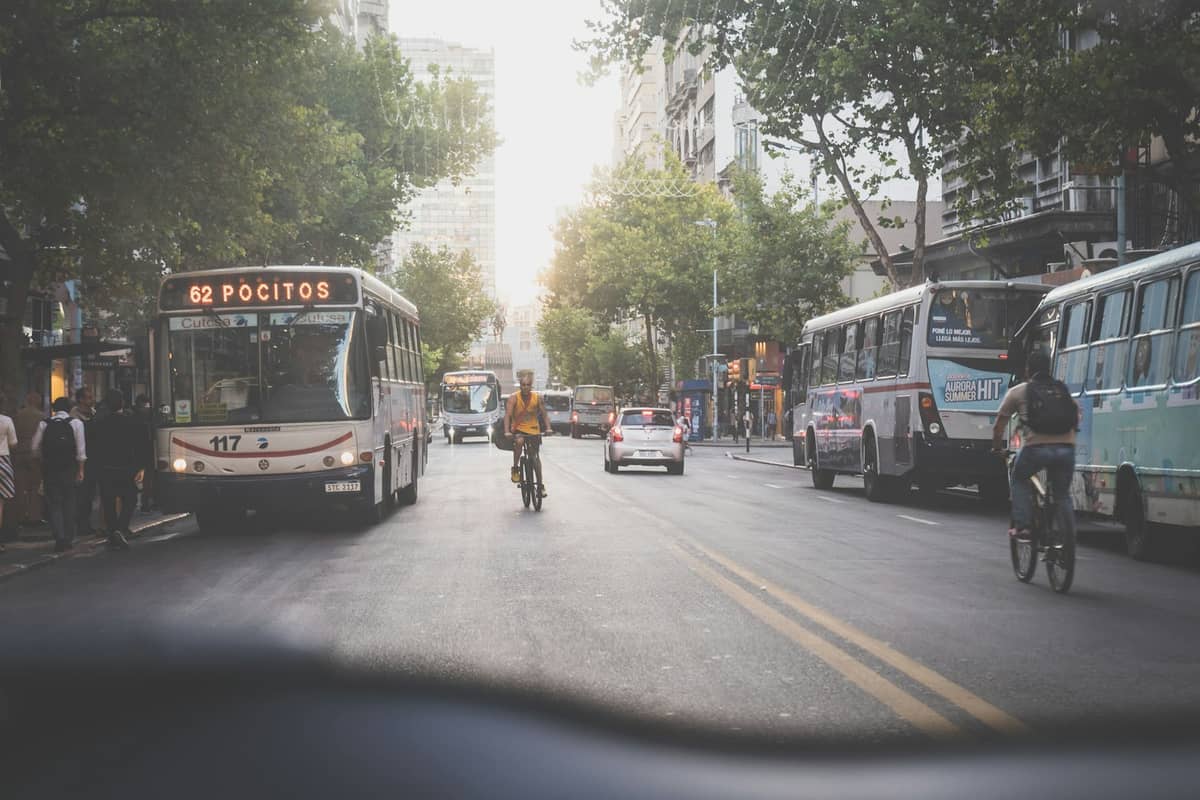
Getting around Montevideo on public transport means getting comfortable with buses. The city has no metro, no light rail, and no tram — the Sistema de Transporte Metropolitano (STM) is the entire urban public transport system, covering central neighborhoods, coastal strips, and outer suburbs through a dense network of routes operated by multiple private companies under municipal regulation.
The STM card is a rechargeable smart card used to pay electronic fares. Buying one at any STM point (look for kiosks near major terminals and central stops) gives you access to cheaper fares immediately. As of early 2026, the standard 1-hour STM electronic ticket is $52 UYU, while paying cash for the same ride runs $64 UYU. On a multi-day trip, that gap adds up fast. The 2-hour ticket ($78 UYU with card) is particularly useful if your route involves a connection.
- 1-hour ticket (STM card) ~50–52 UYU. Covers a single continuous journey up to 60 minutes, including transfers within the same operator.
- 2-hour ticket (STM card) ~75 UYU. Better value for cross-city trips that need a connection.
- Zonal ticket ~25 UYU. Short urban segments only.
- Céntrico ticket ~36 UYU. For trips within the city centre corridor.
- Differential / D-lines ~75 UYU. Express or differentiated service routes.
- Metropolitan combination ~78 UYU. Covers connections across the wider metropolitan area.
⚠️ What to skip
A common mistake: assuming cash is the default or most convenient option. It isn't. Cash fares are consistently higher than STM card fares on every ticket type. If you plan to use buses more than twice, get the card on your first day. Fares are periodically adjusted — check the Intendencia de Montevideo's official transport fare page before your trip for current rates.
Route planning is straightforward using Google Maps, which has solid STM coverage, or the Intendencia de Montevideo's own transport portal. Key hubs include Tres Cruces (the main intercity bus terminal and an urban bus interchange near Centro) and the stretch along 18 de Julio avenue, which functions as the backbone of central bus routes.
Getting from Carrasco Airport to the City
Carrasco International Airport (IATA: MVD) sits about 18–20 km east of central Montevideo, in Ciudad de la Costa in the Canelones Department — just past the upscale Carrasco neighborhood. Three main options exist for the transfer: public bus, taxi or remise, and ride-hailing.
- Public bus (cheapest) Operators including Cutcsa, Copsa, and COT run services between the airport, Tres Cruces terminal, and central Montevideo. A one-way ticket from the driver costs around 68 UYU. Journey time is roughly 45 minutes to Tres Cruces and up to 1 hour to the city centre, depending on traffic. Buses stop on the road outside the terminal — follow signs to the bus stop, not into the taxi queue.
- Taxi or remise (fastest, most expensive) Official airport taxis operate on metered or fixed tariffs. Remise services (private cars) can be booked at airport desks or via phone. Fares to central Montevideo are significantly higher than the bus — verify current rates at the airport or with your accommodation before arriving, as tariffs change.
- Ride-hailing (Uber, etc.) Uber operates in Montevideo and can be used from the airport. Price and wait times vary. Check app availability before assuming service — regulations and market presence can shift.
💡 Local tip
If arriving late at night with luggage, the taxi or remise is worth the extra cost for security and simplicity. If arriving during daytime with just a backpack, the public bus to Tres Cruces is perfectly practical and will connect you to the rest of the STM network immediately.
Taxis, Remises, and Ride-Hailing
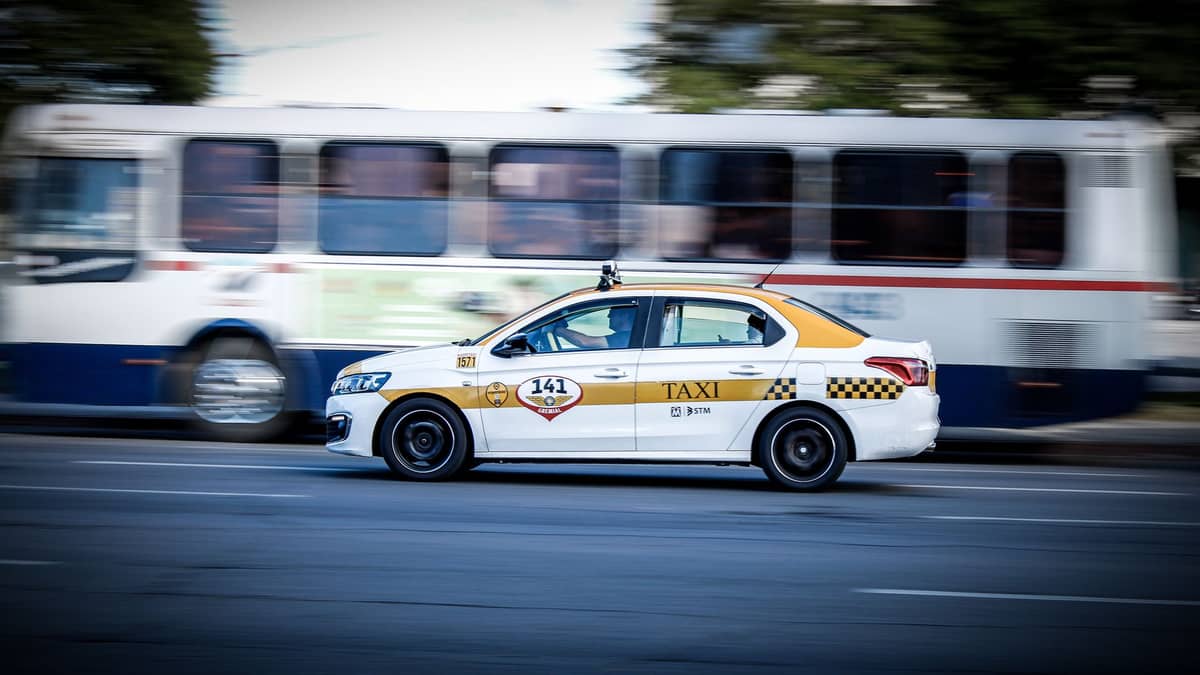
Taxis in Montevideo are metered and regulated. They are plentiful in the city centre, around Tres Cruces, and in coastal neighborhoods like Pocitos and Punta Carretas. For short distances — say, within Ciudad Vieja or from Centro to Parque Rodó — a taxi is a reasonable option, particularly if you are not near a direct bus route.
Remises are private car services, typically booked in advance rather than hailed on the street. They are common for airport transfers and longer trips. Uber is the main ride-hailing platform operating in Montevideo and generally works well across the city's main neighborhoods, from Pocitos to Carrasco. The app interface is the same as anywhere else, and drivers are generally reliable. For riders coming from countries where Uber is familiar, it removes the language barrier concern that can come with hailing street taxis.
✨ Pro tip
At night in Ciudad Vieja, street taxis can be scarce. Use the Uber app or ask a restaurant or bar to call you a remise. Do not walk long distances through poorly lit side streets alone after midnight — not because the city is inherently dangerous, but because it is common-sense practice in any capital city.
Walking and the Rambla: The Underrated Option
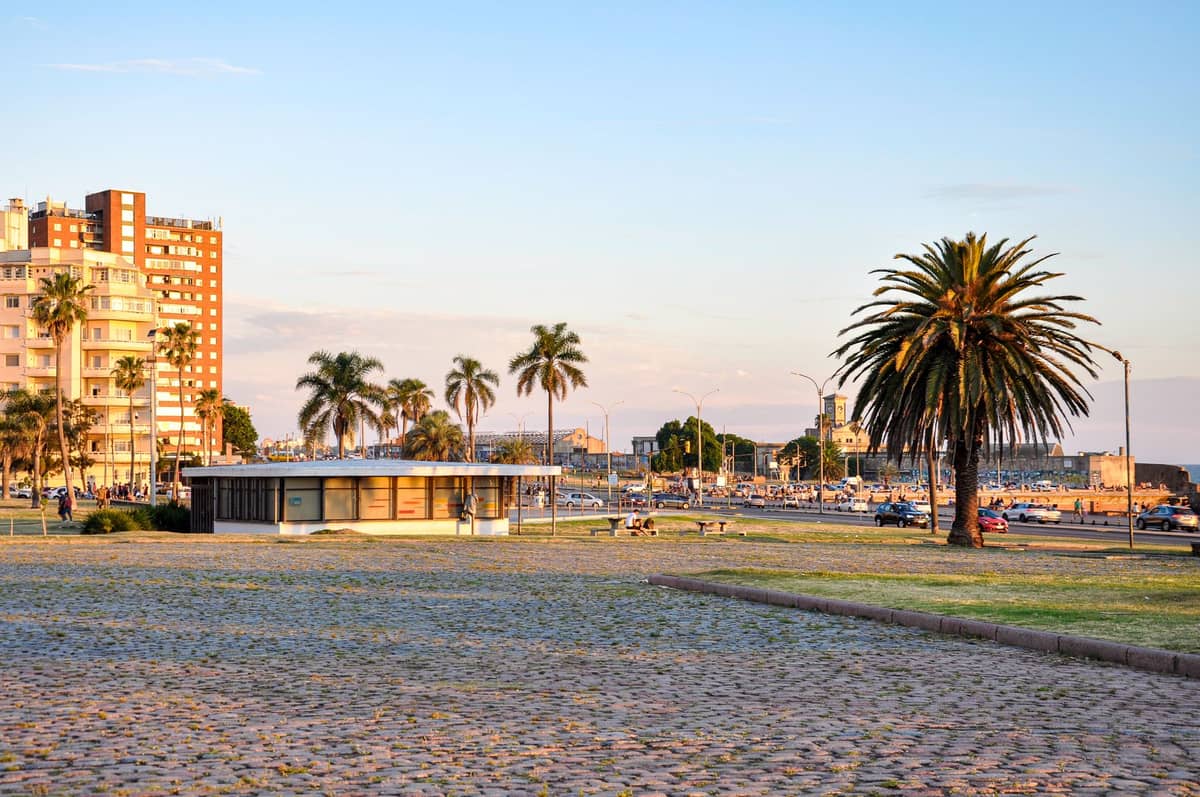
Montevideo is more walkable than many visitors expect, particularly along its southern coastal strip. The Rambla de Montevideo stretches roughly 22 km along the waterfront from Ciudad Vieja east to Carrasco. It is a continuous pedestrian and cycling promenade used daily by locals for running, cycling, dog walking, and mate-drinking at benches overlooking the Río de la Plata.
For visitors staying in Pocitos, Punta Carretas, or coastal neighborhoods, walking the Rambla to connect between neighborhoods is entirely practical in good weather. The stretch from Parque Rodó to Pocitos beach is around 2 km and takes 20–25 minutes on foot. From Pocitos to Punta Carretas is another 1.5 km. These are not tourist distances — locals do this daily.
Within Ciudad Vieja, walking is genuinely the best transport option. The old town is compact and its main attractions — Plaza Matriz, Plaza Independencia, the Mercado del Puerto — sit within a few minutes of each other. Buses are useful to reach Ciudad Vieja from other neighborhoods, but once you are there, leave the bus behind.
Moving Between Neighborhoods: Practical Route Logic
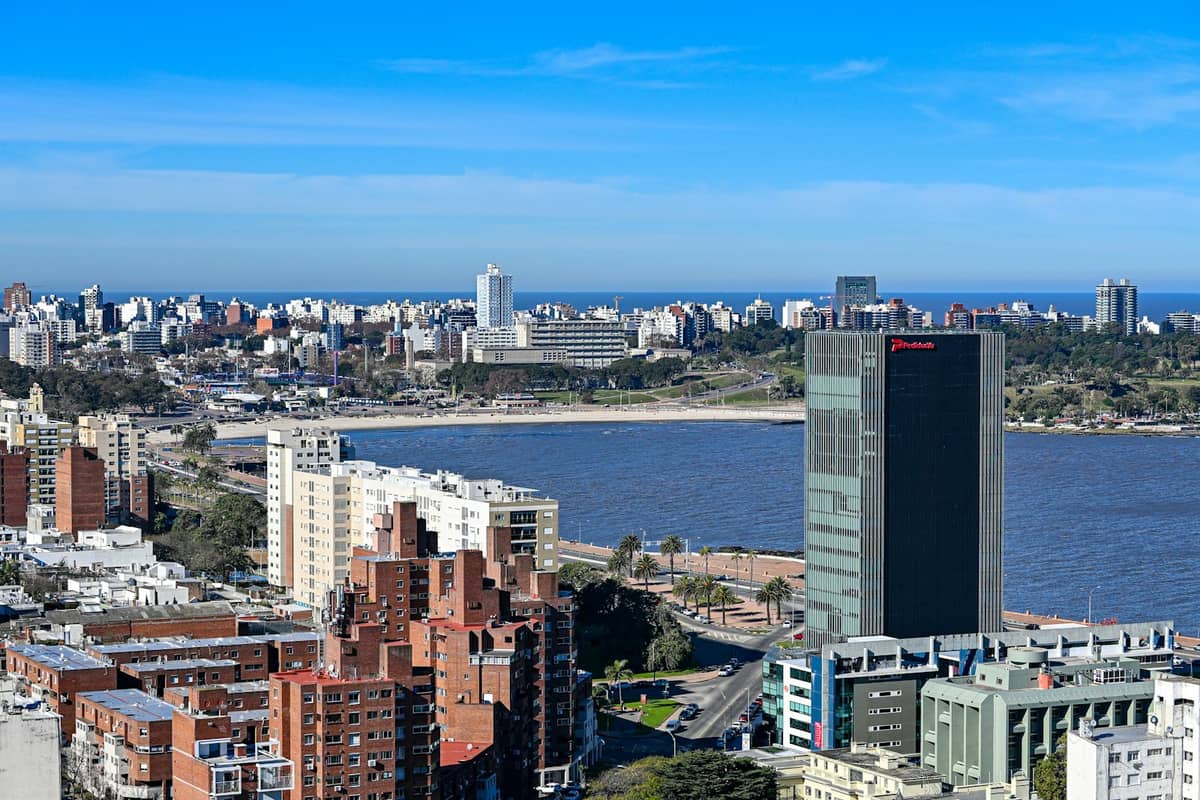
Montevideo's neighborhoods form a rough east-west chain along the coast, with the city centre and old town at the western end and Carrasco near the airport at the eastern end. Most bus routes run along the main inland avenues (18 de Julio, Avenida Italia) or the coastal Rambla. Understanding this basic axis will help you plan routes without stress.
For trips from the city centre to the beach neighborhoods, 18 de Julio connects Centro to Tres Cruces and then east toward Pocitos and beyond. The coastal buses along the Rambla are slower but more scenic and stop directly at Playa Pocitos and Playa Ramírez. For Punta Carretas and further east, express lines along Avenida Italia are faster.
ℹ️ Good to know
Bus service is generally reliable during daytime hours (roughly 6am–10pm) with frequent departures on major routes. Late-night frequency drops significantly after 10pm, and some routes reduce to hourly or less on weekends. If you are heading to or from a late dinner or show, factor in taxi or ride-hailing time rather than counting on a bus.
Intercity travel — to places like Colonia del Sacramento or Punta del Este — leaves from Tres Cruces bus terminal, which is also a shopping centre and urban bus hub. If you are planning a day trip to Colonia del Sacramento or a trip to Punta del Este, Tres Cruces is your departure point. Buses to both destinations run frequently and are comfortable — far more practical than renting a car for those routes.
Practical Tips for First-Time Visitors
- Get the STM card on day one: buy it at a kiosk near any major bus stop or at Tres Cruces terminal. There is a small card fee, but you will recover it in savings within a day or two of bus use.
- Download Google Maps before arrival: it covers STM routes with real departure times and is the most practical planning tool for the bus network.
- On public holidays, verify bus schedules in advance via the Intendencia de Montevideo website or direct operator pages — services can run on reduced frequency or special timetables.
- Airport bus stops are outside the terminal building on the road. Do not queue for taxis if you want the bus — follow signs or ask airport staff for the parada (bus stop).
- Uber is easiest when your address is confirmed in the app. For hailing street taxis, basic Spanish helps: stating your destination clearly avoids confusion and disagreements at journey end.
- For safety and budget context while navigating the city, the Montevideo safety guide and on-a-budget guide are worth reading before you arrive.
If you are staying longer in the city, the Montevideo digital nomad guide covers monthly transit passes and commuting patterns in more depth. For short stays, the STM card and a working Uber account cover practically everything you will need.
FAQ
Does Montevideo have a metro or subway system?
No. Montevideo has no metro, underground, or tram network. All urban public transport runs on buses under the STM (Sistema de Transporte Metropolitano) system. This is a common misconception — the city is bus-only for public transit.
How much does a bus cost in Montevideo?
With an STM card, a standard 1-hour ticket costs $52 UYU. Paying cash costs $64 UYU for the same ticket. A 2-hour ticket with the card is $78 UYU. Fares are adjusted periodically — check the Intendencia de Montevideo's official transport page for current rates before your trip.
How do I get from Carrasco Airport to Montevideo city centre?
The cheapest option is the public bus (operated by Cutcsa, Copsa, or COT), which costs around 68 UYU and takes 45–60 minutes, stopping first at Tres Cruces terminal before reaching the city centre. Taxis and remises are faster but considerably more expensive. Uber also operates from the airport. The bus stop is on the road outside the terminal building.
Is Uber available in Montevideo?
Yes, Uber operates in Montevideo and is widely used across the main neighborhoods. It is particularly useful for late-night trips when bus frequency is low, and removes the language barrier that can sometimes complicate street taxi rides. Always verify app availability before your trip, as market conditions and regulations can change.
What is the best way to get around Montevideo as a tourist?
For most tourists, a combination of STM buses and walking covers the majority of sightseeing needs. Get the STM card for buses, walk the Rambla between coastal neighborhoods, and use Uber or taxis for late nights or awkward routes. Ciudad Vieja and Centro are best explored entirely on foot. The bus network handles trips to beach neighborhoods, Tres Cruces, and most attractions without difficulty.
Tickets & tours
Live prices and dates from our booking partner. If you book, we may earn a commission at no extra cost to you.
Planning a trip? Discover personalized activities with the Nomado app.