Montevideo for Digital Nomads: The Complete Guide to Working Remotely in Uruguay's Capital
Montevideo is one of South America's most livable capitals, with reliable infrastructure, a stable political climate, and a quality of life that few cities in the region can match. This guide covers everything remote workers need: Uruguay's digital nomad permit, the best neighborhoods to base yourself, coworking options, cost of living, and the practical details that most guides skip.
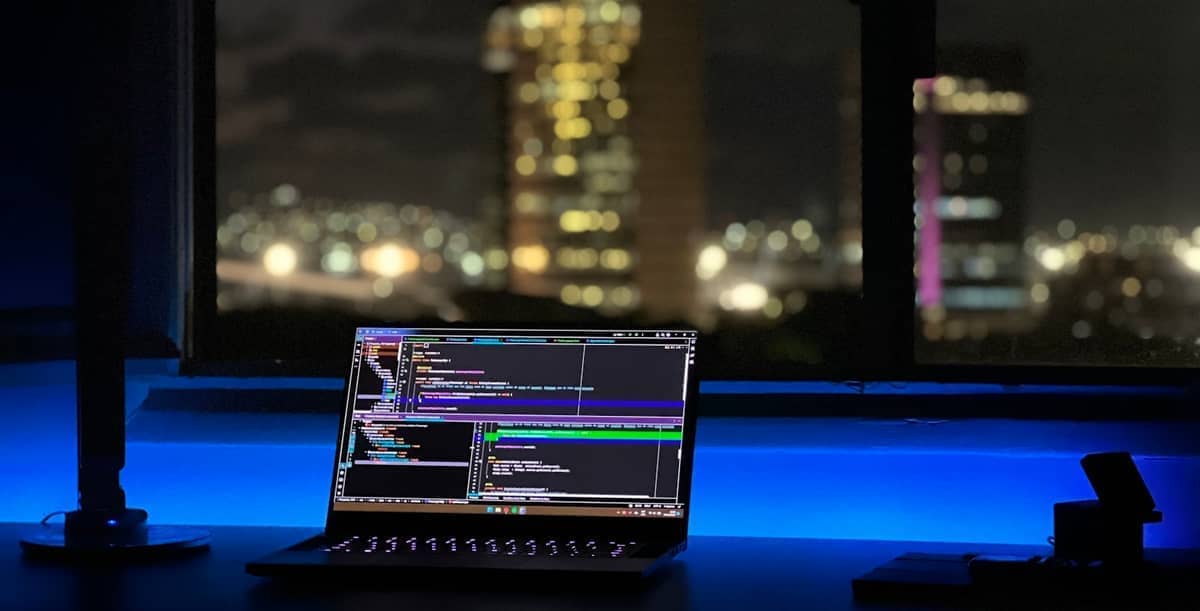
Tickets & tours
Live prices and dates from our booking partner. If you book, we may earn a commission at no extra cost to you.
TL;DR
- Uruguay has an official Digital Nomad Permit (not a visa) managed through the official liveinuruguay.uy portal — verify current requirements before applying.
- Pocitos and Cordón are the top neighborhoods for remote workers, with cafes, coworking spaces, and easy access to the Rambla de Montevideo.
- Monthly costs for a comfortable remote-work setup run roughly $1,500–2,500 USD including accommodation, food, coworking, and transport.
- Montevideo operates on UTC-3 (Uruguay Standard Time), which aligns well with Eastern US hours and overlaps with European mornings.
- The city is safest in South America by most metrics — read the Montevideo safety guide for neighborhood-level detail.
Uruguay's Digital Nomad Permit: What You Actually Need to Know
Uruguay does not have a digital nomad visa in the classic sense. What it has is a Digital Nomad Permit, administered through the Ministry of Interior and promoted via the government's official liveinuruguay.uy portal. The distinction matters: a permit operates differently from a visa category and the application process, eligibility criteria, and conditions can change. If you are planning a long-term remote work stay, verify the current requirements directly on the official government portal rather than relying on third-party guides, which are often outdated.
For shorter stays, most nationalities from Europe, North America, and much of Latin America can enter Uruguay visa-free for 90-day tourist stays. Many remote workers simply renew by briefly crossing to Buenos Aires (a 2-3 hour ferry ride) and re-entering. This is technically not intended as a long-term strategy, and Uruguay's immigration rules should be checked against the Ministry of Foreign Affairs before planning around this approach. The country's relatively liberal stance toward foreign visitors makes it one of the more accessible Latin American destinations for remote workers, but that is not the same as having formal legal authorization to work from within the country.
⚠️ What to skip
Several travel blogs describe Uruguay as having a 'digital nomad visa' — this is imprecise. The official government page frames it as a permit. Before making any visa or immigration decisions, check liveinuruguay.uy and confirm with the Uruguayan Ministry of Interior or a local immigration lawyer. Rules and contact procedures change.
Choosing Your Base: The Best Neighborhoods for Remote Work
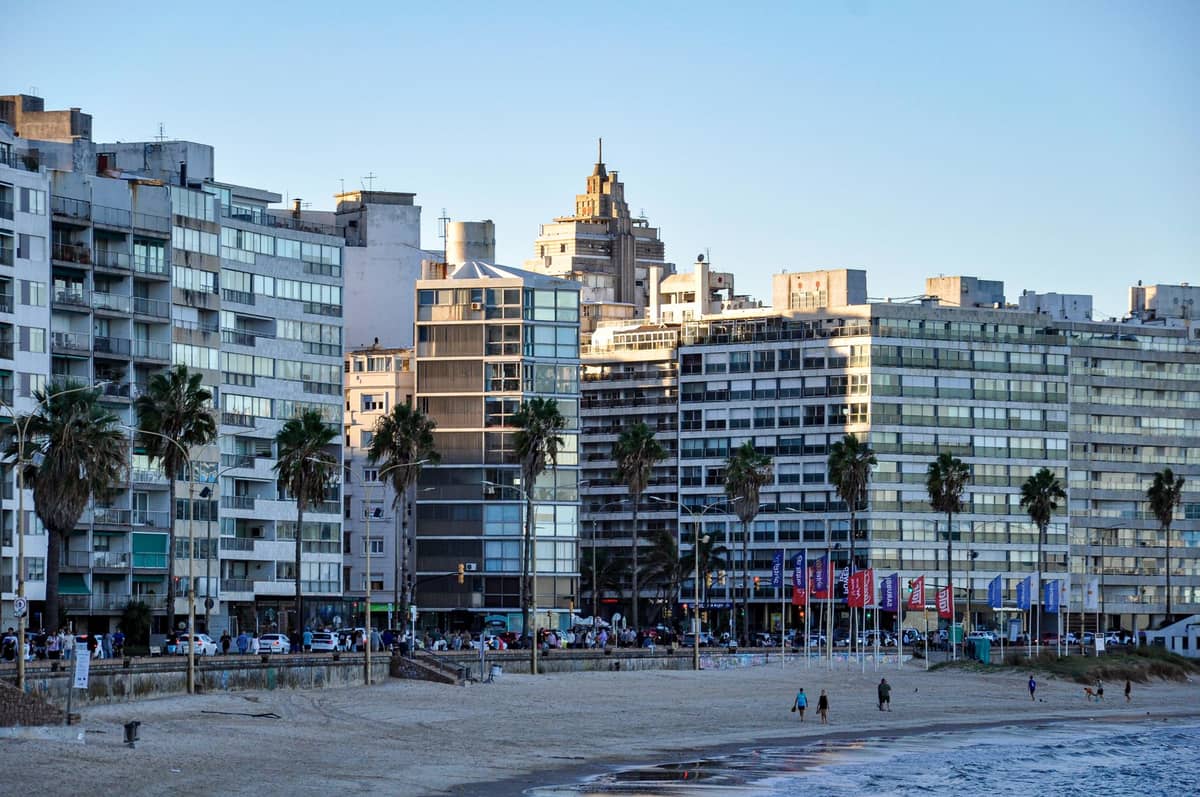
Montevideo is compact enough to move between neighborhoods easily, but where you stay shapes your daily experience significantly. The city has about 530 km² of urban area with a population just over 1.28 million (2023 census), so it has real-city density without the chaos of a megacity. For most remote workers, the sweet spot is the arc from Centro through Cordón to Pocitos along the coast.
- Pocitos The most popular neighborhood for expats and nomads. High-rise apartments with Río de la Plata views, a dense cafe scene, and proximity to the Rambla for morning runs. Slightly more expensive than Centro but still reasonable by Western standards.
- Cordón A centrally located residential neighborhood with a university presence, excellent local restaurants, and good bus connections. Rents are lower than Pocitos and the atmosphere is more locally Uruguayan. Ideal if you want to avoid the expat bubble.
- Ciudad Vieja The historic quarter on the peninsula. Great atmosphere, beautiful architecture, and proximity to the Mercado del Puerto. Quieter on weekends and evenings than you might expect, which suits focused work days but can feel isolated after hours.
- Punta Carretas Upscale, quiet, and green. Close to Pocitos and the Rambla. The area around Punta Carretas Shopping has reliable cafes and restaurants. Higher rent, but a comfortable long-term base.
- Parque Rodó Close to UDELAR (the national university) and the park itself. A mix of students and professionals, with a good bar and cafe scene. Strong value for money on accommodation.
💡 Local tip
For a first stay in Montevideo, book a furnished apartment in Pocitos or Cordón for one month before committing longer. Short-term furnished rentals are readily available through local platforms and Facebook groups. This lets you test the neighborhood before signing anything.
Coworking Spaces and Cafes: Where to Actually Get Work Done
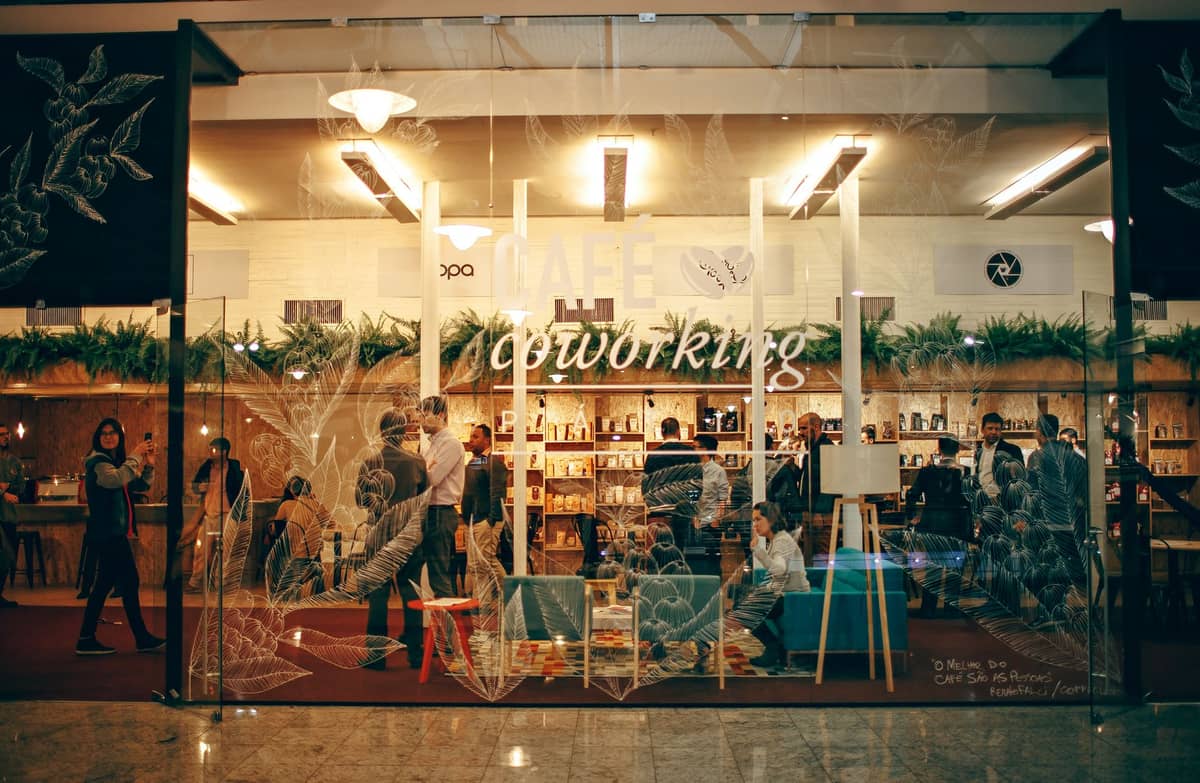
Montevideo's coworking market has grown substantially in recent years, concentrated mostly in Centro, Cordón, and Pocitos. Dedicated coworking spaces typically charge between $150 and $350 USD per month for a hot-desk membership, with day passes available in the $10-20 range. Most offer reliable fiber internet, private meeting rooms, printing facilities, and some form of community programming. Always ask for the specific internet speed before committing — speeds vary considerably between spaces.
If coworking spaces are not your style, Montevideo has a solid cafe culture. Many cafes in Pocitos and Cordón have strong WiFi and tolerate laptop workers for hours without pressure to order constantly. The local coffee culture revolves around cortados and media lunas (croissant-style pastries), and a work session with coffee and pastry rarely costs more than 150-200 UYU. The practical limit is power outlets: many older cafe buildings have limited sockets, so a fully charged laptop and a portable battery matter more here than in a purpose-built coworking space.
✨ Pro tip
Uruguay's electrical system runs on 220V at 50Hz with Type C and Type F plugs. North American devices (designed for 110V) need a voltage converter, not just an adapter. Most modern laptops and phone chargers handle dual voltage automatically — check the label on your brick before plugging in.
Cost of Living for Remote Workers: A Realistic Breakdown
Montevideo is not cheap by South American standards. It is significantly more expensive than Buenos Aires at current exchange rates, more expensive than most of Colombia, and broadly comparable to parts of Portugal or Eastern Europe. That said, for the quality of infrastructure, political stability, and livability on offer, most remote workers consider it good value. The following figures are estimates in USD and should be verified against current exchange rates for the Uruguayan peso (UYU), which fluctuates.
- Accommodation A furnished one-bedroom apartment in Pocitos or Cordón typically runs $600-950 USD/month for a quality short-term rental. Long-term unfurnished leases are cheaper but require local references and a Uruguayan guarantor (fiador), which can be difficult for new arrivals.
- Food and groceries Cooking at home is affordable. Dining out at local restaurants (parrillas, tenedor libre) costs around $10-20 USD per meal. Quality restaurants in Pocitos or Punta Carretas can run $25-40 per person with wine.
- Coworking Hot-desk memberships: $150-350 USD/month. Day passes: $10-20 USD.
- Transport Urban bus fares are very low (verify current tariff with STM Montevideo). Uber operates in the city and is affordable by Western standards. Most central neighborhoods are walkable or bikeable.
- SIM card and internet Local SIM cards from Antel, Claro, or Movistar are inexpensive and data plans are reasonable. Home fiber internet in an apartment is reliable and typically included in furnished rental costs.
A realistic total monthly budget for a comfortable remote-work lifestyle in Montevideo sits around $1,500-2,500 USD. Budget-conscious nomads can get by on less by choosing Cordón over Pocitos, cooking most meals, and using public transport. For more detail on stretching your budget, the Montevideo on a budget guide covers practical strategies.
Connectivity, Time Zone, and the Practical Work Setup
Uruguay has invested heavily in national connectivity infrastructure, and Montevideo specifically has some of the best internet penetration and reliability in Latin America. Fiber connections in modern apartment buildings are standard, and 4G coverage across the city is solid. Power outages are infrequent in central neighborhoods. For most remote workers, connectivity concerns that dominate discussions about other South American cities are largely a non-issue here.
Montevideo operates on UTC-3 (Uruguay Standard Time, UYT) year-round. Uruguay does not observe daylight saving time. For US-based remote workers, that means Montevideo runs 2 hours ahead of Eastern Standard Time in winter and 1 hour ahead of Eastern Daylight Time in summer. European workers on Central European Time (UTC+1) face a 4-hour gap in winter. The time zone generally suits North American clients well and allows for productive morning work before synchronous calls with US teams in the afternoon.
ℹ️ Good to know
Montevideo does not change its clocks for daylight saving. This means the UTC offset relative to Europe and North America shifts slightly depending on whether those regions are in summer or winter time. Build this into your client communication and calendar scheduling.
Quality of Life: Why Nomads Stay Longer Than They Planned
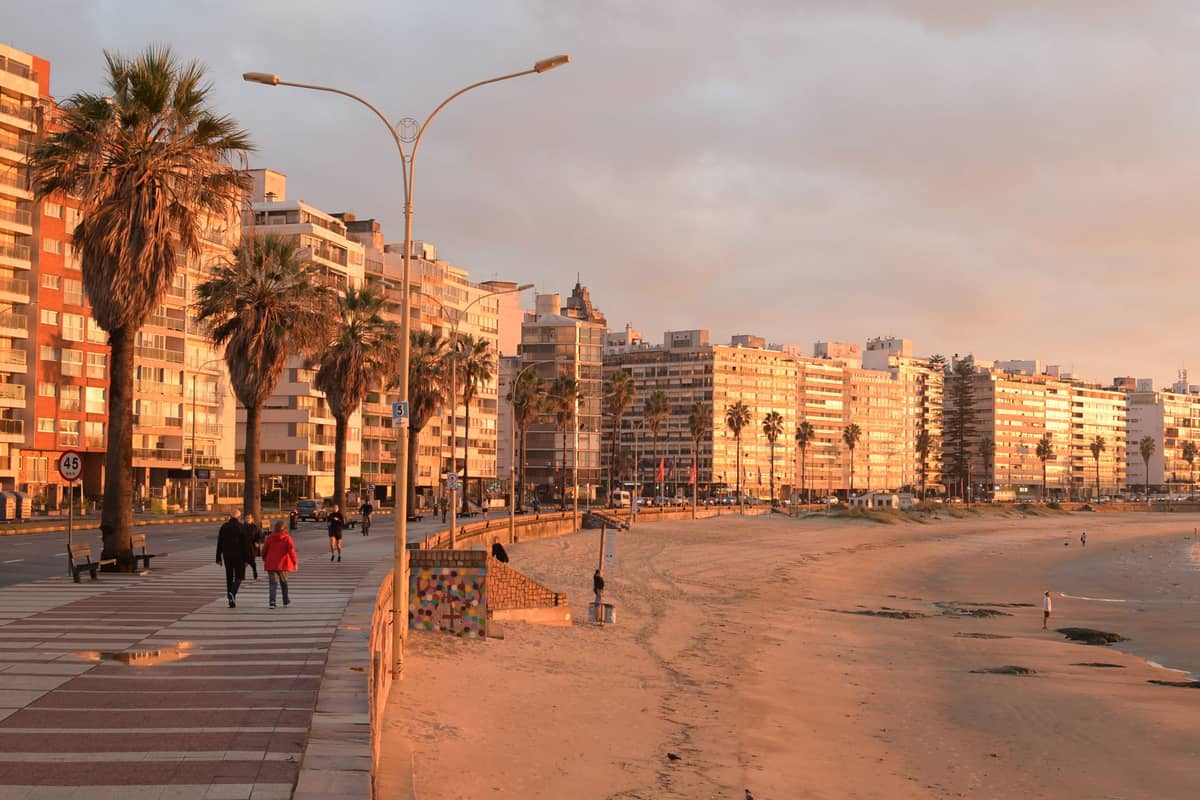
The honest pitch for Montevideo is not that it is the cheapest or the most exciting. It is that it works. The city of roughly 1.29 million people is walkable, low-stress, and remarkably easy to navigate after the first week. The stretches for 22 kilometers along the coast, providing a daily decompression route that many long-term nomads cite as a defining feature of the city. The Rambla de Montevideo stretches for 22 kilometers along the coast, providing a daily decompression route that many long-term nomads cite as a defining feature of the city. Whether you are running, cycling, or walking with a mate gourd, the Rambla becomes a genuine rhythm of daily life.
The food scene rewards curiosity. A traditional Uruguayan asado is not just a meal but a social institution, and learning to navigate the city's parrilla culture is worthwhile. The Montevideo food guide covers the essentials. The Mercado del Puerto in Ciudad Vieja is the obvious introduction, though it skews touristy on weekends. Neighborhood parrillas in Cordón or Pocitos give a better everyday picture.
Montevideo has a humid subtropical climate (Köppen Cfa) with mild winters and warm summers. The city sits at roughly 34.9°S latitude, which means summer runs December through February with daytime highs around 26-28°C (78-82°F). Winter (June-August) is cool rather than cold, with daytime temperatures averaging 14-15°C (57-59°F). Rain is distributed fairly evenly year-round at Montevideo has a humid subtropical climate (Köppen Cfa) with mild winters and warm summers. The city sits at roughly 34.9°S latitude, which means summer runs December through February with daytime highs around 26-28°C (78-82°F). Winter (June-August) is cool rather than cold, with daytime temperatures averaging 14-15°C (57-59°F). Rain is distributed fairly evenly year-round at around 950-974mm annually, so there is no truly dry season to plan around. For remote workers, the most productive seasons tend to be autumn (March-May) and spring (September-November), when temperatures are mild and the city feels less pressured by summer tourism. For more detail, the guide breaks this down season by season., so there is no truly dry season to plan around. For remote workers, the most productive seasons tend to be autumn (March-May) and spring (September-November), when temperatures are mild and the city feels less pressured by summer tourism. For more detail, the best time to visit Montevideo guide breaks this down season by season.
Beyond daily logistics, Montevideo has a genuine cultural scene: live music in Barrio Sur and Palermo, Carnival in February (one of the longest in the world), excellent contemporary art at the Museo Torres García, and a weekend flea market scene worth exploring. The city rewards people who engage with it, not just pass through.
- Rambla walks and beach access in Pocitos and Ramírez are free and available year-round
- Montevideo's parks (Parque Rodó, Parque Prado) offer quiet green space ideal for between-meeting decompression
- Day trips to Colonia del Sacramento take about 2.5–3 hours by bus and are a practical weekend reset
- The local mate culture is genuinely social — accepting a shared mate gourd from a local is one of the fastest ways into the city's social fabric
- Uruguay's cannabis and lifestyle policies are among the most liberal in South America, which is relevant context for nomads from restrictive home countries
For a structured first look at the city, the 2-day Montevideo itinerary is a practical starting point. If you have more time, the full Montevideo activity guide covers the city's major draws in detail.
FAQ
Does Uruguay have a digital nomad visa?
Uruguay has a Digital Nomad Permit rather than a traditional digital nomad visa. It is administered by the Ministry of Interior and applications are handled through the official liveinuruguay.uy portal. The specific requirements, income thresholds, and application process should be verified directly on that government portal before applying, as conditions change. Many remote workers also enter on standard tourist entries (visa-free for many nationalities) for shorter stays.
Is Montevideo good for digital nomads?
Yes, for the right type of remote worker. Montevideo offers excellent connectivity, political stability, personal safety relative to most of Latin America, and a high quality of life. It is not the cheapest destination in South America, but it offers reliability and livability that budget-first destinations often do not. The UTC-3 time zone is particularly well suited to remote workers serving North American clients.
How much does it cost to live in Montevideo as a digital nomad?
A comfortable remote-work lifestyle in Montevideo typically costs $1,500-2,500 USD per month, covering a furnished apartment, food, coworking or cafe costs, transport, and a SIM card. Budget-focused nomads who cook at home and choose neighborhoods like Cordón over Pocitos can reduce this. These figures are estimates in USD and depend on current UYU exchange rates.
What is the internet like in Montevideo?
Reliable by Latin American standards. Modern apartment buildings in Pocitos, Cordón, and Punta Carretas typically have fiber connections. Coworking spaces offer dedicated high-speed lines. 4G mobile coverage across the city is consistent. Antel (state-owned), Claro, and Movistar are the main carriers for SIM cards and mobile data.
What is the best neighborhood to stay in Montevideo as a remote worker?
Pocitos is the most popular choice among expats and long-stay nomads: coastal access, a dense cafe scene, reliable infrastructure, and many furnished apartments. Cordón is the better option if you want a more local feel at lower rent. Ciudad Vieja suits nomads who prioritize character and proximity to the historic center but can feel quiet at night. Most people doing a first stay of one to three months choose Pocitos or Cordón.
Tickets & tours
Live prices and dates from our booking partner. If you book, we may earn a commission at no extra cost to you.
Planning a trip? Discover personalized activities with the Nomado app.