Montevideo Nightlife: Bars, Live Music & the After-Dark Scene
Montevideo's nightlife runs on tango, candombe, and craft beer rather than superclubs. This guide breaks down the best neighborhoods, venues, and what to expect from the city's after-dark culture, with practical prices and timing.
Tickets & tours
Live prices and dates from our booking partner. If you book, we may earn a commission at no extra cost to you.
TL;DR
- Montevideo nightlife is concentrated in Pocitos, Parque Rodó, and Ciudad Vieja, with bars and live music venues dominating over mega-clubs.
- The scene starts late: bars fill up after 22:00, live music rarely begins before 21:00, and clubs don't peak until after midnight.
- Tango, candombe, and murga are the cultural backbone of the nighttime scene, especially during Carnival season (January to March).
- Expect to pay UYU 200–400 for a beer, UYU 400–600 for a cocktail, and UYU 500–1,000 for club entry with a drink included.
- This is not a superclub city. If you want warehouse raves or big-room EDM, you will be disappointed. If you want authentic musical culture, you will not.
How Montevideo Nightlife Actually Works
Visitors who arrive at a Montevideo bar at 9pm and find it half-empty often assume the night is dead. It isn't. Uruguayans eat late, often finishing dinner at 22:00 or later, which pushes social life well past midnight. Bars begin filling properly after 22:00 on weekends, and if there's live music, the first set usually starts around 21:30 or later. Expecting a Buenos Aires-style night schedule is reasonable here, Montevideo follows the same Rioplatense rhythm.
The nightlife geography matters. Pocitos is where most of the active bar scene is concentrated, particularly along Bulevar España and the streets near Playa Pocitos. Ciudad Vieja has historic tango bars and cultural venues. Parque Rodó tends toward a younger, more student-oriented crowd. Centro and the old downtown are quieter after dark and not where you want to wander aimlessly.
⚠️ What to skip
A persistent misconception is that Ciudad Vieja is the nightlife hub. It has important cultural venues but feels quiet by midnight. Most active bar-hopping happens in Pocitos, not the historic center. Plan your evenings accordingly, especially if you're staying near Plaza Independencia.
Neighborhood by Neighborhood: Where to Go
- Pocitos The main bar district for locals. Concentrated around Bulevar España and side streets near the beach. Good for craft beer spots, cocktail bars, and late-night socializing. Prices are slightly higher than elsewhere, with beers running UYU 250–400 and cocktails UYU 500–750. Bars open around 18:00 and stay open until 02:00–03:00 on weekends.
- Ciudad Vieja Home to tango bars, the Mercado del Puerto area, and cultural venues. Best for early evening drinks and live music. Baar Fun Fun is the standout. The neighborhood thins out after midnight, so use this as a starting point rather than a late destination.
- Parque Rodó Student-heavy area with lower prices, smaller bars, and an alternative music scene. Good for those who prefer a more casual, local atmosphere over polished cocktail bars.
- Punta Carretas Upscale residential area with wine bars and quieter dinner spots. Not a nightlife zone per se, but good for a relaxed evening with quality food and drinks.
Key Venues: Live Music, Tango, and Bars
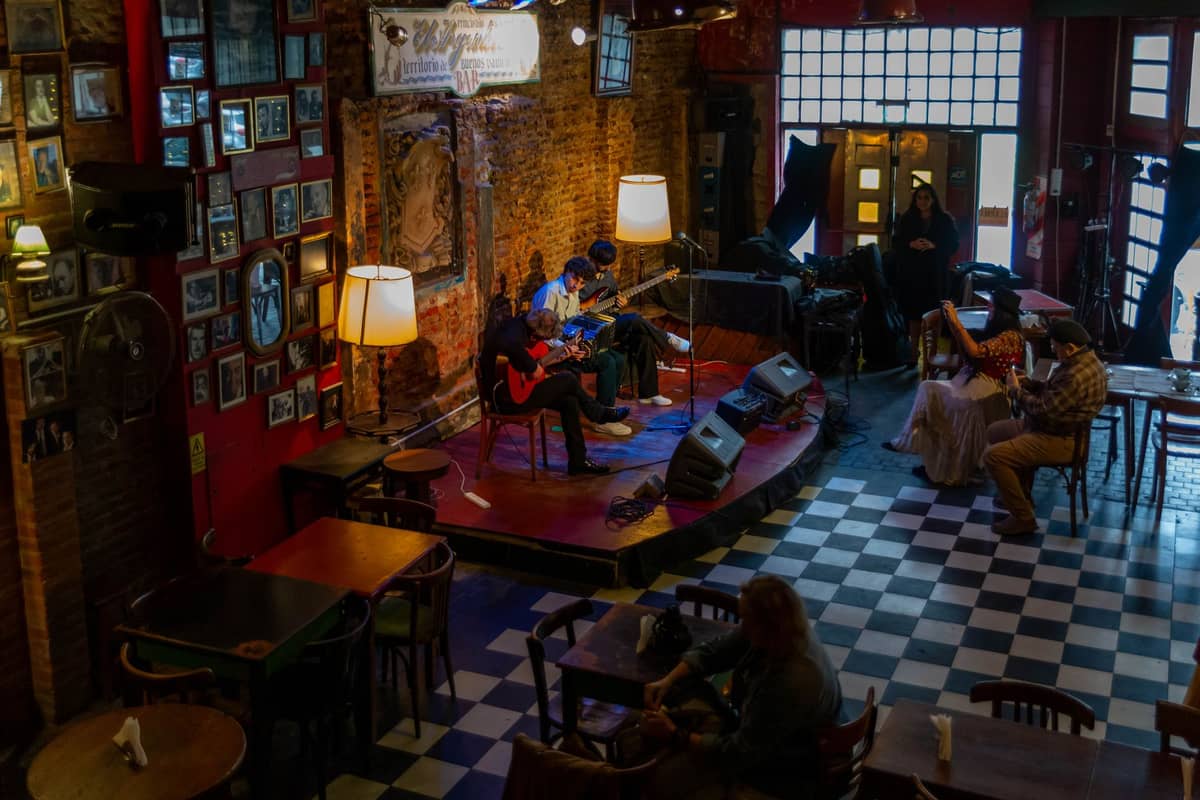
Baar Fun Fun in Ciudad Vieja is the most well-known tango bar in Montevideo. It operates as a cabaret-style venue with live tango performances, wine, and cocktails in a setting that has been running for decades. Bookings are advisable on weekends and during Carnival season. The experience is genuinely rooted in local culture rather than packaged for tourists, which sets it apart from similar venues in Buenos Aires.
For classical concerts, opera, and high-production dance performances, the Auditorio Nacional del Sodre is the city's premier institution. Programming runs year-round with tickets available on the official Sodre website. Prices vary considerably by event, from accessible weeknight performances to higher-cost premieres. It's worth checking the schedule as soon as you know your travel dates.
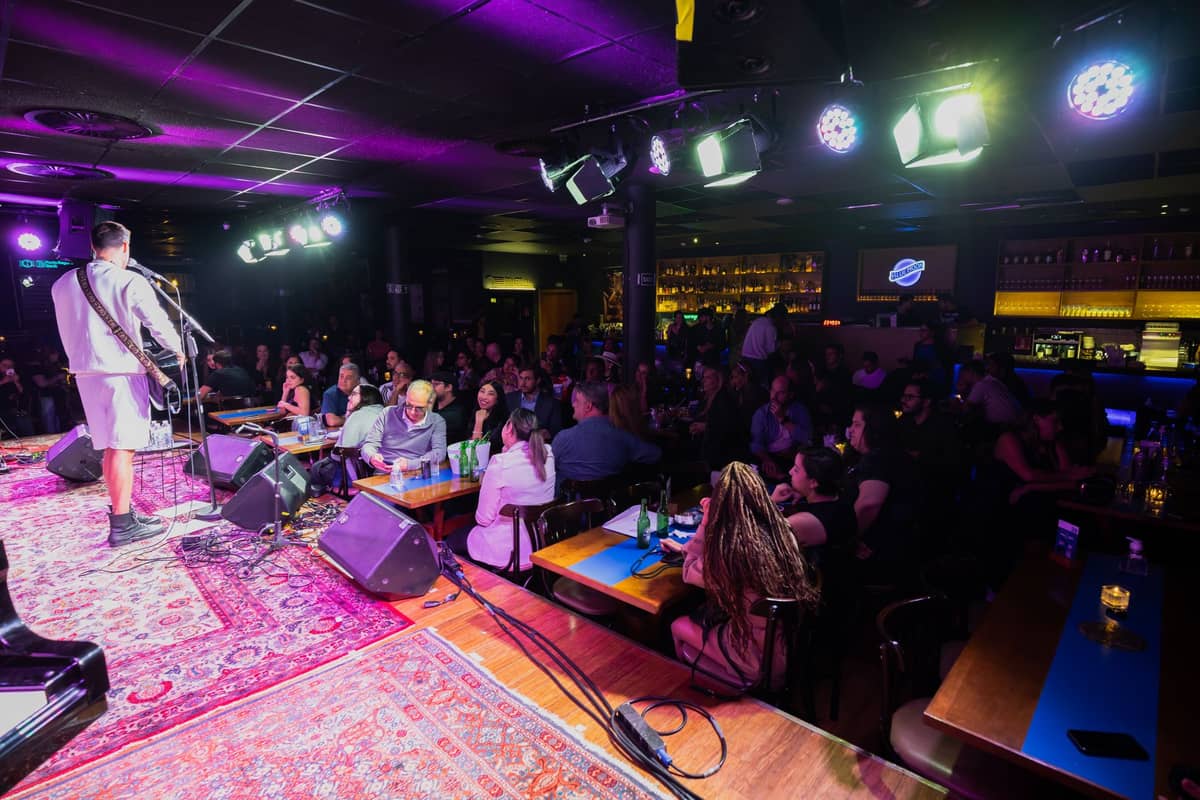
La Trastienda Club and Montevideo Music Box are the main mid-size live music venues hosting national and regional touring acts. Genres range from rock and pop to electronic and jazz depending on the booking calendar. Viberate and local event aggregators list upcoming shows. Phonotheque operates as a more intimate music bar, while Polo Prado tends toward Uruguayan folk and roots music.
For a more straightforward night out, the Montevideo Beer Company (MBC) has multiple locations and offers a solid range of craft beers in a relaxed environment. Roxx Bar and Tazu Rock Bar cater to rock music fans. None of these are flashy, but they're reliable, affordable, and actually used by locals.
✨ Pro tip
Check venue social media pages rather than travel websites for accurate programming. Many Montevideo bars announce live sets a few days in advance on Instagram or Facebook, and schedules change frequently. Official venue websites often lag behind.
Tango, Candombe, and Murga: The Real Nighttime Culture
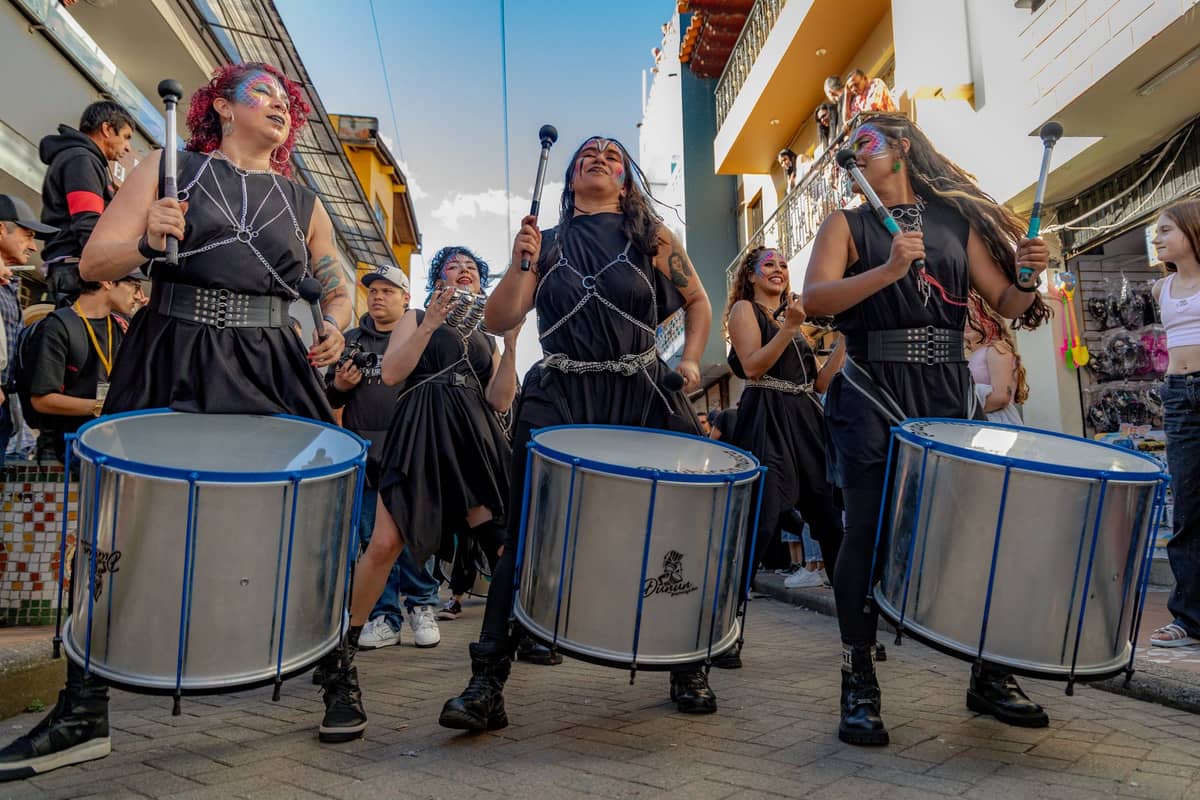
Tango in Montevideo often gets overshadowed by Buenos Aires across the river, but Uruguay has its own distinct tango tradition and its own milongas (social tango dances). The candombe drumming tradition, rooted in Afro-Uruguayan culture, is a living part of the city's nightlife rather than a museum piece. On certain evenings in Barrio Sur and Palermo, you can encounter comparsa groups practicing on the street.
The candombe and murga scenes peak dramatically during Carnival, which runs from late January through early March and is the longest Carnival in the world by official duration. During this period, evening performances called "tablados" take place throughout the city, and street drumming becomes a nightly occurrence in Barrio Sur and Palermo. This is the single best time to experience Montevideo's nighttime culture if you have any flexibility with travel dates.
ℹ️ Good to know
Murga is a uniquely Uruguayan theatrical-musical tradition performed during Carnival. Groups of performers sing satirical songs with elaborate costumes and choreography. Watching a murga rehearsal or tablado performance is a free or low-cost experience that offers more insight into local culture than any bar crawl.
Prices, Budgeting, and What Things Actually Cost
Montevideo is not a cheap night-out destination by regional standards, but it's significantly more affordable than Buenos Aires when you account for exchange rates. All prices below are approximate 2026 figures in Uruguayan pesos (UYU), with rough USD equivalents. Exchange rates fluctuate, so treat the dollar figures as rough guides only.
- Local beer at a bar: UYU 200–350 (roughly US$5–8) across most of the city; UYU 250–400 in Pocitos
- Craft beer or imported beer: UYU 300–500
- Cocktails: UYU 400–600 in most areas; UYU 500–750 in upscale Pocitos bars
- Wine by the glass: UYU 300–500; bottles at bars UYU 600–1,200
- Club entry: UYU 500–1,000, typically including one drink
- Live music venue entry (depending on act): UYU 400–1,500
- Tipping: not mandatory but rounding up or leaving 10% is appreciated in bars and restaurants
For budget travelers, Parque Rodó and the student areas near the Universidad de la República offer lower prices and a more relaxed pace. The Montevideo on a budget guide covers broader money-saving strategies, but for nightlife specifically: pre-drink at a convenience store or supermarket before heading out, as off-premise alcohol is significantly cheaper than bar prices.
Safety, Getting Around, and Practical Logistics
Montevideo is considered relatively safe by South American standards, but the usual precautions apply after dark. Petty theft, particularly pickpocketing and bag-snatching, occurs in Centro and parts of Ciudad Vieja at night. Stick to well-lit main streets, avoid displaying expensive electronics, and use official taxis or ride-hailing apps rather than accepting informal rides. The Montevideo safety guide covers this in more depth.
Getting between neighborhoods at night is straightforward. Uber operates in Montevideo and is generally reliable. Official registered taxis are metered and safe. Public buses run late but require knowing routes in advance. If you're based in Pocitos or Punta Carretas, most of the action is within walking distance. Getting to Ciudad Vieja from Pocitos takes about 15–20 minutes by taxi. For a broader overview of transport options, see the getting around Montevideo guide.
- Summer (December to March): outdoor bars along the Rambla, extended hours, Carnival performances, highest energy overall
- Autumn and spring: comfortable temperatures for bar-hopping between neighborhoods on foot; fewer crowds
- Winter (June to August): the scene moves indoors; live music venues and tango bars are actually good in winter since Uruguayans don't stop going out, they just stay inside
- Carnival period (January to early March): the single best time for nightlife and cultural performances; book accommodation early
If you're planning a broader trip and want to combine Montevideo evenings with day trips, the Colonia del Sacramento day trip and the Punta del Este day trip both leave time to return to Montevideo for the evening. Punta del Este has its own separate club scene during summer, which is worth considering if high-energy nightclubs are what you're looking for.
FAQ
What time do bars and clubs open in Montevideo?
Bars typically open from around 18:00, but don't fill up until 22:00 or later on weekends. Live music usually starts after 21:00. Clubs peak well after midnight. Arriving before 23:00 at a club will often mean you're almost alone.
Is Montevideo safe at night?
Montevideo is relatively safe compared to other South American capitals, but standard precautions apply. Petty theft happens in Centro and Ciudad Vieja after dark. Use official taxis or Uber, stay on main streets, and avoid isolated areas. Pocitos, where most of the bar scene is, is generally safe for nighttime walking.
Where is the best nightlife in Montevideo?
Pocitos has the highest concentration of bars and stays active the latest. Ciudad Vieja is better for early evening tango and cultural venues like Baar Fun Fun. Parque Rodó suits a younger, more casual crowd with lower prices. Punta Carretas is good for quiet wine bars.
Does Montevideo have clubs with electronic music?
There are some clubs that host DJ nights and electronic events, but this is not a major part of the scene. Montevideo is much stronger on live music, tango, and candombe than on big-room club culture. If EDM and superclubs are your priority, Punta del Este during summer or Buenos Aires would be better options.
When is the best time to experience Montevideo nightlife?
Summer (December to March) is the most active period, especially during Carnival when street performances, tablados, and extended bar hours make for the most compelling nighttime experience. That said, Montevideo has year-round nightlife and winter evenings at tango bars and live music venues are genuinely good.
Tickets & tours
Live prices and dates from our booking partner. If you book, we may earn a commission at no extra cost to you.
Planning a trip? Discover personalized activities with the Nomado app.