Barrio Sur & Palermo
Barrio Sur and Palermo are adjacent central neighborhoods that form the cultural core of Afro-Uruguayan heritage in Montevideo. Known for candombe drumming, the Desfile de Llamadas carnival parade, and early-20th-century streetscapes, they sit between the historic old town and the Rambla seafront. This is where Montevideo's deepest cultural roots are most visible — and audible.
Located in Montevideo
Overview
Barrio Sur and Palermo are the twin neighborhoods where Montevideo's Afro-Uruguayan heritage is most alive, most practiced, and most present on the street. On weekend afternoons, the sound of candombe drums moves through the air long before you see the players. During Carnival, these streets become the stage for the Desfile de Llamadas, one of the most significant cultural events in the Southern Hemisphere. Outside of those peak moments, the neighborhood offers something quieter but equally real: a residential city district with deep roots, honest food, and a pace that has little interest in performing for tourists.
Orientation
Barrio Sur and Palermo occupy a band of central Montevideo that runs along the southern coast, separated from the Río de la Plata only by the Rambla seafront promenade. Together they form a logical corridor between Ciudad Vieja to the west and the greener, more residential Parque Rodó neighborhood to the east.
Barrio Sur sits immediately east of Ciudad Vieja, with its western boundary roughly following Calle Andes and its northern edge along Calle Canelones. The eastern boundary runs approximately along Doctor Javier Barrios Amorín, where Palermo begins. To the south, both neighborhoods meet the Rambla República Argentina, the coastal avenue that connects the entire waterfront of Montevideo.
Palermo continues eastward from Barrio Sur, with Cordón to the north and Parque Rodó to the east. In practice, the boundary between the two barrios is more of a gradual shift in character than a hard line. Barrio Sur carries the older, denser urban grain, with tightly packed early-20th-century houses and narrow streets. Palermo opens up slightly, with more cafés, independent businesses, and a student-inflected energy from nearby university faculties.
Both neighborhoods belong to Municipality B in central Montevideo. Their position means they are genuinely close to the city's major reference points: Avenida 18 de Julio, Montevideo's main commercial artery, runs near the northern boundary of Barrio Sur, and the Rambla de Montevideo forms the entire southern edge. This is not a peripheral neighborhood requiring a deliberate trip — it sits squarely in the city's inhabited center.
Character & Atmosphere
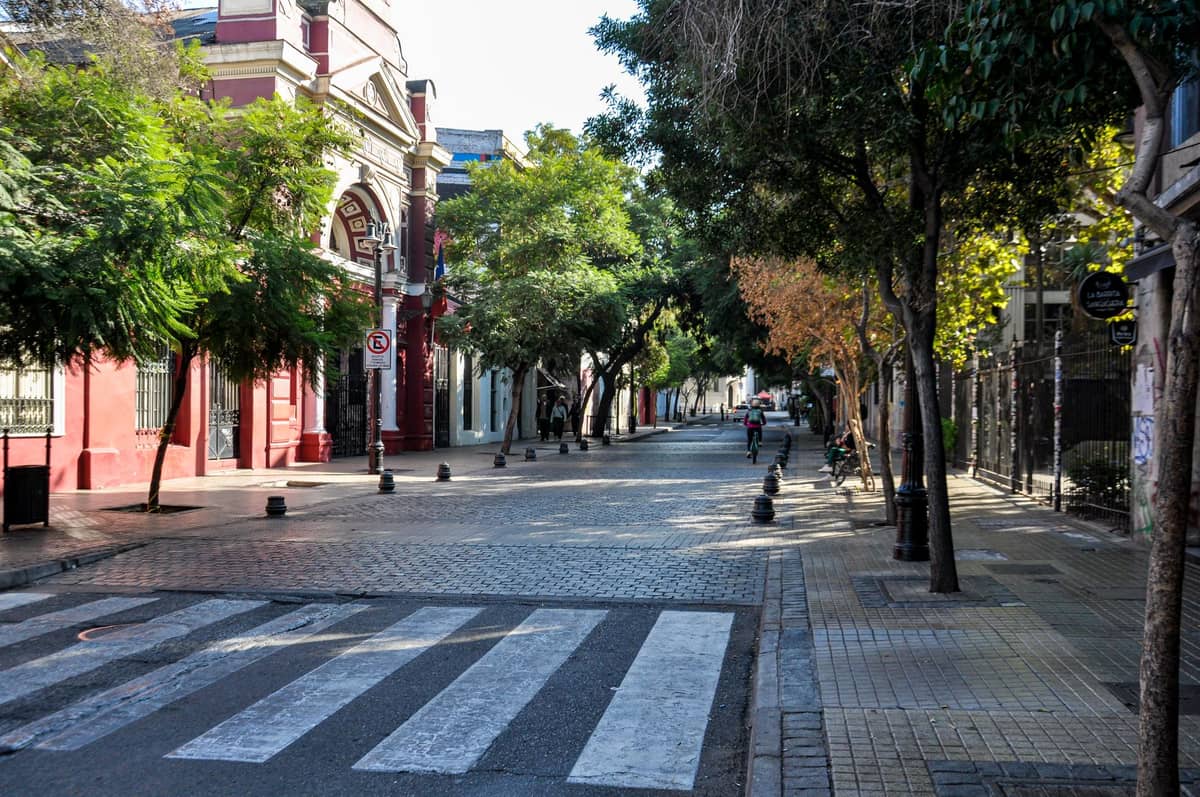
Early mornings in Barrio Sur are quiet in a way that central neighborhoods rarely are. The streets are residential enough that the first sounds are domestic: metal shutters rolling up at a corner almacén, a dog watching traffic from a doorstep, the smell of bread from a neighborhood panadería. The architecture here is largely early 20th century, low-rise and painted in faded ochres and blues, with ornate but worn facades that speak to an era when this area housed the city's working class in modest dignity.
By late morning, the neighborhood begins its social rhythm. Palermo's café strips fill with workers on breaks and students with laptops. Barrio Sur's streets remain quieter on weekdays, the kind of neighborhood where people live rather than pass through. The light in the afternoon falls flat and warm along the east-west streets, casting long shadows from the old cornices, and the walk south toward the Rambla takes you through blocks that transition from urban density to open coastal air within a few minutes.
Weekends change everything. On Saturday and Sunday afternoons, candombe drum groups, called cuerdas, practice and parade through the streets of both neighborhoods. The sound carries several blocks: the three drum types — piano, chico, and repique — create an interlocking rhythm that is physically felt as much as heard. This is not a tourist display; it is a living cultural practice. CandombeCandombe and its socio-cultural space has been recognized by UNESCO as an Intangible Cultural Heritage, and Barrio Sur and Palermo are its geographical heartland in Montevideo.
During Carnival season — primarily in February, though festivities begin in January — the character of these streets transforms entirely. The Desfile de Llamadas, the grand candombe parade that passes through Barrio Sur and Palermo, draws enormous crowds. Streets are blocked, families pack the sidewalks, and the air smells of summer heat, fried food from vendor carts, and the humidity that comes in from the river. Outside of Carnival, the neighborhoods carry the memory of that intensity but at a much lower register.
ℹ️ Good to know
The Desfile de Llamadas usually takes place over two nights in early to mid February, typically on a Friday and Saturday. The parade route runs through Barrio Sur and Palermo, and the surrounding streets become extremely congested. Plan accommodation and transport accordingly if you are visiting during this period.
After dark, both neighborhoods are calmer than the Centro or Ciudad Vieja. Palermo has the more active nighttime scene, with bars and small music venues scattered along Calle Gaboto and surrounding streets. Barrio Sur quiets down considerably after 10pm on weeknights. Neither neighborhood is particularly threatening at night, but the usual urban precautions apply: stay on well-lit streets, be aware of your surroundings, and avoid displaying expensive electronics unnecessarily.
What to See & Do
The primary draw of Barrio Sur and Palermo is cultural rather than monumental. There are no grand museums or UNESCO-listed buildings within the neighborhood boundaries in the way that Ciudad Vieja has them, but the neighborhood itself is the attraction. Walking the streets on a Sunday afternoon when a cuerda is rehearsing is a more authentic Montevideo experience than most itineraries will offer.
The Museo del Carnaval sits just to the west in Ciudad Vieja, a short walk from the Barrio Sur boundary, and provides the historical context that makes the neighborhood's living culture even more legible. The museum covers the full history of Montevideo's carnival traditions, including the origins of candombe in the Afro-Uruguayan community, the comparsas (performing groups), and the evolution of the Llamadas parade. Visiting before you walk these streets adds a layer of understanding that changes what you notice.
- Walk Calle Carlos Gardel and surrounding blocks in Barrio Sur on a weekend afternoon to catch candombe drumming practice
- Follow the Rambla seafront south from either neighborhood for views across the Río de la Plata
- Visit Palermo's café and bar strip around Calle Gaboto for local social life
- Attend the Desfile de Llamadas in February if your visit aligns with Carnival
- Explore the street art and murals that appear throughout both neighborhoods, many referencing Afro-Uruguayan history and culture
For travelers interested in the broader context of Montevideo's cultural geography, the walk from Barrio Sur eastward through Palermo and into Parque Rodó covers a significant slice of the city. Parque Rodó sits roughly 15 to 20 minutes on foot from the heart of Barrio Sur, making it a natural extension of any visit here. From the park, the beach at Playa Ramírez is immediately accessible, completing a coastal walking route that connects the neighborhood to the broader Rambla corridor.
💡 Local tip
The candombe drumming practice sessions in Barrio Sur and Palermo are informal and public. There is no schedule or ticket. The best way to find them is simply to walk through the neighborhood on a weekend afternoon — follow the sound. Groups sometimes move through the streets, so the experience is as much about the urban setting as the music itself.
Eating & Drinking
Neither Barrio Sur nor Palermo is a destination food neighborhood in the way that Pocitos or the Ciudad Vieja waterfront markets are. The eating here is everyday and local: corner bars serving sandwiches and beer, small restaurants with handwritten menus, and bakeries that have been in the same families for decades. That is precisely what makes it worth exploring.
Palermo has the denser concentration of cafés and casual restaurants, particularly along and around Calle Gaboto and nearby streets. The neighborhood sits close enough to the university areas of Cordón that it has developed a comfortable café culture, with places that attract students, freelancers, and neighborhood regulars equally. Prices here are consistently lower than in the tourist-facing areas of Punta Carretas or Pocitos.
For a more substantial food experience close to these neighborhoods, the Mercado Agrícola de Montevideo is located to the north in Villa Dolores, reachable by bus or a longer walk. Closer to home, the western edge of Barrio Sur puts you within easy reach of the Mercado del Puerto in Ciudad Vieja, which is the landmark destination for traditional Uruguayan asado. That said, Barrio Sur and Palermo have their own parrillas — unpretentious grill restaurants where the wood smoke drifts into the street — that offer the same quality of meat without the tourist pricing.
- Neighborhood parrillas for wood-fired grilled meats at local prices
- Corner almacenes and bares with chivito sandwiches and cold Pilsen or Patricia beer
- Small cafés in Palermo for cortado coffee and medialunas in the morning
- Bakeries selling facturas (pastries) throughout the day
- Informal food vendors during Carnival season, particularly along the Llamadas route
Travelers curious about the full range of Uruguayan food culture should consult a dedicated overview. What to eat in Montevideo covers the national staples — asado, chivito, tortas fritas, mate — that you will encounter in these neighborhoods in their most unself-conscious forms.
Getting There & Around
Barrio Sur and Palermo are central enough that getting there from anywhere in Montevideo is straightforward. The neighborhood is not served by a metro (Montevideo has none), but the bus network covers the area well. Multiple routes run along Avenida 18 de Julio to the north, which is the primary east-west artery of central Montevideo and acts as the de facto transit spine for these neighborhoods.
From Ciudad Vieja, Barrio Sur is walkable in 10 to 15 minutes heading east along any of the parallel streets south of Avenida 18 de Julio. From Pocitos or Punta Carretas to the east, buses along the Rambla or along 18 de Julio can bring you into the neighborhood in under 20 minutes. The bus network in Montevideo uses a contactless card system (the STM card), which can be purchased and loaded at terminals and many kiosks.
Taxis are available throughout both neighborhoods and can be hailed on the street or called by phone. Ride-hailing apps including Uber operate in Montevideo, and both options are reliable for getting in or out of the area at night. Within the neighborhood itself, walking is the most practical way to move: the street grid is regular and distances between points of interest are rarely more than 10 minutes on foot.
For visitors building a broader mental map of how these neighborhoods connect, getting around Montevideo covers the full transit picture, including bus route logic, the STM card, and the practical differences between taxis and ride-hailing in the city.
⚠️ What to skip
During the Desfile de Llamadas in February, major streets through Barrio Sur and Palermo are closed to vehicle traffic for the parade route. If you are staying nearby, confirm with your accommodation which streets remain accessible. Allow extra time for any transit connections on parade nights.
Where to Stay
Barrio Sur and Palermo are not the main hotel districts of Montevideo. Accommodation options are more limited here than in the Centro, Ciudad Vieja, or Pocitos, and consist mostly of guesthouses, small boutique properties, and apartment rentals. That said, the location is genuinely useful for independent travelers: central, walkable to Ciudad Vieja, and well-connected by bus to the rest of the city.
Staying in Barrio Sur puts you in the heart of the Carnival action during February, which is either the reason you are here or a significant drawback, depending on your preference for noise and crowds. The Llamadas parade route passes directly through the neighborhood, meaning several nights of concentrated street activity, late-night noise, and congested streets. Outside of Carnival, the neighborhoods are notably quiet for areas so close to the city center, making them comfortable for travelers who want proximity to attractions without the Centro's commercial noise.
For a broader overview of accommodation options across Montevideo's neighborhoods and which area suits which type of traveler, the where to stay in Montevideo guide covers the full spectrum from budget hostels in Ciudad Vieja to the upscale coastal properties in Carrasco.
Honest Assessment: Is This Neighborhood for You?
Barrio Sur and Palermo reward travelers who come with curiosity and patience. This is not a neighborhood that presents itself. There are no major monuments to check off, no polished tourist infrastructure, no concentrated dining strip with English menus. What it offers instead is a living urban culture that most visitors to Montevideo never access because they stay in the more comfortable, more legible neighborhoods to the east.
The Afro-Uruguayan cultural presence here is not a heritage performance — it is the actual social fabric of the neighborhood. Candombe drumming, the Llamadas parade, the history of the community that maintained this culture through significant social and political pressure: all of it is present in the streets, the murals, the community spaces, and the music you hear without seeking it out. Travelers interested in that dimension of Montevideo will find more here than anywhere else in the city. Those interested primarily in beaches, restaurants, and nightlife will be better served by Pocitos or Punta Carretas.
For first-time visitors trying to understand whether Montevideo is worth the trip at all, these neighborhoods form part of the answer: the city has a specific, irreplaceable cultural identity, and Barrio Sur and Palermo are where it is most concentrated. Combined with the historic architecture of Ciudad Vieja and the coastal Rambla, a half-day walking through this part of the city gives a more complete picture of Montevideo than any amount of time spent in its more tourist-friendly zones.
TL;DR
- Barrio Sur and Palermo are the cultural core of Afro-Uruguayan heritage in Montevideo, centered on candombe music and the annual Desfile de Llamadas carnival parade.
- The neighborhoods are genuinely central, walkable from Ciudad Vieja and connected by bus along Avenida 18 de Julio, with easy access to the Rambla seafront to the south.
- Best for: culturally curious travelers, those visiting during Carnival, and independent explorers who want to see a working residential neighborhood rather than a tourist zone.
- Not ideal for: visitors who prioritize beach access, polished dining scenes, or upscale accommodation — Pocitos and Punta Carretas serve those needs better.
- Weekend afternoons are the best time to visit: candombe drumming practice fills the streets, the Rambla is lively, and the neighborhood is at its most characteristic.
Related Travel Guides
- 2 Days in Montevideo: The Perfect Itinerary
Forty-eight hours in Montevideo is enough to cover the historic old town, the waterfront Rambla, world-class museums, and some of South America's best grilled meat. This itinerary cuts the noise and tells you exactly what to do, when, and how to get there.
- The Best Museums in Montevideo: Art, History, Football & More
Montevideo has a stronger museum scene than many visitors expect. From a major collection of pre-Columbian art to a museum dedicated to Carnival as a living tradition, these are the best museums in Montevideo for first-time visitors and returning travelers alike.
- Best Time to Visit Montevideo: A Season-by-Season Guide
Montevideo is a genuine year-round destination, but each season offers a different experience. This guide breaks down the weather, crowds, prices, and key events month by month so you can choose the timing that fits your trip.
- Colonia del Sacramento Day Trip from Montevideo: The Complete Practical Guide
Colonia del Sacramento is Uruguay's most visited colonial town, and it's reachable from Montevideo in under three hours by bus. This guide covers transport options, timing, what to prioritize once you arrive, and the common mistakes that turn a great day trip into a rushed one.
- Best Day Trips from Montevideo: Colonia, Punta del Este, Wine Country and Beyond
Montevideo sits at the centre of one of South America's most underrated travel regions. Within three hours by bus, you can reach a UNESCO colonial town, Uruguay's glamorous beach resort, and some of the Southern Cone's most interesting wineries. This guide covers every realistic option for day trips from Montevideo, with transport breakdowns, seasonal advice, and practical logistics.
- Free Things to Do in Montevideo: 20 Ways to Explore the City Without Spending a Peso
Montevideo rewards travelers who know where to look. From always-free museums and colonial plazas to 22 kilometers of waterfront promenade, this guide covers the best free experiences in the Uruguayan capital, organized by neighborhood and type.
- Getting Around Montevideo: The Complete Transport Guide
Montevideo runs on buses. No metro, no tram, no underground — just an extensive STM network covering the whole city, plus taxis, Uber, and a reliable airport bus from Carrasco. This guide breaks down every option with current fares, route logic, and straightforward advice on what actually works.
- Is Montevideo Worth Visiting? An Honest Assessment
Montevideo is Uruguay's capital and its most-visited city, attracting about 876,000 foreign tourists in 2025 alone. But is it worth a detour on your South America trip? This guide breaks down what the city genuinely offers, who it suits, and what to skip.
- Montevideo Architecture Guide: Art Deco, Neoclassical & Beyond
Montevideo's skyline tells the story of a city that built ambitiously across several decades. From the Palacio Salvo's eclectic tower to the Neoclassical grandeur of Teatro Solís, this guide covers the key buildings, the best walking routes, and how to actually get inside them — with clear advice on tours, timing, and what to skip.
- Asado in Montevideo: A Complete Guide to Uruguay's Beef Culture
Uruguay takes its beef seriously, and nowhere is that more evident than in Montevideo's parrilla restaurants. This guide covers the culture behind asado, where to find the best grills across the city, what to expect on the menu, and honest pricing so you know what you're getting into before you sit down.
- Best Beaches in Montevideo: Every Beach Ranked and Explained
Montevideo has more than twenty named beaches stretching along the Río de la Plata, from lively Pocitos near the city center to the tranquil sands of Carrasco. This guide covers water quality, the best beaches for swimming versus walking, seasonal crowd patterns, and how to get there.
- Candombe in Montevideo: A Guide to Uruguay's UNESCO Drum Tradition
Candombe is Montevideo's most distinctive cultural practice: an Afro-Uruguayan drum tradition inscribed on UNESCO's Intangible Cultural Heritage list since 2009. This guide covers where to hear it, when to go, what to expect at the Desfile de Llamadas, and how to engage respectfully with a living community practice.
- Montevideo Carnival: The Complete Guide
Montevideo hosts one of the longest Carnival seasons in the world, running from late January through early March. This guide covers the key events, ticket prices, neighborhood tablados, cultural context, and practical logistics to help you experience it properly.
- Montevideo for Digital Nomads: The Complete Guide to Working Remotely in Uruguay's Capital
Montevideo is one of South America's most livable capitals, with reliable infrastructure, a stable political climate, and a quality of life that few cities in the region can match. This guide covers everything remote workers need: Uruguay's digital nomad permit, the best neighborhoods to base yourself, coworking options, cost of living, and the practical details that most guides skip.
- Flea Markets & Street Fairs in Montevideo: The Complete Guide
From the sprawling Sunday chaos of Tristán Narvaja to the relaxed crafts stalls of Villa Biarritz, Montevideo's flea markets and street fairs are some of the best in South America. This guide covers every major market, exact schedules, what to expect, and how to get the most out of each one.
- Football in Montevideo: Stadiums, Matches & Fan Guide
Montevideo is one of South America's most football-obsessed cities, home to two of the continent's oldest clubs and a stadium that hosted the first World Cup final. This guide covers every major venue, how to buy tickets, what to expect at a clásico, and the practical details that make the difference between a great experience and a frustrating one.
- Montevideo Nightlife: Bars, Live Music & the After-Dark Scene
Montevideo's nightlife runs on tango, candombe, and craft beer rather than superclubs. This guide breaks down the best neighborhoods, venues, and what to expect from the city's after-dark culture, with practical prices and timing.
- Montevideo on a Budget: How to Visit for Less
Montevideo is more affordable than its reputation suggests. With free museum days, a reliable bus network costing around US$1.50 per ride, and a coastline that charges nothing for entry, the Uruguayan capital rewards travelers who plan smart. This guide breaks down exactly how to keep costs low without sacrificing the best the city has to offer.
- Is Montevideo Safe? What Travelers Need to Know in 2026
Montevideo is one of South America's more livable capitals, but that doesn't mean it's risk-free. This guide breaks down the real safety picture — crime statistics, neighborhood-by-neighborhood risk levels, what official travel advisories say, and practical tips that actually make a difference on the ground.
- Uruguayan Wine in Montevideo: Tannat, Tastings & Wineries
Uruguay's flagship grape Tannat has put South American wine on the map, and Montevideo is your best base for exploring it. This guide covers the top wineries, urban tasting rooms, seasonal timing, and honest pricing so you can plan a wine experience that suits your budget and schedule.
- Montevideo with Kids: Best Family-Friendly Activities
Montevideo is one of South America's most relaxed capitals for family travel. From the boat-filled lake at Parque Rodó to the Rambla's long coastal path, the city offers low-cost, walkable experiences that work well across a wide range of ages. This guide covers the best activities, practical logistics, and practical advice for visiting Montevideo with kids.
- Punta del Este Day Trip from Montevideo: The Complete Practical Guide
A Punta del Este day trip from Montevideo is one of Uruguay's most popular excursions, and for good reason. With buses running every 20-60 minutes from Terminal Tres Cruces and a journey of around two hours each way, it's entirely doable as a same-day visit. This guide covers transport logistics, costs, what to do with limited time, and the honest trade-offs.
- Best Things to Do in Montevideo: The Definitive 2026 Guide
Montevideo rewards travelers who go beyond the surface. This guide covers the best things to do in Montevideo, Uruguay, from free rooftop viewpoints and major museums to asado markets, carnival culture, and a day trip to Colonia del Sacramento. Practical, specific, and clear about what's worth your time.
- Self-Guided Walking Tour of Montevideo's Ciudad Vieja
Ciudad Vieja is Montevideo's historic peninsula neighborhood, packed with colonial architecture, key museums, and some of the best food in the city. This guide covers the full self-guided walking tour route, stop by stop, with practical details on timing, costs, and what to skip.
- What to Eat in Montevideo: The Complete Uruguayan Food Guide
Montevideo's food scene is built on beef, but it goes much further than that. This guide covers the essential dishes, best markets, honest price breakdowns, and where to eat well across every neighborhood, from the historic port to the coastal rambla.
- Where to Stay in Montevideo: Best Neighborhoods & Hotels
Choosing where to stay in Montevideo makes a bigger difference than most travelers expect. This guide breaks down the city's key neighborhoods by character, price range, and who they suit best, so you can book with confidence.