Where to Stay in Montevideo: Best Neighborhoods & Hotels
Choosing where to stay in Montevideo makes a bigger difference than most travelers expect. This guide breaks down the city's key neighborhoods by character, price range, and who they suit best, so you can book with confidence.
Tickets & tours
Live prices and dates from our booking partner. If you book, we may earn a commission at no extra cost to you.
TL;DR
- Montevideo hotels are concentrated in seven main areas: Ciudad Vieja, Centro, Pocitos, Punta Carretas, Parque Rodó, Tres Cruces, and Carrasco. Each has a distinct character and price point.
- Budget rooms start around US$15-50 per night; mid-range options typically run US$70-170. Carrasco is the priciest area; Tres Cruces the most affordable.
- Hotel rates are generally lowest in July and peak around November, according to aggregated booking data.
- First-time visitors usually do best in Ciudad Vieja or Pocitos, which balance location, walkability, and accommodation variety.
- The city has no metro. Getting around relies on buses, taxis, Uber, and the Rambla coastal promenade for walking and cycling between coastal neighborhoods.
How Montevideo's Neighborhoods Actually Work
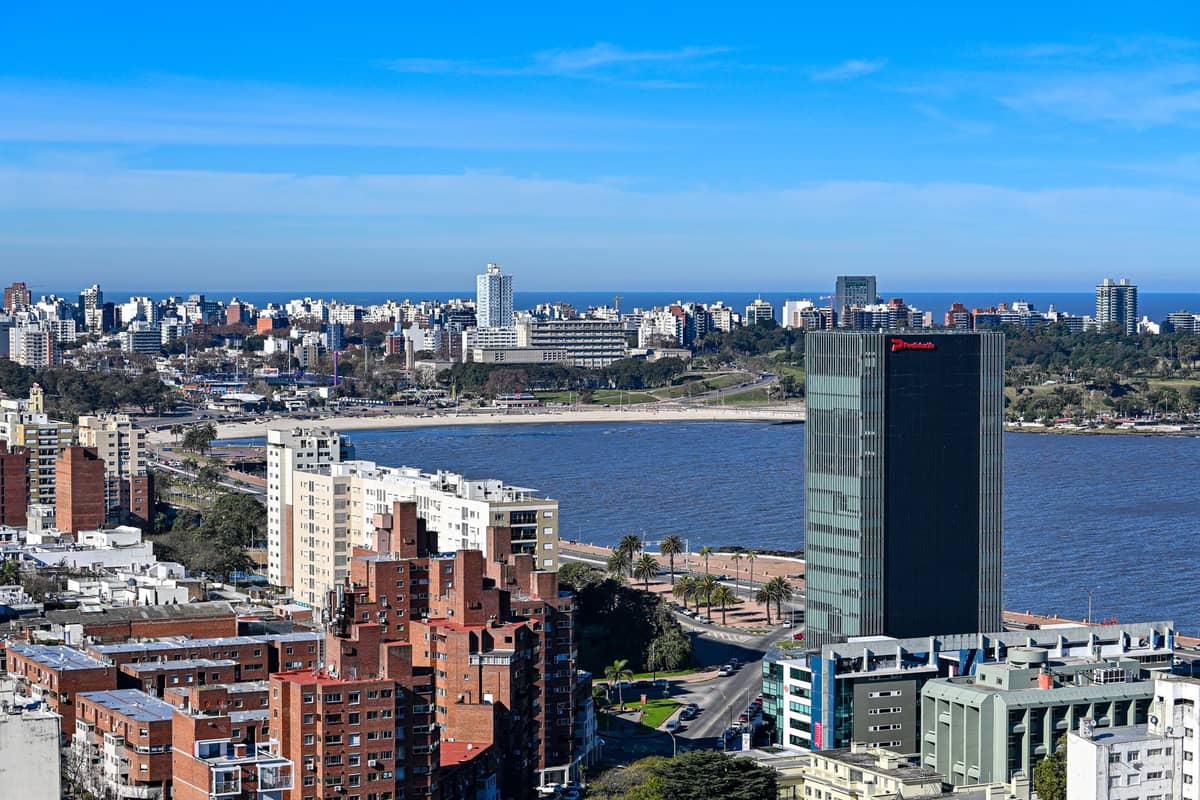
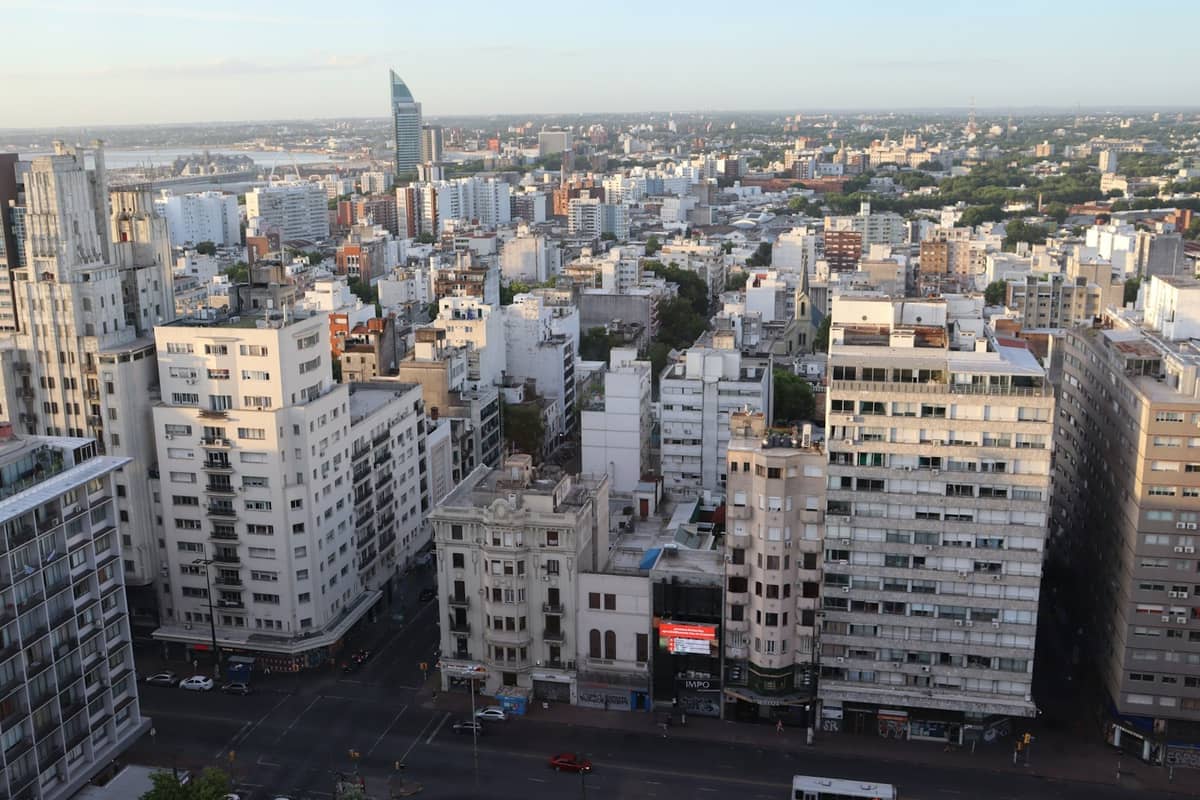
Montevideo stretches east along the Río de la Plata for roughly 25 kilometers, from the historic peninsula of Ciudad Vieja in the west to the upscale enclave of Carrasco near the international airport. This east-west axis is the main thing to understand. The further east you go, the quieter, greener, and more expensive it gets.
The city is not built around a single tourist district. Accommodation, restaurants, and sights are distributed across multiple neighborhoods, each with a genuinely different feel. Booking a hotel without thinking about which neighborhood you want puts you at risk of spending half your trip in transit. Montevideo has no metro system, so location decisions actually matter.
The 22-kilometer Rambla de Montevideo connects the coastal neighborhoods and is one of the city's great assets. If you stay anywhere along it, from Parque Rodó east to Carrasco, you can walk or cycle between beaches, parks, and restaurants without needing transport. That changes the neighborhood calculus significantly.
ℹ️ Good to know
Montevideo uses the Uruguayan peso (UYU). Hotel prices on international booking platforms are typically quoted in USD. The airport (MVD) is in Ciudad de la Costa, about 19-20 km east of central Montevideo, so Carrasco-area hotels offer the shortest airport transfer.
Ciudad Vieja: Best for First-Time Visitors and Culture
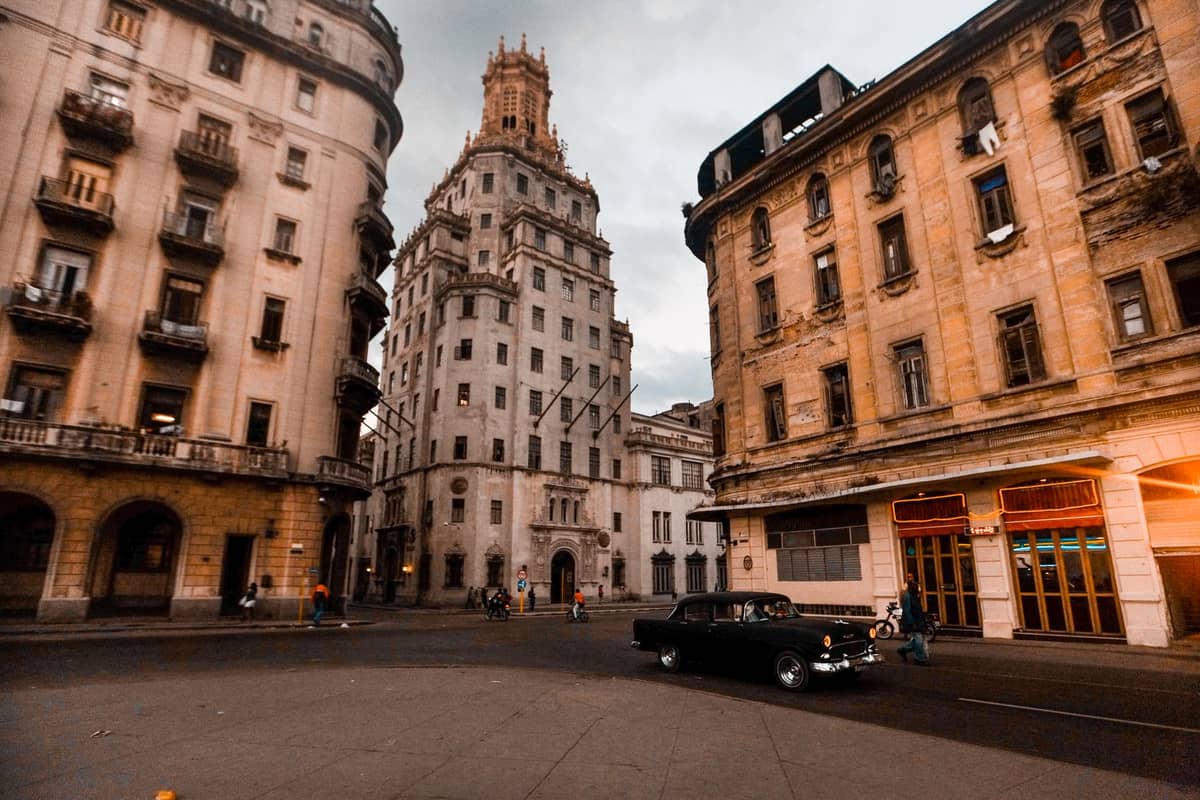
Ciudad Vieja is Montevideo's historic old town, packed onto a small peninsula at the western tip of the city. It holds the highest concentration of colonial and early 20th-century architecture, including Palacio Salvo, Palacio Piria, the Mercado del Puerto, and most of the city's major museums within walking distance.
The neighborhood has genuinely improved over the past decade. More boutique hotels, renovated apartment rentals, and quality restaurants have opened. That said, it remains mixed: some blocks are polished and tourist-friendly, others feel neglected. Night-time footfall drops significantly compared to Pocitos or Punta Carretas, so if you want to walk home from dinner without thinking about it, Ciudad Vieja requires a little more awareness after dark.
Who it suits: travelers prioritizing walkable sightseeing in Ciudad Vieja, architecture, museums, and the historic market. The accommodation range spans budget guesthouses, design hostels, and small boutique hotels. Mid-range options are plentiful. Luxury is limited compared to the coastal neighborhoods.
Centro and Cordón: Central but Overlooked
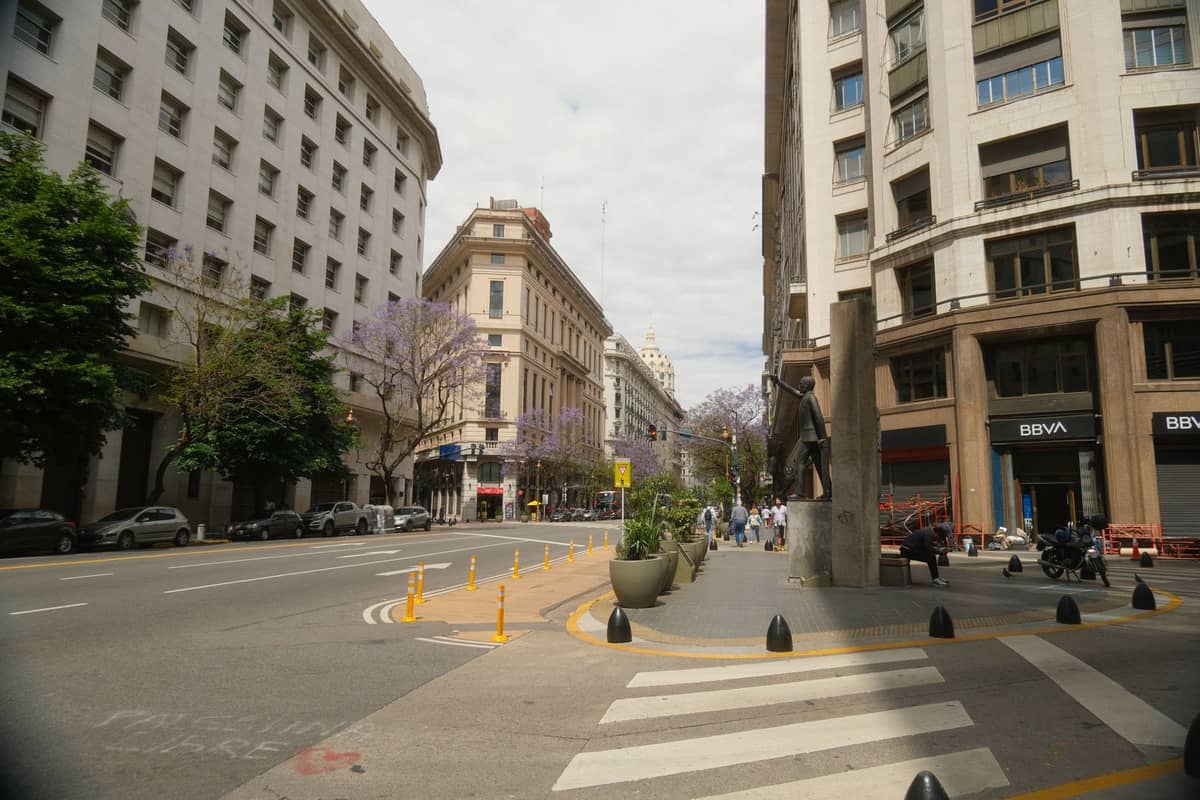
Immediately east of Ciudad Vieja, Centro is Montevideo's commercial downtown. It has large avenues, government buildings including the Palacio Legislativo, and the main shopping streets. It is functional rather than charming, but hotels here are often better priced than in Ciudad Vieja while maintaining central access.
Cordón sits just south of Centro and attracts a younger crowd. It borders the university area and has independent cafes, bookshops, and a more residential pace than either Ciudad Vieja or downtown Centro. For travelers who want central proximity without tourist-area pricing, Centro and Cordón are genuinely good value and consistently underrated by guidebooks.
💡 Local tip
If you're arriving late at night from the airport, a Centro hotel is practical: closer to the Tres Cruces bus terminal than Pocitos, better transport connections, and less navigation required when you're tired. Sort out neighborhood preferences on day two.
Pocitos and Punta Carretas: The Coastal Sweet Spot
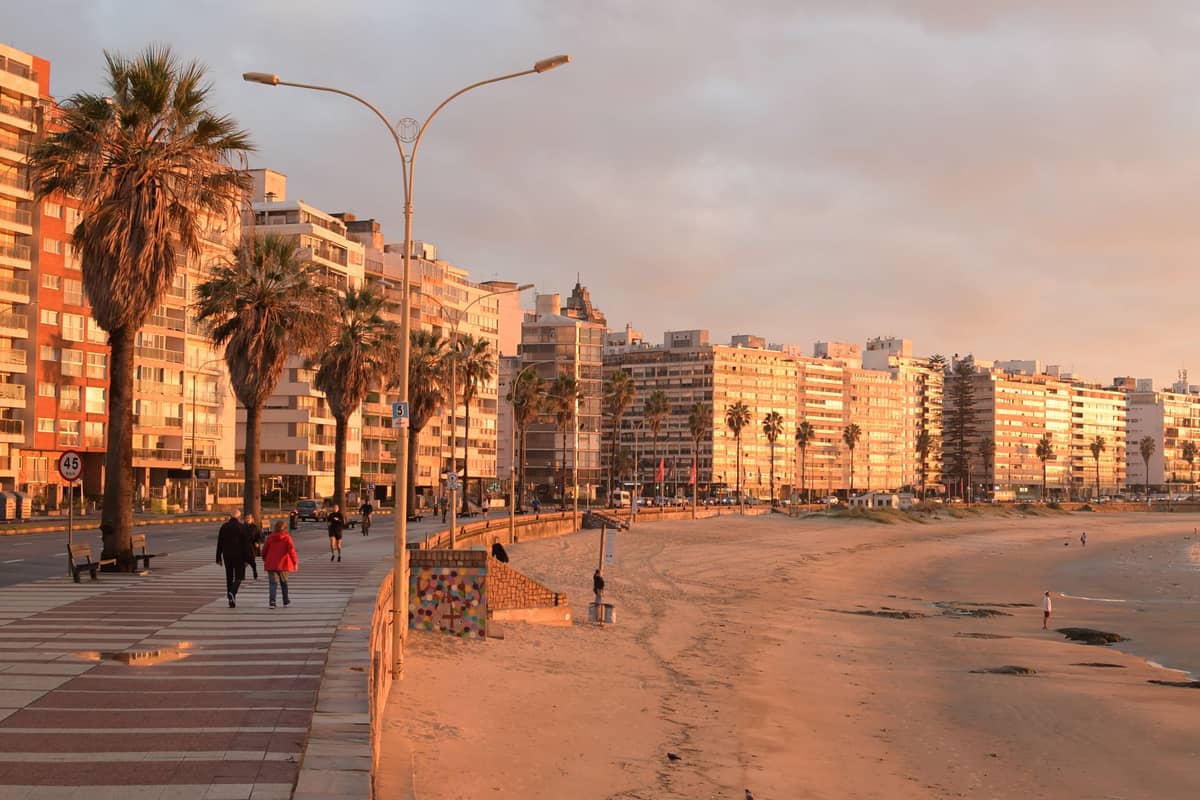
Pocitos is consistently one of Montevideo's most searched hotel neighborhoods on major booking platforms, and for good reason. The area lines the Rambla with high-rise apartment buildings, good restaurants, independent shops, and Playa Pocitos, the city's most popular urban beach. It has a 24-hour energy that Ciudad Vieja lacks after sunset, without the resort-like feel of Carrasco.
Directly south of Pocitos, Punta Carretas is arguably the most livable neighborhood in the city for short stays. It is quieter, greener, and built around a former prison that was converted into Punta Carretas Shopping, an upscale mall. The surrounding streets have excellent restaurants, wine bars, and a high proportion of long-term expat residents, which keeps quality standards consistently high.
Hotel pricing in Pocitos and Punta Carretas runs mid-range to upper-mid, typically US$80-170 per night for decent rooms. This is not the cheapest part of the city, but the combination of beach access, dining options, safety, and walkability makes it the most rounded choice for most travelers.
- Best for beach access Pocitos, with Playa Pocitos right on the Rambla and easy walking distance to Playa Ramírez and Parque Rodó
- Best for restaurants and nightlife Punta Carretas and Pocitos, with strong concentrations of quality dining and bars within a few blocks
- Best value in the coastal zone Parque Rodó offers lower prices than Pocitos or Punta Carretas while still being on the Rambla
- Best for luxury and quiet Carrasco, with the city's highest-end hotels and the most residential, low-density feel
- Best for transit connections Tres Cruces, directly adjacent to the main bus terminal and well-connected to the airport by taxi or bus
Parque Rodó, Tres Cruces, and Carrasco: Three Very Different Options
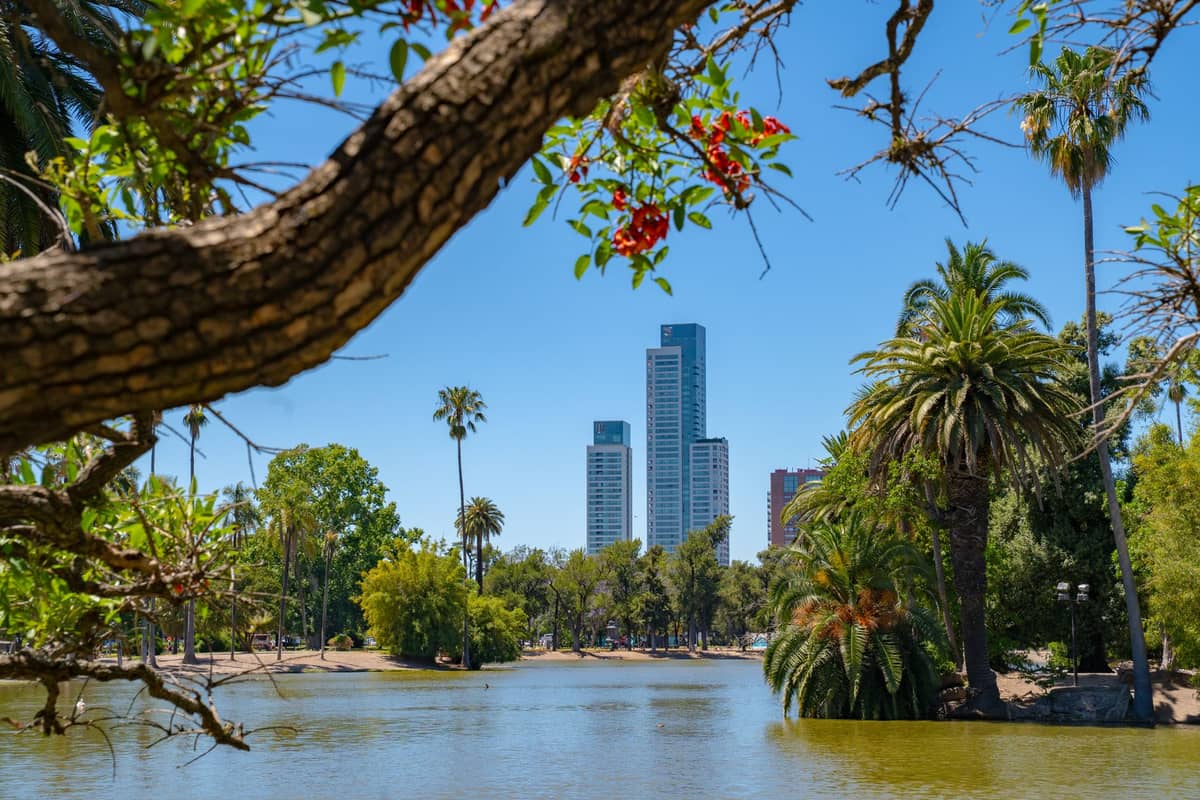
Parque Rodó sits between Centro and Pocitos and is anchored by the large urban park of the same name. The Parque Rodó neighborhood borders the Rambla and has a bohemian, student-influenced atmosphere. Hotels and guesthouses here tend to be cheaper than in Pocitos, with a younger, more independent-traveler demographic. It is a solid middle-ground option: walkable to both the old city and the coastal strip.
Tres Cruces is purely practical. It is named for the main intercity bus terminal and is surrounded by commercial hotels designed around transit passengers. It is not a neighborhood anyone would choose for atmosphere, but the accommodation prices are among the lowest in the city and the transport connections are unmatched. If you are moving between Montevideo and other Uruguayan cities, staying near Tres Cruces for a night makes logistical sense.
Carrasco is a different proposition entirely. This eastern coastal neighborhood sits adjacent to Carrasco International Airport (MVD) and is Montevideo's most expensive residential area. The streets are wide, lined with trees, and the density is low. Hotels here, including the city's top luxury properties, cater to business travelers and those who prioritize quiet over central access. The tradeoff is distance: Carrasco is roughly 19-20 km from Ciudad Vieja, and reaching the historic center requires a taxi or Uber. For the Carnival season or beach-focused stays, Carrasco is convenient but disconnected from the city's social energy.
⚠️ What to skip
Do not assume that staying near the airport in Carrasco gives you easy access to the rest of the city. The taxi or Uber ride to Ciudad Vieja takes roughly 25-35 minutes depending on traffic, and costs accumulate quickly if you are sightseeing daily. Carrasco is best for short transits or luxury resort-style stays, not for first-time city explorers.
Pricing, Seasons, and Practical Booking Advice
Montevideo is not an expensive city by South American capital standards, but hotel pricing varies more by neighborhood than by tier. A mid-range room in Pocitos will cost noticeably more than an equivalent room in Tres Cruces or Cordón. Budget accommodation (hostels and basic guesthouses) starts around US$15-50 per night. The broad mid-range runs US$70-170, and upper-end and boutique hotels typically price above that.
Seasonality plays a real role. According to aggregated booking data, July is historically the cheapest month for Montevideo hotels, reflecting the Southern Hemisphere winter when beach tourism drops. Rates peak around November as spring arrives and the lead-up to the December-February beach season begins. If you are visiting purely for culture and architecture, a winter trip in June-August offers better value, cooler but manageable temperatures, and smaller crowds at major sites.
- Book 3-4 weeks ahead for Carnival season (January-February): accommodation in central neighborhoods fills fast and prices spike
- July is the cheapest month for hotels; November is among the most expensive, and February is also a high-demand period.
- Compare prices across Booking.com, Expedia, KAYAK, and Hotels.com since rates vary by platform and are not always identical
- Apartments via rental platforms often undercut hotels in Pocitos and Punta Carretas for stays of 3+ nights
- If arriving late at night, factor taxi cost from the airport (MVD) into your total budget: 18-20 km from central Montevideo means meaningful transfer costs
Uruguay runs on 220V electricity with Type C and Type F plugs. The country code is +598 and emergency services are reached on 911. Montevideo's tap water is treated and generally considered potable. For a full overview of getting around once you have picked your neighborhood, the getting around Montevideo guide covers buses, taxis, Uber, and the Rambla cycling and walking route in detail.
✨ Pro tip
If you are staying 5+ nights and plan to explore broadly, consider splitting your stay: two nights in Ciudad Vieja to front-load sightseeing, then move to Pocitos or Punta Carretas for the remainder. Both neighborhoods are well-served by taxis and Uber, and the change of pace mid-trip reflects how the city actually functions.
Montevideo rewards travelers who match their accommodation to their itinerary. A food-focused trip belongs in Punta Carretas or Pocitos. A history and museum itinerary belongs in Ciudad Vieja or Centro. Beach and outdoor stays work best along the Rambla from Playa Ramírez east to Playa Carrasco. If you are undecided, Pocitos is the most versatile base: coastal, safe, well-supplied with restaurants, and centrally enough located to reach both the old city and the eastern beaches without excessive effort.
FAQ
What is the best area to stay in Montevideo for first-time visitors?
Pocitos and Punta Carretas are the most practical choices for first-timers. Both neighborhoods are safe, walkable, close to the beach, and have a wide range of restaurants and hotels. Ciudad Vieja is also excellent if you prioritize historic sightseeing and want to be within walking distance of the main museums and the Mercado del Puerto.
How much does a hotel in Montevideo cost per night?
Budget rooms in hostels and basic guesthouses start around US$15-50 per night. Mid-range hotels typically run US$70-170. Luxury and boutique properties, particularly in Carrasco and Punta Carretas, cost more. Rates are lowest in July (Southern Hemisphere winter) and highest around November and February.
Is it better to stay in Ciudad Vieja or Pocitos?
Depends on your priorities. Ciudad Vieja puts you within walking distance of the main historic sites, museums, and the Mercado del Puerto, but the neighborhood is quieter at night and requires more caution after dark. Pocitos has better nightlife, beach access, and a livelier evening atmosphere, but it is 4-5 km from the historic center. For a short trip, Ciudad Vieja wins on convenience; for a longer stay, Pocitos is more comfortable as a base.
Which Montevideo neighborhood is closest to the airport?
Carrasco is closest to Carrasco International Airport (MVD), which is located in Ciudad de la Costa about 19-20 km east of central Montevideo. Hotels in Carrasco offer the shortest airport transfer, often 15-25 minutes by taxi. Be aware that Carrasco is then the furthest neighborhood from Ciudad Vieja and the historic center.
When is the cheapest time to book hotels in Montevideo?
July consistently shows the lowest average hotel rates in aggregated booking data, corresponding to the Southern Hemisphere winter off-season. Avoid booking in November or February without comparing prices well in advance, as those months see significant demand spikes. Carnival season (typically February) is the most competitive booking period in central neighborhoods.
Tickets & tours
Live prices and dates from our booking partner. If you book, we may earn a commission at no extra cost to you.
Planning a trip? Discover personalized activities with the Nomado app.