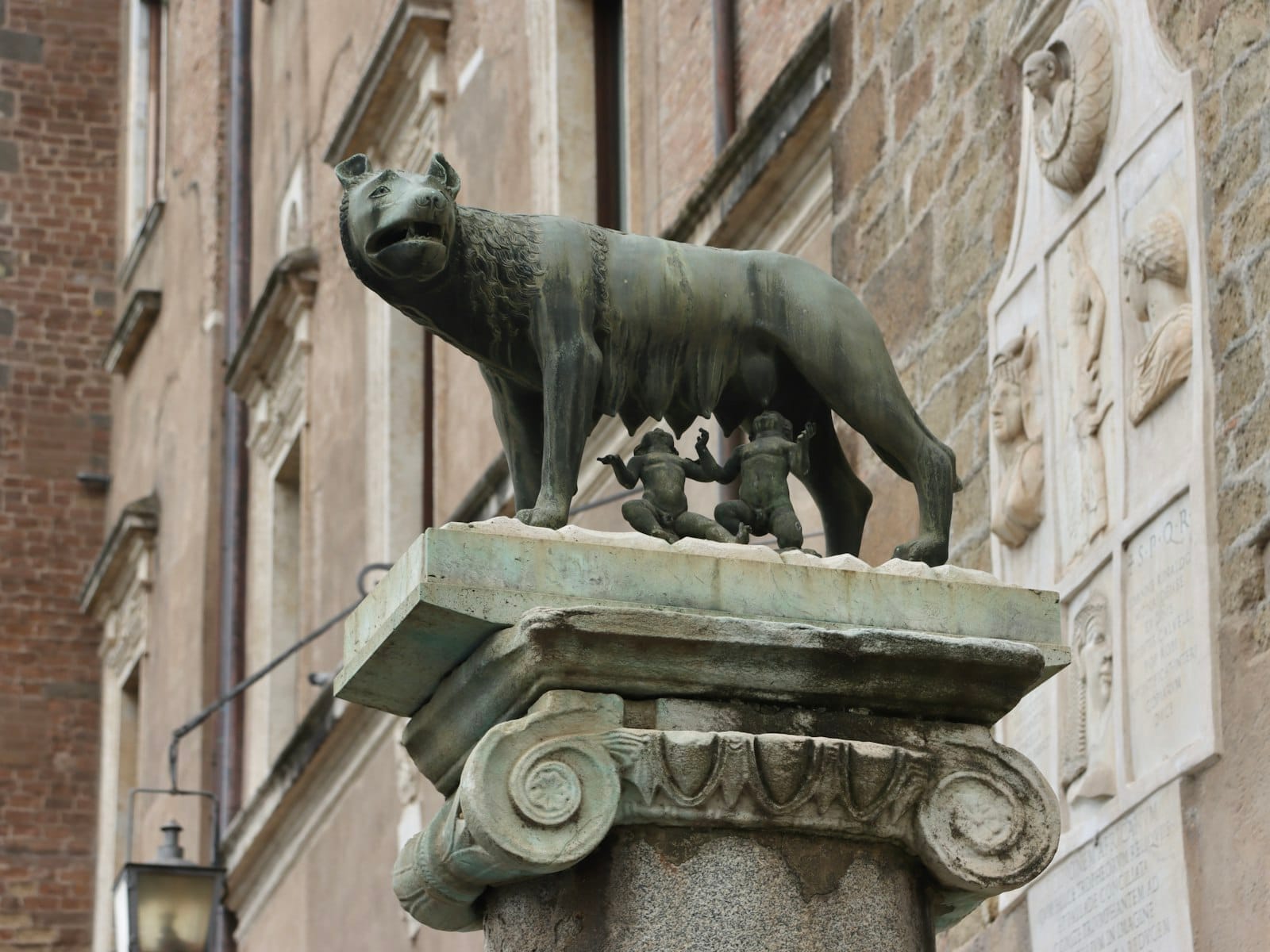
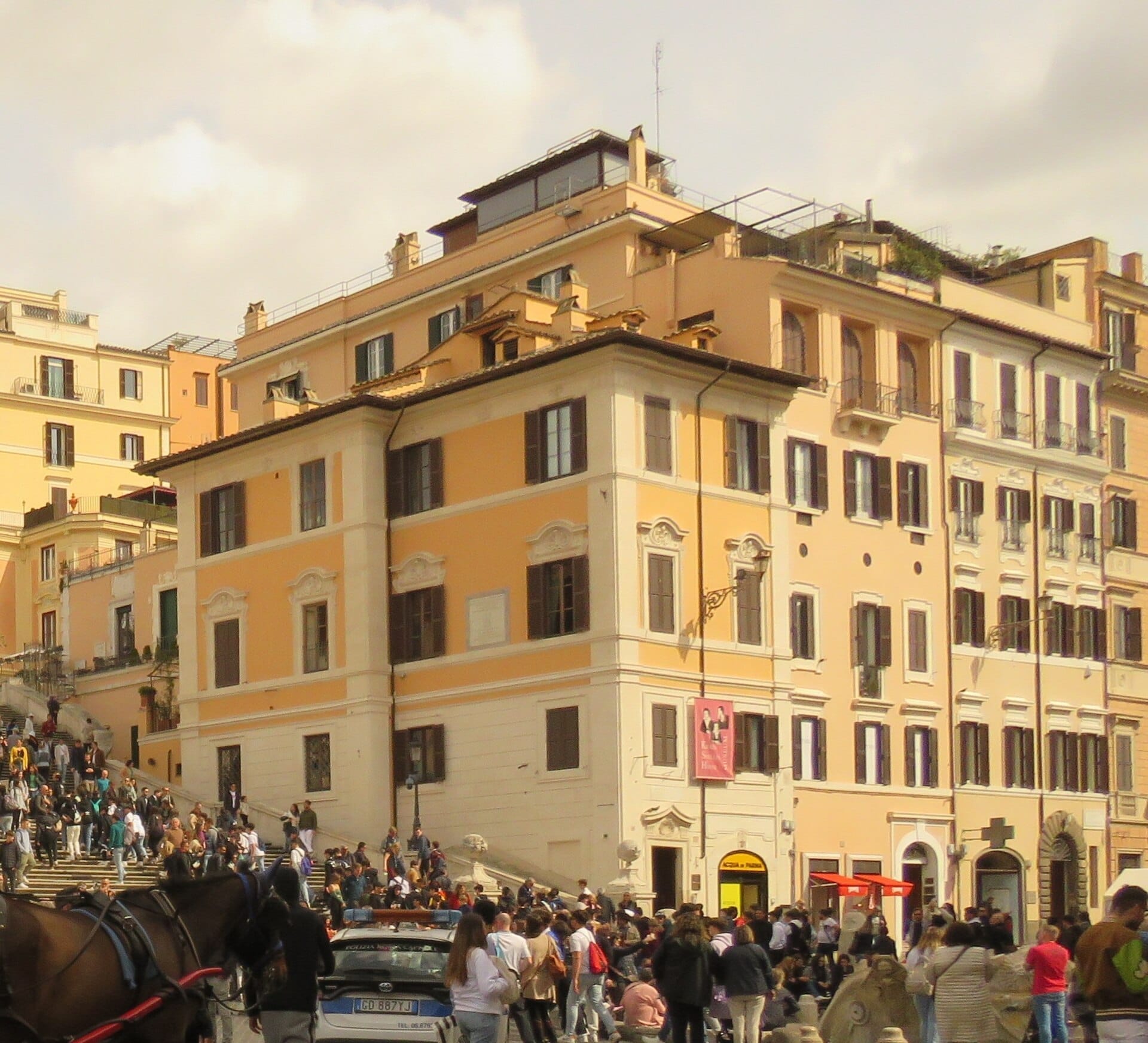
Centro Storico is Rome's historic core, a compact maze of cobbled alleys, Baroque piazzas, and Renaissance palaces packed into 3 square kilometers on the west bank of the Tiber. It holds more UNESCO-listed monuments per square meter than almost anywhere on earth, from the Pantheon to Piazza Navona, and functions simultaneously as an open-air museum and a living neighborhood where Romans still shop, eat, and argue politics over espresso.
Centro Storico is where Rome refuses to let you forget what it is. Ancient temples repurposed as churches, medieval alleys opening onto Baroque fountains, and Renaissance palaces standing shoulder to shoulder with trattorias that have been feeding the same families for generations. This is the geographic and spiritual heart of the city, and no amount of tourist foot traffic can fully obscure what makes it extraordinary.
Orientation: Where Centro Storico Sits
Centro Storico occupies about 3 square kilometers in Municipio Roma I, filling the sharp bend that the Tiber makes as it curves west through the city. It is one of Rome's densest concentrations of historical rioni (traditional districts), covering Trevi, Colonna, Campo Marzio, Ponte, Parione, Regola, Sant'Eustachio, Pigna, and Sant'Angelo. Think of it as a roughly oval zone bounded by water on the west and a ring of wider boulevards and historic landmarks on all other sides.
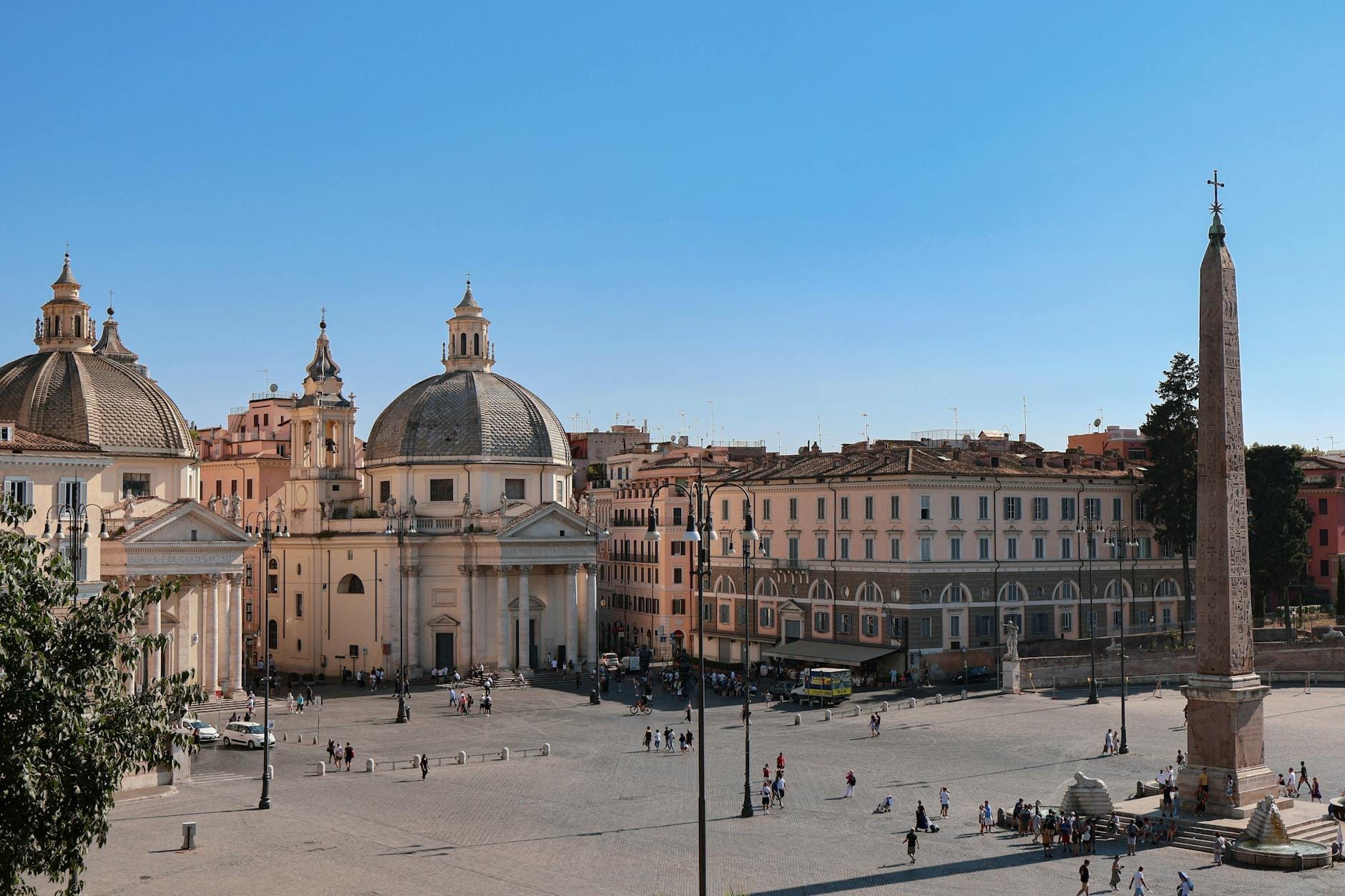
The Tiber forms the natural western boundary. Cross Ponte Sant'Angelo heading west and you move into the Vatican's orbit; cross Ponte Sisto heading southwest and you reach Trastevere. To the north, the neighborhood dissolves into Flaminio and the Villa Borghese area along Via del Corso and the edges of Piazza del Popolo. The eastern boundary is less tidy: Via del Corso, Rome's main north-south commercial artery, runs through the neighborhood itself, and the transition toward the Esquilino and the archaeological zone happens gradually as the ancient ruins start to dominate the streetscape.
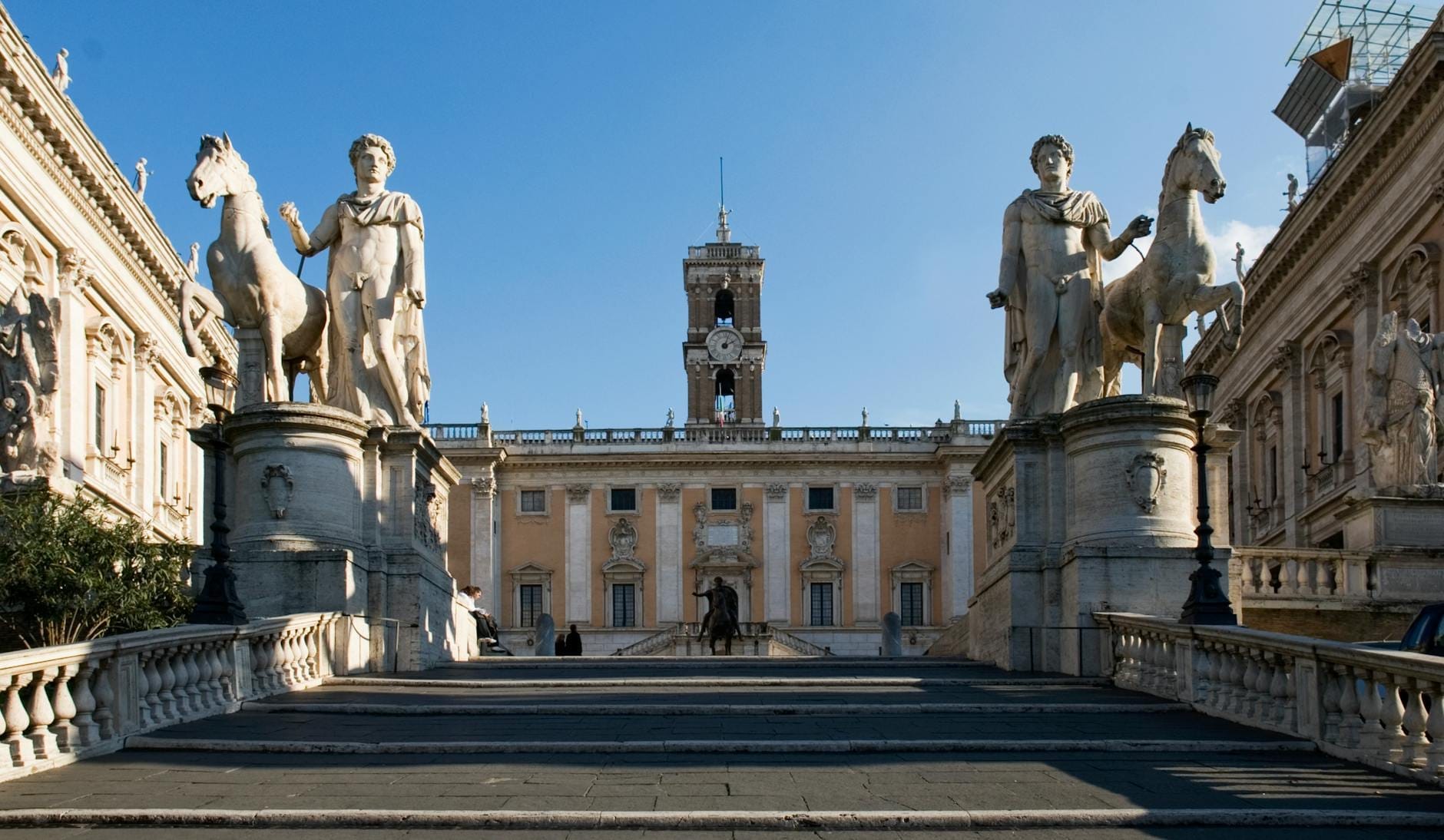
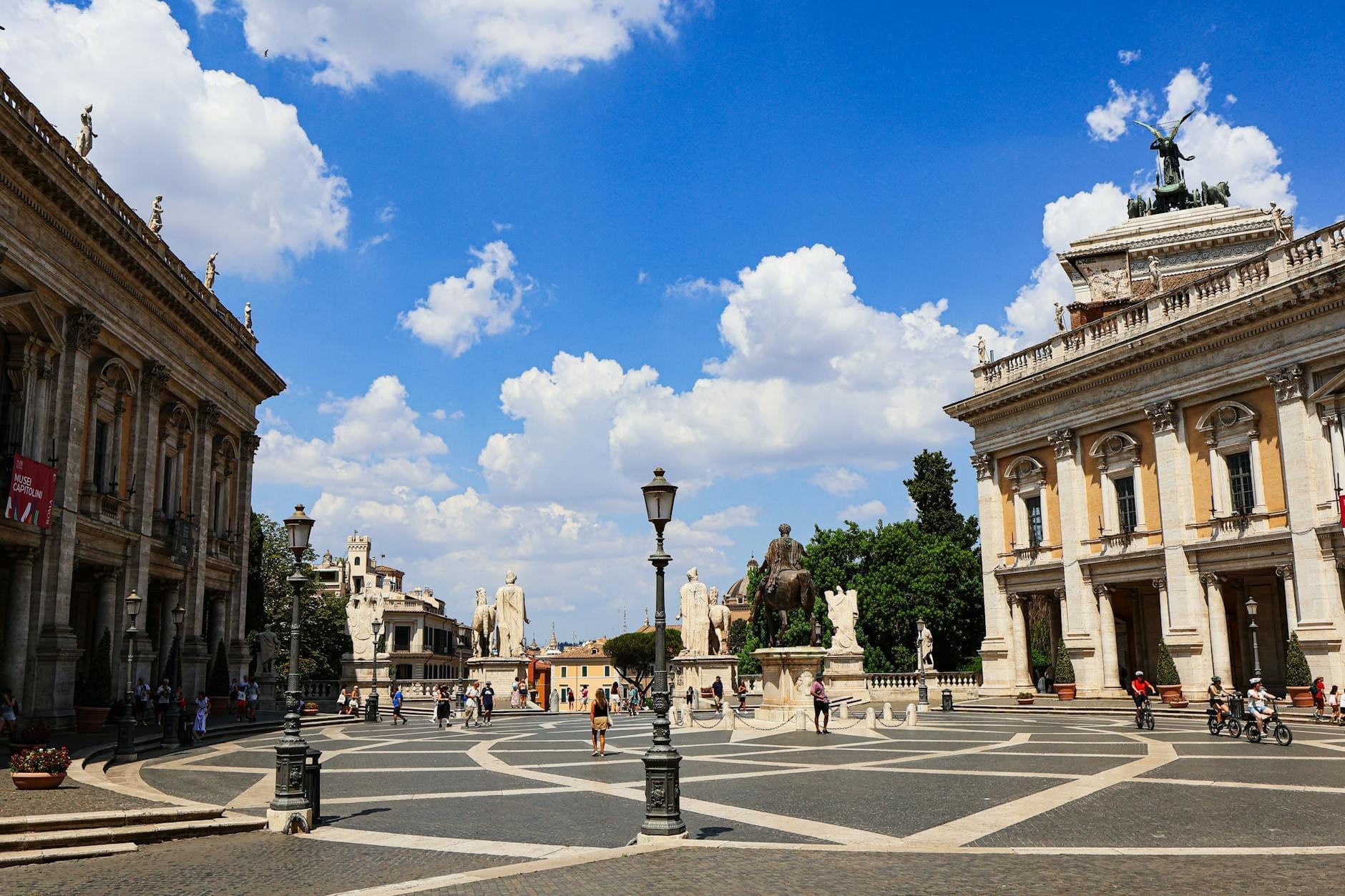
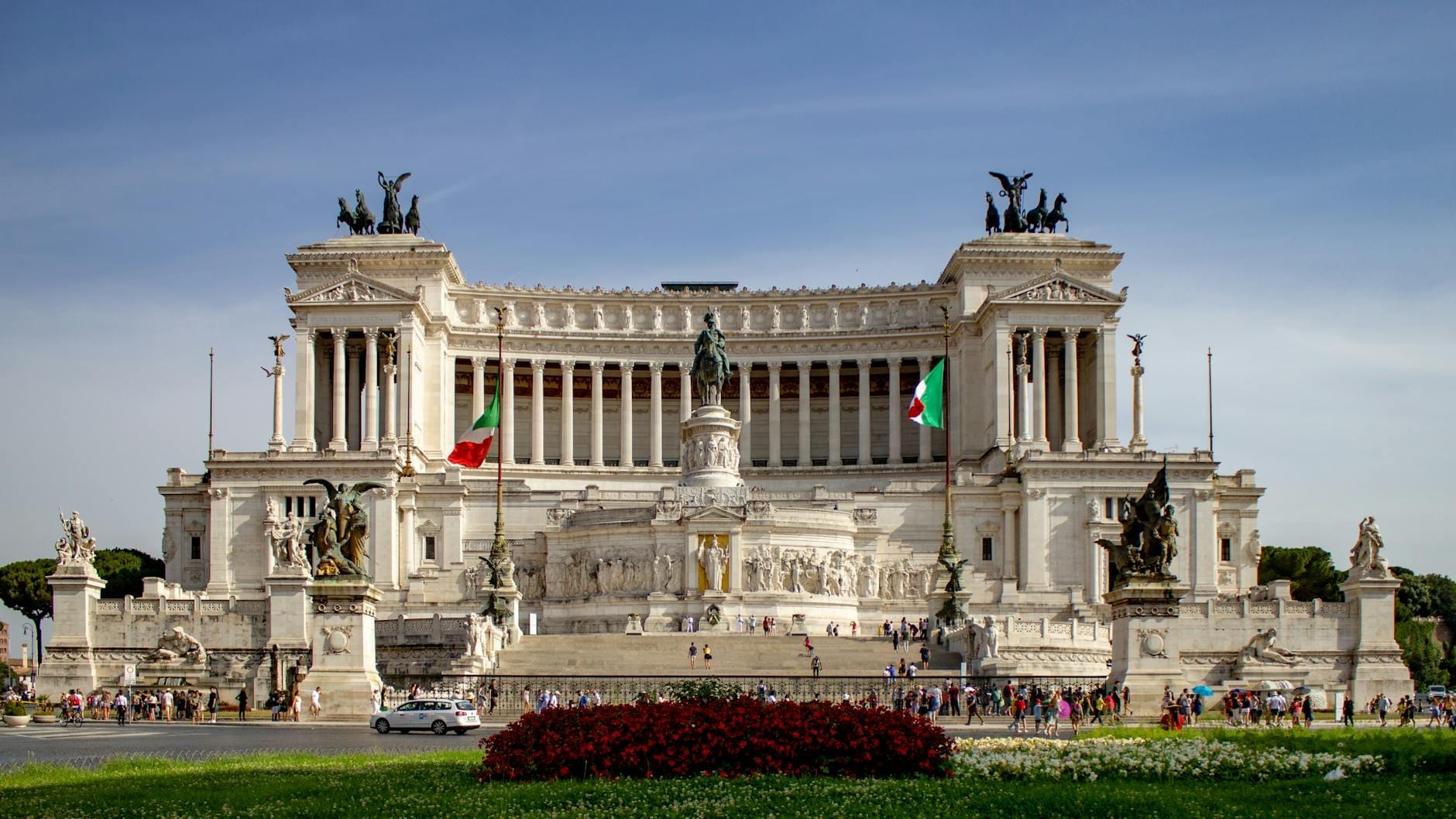
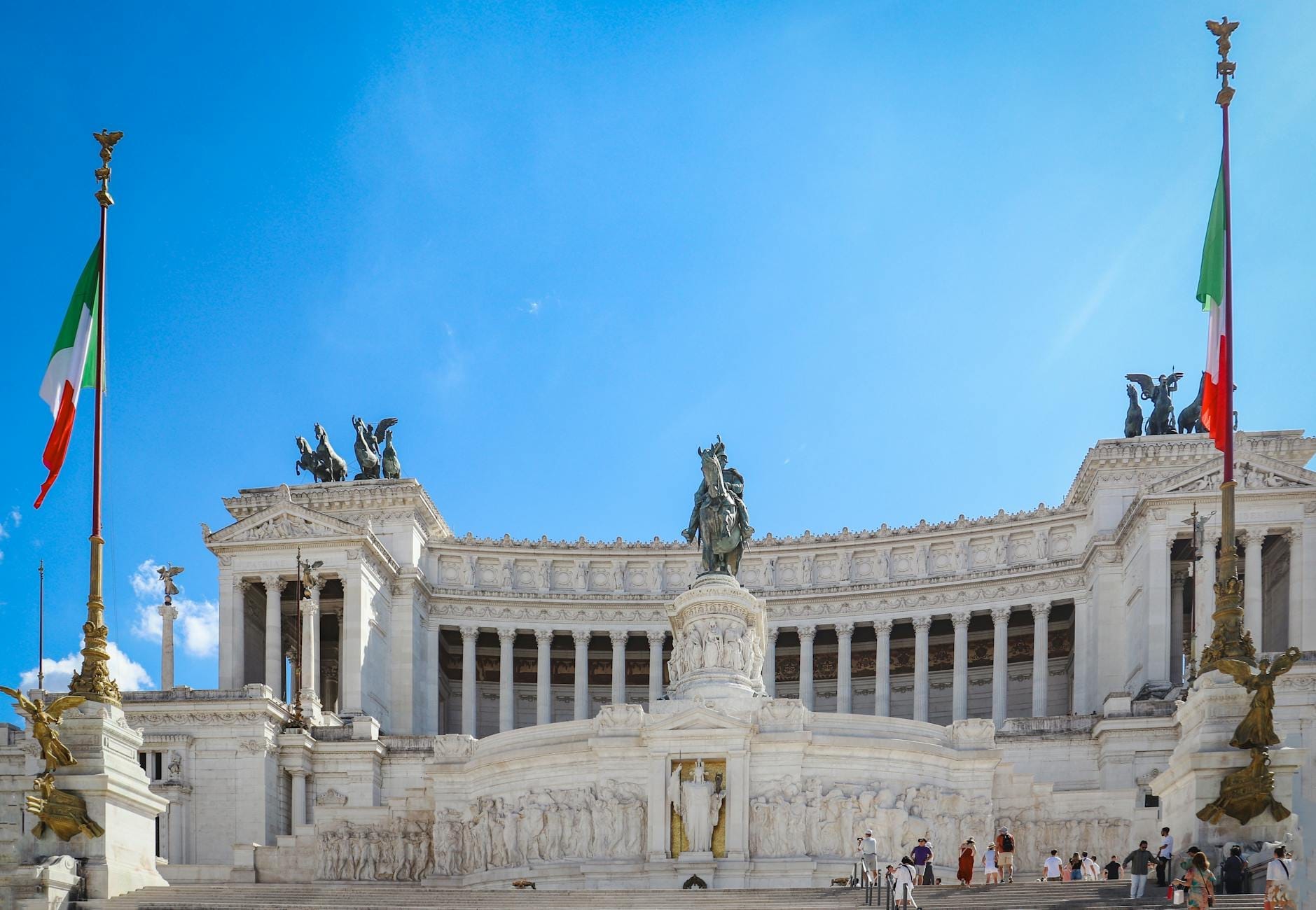
Piazza Venezia sits at the neighborhood's approximate southern anchor, with the monumental Vittoriano on one side and Via del Corso running north from it. From here, Capitoline Hill is a three-minute walk southwest, and the beginnings of ancient Rome are immediately visible. The whole area is remarkably walkable: crossing Centro Storico from Piazza Venezia north to Piazza del Popolo takes roughly 25 minutes on foot, and east to west from Via del Corso to the Tiber banks takes 15.
Character and Atmosphere
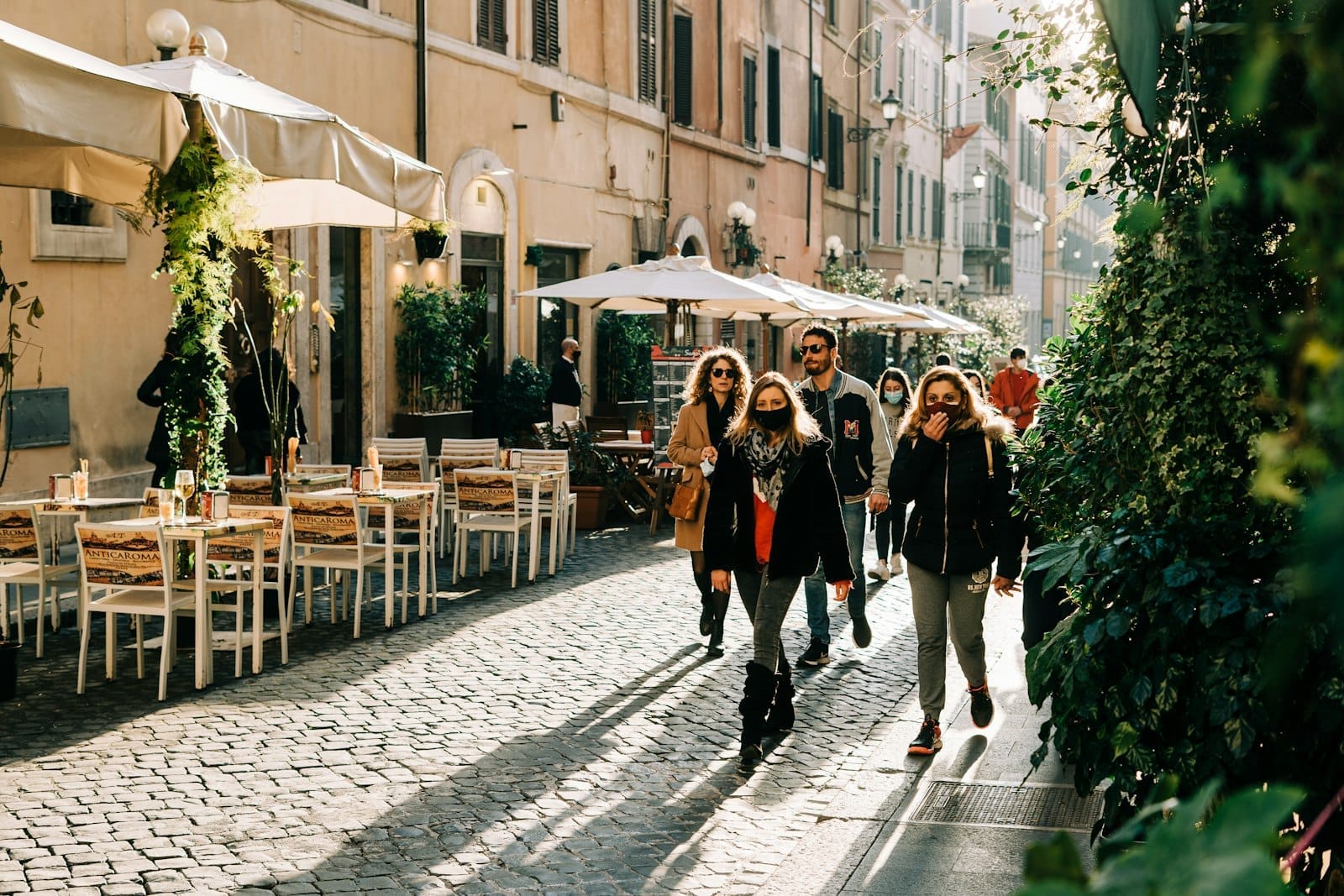
There is no single mood to Centro Storico because the neighborhood runs at several speeds simultaneously. Early morning, before 9am, is when the area feels most like itself. Deliverymen thread motorini through streets barely wide enough to allow it. Bar owners stack chairs and wipe down tables while the first espresso crowd arrives in work clothes. The light in June falls gold and low along the east-west alleys, and the Pantheon stands in relative peace with perhaps a dozen people in the piazza rather than several hundred.
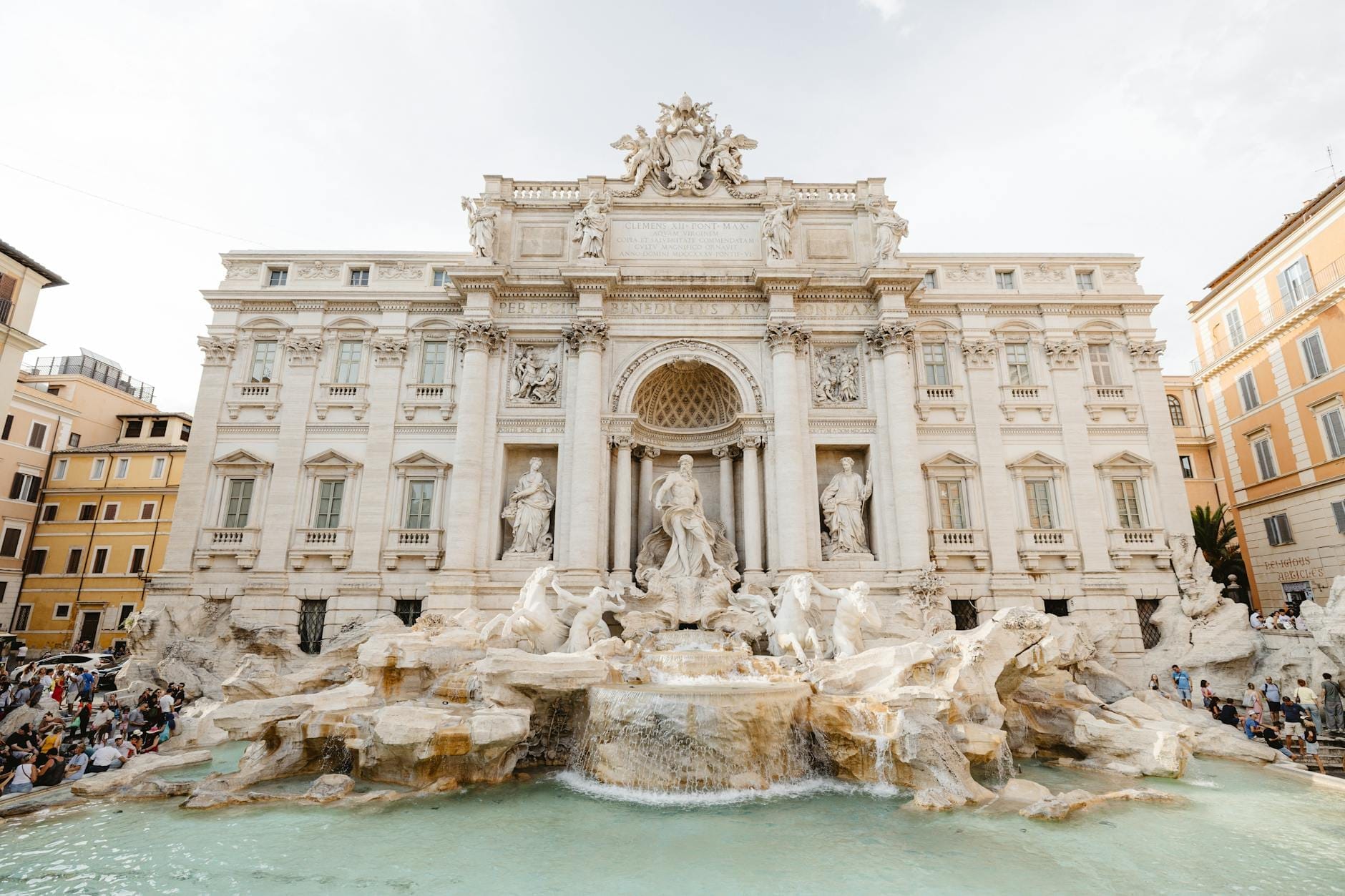
By mid-morning the transformation is complete. The tourist circuits activate, selfie sticks appear at the Trevi Fountain, and the streets around Piazza Navona fill with guided groups moving in slow procession. This is not a neighborhood that pretends to be off the beaten track: it is, by design and by history, the center of one of the world's most visited cities. The question is not whether crowds exist but whether you can navigate around them and find the quieter capillaries between the main arteries.
Those quieter streets absolutely exist. The blocks between Sant'Eustachio and the Pantheon, the alleys running south of Piazza Navona toward Campo de' Fiori, the lanes around Via dei Coronari, these places carry a different rhythm. Small workshops, independent bookshops, wine bars with handwritten menus in the window. The further you move from the Pantheon-Navona-Trevi triangle, the more residential and unreconstructed the character becomes.
Evenings shift the balance back toward the locals. Campo de' Fiori, which operates as a produce market in the morning, becomes a gathering point for an aperitivo crowd as the sun drops. Piazza Navona glows under floodlights. The restaurants near the river on Via dei Coronari and around Piazza Farnese fill with diners who have made reservations rather than walked in from the street. After 10pm, the noise around the Trevi Fountain actually increases as the crowds thin from tourist groups to younger visitors seeking a dramatic backdrop for the night.
💡 Local tip
Visit the Pantheon and Piazza Navona before 9am if you want photographs without crowds. The light is better and the piazzas feel genuinely spacious at that hour.
What to See and Do
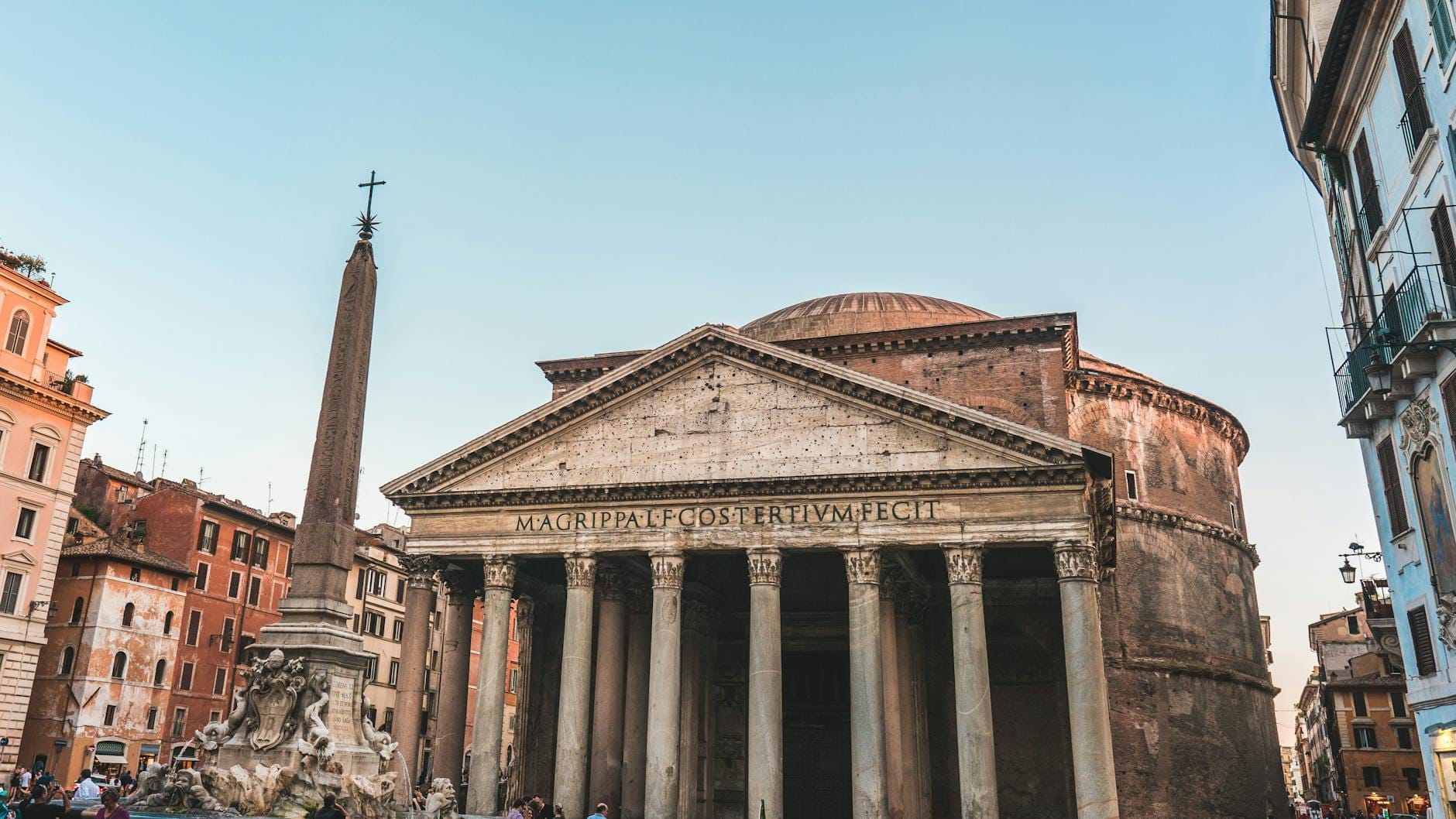
The Pantheon is the non-negotiable starting point. Built around 125 AD under Hadrian, it is the best-preserved ancient building in Rome and arguably in the world. The engineering of the unreinforced concrete dome, with its open oculus admitting a shaft of light that moves across the interior throughout the day, remains astonishing even after centuries of scholarly analysis. Entry now requires a timed ticket, which has reduced some of the previous congestion inside.
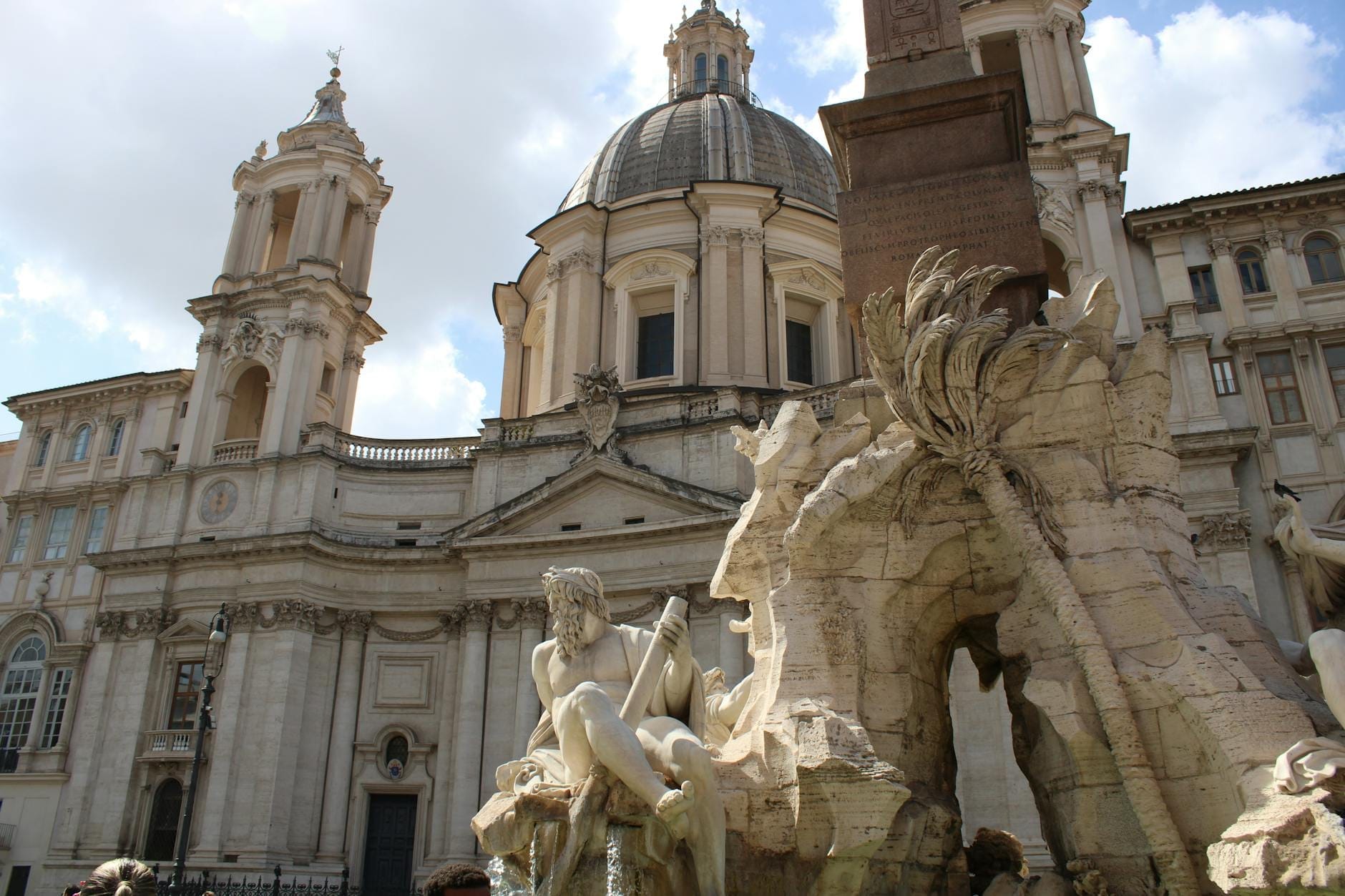
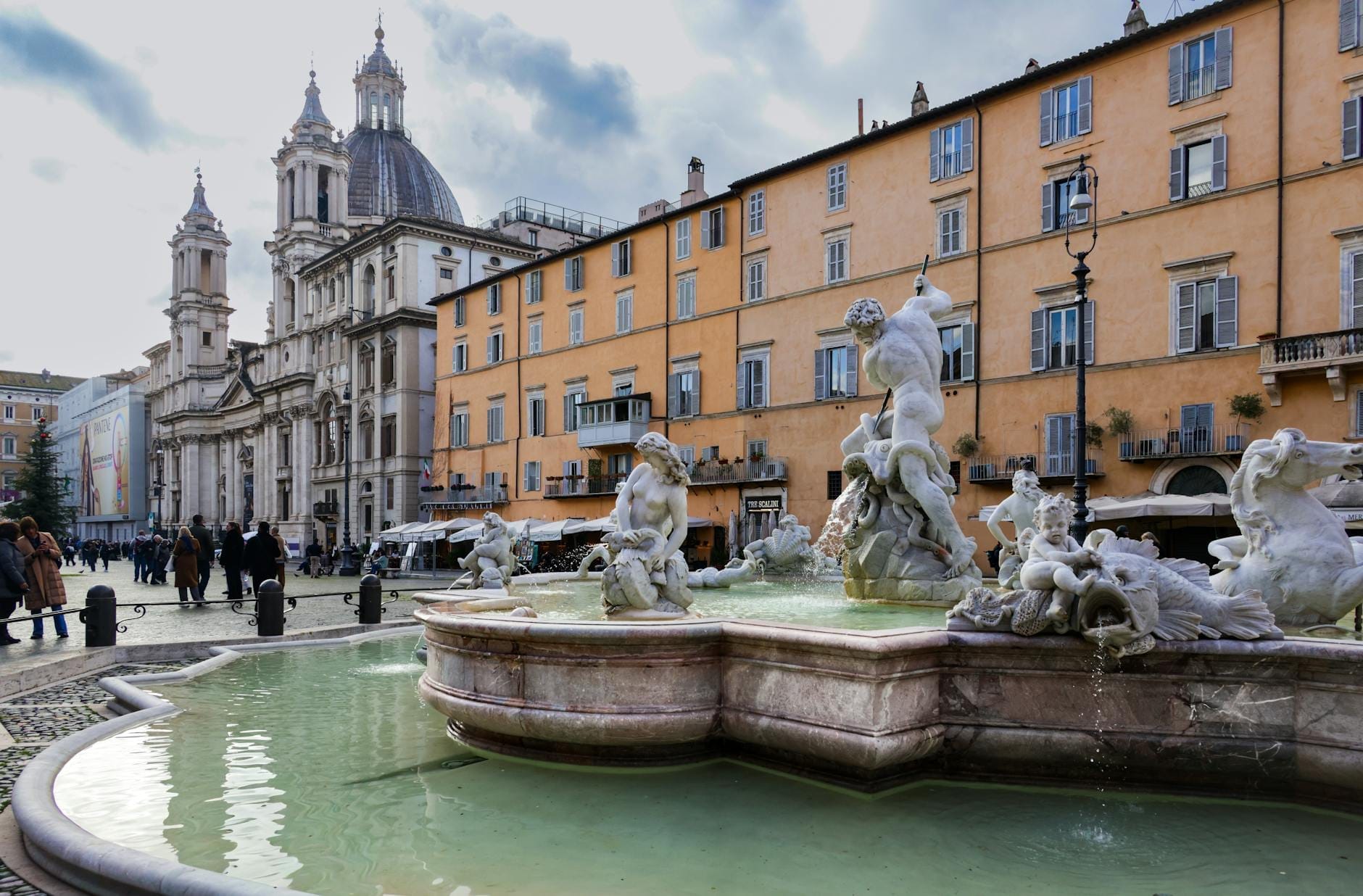
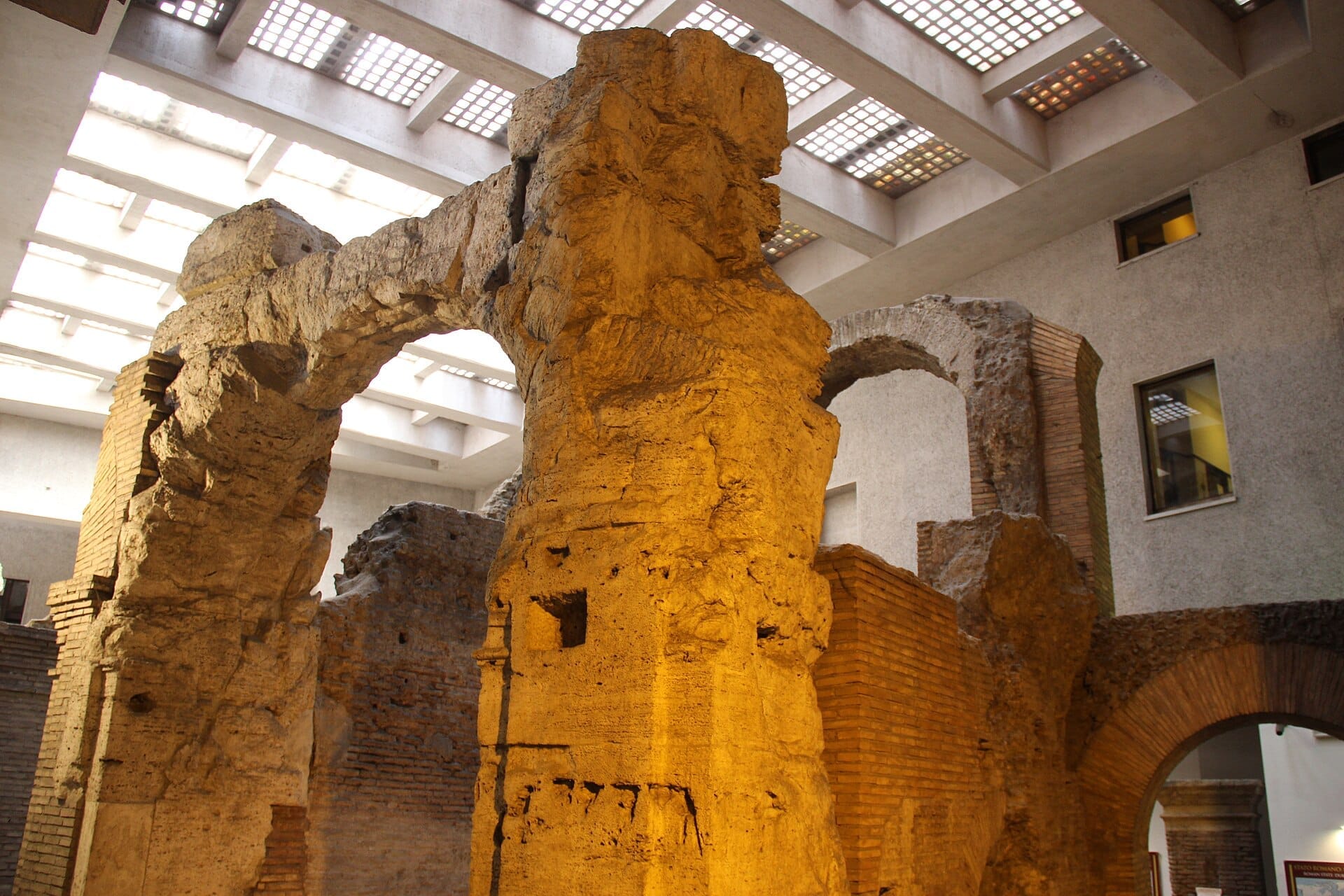
A ten-minute walk northwest brings you to Piazza Navona, built over the foundations of the ancient Stadium of Domitian, you can still see the curve of the original track in the shape of the piazza itself. Bernini's Fontana dei Quattro Fiumi dominates the center, its four river gods representing the Nile, Ganges, Danube, and Río de la Plata. The piazza is at its most theatrical at dusk when the fountain is illuminated and the surrounding cafés spill onto the cobblestones.
The Trevi Fountain sits at the eastern edge of Centro Storico in the Trevi rione. The famous coin-tossing tradition aside, the scale of Nicola Salvi's 18th-century composition is genuinely impressive when seen up close rather than in photographs. Access requires a timed-entry ticket as part of the city's crowd management strategy; verify current requirements before visiting.
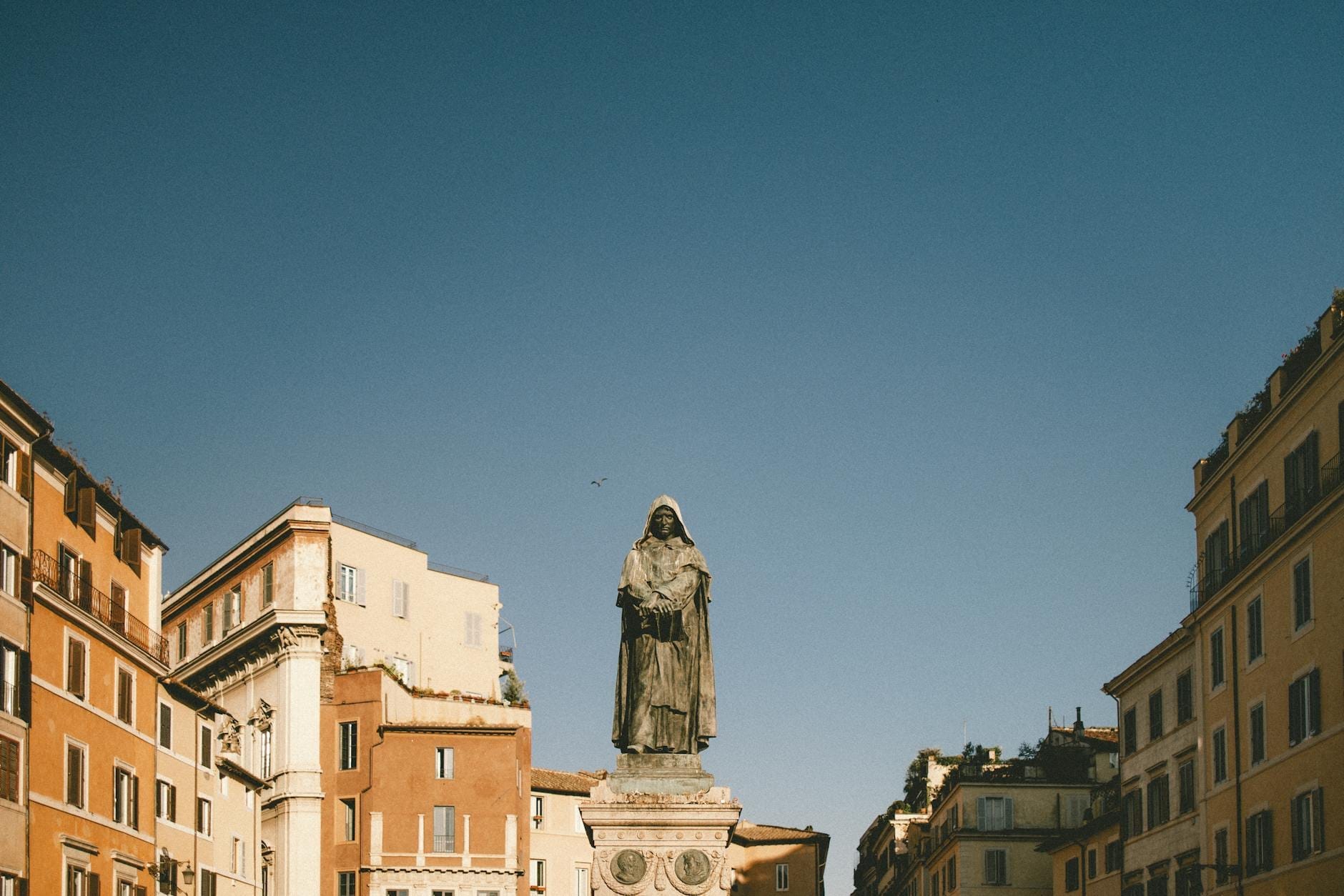
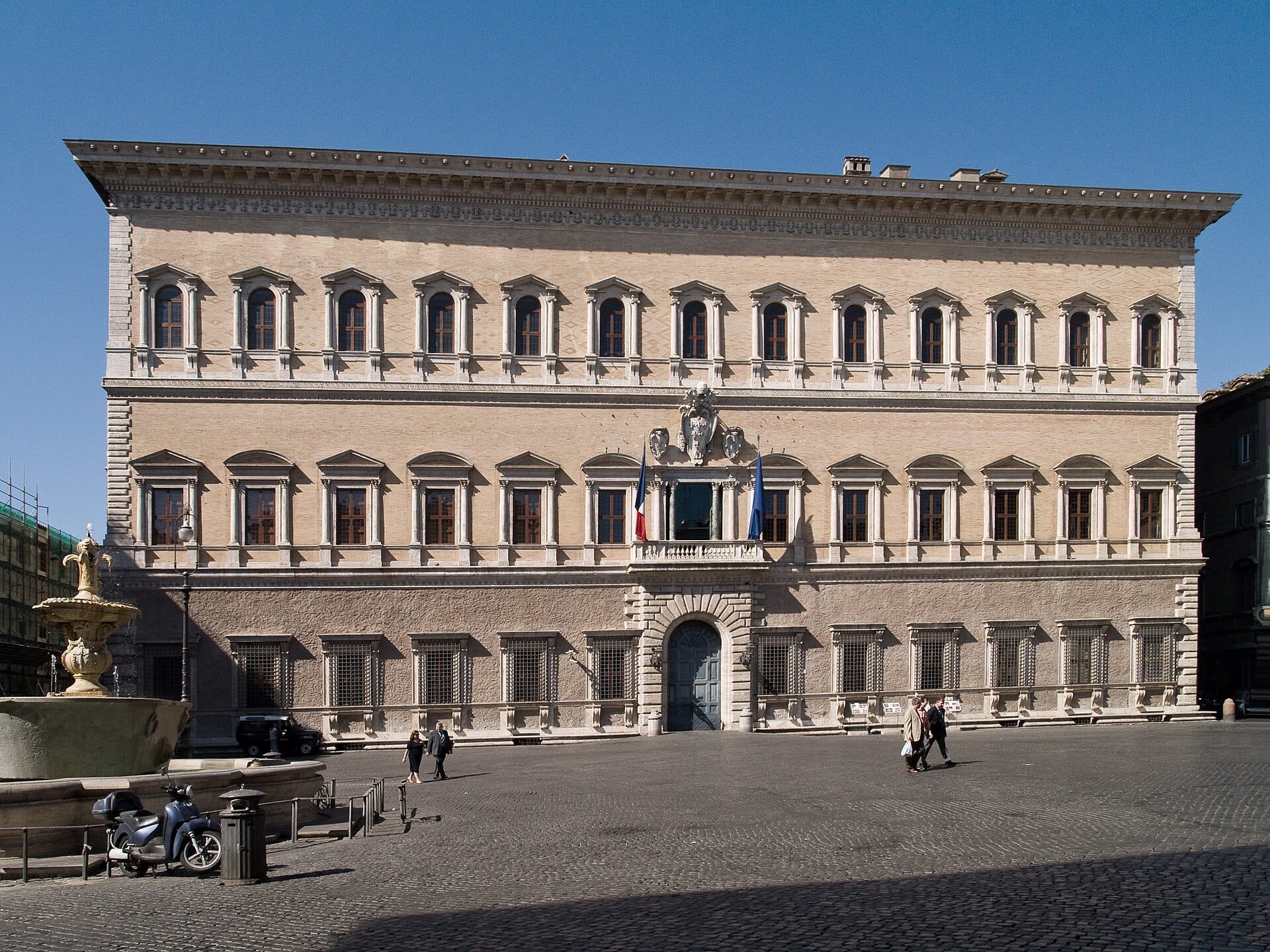
Campo de' Fiori offers a different register: a working piazza rather than a monument. Its morning market (Monday to Saturday, roughly 7am to 2pm) sells produce, cheese, and flowers in a tradition that dates back centuries. The statue at the center is Giordano Bruno, burned here for heresy in 1600. Nearby, Palazzo Farnese is one of Rome's finest Renaissance palaces, now the French Embassy. Its facade is visible from the piazza, though the interior is accessible only by advance reservation.
Pantheon: daily entry, timed tickets required, check current hours
Piazza Navona: free, open at all hours, most active late afternoon and evening
Trevi Fountain: free to view, timed entry required
Campo de' Fiori market: Monday to Saturday, 7am to 2pm
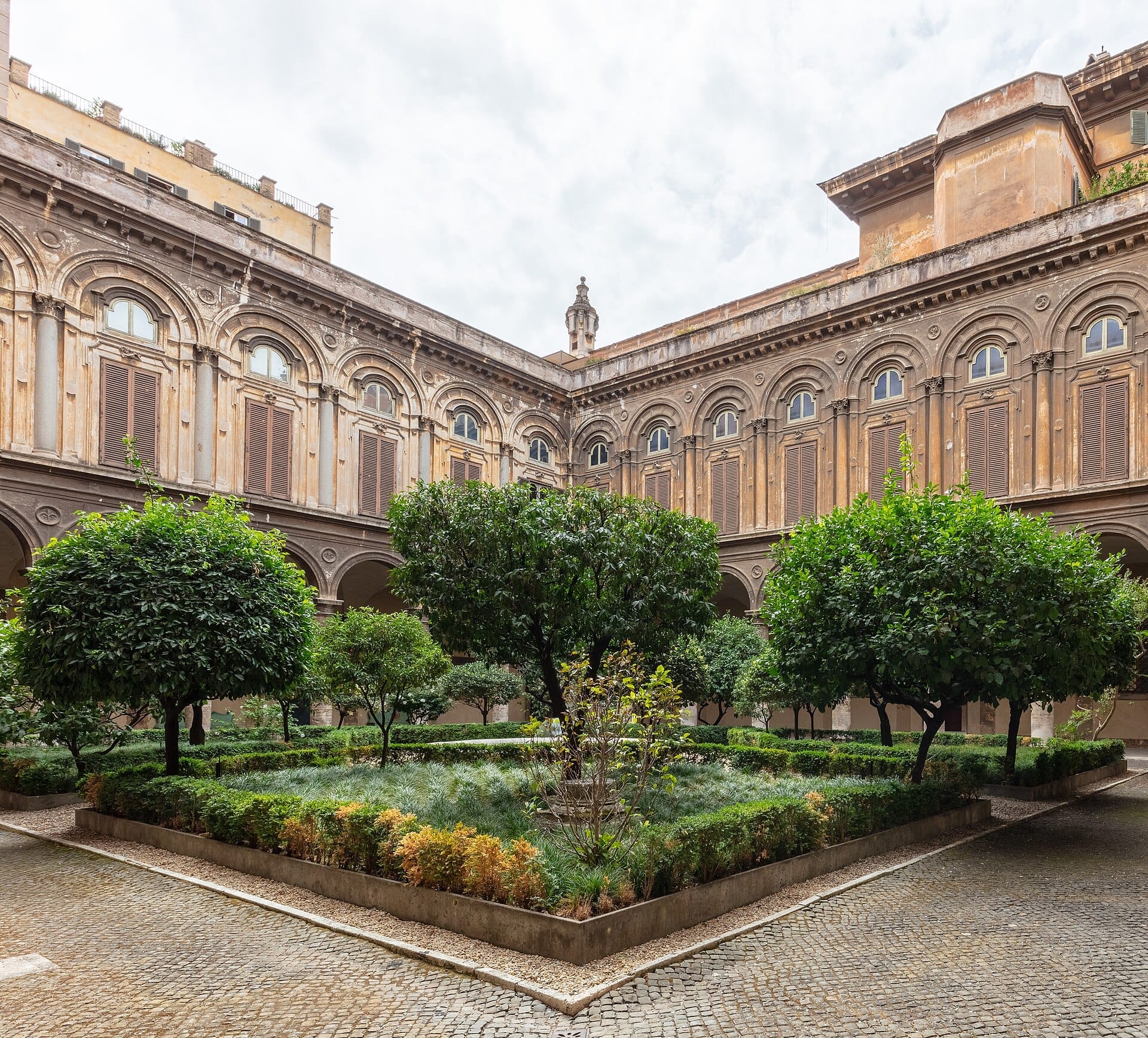
Palazzo Doria Pamphilj: private palace gallery on Via del Corso, outstanding collection including Velázquez and Caravaggio
Sant'Eustachio il Caffè: legendary Roman espresso institution near the Pantheon
Via dei Coronari: antique dealers and art galleries running parallel to the Tiber
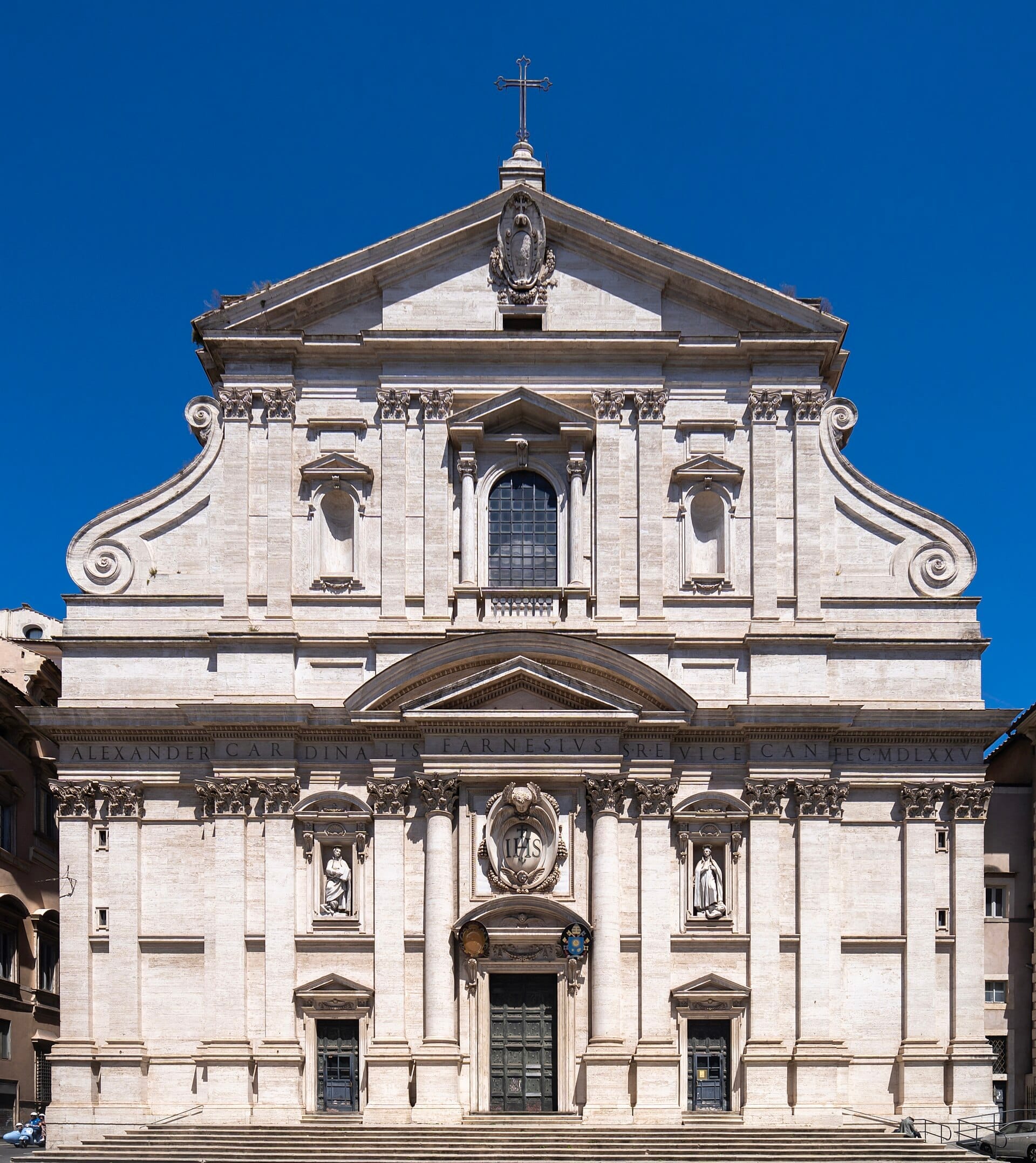
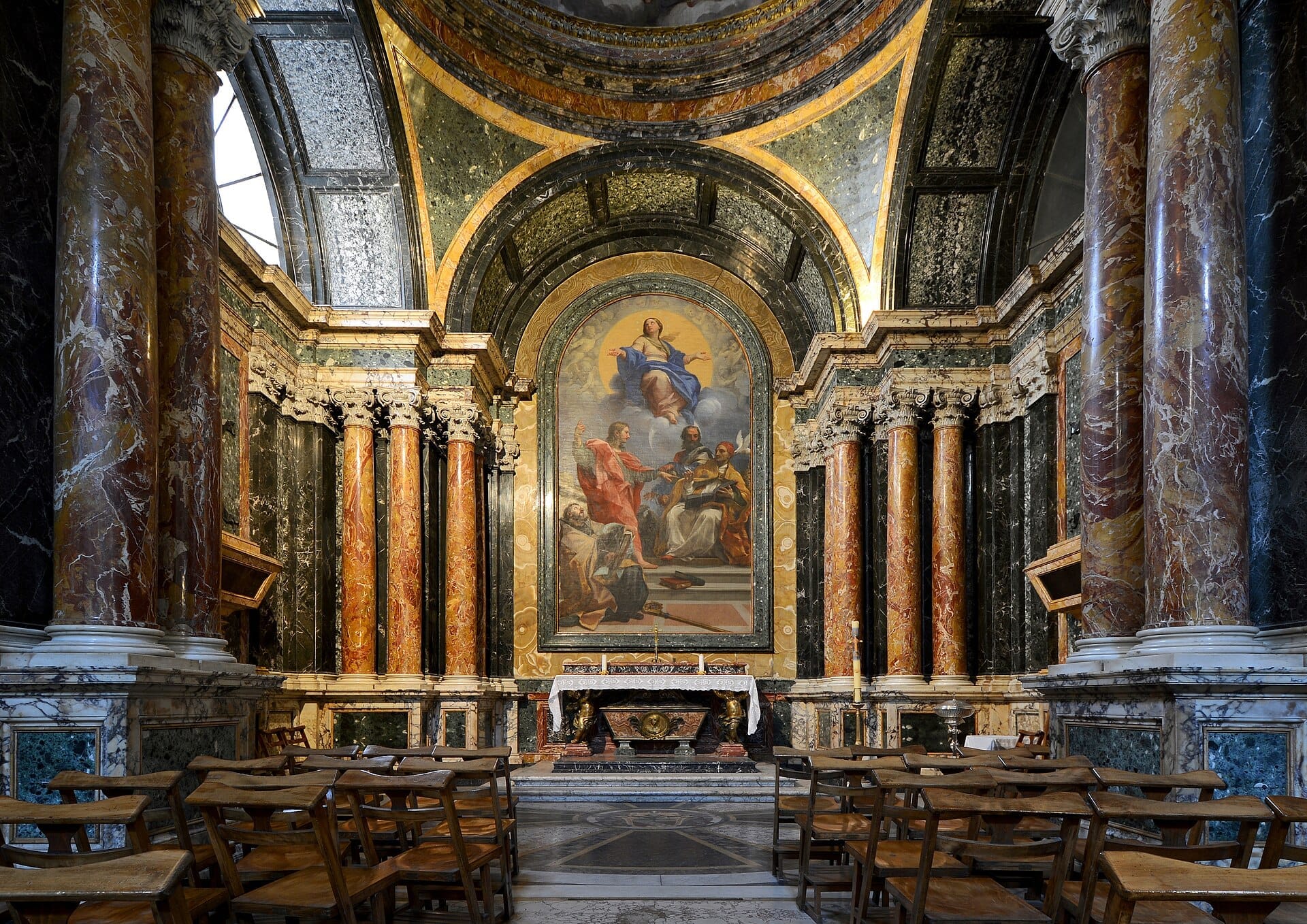
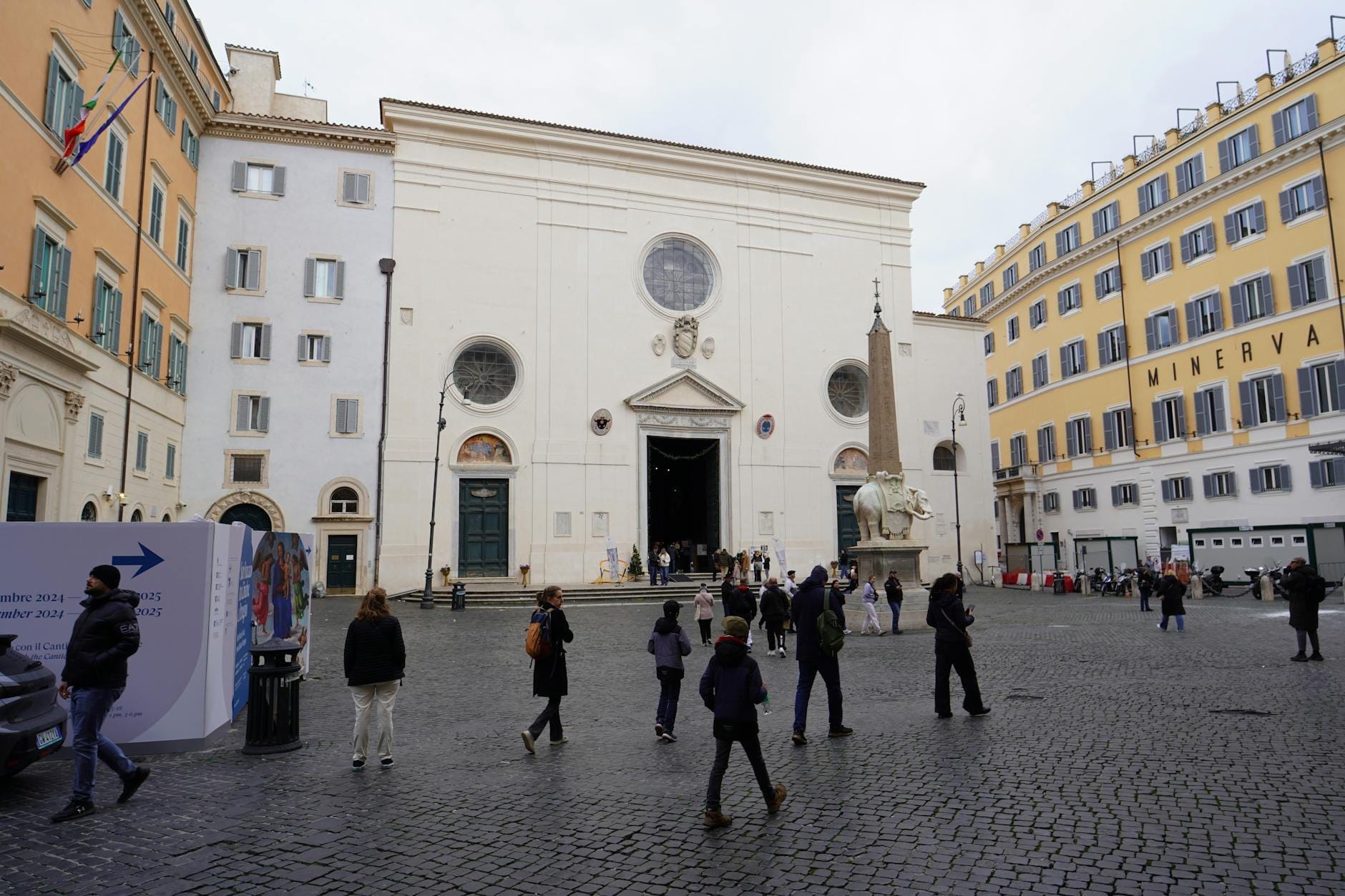
For context on the full sweep of Roman religious architecture across Centro Storico, the best churches in Rome guide covers several sites concentrated in this neighborhood, including Santa Maria sopra Minerva, the only Gothic church in central Rome, standing directly behind the Pantheon.
ℹ️ Good to know
Centro Storico is part of Rome's broader UNESCO World Heritage historic district, which extends well beyond this neighborhood to cover 22 rioni and over 14 square kilometers in total. The designation protects the urban fabric as a whole, not just individual monuments, meaning the streets themselves are protected.
Eating and Drinking
The food scene in Centro Storico spans a wide range of quality and price, and the gap between the two is significant. Within 50 meters of the Pantheon or Trevi Fountain, restaurants aimed primarily at tourists are common: laminated menus in six languages, photos of every dish, and prices that reflect location rather than cooking. These are not where you want to eat. The good news is that you do not have to walk far to find better.
The area around Campo de' Fiori and the blocks running south toward Via dei Giubbonari tend to have more reliable trattorias with actual neighborhood clientele. Look for places where the menu is written on a blackboard and changes daily, and where the lunch crowd includes people in office clothes. Roman classics to seek out include cacio e pepe (pasta with pecorino and black pepper), carbonara, coda alla vaccinara (oxtail stew), and carciofi alla giudia (Jewish-style fried artichokes), the last a specialty with deep roots in the nearby Jewish Ghetto.
Coffee culture is taken seriously here. Sant'Eustachio il Caffè, on Piazza di Sant'Eustachio near the Pantheon, is considered by many Romans to make the best espresso in the city. The formula is proprietary and the beans are roasted on the premises. Tazza d'Oro, also near the Pantheon on Via degli Orfani, is the other pillar of the great Centro Storico espresso debate. Both are worth trying, and both charge approximately the same standing-at-the-bar price of around one euro.
For an overview of where to eat across the city and which neighborhoods offer the most reliable food experiences, the Rome food guide provides context on Roman cuisine traditions, price expectations, and how to read a menu without falling into tourist-trap territory.
Aperitivo culture is concentrated around Campo de' Fiori from about 6pm, where multiple bars compete with free snacks and Spritz service. Wine bars near Piazza Farnese tend to attract a more local and quieter crowd. If you want craft beer or cocktails rather than wine, the streets south of Corso Vittorio Emanuele II have several options that cater to a younger Roman clientele.
⚠️ What to skip
Restaurants with photographs on outdoor menus facing the Pantheon, Piazza Navona, or the Trevi Fountain typically charge a significant premium for location rather than quality. A coffee can cost 4-6 euros at a table in these piazzas versus 1 euro standing at the bar a street away. The choice is yours, but know what you are paying for.
Getting There and Around
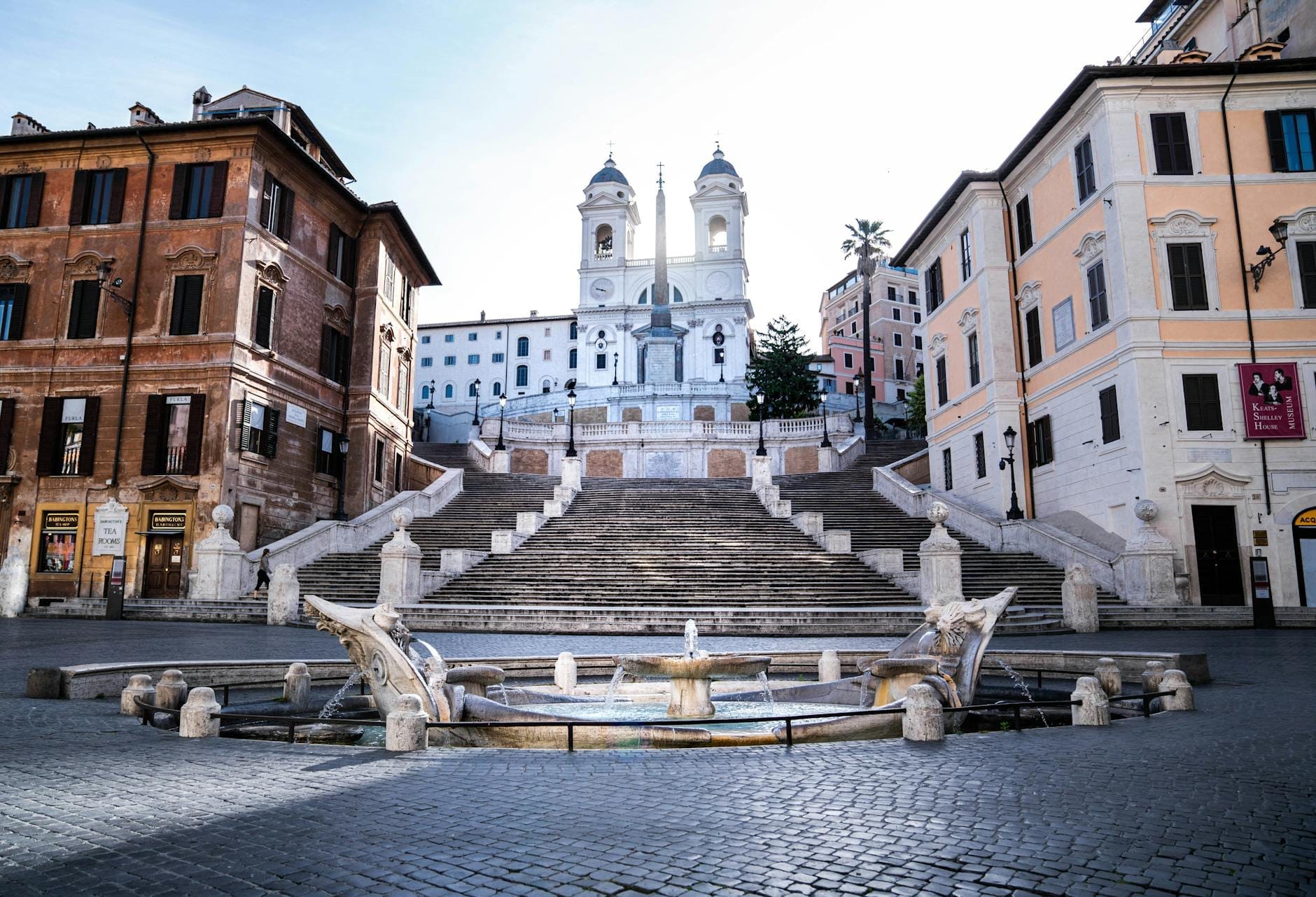
Centro Storico has no metro stations. This is not a flaw in the transit system so much as a consequence of the archaeological layers beneath the streets: drilling for metro infrastructure risks encountering ruins at every meter. The nearest metro stops are Spagna (Line A) to the north and Barberini (Line A) to the northeast, each about 15-20 minutes on foot from the Pantheon.
Buses are the main public transit option. From Termini station, several lines run west along Via Nazionale toward Piazza Venezia, which functions as a de facto transit hub for the centro storico. From there, most major sites are within 10-15 minutes on foot. Bus routes 40, 64, and others run along Corso Vittorio Emanuele II, the main east-west boulevard cutting through the neighborhood. Tram lines do not serve this area directly.
The ZTL (Zona a Traffico Limitato) restricts private car access to the historic center on weekdays and at other designated times. Cameras enforce the restriction automatically, so driving in without authorization generates a fine that arrives weeks later. Parking near the center is scarce and expensive, typically 1.50 to 3 euros per hour at garages. Visitors arriving by car are strongly advised to park at a peripheral garage or Park and Ride facility and continue by public transit or on foot. For full transit logistics across the city, the getting around Rome guide covers bus routes, metro maps, and ticketing in detail.
Walking is genuinely the best way to experience Centro Storico, and the distances are short enough to make it practical for most visitors. From Piazza Navona to Campo de' Fiori is a 5-minute walk. From the Pantheon to the Trevi Fountain is about 10-12 minutes. From Piazza Venezia to the Capitoline Hill is 3 minutes. The cobblestone streets are uneven and can be taxing over long distances, so comfortable shoes matter more here than almost anywhere else in Rome.
Where to Stay
Staying in Centro Storico puts you within walking distance of more major sights than any other neighborhood in Rome, which makes it the most strategically logical base for a short trip. It is also, predictably, among the most expensive areas for accommodation. The where to stay in Rome guide breaks down the full range of neighborhood options, but if Centro Storico is your choice, location within the neighborhood matters.
The area around Campo de' Fiori and Piazza Farnese tends to be quieter at night than the streets immediately around Piazza Navona, which can be noisy until late. The Trevi rione is central and prestigious but hotels here command a premium. If budget is a concern, staying just outside Centro Storico in Monti or near the Vatican and walking or busing in each day is a practical alternative that can save significant money without much convenience penalty.
The accommodation mix ranges from luxury hotels in converted palaces to small B&Bs and apartment rentals spread through residential buildings. There are no large chain hotels dominating the streetscape here; the scale of the buildings and the historic preservation rules keep development at a human level. Apartments rented through short-term platforms are common and often better value than hotels for stays of more than two nights, though book early for the April-June and September-October peak periods.
💡 Local tip
If noise is a concern, ask specifically for a room facing an internal courtyard (cortile interno) rather than the street. Even in quiet alleys, cobblestone streets amplify sound at night, and some piazzas near popular bars stay loud past midnight.
Honest Assessment: Drawbacks and Considerations
Centro Storico is not for travelers seeking an immersive local neighborhood experience away from tourism. This is Rome's most visited area, and peak season crowds around the Pantheon and Trevi Fountain are genuinely intense. The Trevi Fountain in July or August, particularly between 11am and 6pm, can feel less like a cultural experience and more like a crowd-management exercise.
Pickpocketing is a consistent concern in crowded areas, particularly around the major fountains, at Campo de' Fiori after dark, and on the buses that serve the center. Standard urban precautions apply: use bags that close securely, keep phones in a front pocket, and be alert in very crowded spots. There is no particular safety issue specific to Centro Storico beyond what any dense tourist district in a major European city presents.
The ZTL and parking situation makes arriving by private car frustrating and potentially costly. The lack of metro access means transit connections to other parts of the city require bus rides or longer walks to reach metro stations. None of these are deal-breakers, but they are factors to weigh if you are planning a multi-destination Rome itinerary that requires frequent transit.
For travelers on a tighter budget, it is worth knowing that many of Centro Storico's great experiences cost nothing. Entering piazzas, walking the alleys, viewing church exteriors, standing at the Trevi Fountain, and sitting on the steps of any number of minor piazzas are all free. The free things to do in Rome guide outlines how to spend a full day in this neighborhood without paying for a single attraction.
TL;DR
Centro Storico is Rome's historic core, holding the Pantheon, Piazza Navona, Trevi Fountain, Campo de' Fiori, and dozens of other major landmarks in a compact, walkable 3 square kilometer zone.
Best for first-time visitors to Rome who want maximum sightseeing density and do not mind tourist-heavy surroundings at peak hours.
No metro access: rely on buses from Termini to Piazza Venezia, or walk from the Spagna and Barberini metro stops on Line A.
Crowds peak from mid-morning to early evening at the main monuments; early mornings and late evenings offer a noticeably different, quieter experience.
Accommodation is expensive and books up fast in spring and autumn, apartments often represent better value than hotels for multi-night stays.
Rome has more churches per square kilometer than almost any city on earth, and the finest contain some of the greatest art ever made. This guide cuts through the noise to bring you the 15 churches that genuinely deserve your time, from world-famous papal basilicas to overlooked medieval gems.
Rome holds one of the densest concentrations of great museums anywhere on earth, from ancient sculpture collections to Baroque art palaces and cutting-edge contemporary spaces. This guide covers the 18 best, organized by type, with practical advice on what to prioritize and when to book.
Rome rewards visitors year-round, but the experience varies dramatically by season. This guide breaks down crowds, temperatures, costs, and local events to help you pick the right time for your trip.
Rome rewards those who look up, climb higher, and peer through keyholes. This guide covers the city's finest viewpoints, from sweeping 360-degree rooftop panoramas to perfectly framed peepholes, with tips on when to go and what you'll see.
Rome rewards budget travelers more than almost any major European capital. From Baroque piazzas and ancient hilltops to world-class churches and sprawling parks, a huge portion of the city's best experiences cost absolutely nothing. This guide covers the 20 best free things to do in Rome, organized so you can plan a full day without opening your wallet.
Rome's transport network is more complex than most first-time visitors expect. This guide breaks down every option for getting around Rome, from the limited metro to the best bus routes, airport transfers, taxis, and when walking beats everything else.
Rome rewards those who look past the Colosseum queue and the Trevi selfie crowd. These are the churches, viewpoints, markets, and underground worlds that most visitors walk right past, where the real texture of the city lives.
Ostia Antica is Rome's best-kept archaeological secret: a sprawling ancient city just 30 minutes from the capital, better preserved than most sites and far less crowded than the Forum or Colosseum. This guide covers everything from tickets and transport to the top ruins worth your time.
Rome transforms after sunset. Ancient ruins glow under floodlights, piazzas fill with locals rather than tour groups, and the city's food and nightlife scenes come alive. This guide covers the best nocturnal experiences in Rome, from free evening strolls to exclusive night tours of the Colosseum and Vatican.
Rome rewards those who venture beyond the city walls. Within an hour or two of the capital, you can walk through a remarkably intact Roman port city, stroll Renaissance water gardens, sip Frascati wine above a volcanic crater lake, or explore an Etruscan cliff town. These are the day trips that make a Rome visit feel genuinely complete.
Roman cuisine is one of the most specific, opinionated, and deeply satisfying in Italy. This guide covers the essential dishes, the rules locals follow, the best neighborhoods to eat in, and how to avoid the tourist traps that pass for Italian food in Rome.
Three days is enough to see Rome's greatest hits — if you plan smart. This itinerary covers the Colosseum, Vatican, Pantheon, and beyond, with the right order, practical timing tips, and a few stops that most visitors miss.
Rome is one of Europe's most rewarding cities to explore on a tight budget. This guide breaks down real costs, free attractions, transport options, and smart strategies so you can see the best of the city without draining your account.
Rome rewards families who come prepared. From gladiator stories at the Colosseum to gelato breaks in Villa Borghese, this guide covers every practical detail: advance tickets, stroller logistics, the best neighborhoods to base yourself, and how to keep kids engaged without burning everyone out.
Rome's top attractions can swallow hours in queue time alone. This guide breaks down exactly which sites demand advance booking, which platforms to trust, what skip-the-line actually means in practice, and where you can honestly walk straight in.
Rome rewards those who plan smart. This guide covers the essential things to do in Rome, from ancient ruins and world-class museums to neighborhood food markets and rooftop views, with honest advice on what to skip and how to book the rest.
Rome's food scene rewards the curious and punishes the complacent. This guide cuts through the tourist-trap noise to give you honest, neighborhood-by-neighborhood restaurant picks, dish-by-dish ordering advice, and practical tips on reservations, pricing, and when to skip the menu entirely.
Choosing where to stay in Rome shapes your entire trip. This guide breaks down every major neighborhood honestly, covering walkability, noise, price, and who each area suits best, so you can book with confidence.