Where to Stay in Rome: A Neighborhood-by-Neighborhood Guide
Choosing where to stay in Rome shapes your entire trip. This guide breaks down every major neighborhood honestly, covering walkability, noise, price, and who each area suits best, so you can book with confidence.
Tickets & tours
Live prices and dates from our booking partner. If you book, we may earn a commission at no extra cost to you.
TL;DR
- Centro Storico and Trastevere are the most atmospheric areas but also the most expensive and loudest at night.
- Monti is the best all-rounder for first-timers: central, well-connected by Metro Line B (Cavour stop), and less overwhelming than the historic core.
- Prati, just north of the Vatican, is quieter, more residential, and a good base for families or visitors prioritizing the Vatican area.
- Book at least 2-3 months ahead for spring (April-June) and autumn (September-October) travel; these are the peak shoulder seasons when good rooms sell fast.
- Avoid Termini as a home base unless budget is the overriding factor. The area is convenient but lacks the character that makes Rome worth visiting.
How to Think About Rome's Neighborhoods
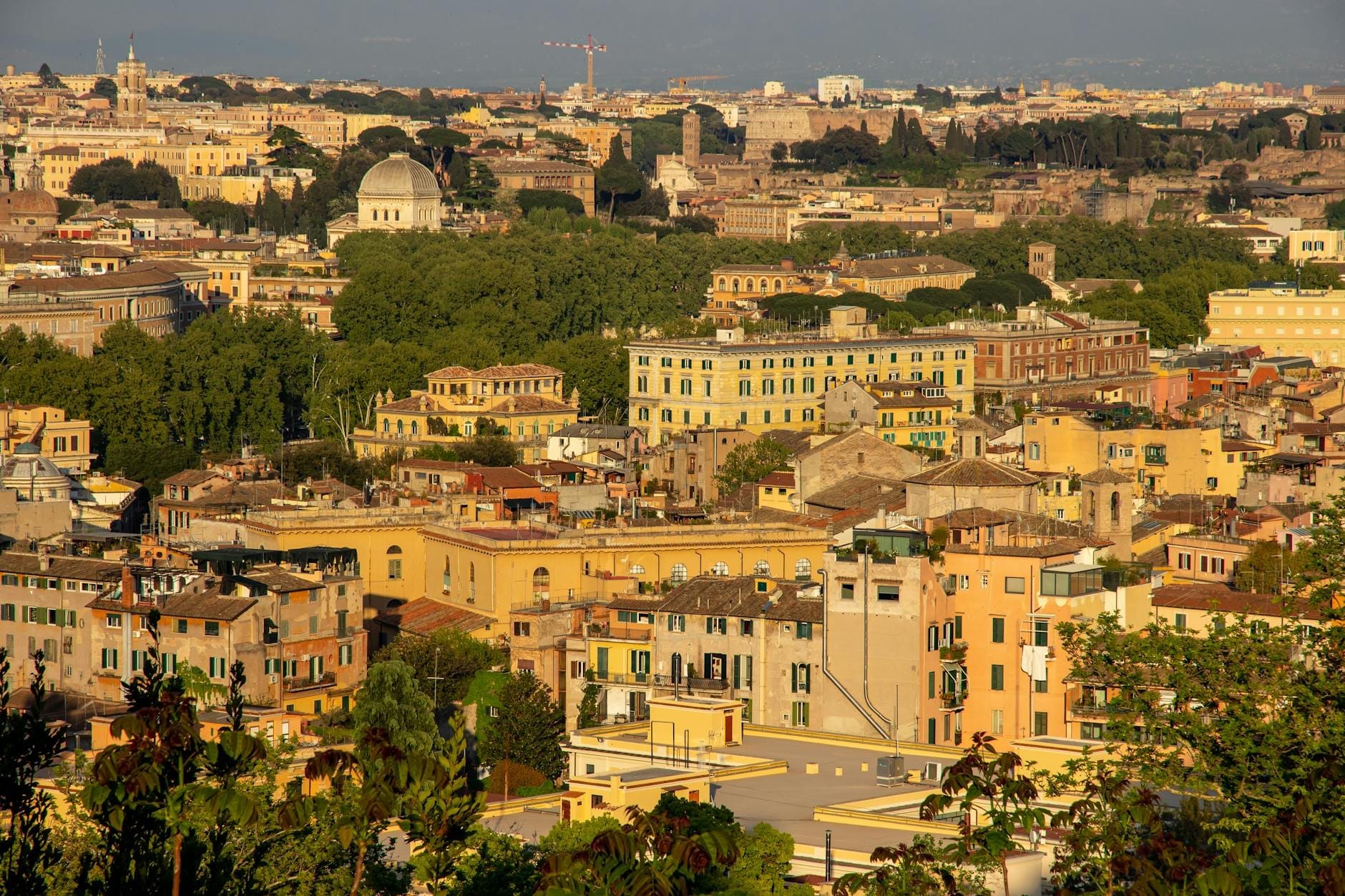
Rome is not a city with one obvious tourist district. Its major sights are scattered across multiple neighborhoods, each with a distinct personality and trade-off. Where you sleep determines how much you walk, how much you spend, how much noise you hear at 2 a.m., and how authentically Roman your trip feels. Unlike Paris or London, Rome's ancient geography means that 'central' doesn't always mean 'connected.' Metro coverage is limited to three lines, buses are slow, and some of the most sought-after neighborhoods have no metro access at all.
The practical question is not 'which is the best neighborhood' but 'which neighborhood fits my priorities.' Someone visiting Rome for the first time on a 3-day itinerary has different needs than a family spending a week or a repeat visitor looking to dig deeper into the city. For a structured way to think about your time, the Rome in 3 days itinerary is worth reviewing before you book.
ℹ️ Good to know
Rome uses a city tax (tassa di soggiorno) added per person per night. Rates vary by accommodation category, typically €3-10 per person per night. This is paid directly at the hotel and is not included in most online booking prices.
Centro Storico: Maximum Atmosphere, Maximum Price
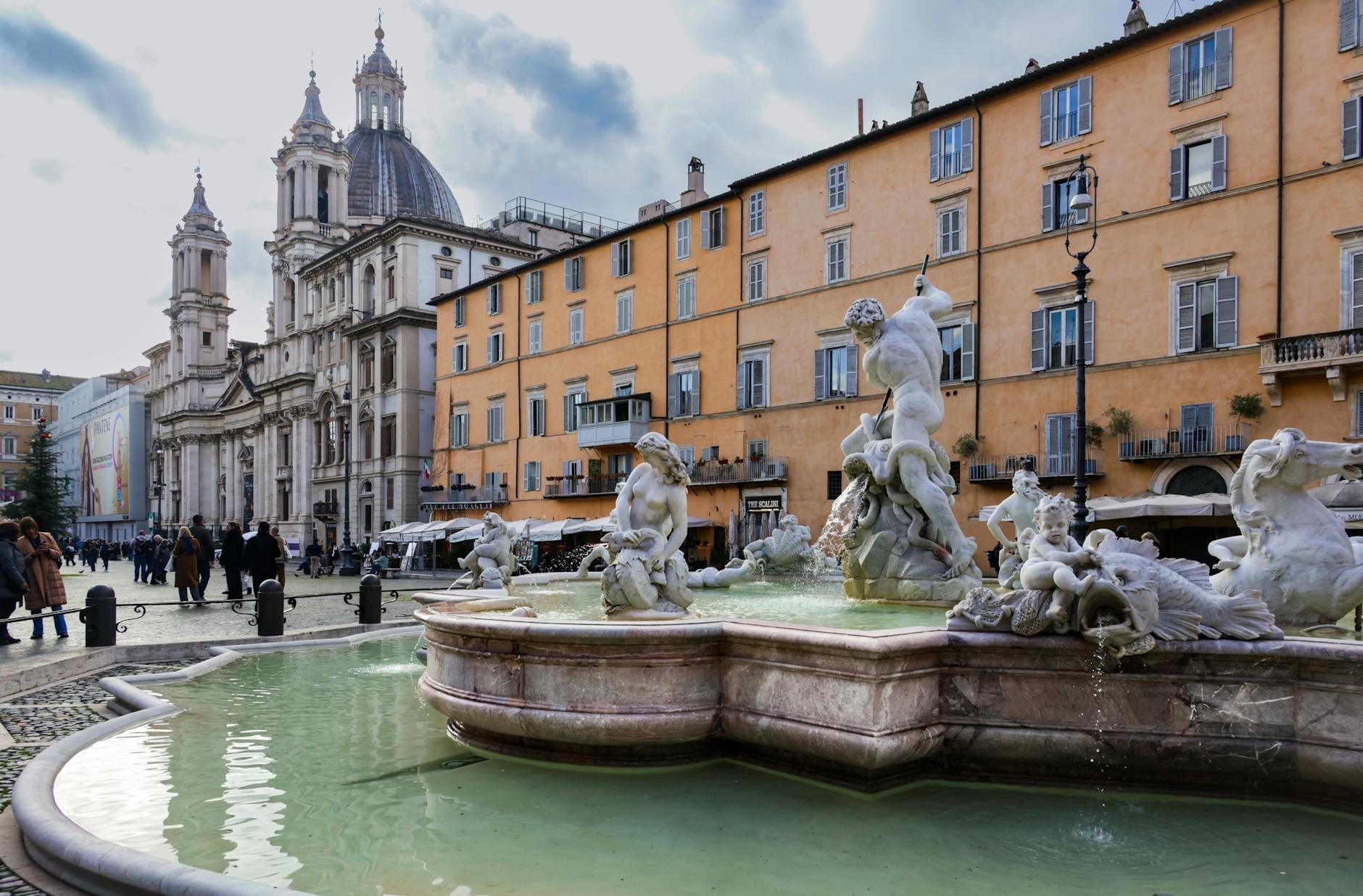
The historic center is where Rome looks like the postcards. Staying here puts you within walking distance of the Pantheon, Piazza Navona, the Trevi Fountain, and the Campo de' Fiori. For many first-time visitors, this proximity alone justifies the premium.
The trade-offs are real. Centro Storico hotels are the priciest in Rome, and the area draws enormous tour groups from mid-morning until early evening. Streets around the Pantheon and Trevi Fountain are genuinely difficult to walk through between 10 a.m. and 7 p.m. in high season. Noise at night is also a factor: the same streets that empty of day-trippers fill with bar-goers after 9 p.m. If you're a light sleeper, request an interior-facing room.
The area has no convenient metro station. Getting to the Colosseum or Vatican requires bus or taxi. That said, if your itinerary is concentrated around the historic core and you're happy to pay for the location, few places on earth offer this density of world-class sights within a 15-minute walk. Budget for hotels here starting around €150-250 per night for a mid-range option, rising sharply for anything with a rooftop view of the Pantheon.
Monti: The Best All-Around Base
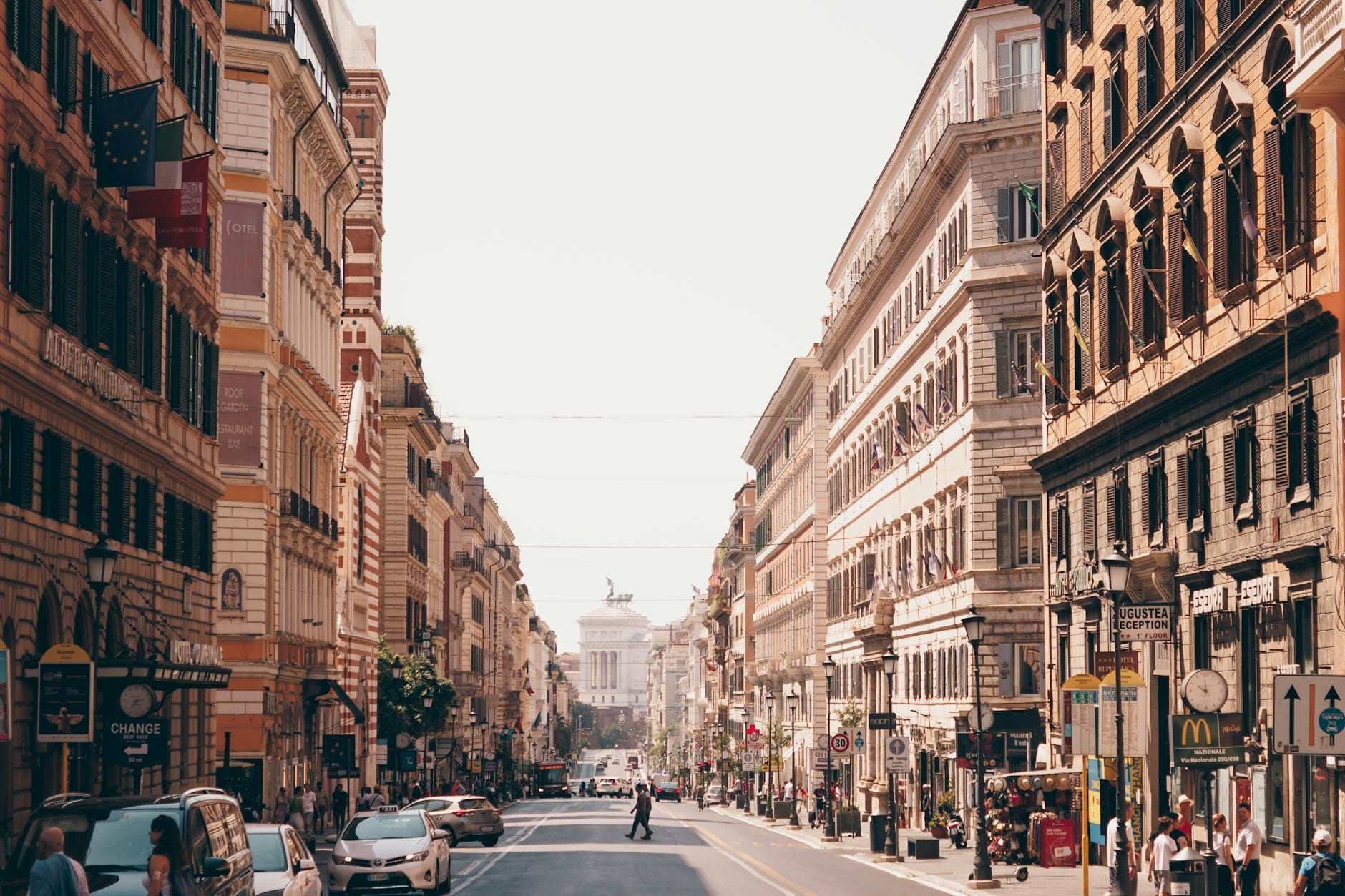
Monti sits between the Colosseum and the Termini transport hub, giving it a rare combination: genuine neighborhood character, Metro Line B access at Cavour station, and a short walk to major ancient sites. It is the area most consistently recommended for first-time visitors who want to feel like they're in Rome rather than inside a tourist machine.
The streets around Via dei Serpenti and Via del Boschetto are lined with independent shops, wine bars, and trattorias that still serve neighborhood locals. The Monti neighborhood is hilly in parts, which catches some visitors off guard, but it's entirely walkable. It's also worth being honest: Monti's reputation has made it fashionable, and prices have risen accordingly. It is no longer the affordable alternative it was a decade ago, but it remains better value than Centro Storico for comparable quality.
✨ Pro tip
In Monti, book accommodation on the western slope of the neighborhood (closer to Via Cavour) for easier access to the metro and less uphill walking after a long day. The eastern side toward Via Merulana is quieter but requires more effort to reach key sights.
Trastevere: Beautiful by Day, Loud by Night
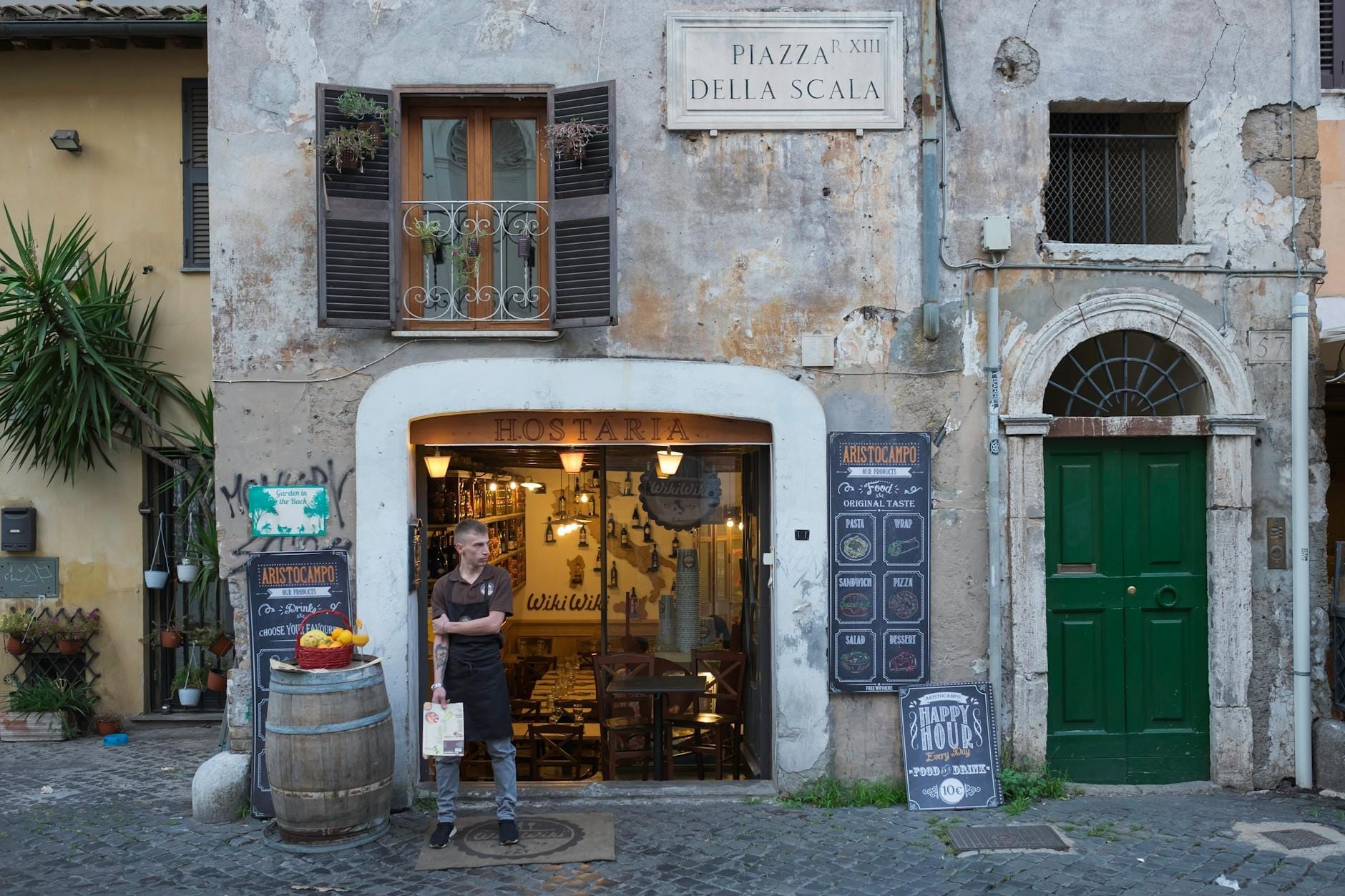
Trastevere has one of the most photogenic streetscapes in Rome: ivy-draped medieval buildings, cobblestone alleys, and the stunning Santa Maria in Trastevere basilica at its heart. It's located across the Tiber from the historic center, roughly a 20-minute walk to the Pantheon or a 30-minute walk to the Vatican.
The critical piece of information most guides underplay: Trastevere is one of Rome's main nightlife districts. Thursday through Sunday nights, the streets around Piazza di Santa Maria in Trastevere and the surrounding lanes are loud until 2 a.m. or later. This is not a quiet residential area after dark, regardless of what the tavernkeeper at your B&B tells you. It's a genuine drawback for anyone who needs to be up early or travels with young children. There is also no metro station in Trastevere; you're reliant on trams (line 8) or walking.
For the right traveler, though, it's excellent. Young visitors who want to be in the middle of the social scene, couples who plan to eat late and explore at a Roman pace, and anyone willing to invest in noise-reduction earplugs will find Trastevere genuinely rewarding. Prices here are high but slightly below Centro Storico for similar standards.
Prati, Aventino, and the Quieter Options
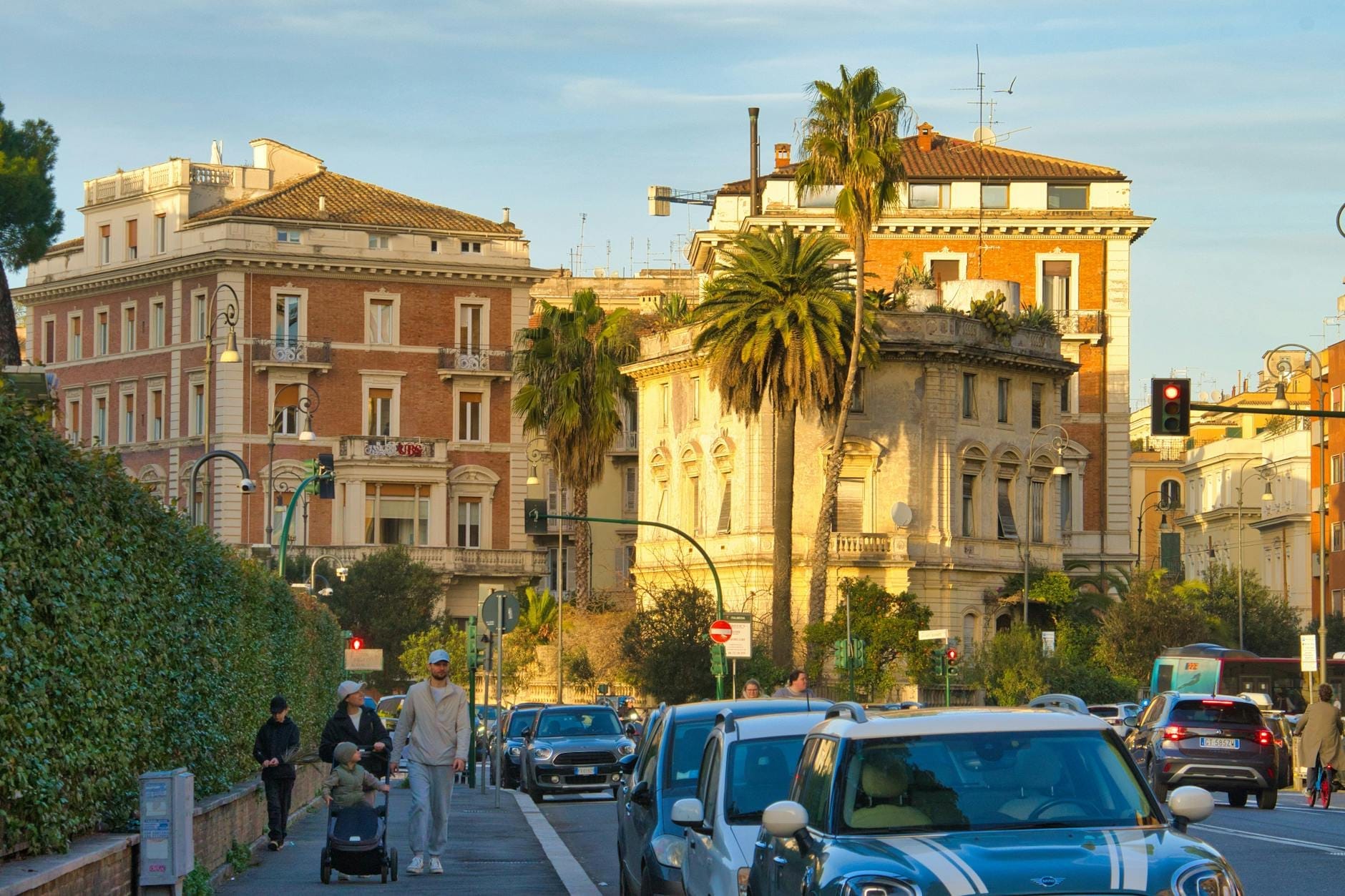
Prati is the neighborhood immediately north of the Vatican, bordered by the Tiber to the east. It's an upper-middle-class residential district with wide boulevards, good restaurants on Via Cola di Rienzo, and direct walking access to St. Peter's Basilica and the Vatican Museums. Metro Line A serves Lepanto and Ottaviano stations here, giving reasonable access to the Spanish Steps and Termini. It's genuinely pleasant without the tourist intensity of Trastevere or Centro Storico, making it a strong choice for families and those visiting for more than three or four days.
The Aventine Hill (Aventino) is an underused option that suits a specific type of visitor: one who wants peace, history, and sweeping views without paying Centro Storico prices. The neighborhood is quiet, green, and sits above the Circus Maximus and close to the Baths of Caracalla. It's not well-connected by public transport, so it works best for visitors who are comfortable walking or taking taxis. The area also has limited hotel stock; most accommodation here is in smaller boutique properties or B&Bs.
- Centro Storico Best for: First-timers, short trips, those prioritizing walkability to the Pantheon and Navona. Drawbacks: expensive, noisy, no metro.
- Monti Best for: All-round base, first-timers, Metro Line B access, local atmosphere near ancient sites. Drawbacks: hilly, increasingly pricey.
- Trastevere Best for: Atmosphere, dining, nightlife, longer stays. Drawbacks: loud nights, no metro, heavy foot traffic on weekends.
- Prati Best for: Families, Vatican-focused itineraries, quieter base with good metro access. Drawbacks: less atmospheric, a long walk from central Roman sights.
- Aventino Best for: Repeat visitors, travelers who want quiet and history. Drawbacks: limited transport, fewer hotel options, isolated from northern sights.
- Termini Area Best for: Budget travelers, those arriving late or leaving early. Drawbacks: gritty surroundings, little neighborhood character, best treated as a practical fallback.
Booking Strategy: When, Where, and What to Avoid
Rome's peak seasons are April through June and September through October, when the weather is mild (12-20°C in spring, 15-23°C in autumn) and the city runs at its best. These are also the periods when accommodation books out the fastest. For travel during these windows, booking 2-3 months in advance is reasonable; for major holidays like Easter, which brings enormous pilgrim crowds to the Vatican, booking 4-6 months ahead is more realistic. For broader seasonal context, the best time to visit Rome guide covers crowd patterns and weather in detail.
July and August are technically high season for international tourism, but summer in Rome runs 22-30°C and the crowds around major sights are intense. Many locals leave the city in August. If you travel then, choose accommodation with air conditioning as a firm requirement, not a request. Hotels in Trastevere and Centro Storico fill up regardless of conditions, but you'll pay significantly more for the same room than you would in shoulder season.
On the question of what to avoid: the Termini station area is the most common complaint on travel forums, and the criticism is fair. The streets immediately around Termini, particularly south of the station, feel disconnected from the Rome that drew you there in the first place. It's not dangerous, but it's not pleasant. If budget is genuinely tight, explore Rome on a budget options before defaulting to Termini, as Monti or the edges of Prati can offer competitive rates with far more character.
⚠️ What to skip
Be cautious of 'historic center' listings on booking platforms that are actually in Esquilino or near Termini. Always check the map pin carefully. Properties use flexible neighborhood labels, and a 10-minute difference in location can mean the difference between walking out your door to the Pantheon versus walking through an uninspiring transit district.
- Confirm the specific address on a map before booking, especially for Centro Storico and Monti listings.
- Look for properties on interior courtyards (listed as 'cortile interno') if noise is a concern in Trastevere or Centro Storico.
- Check whether breakfast is included. Rome hotels often charge €15-25 extra per person for breakfast; the same money spent at a nearby bar will give you a better experience.
- Verify air conditioning is present if traveling June-September. Many older buildings in Rome lack it, and it matters significantly in summer.
- Apartments and short-term rentals in Prati or Monti can offer better value than hotels for stays of 4 nights or more, particularly for groups or families.
Getting Around from Your Base
Rome's public transport system is operated by ATAC and covers Metro lines A, B, and C, plus an extensive bus and tram network. A single ticket costs €1.70 and is valid for 100 minutes across all modes except Metro return trips. The 24-hour, 48-hour, and 72-hour passes offer better value if you're moving around daily. For a full breakdown of how to navigate the city, the getting around Rome guide covers every practical option.
From a neighborhood perspective: Monti (Cavour, Line B) and Prati (Ottaviano/Lepanto, Line A) have the best metro access. Centro Storico and Trastevere are best navigated on foot or by bus, with taxis and ride-hailing apps (Uber and Free Now operate in Rome) filling the gap for late-night returns. The walk between Centro Storico and Trastevere across the Tiber is around 15-20 minutes and is genuinely pleasant. The walk from Prati to the Colosseum is approximately 35-40 minutes, making metro use worthwhile for that route.
If you're arriving from Leonardo da Vinci Fiumicino Airport (FCO), located about 30 km from the city center, the Leonardo Express train runs to Termini in 32 minutes for €15. The FL1 regional service takes around 40 minutes and costs €8 but stops at several stations including Trastevere, which is useful if you're staying in that neighborhood. A fixed-rate taxi from the airport to central Rome destinations costs €52 and takes 40-60 minutes depending on traffic.
FAQ
Which neighborhood in Rome is best for first-time visitors?
Monti is the most consistently strong choice for first-timers. It combines Metro Line B access, walkability to the Colosseum and Roman Forum, a genuine local atmosphere, and a range of accommodation options across price points. Centro Storico works too if maximum walkability to the Pantheon and Trevi Fountain is the priority and you're comfortable with higher prices and more noise.
Is Trastevere a good place to stay in Rome?
Yes, with clear expectations. It's atmospheric, full of good restaurants, and centrally located enough for most itineraries. The significant drawback is noise at night, particularly on weekends. It has no metro access, which adds travel time to Vatican and Colosseum visits. If you're a light sleeper or traveling with children, request an interior room or consider Prati instead.
How far in advance should I book accommodation in Rome?
For spring (April-June) and autumn (September-October) travel, 2-3 months ahead is a solid rule. For Easter week, book 4-6 months ahead as the city fills with pilgrims and hotel prices spike significantly. Summer (July-August) tends to have more availability but at higher prices and with much greater heat.
Is the Termini area safe to stay in?
Termini is generally safe for tourists, though the immediate surroundings are less pleasant than other central neighborhoods. Petty theft and pickpocketing are more common near the station than elsewhere. Most travelers who stay there report it as functional but characterless. If you can stretch the budget slightly, Monti is a short walk away and a significant improvement in quality of surroundings.
Should I stay near the Vatican or near the Colosseum?
It depends on your itinerary. If your primary focus is the Vatican Museums, St. Peter's, and Castel Sant'Angelo, staying in Prati makes obvious sense. If your priorities are the Colosseum, Roman Forum, Palatine Hill, and the city's ancient core, Monti is a better base. For a balanced first visit covering both, Centro Storico is roughly equidistant, or you can use Metro Line A (connects to Vatican) and Line B (connects to Colosseum) from either Prati or Monti respectively.
Tickets & tours
Live prices and dates from our booking partner. If you book, we may earn a commission at no extra cost to you.
Planning a trip? Discover personalized activities with the Nomado app.