Rome in 3 Days: The Perfect Itinerary
Three days is enough to see Rome's greatest hits — if you plan smart. This itinerary covers the Colosseum, Vatican, Pantheon, and beyond, with the right order, practical timing tips, and a few stops that most visitors miss.
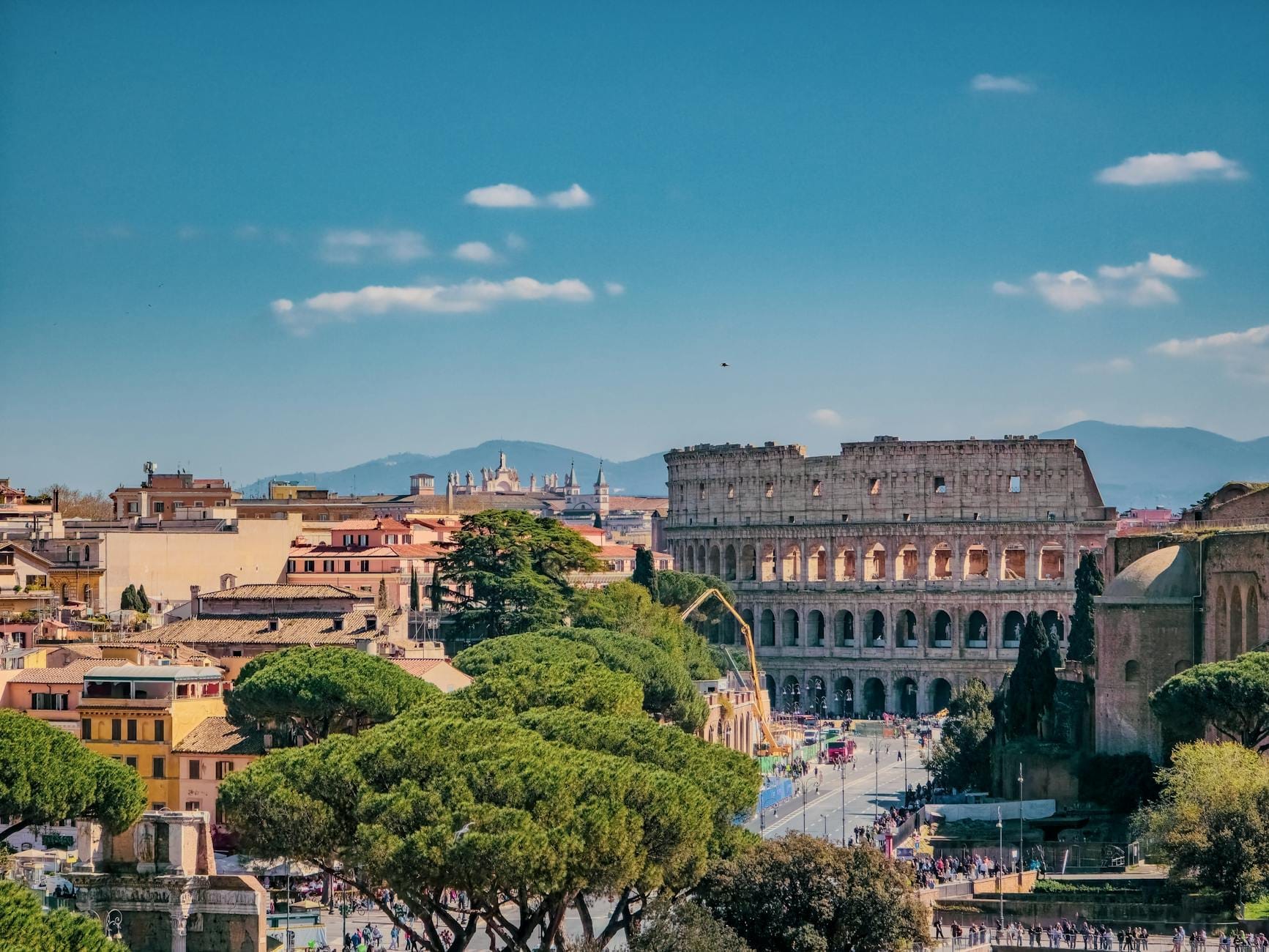
Tickets & tours
Live prices and dates from our booking partner. If you book, we may earn a commission at no extra cost to you.
Rome is not a city you conquer — it's one you surrender to. Three days won't cover everything, but with the right structure, you can move through ancient Rome, the Vatican, and the historic center without feeling rushed. This guide organizes Rome's essential experiences day by day, building each day around geography so you spend your time walking between wonders rather than riding between them. Book the Colosseum and Vatican Museums well in advance — both sell out weeks ahead. Everything else here is walkable, free to enter, or easy to drop in on.
✨ Pro tip
Book Colosseum/Forum/Palatine tickets at colosseo.it/en and Vatican Museums at museivaticani.va before you leave home. Both sell out weeks in advance, especially April through October.
Day 1: Ancient Rome
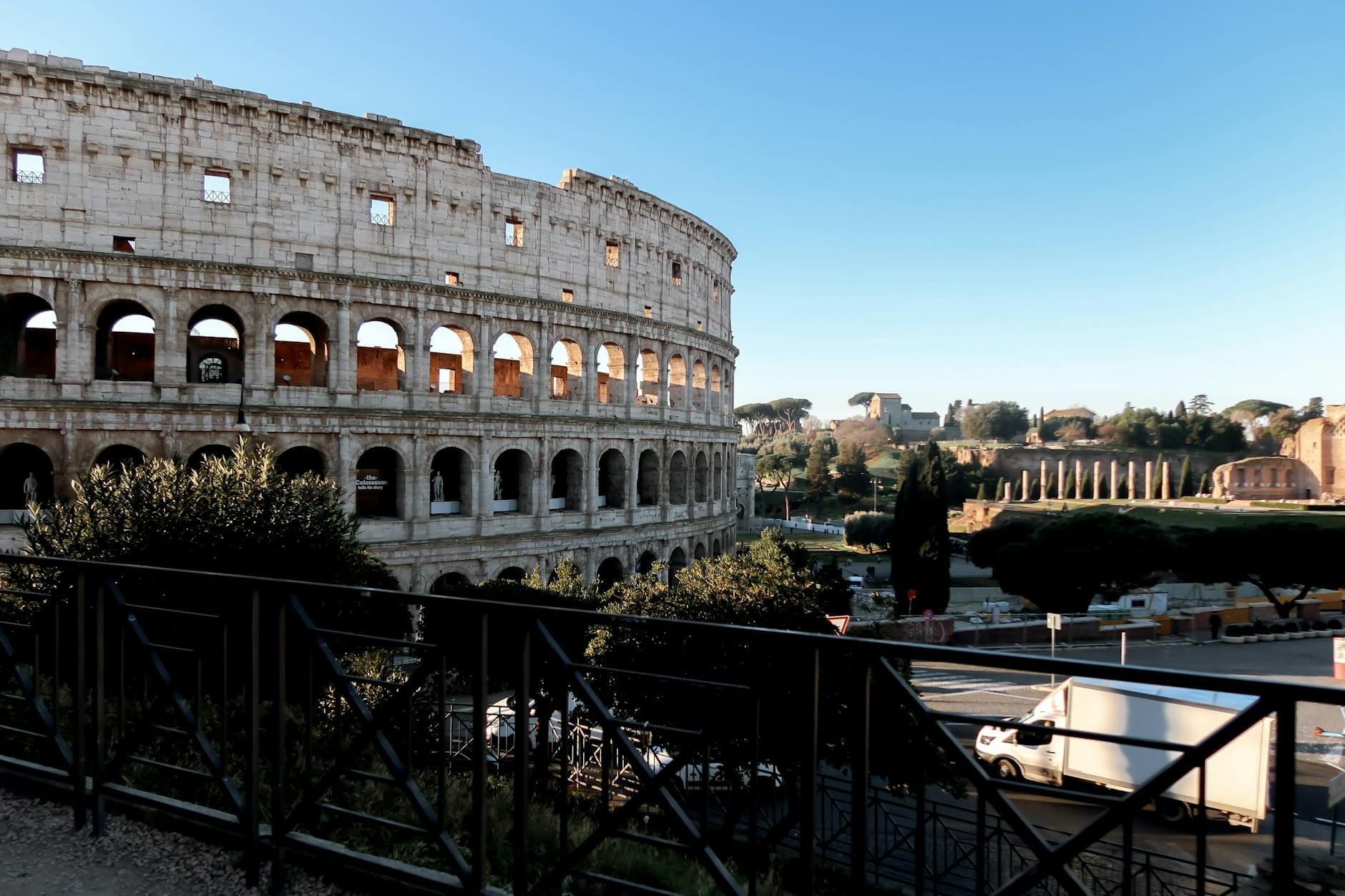
Start your first morning at the Colosseum and work through the Forum and Palatine Hill before the afternoon heat sets in. This combined site alone can fill four hours. For a deeper dive into ancient Rome, check our guide to things to do in Rome or read up on how to skip the lines at Rome's most popular sites.
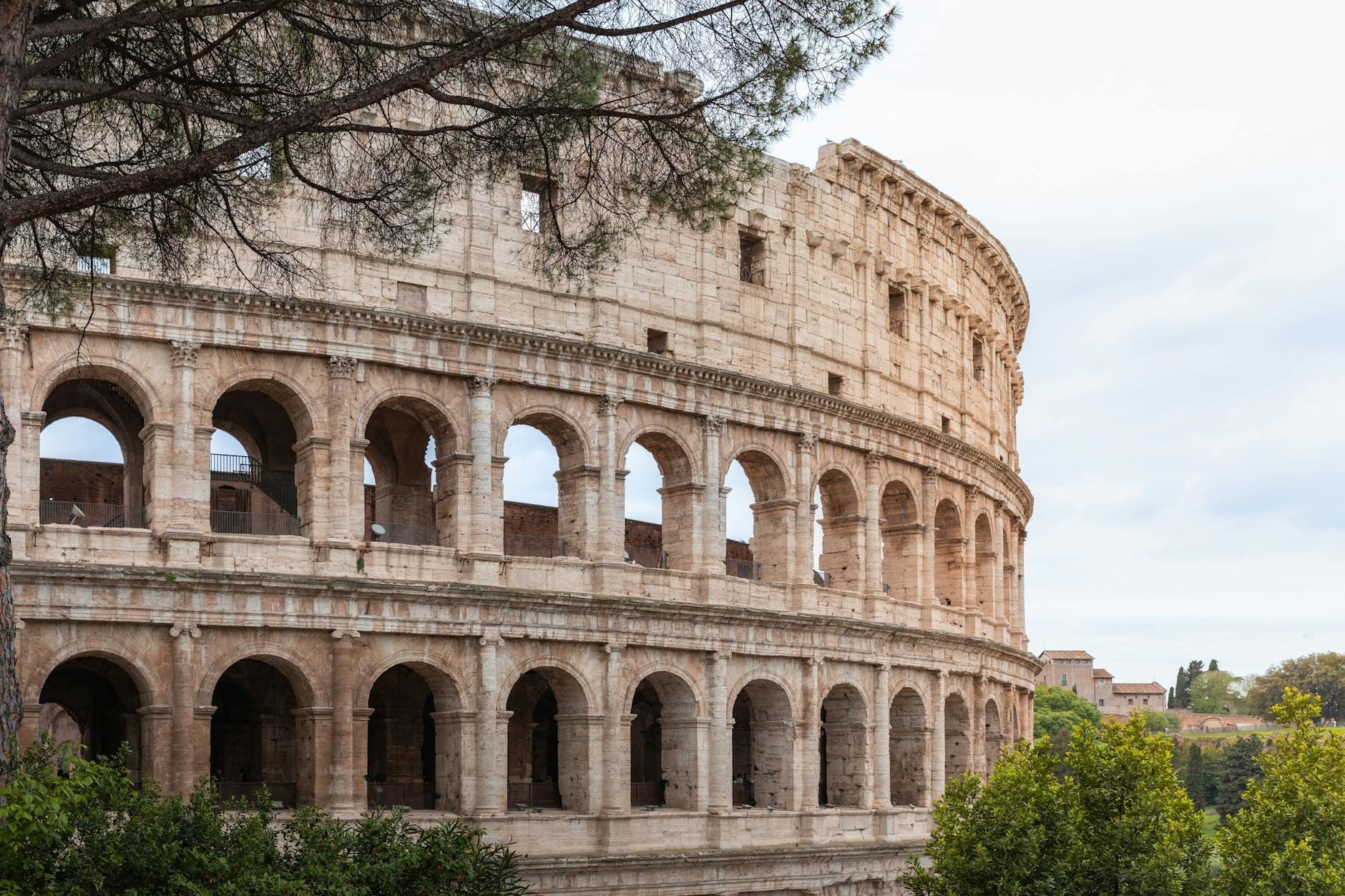
1. Start with the Colosseum at Opening Time
Arrive at 9 AM when crowds are thinnest. A standard ticket includes the Forum and Palatine Hill. Allow at least 90 minutes inside to explore the arena floor, lower levels, and upper tiers for the full sense of scale.
Explore1. Start with the Colosseum at Opening Time
Arrive at 9 AM when crowds are thinnest. A standard ticket includes the Forum and Palatine Hill. Allow at least 90 minutes inside to explore the arena floor, lower levels, and upper tiers for the full sense of scale.
Explore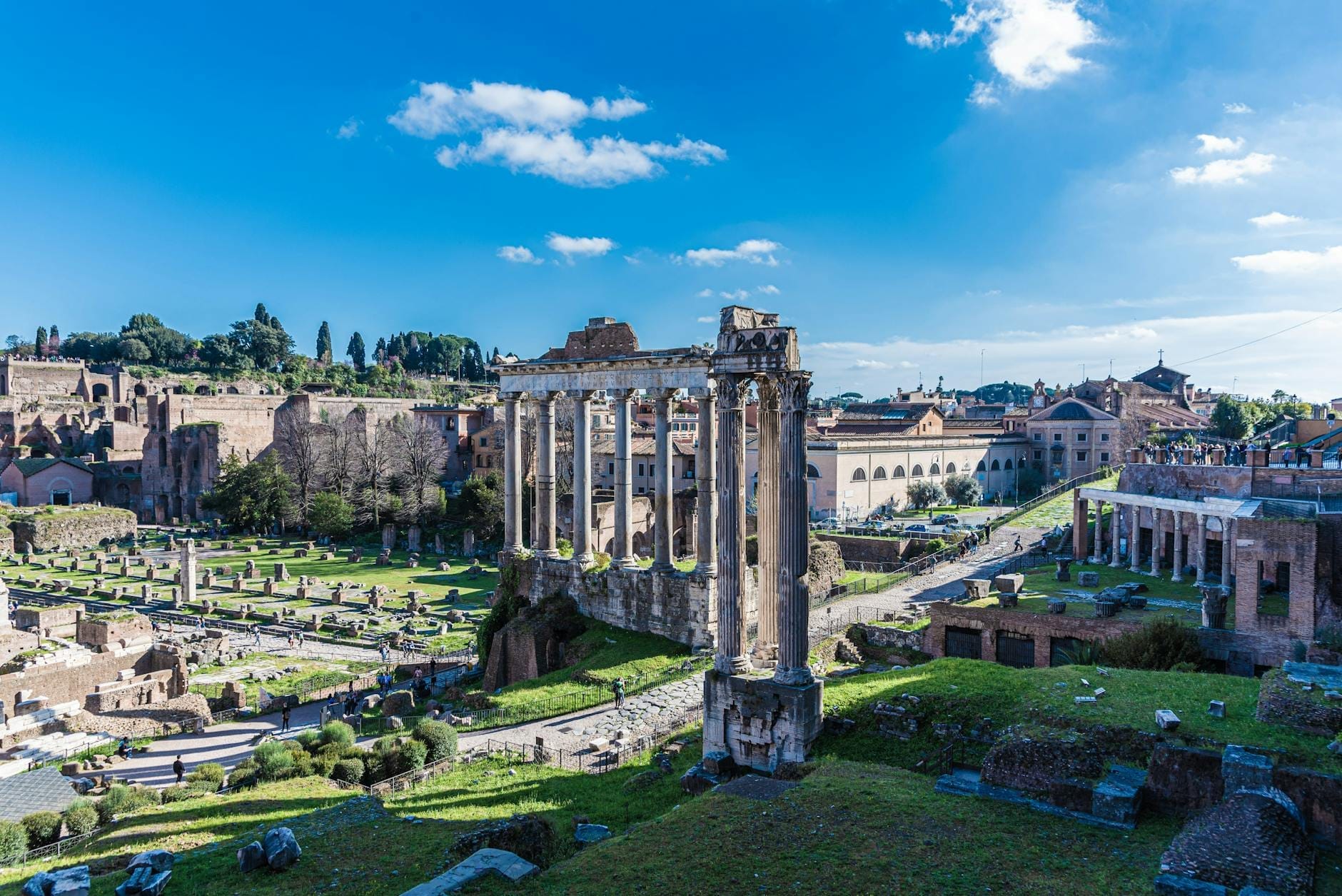
2. Walk Through the Heart of Ancient Rome at the Forum
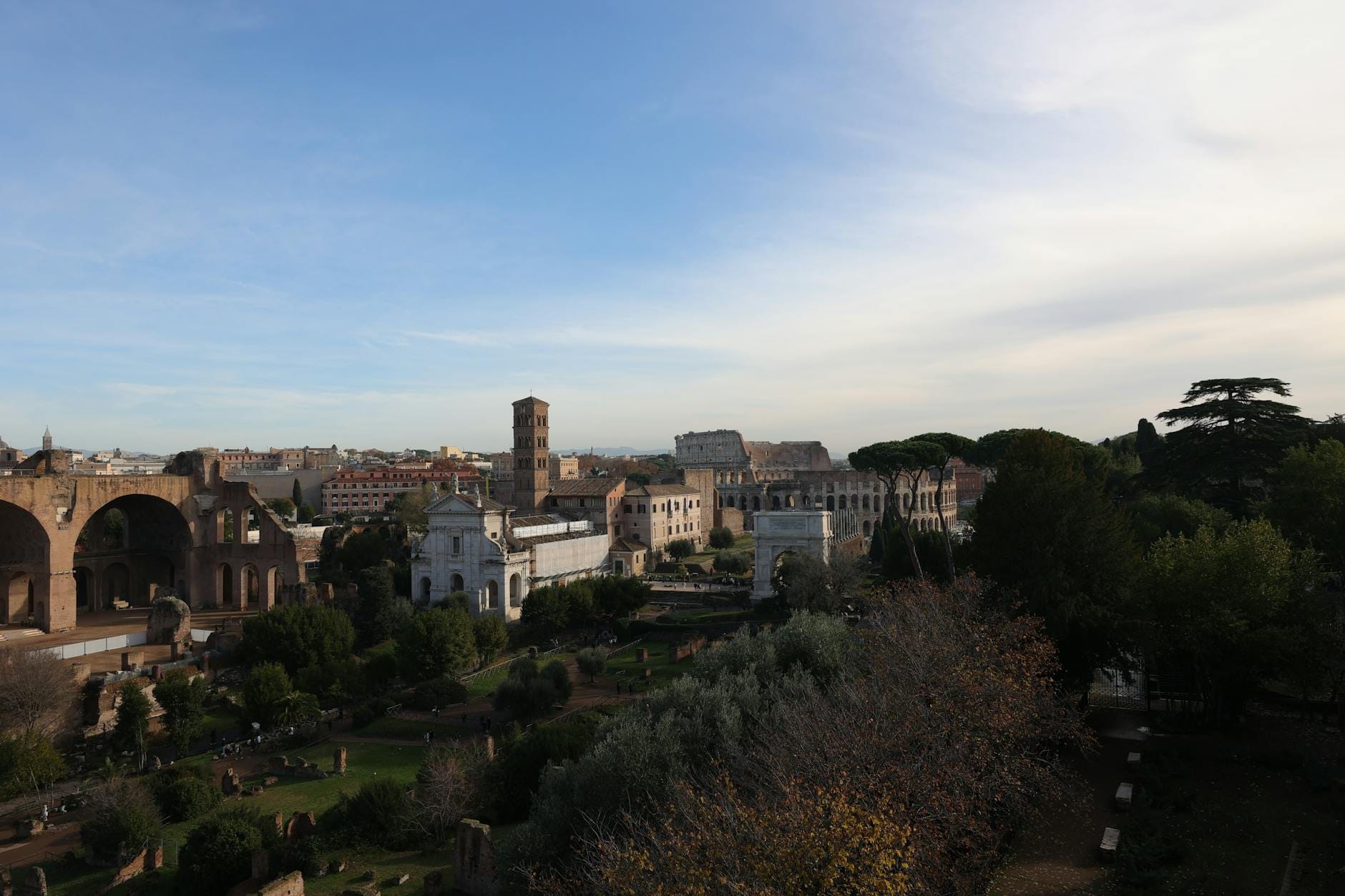
Directly behind the Colosseum, the Forum is included in your ticket. The Sacred Way, Temple of Vesta, and Arch of Titus are highlights. Give yourself 60-90 minutes to wander — bring water and a map, as signage is sparse.
Explore2. Walk Through the Heart of Ancient Rome at the Forum
Directly behind the Colosseum, the Forum is included in your ticket. The Sacred Way, Temple of Vesta, and Arch of Titus are highlights. Give yourself 60-90 minutes to wander — bring water and a map, as signage is sparse.
Explore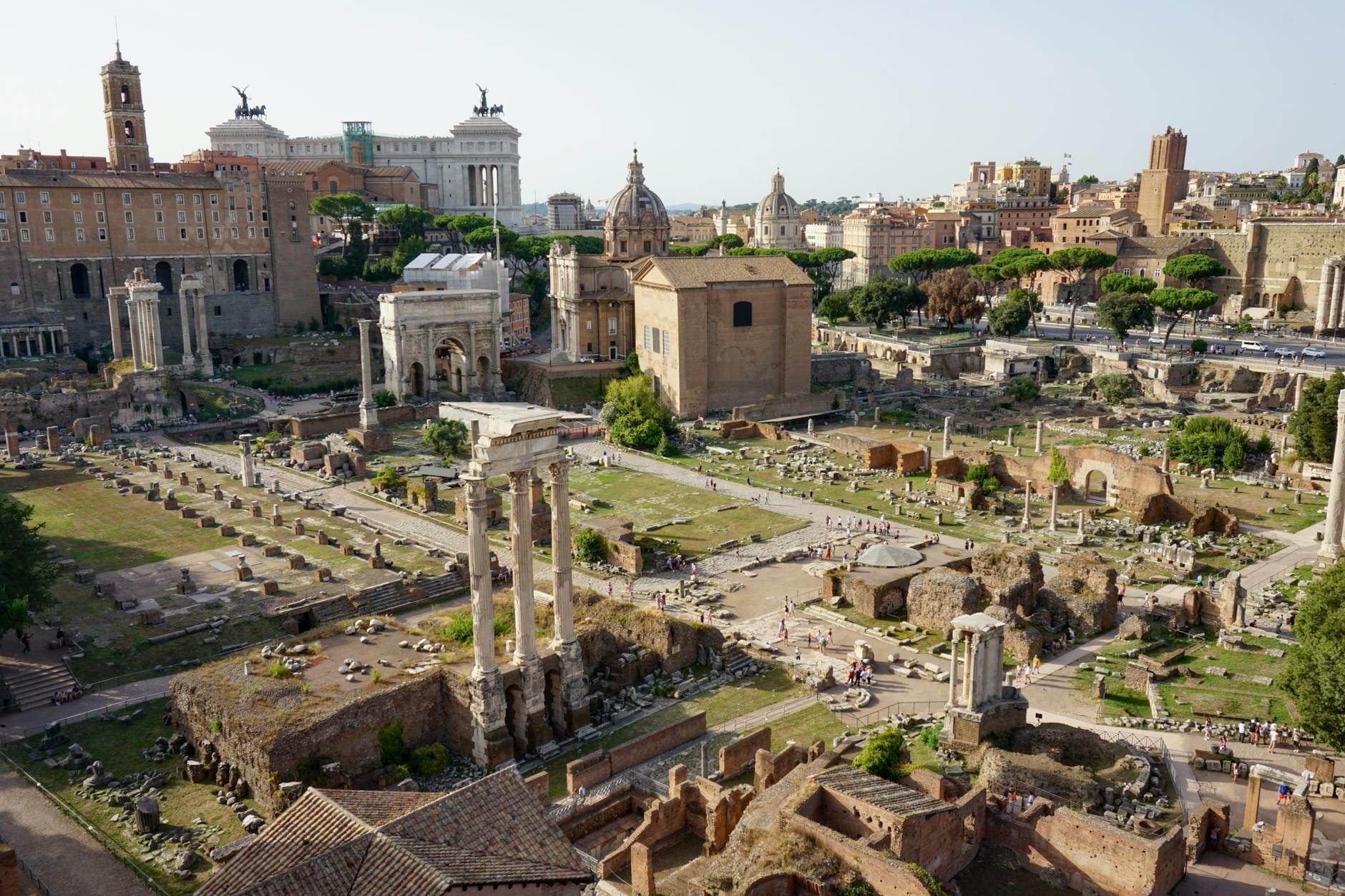
3. Survey the City from the Imperial Palaces on Palatine Hill
Also on your Colosseum ticket, Palatine sits above the Forum and offers sweeping views down to the Circus Maximus. The ruins of imperial palaces here are extensive and far less crowded than the Forum below.
Explore3. Survey the City from the Imperial Palaces on Palatine Hill
Also on your Colosseum ticket, Palatine sits above the Forum and offers sweeping views down to the Circus Maximus. The ruins of imperial palaces here are extensive and far less crowded than the Forum below.
Explore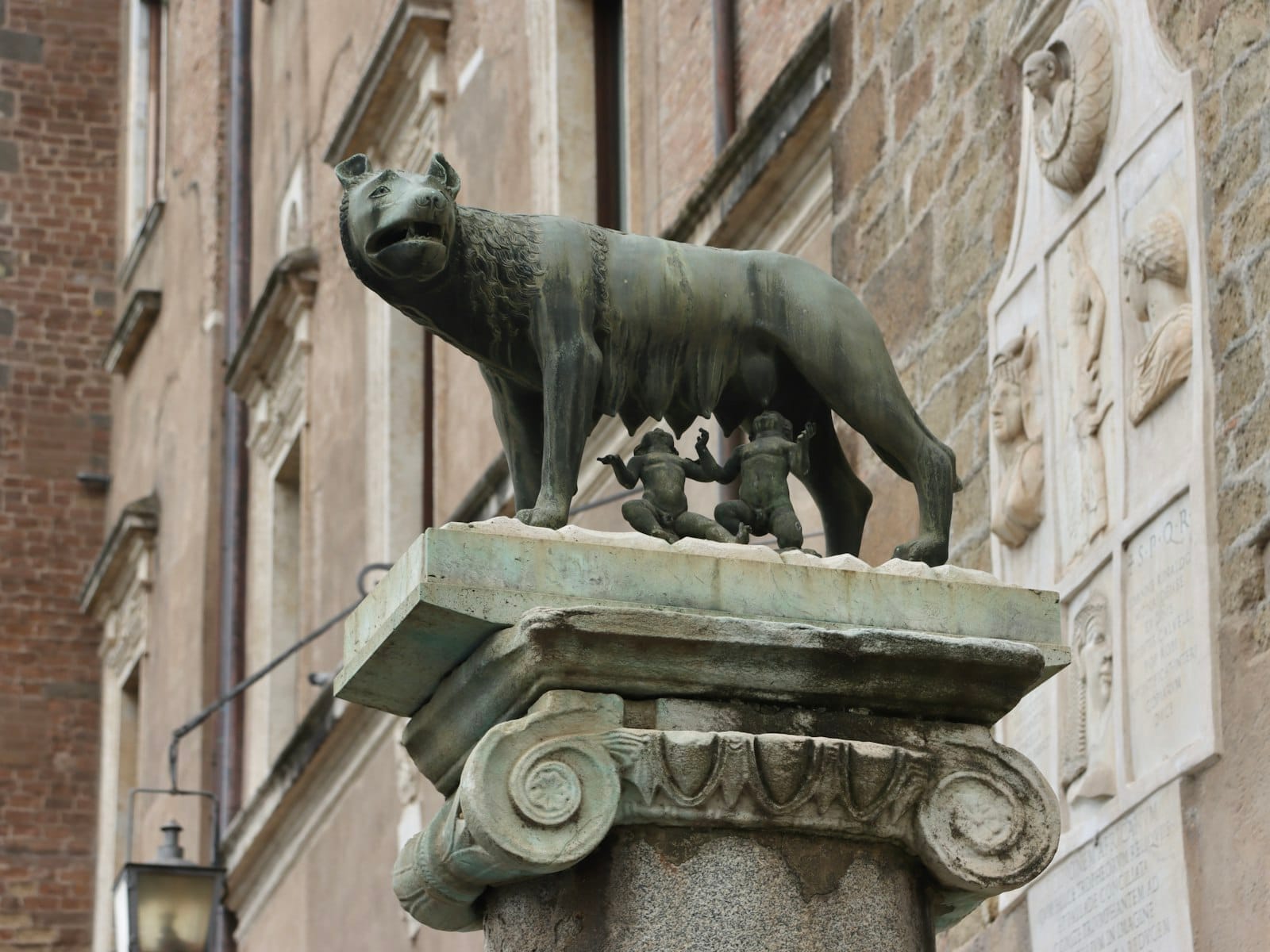
4. See the Original Marcus Aurelius at the Capitoline Museums
The world's oldest public museums sit just above the Forum. The Marcus Aurelius equestrian statue, the Capitoline Wolf, and views directly over the Forum from the terrace make this a worthy afternoon stop after the ruins.
Explore4. See the Original Marcus Aurelius at the Capitoline Museums
The world's oldest public museums sit just above the Forum. The Marcus Aurelius equestrian statue, the Capitoline Wolf, and views directly over the Forum from the terrace make this a worthy afternoon stop after the ruins.
Explore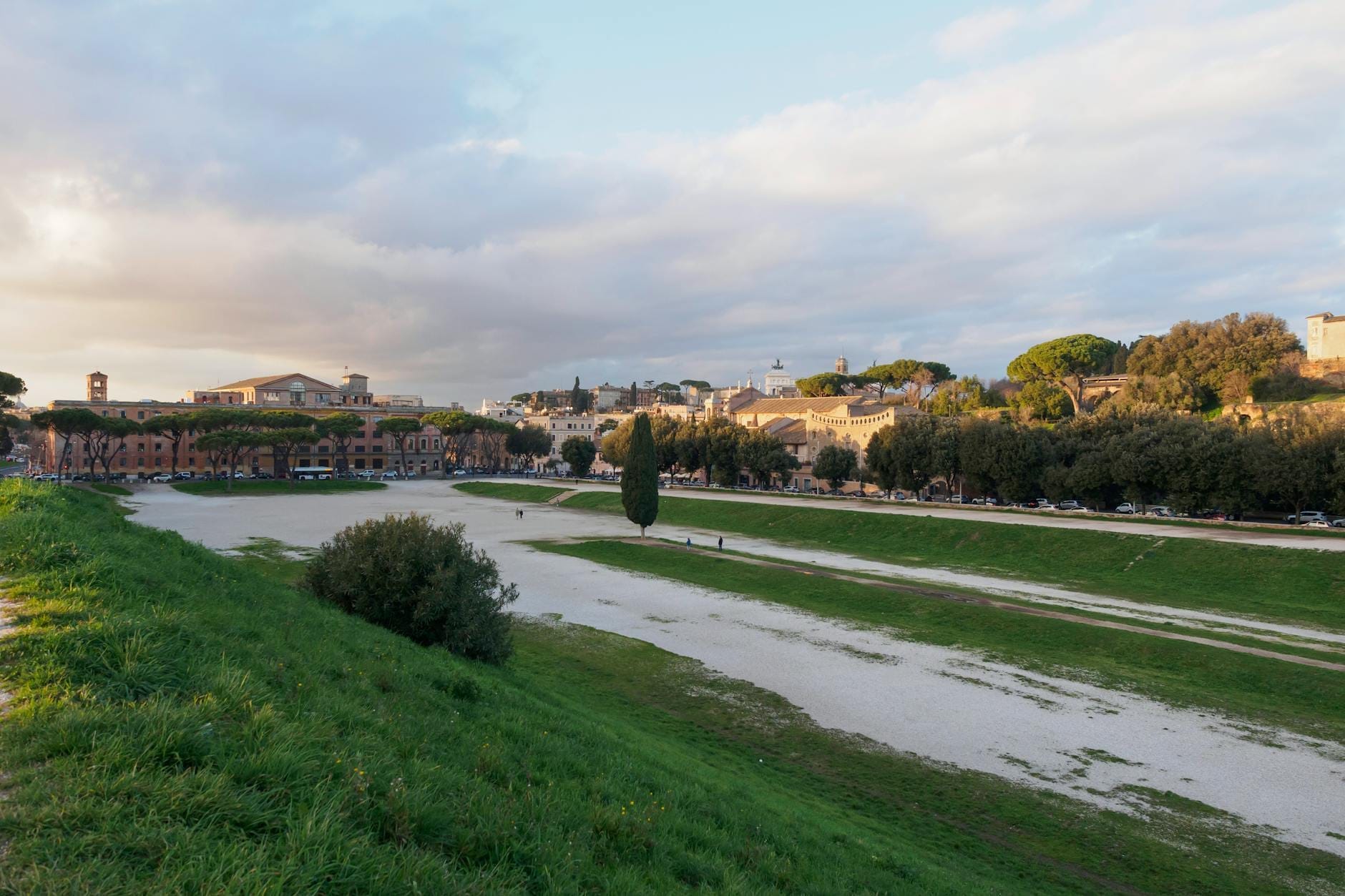
5. Feel the Scale of Ancient Spectacle at Circus Maximus
A short walk from Palatine Hill, this vast grassy oval once held 250,000 spectators for chariot races. It costs nothing to visit and gives a powerful sense of Roman ambition that no photograph fully captures.
Explore5. Feel the Scale of Ancient Spectacle at Circus Maximus
A short walk from Palatine Hill, this vast grassy oval once held 250,000 spectators for chariot races. It costs nothing to visit and gives a powerful sense of Roman ambition that no photograph fully captures.
Explore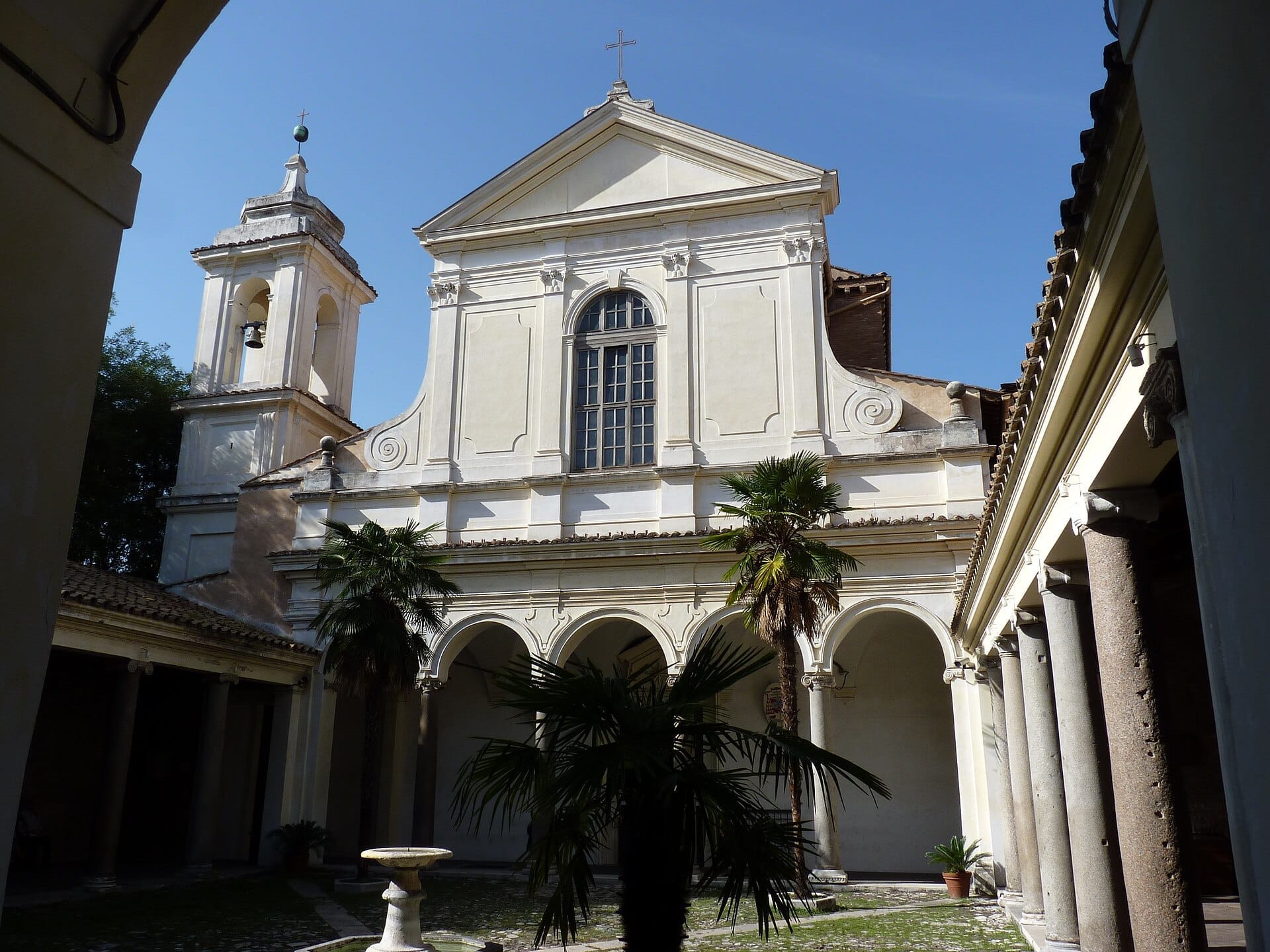
6. Descend Through 2,000 Years of History at San Clemente
A five-minute walk from the Colosseum, this layered church descends from a 12th-century basilica through a 4th-century church to a 1st-century Mithraic temple. Allow 45 minutes. It's one of Rome's most genuinely mind-altering experiences.
Explore6. Descend Through 2,000 Years of History at San Clemente
A five-minute walk from the Colosseum, this layered church descends from a 12th-century basilica through a 4th-century church to a 1st-century Mithraic temple. Allow 45 minutes. It's one of Rome's most genuinely mind-altering experiences.
ExploreDay 2: The Vatican & Trastevere
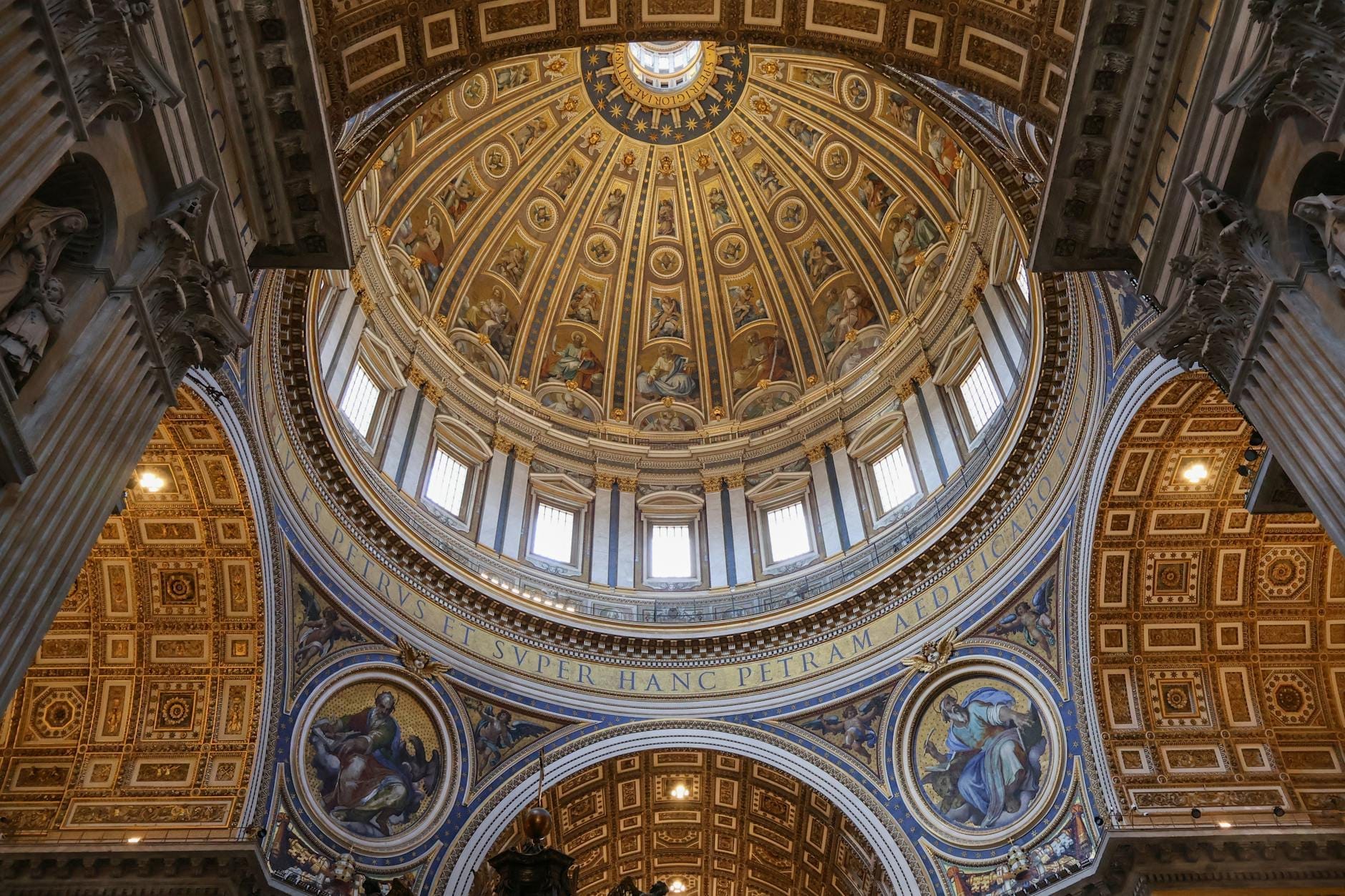
Dedicate your second morning entirely to the Vatican — it demands it. The museums and Sistine Chapel alone take two to three hours, and St. Peter's Basilica at least another hour. Cross the Tiber in the afternoon to reach Trastevere, Rome's most atmospheric neighborhood for an evening of dinner and wandering. The Rome food guide has specific restaurant recommendations for this area.
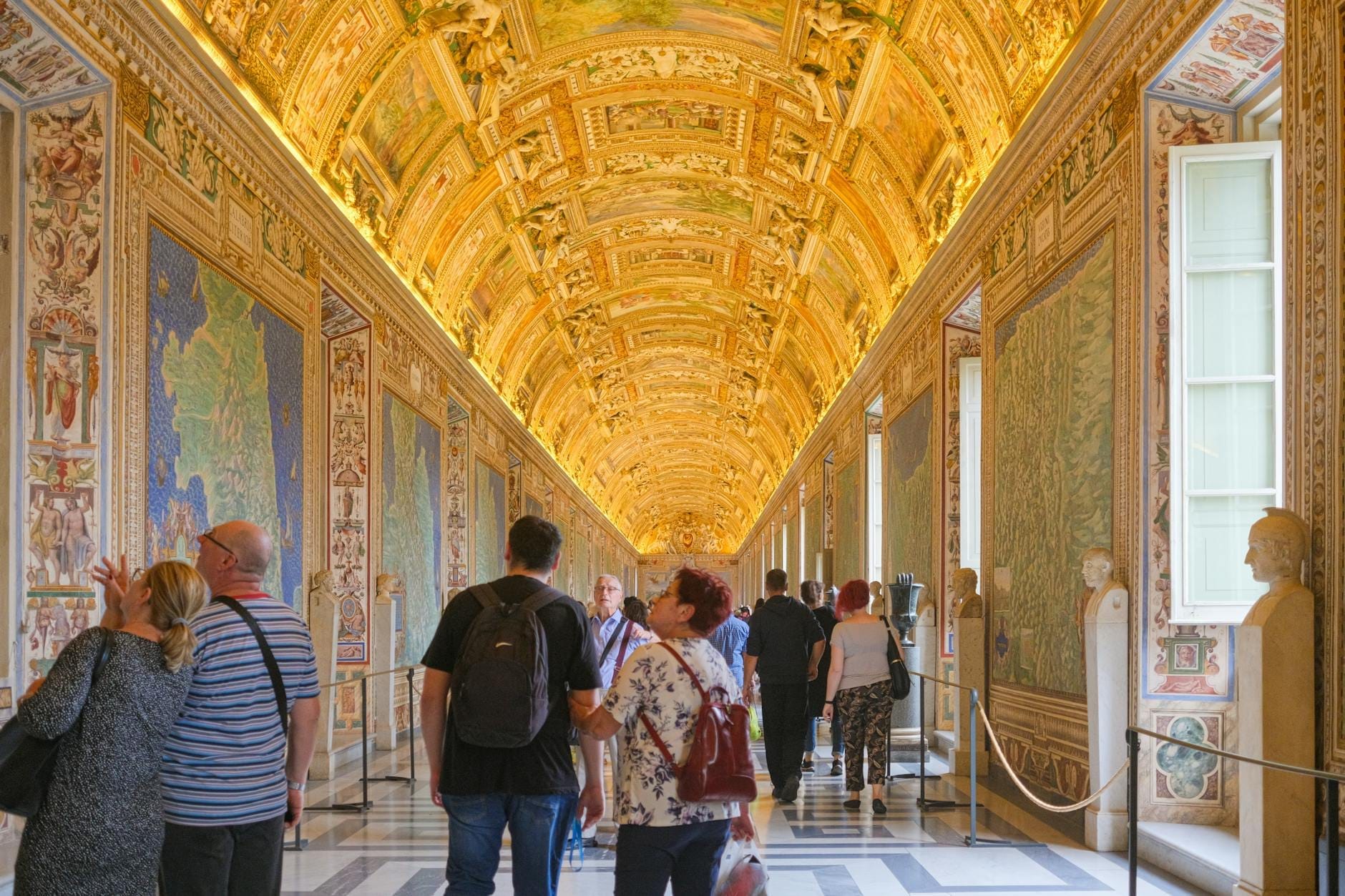
7. See Michelangelo's Sistine Chapel at the Vatican Museums
Book the first entry slot available — 9 AM if possible. The museums' 7 km of galleries culminate in the Sistine Chapel. Arrive knowing which rooms to prioritize: the Gallery of Maps, Raphael Rooms, and the Chapel itself. Budget 2.5-3 hours minimum.
Explore7. See Michelangelo's Sistine Chapel at the Vatican Museums
Book the first entry slot available — 9 AM if possible. The museums' 7 km of galleries culminate in the Sistine Chapel. Arrive knowing which rooms to prioritize: the Gallery of Maps, Raphael Rooms, and the Chapel itself. Budget 2.5-3 hours minimum.
Explore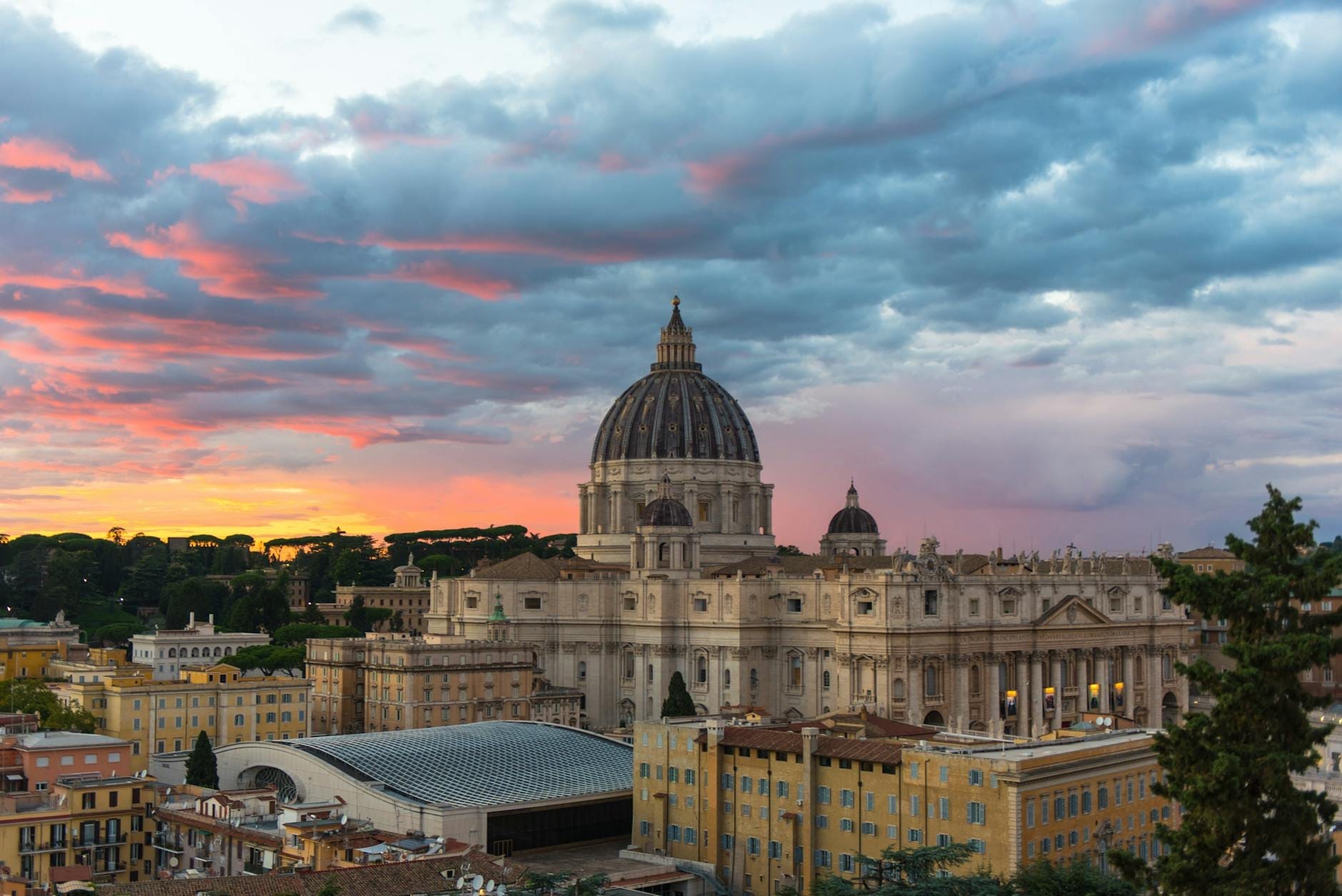
8. Climb the Dome of St. Peter's Basilica for Rome's Best View
Entry to the basilica is free. Michelangelo's Pietà and Bernini's baldachin are essential stops inside. Then climb the dome — 551 steps or take the lift partway — for one of the most rewarding panoramas in Rome. Budget 90 minutes total.
Explore8. Climb the Dome of St. Peter's Basilica for Rome's Best View
Entry to the basilica is free. Michelangelo's Pietà and Bernini's baldachin are essential stops inside. Then climb the dome — 551 steps or take the lift partway — for one of the most rewarding panoramas in Rome. Budget 90 minutes total.
Explore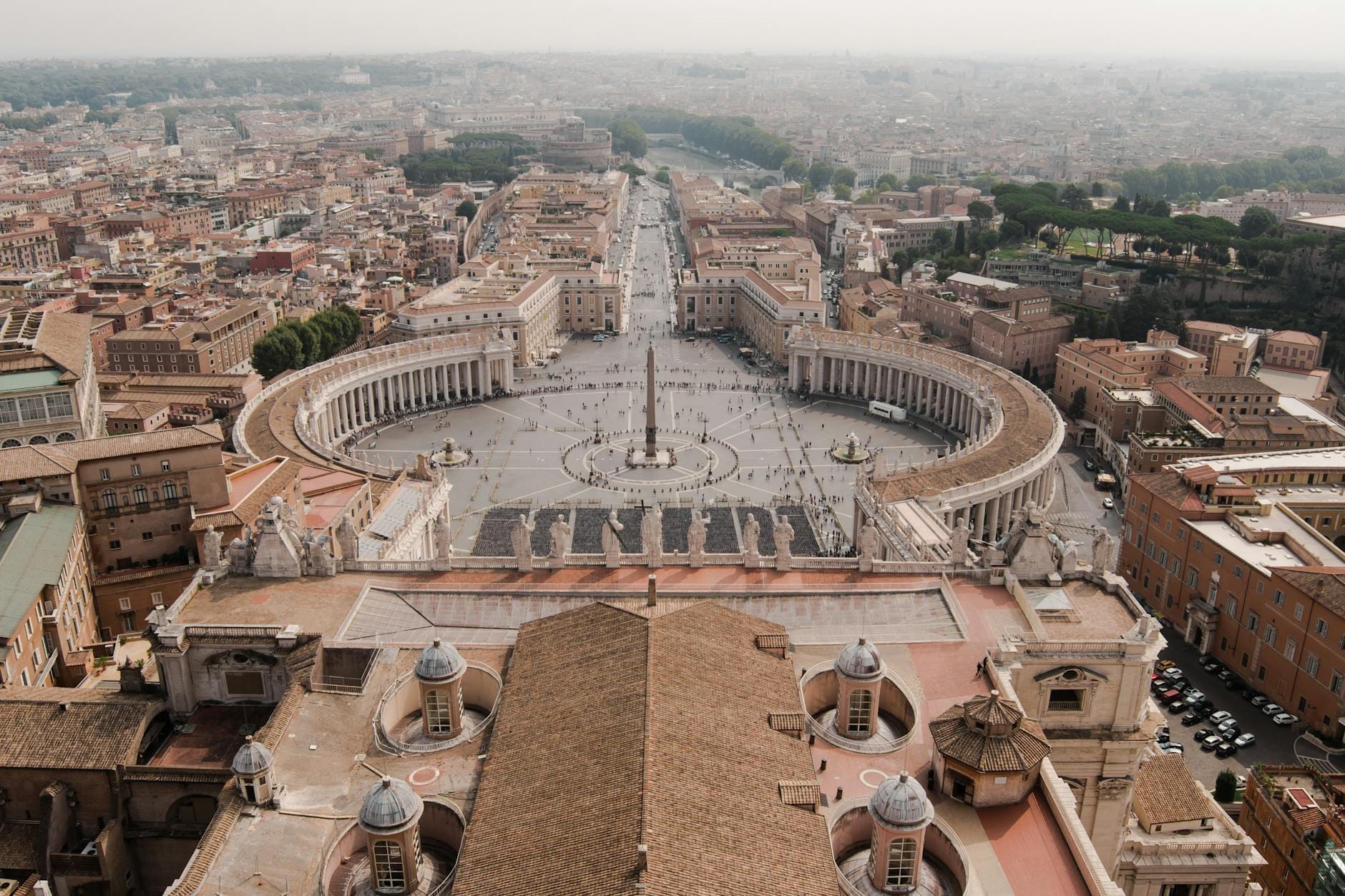
9. Appreciate Bernini's Masterpiece at St. Peter's Square
Stand at the center of the square where the two marked stones show the point from which all 284 columns appear to merge into a single row. Best experienced early morning before crowds arrive. Free and open at all hours.
Explore9. Appreciate Bernini's Masterpiece at St. Peter's Square
Stand at the center of the square where the two marked stones show the point from which all 284 columns appear to merge into a single row. Best experienced early morning before crowds arrive. Free and open at all hours.
Explore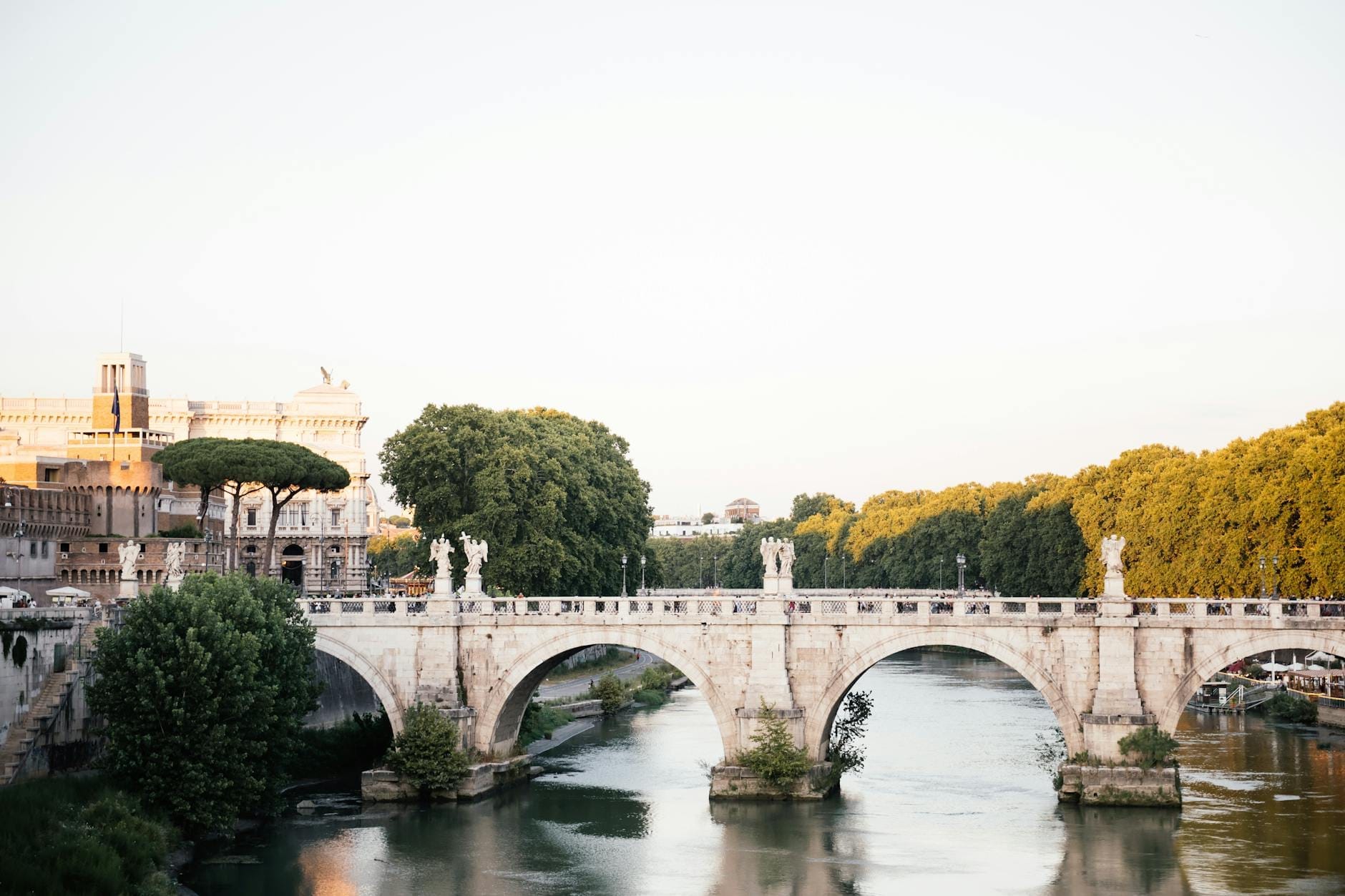
10. Cross the Tiber on Rome's Most Beautiful Bridge
Bernini's angel-lined bridge connects the Vatican to central Rome, with Castel Sant'Angelo rising at one end. Walk it in both directions for the best views up and down the Tiber, especially photogenic in the golden hour before sunset.
Explore10. Cross the Tiber on Rome's Most Beautiful Bridge
Bernini's angel-lined bridge connects the Vatican to central Rome, with Castel Sant'Angelo rising at one end. Walk it in both directions for the best views up and down the Tiber, especially photogenic in the golden hour before sunset.
Explore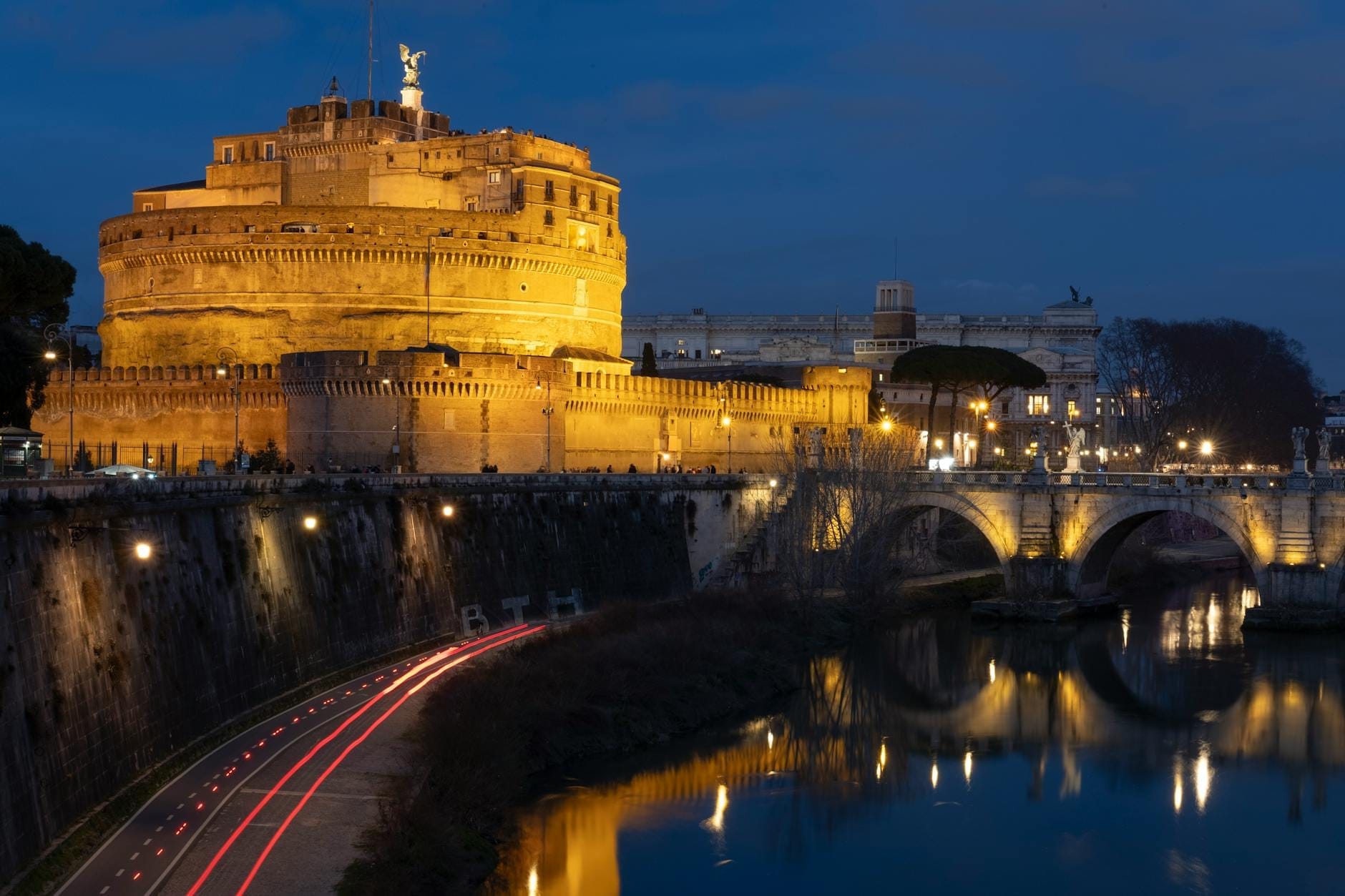
11. Climb to the Rooftop of Emperor Hadrian's Mausoleum
This cylindrical fortress began as Hadrian's tomb in 139 AD and became a papal refuge connected to the Vatican by a secret passageway. The rooftop terrace offers superb views over Rome and the Tiber. Allow 90 minutes.
Explore11. Climb to the Rooftop of Emperor Hadrian's Mausoleum
This cylindrical fortress began as Hadrian's tomb in 139 AD and became a papal refuge connected to the Vatican by a secret passageway. The rooftop terrace offers superb views over Rome and the Tiber. Allow 90 minutes.
Explore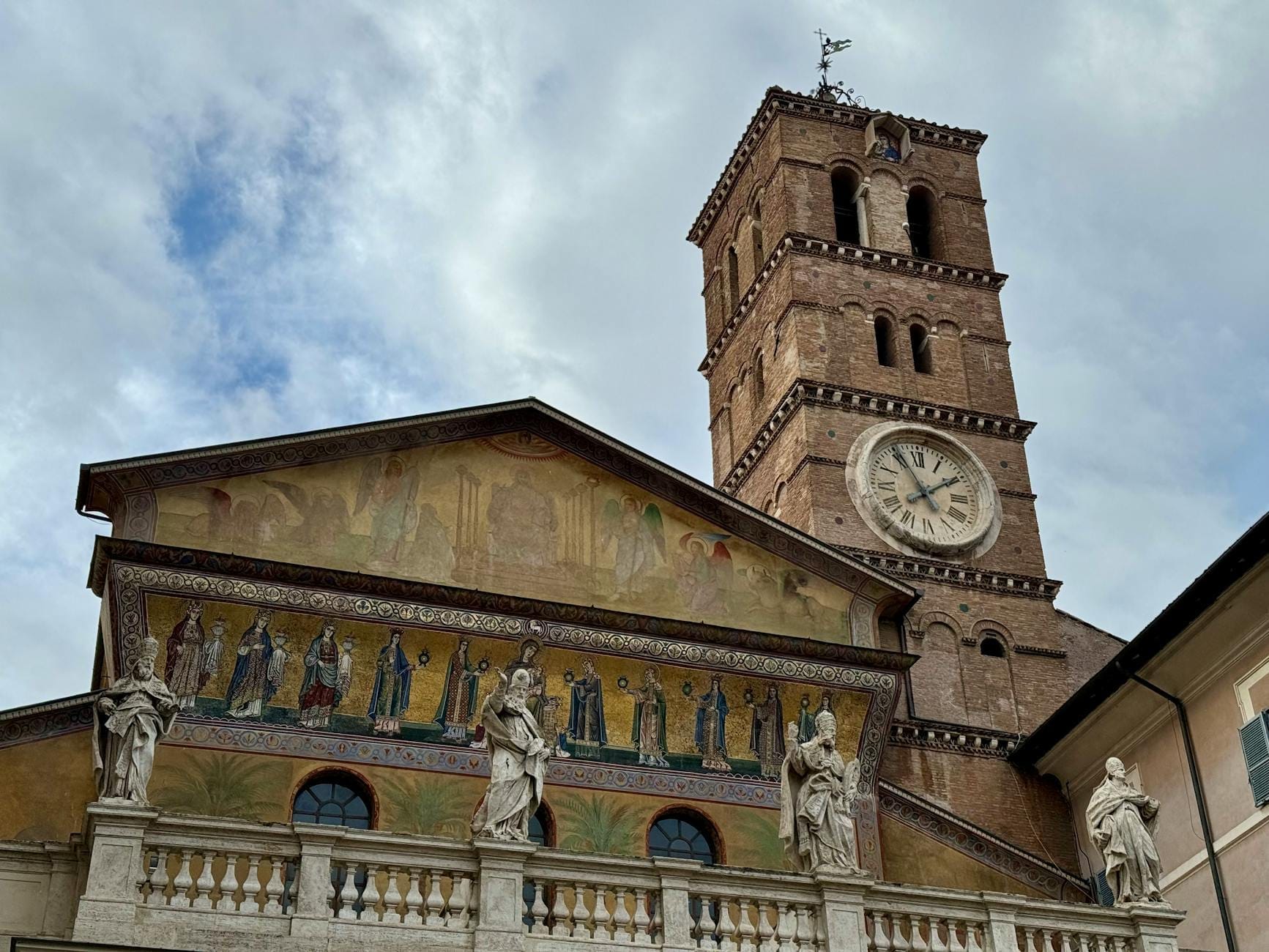
12. End the Day at Trastevere's Golden Mosaic Basilica
This 12th-century church at the center of Trastevere's main piazza is Rome's most beautiful medieval interior — golden apse mosaics by Pietro Cavallini glow in candlelight. Arrive around 6 PM when the evening light is perfect. Free to enter.
Explore12. End the Day at Trastevere's Golden Mosaic Basilica
This 12th-century church at the center of Trastevere's main piazza is Rome's most beautiful medieval interior — golden apse mosaics by Pietro Cavallini glow in candlelight. Arrive around 6 PM when the evening light is perfect. Free to enter.
ExploreDay 3: The Historic Center
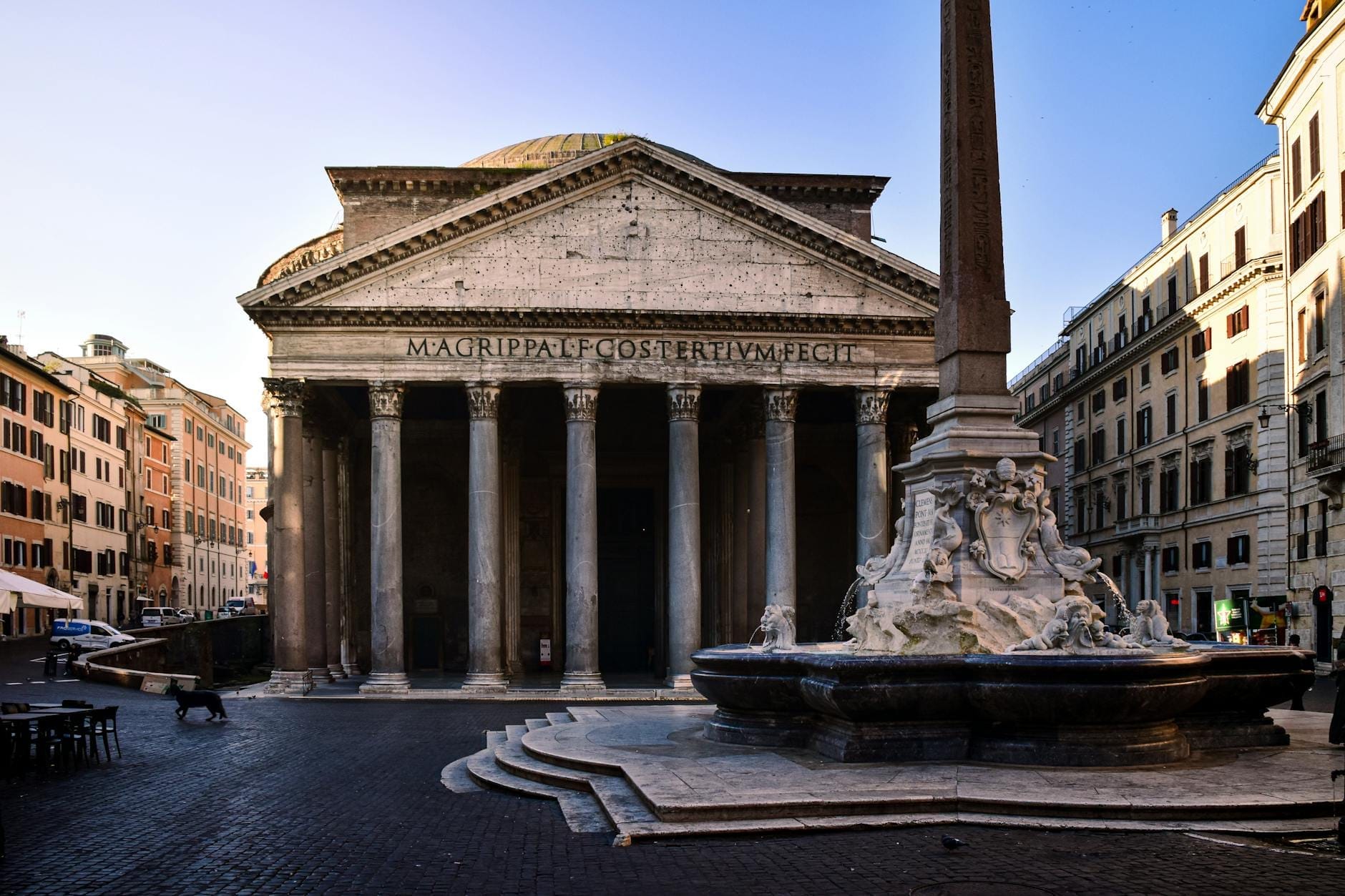
Your third day covers the dense architectural riches of the centro storico — the Pantheon, Piazza Navona, the Trevi Fountain, and the Spanish Steps are all within easy walking distance of each other. Start early at the Pantheon before the crowds arrive, then work outward through the Baroque city. This area rewards slow walking and spontaneous detours.
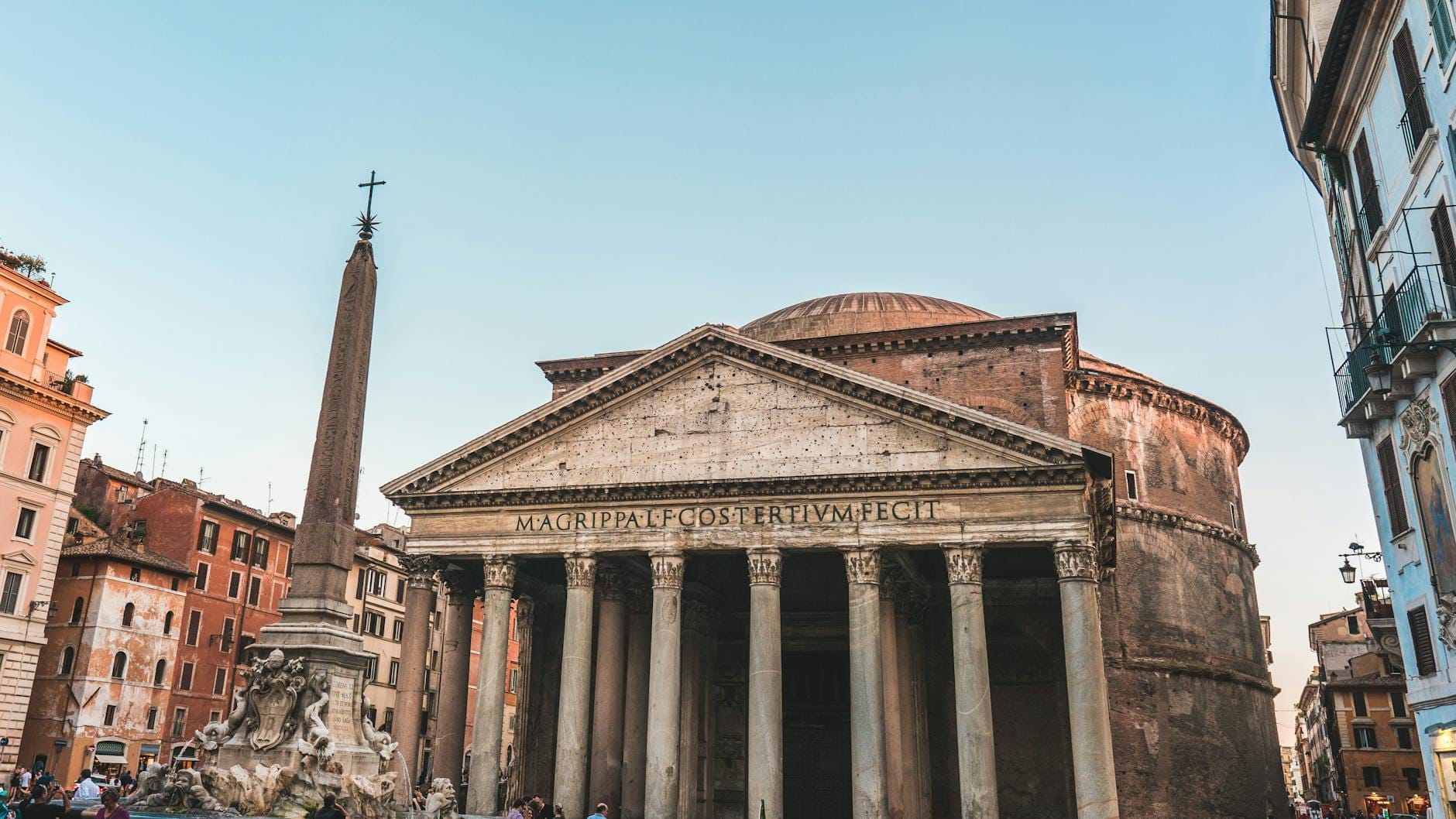
13. Stand Under the World's Most Perfect Ancient Dome
Arrive at 9 AM when it opens. The unreinforced concrete dome, its oculus open to the sky, has stood for nearly 1,900 years. On rainy mornings, the rain falls straight through and drains through a barely visible central drain. Allow 30-45 minutes.
Explore13. Stand Under the World's Most Perfect Ancient Dome
Arrive at 9 AM when it opens. The unreinforced concrete dome, its oculus open to the sky, has stood for nearly 1,900 years. On rainy mornings, the rain falls straight through and drains through a barely visible central drain. Allow 30-45 minutes.
Explore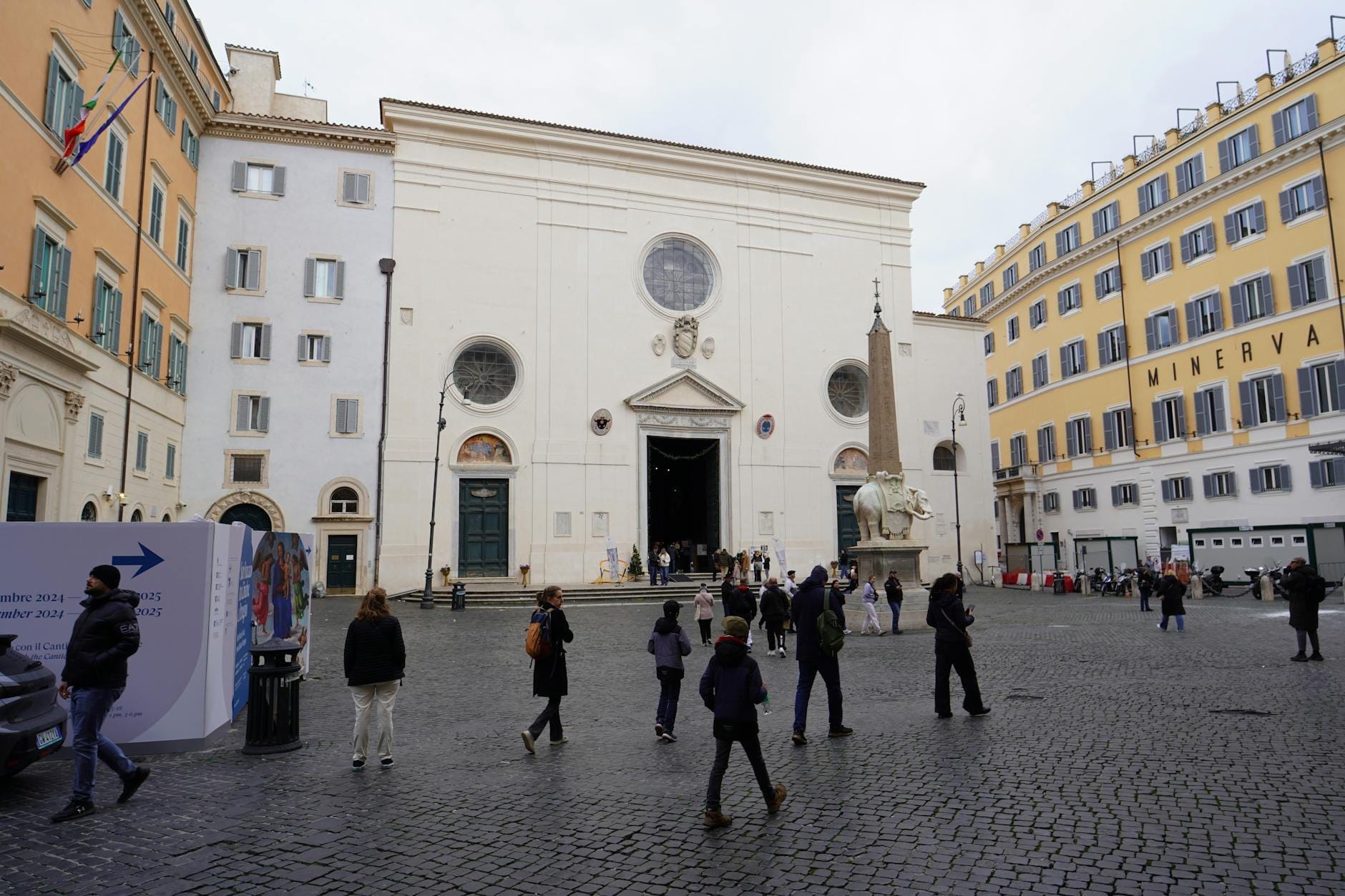
14. Find Michelangelo's Cristo in Rome's Only Gothic Church
Two minutes from the Pantheon, this blue-vaulted Gothic interior contains Michelangelo's Cristo della Minerva, the tomb of Fra Angelico, and Filippino Lippi frescoes. Bernini's elephant carrying an obelisk stands in the piazza outside.
Explore14. Find Michelangelo's Cristo in Rome's Only Gothic Church
Two minutes from the Pantheon, this blue-vaulted Gothic interior contains Michelangelo's Cristo della Minerva, the tomb of Fra Angelico, and Filippino Lippi frescoes. Bernini's elephant carrying an obelisk stands in the piazza outside.
Explore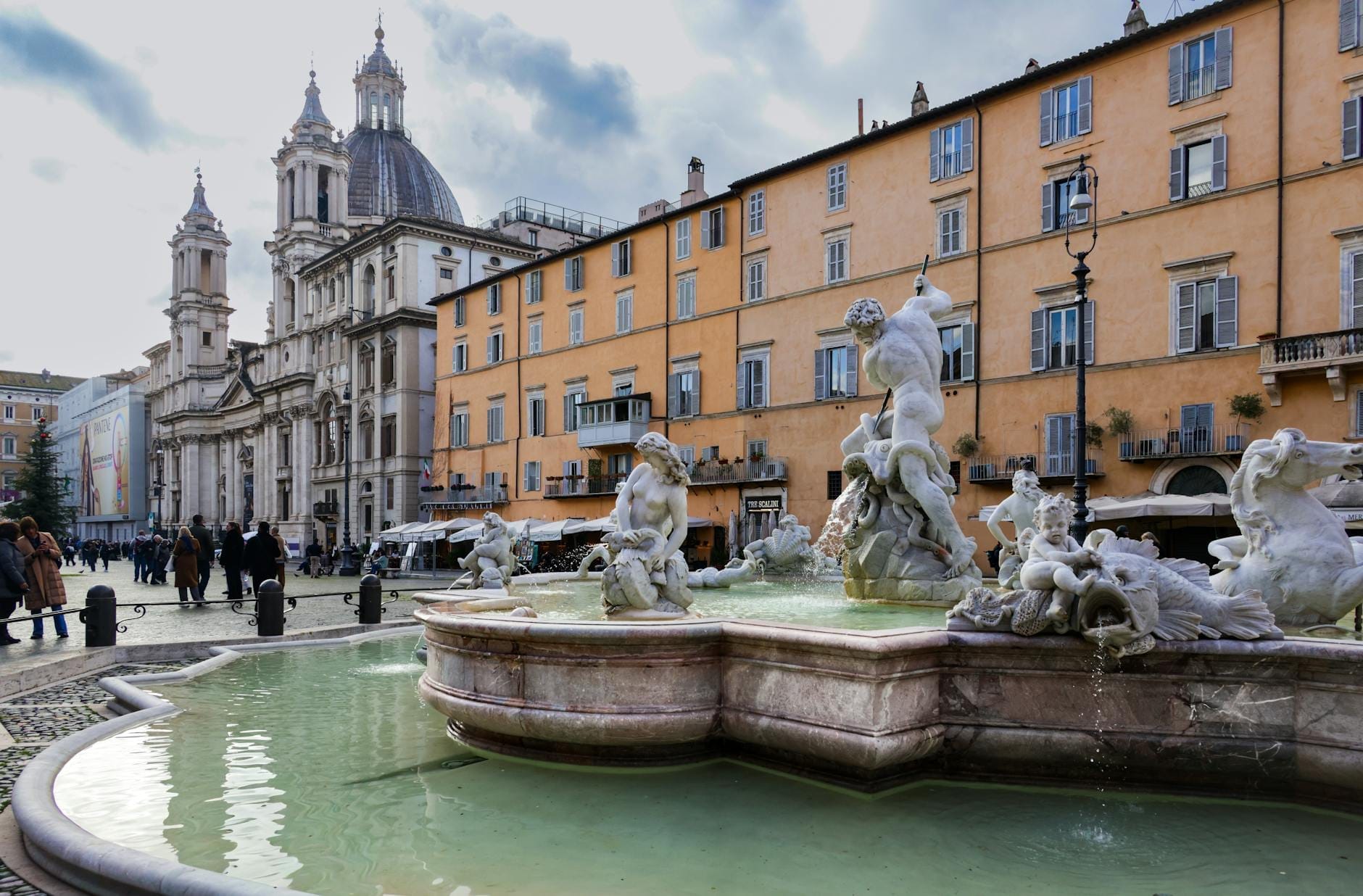
15. See Bernini's Four Rivers Fountain in Piazza Navona
Rome's most theatrical square, built on a Roman stadium's footprint, is ringed by Baroque facades and cafés. Bernini's Fountain of the Four Rivers at its center depicts river gods from four continents. Best visited mid-morning before coach tours arrive.
Explore15. See Bernini's Four Rivers Fountain in Piazza Navona
Rome's most theatrical square, built on a Roman stadium's footprint, is ringed by Baroque facades and cafés. Bernini's Fountain of the Four Rivers at its center depicts river gods from four continents. Best visited mid-morning before coach tours arrive.
Explore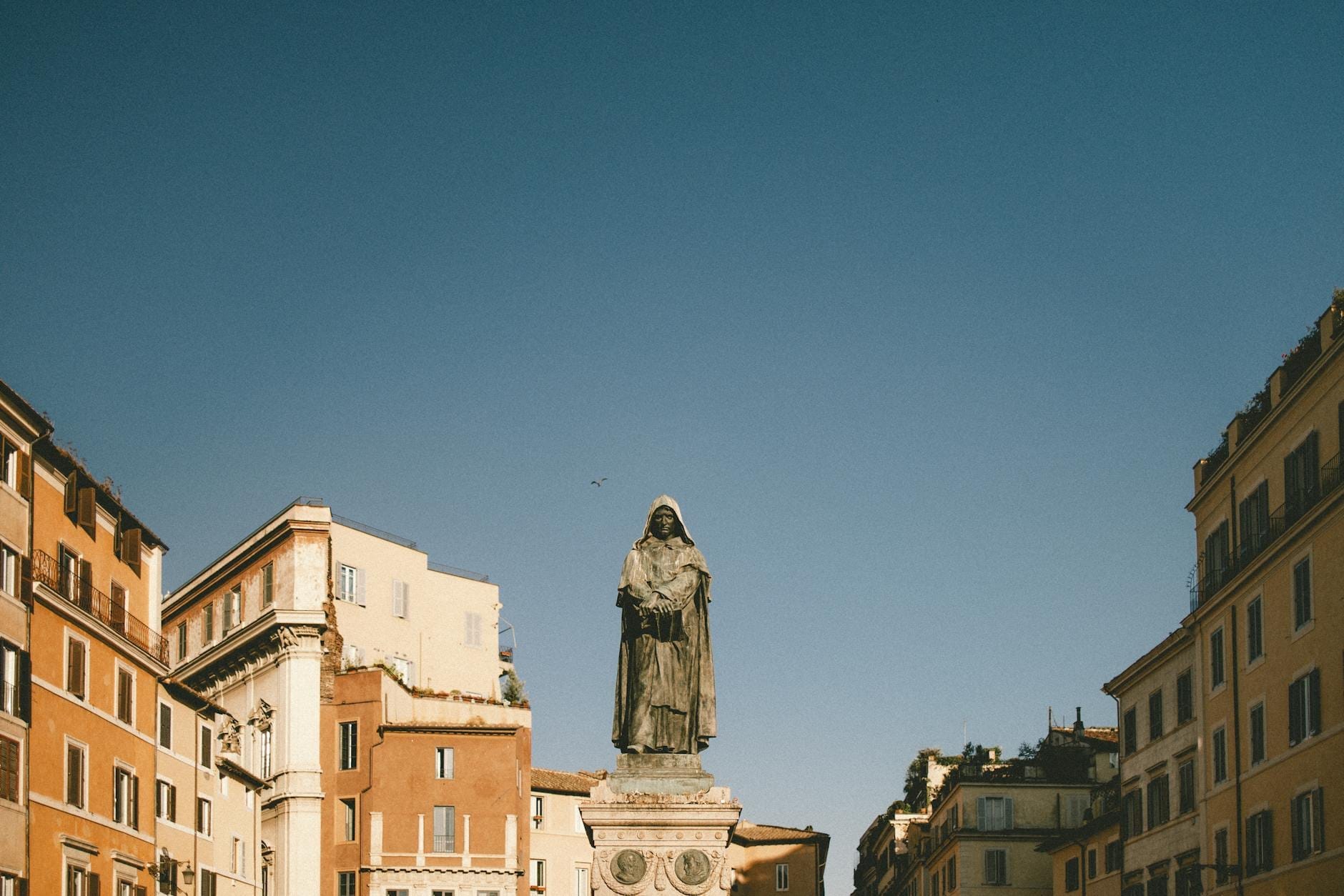
16. Browse the Morning Market at Campo de' Fiori
A 10-minute walk from Piazza Navona, this square hosts a lively food and flower market every morning until around 2 PM. The hooded statue at its center is Giordano Bruno, burned for heresy here in 1600. Pick up lunch ingredients or grab coffee at a street-side bar.
Explore16. Browse the Morning Market at Campo de' Fiori
A 10-minute walk from Piazza Navona, this square hosts a lively food and flower market every morning until around 2 PM. The hooded statue at its center is Giordano Bruno, burned for heresy here in 1600. Pick up lunch ingredients or grab coffee at a street-side bar.
Explore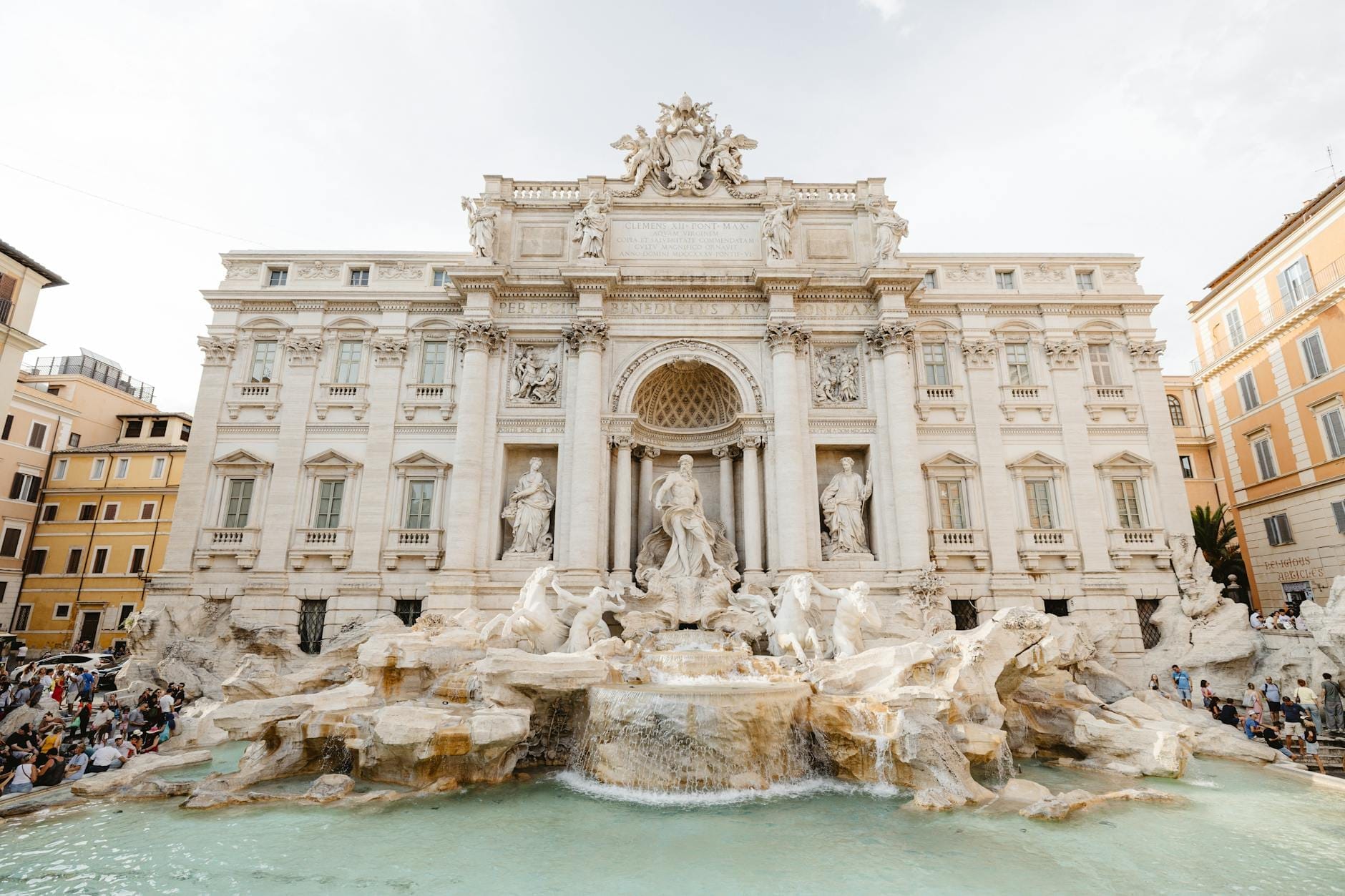
17. Toss a Coin into the Trevi Fountain
Visit at 8 AM or after 9 PM to avoid the worst crowds. The Baroque theatrical composition — Neptune commanding crashing horses across travertine rocks — is more impressive in person than any photo suggests. The coin tradition dates to the 1954 film Three Coins in the Fountain.
Explore17. Toss a Coin into the Trevi Fountain
Visit at 8 AM or after 9 PM to avoid the worst crowds. The Baroque theatrical composition — Neptune commanding crashing horses across travertine rocks — is more impressive in person than any photo suggests. The coin tradition dates to the 1954 film Three Coins in the Fountain.
Explore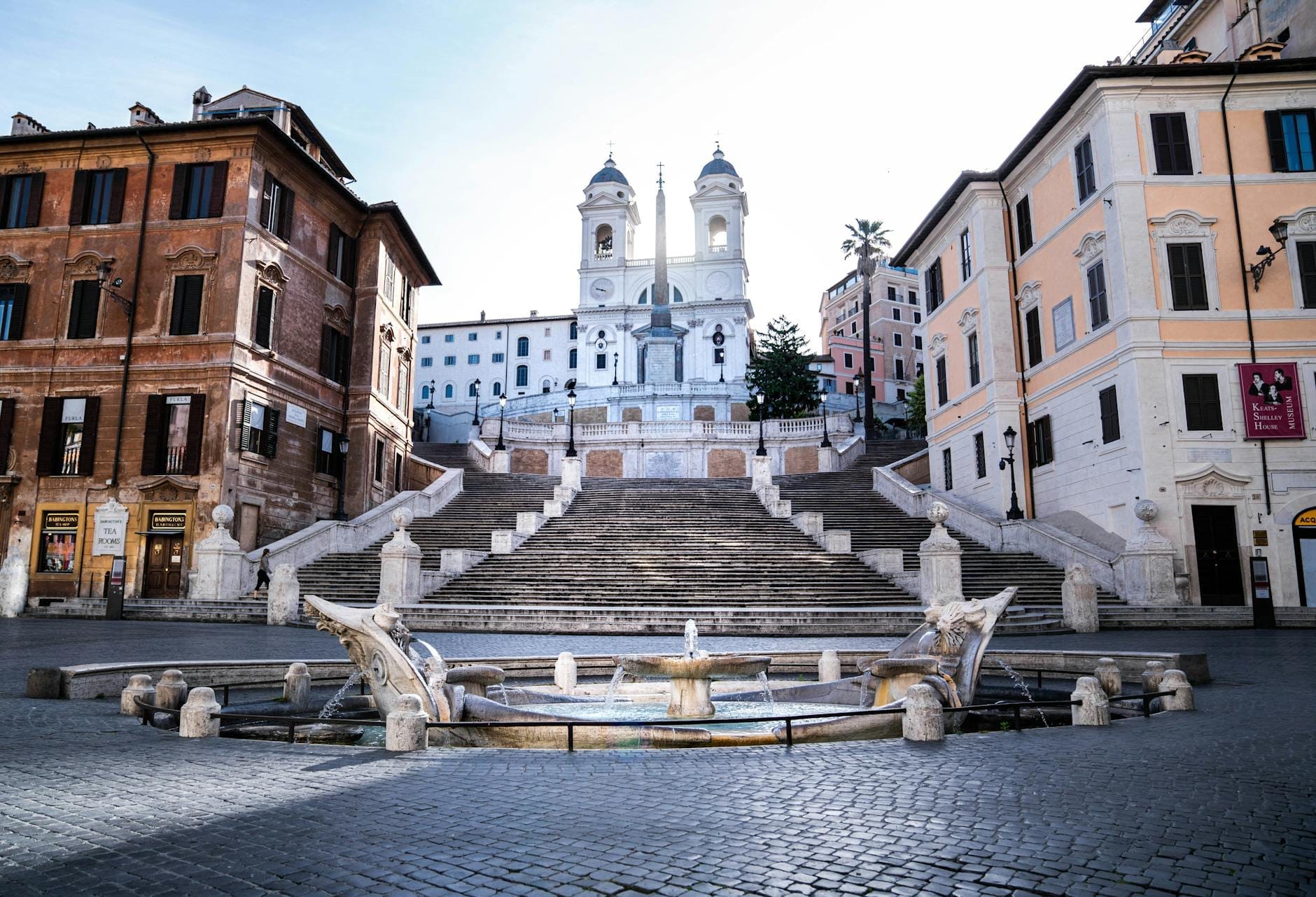
18. Climb the Spanish Steps at Dusk
The 135-step cascade between Piazza di Spagna and Trinità dei Monti church is one of Rome's great gathering places. Climb to the top for a classic view down Via dei Condotti toward the Tiber. In spring, the steps are covered in azaleas.
Explore18. Climb the Spanish Steps at Dusk
The 135-step cascade between Piazza di Spagna and Trinità dei Monti church is one of Rome's great gathering places. Climb to the top for a classic view down Via dei Condotti toward the Tiber. In spring, the steps are covered in azaleas.
Explore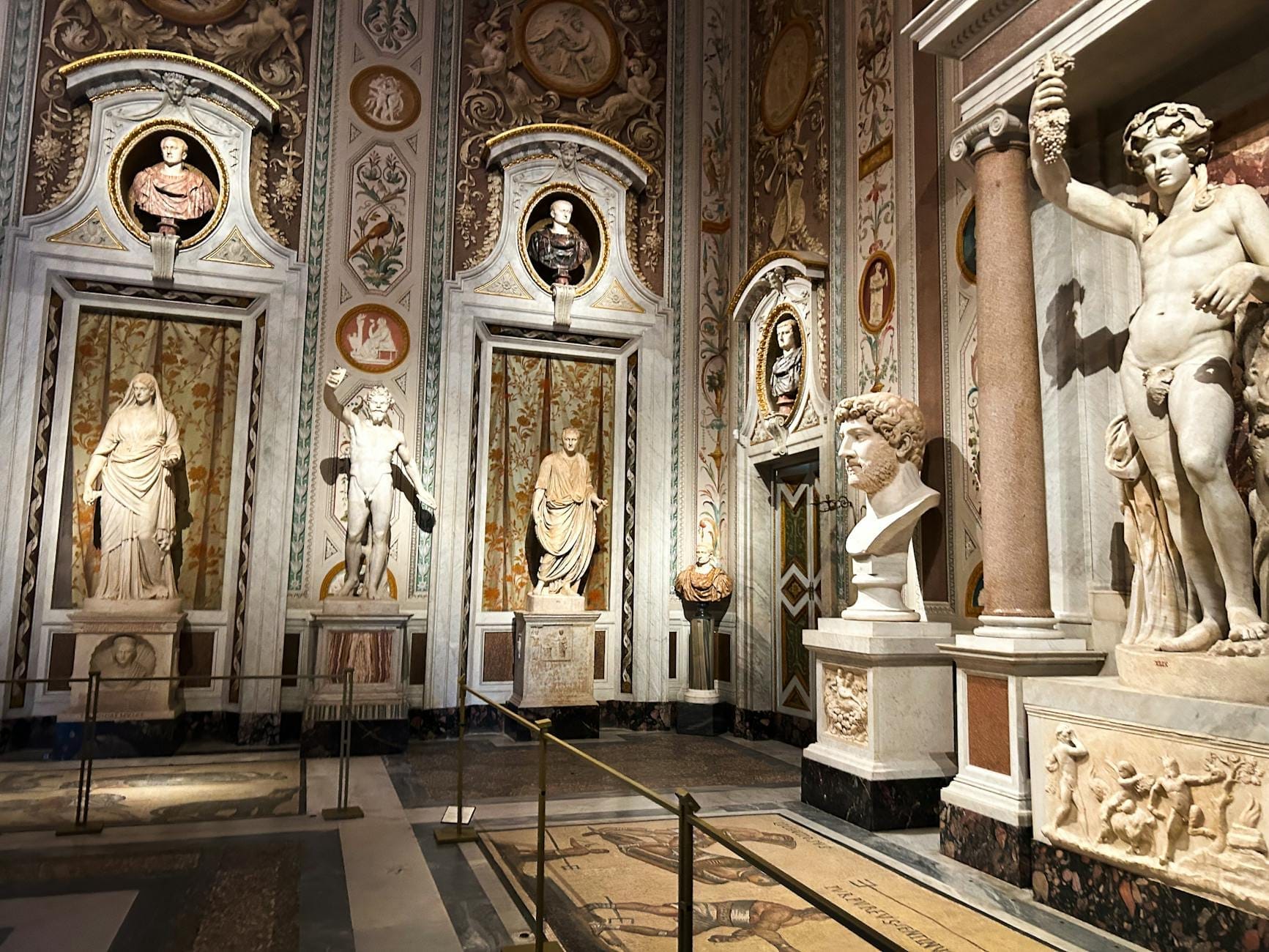
19. Book Ahead for Bernini's Greatest Sculptures at the Borghese
If you've pre-booked (mandatory, strictly limited to 360 visitors per two-hour slot), slot this into Day 3 morning. Bernini's Apollo and Daphne and Caravaggio's Boy with a Fruit Basket are among Italy's greatest artworks. Don't miss this for any reason.
Explore19. Book Ahead for Bernini's Greatest Sculptures at the Borghese
If you've pre-booked (mandatory, strictly limited to 360 visitors per two-hour slot), slot this into Day 3 morning. Bernini's Apollo and Daphne and Caravaggio's Boy with a Fruit Basket are among Italy's greatest artworks. Don't miss this for any reason.
Explore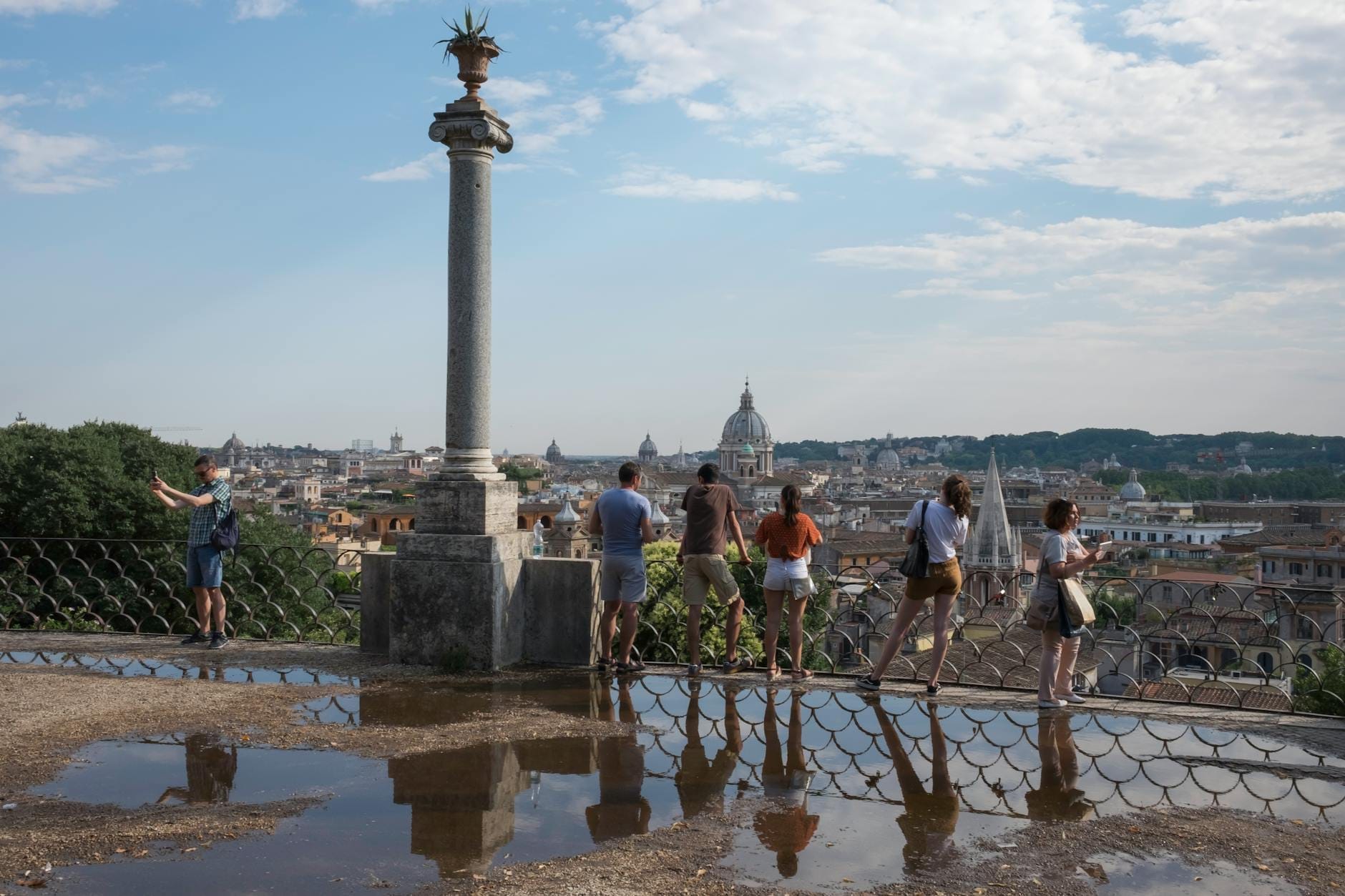
20. Watch the Sun Set Over Rome from the Pincio Terrace
The panoramic terrace at the top of the Borghese gardens, reachable via a gentle walk from the Spanish Steps, offers Rome's most romantic sunset view. St. Peter's dome turns gold on the horizon. This is the perfect close to three days in Rome.
Explore20. Watch the Sun Set Over Rome from the Pincio Terrace
The panoramic terrace at the top of the Borghese gardens, reachable via a gentle walk from the Spanish Steps, offers Rome's most romantic sunset view. St. Peter's dome turns gold on the horizon. This is the perfect close to three days in Rome.
ExploreWorth Squeezing In: Bonus Stops
If your three days include an early start or a longer afternoon, these stops add depth without requiring much detour. They're especially valuable if this isn't your first visit to Rome, or if you want to move beyond the headline sites.
21. Peer Through the Aventine Keyhole for a Perfect Framed View
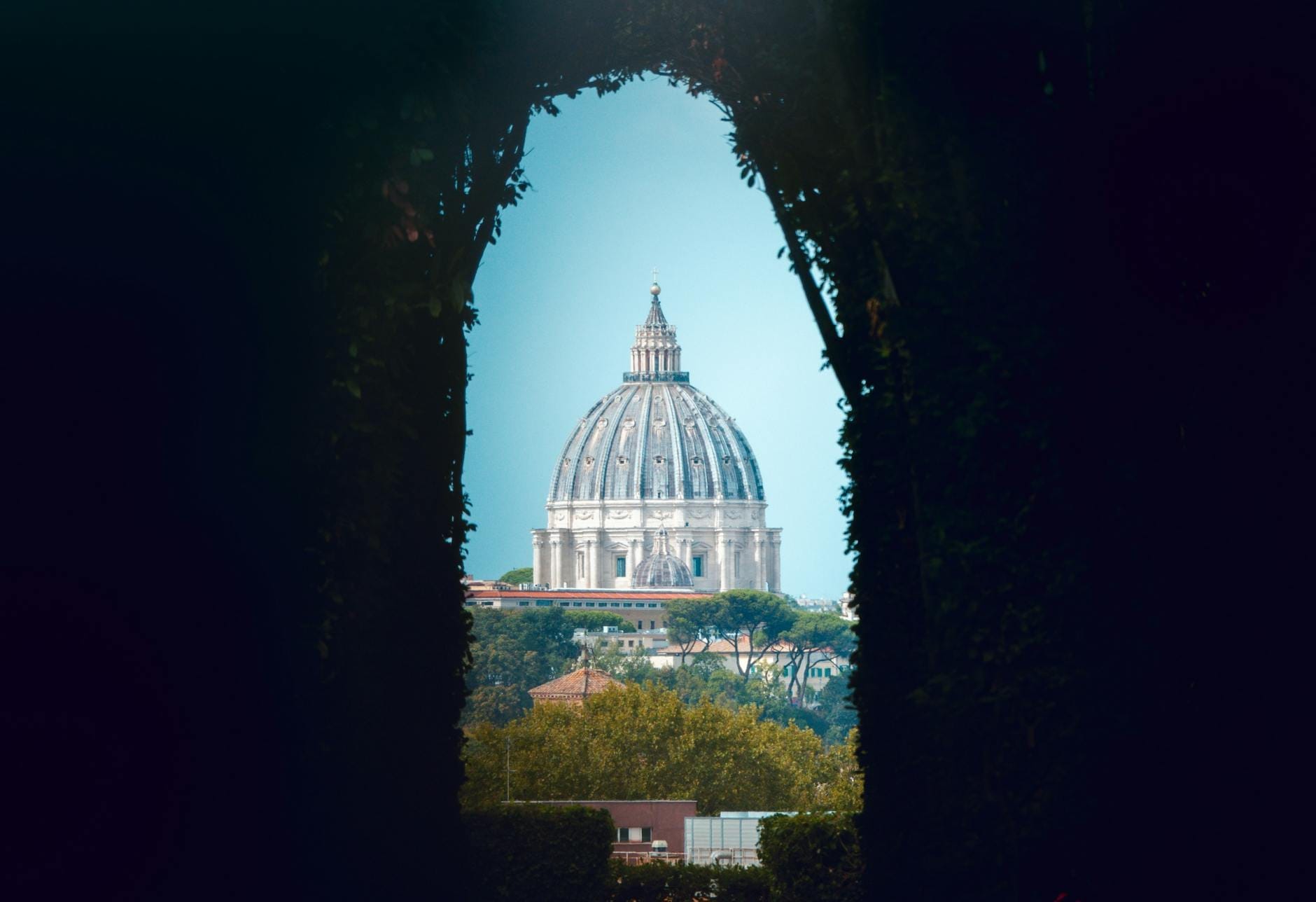
Queue at the Knights of Malta priory gate on Aventine Hill for the keyhole view of St. Peter's dome, precisely framed through a garden avenue across three sovereign territories. The queue is usually short, the payoff enormous. Takes 15 minutes total.
Explore21. Peer Through the Aventine Keyhole for a Perfect Framed View
Queue at the Knights of Malta priory gate on Aventine Hill for the keyhole view of St. Peter's dome, precisely framed through a garden avenue across three sovereign territories. The queue is usually short, the payoff enormous. Takes 15 minutes total.
Explore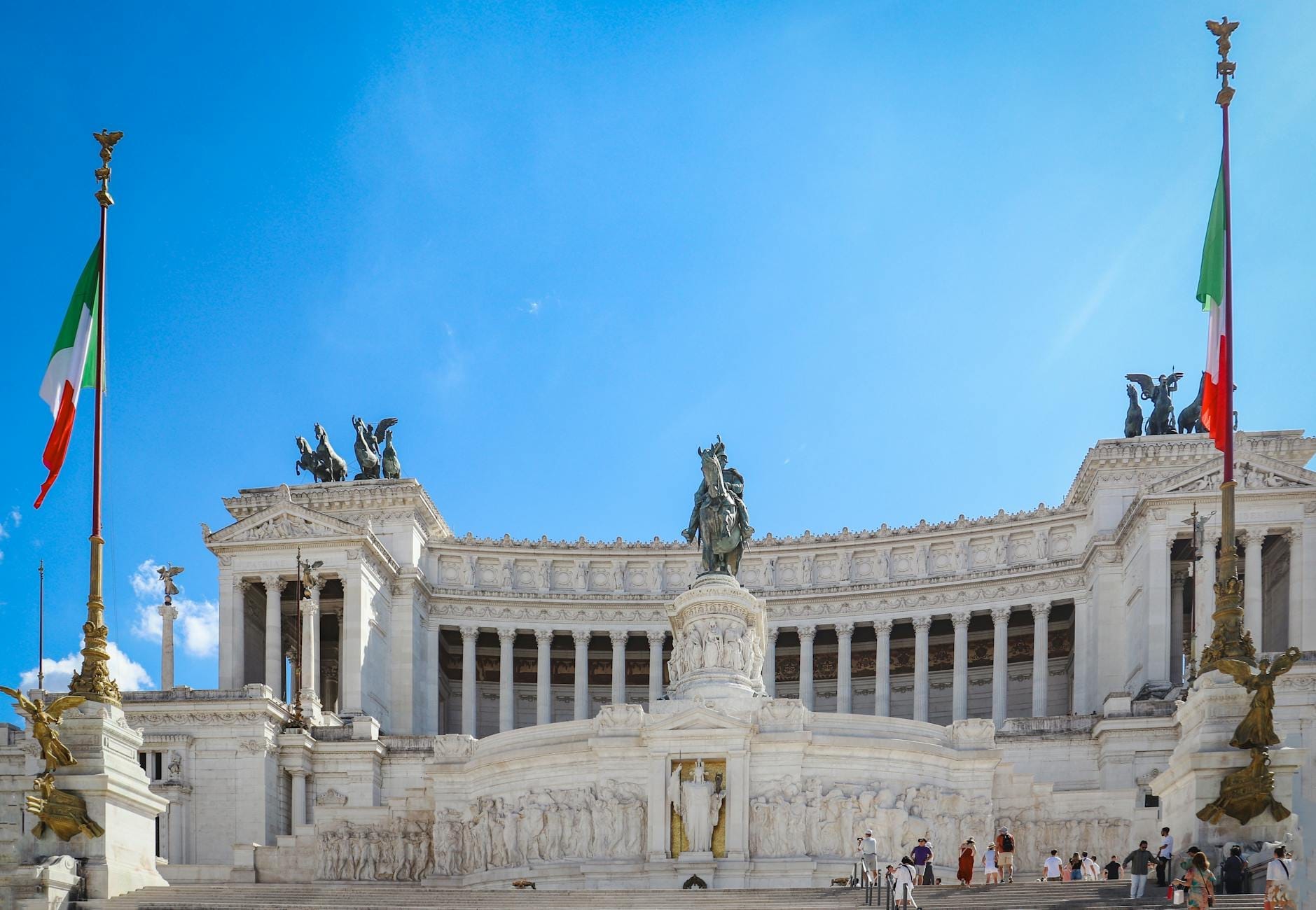
22. Ride the Free Elevator to the Vittoriano's Rooftop Panorama
The gleaming marble monument divides opinion, but its rooftop terrace delivers a free 360-degree panorama over Rome that rivals any other viewpoint in the city. The elevator to the top costs a few euros. Takes 30 minutes including the queue.
Explore22. Ride the Free Elevator to the Vittoriano's Rooftop Panorama
The gleaming marble monument divides opinion, but its rooftop terrace delivers a free 360-degree panorama over Rome that rivals any other viewpoint in the city. The elevator to the top costs a few euros. Takes 30 minutes including the queue.
Explore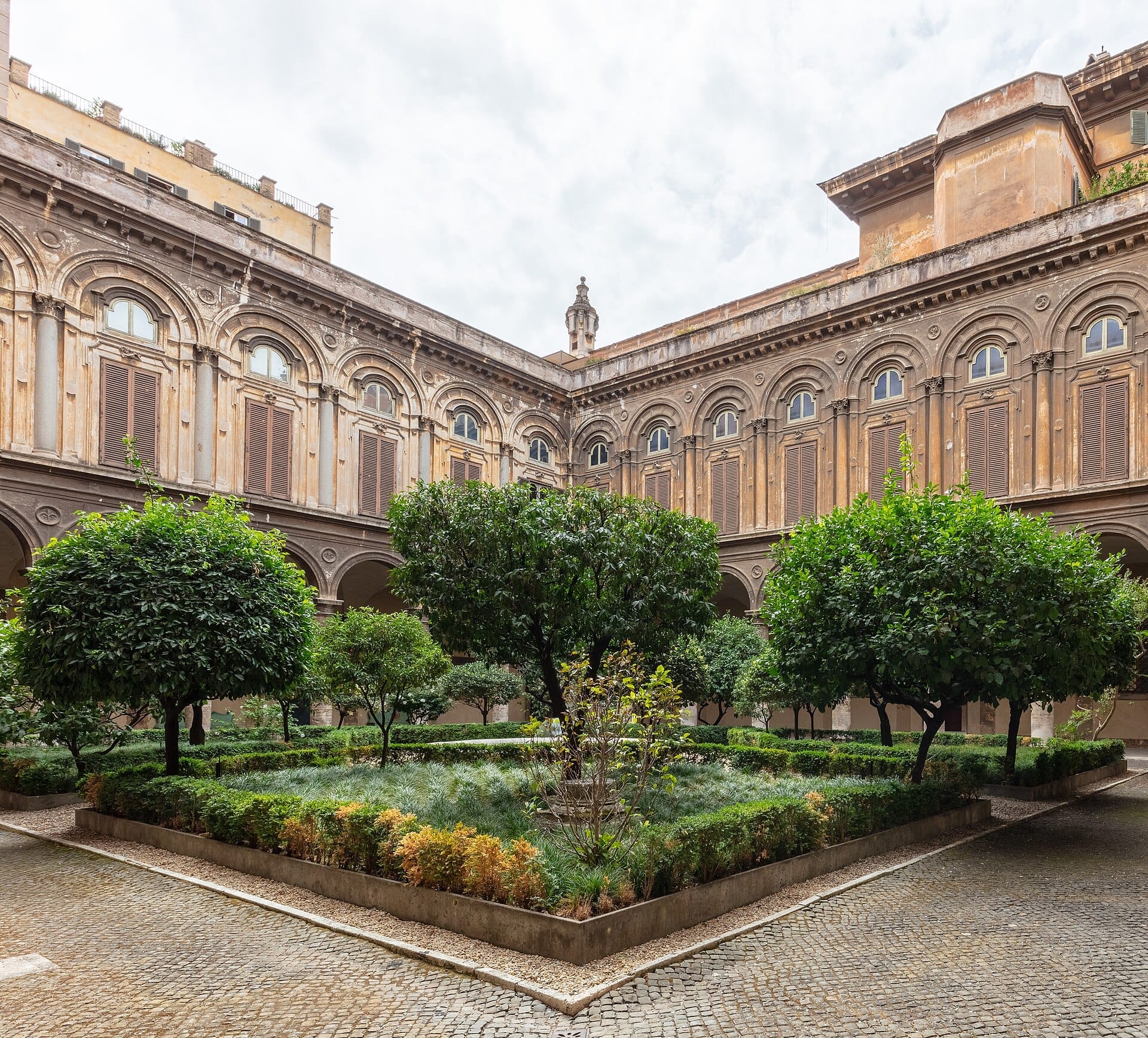
23. See Velázquez's Pope Innocent X at Palazzo Doria Pamphilj
This private palace still owned by the Doria Pamphilj family houses Velázquez's unflinching portrait of Innocent X — Bacon called it 'one of the greatest portraits ever made'. The audio guide narrated by a family member is a highlight. Allow 60 minutes.
Explore23. See Velázquez's Pope Innocent X at Palazzo Doria Pamphilj
This private palace still owned by the Doria Pamphilj family houses Velázquez's unflinching portrait of Innocent X — Bacon called it 'one of the greatest portraits ever made'. The audio guide narrated by a family member is a highlight. Allow 60 minutes.
Explore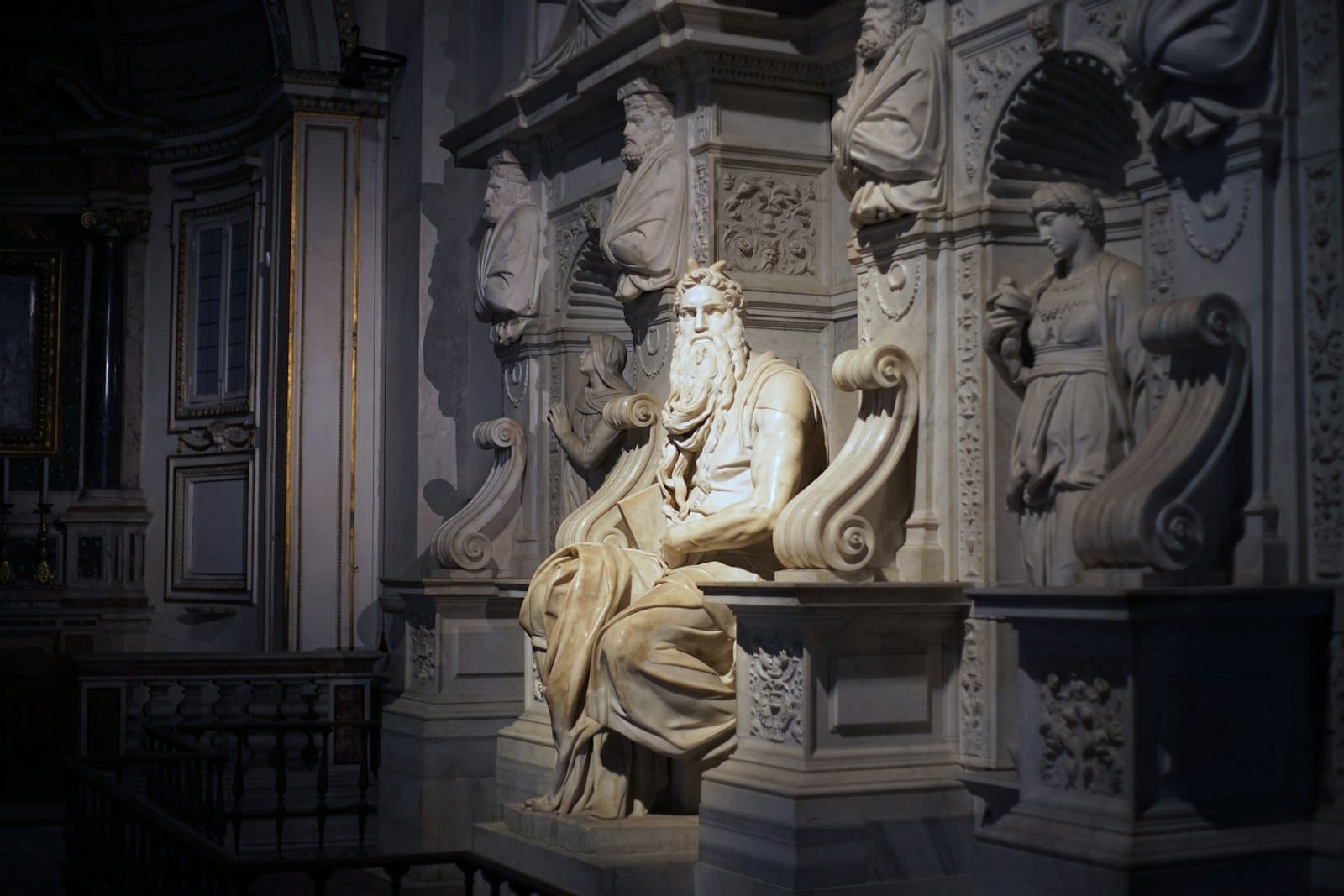
24. Come Face to Face with Michelangelo's Moses
A short uphill walk from the Colosseum, this church contains Michelangelo's Moses — a marble figure of such physical intensity it stops visitors cold. Free to enter. The chains said to have bound St. Peter are enshrined beneath the altar. Takes 20 minutes.
Explore24. Come Face to Face with Michelangelo's Moses
A short uphill walk from the Colosseum, this church contains Michelangelo's Moses — a marble figure of such physical intensity it stops visitors cold. Free to enter. The chains said to have bound St. Peter are enshrined beneath the altar. Takes 20 minutes.
ExploreFAQ
Is 3 days enough time in Rome?
Three days covers Rome's essential highlights comfortably if you plan by neighborhood and book key tickets in advance. You'll see the Colosseum, Vatican, Pantheon, and most major piazzas. A fourth or fifth day allows for the Borghese Gallery, Trastevere at a slower pace, and day trips.
Do I need to book Colosseum tickets in advance?
Yes. Book at colosseo.it/en before you travel — tickets regularly sell out days or weeks ahead, especially April through October. Your combined ticket includes the Roman Forum and Palatine Hill. Show up without a booking and you'll lose half a morning in queues, or be turned away entirely.
What's the best order to visit Rome's sights in 3 days?
Day 1: Colosseum, Forum, Palatine Hill, then Capitoline area. Day 2: Vatican Museums, St. Peter's, Castel Sant'Angelo, then Trastevere for dinner. Day 3: Pantheon, Piazza Navona, Trevi Fountain, Spanish Steps. This groups sites geographically and minimizes transit time.
When is the best time of year for a 3-day Rome trip?
April to early June and mid-September to October offer the best combination of mild weather (15-22°C), manageable crowds, and long daylight hours. July and August are very hot and extremely crowded. Winter (November to February) has shorter lines but reduced opening hours at some sites.
How much walking is involved in a 3-day Rome itinerary?
Expect 15,000 to 20,000 steps per day — roughly 10 to 14 km. Rome's historic center is compact and mostly flat, but the cobblestone streets are hard on feet. Wear proper walking shoes, not sandals or new footwear. The Colosseum and Vatican involve significant standing time on stone floors.
Tickets & tours
Live prices and dates from our booking partner. If you book, we may earn a commission at no extra cost to you.
Planning a trip? Discover personalized activities with the Nomado app.