Skip the Line in Rome: A Site-by-Site Booking Guide
Rome's top attractions can swallow hours in queue time alone. This guide breaks down exactly which sites demand advance booking, which platforms to trust, what skip-the-line actually means in practice, and where you can honestly walk straight in.

Tickets & tours
Live prices and dates from our booking partner. If you book, we may earn a commission at no extra cost to you.
TL;DR
- Skip-the-line tickets bypass the ticket purchase queue, not necessarily security — expect some wait at every major site.
- The Colosseum, Vatican Museums, and Galleria Borghese are non-negotiable: book timed entry weeks or months ahead, especially for peak season visits.
- Borghese Gallery has only five timed entry slots per day — it sells out faster than any other major site in Rome.
- Guided tours offer the fastest entry at Vatican-complex sites thanks to exclusive group arrangements with dedicated entrances.
- The Roma Pass covers 35 attractions with priority access and public transport, worth it if you plan to visit four or more ticketed sites.
What 'Skip the Line' Actually Means in Rome
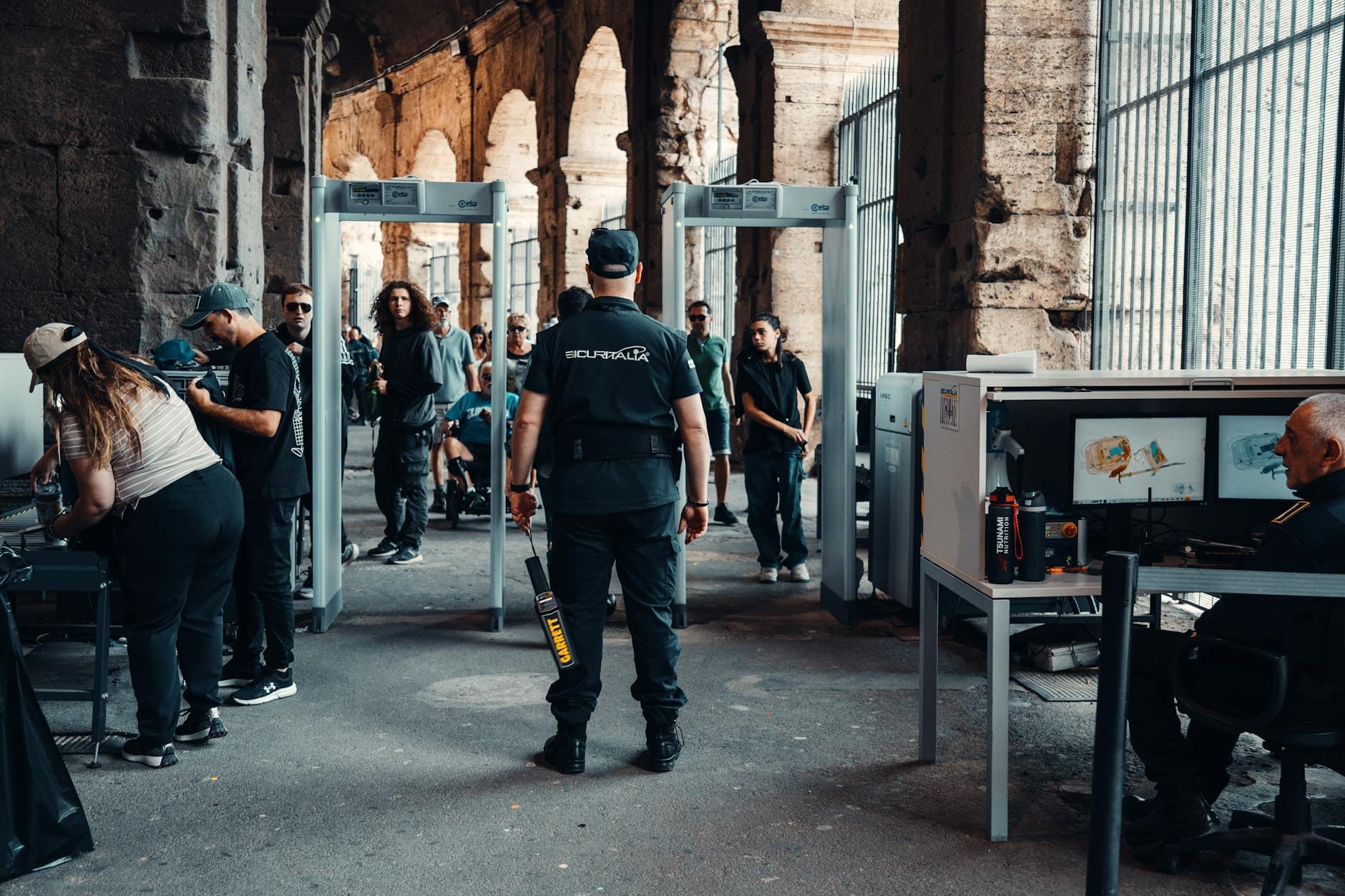
The phrase gets misused constantly in Rome's tourism marketing. In practice, a skip-the-line ticket eliminates the queue to purchase tickets on the day. It does not make security screening disappear, it does not guarantee you walk straight past every rope, and it does not mean you'll be whisked to the front ahead of everyone else. At the Colosseum, for example, pre-booked visitors still pass through a security scan that can back up significantly during summer mornings. The real saving is not having to stand for 90 minutes at a ticket booth only to be told the next available entry slot is three hours away.
The benefit varies dramatically by site. At Galleria Borghese, a pre-booked ticket is mandatory — you literally cannot enter without one. At the Pantheon (which introduced paid entry in 2023), the queue is genuinely short outside peak windows. Understanding this distinction before you book will save you money and prevent frustration.
⚠️ What to skip
A 'reservation code' is not the same as a printed ticket at several sites. At some Colosseum partner platforms, a booking code still requires picking up your physical ticket at a booth — which has its own queue. Always confirm at checkout whether you receive a print-at-home PDF or a pickup code.
Site-by-Site Priority Guide
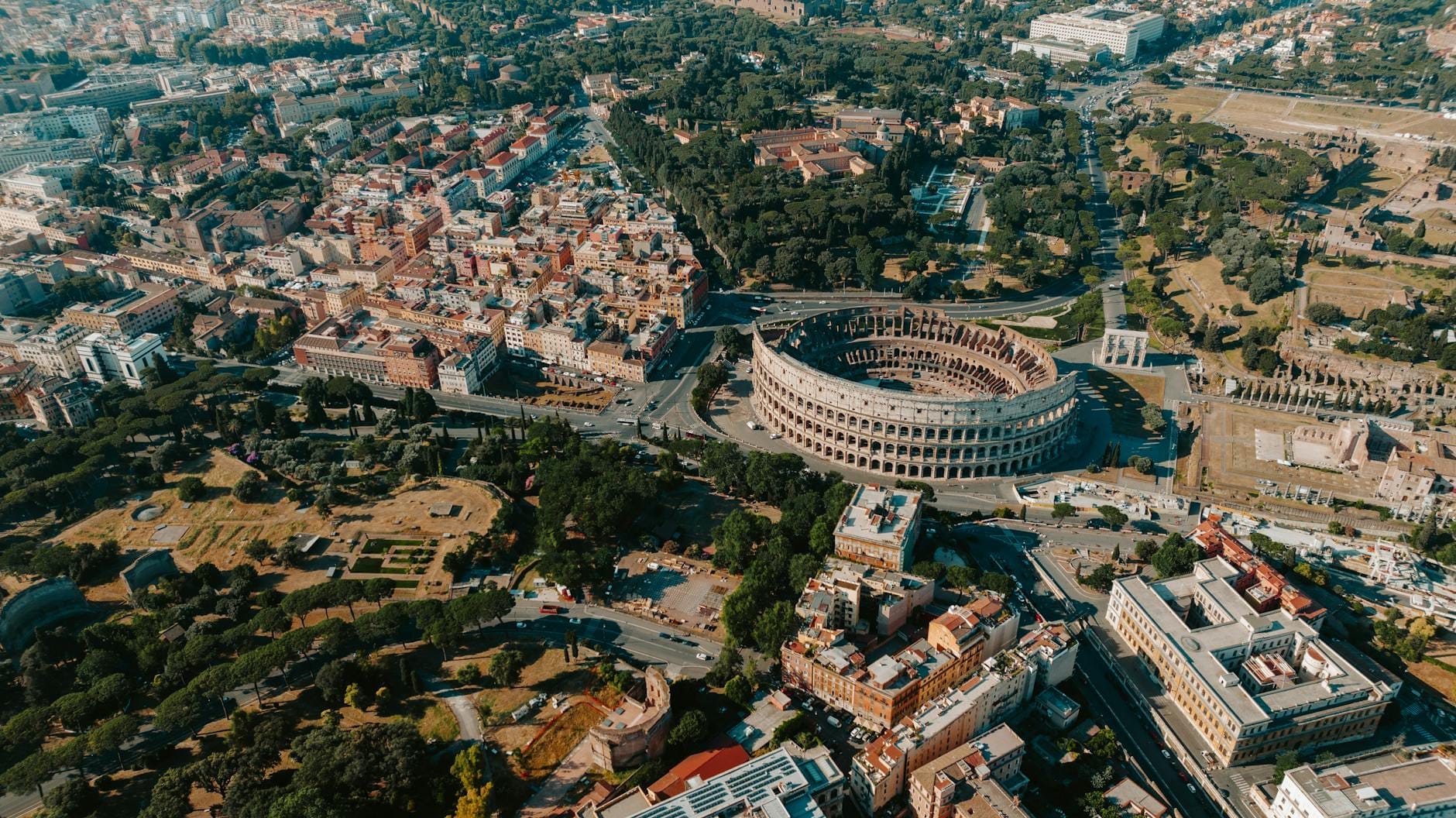
The Colosseum is Rome's busiest single attraction. The combined ticket covers entry to the Colosseum, Roman Forum, and Palatine Hill — all on the same booking. Book through the official coopculture.it website and choose a print-at-home option where available; this skips the pickup booth entirely. During July and August, same-day tickets are rarely available. Book at least three to four weeks ahead for summer travel, and consider a first-entry slot (9:00 AM) to beat both the heat and the security queue.
The Vatican Museums and Sistine Chapel are a separate operation from St. Peter's Basilica. The Museums require pre-booking almost year-round; the main entrance queue on a July afternoon can exceed two hours for walk-ins. Guided tours have a dedicated group entrance that skips this queue more effectively than an individual timed ticket. St. Peter's Basilica itself is free to enter, but the dome climb has a separate ticket and the capacity is limited — the elevator option does not grant priority over the stairs queue when numbers are high.
- Galleria Borghese Advance booking is legally required. Only five two-hour sessions per day, each capped at around 360 visitors. Book online at least four to six weeks ahead in high season. The gallery's own booking system issues a code; exchange it at the desk before your session starts.
- Colosseum + Forum + Palatine Pre-book via the official coopculture.it site. Choose a timed slot and print-at-home format. Underground and arena floor tours require separate, more expensive tickets and sell out months ahead.
- Vatican Museums + Sistine Chapel Book via the official Vatican Museums site (museivaticani.va) or through a reputable licensed tour operator. Early morning (8:00 AM) or late afternoon slots have shorter security lines.
- Castel Sant'Angelo Pre-booking is advisable in peak season but less critical than the Colosseum. Timed entry tickets available online; the rooftop terrace view makes this worth the effort.
- Pantheon Paid entry introduced in 2023. Tickets available online; the queue for walk-ins is manageable outside July-August and holiday weekends, but booking ahead removes the uncertainty entirely.
✨ Pro tip
For the Vatican complex, a licensed guided tour with a dedicated group entrance typically saves 45-60 minutes compared to an individual timed ticket during peak months. The group entrance is on the left side of the main façade and is not advertised to walk-in visitors.
Guided Tours vs. Independent Timed Tickets
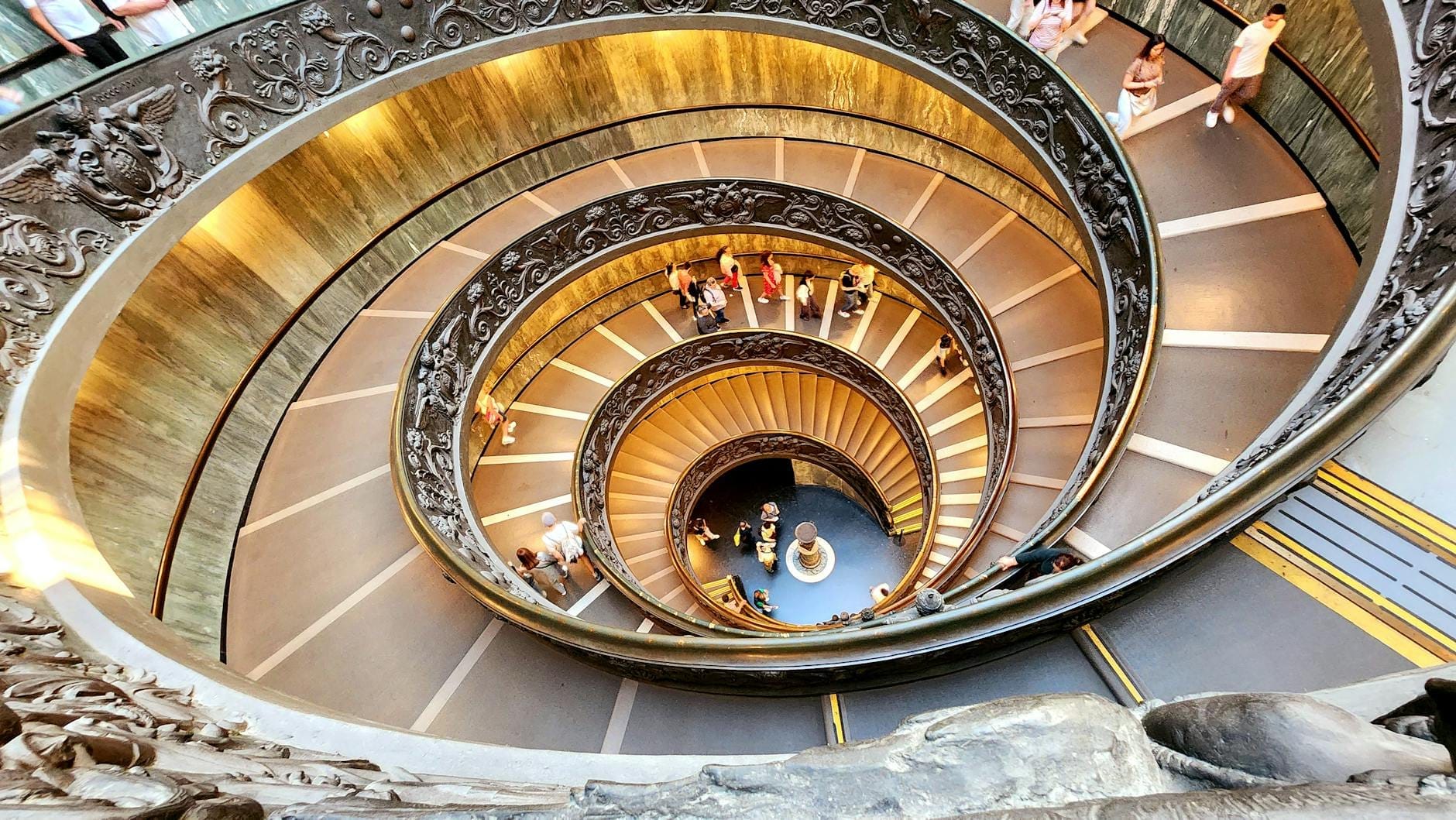
Choosing between a guided tour and an independent timed ticket comes down to two factors: how much you value context versus control, and how far ahead you're booking. Guided tours at Vatican Museums and the Colosseum provide the fastest physical entry because operators secure dedicated access arrangements. They also add genuine depth — a good guide covering the Sistine Chapel or the Flavian Amphitheatre structure makes the experience significantly richer than walking through with an audio guide.
The downside is pace. Group tours move on the guide's schedule. If you want to linger in the Gallery of Maps or spend an extra twenty minutes in the Forum's Temple of Saturn, a self-guided timed ticket gives you that freedom. For Galleria Borghese specifically, both options have the same hard two-hour cap regardless, so a guided session there is usually the better value.
Booking Platforms: Which to Trust
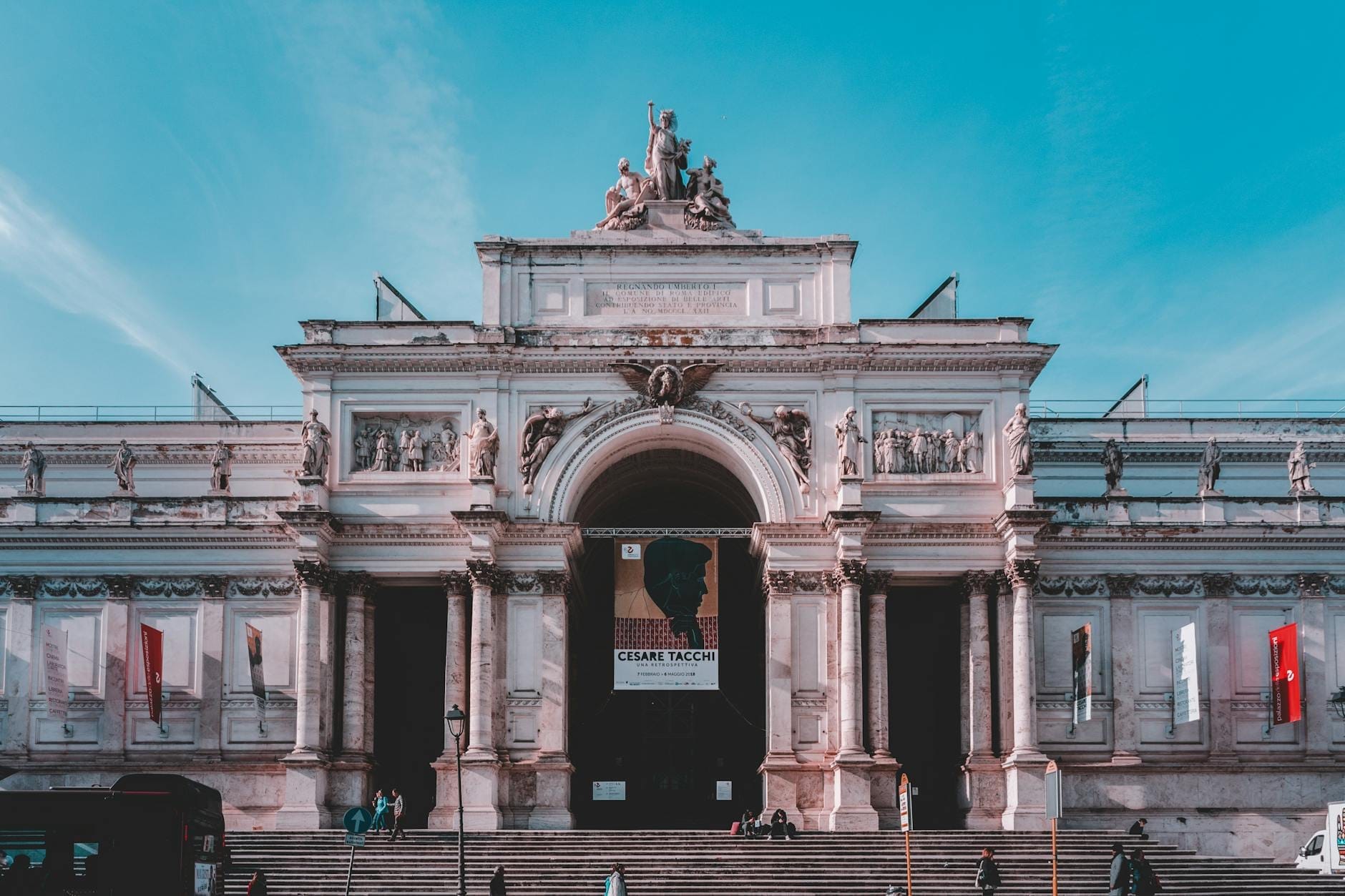
The safest starting point for any Rome booking is the official site of the attraction itself. The Colosseum uses coopculture.it; the Vatican uses museivaticani.va; Galleria Borghese has its own reservation system. These cut out markup fees and avoid situations where third-party cancellation policies leave you stranded.
That said, official sites can be frustrating: they go down during high traffic, require account creation, and occasionally mis-display availability. Reputable third-party platforms like Headout, GetYourGuide, and Viator aggregate licensed tours and often have better user interfaces and flexible cancellation. The trade-off is a service fee, typically 10-20% on top of the face value. Avoid platforms you have not heard of offering steep discounts on Colosseum or Vatican tickets — there is no legitimate way to sell these at below-face-value, and counterfeit reservation codes are a documented problem.
💡 Local tip
Book timed tickets for the Colosseum and Galleria Borghese before you finalize any other part of your itinerary. These slots constrain the rest of your schedule more than flights or hotels do. A 10:00 AM Borghese slot means your morning is committed — plan other bookings around it, not the other way around.
The Roma Pass: Worth It or Not?
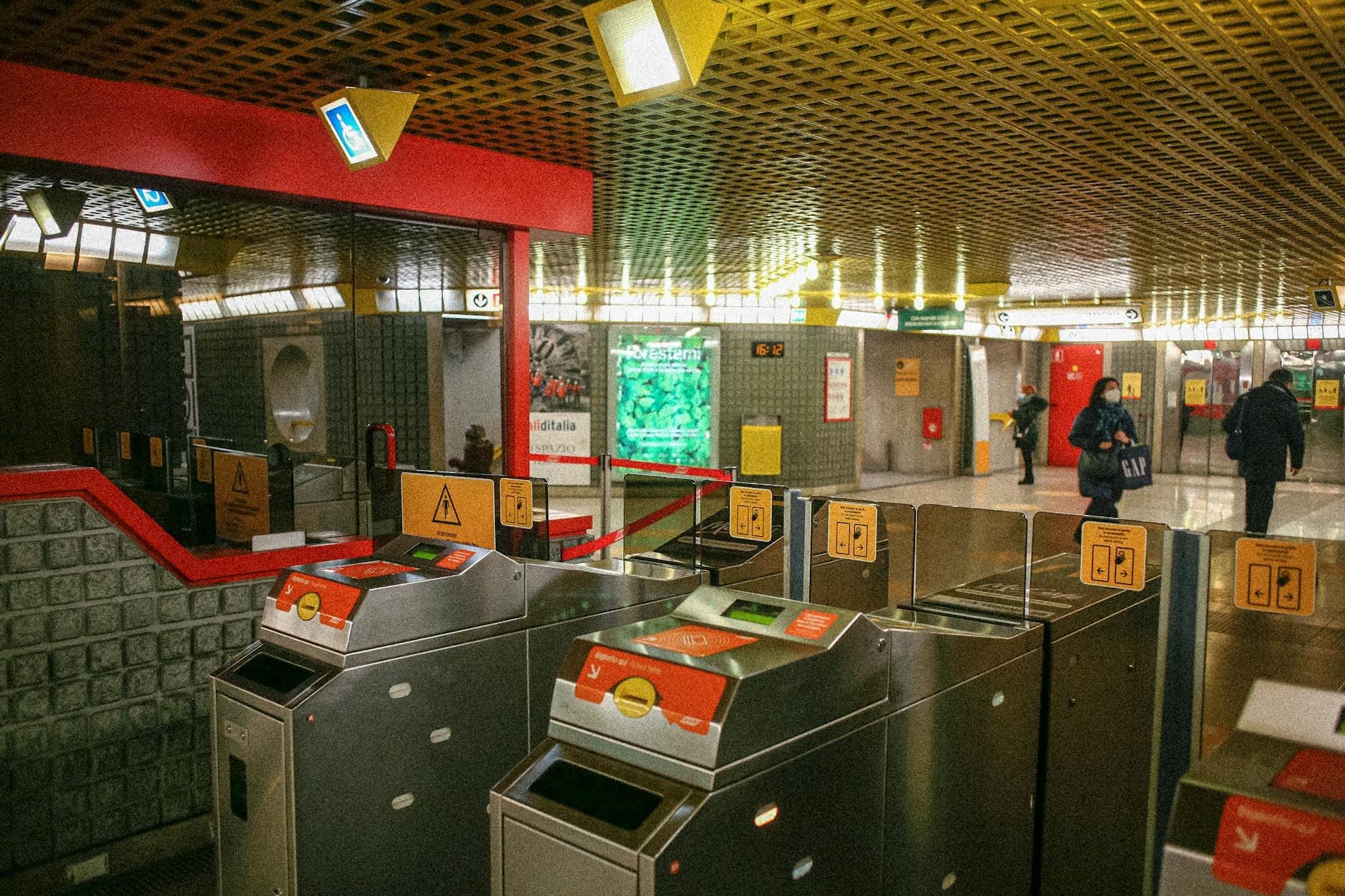
The Roma Pass (available in 48-hour and 72-hour versions) covers priority access at more than 35 attractions, includes free or discounted entry to multiple sites, and adds unlimited public transport on the ATAC network. For visitors planning to cover Capitoline Museums, the Colosseum combo, and several churches or smaller museums over three days, the math often favors buying it. Savings of 20-50% compared to individual tickets are realistic.
The honest caveat: the Roma Pass grants priority access, not immediate skip-entry at all sites. At the Colosseum, pass holders join the pre-booked ticket line rather than the walk-in purchase queue, which still saves significant time. The pass does not include Galleria Borghese, Vatican Museums, or Pantheon, which have completely separate ticketing systems. If those two are your priorities, assess the pass on its remaining value alone.
- Roma Pass 48h: Covers 2 free museum entries + transport; suits a tight two-day schedule
- Roma Pass 72h: Covers 3 free entries + transport; better value for a standard three-day Rome visit
- Not included: Galleria Borghese, Vatican Museums, St. Peter's dome climb
- Where to buy: Official romapass.it site or at airport kiosks and select metro stations
- Best pairings: Capitoline Museums, Colosseum combo, Castel Sant'Angelo, National Roman Museum
When You Don't Need to Pre-Book
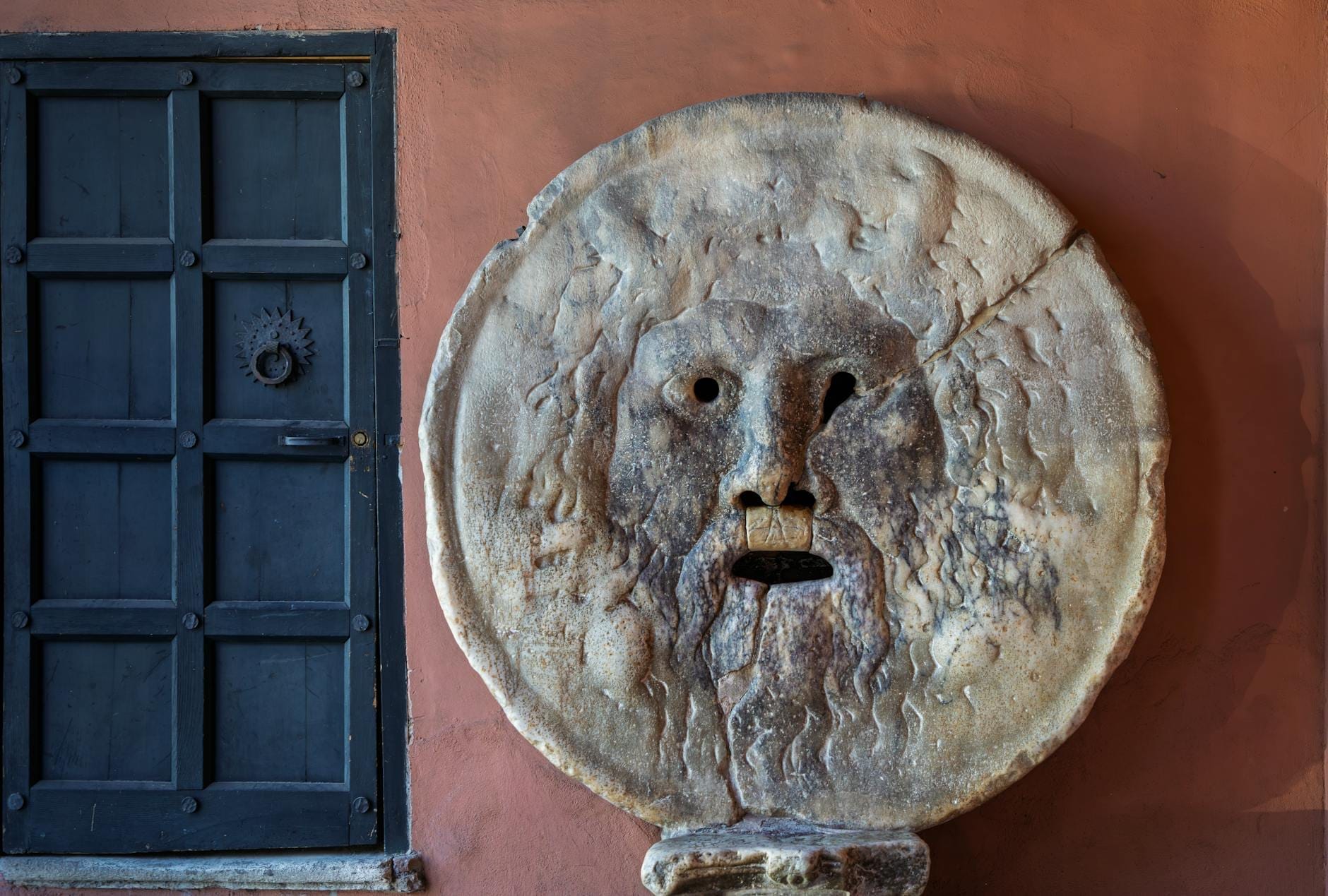
Pre-booking anxiety is real, but not every site in Rome demands it. Several worthwhile attractions have short or nonexistent queues if you time your visit correctly. The Bocca della Verità at Santa Maria in Cosmedin, the San Clemente Basilica with its extraordinary underground layers, and the Baths of Caracalla rarely require advance booking outside August. The same applies to most of Rome's churches, which are free and open throughout the day.
Timing matters more than booking at some sites. The Trevi Fountain introduced a timed-entry pilot in 2024 and is implementing a ticketing system from March 2026 — verify the current status before visiting, as this is one of the fastest-changing policies in Rome. The Spanish Steps and Piazza Navona have no tickets and no entry restrictions. For a broader look at free options, the free things to do in Rome guide covers a full list.
Seasonal Strategy: When Queues Are Worst
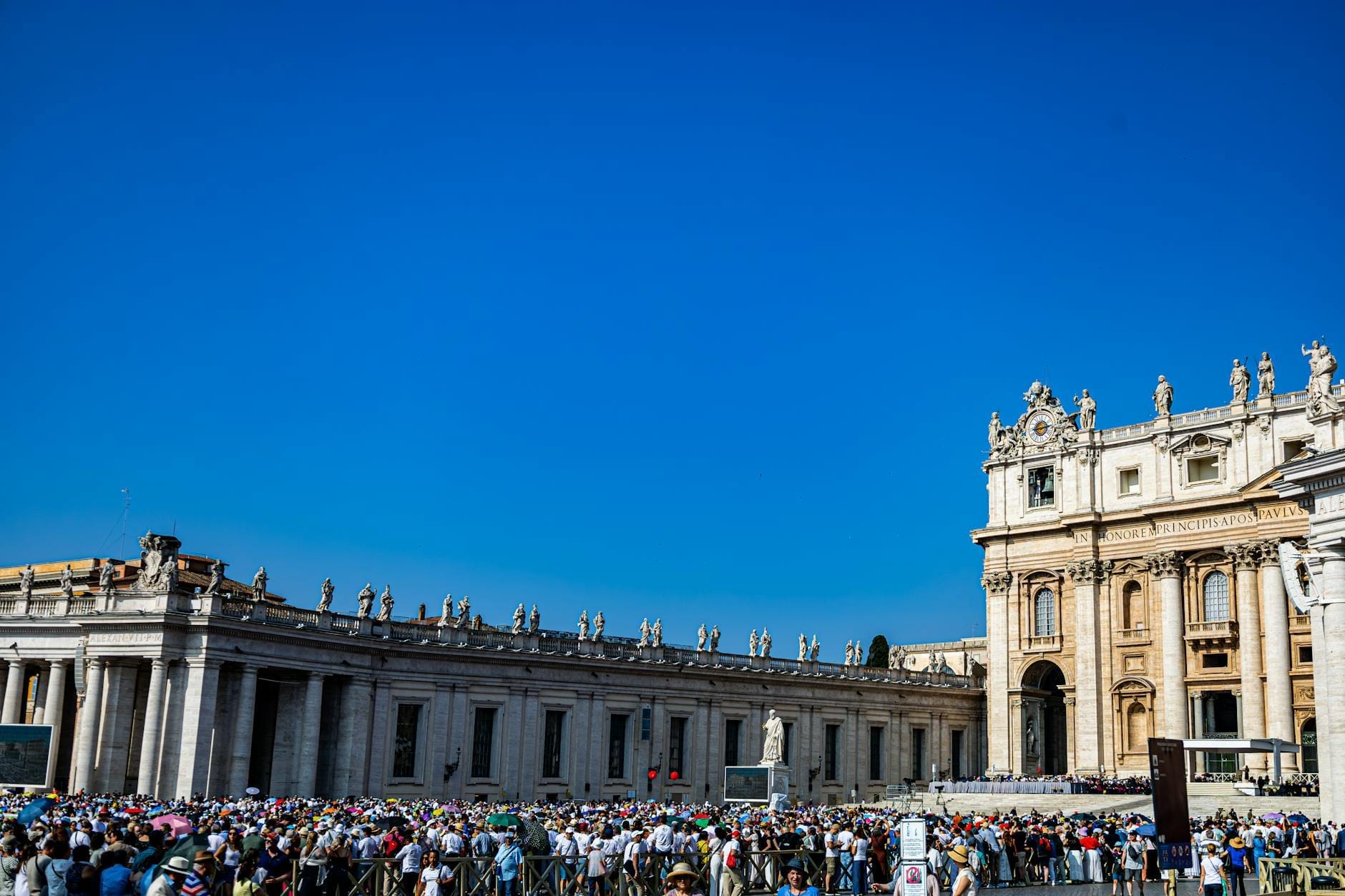
Peak queue pressure runs from late June through August, and again over Easter week and Christmas-New Year. During these periods, same-day walk-in entry at the Colosseum or Vatican is essentially impossible, and even pre-booked visitors face 20-40 minute security waits. Weekend crowds in July and August peak between 10:00 AM and 2:00 PM at nearly every major site.
The windows with genuinely shorter queues are late November through February (excluding Christmas week), and early March before school holiday travel begins. April through early June is popular but manageable with advance booking. September and October offer good conditions: school groups have returned, temperatures are pleasant, and late afternoon slots often become available with less lead time than summer requires.
FAQ
How far in advance should I book Colosseum tickets?
For July and August, book at least three to four weeks ahead, ideally longer. For April-June and September-October, two weeks is usually sufficient. In low season (November-February), one week ahead is often fine, though booking earlier never hurts. First-entry slots (9:00 AM) sell out faster than mid-day slots regardless of season.
Is Galleria Borghese really impossible to enter without a reservation?
Yes. The gallery enforces a strict reservation policy with no walk-in entry permitted. Only five timed sessions run per day, each lasting two hours. If the official booking system shows no availability, check back frequently as cancellations do open up, or contact a licensed tour operator who may hold allocated spots.
Does a skip-the-line Vatican ticket let me skip security?
No. All visitors pass through airport-style security scanning regardless of ticket type. What a pre-booked timed ticket skips is the external queue to purchase tickets, which can run one to two hours for walk-ins. Guided tours with dedicated group entrances typically move through this process faster than individual timed tickets.
Are third-party booking platforms safe for Rome attraction tickets?
Reputable platforms like GetYourGuide, Headout, and Viator are safe and widely used. The official attraction websites (coopculture.it for the Colosseum, museivaticani.va for Vatican) are always the first option to try. Avoid unknown discount platforms offering prices significantly below face value — counterfeit reservation codes have been reported at Colosseum entrances.
Which Rome attractions genuinely don't need advance booking?
Baths of Caracalla, San Clemente Basilica, Capitoline Museums (outside peak season), most Roman churches, Piazza Navona, Campo de' Fiori, and the Appian Way. The Pantheon has paid timed-entry tickets but rarely sells out in low season. Always verify current entry policies before visiting, as Rome's ticketing systems are changing frequently.
Tickets & tours
Live prices and dates from our booking partner. If you book, we may earn a commission at no extra cost to you.
Planning a trip? Discover personalized activities with the Nomado app.