Best Time to Visit Rome: The Honest, Month-by-Month Guide
Rome rewards visitors year-round, but the experience varies dramatically by season. This guide breaks down crowds, temperatures, costs, and local events to help you pick the right time for your trip.
Tickets & tours
Live prices and dates from our booking partner. If you book, we may earn a commission at no extra cost to you.
TL;DR
- April to May and September to October offer the best balance of mild weather (15-27°C / 60-80°F) and manageable crowds.
- July and August are the hottest and most crowded months; temperatures regularly exceed 32°C (90°F) and queues at major sites are brutal.
- Winter (November to February) brings the lowest prices and fewest tourists, but expect rain, shorter hours, and some outdoor attractions losing their appeal.
- Whenever you go, book major attractions like the Colosseum and Vatican Museums in advance — queues are long in every season.
- The 'best' time depends entirely on your priorities: weather, budget, crowds, or specific events all point to different windows.
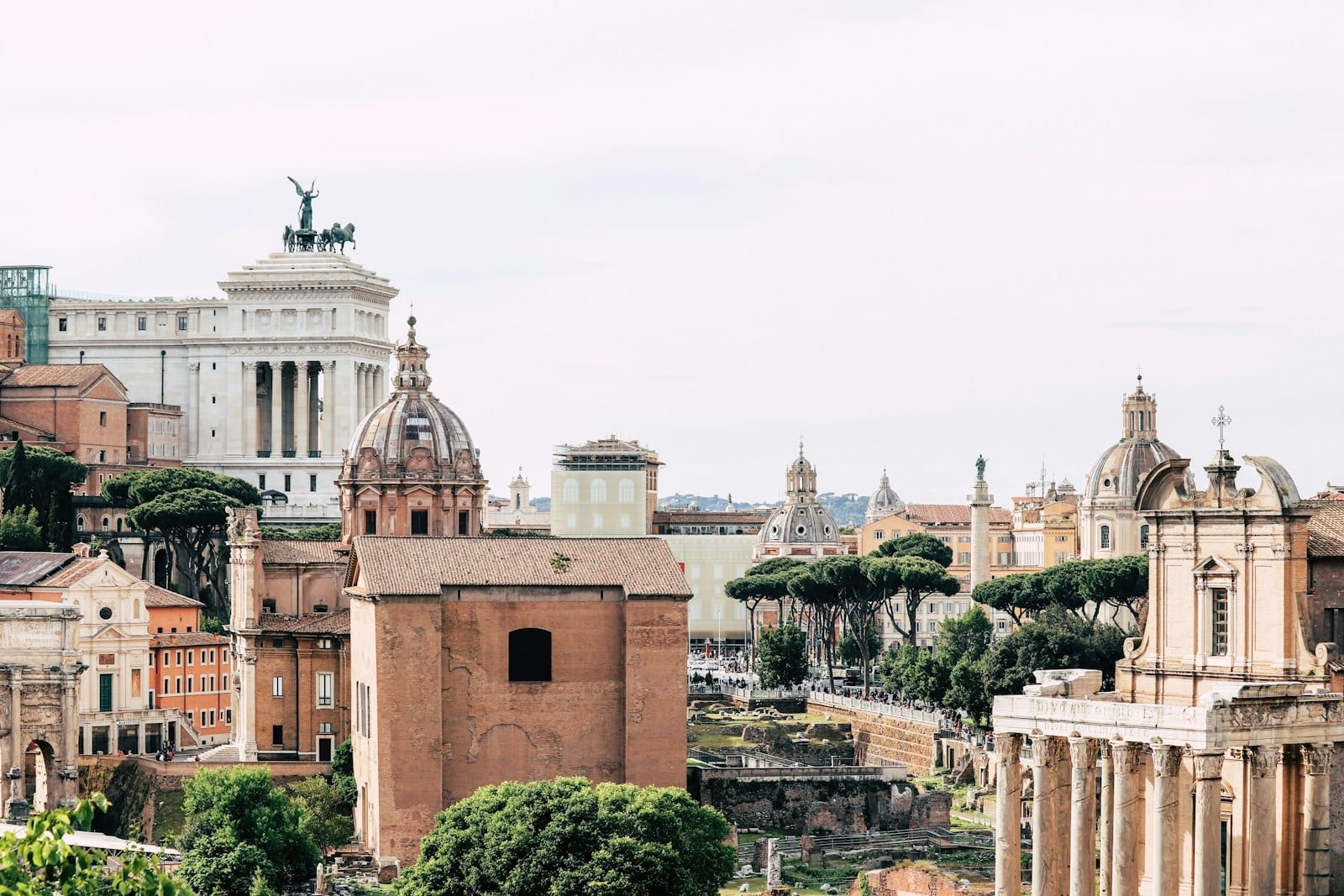
Spring (March to May): The Sweet Spot Most Visitors Target
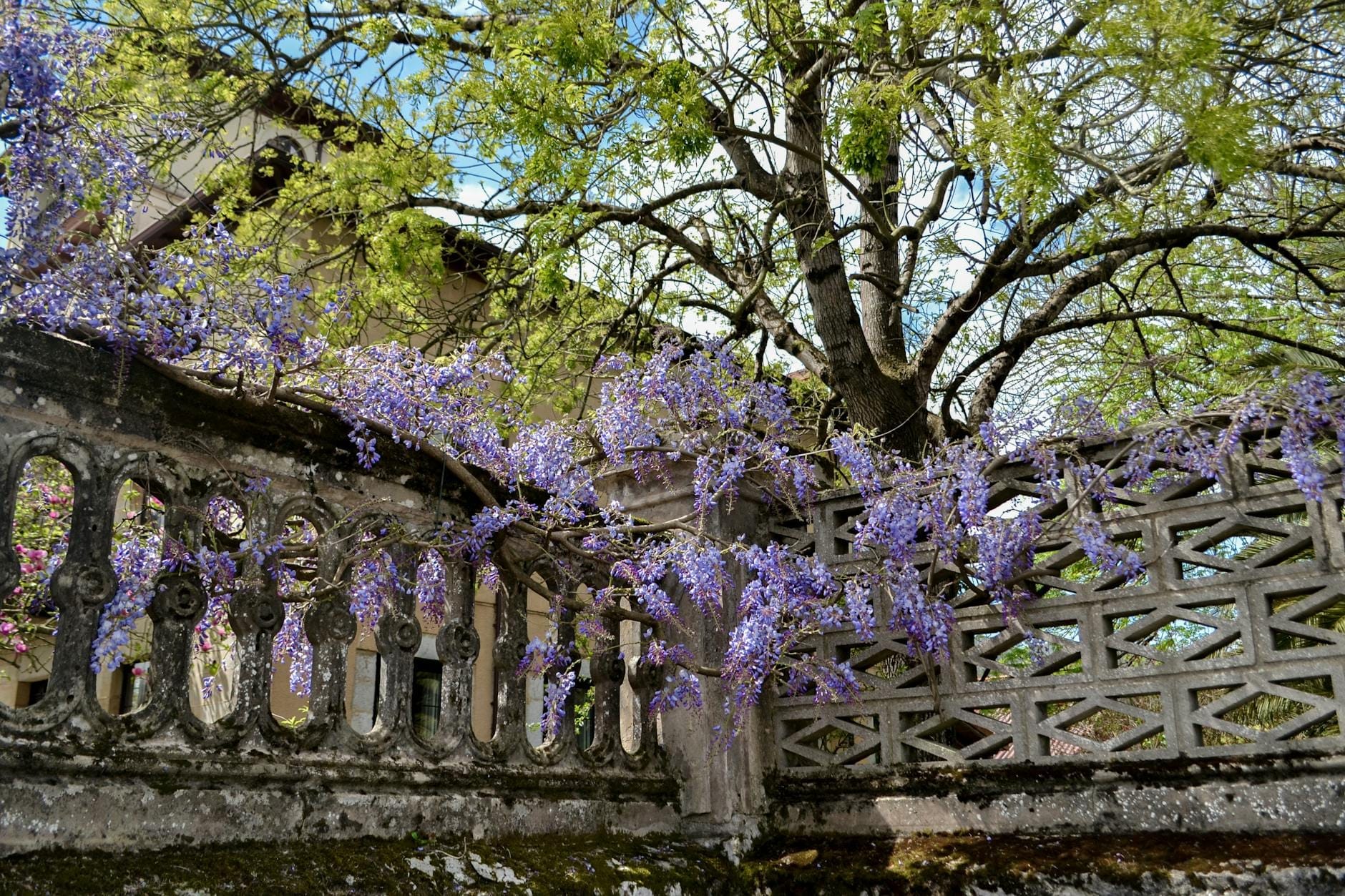
Spring is the most consistently rewarding time to visit Rome. Temperatures climb from around 10°C in early March to 22°C by late May, with long daylight hours and relatively low humidity. The city looks its best in April when wisteria and roses bloom across the parks and gardens. Rain is possible, especially in March, but showers tend to be brief rather than persistent.
Easter is the big variable. Rome draws enormous religious crowds for Holy Week, when the Pope leads processions through St. Peter's Square and the Colosseum. If you want an authentic, spiritual experience, this is extraordinary. If you want a quiet city break, avoid the two weeks surrounding Easter entirely. Accommodation prices spike significantly during this period.
💡 Local tip
Late April through mid-May is the single best window if you want good weather without the worst crowds. Book hotels at least 6-8 weeks in advance for this period, as availability disappears fast.
Gardens come alive in spring, making this an ideal time to visit Villa Borghese and the Gianicolo Hill for panoramic views. The Villa Borghese area in particular is at its visual peak from mid-April onwards.
Summer (June to August): High Season, High Heat, High Stakes
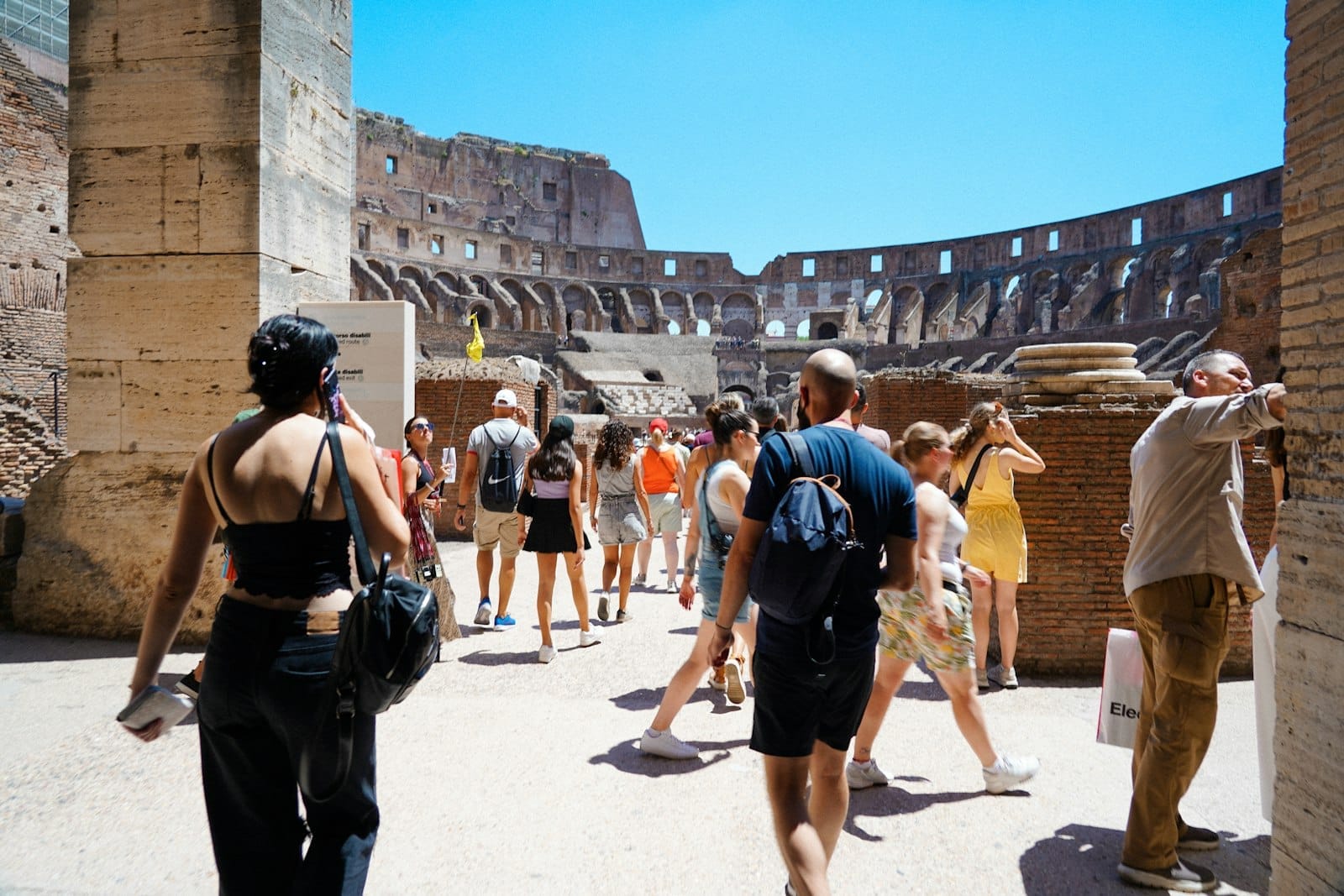
Summer is Rome's most popular season by visitor numbers, which is somewhat puzzling once you experience a July afternoon near the Colosseum. Temperatures regularly exceed 32°C (90°F) and frequently push past 35°C in heatwaves. The ancient stone surfaces of the Forum and Palatine Hill radiate heat intensely, making midday sightseeing genuinely unpleasant and potentially dangerous for vulnerable visitors.
That said, summer has genuine appeal. The city stays alive late into the night, which is actually when it's most enjoyable during this season. Outdoor dining continues past midnight, street performers crowd the piazzas, and the slightly cooler evening air transforms the city. Festivals and open-air cinema screenings run throughout July and August, and many Romans head to the coast, which thins the residential neighborhoods like Trastevere and Monti somewhat.
- June Most pleasant summer month. Temperatures average 26-28°C, crowds are high but not at August levels, and the city is fully energised before the August exodus.
- July Peak tourist season and peak heat. Queue times at the Vatican Museums and Colosseum can exceed 90 minutes even with pre-booked tickets. Early morning starts (before 8:30am) are essential.
- August Many Romans leave the city for Ferragosto (August 15th). Some local restaurants and shops close for 1-2 weeks. Crowds at monuments remain high, but residential areas feel emptier. Hotels often discount rates due to heat deterring tourists.
⚠️ What to skip
Budget accommodation in Rome often does not include air conditioning outside the June to September window. In July and August, confirm AC is available before booking — a room without it at 35°C makes for a miserable night.
Autumn (September to November): Rome's Other Sweet Spot
September and October are arguably underrated compared to spring. The heat breaks in September, temperatures settle into the 20-25°C range, and the light takes on that warm, golden quality that makes Rome look like a Renaissance painting. Crowds thin out noticeably from mid-September onwards as European school holidays end.
October brings the Ottobrata Romana, a local tradition of celebrating fine autumn weather with countryside excursions and seasonal food. Chestnuts appear on street corners, wine from the Castelli Romani hills arrives fresh, and outdoor dining feels comfortable again. Testaccio and the surrounding food markets are particularly worth visiting during this season when the produce is exceptional. The Mercato di Testaccio is at its best with autumnal harvests.
November is when Rome begins its rainy season in earnest. Rainfall peaks between November and January, and while it rarely rains all day, persistent grey skies and wet cobblestones change the character of the city. The trade-off is dramatically lower hotel prices and near-empty attractions. If you want to walk around the Roman Forum or visit the Pantheon without being surrounded by tour groups, a grey November morning is actually ideal.
✨ Pro tip
Mid-September to mid-October is the optimal autumn window. The summer prices haven't fully dropped yet, but the crowds have, and the weather is consistently excellent. If budget is the priority, aim for November instead.
Winter (December to February): Low Season, Genuine Rewards
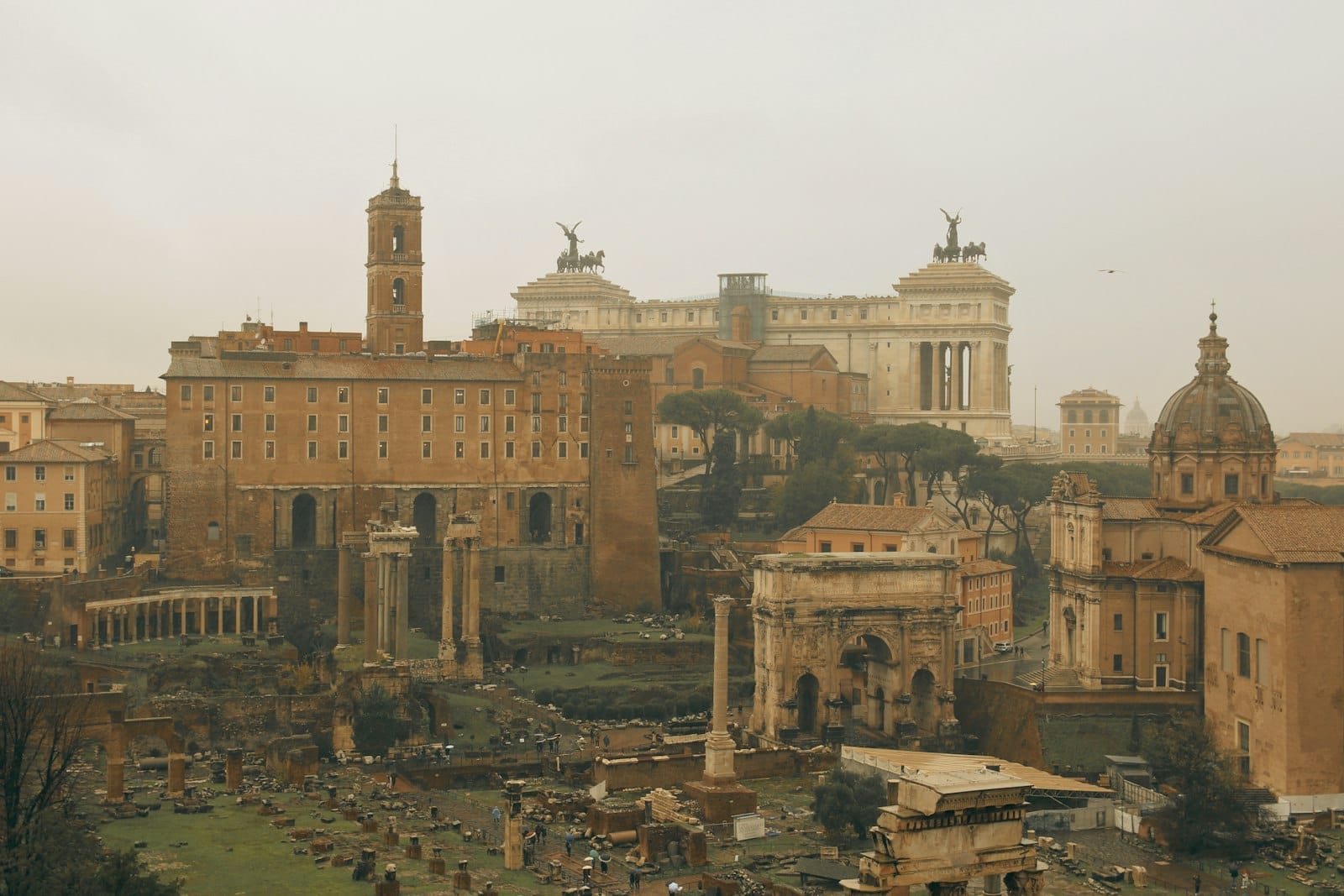
Winter in Rome is genuinely underrated for a specific type of traveller: one who prioritises museums, history, and food over pool weather and Instagram conditions. Temperatures range from 4°C to 12°C, which is cool but rarely bitterly cold. Rain is frequent from November through January, but snow is extremely rare at the city's low elevation.
December is split in character. Early December is quiet with good deals. The week between Christmas and New Year brings a surge of visitors, particularly around the Vatican and the Trevi Fountain. If you visit in this window, treat it as a mini peak season with corresponding prices. January and February are Rome's quietest months, and the Capitoline Museums or Galleria Borghese can be explored in near-solitude.
Winter sales (saldi invernali) run from early January through February across Rome's shops, making it a practical choice for anyone who wants to combine sightseeing with serious shopping. February also brings Carnevale celebrations, with markets and events around the city centre.
- Attraction opening hours are often reduced in winter — the Roman Forum and Palatine Hill close earlier, sometimes as early as 4:30pm
- Restaurant terraces stay open with outdoor heaters, but the experience is better in the shoulder seasons
- January and February have the lowest hotel rates of the year, sometimes 40-50% below peak season prices
- The Sistine Chapel and Vatican Museums are dramatically less crowded in February — one of the strongest reasons to consider a winter visit
Month-by-Month Quick Reference
If you're deciding between specific months rather than seasons, here's how each period ranks across the key factors most visitors care about:
- March Cool (10-15°C), occasional rain, moderate crowds. Good for budget travellers. End of month gets busy if Easter falls here.
- April Excellent weather (14-19°C), blooming parks, but Easter crowds can spike prices significantly. Mid-April is ideal outside Holy Week.
- May Warm (18-23°C), long evenings, high but manageable crowds. One of the most popular months — book early.
- June Warm to hot (24-28°C), pre-peak crowds. Best summer month. Evening light is exceptional.
- July Very hot (28-34°C), maximum crowds. Early morning starts are non-negotiable. Not recommended for families with young children.
- August Peak heat (29-35°C), Ferragosto closures, some hotel discounts. Locals leave the city; tourists fill the monuments.
- September Warm (22-27°C), crowds declining after the first week. Very good overall. One of the best months to visit.
- October Pleasant (17-23°C), autumn atmosphere, thin crowds. Excellent for outdoor sightseeing and food experiences.
- November Cooler (10-16°C), increasing rain, low crowds, low prices. Good for museum-focused trips.
- December Cold (7-12°C), festive atmosphere early month, then Christmas rush. Mixed crowds depending on exact dates.
- January Coldest month (5-10°C), very few tourists, lowest prices, winter sales begin. Best for budget travellers.
- February Cold but improving (6-12°C), Carnevale events, minimal crowds at attractions. Strong case for museum lovers.
Practical Timing Tips Before You Book
Whatever season you choose, pre-booking major sites is not optional during peak periods — it's essential. The skip-the-line strategy for Rome can save 2-3 hours per day during spring and summer. The Vatican Museums in particular require timed entry, and same-day availability often doesn't exist in April, May, June, and September.
Transport from Leonardo da Vinci–Fiumicino Airport (FCO) costs around €14-16 by Leonardo Express train (32 minutes to Termini station) or €50 by fixed-rate taxi. These costs are consistent year-round. For getting around the city itself, the ATAC metro and bus network covers most major sites — the metro Lines A and B serve key tourist areas efficiently. More details in the guide to getting around Rome.
Budget travellers will find the most value from November through early March. For a fuller breakdown of free and low-cost options that make sense in every season, the free things to do in Rome guide is worth bookmarking, and the Rome on a budget guide covers accommodation and food costs in detail.
ℹ️ Good to know
Rome operates on Central European Time (CET, UTC+1), switching to Central European Summer Time (CEST, UTC+2) from late March to late October. This means long evening light in summer, with sunset after 8:30pm in June and July — a genuine advantage for sightseeing.
FAQ
What is the best month to visit Rome to avoid crowds?
January and February have the fewest tourists, but if you want good weather too, late September and early October offer a strong balance of thin crowds and comfortable temperatures around 20-25°C. The trade-off in winter is shorter attraction hours and more frequent rain.
Is Rome worth visiting in summer despite the heat?
It depends on your tolerance for heat and crowds. Temperatures exceed 32°C regularly in July and August, and queue times at top sites are at their worst. That said, Rome's nightlife and outdoor dining culture thrive in summer, and early-morning visits to monuments before 9am are genuinely special. Go in June if possible — it's warm (around 28°C) without being brutal.
How does Rome's weather affect outdoor sightseeing?
Most of Rome's key sites are outdoors: the Roman Forum, Palatine Hill, Appian Way, and major piazzas all require walking in direct sun or rain. Spring and autumn are ideal. In summer, start before 9am and take a midday break from noon to 4pm. In winter, check reduced closing times — the Forum and Palatine can close as early as 4:30pm.
When are Rome hotel prices lowest?
January through early March offers the lowest rates, sometimes 40-50% below peak season levels. November is also good value. Avoid the Christmas-New Year window in December, when prices spike despite the cold weather. Easter and the late April to early June window command the highest spring prices.
Is it worth visiting Rome during Christmas and New Year?
The city has genuine atmosphere in early December with lights, nativity scenes, and festive markets. However, the week between Christmas and New Year brings significant crowds around the Vatican and city centre, with prices to match. If you want the festive mood without peak crowds, the first two weeks of December are the sweet spot.
Tickets & tours
Live prices and dates from our booking partner. If you book, we may earn a commission at no extra cost to you.
Planning a trip? Discover personalized activities with the Nomado app.