Rome on a Budget: The Practical Money-Saving Guide
Rome is one of Europe's most rewarding cities to explore on a tight budget. This guide breaks down real costs, free attractions, transport options, and smart strategies so you can see the best of the city without draining your account.
Tickets & tours
Live prices and dates from our booking partner. If you book, we may earn a commission at no extra cost to you.
TL;DR
- Rome has a surprisingly large number of genuinely free attractions, including St. Peter's Basilica, the Pantheon exterior, Piazza Navona, and Villa Borghese gardens.
- Public transport is cheap: a 100-minute ATAC ticket costs €1.70, and a 48-hour pass is €14.00. The airport train from Fiumicino to Roma Trastevere costs €8.
- The Colosseum, Roman Forum, and Palatine Hill combination ticket runs €20 standard. Book timed entry 50 minutes before you want to arrive.
- Eating well on a budget is possible if you shop at markets like Mercato di Testaccio and avoid restaurants directly beside major monuments.
- Shoulder seasons (April-May and September-October) are the sweet spot: good weather, manageable crowds, and lower accommodation prices than July or August.
Getting to Rome Without Overpaying
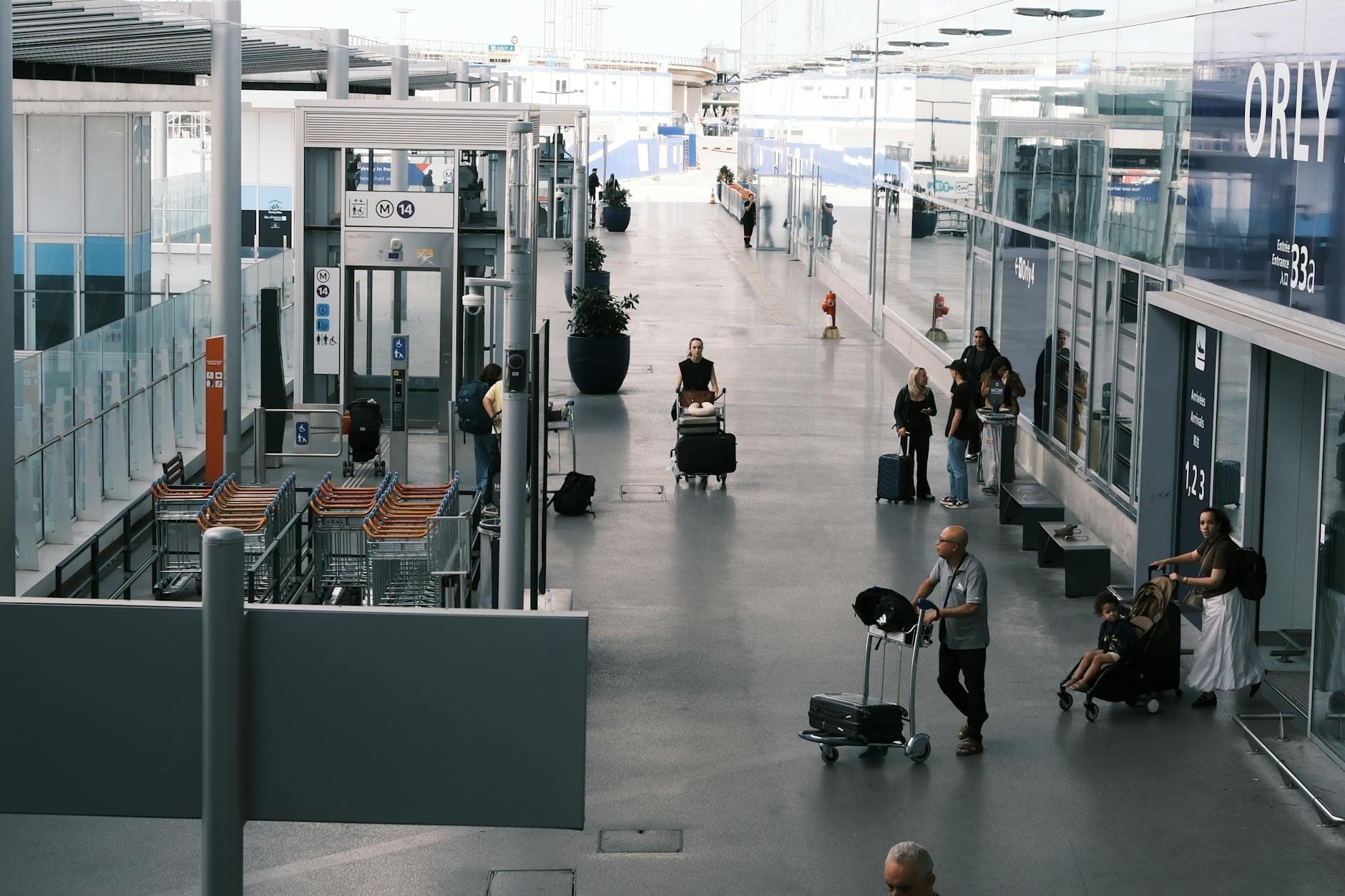
The first place many visitors waste money is the airport transfer. Leonardo da Vinci Fiumicino Airport (FCO) is 30 km from the city center, and the official taxi rate from the airport to central Rome is a flat €50. That is fine if you are splitting it between four people, but a poor deal for solo travelers or pairs.
The cheapest airport connection is the FL1 regional Trenitalia train, which runs from Fiumicino Airport to Roma Trastevere (and on to Roma Tiburtina) for €8 and takes roughly 40 minutes. This beats the Leonardo Express, which costs €14 and goes only to Termini. Once at Trastevere or Tiburtina, you connect to the metro or buses on a standard ATAC ticket. Check current schedules on getting around Rome before you travel, as timetables shift.
⚠️ What to skip
Avoid unlicensed taxi touts at the arrivals terminal. Only official white taxis with a meter and the 'TAXI' sign are legitimate. The fixed rate to central Rome (within the Aurelian Walls) is €50 from FCO. Anything above that without a clear meter reading is a scam.
Navigating the City Cheaply
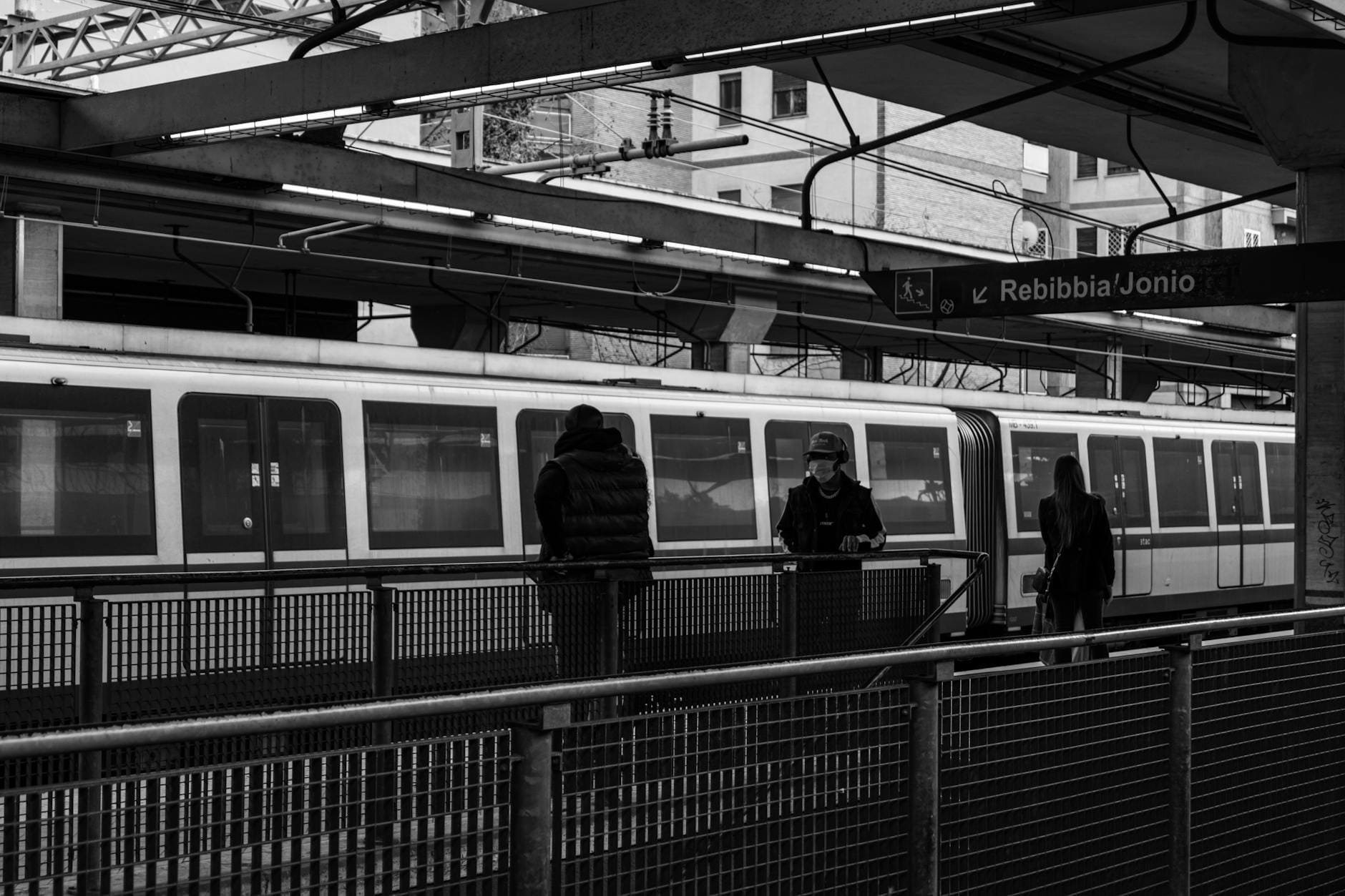
Rome's ATAC public transport system covers three metro lines (A, B, and C), an extensive bus network, and trams. A single 100-minute ticket costs €1.70 and allows unlimited transfers within that window except for a second metro ride. A 24-hour pass is €7.50, and a 48-hour pass is €14.00. If you are staying four or more days and plan to use transport daily, the 7-day pass at €24 makes sense.
The honest truth about Rome's metro is that it covers less of the city than you might expect. Lines A and B intersect at Termini, and Line C is still expanding. Many of the most important sites, including the Pantheon, Campo de' Fiori, and Trastevere, are not directly on metro lines. This is actually good news for budget travelers: Rome rewards walking, and large parts of the historic center are compact enough to cover on foot in 20 minutes.
💡 Local tip
Download the ATAC Roma app before your trip to buy digital tickets and plan routes. Paper tickets are still widely available at tobacconists (tabacchi) and vending machines at metro stations, but the app removes the hassle of finding an open shop early in the morning.
Free Attractions Worth Your Time
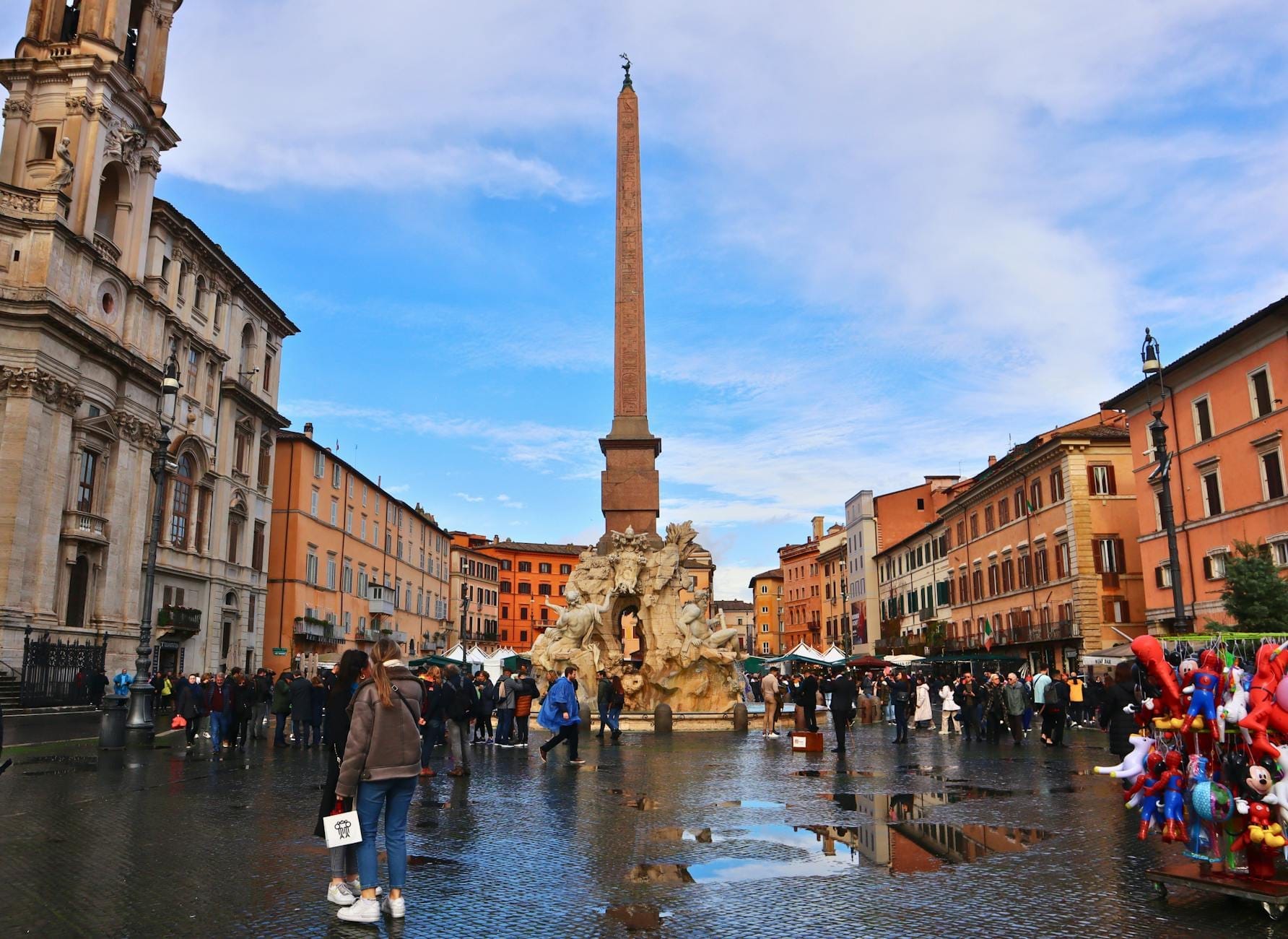
Rome's outdoor monuments and piazzas form what amounts to a free open-air museum. Piazza Navona is one of the finest baroque squares in Europe, and walking through it costs nothing. The same goes for the Trevi Fountain, the Spanish Steps, and the Campo de' Fiori market area.
St. Peter's Basilica is free to enter, which is remarkable given that it is one of the most architecturally significant buildings on earth. Entry to the basilica itself costs nothing; the dome climb costs a small fee (around €6-8 depending on whether you take the stairs or the lift). The Vatican Museums and Sistine Chapel are separate and cost €17-21 depending on booking method.
- St. Peter's Basilica Free entry. One of the world's great interiors. Go early (before 9am) to avoid the longest queues.
- Pantheon exterior and interior The Pantheon now charges a small admission fee (around €5), but walking around it and the surrounding piazza is free at any hour.
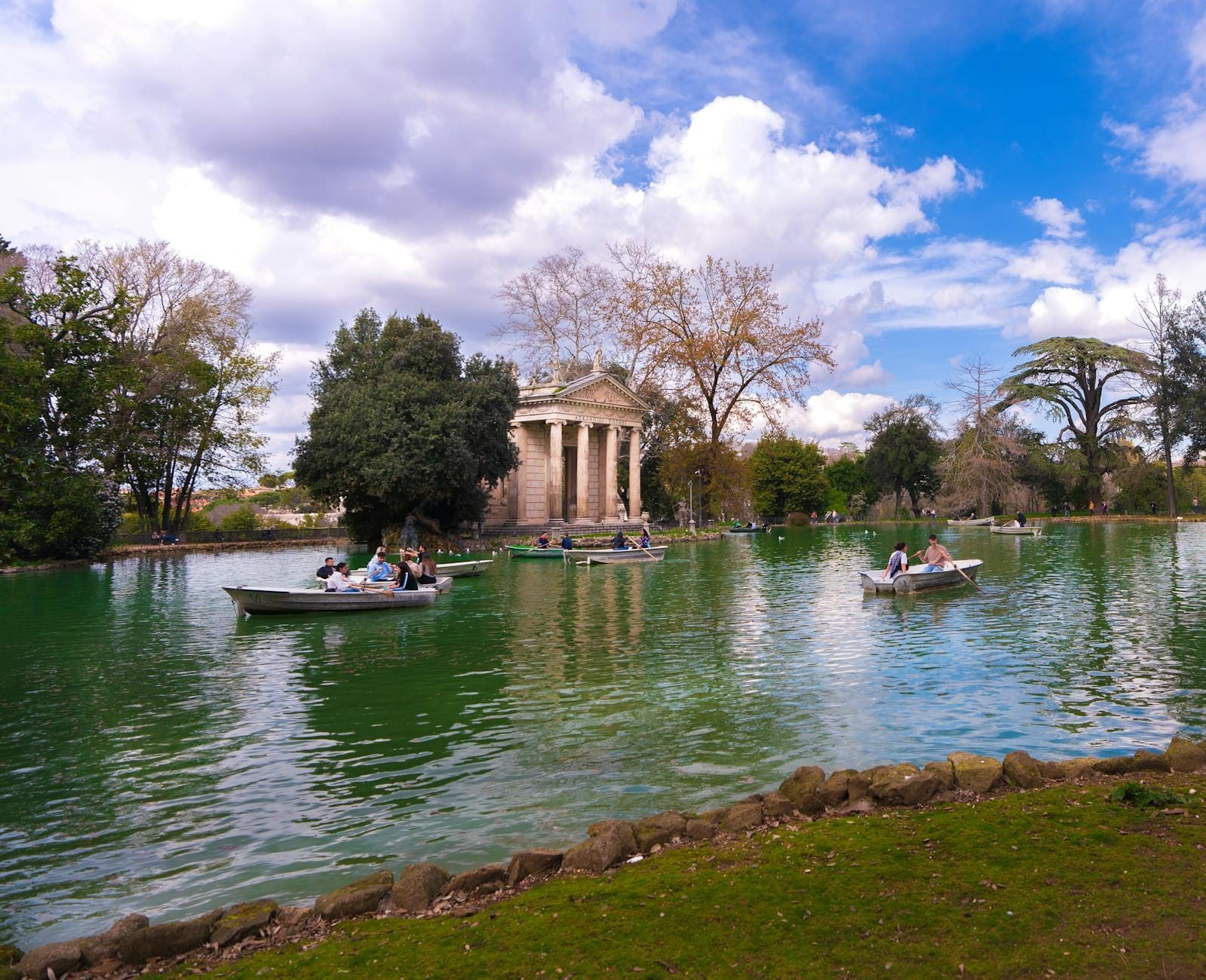
- Villa Borghese Gardens The park itself is free. The Galleria Borghese inside requires booking and costs around €13 plus a €2 booking fee.
- Capitoline Hill and viewpoint Walking up to Piazza del Campidoglio is free. The Capitoline Museums require a ticket, but the hilltop panorama over the Forum costs nothing.
- Giardino degli Aranci (Orange Garden) A quiet park on the Aventine Hill with one of the best unobstructed views of Rome's domes. Free, and far less crowded than most viewpoints.
- Trastevere neighborhood Wandering its medieval streets, visiting Santa Maria in Trastevere basilica, and sitting in the piazza are all free.
ℹ️ Good to know
The first Sunday of every month, Rome's state-run museums offer free admission. This includes the Colosseum, Roman Forum, Palatine Hill, and Borghese Gallery. The catch: queues can be very long. Arrive at least 45 minutes before opening. Check the MiC (Ministero della Cultura) website to confirm which sites participate.
Paid Attractions: What's Worth It and What to Skip
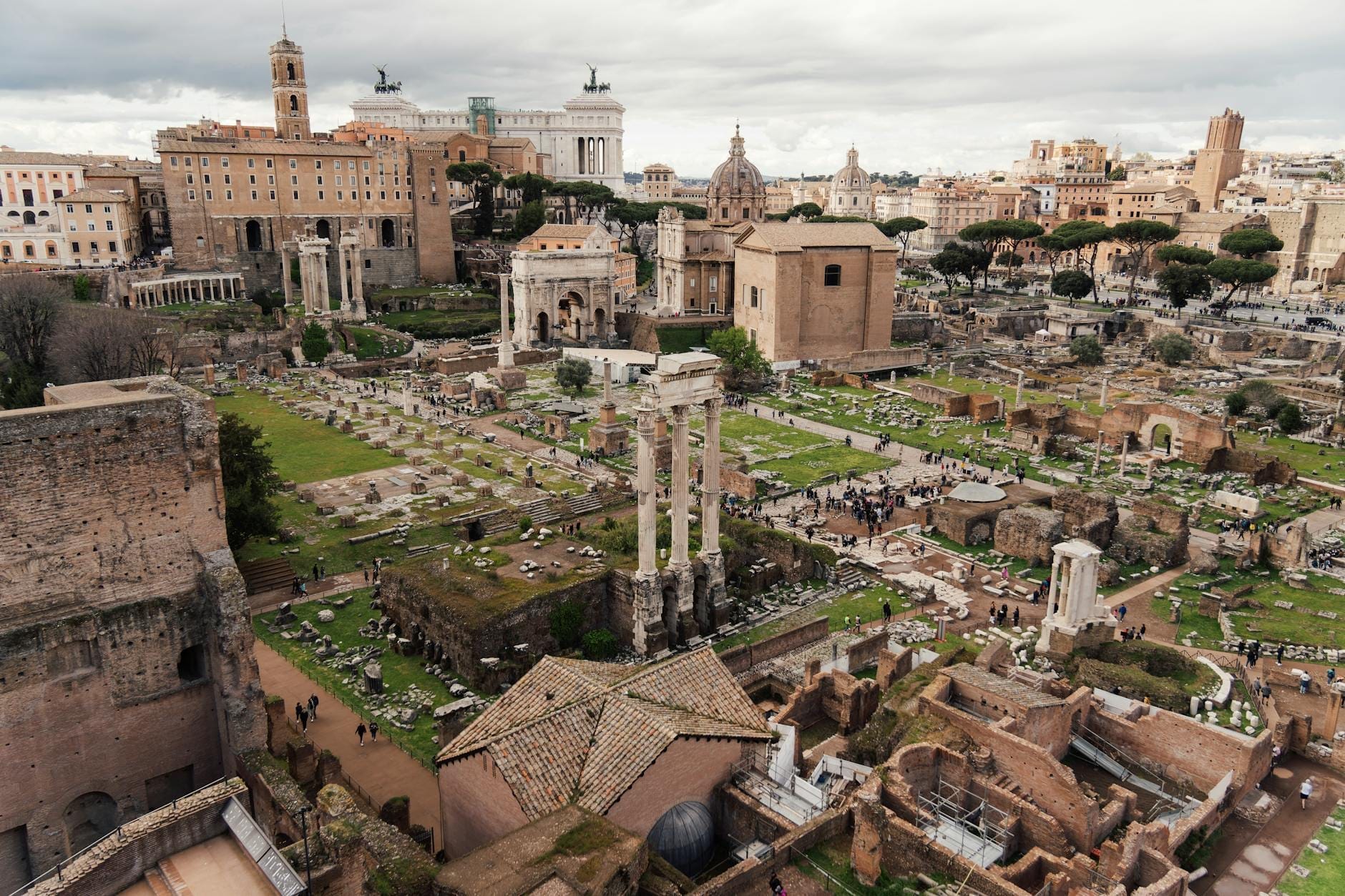
The Colosseum combined ticket (which includes the Roman Forum and Palatine Hill) costs €20 for standard entry. That covers three distinct sites spread over several hours, which makes it reasonable value. Book timed entry online at least a day ahead, ideally 2-3 days in peak season. Walk-up tickets do exist but sell out by mid-morning in summer.
The Vatican Museums and Sistine Chapel cost €17-21 depending on whether you book in advance online (recommended) or queue on the day. The queue at the door can add 1-2 hours to your visit and does not save money. Pre-booking is genuinely worth it here. Skip the pricey guided Vatican tours unless history context is your priority. The audio guide available at the entrance for around €7-8 covers the essentials.
The Roma Pass (48-hour or 72-hour) includes free or discounted admission to museums and unlimited public transport. Do the math before buying: it makes sense if you plan to visit multiple paid museums in a short window, but many travelers end up spending most of their time at free outdoor sites and overpay for the pass. Check the current included sites at the official Roma Pass site. For context, our skip-the-line guide for Rome breaks down which pre-booking strategies genuinely save time versus which are oversold.
Eating and Drinking Without Burning Through Your Budget
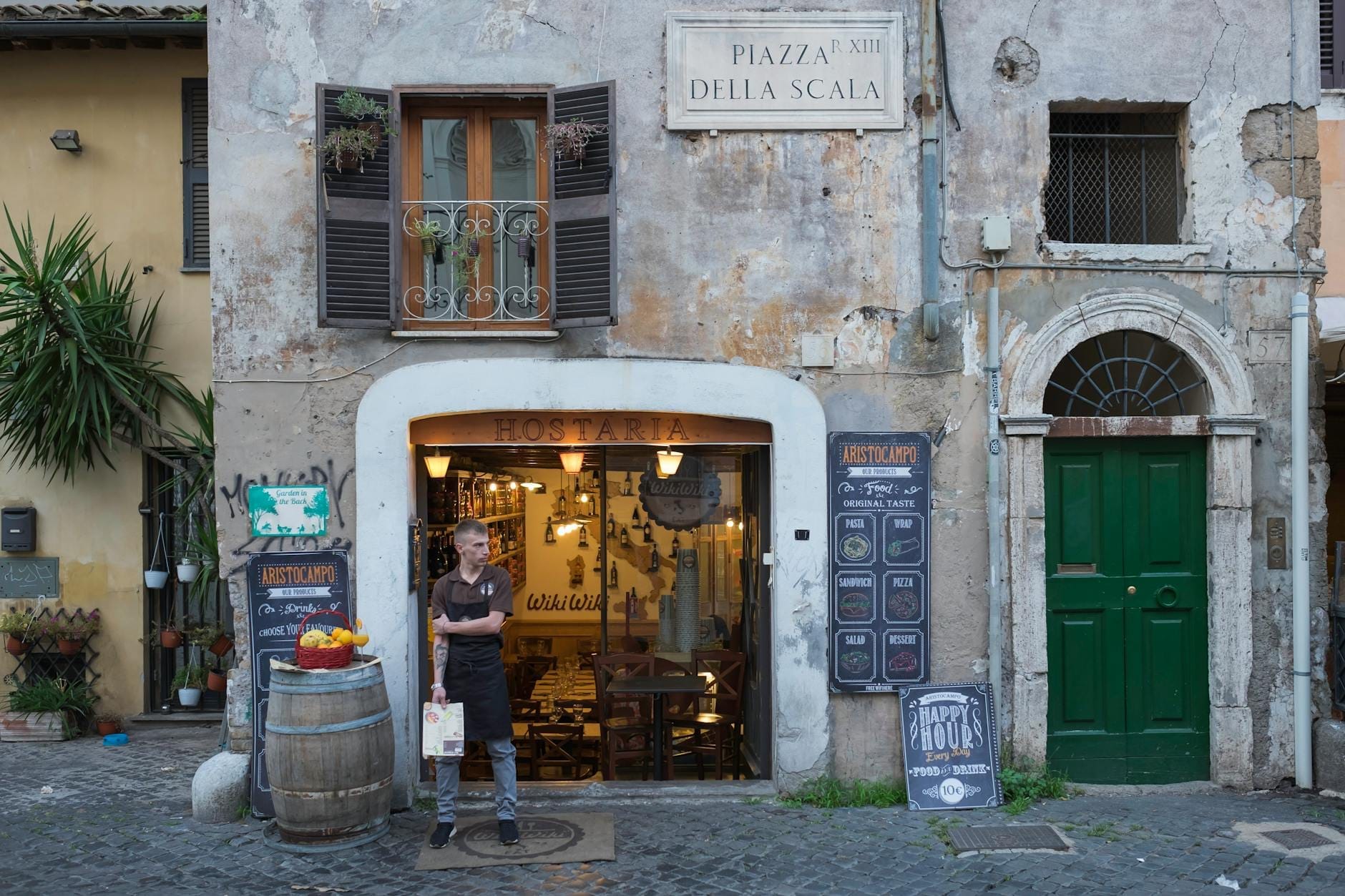
Food is where Rome's tourist economy is most aggressive about separating visitors from their money. The rule is simple: restaurants within 200 meters of the Trevi Fountain, Piazza Navona, or the Colosseum charge a significant premium for average food. Walk two streets away and the quality goes up while the prices drop.
A sit-down carbonara in a mid-range trattoria away from the main tourist corridors runs €9-13. An espresso at the bar (standing, which is the local custom) is around €1-1.50. A cornetto and espresso for breakfast at a bar costs about €2-3 total. Lunch at a rosticceria or tavola calda (a canteen-style diner serving hot dishes by weight or portion) is the best-value sit-down meal in the city. For a proper introduction to the food scene, Rome's food guide covers the essential dishes and where to find honest versions of each.
- Mercato di Testaccio (Trastevere side of the river): the best indoor market for cheap, high-quality lunch. Hot dishes, cheese, cured meats, and fresh produce at non-tourist prices.
- Porta Portese flea market: runs Sunday mornings in Trastevere. Cheap second-hand goods, vintage clothing, and odd finds. Not primarily food, but worth a walk.
- Supermercati (supermarkets): Conad, Carrefour, and Despar branches near Termini and throughout the city sell good bread, cheese, fruit, and wine at regular Italian prices. A picnic in Villa Borghese costs a fraction of any restaurant meal.
- Drinking water: Rome's nasoni (small street fountains) dispense free, safe, drinkable water across the city. Refill your bottle and skip the €2-3 bottled water purchases.
-
Aperitivo culture: several bars in Pigneto, Prati, and Testaccio offer free snacks with an early evening drink (€5-8). Not as common as in Milan, but worth seeking out.
✨ Pro tip
Watch for the 'coperto' (cover charge) on restaurant bills. This is a legitimate Italian custom ranging from €1.50 to €4 per person and is listed on menus. It is not a scam, but it adds up. Takeaway pizza al taglio (by the slice, priced by weight) avoids the coperto entirely and is often better quality than sit-down tourist pizza.
Timing Your Visit to Save Money
Accommodation prices in Rome follow a clear seasonal curve. July and August are peak months for international tourists, which drives hotel rates up and makes booking harder. April to early June and late September to October offer better weather than summer (temperatures average 12-20°C in spring and 15-23°C in autumn), lower accommodation costs, and more manageable crowds at major sites. For a full breakdown of when each season suits different types of travelers, see the best time to visit Rome guide.
Arrival timing within the day also matters. The Colosseum and Forum are most crowded between 10am and 2pm. Going at 8am when it opens or after 3pm significantly reduces wait times, even with pre-booked tickets. The Vatican Museums are worst on Wednesday mornings when the Pope holds his weekly general audience in St. Peter's Square, adding thousands of visitors to the area.
If your budget is the primary concern, consider staying in neighborhoods like Testaccio or Monti rather than directly beside Termini or in the centro storico. These areas have good local bars and restaurants, are well connected by bus, and accommodation tends to be cheaper than equivalent rooms near the Colosseum.
Budget Realities: What Rome Actually Costs Per Day
A realistic daily budget for a solo traveler using the strategies in this guide: €15-20 on accommodation (hostel dorm or budget private), €15-20 on food (market lunch, supermarket breakfast, one sit-down dinner), €5-8 on transport, and €10-18 on paid attractions (spread over several days). That puts a genuine budget day at €45-65 all-in. Couples sharing a budget private room can reduce the per-person accommodation cost considerably.
Rome does have genuinely free days if you plan around the first Sunday of the month museum scheme and focus on outdoor sites. A day covering Capitoline Hill, the Pantheon exterior, Piazza Navona, the Spanish Steps, and an evening in Trastevere can cost under €15 total including food and transport. That is not a deprivation budget; it is simply knowing where to look.
FAQ
Is Rome expensive for tourists?
Rome sits in the mid-range for European capitals. It is more expensive than Lisbon or Warsaw but cheaper than Paris or Amsterdam for equivalent quality. The main cost drivers are accommodation and tourist-area restaurants. Stick to local bars and markets for food, walk where possible, and pre-book attractions online instead of buying from ticket touts, and Rome becomes very manageable on a modest daily budget of €50-70 per person.
What is the cheapest way to get from Fiumicino Airport to central Rome?
The FL1 regional Trenitalia train from Fiumicino Airport to Roma Trastevere or Roma Tiburtina costs €8 and takes 40 minutes. This is significantly cheaper than the Leonardo Express (€14, Termini only) and far cheaper than a taxi (€50 fixed rate). From Trastevere or Tiburtina, connect to buses or metro on a standard ATAC ticket.
Which paid attractions in Rome are actually worth the entry fee?
The Colosseum, Roman Forum, and Palatine Hill combination at €20 is strong value for the historical depth covered. The Vatican Museums and Sistine Chapel at €17-21 are worth it, especially pre-booked to avoid long queues. The Galleria Borghese (around €13 plus booking fee) is exceptional but requires advance reservation. Many other museums in Rome are honestly skippable unless you have a specific interest.
When do Rome's state museums offer free entry?
The first Sunday of every month, Italian state-run museums including the Colosseum, Roman Forum, Palatine Hill, and selected national galleries offer free admission. The tradeoff is that crowds are much larger than usual. Arrive 45-60 minutes before opening to secure entry. Check the official MiC website before your visit to confirm which sites are included, as the list can change.
Is the Roma Pass worth buying on a budget trip?
It depends on your itinerary. The Roma Pass includes unlimited public transport and free or discounted museum entry. If you plan to visit two or more paid museums within 48 or 72 hours and use public transport frequently, the math can work out. If you spend most of your time at free outdoor sites and walk everywhere, you will likely overpay. Calculate the individual ticket prices for your planned visits before committing.
Tickets & tours
Live prices and dates from our booking partner. If you book, we may earn a commission at no extra cost to you.
Planning a trip? Discover personalized activities with the Nomado app.