Roman Food Guide: What to Eat in Rome
Roman cuisine is one of the most specific, opinionated, and deeply satisfying in Italy. This guide covers the essential dishes, the rules locals follow, the best neighborhoods to eat in, and how to avoid the tourist traps that pass for Italian food in Rome.
Tickets & tours
Live prices and dates from our booking partner. If you book, we may earn a commission at no extra cost to you.
TL;DR
- Roman cuisine is built on four pasta dishes: cacio e pepe, carbonara, amatriciana, and gricia. Learn to spot the real versions.
- The quinto quarto (offal) tradition is central to Roman food culture. Dishes like trippa alla romana and coda alla vaccinara are best found in Testaccio, the old slaughterhouse district.
- Seasonal eating matters here: globe artichokes dominate spring menus (March to May), porchetta appears in autumn, and summer menus lighten considerably.
- Avoid restaurants directly adjacent to major monuments like the Colosseum or Trevi Fountain. Walk two blocks in any direction and quality improves dramatically.
- Pasta dishes run €12-18 at a decent trattoria. Budget €25-35 per person for a full meal with wine at a neighborhood spot.
The Four Roman Pastas (And Why They Matter)
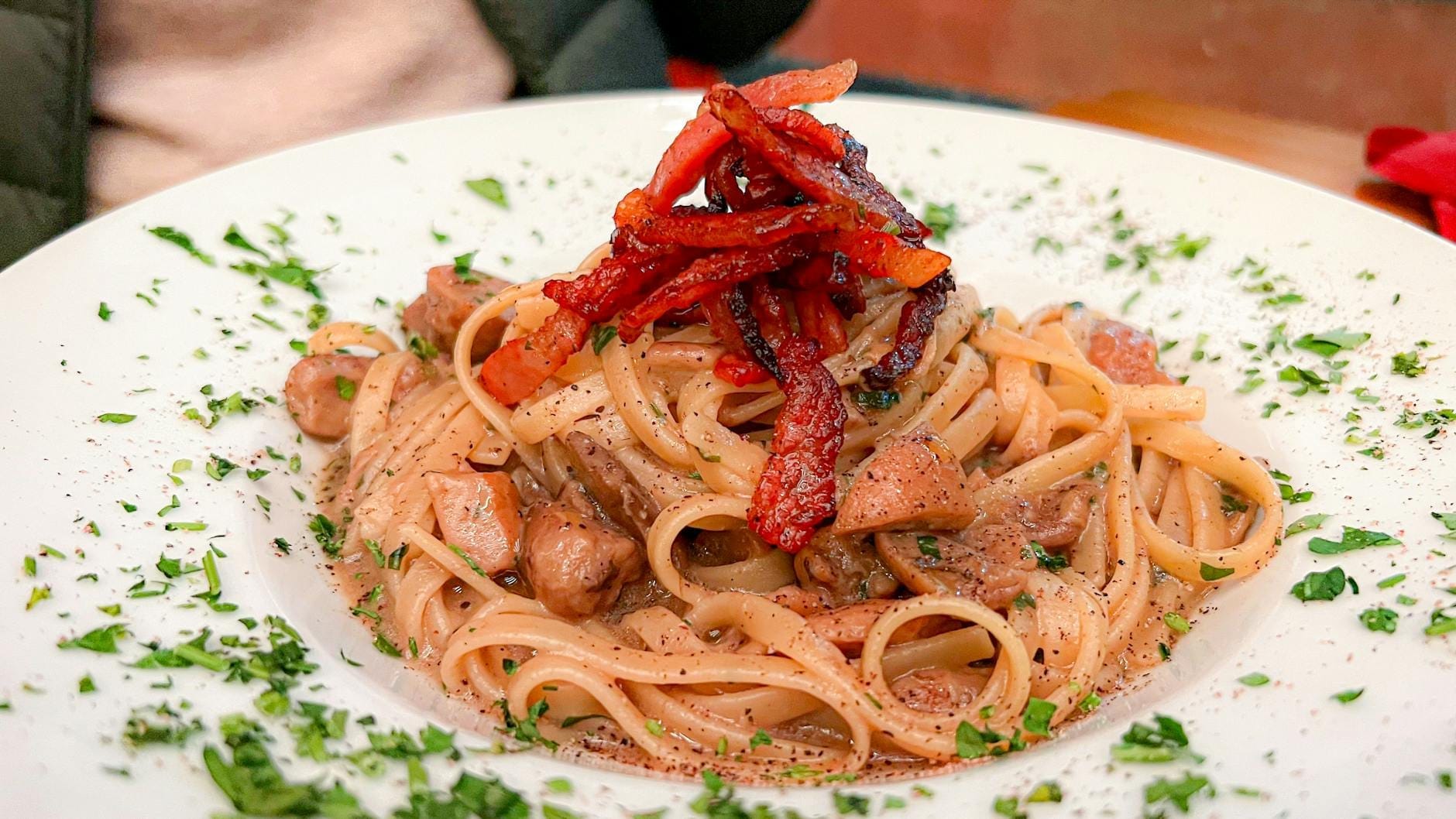
No other city in Italy defends its pasta with such conviction. Roman pasta culture revolves around four dishes: cacio e pepe, carbonara, amatriciana, and gricia. They share the same small roster of ingredients — guanciale (cured pork jowl), pecorino romano, black pepper, and sometimes egg or tomato — but each dish has a distinct character and an unspoken set of rules. Locals notice when restaurants get them wrong.
- Cacio e pepe The simplest and hardest to perfect. Tonnarelli or spaghetti, pecorino romano, black pepper. No cream, no butter, no shortcuts. The cheese must emulsify into a sauce using pasta water. A grainy or clumpy result means the kitchen cut corners on technique.
- Carbonara Egg yolk, pecorino romano, guanciale, black pepper. No cream ever. Not pancetta, not bacon. The heat of the pasta must cook the egg gently — not scramble it. Served with rigatoni or spaghetti. This dish has been widely corrupted outside Rome, so getting the real version here carries real satisfaction.
- Amatriciana Tomato, guanciale, pecorino, chili flake. Originally from the town of Amatrice (northeast of Rome), it was adopted by Roman cuisine and is now considered a cornerstone. The tomato should be sharp and barely cooked. Served with rigatoni or bucatini.
- Gricia Sometimes called the 'white amatriciana' because it predates tomatoes in Italian cooking. Guanciale, pecorino, pepper. Rich and fatty in a way that feels ancient, because the technique essentially is.
⚠️ What to skip
Carbonara is the most abused dish in Rome's tourist zones. Any menu that lists carbonara with cream, or that shows a photo of a bright yellow, cream-heavy sauce, is not serving the Roman version. Walk away. The real dish uses only egg yolk, guanciale, pecorino, and pepper.
The Quinto Quarto: Rome's Offal Tradition
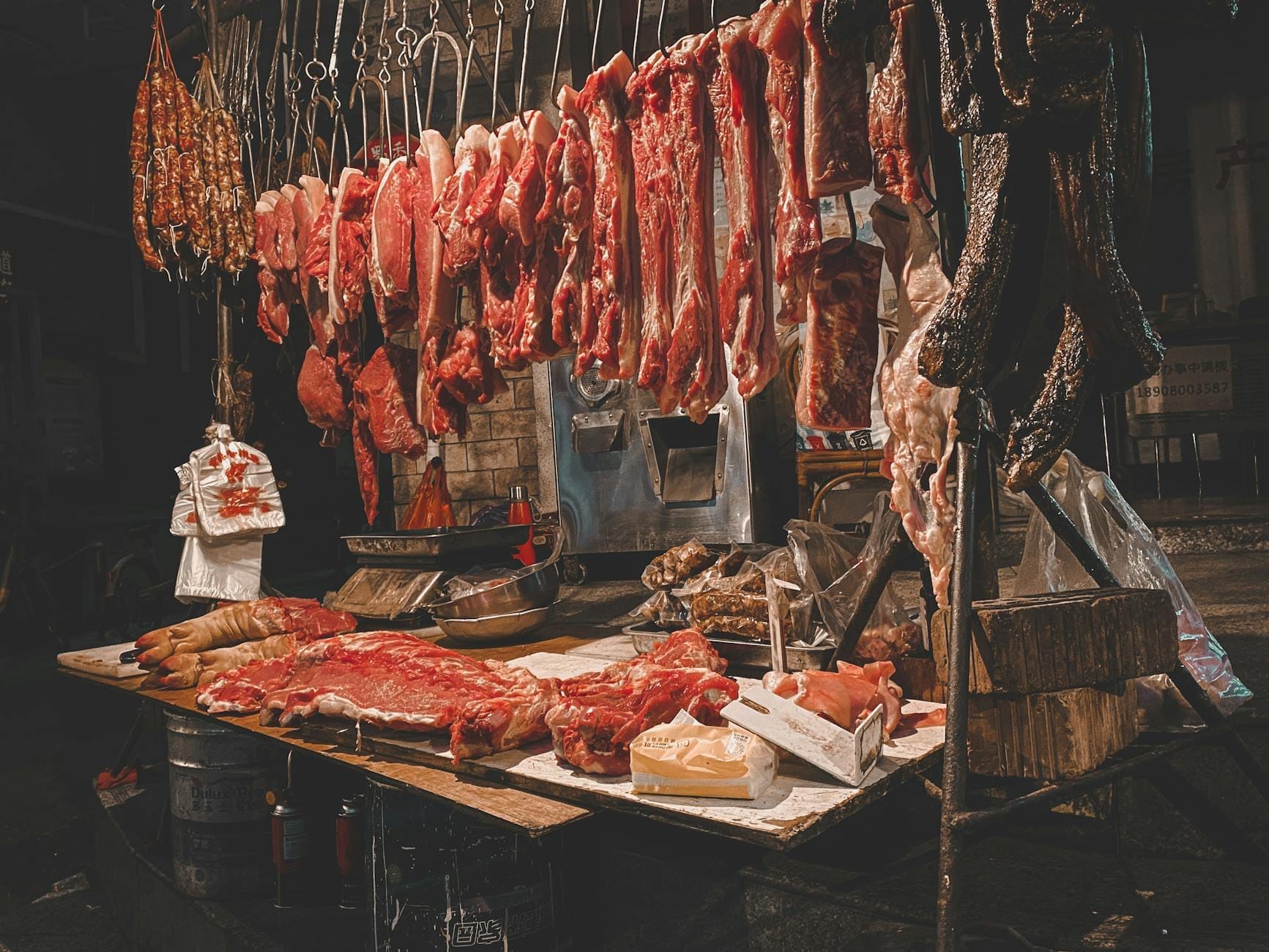
Roman food has a working-class backbone that many visitors overlook. The quinto quarto — literally 'fifth quarter' — refers to the offal parts left after butchers divided carcasses into four quarters for wealthy buyers. The slaughterhouse workers who processed animals in Testaccio took these scraps home and developed a cuisine of extraordinary depth from them. That tradition still defines Roman identity at the table.
The most important dishes: trippa alla romana (tripe slow-cooked with onions, tomato, fresh mint, and pecorino), coda alla vaccinara (oxtail braised with celery, tomato, and a bitter-sweet finish), pajata (intestines of milk-fed veal, served on rigatoni), and coratella (a mixed fry of heart, lung, and liver). These dishes are concentrated in Testaccio, where the old slaughterhouse once stood. The neighborhood's trattorias like Flavio al Velavevodetto and Da Remo serve them without apology.
ℹ️ Good to know
Offal dishes are best eaten in autumn and winter. Romans themselves eat lighter in summer, and kitchens adjust accordingly. If you visit in June through August, expect trimmed menus at traditional trattorias. The quinto quarto experience is most rewarding from October through April.
Seasonal Eating in Rome: What to Order and When
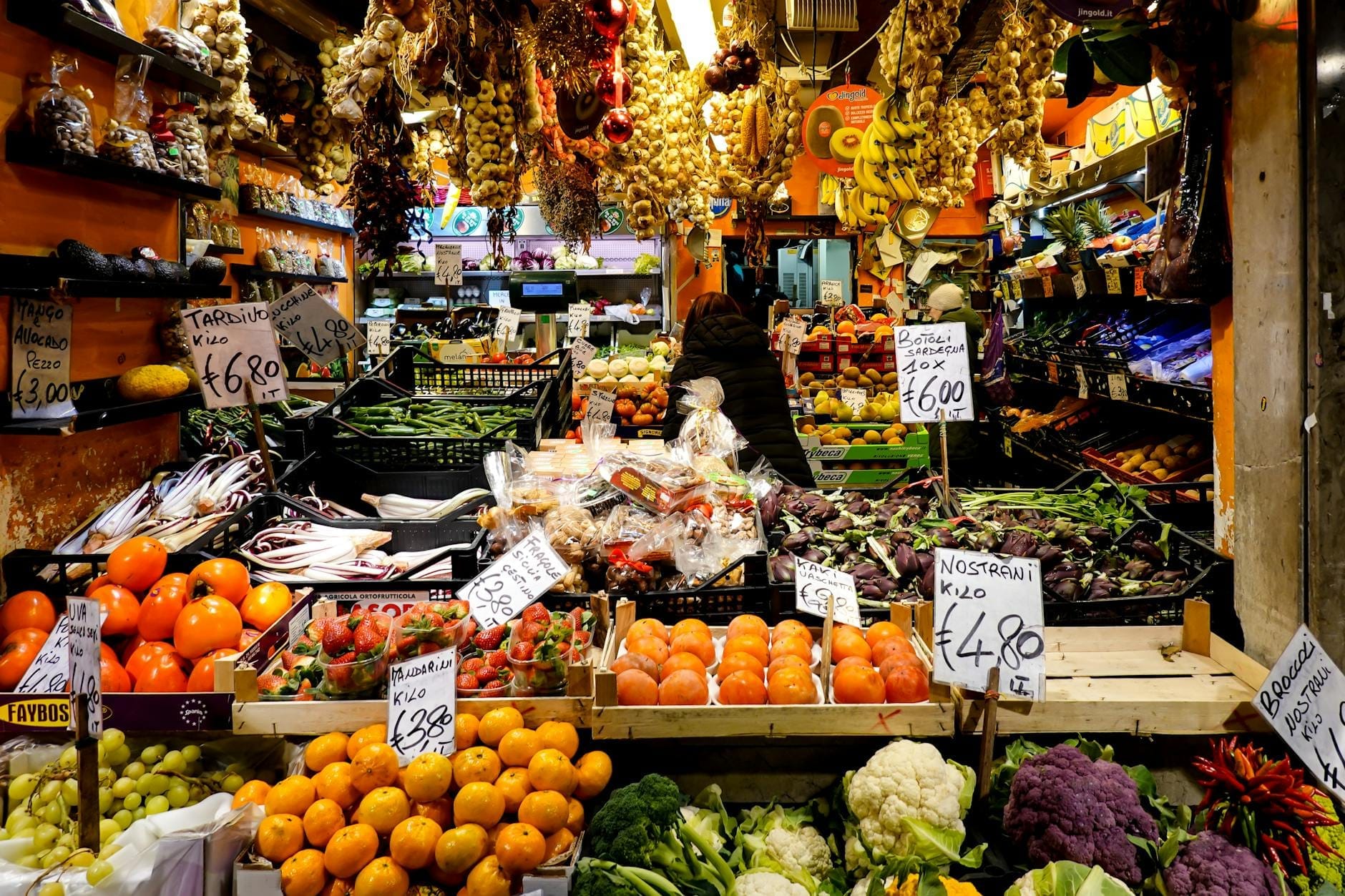
Roman cuisine follows the agricultural calendar of the Roman Campagna, the farmland surrounding the city. This is not aspirational farm-to-table marketing — it reflects how markets like Campo de' Fiori and the Mercato di Testaccio have operated for centuries. Knowing the season tells you what to order.
- Spring (March to May) Globe artichokes are the defining ingredient of Roman spring. Order carciofi alla romana (braised with mint and garlic) or carciofi alla giudia (deep-fried until crispy, a Jewish-Roman specialty). Fava beans with pecorino is a simple, perfect snack at any bar or market stall. Fresh peas appear in pasta and rice dishes.
- Summer (June to August) Lighter eating dominates. Grilled fish, zucchini flowers stuffed with ricotta and anchovy (fiori di zucca), simple vegetable antipasti. Romans escape the city in August, so many traditional trattorias close. Tourists dominate; quality drops at many spots.
- Autumn (September to November) Porchetta (whole roasted suckling pig seasoned with rosemary, garlic, and fennel) is at its best. Game meats appear on menus. Mushrooms, particularly porcini, show up in pasta and secondi. The quinto quarto dishes return in full force.
- Winter (December to February) Rome's coldest months produce the richest food. Braised meats, thick bean soups, offal. Baccalà (salt cod) features heavily, particularly in the Jewish Ghetto. This is arguably the best season to eat traditionally in Rome.
For the best seasonal produce, go directly to the markets. Campo de' Fiori runs daily except Sunday from around 7am to 2pm, with artichokes priced around €3-5 per kilogram in spring and pecorino romano at €20-25 per kilogram. The Mercato di Testaccio is the more local, less photogenic option — and therefore often better quality and better priced.
Jewish-Roman Cuisine: A Distinct Tradition
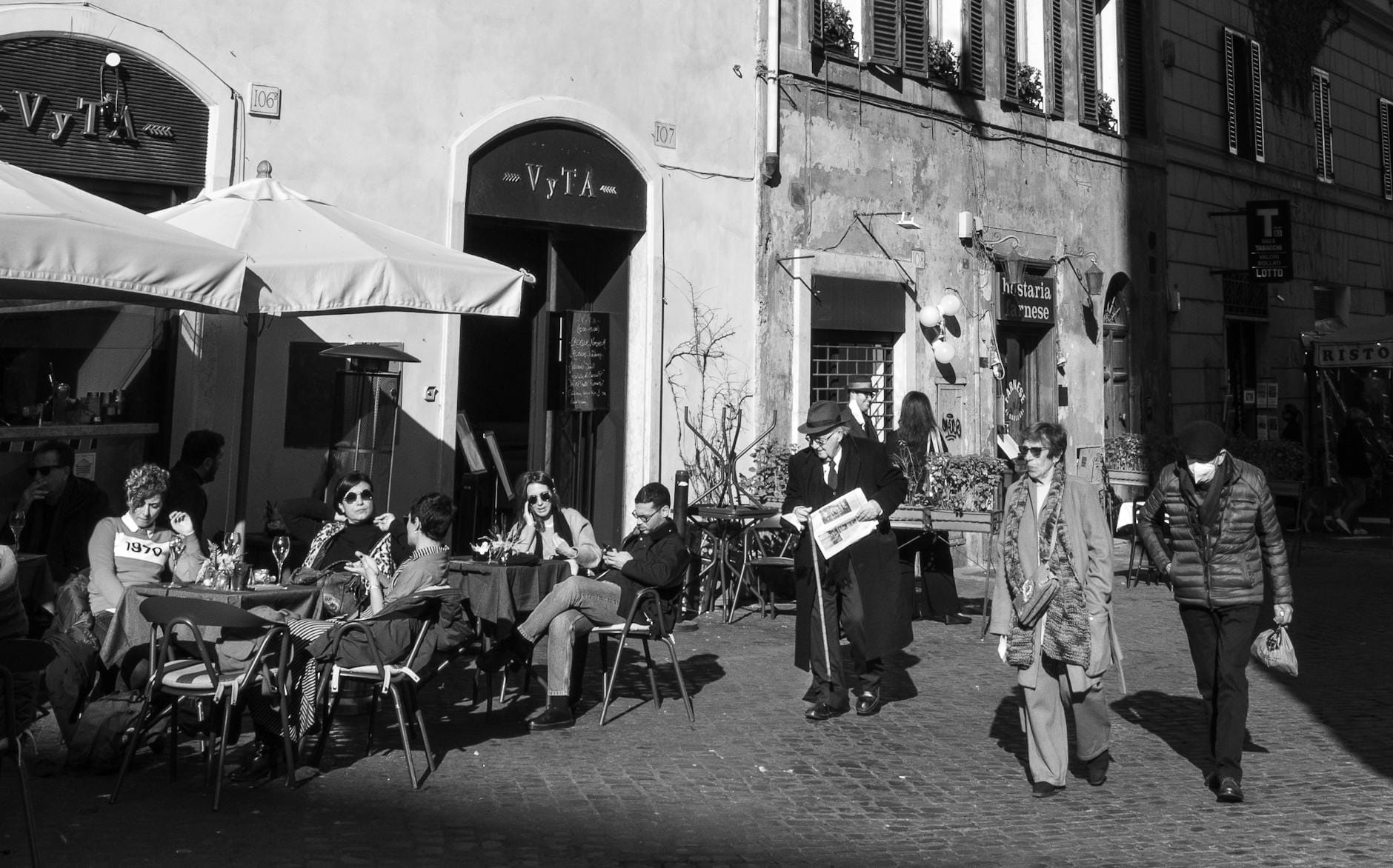
Rome's Jewish community has been present for over 2,000 years, making the Jewish Ghetto one of the oldest continuously inhabited Jewish neighborhoods in the world. The cuisine that developed here is distinct from both mainstream Roman food and from Ashkenazi Jewish cooking familiar to many visitors. It draws on Roman ingredients adapted to kosher dietary laws, producing dishes of remarkable originality.
Carciofi alla giudia is the most famous example: artichokes flattened and fried twice in olive oil until the outer leaves become crunchy chips while the center remains tender. Baccalà (salt cod) fried in batter is another staple. Filetti di baccalà from Filetti di Baccalà near Largo dei Librari is one of the most specific and worthwhile eating experiences in Rome. The Jewish Ghetto neighborhood remains the right place to explore this tradition, though a handful of restaurants here have become tourist-facing. Ask for the fried artichoke before you see it on a tourist menu board.
Street Food, Snacks, and the Roman Bar
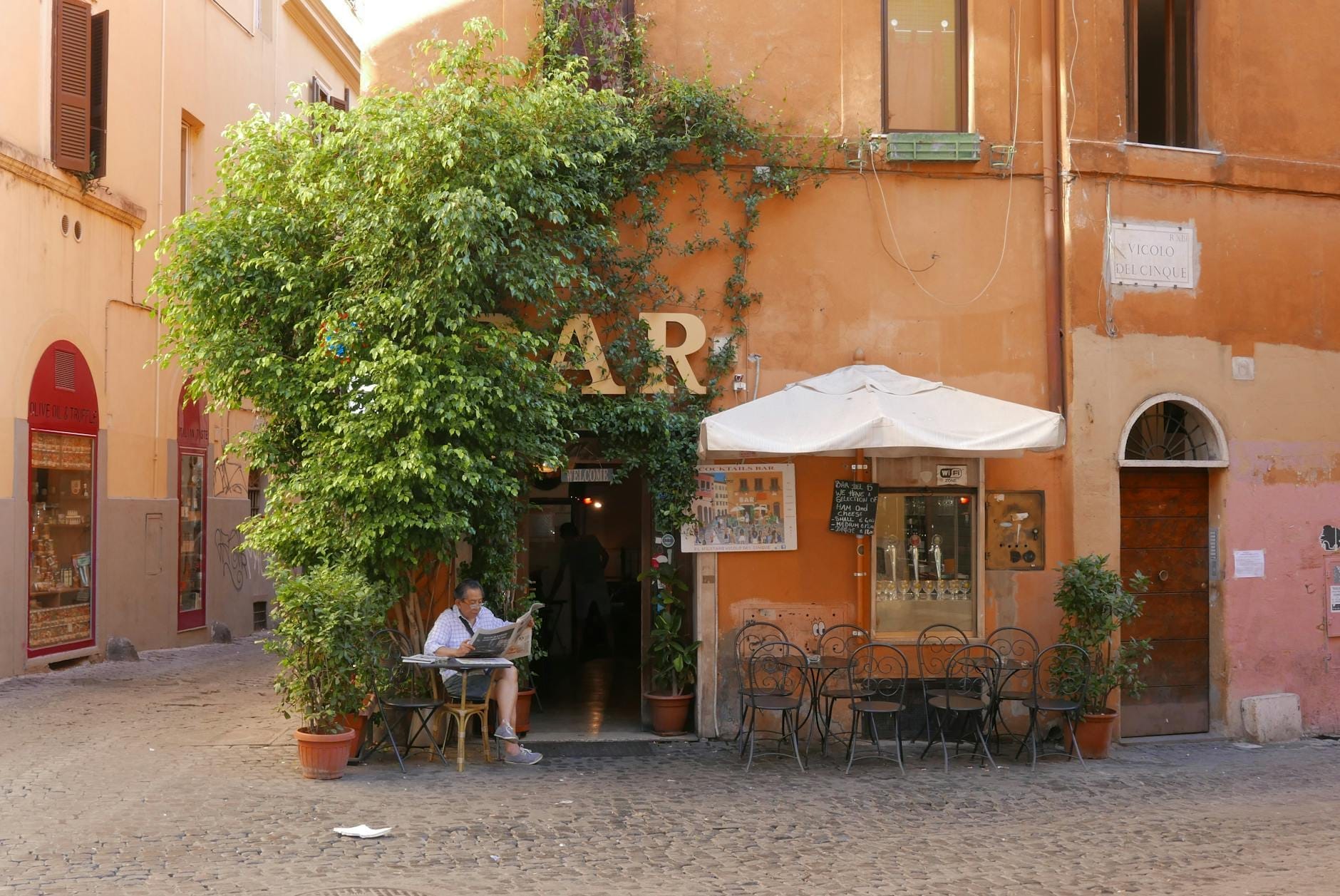
Roman street food doesn't try to compete with Naples for pizza or Sicily for arancini. It has its own rhythm, oriented around the bar (cafe) and specific snack formats eaten standing up or walking.
Supplì are the Roman answer to arancini: fried rice croquettes filled with ragù and mozzarella, eaten hot from a paper wrapper. The best are found at Da Enzo al 29 in Trastevere or Supplì Roma near the Largo Argentina area. Pizza al taglio (pizza by the slice, sold by weight) is the correct fast lunch format. Quality varies wildly — look for places where the pizza rotates quickly through a hot oven and staff are cutting fresh slices constantly rather than letting them sit.
The Roman bar serves espresso standing at the counter for around €1-1.50, which is significantly cheaper than sitting at a table (where a service charge applies). Cornetti (the Roman croissant, softer and less buttery than French croissants) with crema or marmellata make a legitimate breakfast for under €2. The bar culture in neighborhoods like Monti and Trastevere is where local daily life actually happens.
✨ Pro tip
Gelato quality in Rome varies enormously. Avoid any gelateria where the product is piled high in colorful mountains — this indicates air-pumped, artificially colored gelato. Look for gelaterias where the product is stored in covered metal containers (pozzetti). Names like Fior di Luna in Trastevere, Gelateria dei Gracchi near the Vatican, and Come il Latte near the Spanish Steps are consistently respected by food-focused visitors.
Where to Eat: Neighborhoods and Practical Guidance
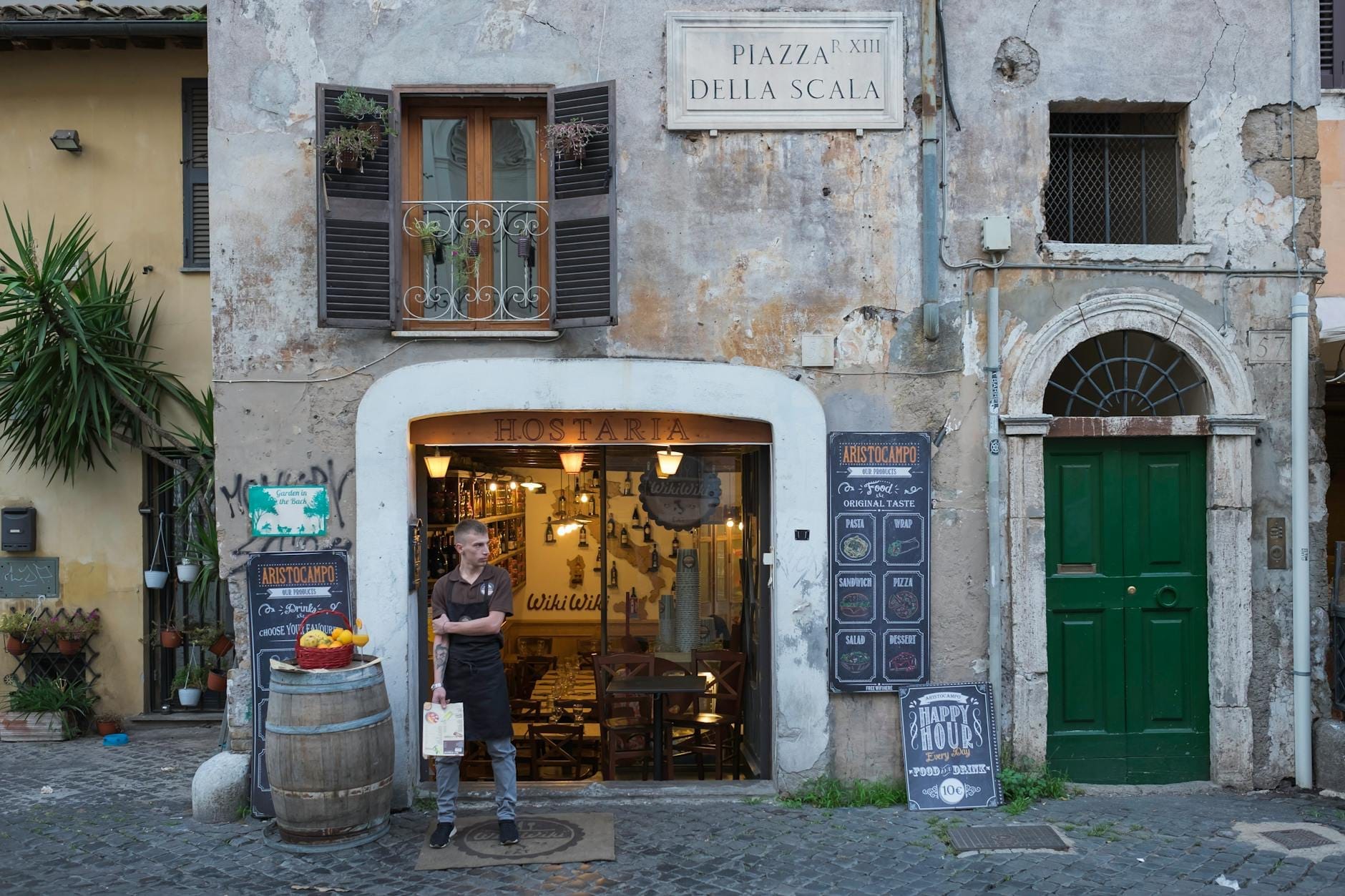
The single most important rule for eating well in Rome: distance from major monuments correlates inversely with quality at any given price point. Restaurants within 50 meters of a major attraction are almost universally trading on foot traffic rather than food. This is not a universal law — there are exceptions — but it's a reliable default.
Testaccio is the neighborhood most serious about traditional Roman food. It's where locals eat, where offal traditions are maintained, and where you'll find some of Rome's best value trattoria meals. Trastevere has a higher tourist ratio but still contains excellent spots, particularly for Jewish-Roman food and casual pizza. Monti, close to the Roman Forum and Colosseum, is worth knowing for lunch spots that escape the monument crowds. Prati, just across the river from the Vatican, has a high density of legitimate neighborhood restaurants used by Vatican-area residents and office workers.
Budget planning: a full trattoria meal with wine runs €25-35 per person at a neighborhood spot. Pasta dishes alone average €12-18. Offal specialties often come in slightly lower, at €10-15, reflecting their working-class origins. Cover charges (coperto) of €1.50-3 per person are standard and legal — this is not a scam, just a Roman restaurant norm. Tipping is not obligatory; rounding up or adding 5-10% for attentive service is appropriate and appreciated.
What Ancient Romans Actually Ate (And Why It Matters)
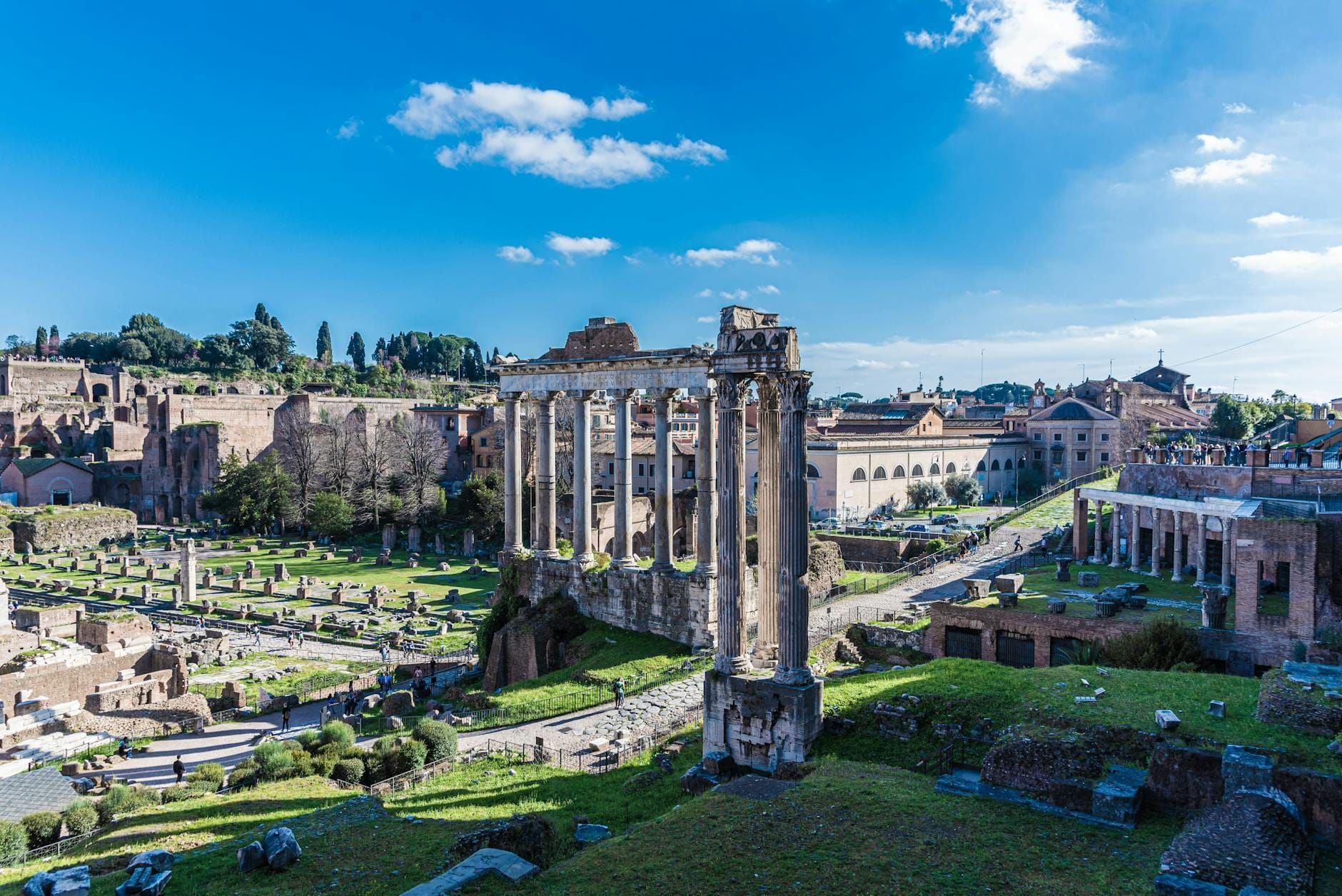
A common confusion worth clearing up: ancient Roman food has almost no connection to what Romans eat today. Ancient Romans had no tomatoes, no eggplant, no peppers, and certainly no pasta as we recognize it. These arrived in Italy from the Americas and Asia much later. Ancient Roman cuisine used garum (a fermented fish sauce applied to almost everything), millet porridge, olives, wine, and, famously, dormice. The continuity between ancient and modern Roman food is cultural and geographical, not culinary.
Modern Roman cuisine as practiced today developed from the medieval period onward, with the major pasta traditions solidifying in the 19th and 20th centuries. The ingredients are straightforward, the techniques refined over generations, and the results specific to this city in a way that resists easy replication elsewhere. The pecorino romano used in cacio e pepe is a protected designation product (PDO) with specific production requirements. The guanciale in carbonara is not interchangeable with bacon. These details explain why the same dish tastes different here. For more context on eating and drinking across Rome's many neighborhoods, see our full guide on where to eat in Rome.
💡 Local tip
If you want structured guidance through Rome's food scene, food tours run by operations like EatandWalkItaly and Through Eternity combine tasting with neighborhood context. These work particularly well for first-time visitors who want to understand what they're eating and why. Budget around €50-80 per person for a quality half-day food tour.
Planning the wider trip? The food you eat works best understood alongside the neighborhoods you explore. A focused three-day Rome itinerary can be structured around eating as much as sightseeing — the city rewards that approach. And if budget is a consideration, there are real options: eating well in Rome on a budget is genuinely possible if you avoid the monument-adjacent tourist traps and eat where locals eat.
FAQ
What is the most traditional Roman pasta dish?
All four of Rome's canonical pasta dishes — cacio e pepe, carbonara, amatriciana, and gricia — are equally traditional. Gricia is arguably the oldest, predating the arrival of tomatoes in Italy. Cacio e pepe is the most technically demanding to execute properly. Carbonara is the most internationally known and the most frequently corrupted by the addition of cream, which is not part of the authentic recipe.
Is carbonara really made without cream in Rome?
Correct. Authentic Roman carbonara contains only egg yolk, guanciale (cured pork jowl), pecorino romano, and black pepper. The sauce achieves its creamy consistency through the emulsification of egg yolk and pasta water over gentle heat. Adding cream is a non-Roman adaptation. Any restaurant in Rome serving cream-based carbonara is either cutting corners or catering exclusively to tourists.
When is the best time to eat artichokes in Rome?
Globe artichokes are in season from roughly late February through May, with peak availability and quality in March and April. This is when you'll find them at their cheapest and best at markets like Campo de' Fiori and Mercato di Testaccio. Outside this window, artichoke dishes are either frozen or imported, and the flavor difference is significant.
What is quinto quarto and where should I try it?
Quinto quarto means 'fifth quarter' and refers to the offal parts of the animal — organs, intestines, tail — that were left over after the four main cuts were sold. Roman butchers and slaughterhouse workers developed rich, slow-cooked dishes from these ingredients. The best neighborhood to try quinto quarto dishes is Testaccio, where the old city slaughterhouse was located. Look for trippa alla romana (tripe with tomato and pecorino) and coda alla vaccinara (braised oxtail) on menus there.
How much should I expect to pay for a meal in Rome?
At a legitimate neighborhood trattoria, pasta dishes run €12-18, secondi (main courses) €15-22, and a full meal with house wine comes to €25-35 per person. Most restaurants add a coperto (cover charge) of €1.50-3 per person — this is normal. Street food like supplì costs €1.50-2.50 each, pizza al taglio around €4-7 per 100 grams depending on location. Espresso at the bar counter is €1-1.50. Sitting at a table in any café adds a service charge.
Tickets & tours
Live prices and dates from our booking partner. If you book, we may earn a commission at no extra cost to you.
Planning a trip? Discover personalized activities with the Nomado app.