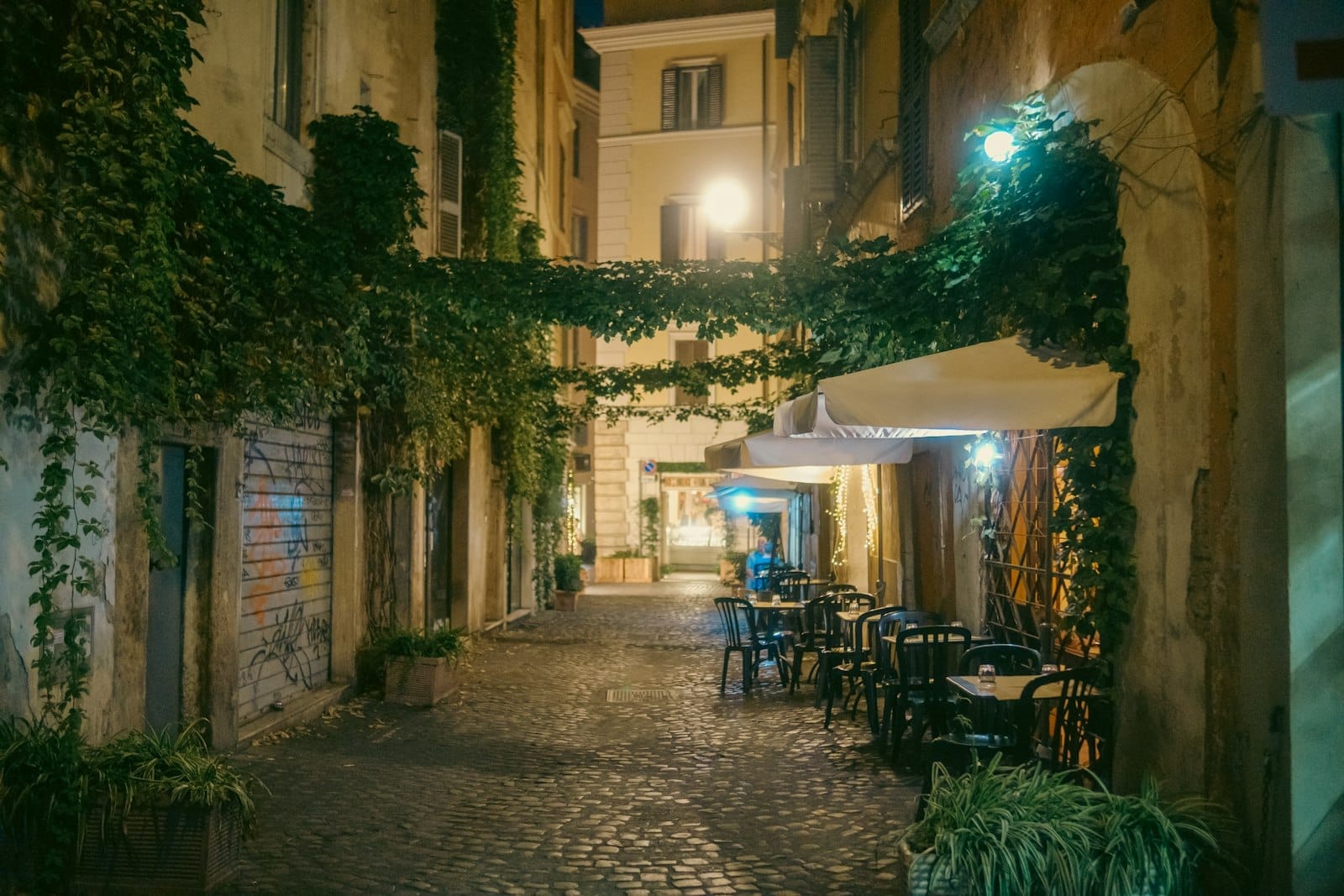
Trastevere is Rome's most characterful neighborhood, a tangle of narrow cobblestone lanes and ochre-washed medieval buildings on the west bank of the Tiber. Long a home to artists, expats, and Roman families, it balances genuine local life with a food and nightlife scene that draws visitors from across the city every evening.
Trastevere sits across the Tiber from Rome's historic center, close enough to walk to the Pantheon but far enough to feel like its own village. The medieval street grid, the golden mosaics of Santa Maria in Trastevere, and the steady hum of trattorias spilling onto cobblestones give this rione a texture that few other Roman neighborhoods can match.
Orientation
Trastevere is Rome's Rione XIII, occupying a broad wedge of land on the western bank of the Tiber. Its eastern boundary follows the river from Ponte Principe Amedeo in the north down to Ponte Sublicio in the south. To the west and south, the ancient Aurelian Walls and the Janiculum walls form a clear limit. To the north, the neighborhood pushes up toward Piazza della Rovere and the walls of Urban VIII, where it meets the southern fringe of the Vatican district.
The Janiculum Hill (Gianicolo) rises steeply from the western edge of the neighborhood and acts as a natural backdrop. Streets become noticeably steeper as you move away from the river, and the upper lanes near the hill are quieter and less trafficked than the central core around Piazza di Santa Maria in Trastevere.
To the north across Ponte Sant'Angelo lies Castel Sant'Angelo and, beyond it, the Vatican. Crossing Ponte Sublicio to the southeast brings you quickly into Testaccio, Rome's working-class food neighborhood. The Centro Storico is reachable on foot in roughly 20-25 minutes across any of the central bridges. This position between the river and the hill is precisely what gave the neighborhood its Latin name: Trans Tiberim, meaning simply 'across the Tiber.'
ℹ️ Good to know
Trastevere has no direct metro connection. The neighborhood is served by tram and bus lines running along the river and through Viale delle Mura Aurelie. Tram 8 connects it directly to Largo Argentina and the Centro Storico.
Character & Atmosphere
Trastevere in the early morning belongs to its residents. Shopkeepers drag out chairs and prop open windows. Espresso cups clink at the bar on the corner. The streets are cool and quiet, and the uneven sampietrini cobblestones catch the low light in a way that makes even ordinary side streets look cinematic. This is when the neighborhood's genuine character is easiest to read: it is dense, domestic, and built at a human scale that most of Rome's grander districts have long since outgrown.
By midday, the central piazza around the Basilica di Santa Maria in Trastevere fills with tourists, students from John Cabot University and the American Academy in Rome, and locals cutting through on their way to lunch. The fountain in the center of the piazza becomes a social hub. Restaurants open their outdoor tables and the smell of cacio e pepe and wood smoke drifts through the lanes. The neighborhood's international population is genuinely high: the ratio of foreign residents to Italian ones is among the highest in Rome, which gives Trastevere an energy that is neither purely Roman nor purely touristic.
Afternoons are golden here, particularly in spring and autumn. The westward-facing lanes catch the afternoon sun for longer than neighborhoods on the other side of the Tiber, and the warm ochre and terracotta tones of the buildings deepen into something that feels almost theatrical. This is the right time to walk the streets that run away from the main tourist axis: Via della Lungaretta, Via dei Genovesi, and the quieter lanes south of Viale di Trastevere.
After dark, Trastevere shifts dramatically. The same streets that felt domestic in the morning become densely packed with groups moving between bars, restaurants, and the outdoor tables that seem to multiply every hour. This is Rome's most popular nightlife neighborhood for a younger crowd, and on weekend evenings the noise level in the core streets around Piazza Trilussa and Piazza di Santa Maria in Trastevere can be significant. If you value quiet evenings, that is an honest consideration before choosing to stay here.
What to See & Do
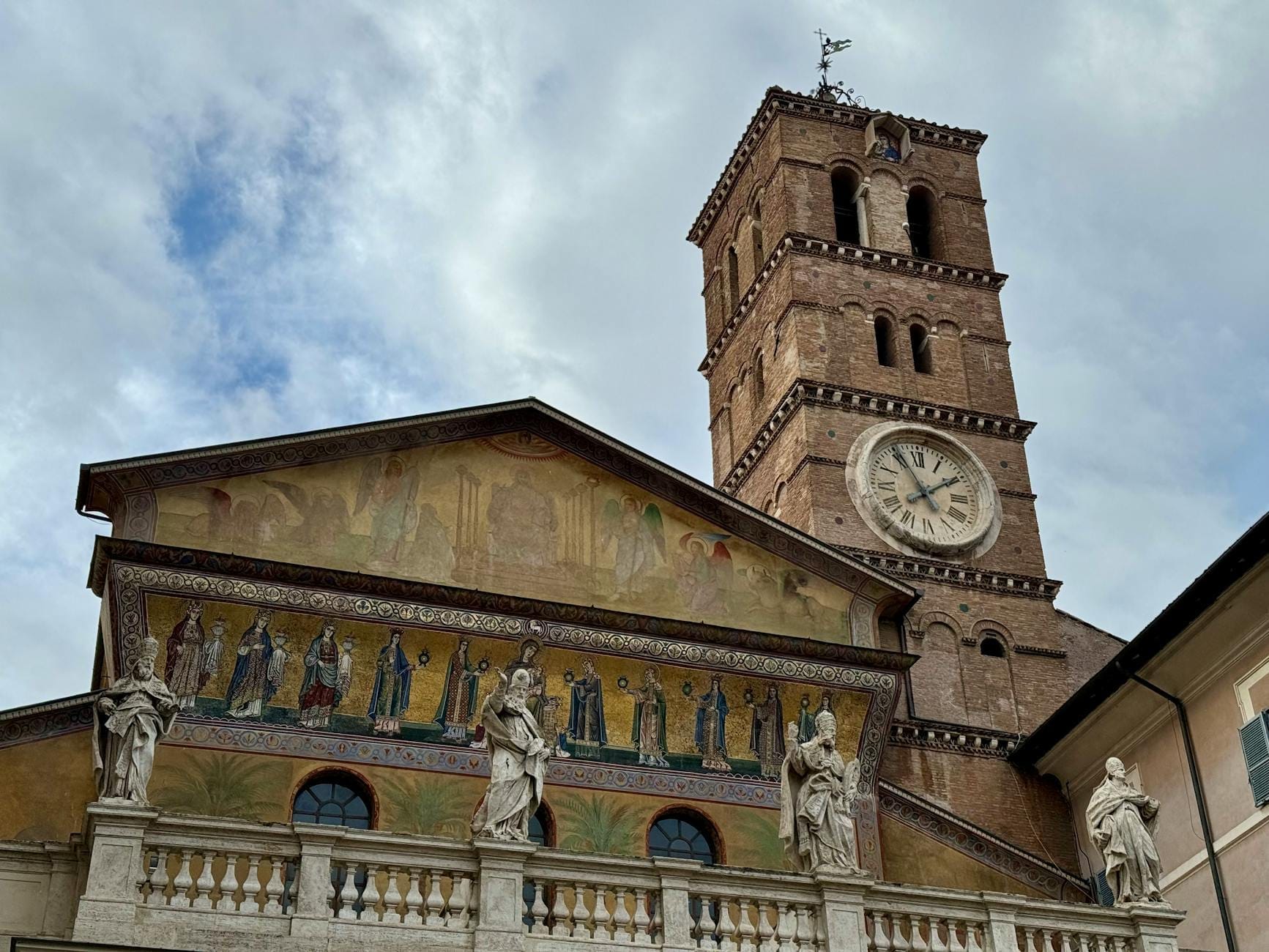
The heart of any visit to Trastevere is the Basilica di Santa Maria in Trastevere. This is one of the oldest churches in Rome, and its 12th-century apse mosaics are among the finest examples of medieval mosaic work in the city. The church faces directly onto the piazza of the same name, so you can sit at an outdoor table across the square and look straight at the gold-gleaming facade. Entry is free, and the interior is far less crowded than comparable churches in the Centro Storico.
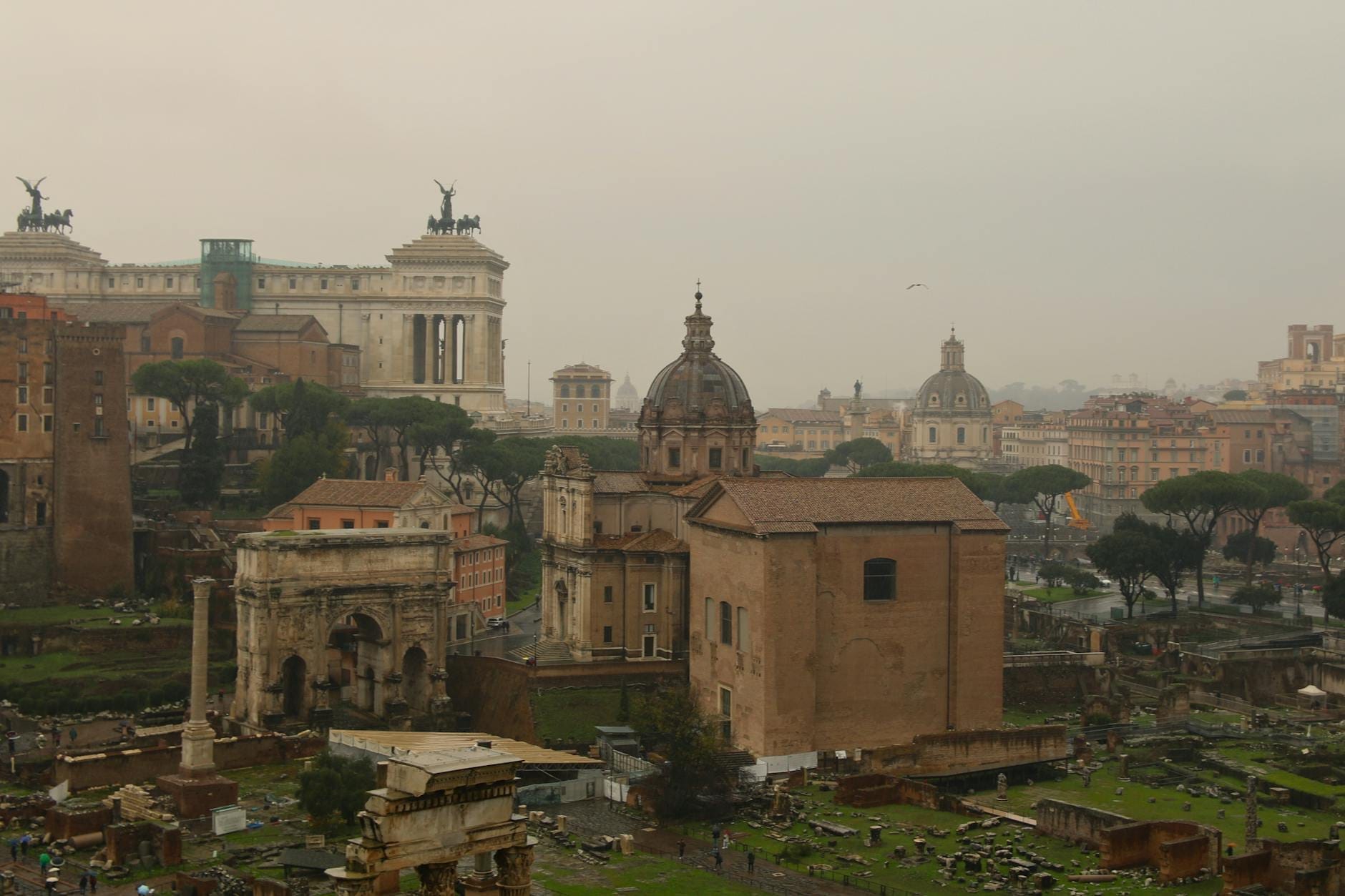
A 15-minute walk uphill through the western edge of the neighborhood brings you to the Gianicolo, or Janiculum Hill. The terrace at the top offers one of the widest panoramas in Rome, stretching east across the entire city from the Vittoriano to the distant hills. Every day at noon a cannon is fired from the hill as a time-keeping tradition dating back to 1847. It is significantly less crowded than other popular viewpoints and the walk up through the residential lanes is worthwhile in itself.
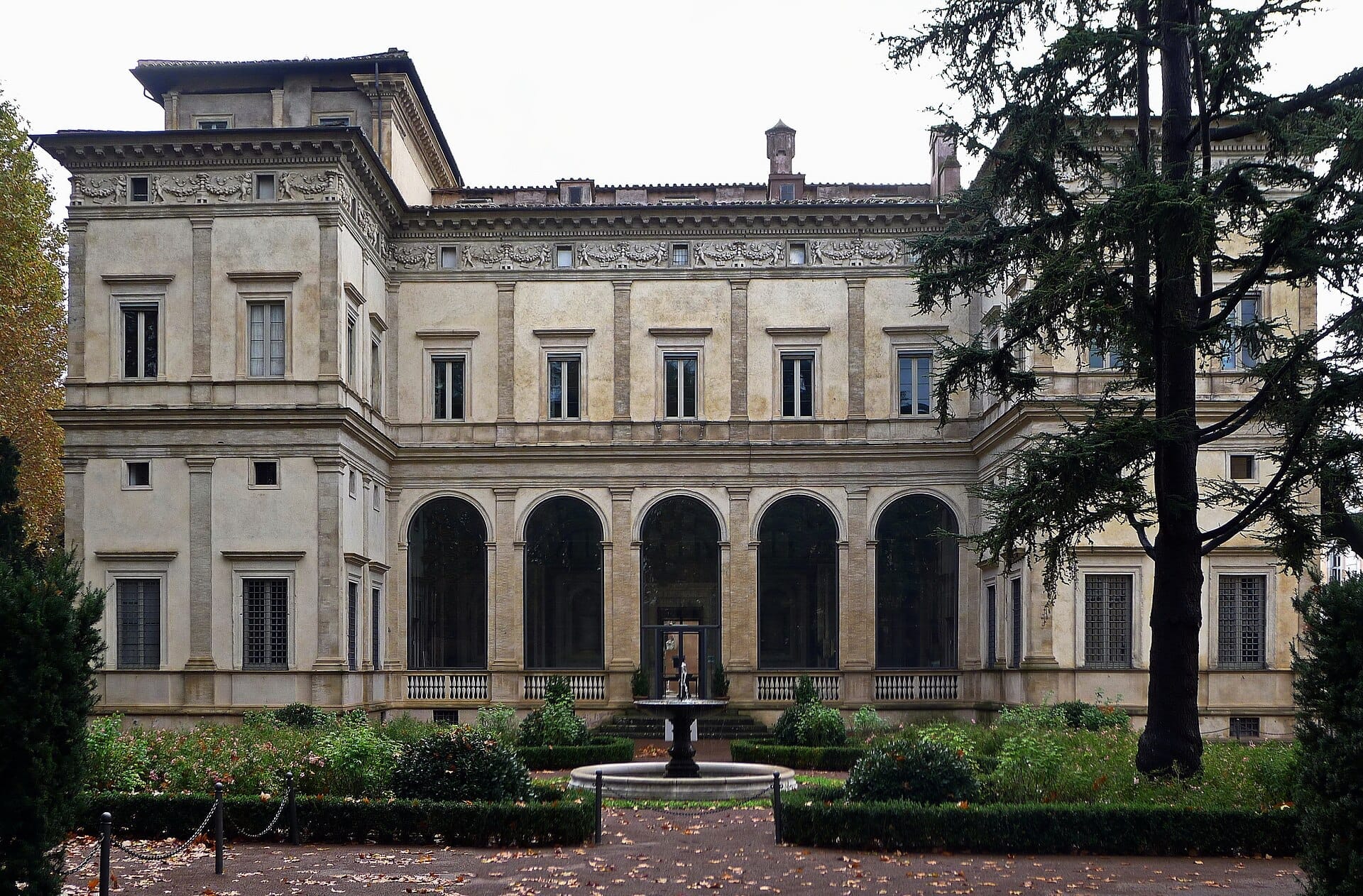
On the southern edge of the neighborhood, close to Ponte Sisto, the Villa Farnesina contains some of Raphael's finest secular frescoes in a setting that most visitors overlook entirely. The loggia decorated with the story of Psyche is extraordinary, and the building sees a fraction of the visitor numbers that crowd the Vatican Museums. Opening hours are limited, so check ahead.
Basilica di Santa Maria in Trastevere: medieval mosaics and a lively central piazza
Villa Farnesina: Raphael frescoes in a Renaissance villa with very manageable crowds
Janiculum Hill: the best full-city panorama on Rome's west side
Porta Portese market: Rome's largest flea market, held every Sunday morning along Viale di Trastevere
San Francesco a Ripa: church in the southern part of the neighborhood containing Bernini's Ludovica Albertoni sculpture
Giardino degli Aranci: the Orange Garden on the Aventine, a short walk south across Ponte Sublicio
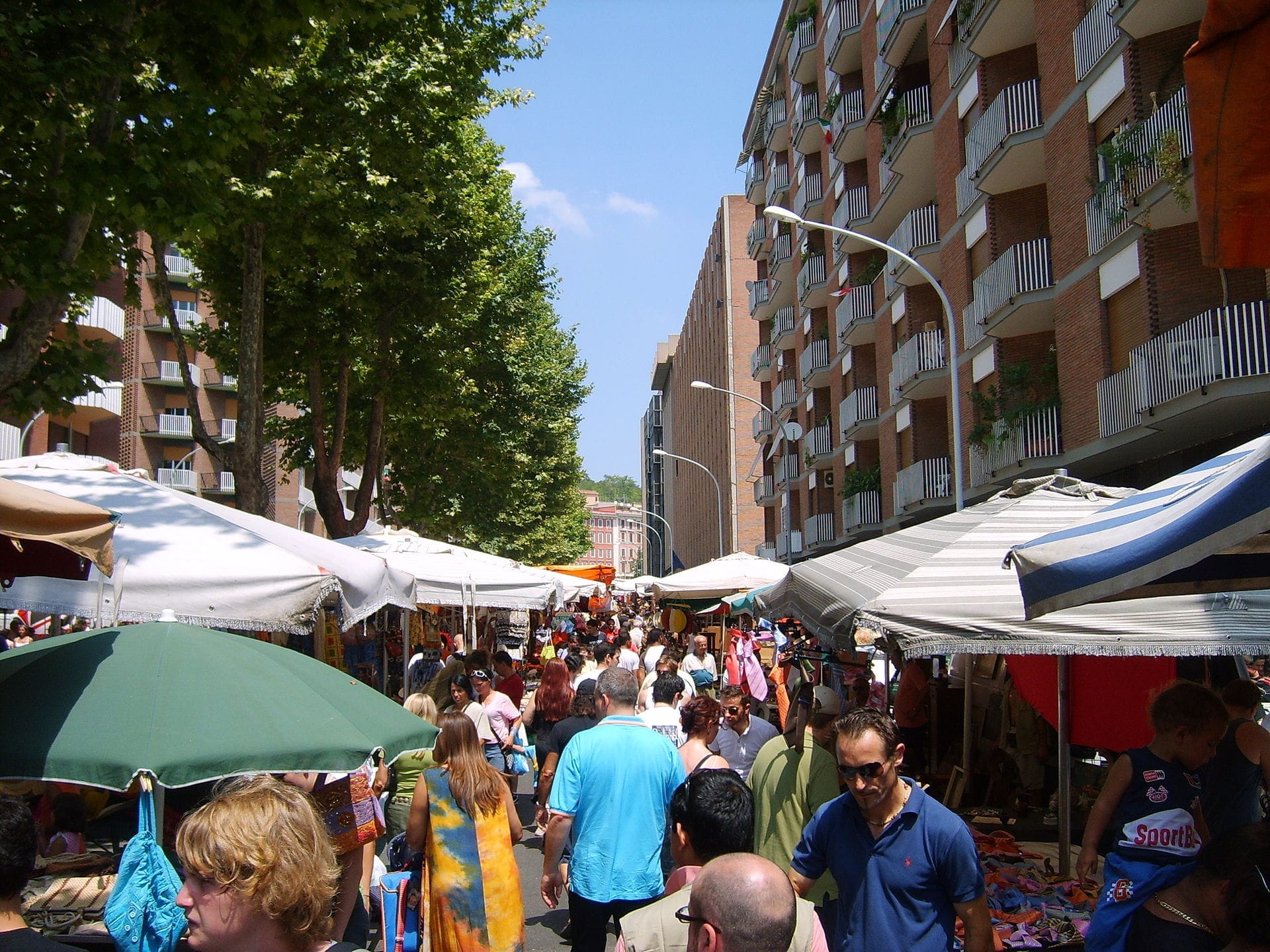
If you are visiting on a Sunday morning, the Porta Portese market runs from early morning until roughly 2pm along Viale di Trastevere and the streets near the old gate. It is enormous, ranging from genuine antiques and vintage clothing to kitchen equipment and secondhand books. Arrive before 9am for the best finds and before the crowds make the aisles impassable.
Eating & Drinking
Trastevere has more restaurants per square kilometer than almost any other neighborhood in Rome, which makes choosing well both easier and harder. The streets immediately surrounding Piazza di Santa Maria in Trastevere are densest with options, but also most likely to trade on location rather than quality. For reliable traditional Roman cooking, look at places on Via della Lungaretta or the quieter streets south of Viale di Trastevere. Rome's food culture in this neighborhood is grounded in the same canon as the rest of the city: cacio e pepe, coda alla vaccinara, supplì, and artichokes prepared alla romana or alla giudia. For a broader overview of what to eat across the city, see our Rome food guide.
The aperitivo culture in Trastevere is strong. From around 6pm onwards, Piazza Trilussa, the square at the northern end of the neighborhood just across Ponte Sisto, becomes a congregation point. Students and young Romans gather on the steps of the fountain with drinks from nearby bars. This is one of the most reliably atmospheric early evening spots in Rome and costs nothing to participate in if you bring your own drink from a nearby shop.
For coffee and pastries in the morning, the neighborhood has a number of old-fashioned Roman bars where locals stand at the counter. These are measurably cheaper than sitting down at a table, which is standard practice across Italy. Prices at outdoor tables near the central piazza will be higher than those on quieter streets two blocks away, so walking slightly off the main axis saves money without sacrificing quality.
⚠️ What to skip
Restaurants on the direct tourist circuit around Piazza di Santa Maria in Trastevere often add a coperto (cover charge) of 2-3 euros per person and can be priced accordingly. Always check the menu posted outside before sitting down, and note whether prices include bread and cover.
Traditional Roman trattorias: look for handwritten menus, no photos on the menu, and a predominantly local lunch crowd
Pizza al taglio (by the slice): several good options along Viale di Trastevere for a cheap, quick meal
Craft beer bars: a cluster around Piazza Trilussa caters to an international crowd in the evenings
Gelaterie: quality varies; look for natural colors and covered gelato rather than towering swirls
Sunday brunch spots: the neighborhood has adapted to its international population with several all-morning café options near the main piazza
Getting There & Around
Trastevere has no metro station. The most useful public transit connection is Tram 8, which runs from Largo Argentina (in the Centro Storico) across the Tiber and along Viale di Trastevere, effectively cutting through the middle of the neighborhood. This line connects you directly to the Jewish Ghetto and Campo de' Fiori areas. Bus lines H and 23 run along the Lungotevere (the riverside road), connecting the neighborhood northward toward the Vatican and southward toward Testaccio. For a full breakdown of transit options across the city, see the guide to getting around Rome.
Seven bridges connect Trastevere to the eastern bank of the Tiber. Ponte Sisto, at the northern end of the neighborhood, leads directly into the Campo de' Fiori area and is a pedestrian-only crossing. Ponte Sublicio to the south takes you into Testaccio in a 5-minute walk. Ponte Sant'Angelo, slightly north of the neighborhood boundary, is the most scenic crossing and leads directly toward Castel Sant'Angelo and then the Vatican.
Within the neighborhood itself, the streets are narrow enough that walking is the only practical option. Viale di Trastevere is the main north-south axis and is wide enough for trams and traffic, but almost everything of interest sits in the lanes to either side of it. The entire neighborhood can be walked end to end in about 20 minutes at a relaxed pace, making orientation relatively straightforward after an initial wander.
💡 Local tip
Cobblestone streets are uneven and can be slippery after rain. Flat-soled shoes with good grip will serve you significantly better than sandals or heels when exploring the tighter lanes, particularly on the uphill sections toward the Janiculum.
Where to Stay
Trastevere is a genuinely good base for first-time visitors who want to be in a neighborhood with strong character and within walking distance of multiple major sites. It is also a reasonable choice for those visiting the Vatican, since the northern end of the neighborhood is only a 15-20 minute walk from St. Peter's Basilica. For advice on comparing it with other Rome neighborhoods before booking, the where to stay in Rome guide covers the main options across the city.
The northern half of Trastevere, between Piazza Trilussa and Piazza di Santa Maria in Trastevere, is the most central and the most expensive part of the neighborhood for accommodation. It is also the noisiest at night, particularly on Thursday through Saturday evenings when bar noise continues until 1am or later. If you are a light sleeper, look for accommodation in the quieter southern section of the neighborhood, below Viale di Trastevere, or on streets that back onto the Janiculum.
The neighborhood offers a range of accommodation types: boutique hotels in converted medieval buildings, B&Bs in residential apartment blocks, and short-term rental apartments. There are relatively few large chain hotels here, which is part of what keeps the neighborhood's character intact. Budget travelers will find fewer cheap hostel options than in Monti or near Termini, so rates can be slightly higher for equivalent room quality.
Honest Assessment: Who Should Stay Here
Trastevere rewards visitors who want to feel like they are living in the city rather than passing through it. The density of good food and drink, the walkability, and the genuine mix of local and international life make it one of the more comfortable neighborhoods to use as a base. It is particularly well-suited to visitors who plan to explore the Vatican, the Centro Storico, and Testaccio, since all three are accessible on foot or by a short tram ride.
It is less suitable for visitors who are sensitive to nighttime noise, traveling primarily to reach sites on the east side of the city like the Colosseum and Palatine Hill (which require a longer transit journey), or looking for the quietest possible Rome experience. The neighborhood's popularity is real and, on weekend evenings, the core streets are packed in a way that some travelers find uncomfortable. That is worth knowing before you book.
TL;DR
Best for: visitors who want character, good food, and walkability over convenience to the ancient sites
Key draw: medieval street grid, Basilica di Santa Maria in Trastevere, Villa Farnesina, panoramic Janiculum Hill views
Nightlife: one of Rome's liveliest evening neighborhoods, concentrated around Piazza Trilussa and Piazza di Santa Maria in Trastevere
Watch out for: weekend night noise in the central streets, tourist-priced restaurants near the main piazza, no direct metro connection
Transit: Tram 8 to the Centro Storico, bus 23 along the river, seven pedestrian and vehicle bridges to the east bank
Rome has more churches per square kilometer than almost any city on earth, and the finest contain some of the greatest art ever made. This guide cuts through the noise to bring you the 15 churches that genuinely deserve your time, from world-famous papal basilicas to overlooked medieval gems.
Rome holds one of the densest concentrations of great museums anywhere on earth, from ancient sculpture collections to Baroque art palaces and cutting-edge contemporary spaces. This guide covers the 18 best, organized by type, with practical advice on what to prioritize and when to book.
Rome rewards visitors year-round, but the experience varies dramatically by season. This guide breaks down crowds, temperatures, costs, and local events to help you pick the right time for your trip.
Rome rewards those who look up, climb higher, and peer through keyholes. This guide covers the city's finest viewpoints, from sweeping 360-degree rooftop panoramas to perfectly framed peepholes, with tips on when to go and what you'll see.
Rome rewards budget travelers more than almost any major European capital. From Baroque piazzas and ancient hilltops to world-class churches and sprawling parks, a huge portion of the city's best experiences cost absolutely nothing. This guide covers the 20 best free things to do in Rome, organized so you can plan a full day without opening your wallet.
Rome's transport network is more complex than most first-time visitors expect. This guide breaks down every option for getting around Rome, from the limited metro to the best bus routes, airport transfers, taxis, and when walking beats everything else.
Rome rewards those who look past the Colosseum queue and the Trevi selfie crowd. These are the churches, viewpoints, markets, and underground worlds that most visitors walk right past, where the real texture of the city lives.
Ostia Antica is Rome's best-kept archaeological secret: a sprawling ancient city just 30 minutes from the capital, better preserved than most sites and far less crowded than the Forum or Colosseum. This guide covers everything from tickets and transport to the top ruins worth your time.
Rome transforms after sunset. Ancient ruins glow under floodlights, piazzas fill with locals rather than tour groups, and the city's food and nightlife scenes come alive. This guide covers the best nocturnal experiences in Rome, from free evening strolls to exclusive night tours of the Colosseum and Vatican.
Rome rewards those who venture beyond the city walls. Within an hour or two of the capital, you can walk through a remarkably intact Roman port city, stroll Renaissance water gardens, sip Frascati wine above a volcanic crater lake, or explore an Etruscan cliff town. These are the day trips that make a Rome visit feel genuinely complete.
Roman cuisine is one of the most specific, opinionated, and deeply satisfying in Italy. This guide covers the essential dishes, the rules locals follow, the best neighborhoods to eat in, and how to avoid the tourist traps that pass for Italian food in Rome.
Three days is enough to see Rome's greatest hits — if you plan smart. This itinerary covers the Colosseum, Vatican, Pantheon, and beyond, with the right order, practical timing tips, and a few stops that most visitors miss.
Rome is one of Europe's most rewarding cities to explore on a tight budget. This guide breaks down real costs, free attractions, transport options, and smart strategies so you can see the best of the city without draining your account.
Rome rewards families who come prepared. From gladiator stories at the Colosseum to gelato breaks in Villa Borghese, this guide covers every practical detail: advance tickets, stroller logistics, the best neighborhoods to base yourself, and how to keep kids engaged without burning everyone out.
Rome's top attractions can swallow hours in queue time alone. This guide breaks down exactly which sites demand advance booking, which platforms to trust, what skip-the-line actually means in practice, and where you can honestly walk straight in.
Rome rewards those who plan smart. This guide covers the essential things to do in Rome, from ancient ruins and world-class museums to neighborhood food markets and rooftop views, with honest advice on what to skip and how to book the rest.
Rome's food scene rewards the curious and punishes the complacent. This guide cuts through the tourist-trap noise to give you honest, neighborhood-by-neighborhood restaurant picks, dish-by-dish ordering advice, and practical tips on reservations, pricing, and when to skip the menu entirely.
Choosing where to stay in Rome shapes your entire trip. This guide breaks down every major neighborhood honestly, covering walkability, noise, price, and who each area suits best, so you can book with confidence.