Rome at Night: What to Do After Dark
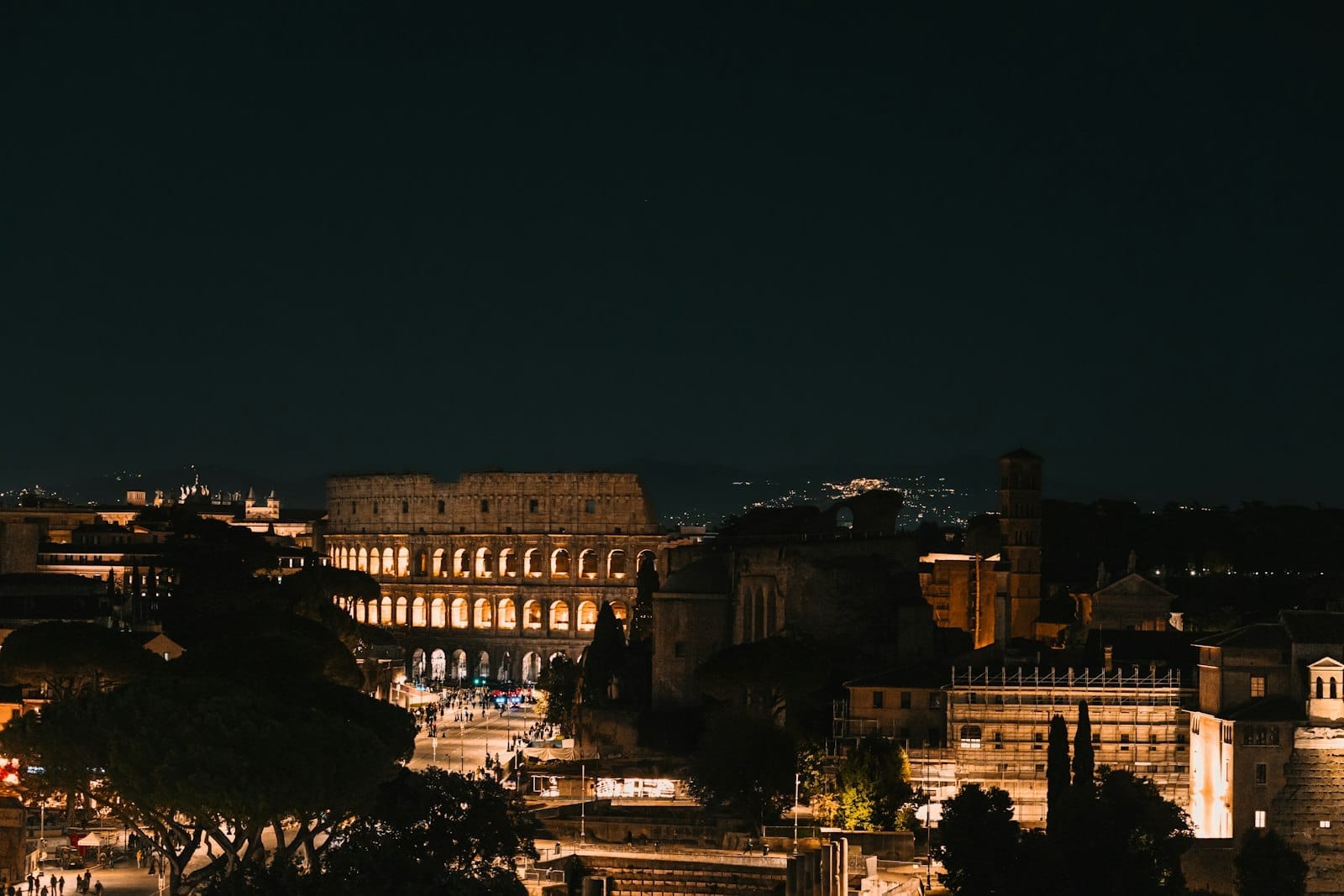
Rome transforms after sunset. Ancient ruins glow under floodlights, piazzas fill with locals rather than tour groups, and the city's food and nightlife scenes come alive. This guide covers the best nocturnal experiences in Rome, from free evening strolls to exclusive night tours of the Colosseum and Vatican.
Tickets & tours
Live prices and dates from our booking partner. If you book, we may earn a commission at no extra cost to you.
TL;DR
- Rome's most iconic landmarks, including the Trevi Fountain, Pantheon exterior, Piazza Navona, and Castel Sant'Angelo, are illuminated nightly and free to view from the street.
- Seasonal night tours of the Colosseum and Vatican Museums run mainly in summer (June to September); book well in advance, as group sizes are limited.
- Trastevere and Monti are the best neighborhoods for evening dining and drinks; see where to eat in Rome for restaurant picks in both areas.
- The Pantheon closes at 7 PM — do not count on seeing the interior at night. The same goes for most museum interiors.
- Trevi Fountain is far more enjoyable after 10 PM when the crowds thin considerably; note that Trevi Fountain has introduced timed-entry restrictions starting March 2026, so check current rules before visiting.
Why Rome After Dark Is Worth Planning Around
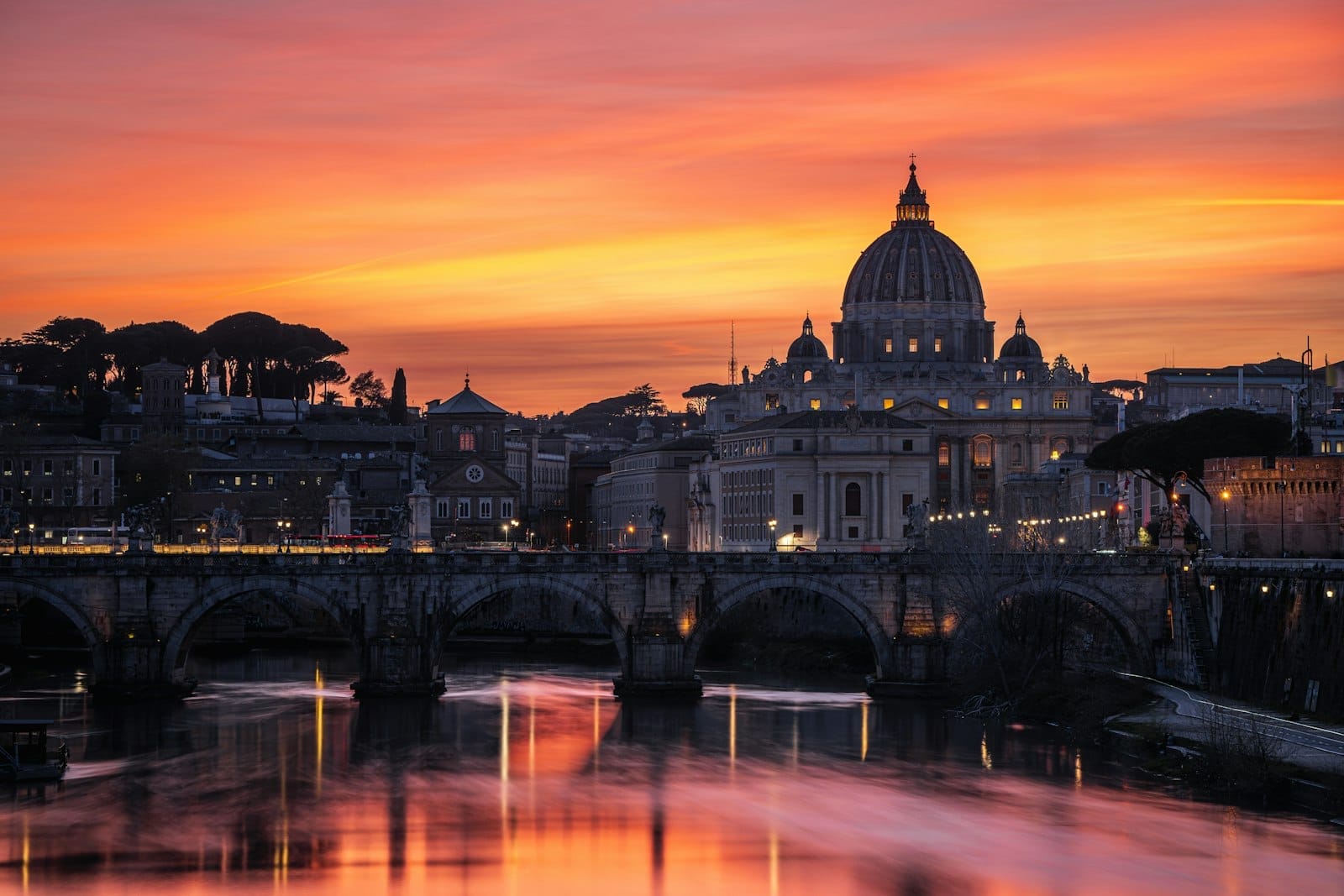
Most visitors to Rome spend their evenings eating and then collapse, exhausted, at their hotels. That's a mistake. The city changes character completely after sunset. Temperatures drop to something manageable (especially June through August, when daytime heat peaks above 30°C), the tour buses leave, and the monuments that were crawling with selfie sticks at noon are suddenly accessible, atmospheric, and photogenic. This is Rome as Romans experience it.
Rome has more than 2,000 fountains, most of them illuminated after dark. Walking between them on a warm evening is genuinely one of the best free experiences the city offers. Pair that with a stop at the Piazza Navona and the lit exterior of the Pantheon and you have a two-hour evening route that costs nothing except whatever you spend on a gelato along the way.
ℹ️ Good to know
Sunset in Rome ranges from around 4:45 PM in December to 8:30 PM in June. Monument lighting typically activates at dusk. Plan your evening strolls accordingly — in summer you will have light until well past 8 PM, while winter evenings start earlier and feel more intimate.
Free Nighttime Sights: The Self-Guided Evening Walk
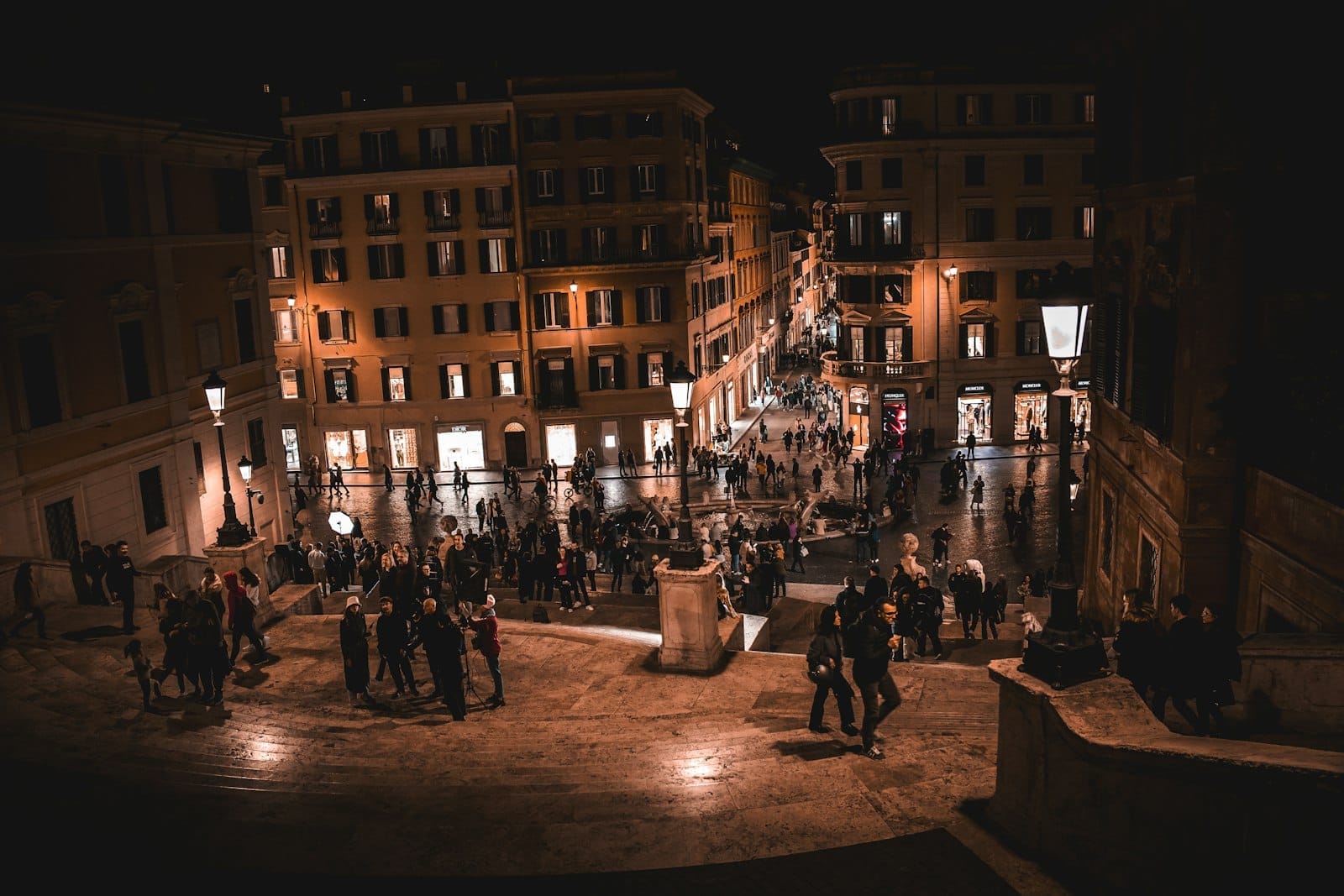
The single best free evening activity in Rome is a fountain-to-monument walking route through the historic center. No tickets, no booking, no queues. The exteriors of Rome's most famous landmarks are viewable around the clock, and the lighting makes them look better than they do at noon.
- Trevi Fountain The city's most dramatic fountain is free to view at any hour. After 10 PM, the crowds thin dramatically and you can actually stand at the edge without being jostled. From March 2026, timed-entry ticketing applies during peak hours — check current rules before planning your evening.
- Pantheon Exterior The Pantheon closes at 7 PM, so interior access is not an option at night. But the floodlit portico in the Piazza della Rotonda is genuinely spectacular after dark, especially with the fountain in the foreground. The surrounding streets are full of outdoor tables if you want to sit with a drink and look at it.
- Piazza Navona The Fontana dei Quattro Fiumi at the center of Piazza Navona is illuminated every evening. This is one of Bernini's masterworks and it deserves more than a quick daytime glance. At night the piazza is still lively but far less frantic.
- Castel Sant'Angelo and Ponte Sant'Angelo Both the castle and the angel-lined bridge over the Tiber are lit beautifully at night. The bridge is one of the best photography spots in Rome after dark. The castle's exterior is always accessible; night tours of the interior are sometimes available seasonally.
- Capitoline Hill and Forum View The Piazza del Campidoglio on Capitoline Hill is free to access at any hour. From the terrace, you get a direct view over the lit ruins of the Roman Forum below. This is arguably the best free night view in Rome and very few guides mention it.
A logical evening route connects these sites in roughly 45 minutes of walking: start at Capitoline Hill for the Forum view, descend toward the Largo Argentina, pass through Piazza Navona, then walk east to the Pantheon, and finish at Trevi Fountain. Total distance is about 3 km.
Night Tours Worth Booking (and What They Actually Involve)
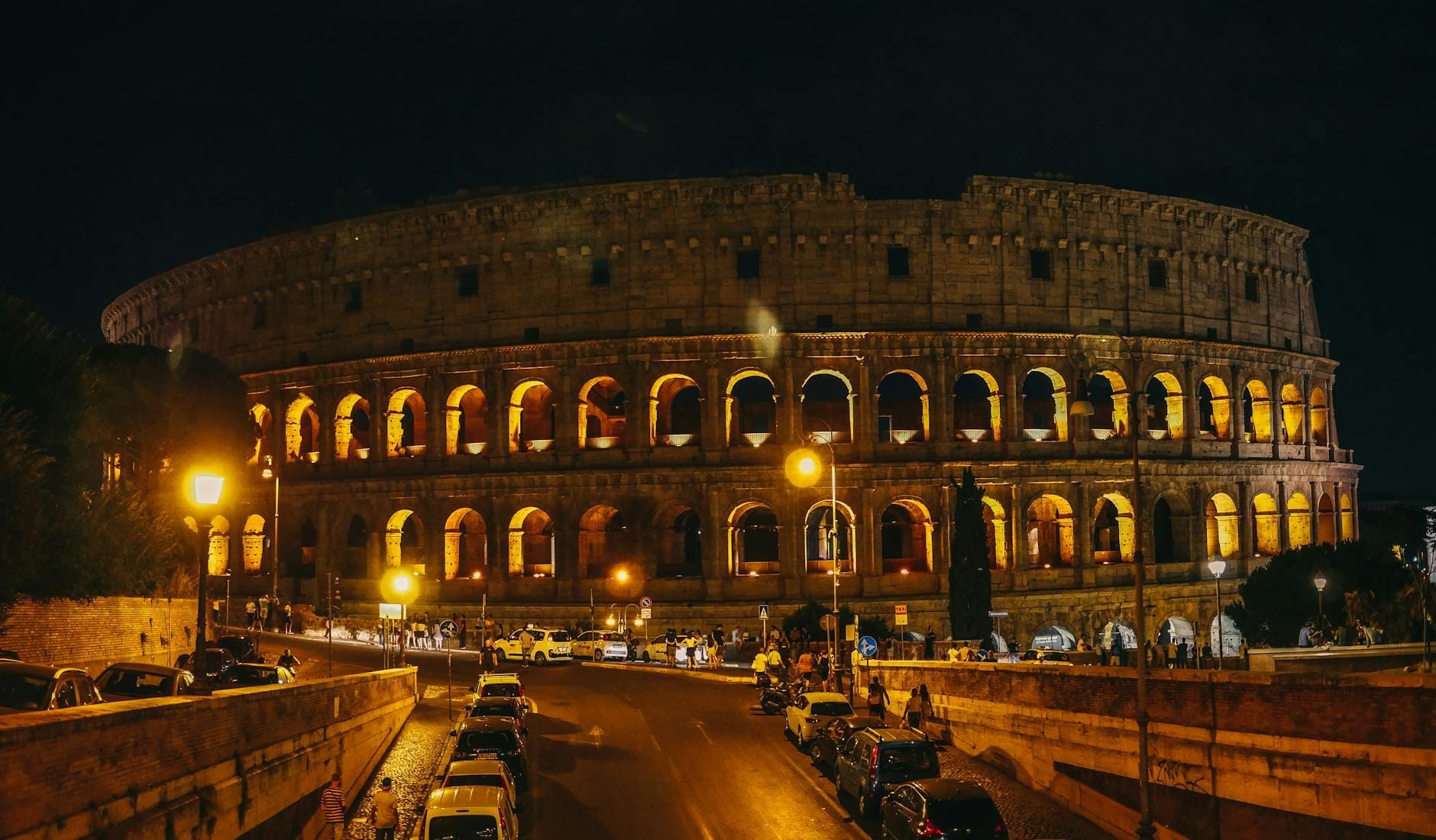
Paid night tours in Rome range from excellent to overpriced tourist traps. The ones worth paying for are the ones that grant access to spaces you simply cannot enter any other way.
Colosseum night tours are the gold standard. In summer (typically June through September, though exact dates vary by year), special evening sessions open up the arena floor and underground hypogeum, areas that require a separate ticket supplement even during the day. Groups are small, the atmosphere is unlike anything you get at 11 AM with 5,000 other visitors, and the lighting inside the structure is genuinely dramatic. Expect to pay in the range of €50 to €100 per person including booking fees. Book through the official Coopculture ticketing system or a reputable operator well in advance — these sell out fast.
Vatican Museums and Sistine Chapel night tours run on select Friday evenings during summer. The appeal is obvious: smaller groups (sometimes capped at 30-40 people) in one of the world's most visited museums. The Sistine Chapel without a thousand other people craning their necks is a genuinely different experience. Prices typically run €60 to €90 per person. Book early through authorized operators.
⚠️ What to skip
Avoid booking Rome night tours through random third-party sites with no reviews. Stick to Coopculture (official government cultural operator), reputable Viator-listed tours with 4.5+ star ratings and 100+ reviews, or the official Vatican website. Fake 'night access' tours that only walk you past the exterior of closed sites are a known scam in the area around the Colosseum.
Ghost tours and catacombs tours are available year-round and suit a different kind of traveler. The Catacombs of San Callisto on the Appian Way do not offer nighttime access per se, but evening tours through the Jewish Ghetto, Trastevere, and the areas around Campo de' Fiori lean into Rome's documented history of political executions and medieval legend without being gratuitously dramatic. These typically cost €20 to €35 per person and last two hours.
Where to Eat and Drink After Dark
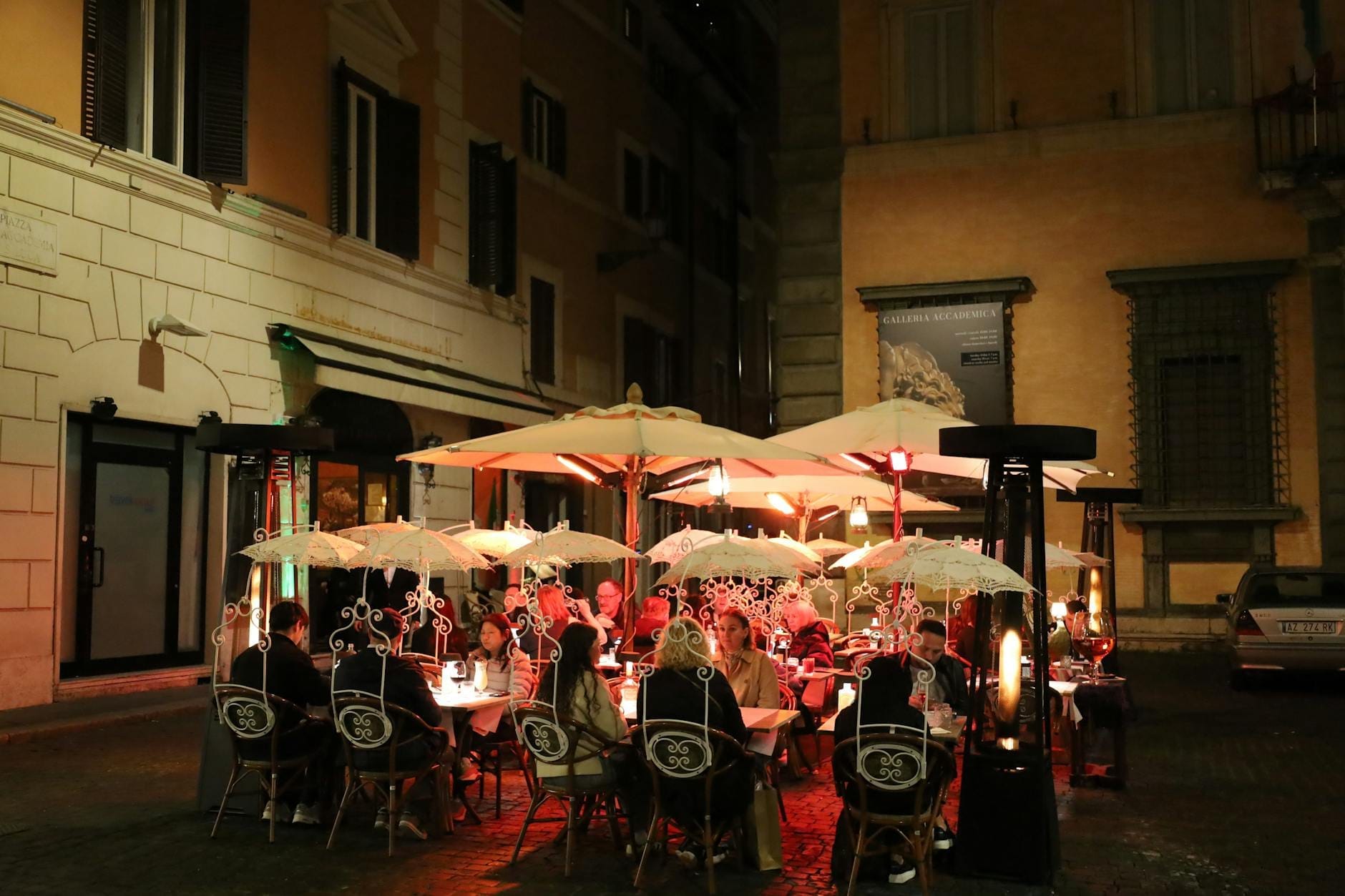
Romans eat late. Do not show up to a restaurant at 6 PM — many do not open their kitchens until 7:30 PM, and locals rarely sit down before 8:30 or 9 PM. Trying to eat at American hours will either get you turned away or seated in a half-empty room with tourists who arrived on the same instinct.
For evening dining, Trastevere is the most atmospheric neighborhood, with narrow streets and outdoor tables that fill up from about 8 PM. The quality varies: some places along Via della Lungaretta are coasting on the neighborhood's reputation, so look for trattorias that post menus without photos and have Italian speakers at most of the tables. Monti is a better choice if you want something slightly less tourist-heavy, with a mix of wine bars, small restaurants, and aperitivo spots concentrated around Piazza della Madonna dei Monti.
Testaccio is Rome's traditional working-class food neighborhood and still one of the best places to eat offal-based Roman classics like coda alla vaccinara (oxtail stew) or rigatoni con pajata. It is less photogenic than Trastevere but far more honest. The area around Mercato di Testaccio has several serious trattorias within a few minutes' walk.
✨ Pro tip
The coperto (cover charge) of €1.50 to €3 per person is standard in Rome and not a scam — it covers bread and table service. Tipping is not obligatory but rounding up the bill or leaving 5 to 10% for attentive service is appreciated. Do not tip in cash if you are paying by card; leave it directly on the table.
Nightlife by Neighborhood: What to Expect
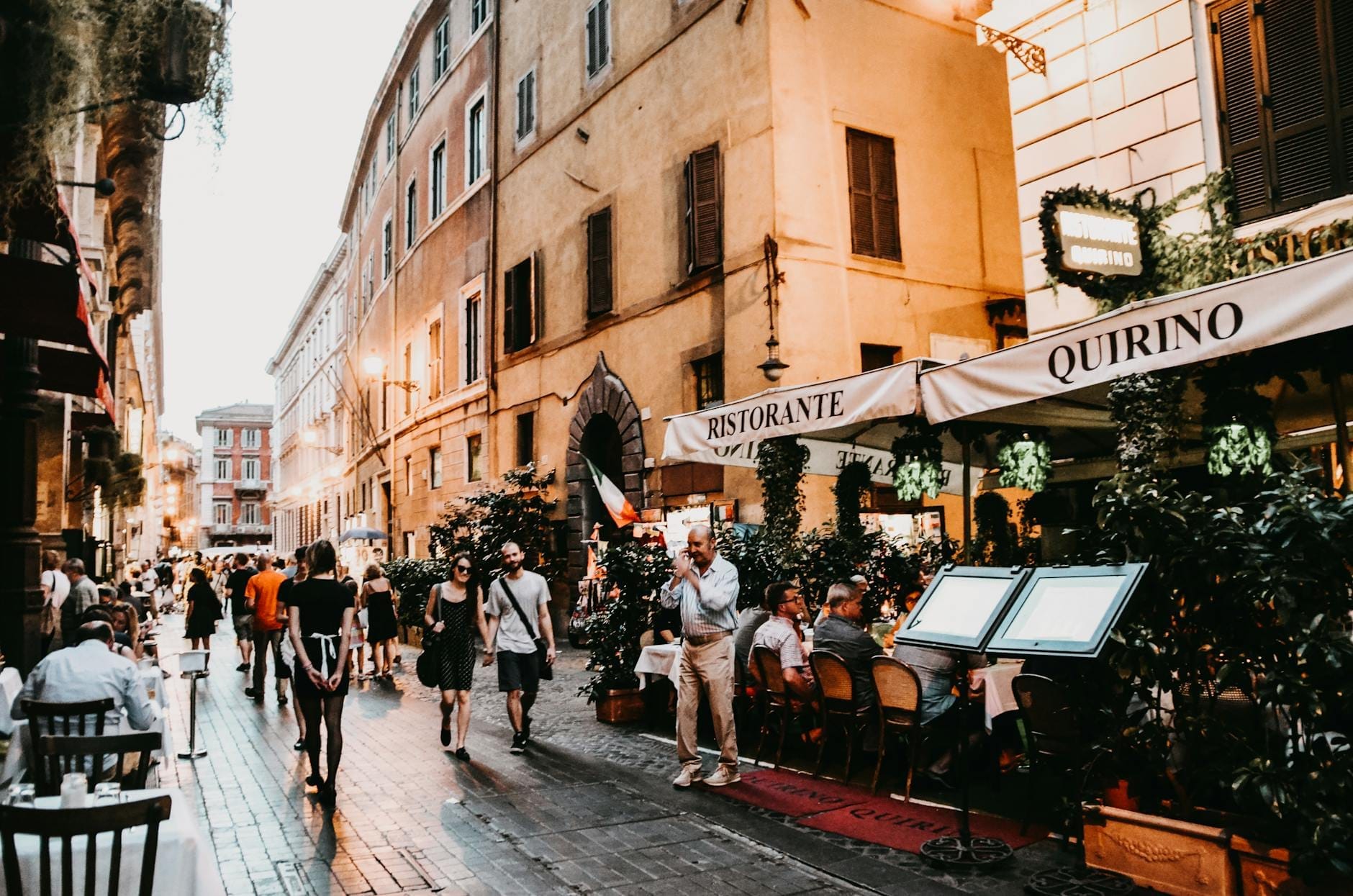
Rome's nightlife is not Berlin or Ibiza. The emphasis is on long dinners, aperitivo, and conversation over spritz rather than club culture. That said, there is a spectrum.
- Trastevere The most tourist-heavy nightlife zone, which is either a feature or a bug depending on your perspective. Bars along Via della Scala and around Santa Maria in Trastevere are lively until midnight or later. Good for aperitivo and casual drinks; not great for anyone wanting to be around mostly locals.
- Pigneto Rome's genuinely local nightlife neighborhood, east of the center near Porta Maggiore. Younger crowd, cheaper drinks, unpretentious bars. Not on most tourist itineraries, which is exactly the point.
- Monti Wine bars dominate here. Expect natural wine lists, charcuterie boards, and groups of friends who live in the neighborhood. Quieter than Trastevere but higher quality per euro spent.
- Testaccio Historically the nightclub district around the former slaughterhouse complex. The club scene has shifted somewhat but there are still late-night venues here, particularly around Via Galvani.
- Campo de' Fiori Lively early evening aperitivo scene that tips into rowdy late at night, especially on weekends. Heavy on international students and young tourists. Worth knowing about but not necessarily worth staying in.
Practical Logistics for Getting Around Rome at Night
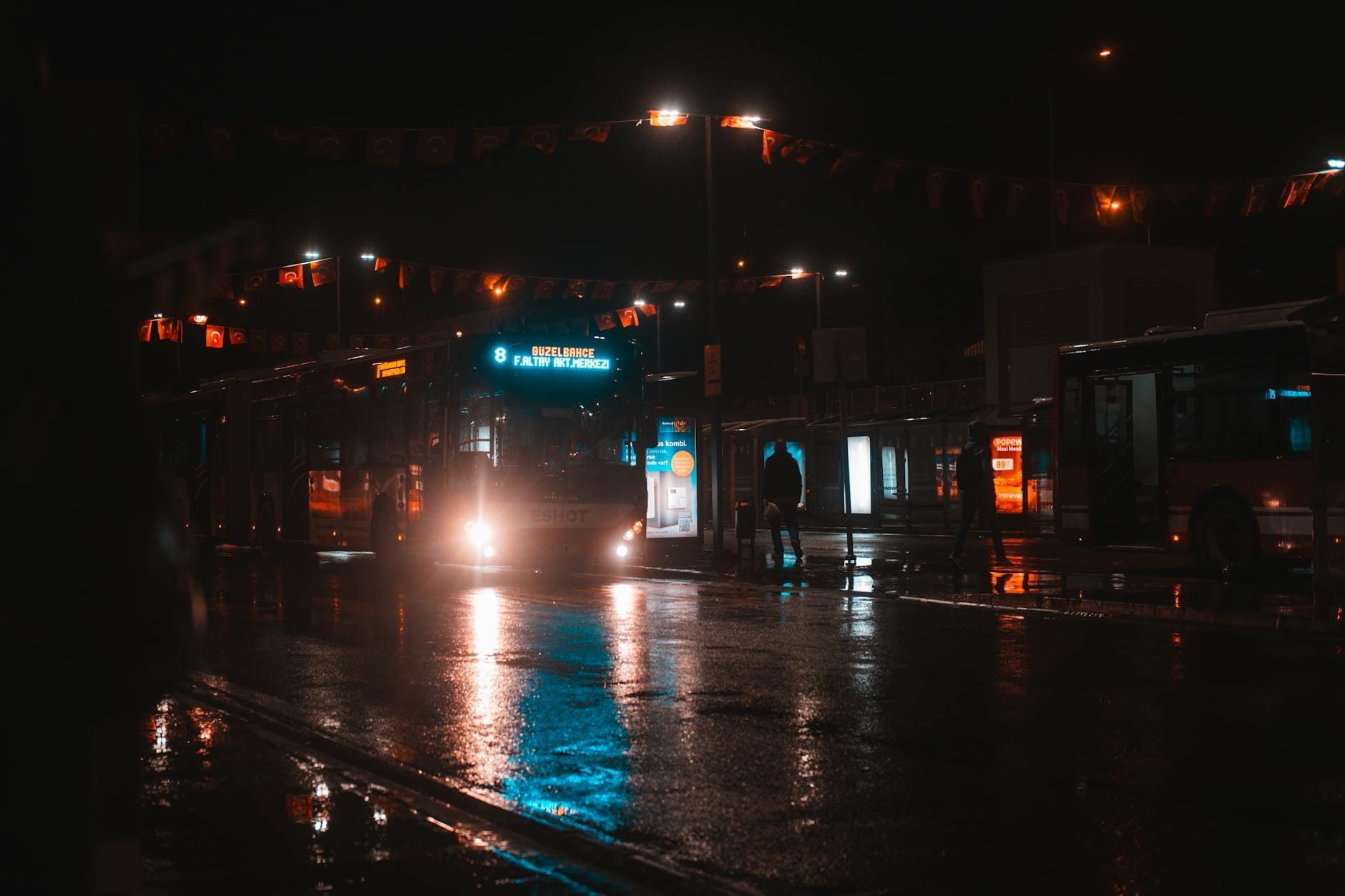
Rome's metro closes around midnight on weekdays and 1:30 AM on Fridays and Saturdays. After that, night buses (indicated by an 'N' prefix on the line number) run on reduced frequency. They work, but routes are slower and less intuitive than the daytime network. For late-night returns from Trastevere or the center, a taxi or ride-hailing app is usually worth the cost.
Uber operates in Rome but is typically pricier than local taxis for short distances. Free Now is also available. Licensed taxis are metered and generally reliable; agree on meter use before departing and make sure the driver starts the meter. Walking is genuinely the best option within the historic center at night: distances between major sites are short, streets are safe and well-lit, and you will see things you would miss on any form of transport. See getting around Rome for full transport details including bus passes and metro fares.
💡 Local tip
Wear comfortable shoes for Rome's cobblestones. Sampietrini (the small basalt cubes that pave most of the historic center) are uneven and slippery when wet or after a rain. Stylish but thin-soled shoes will cause real discomfort after two hours of evening walking.
Safety in Rome at night is generally not a concern in tourist areas. Petty theft and pickpocketing are the main risks, particularly around Termini station and on crowded night buses. The historic center, Trastevere, and Monti are all safe to walk at night. For more context on visiting the city, the things to do in Rome guide covers the full picture of what Rome offers beyond the evening hours.
FAQ
Can you visit the Colosseum at night?
Yes, but only through seasonal night tours that run mainly in summer (roughly June to September). These are not regular evening visiting hours — they are special events with limited places that access the arena floor and underground. The Colosseum exterior is visible and free to view from the surrounding area at any hour. Book night tours through Coopculture or authorized operators well in advance.
Is the Trevi Fountain accessible at night?
Yes, the Trevi Fountain is viewable 24 hours a day. The surrounding piazza is free to enter at any time. After 10 PM it is significantly less crowded than during peak daytime hours. Timed-entry ticketing has been in place since March 2025 during busy hours, so check the current system before your visit to avoid surprises.
Is Rome safe to walk around at night?
The historic center, Trastevere, Monti, and most tourist areas are safe to walk at night. Petty theft is the main concern: keep bags in front of you, avoid displaying expensive cameras or phones obviously, and be alert on crowded night buses. Areas around Termini station warrant more caution late at night.
What time do restaurants open for dinner in Rome?
Most Roman restaurants open their kitchens between 7:30 PM and 8 PM. Locals typically eat between 8:30 PM and 10 PM. Arriving before 7:30 PM may mean you are turned away or seated in an empty room. If you have young children or need to eat earlier, some tourist-facing restaurants accommodate this, but the quality of food and atmosphere is typically better if you align with local dining times.
Are there free things to do in Rome at night?
Absolutely. Viewing the floodlit Trevi Fountain, Pantheon exterior, Piazza Navona, Castel Sant'Angelo, Ponte Sant'Angelo, and the Roman Forum from Capitoline Hill all cost nothing. The city's network of illuminated fountains makes for an excellent self-guided evening walk. For a broader list of no-cost options, see the free things to do in Rome guide.
Tickets & tours
Live prices and dates from our booking partner. If you book, we may earn a commission at no extra cost to you.
Planning a trip? Discover personalized activities with the Nomado app.