Things to Do in Rome: A Definitive Guide to the Eternal City
Rome rewards those who plan smart. This guide covers the essential things to do in Rome, from ancient ruins and world-class museums to neighborhood food markets and rooftop views, with honest advice on what to skip and how to book the rest.
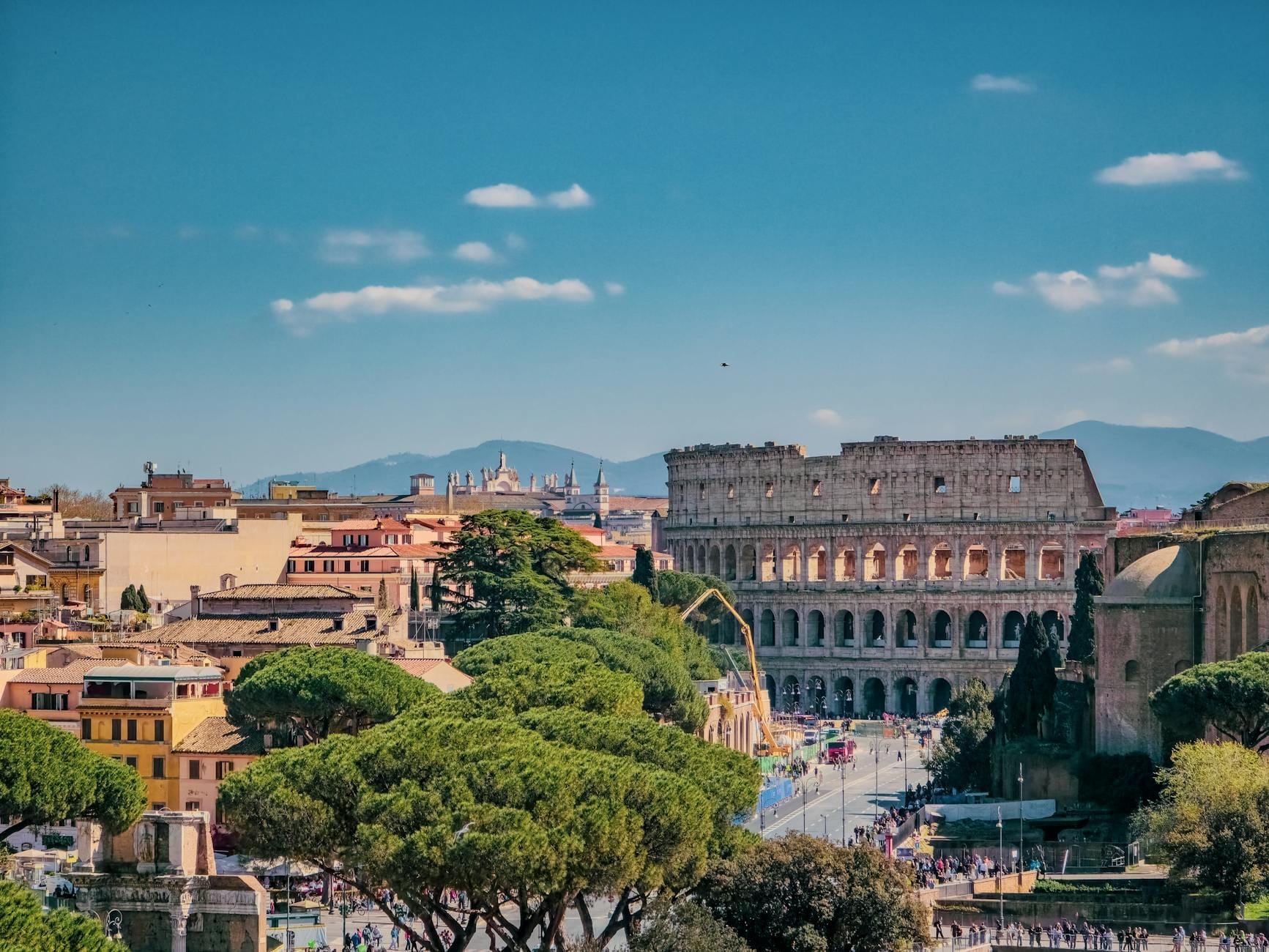
Tickets & tours
Live prices and dates from our booking partner. If you book, we may earn a commission at no extra cost to you.
TL;DR
- Book the Colosseum, Roman Forum, and Palatine Hill as a combined ticket (around €24) well in advance, ideally 4+ months ahead in peak season.
- Vatican Museums cost €25/adult and are closed Mondays. The free first-Sunday entry sounds appealing but means joining queues of 2+ hours with no online booking option.
- April to June and September to October offer the best balance of mild weather and manageable crowds. July and August are hot (up to 30°C) and extremely crowded.
- Spend time in neighborhoods beyond the center: Trastevere, Monti, and Testaccio offer a more grounded version of the city than the tourist core.
- Rome is walkable but large. A single-ride metro/bus ticket costs around €1.50. For a full breakdown of getting around, see the guide to getting around Rome.
The Ancient City: Ruins Worth Every Minute
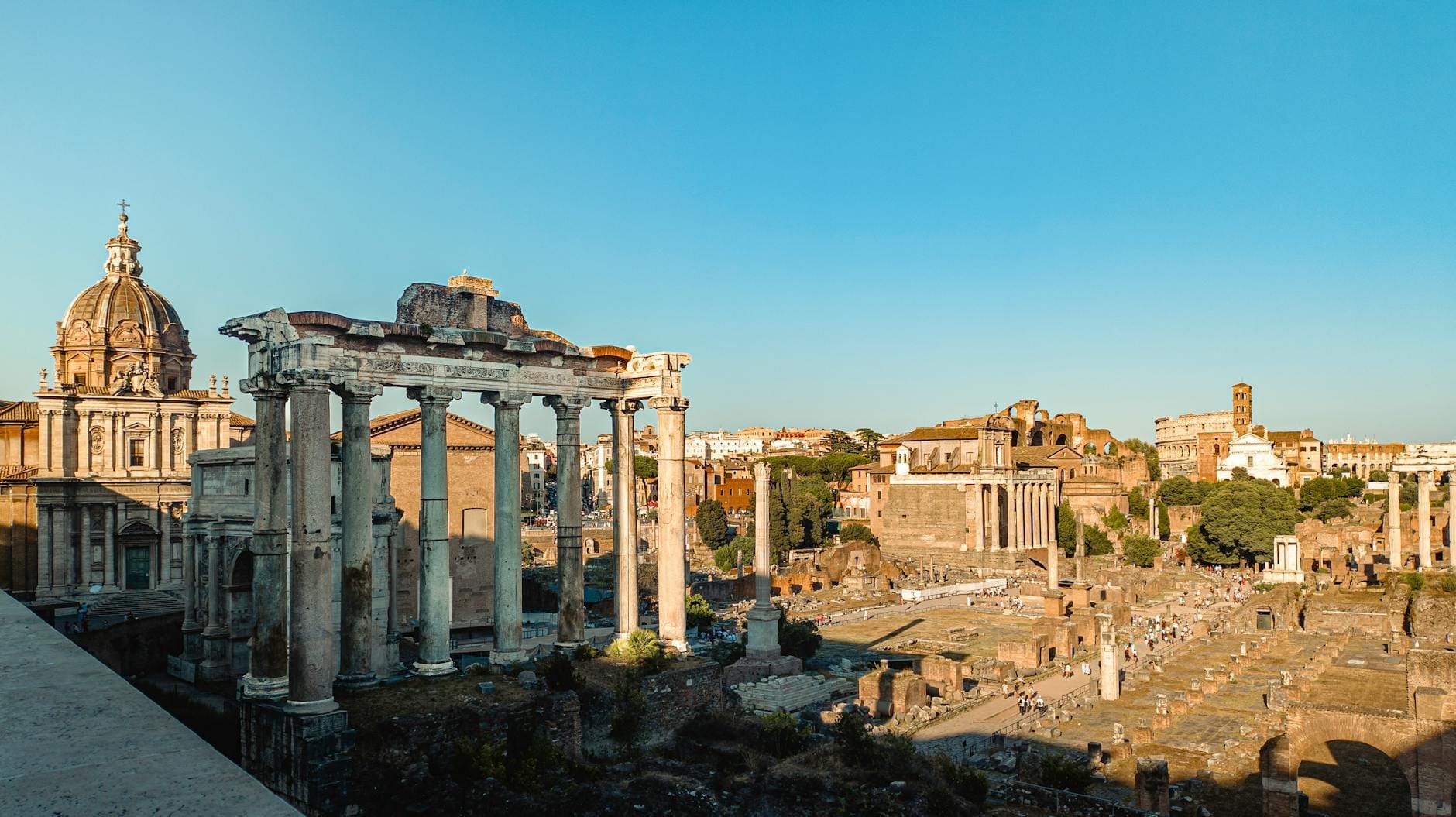
Rome's ancient core is genuinely unlike anything else in Europe. The Colosseum, Roman Forum, and Palatine Hill are sold as a combined timed-entry ticket at €18 per adult, and together they represent a half-day minimum. The Colosseum is the obvious centrepiece, but the Roman Forum is where the visit becomes more textured. Walking through the forum on a clear morning, before the midday heat and tour groups thicken, gives you a real sense of how the ancient city functioned as a living place rather than a monument.
The underground and arena floor experiences at the Colosseum require separate tickets and sell out weeks in advance. If you want those, book through the official CoopCulture site the moment your dates are confirmed. For a broader overview of the archaeological zone, the Ancient Rome neighborhood guide covers the surrounding sites worth folding into the same day.
⚠️ What to skip
Do not count on walk-up tickets at the Colosseum, especially between March and October. The timed-entry system means slots fill days or weeks ahead. Even off-season, arriving without a booking risks a wasted trip. Book via the official site or a reputable tour operator.
Beyond the main trio, the Baths of Caracalla are dramatically undervisited for their scale. These 3rd-century thermae once served 1,600 bathers at once, and the remaining vaulted halls and floor mosaics are remarkable. Tickets are cheaper than the Colosseum and queues are minimal. Nearby, the Appian Way offers a quieter, more atmospheric alternative to the tourist-heavy centre, particularly on Sunday mornings when sections of it are closed to traffic.
Vatican City: Managing the Crowds and the Queue
The Vatican Museums and Sistine Chapel are among the most visited sites in the world, which creates a predictable problem: if you go without a strategy, you will spend more time queueing than looking at art. Tickets cost €20 per adult (around €18 for children, with audioguide included in some packages). The museums are closed on Mondays, so Tuesday through Sunday is your window. Go at 8am when doors open or book a late-afternoon entry if available. Both slots are noticeably calmer than midday.
⚠️ What to skip
The free first-Sunday-of-the-month entry at the Vatican Museums is not the bargain it sounds. Online booking is unavailable for this slot, meaning visitors queue in person. Lines regularly exceed two hours and form before the opening time. Unless you have very limited budget options, a paid ticket on a quieter day is a better use of your time in Rome.
After the museums, St. Peter's Basilica itself is free to enter (dome climb costs extra, around €8 on foot or €10 by lift). The interior is immense, and climbing the dome gives one of Rome's better elevated views. St. Peter's Square is worth arriving at early in the morning before tour groups assemble. For a broader look at what's possible around the Vatican, the skip-the-line guide for Rome covers the most effective booking strategies across all major sites.
Piazzas, Fountains, and Free Rome
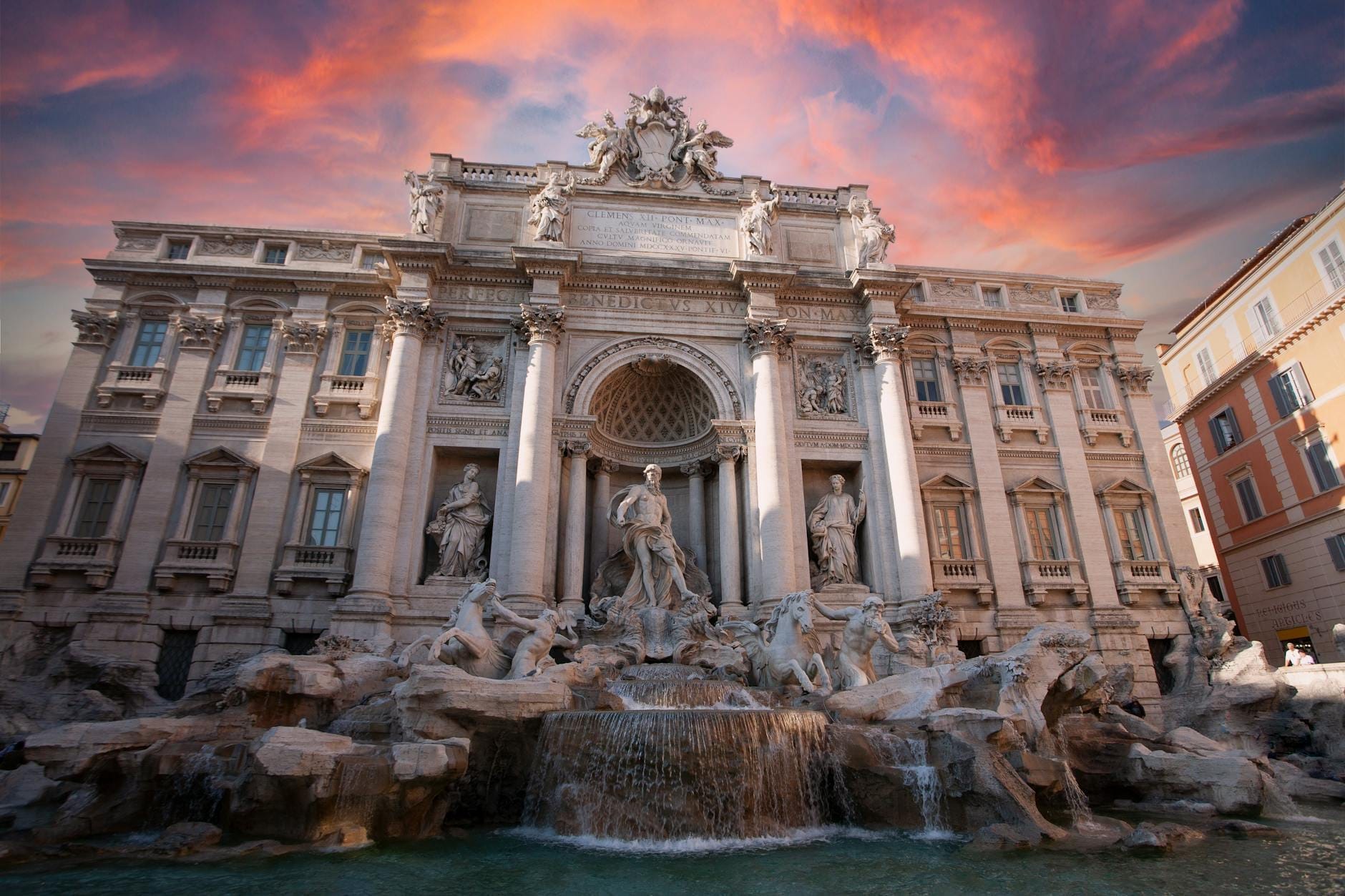
Some of Rome's most satisfying experiences cost nothing. The Trevi Fountain is the obvious example, though note that from March 2026, timed-entry fees are planned for this area during peak hours, so check current regulations before you go. Piazza Navona is free to walk through at any hour, and the Fontana dei Quattro Fiumi at its centre is worth close inspection. The best time to appreciate it is early morning or late at night, when the surrounding cafes thin out and the baroque scale of the space becomes clearer.
The Pantheon charges €5 entry, which is reasonable given it remains one of the best-preserved ancient buildings in the world. The oculus, a 9-metre circular opening in the dome, lets in direct light that moves across the interior through the day. Go around noon in summer to see the beam hit the floor directly. For a full breakdown of what's genuinely free across the city, the free things to do in Rome guide is worth reading before you plan your days.
- Trevi Fountain Best visited before 8am or after 10pm. Free to view (check entry rules from 2026 onwards).
- Piazza Navona No entry fee. Home to Bernini's Fontana dei Quattro Fiumi and several baroque churches. At Christmas, a market runs with food stalls and carousel rides around €3.
- Campo de' Fiori A daily morning market (Mon-Sat) selling produce, cheese, and street food. The piazza transforms into a bar-heavy evening scene after dark.
- Capitoline Hill Free to walk up and around. The Capitoline Museums cost around €11-18 depending on current pricing and exhibitions. The hilltop itself offers a direct view over the Roman Forum.
- Pantheon €5 entry. Arrive early to avoid queues. The building dates to 125 AD and the dome remained the world's largest unreinforced concrete dome for over 1,300 years.
Neighborhoods Worth Exploring Beyond the Centre
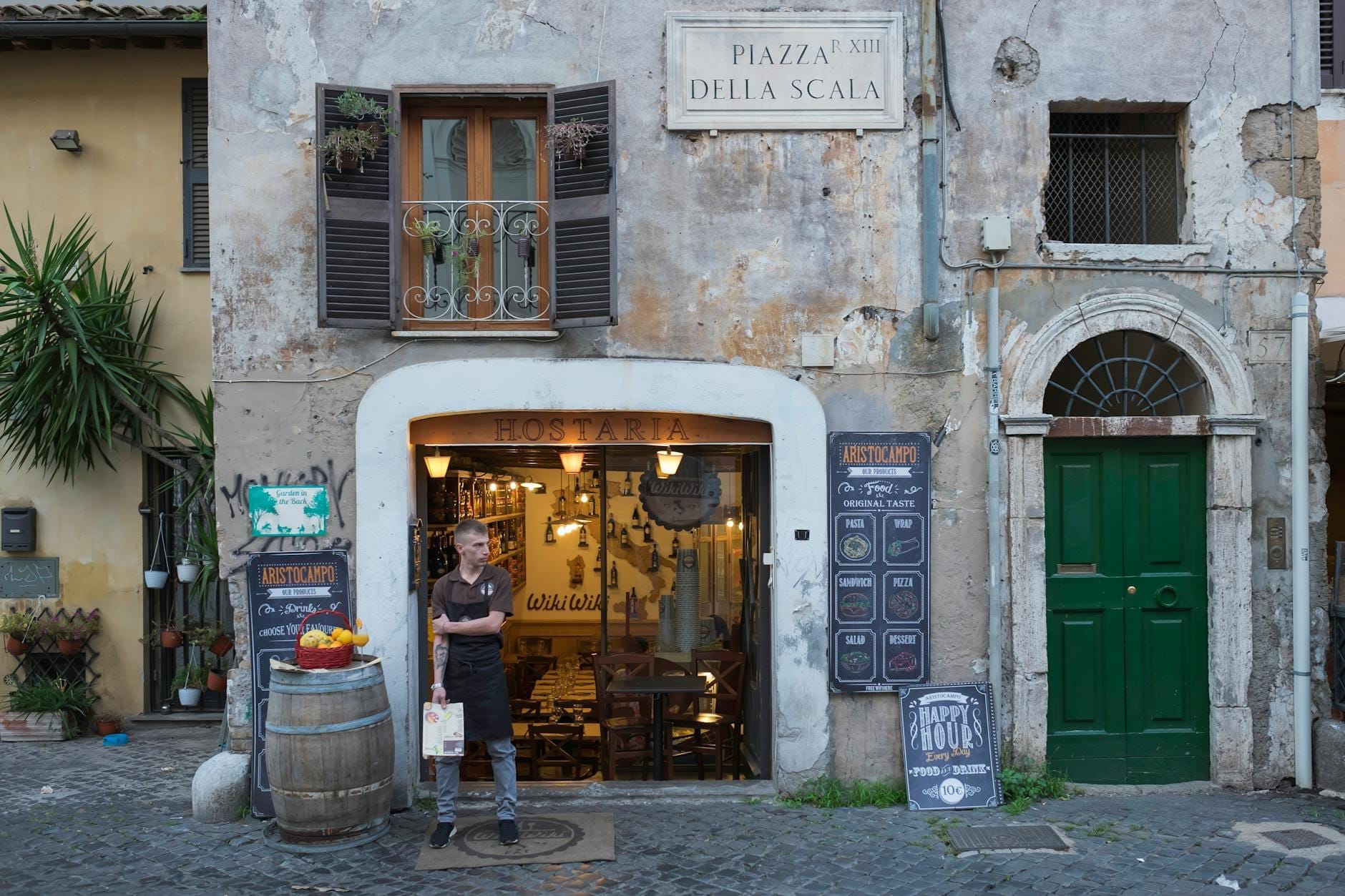
Rome's appeal extends well beyond its archaeological core, and the neighborhoods surrounding it repay time spent walking without a fixed agenda. Trastevere, across the Tiber from the historic centre, has narrow medieval streets and a density of small restaurants and wine bars that makes it one of the better areas for an evening. It does attract significant tourist traffic now, but weekday lunchtimes and Sunday mornings still feel comparatively local. The church of Santa Maria in Trastevere is worth entering: the 12th-century mosaics inside are among the finest in the city.
Monti, just north of the Colosseum, is the city's most compact neighborhood for independent shops, aperitivo bars, and relaxed piazzas. It is walkable from most central hotels and makes a natural stop before or after visiting the ancient sites. Testaccio is further south and less trafficked by tourists, with a covered food market (Mercato di Testaccio) that is one of the better places in Rome to eat lunch cheaply. Portions are large, prices are fair, and the selection runs from supplì and pizza al taglio to full cooked dishes.
💡 Local tip
If you're spending three or more days in Rome, dedicate at least one morning to a neighborhood outside the historic centre. The Jewish Ghetto, between Campo de' Fiori and the Tiber, is walkable from the centre and has a distinct architectural character, excellent bakeries, and the Portico d'Ottavia ruins. It's also one of the quieter corners of central Rome.
Museums, Galleries, and Art Beyond the Vatican
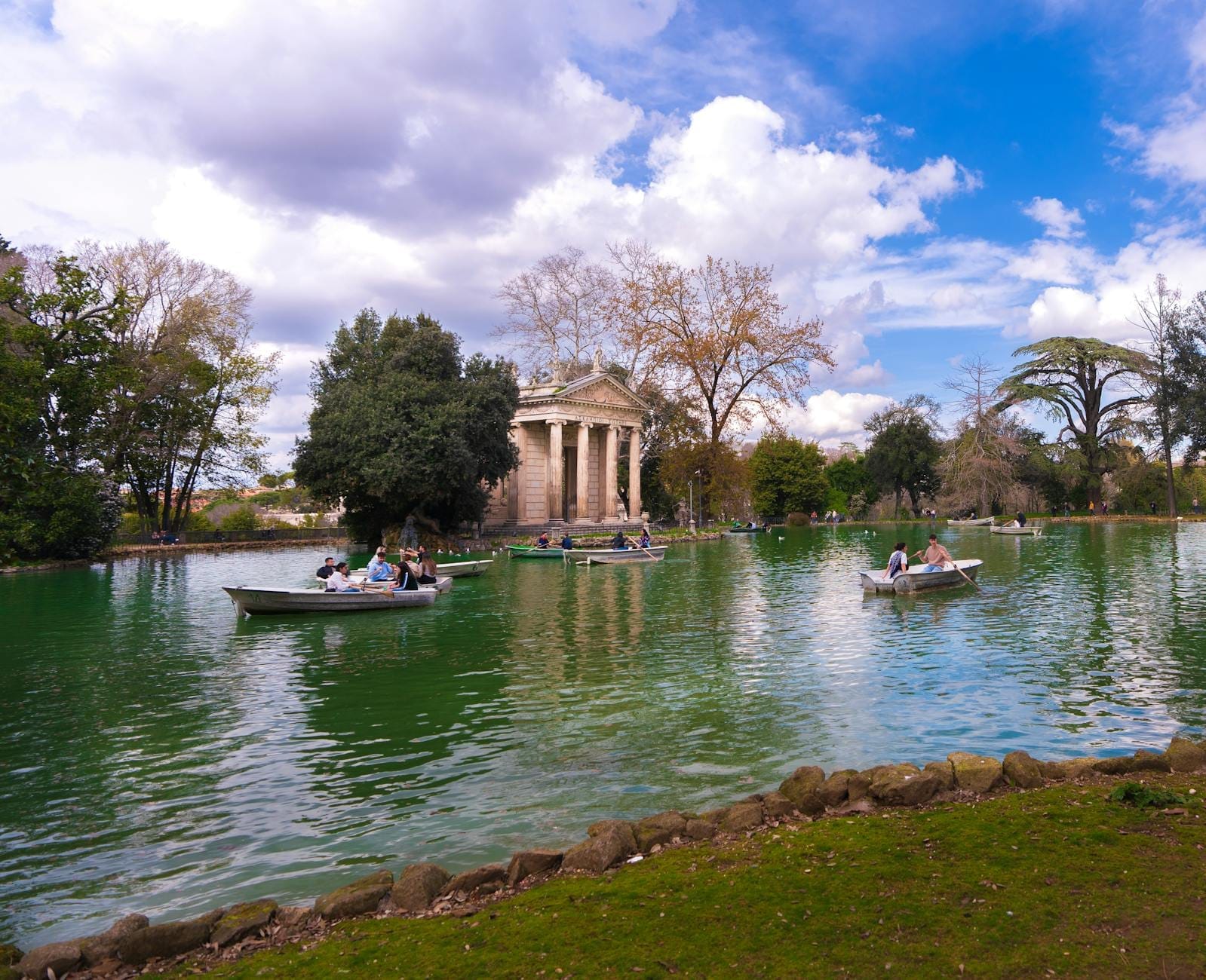
Rome's museum scene is broader than the Vatican-or-Colosseum binary most visitors default to. The Galleria Borghese is arguably the finest small museum in Italy, housing Bernini sculptures and Caravaggio paintings in a 17th-century villa inside Villa Borghese park. Entry requires advance booking (timed slots of two hours, €15 plus €2 reservation fee). If you miss the slot, there is no same-day alternative. Book several weeks ahead during spring and autumn.
The Capitoline Museums are the oldest public museums in the world, founded in 1471, and hold the original Marcus Aurelius equestrian statue among other highlights. The rooftop terrace has a direct sightline over the Roman Forum that is worth the ticket price alone. For visitors interested in a broader survey of what Rome's museums offer, the best museums in Rome guide ranks the main options by type and time investment.
- Galleria Borghese: Pre-booking essential, 2-hour timed entry, €17. World-class Bernini and Caravaggio collection.
- Capitoline Museums: €15. Overlooks the Roman Forum. Includes original Marcus Aurelius statue and Capitoline Wolf.
- Vatican Museums: €20/adult. Budget 3 hours minimum for highlights including the Sistine Chapel.
- Palazzo Doria Pamphilj: Often overlooked. One of Rome's great private palace collections, still family-owned. Reasonable entry and very manageable crowds.
- National Roman Museum (Palazzo Massimo): Strong on classical sculpture and painted frescoes from Roman villas. Underrated and rarely crowded.
Practical Logistics: Getting Here and Getting Around
Most international flights land at Leonardo da Vinci–Fiumicino Airport (FCO), around 30 km southwest of the city centre. The Leonardo Express train runs to Roma Termini every 30 minutes (€15, journey time around 32 minutes). A cheaper option is the FL1 regional train (€8, 40 minutes), which stops at multiple stations including Trastevere and Ostiense, which may be more convenient depending on where you're staying. The fixed taxi rate from FCO to central Rome is €50. Shared bus services like Terravision cost €6-8 but take 55+ minutes and stop at limited points.
Within the city, Rome runs on three metro lines (A, B, and C), an extensive bus and tram network, and regional rail. A single ride costs €1.50 and covers 100 minutes of travel across modes. For most visitors, a combination of walking and bus is more practical than the metro, as many key sites sit between metro stops. The historic centre is compact enough that Colosseum to Pantheon is around a 25-minute walk. Rideshare apps including Uber and Free Now operate in Rome and are useful late at night or in rain.
✨ Pro tip
Rome's cobblestones are charming but unforgiving. Wear comfortable, flat-soled shoes from the first day. Wheeled luggage is significantly harder to manage here than in most European capitals. Tap water is safe to drink throughout the city, and the city's public fountains (nasoni) provide free cold water at hundreds of street-level taps year-round.
For a full three-day itinerary that sequences the main sites efficiently, the Rome in 3 days itinerary is a useful starting point. Families with children will find the Rome with kids guide more relevant, with specific site recommendations and pace adjustments.
FAQ
How many days do you need in Rome to see the main sights?
Three full days is the practical minimum to cover the Colosseum and Roman Forum, the Vatican Museums and St. Peter's Basilica, the Pantheon and main piazzas, and one or two neighborhoods. Four to five days allows a more relaxed pace with time for day trips or galleries like the Borghese. One week gives you room to explore beyond the tourist circuit entirely.
What is the best time of year to visit Rome?
April to June and September to October. Temperatures sit between 15-23°C, rainfall is manageable, and the worst of the summer crowds have not yet arrived or have thinned. July and August see temperatures regularly reaching 30°C, and the city is at its most crowded. Winter (December to February) is cool and quiet, with some reduced opening hours at outdoor sites.
Do you need to book Rome attractions in advance?
Yes, for the Colosseum, Vatican Museums, and Galleria Borghese, advance booking is strongly recommended and in practice nearly essential during spring and autumn. The Colosseum underground and arena floor tours sell out weeks ahead. The Pantheon and most churches do not require booking. Check the official CoopCulture site for Colosseum tickets and the Vatican's own site for museum entry.
Is Rome safe for tourists?
Rome is generally safe for tourists. Petty theft and pickpocketing are the primary concerns, particularly on crowded buses (especially the 40 and 64 routes near the Vatican), in the Termini area, and around the main tourist sites. Keep bags in front of you in crowds, avoid displaying large amounts of cash, and be cautious of distraction techniques near ATMs. The emergency number across Italy and the EU is 112.
What is the dress code for visiting churches in Rome?
All churches in Rome require visitors to cover shoulders and knees. This applies to St. Peter's Basilica, the Vatican Museums' Sistine Chapel, and neighbourhood churches alike. Sleeveless tops, shorts above the knee, and bare midriffs will result in entry being refused. Lightweight scarves or wraps are the simplest solution in summer. Keep a layer in your bag if you plan to enter churches during warmer months.
Tickets & tours
Live prices and dates from our booking partner. If you book, we may earn a commission at no extra cost to you.
Planning a trip? Discover personalized activities with the Nomado app.