Best Museums in Rome: 18 Top Picks for Art, Archaeology, and History
Rome holds one of the densest concentrations of great museums anywhere on earth, from ancient sculpture collections to Baroque art palaces and cutting-edge contemporary spaces. This guide covers the 18 best, organized by type, with practical advice on what to prioritize and when to book.
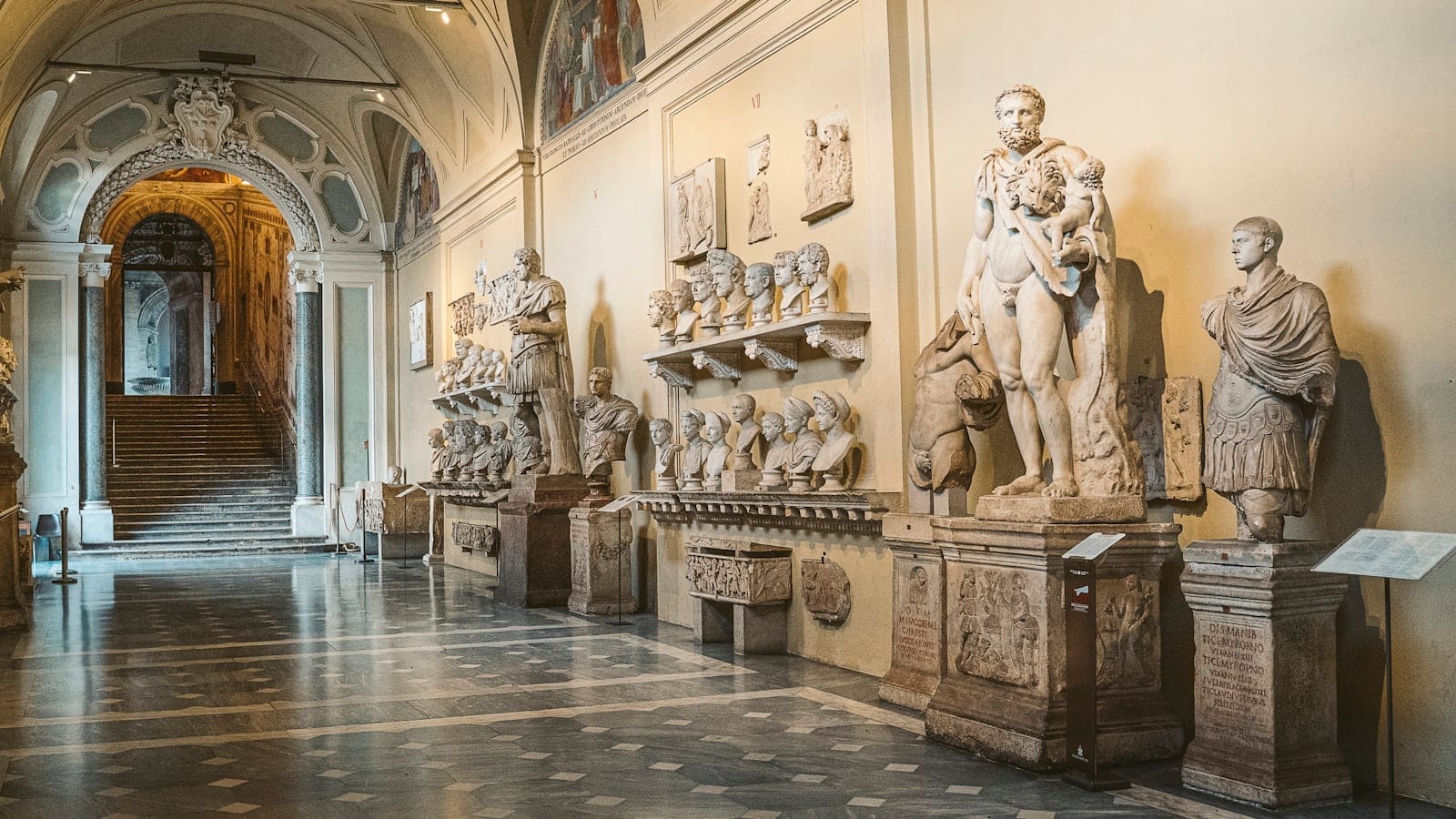
Tickets & tours
Live prices and dates from our booking partner. If you book, we may earn a commission at no extra cost to you.
Rome's museums aren't just repositories for old things. They are the old things. The Capitoline Museums sit on the hill where Rome was governed for a thousand years. The Galleria Borghese occupies a 17th-century villa surrounded by what is still the city's finest park. The Vatican Museums end in a chapel ceiling that changed the history of art. If you're planning a first visit, the Rome in 3 days itinerary can help you sequence these around the city's geography. For context on the neighborhoods where these museums sit, the guides to Ancient Rome and the Villa Borghese area are useful starting points. One practical note: several of Rome's most important museums require advance booking, and two, the Galleria Borghese and Vatican Museums, will turn you away without a reservation on busy days.
✨ Pro tip
The first Sunday of every month, state-owned museums in Italy are free. Expect significant queues at the Colosseum and Roman Forum on those days. For the Vatican and Borghese, free Sunday does not apply — book those separately.
Ancient Rome: The Archaeological Heavyweights
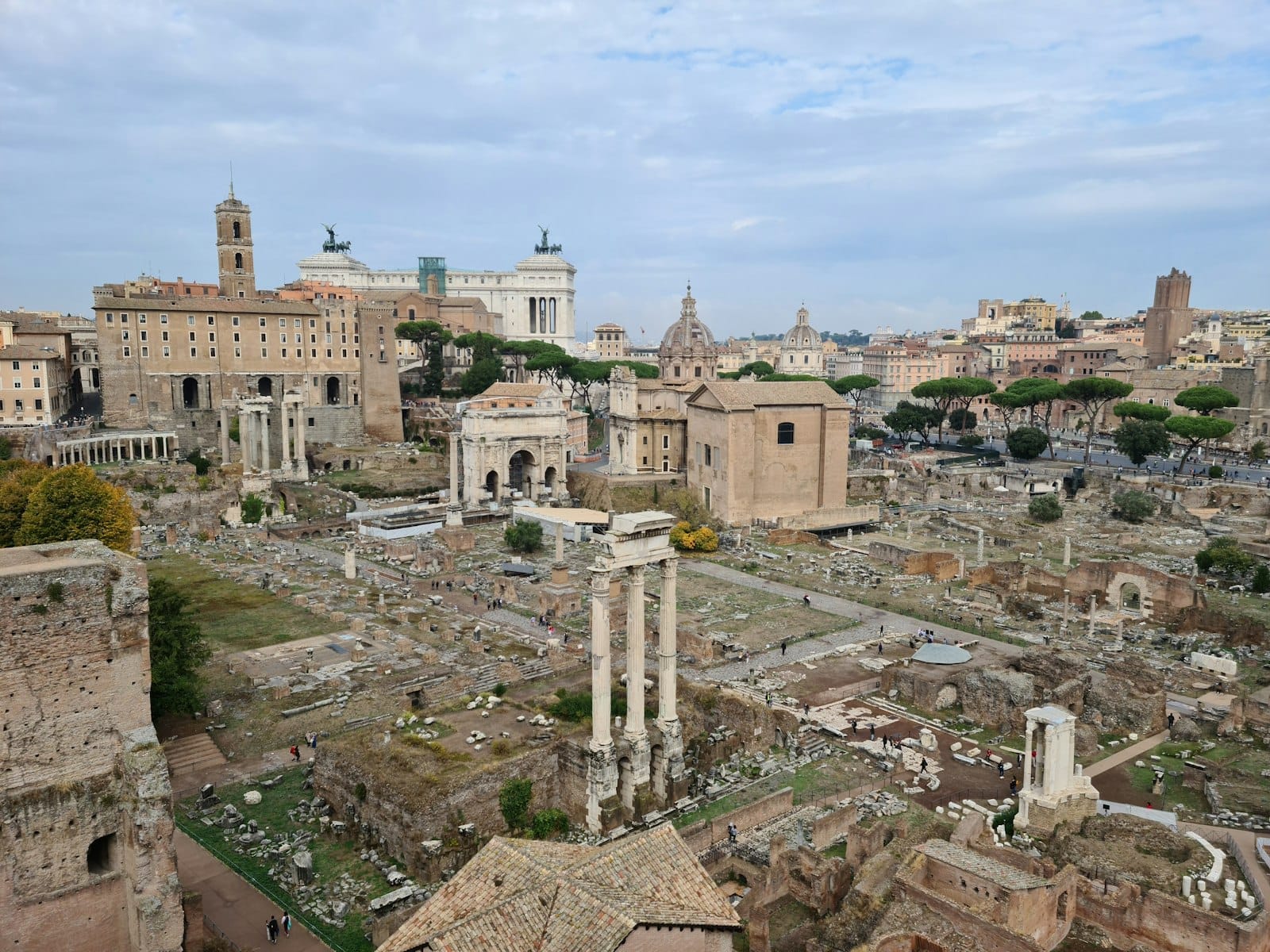
No city on earth offers a comparable density of ancient material. The sites below aren't just ruins you walk past — they are museums in their own right, with exhibitions, artifacts in situ, and interpretive layers that reward serious time. Many are covered under a single combined ticket, which makes the skip-the-line options especially worth considering here.
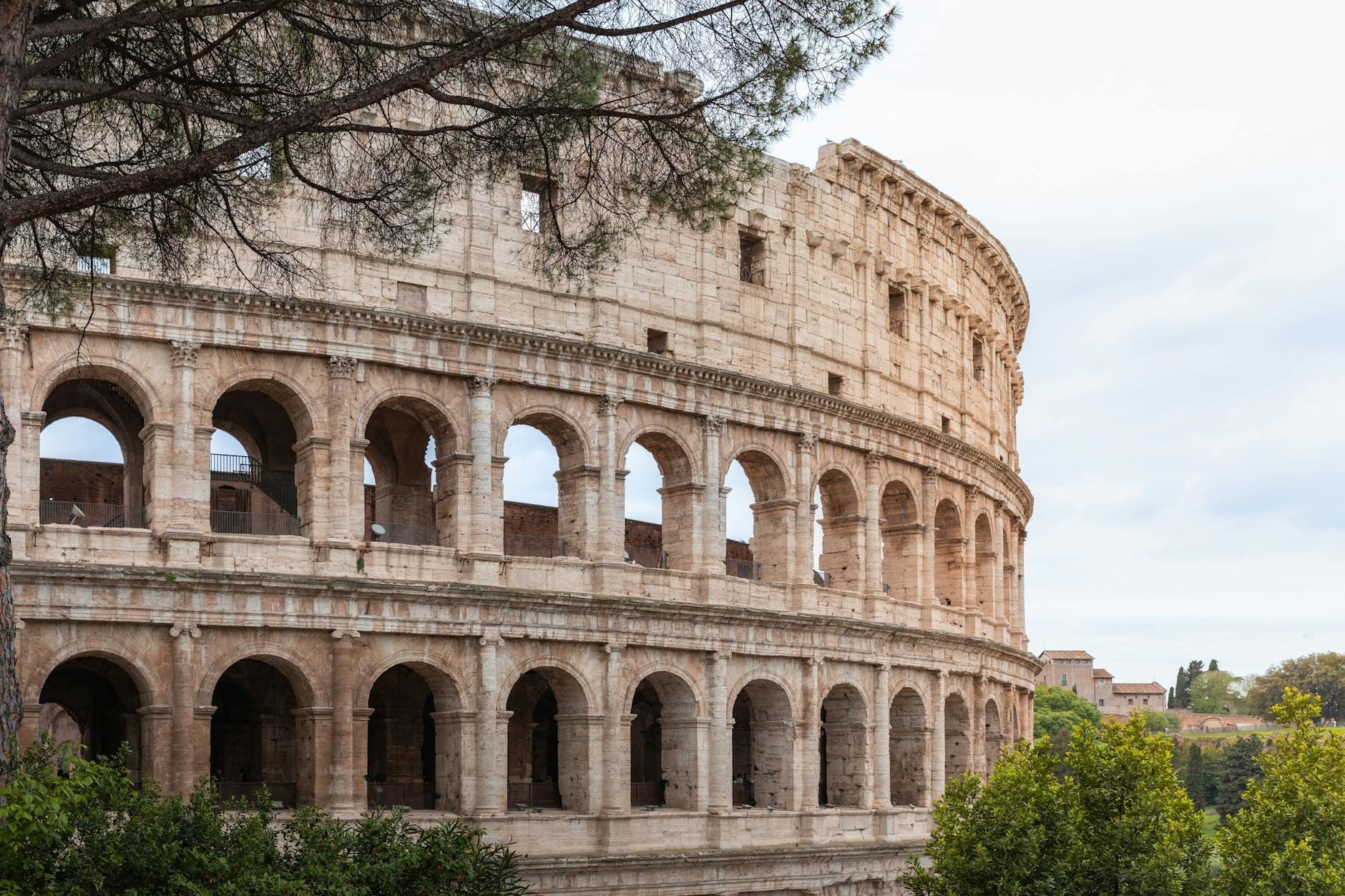
1. Start with the Colosseum's Upper-Floor Museum
Most visitors see the arena floor and leave. The upper tiers contain a dedicated museum with original marble friezes, gladiatorial weapons, and scale models that explain the mechanics of ancient spectacle. Allow 2-3 hours total.
Explore1. Start with the Colosseum's Upper-Floor Museum
Most visitors see the arena floor and leave. The upper tiers contain a dedicated museum with original marble friezes, gladiatorial weapons, and scale models that explain the mechanics of ancient spectacle. Allow 2-3 hours total.
Explore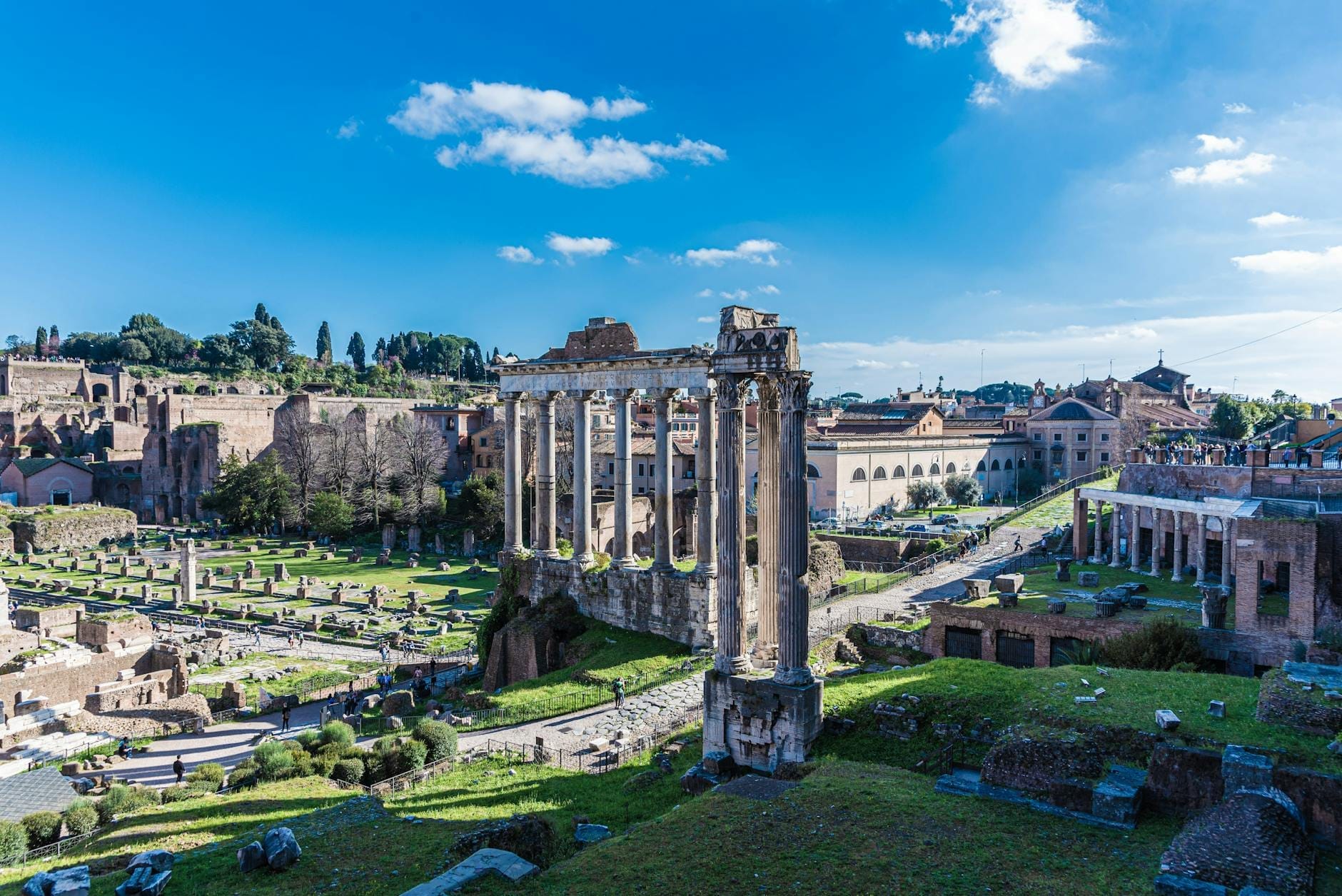
2. Walk the Roman Forum as an Open-Air Museum
Included with the Colosseum ticket, the Forum rewards going slowly. The Arch of Titus, Temple of Saturn, and House of the Vestal Virgins tell Rome's political and religious history across seven centuries of visible archaeology.
Explore2. Walk the Roman Forum as an Open-Air Museum
Included with the Colosseum ticket, the Forum rewards going slowly. The Arch of Titus, Temple of Saturn, and House of the Vestal Virgins tell Rome's political and religious history across seven centuries of visible archaeology.
Explore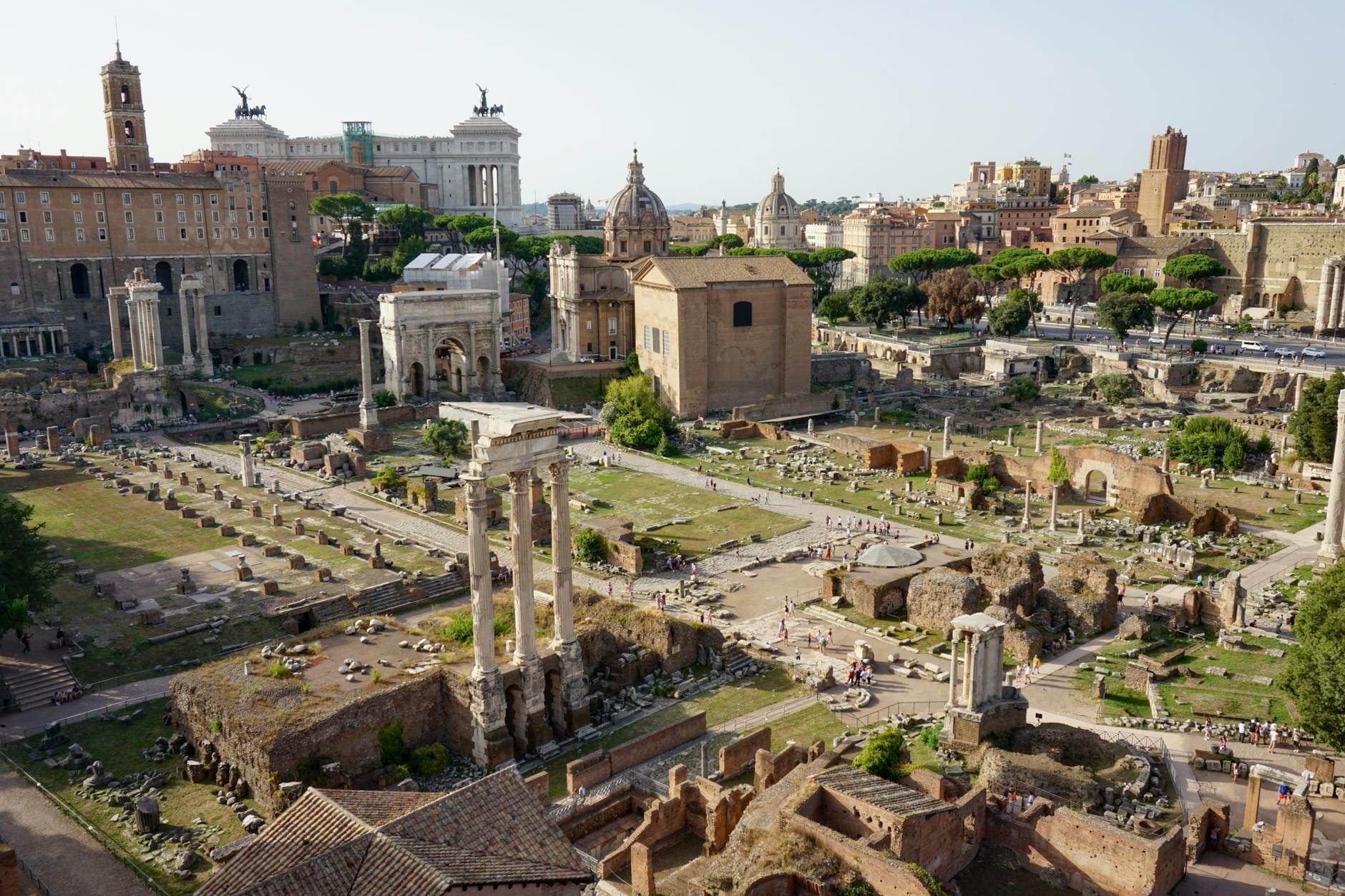
3. Explore the Imperial Palaces on Palatine Hill
The hill above the Forum contains the ruins of Domitian's palace complex and a small but excellent on-site museum. The views over the Circus Maximus and Forum are a bonus. Also included in the Colosseum ticket.
Explore3. Explore the Imperial Palaces on Palatine Hill
The hill above the Forum contains the ruins of Domitian's palace complex and a small but excellent on-site museum. The views over the Circus Maximus and Forum are a bonus. Also included in the Colosseum ticket.
Explore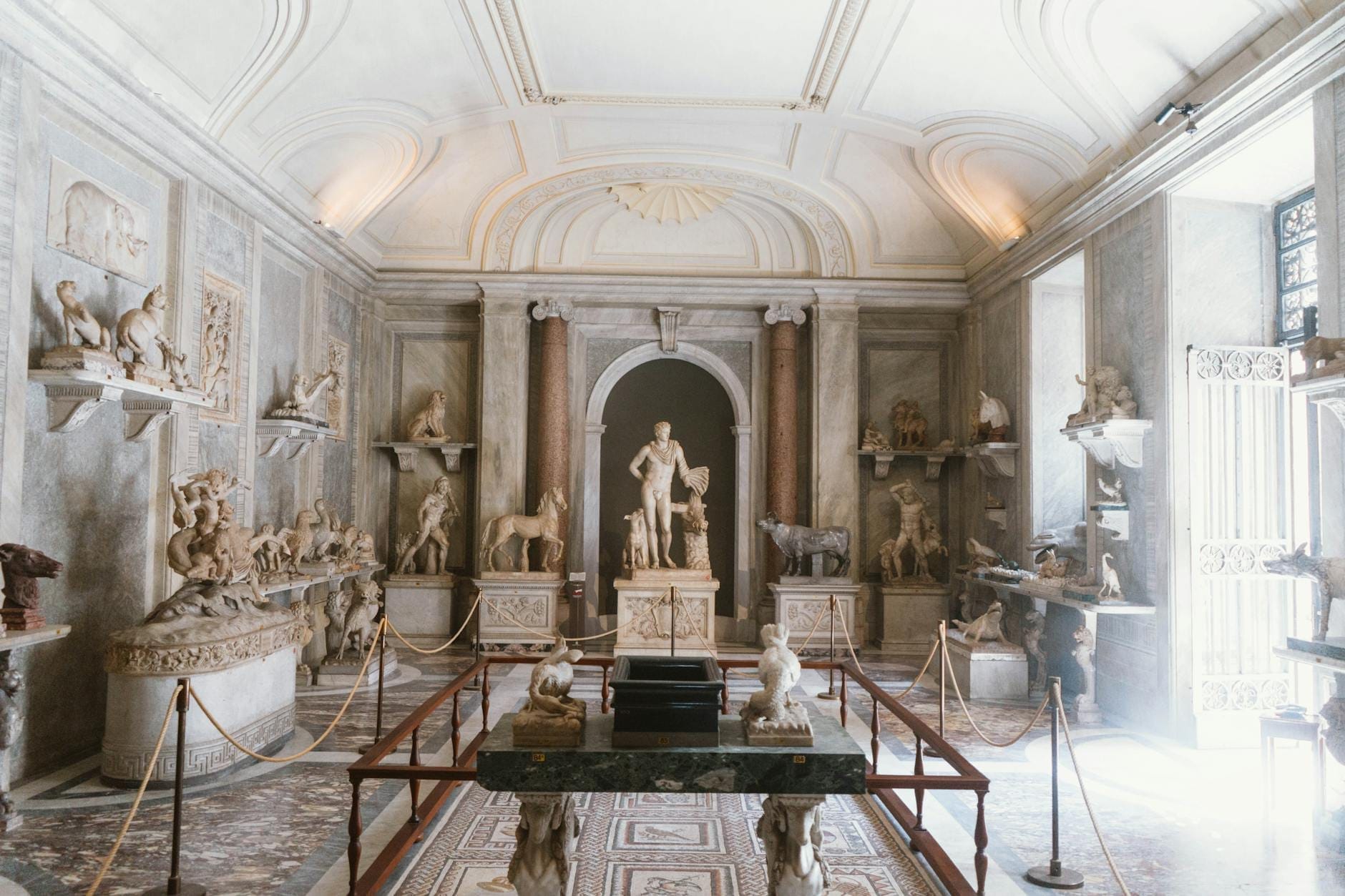
4. See the World's Finest Roman Sculpture at Palazzo Massimo
The flagship site of the National Roman Museum holds extraordinary frescoes from Livia's villa, Hellenistic bronzes, and portrait busts of emperors. A single €15 ticket covers all four museum sites for one week.
Explore4. See the World's Finest Roman Sculpture at Palazzo Massimo
The flagship site of the National Roman Museum holds extraordinary frescoes from Livia's villa, Hellenistic bronzes, and portrait busts of emperors. A single €15 ticket covers all four museum sites for one week.
Explore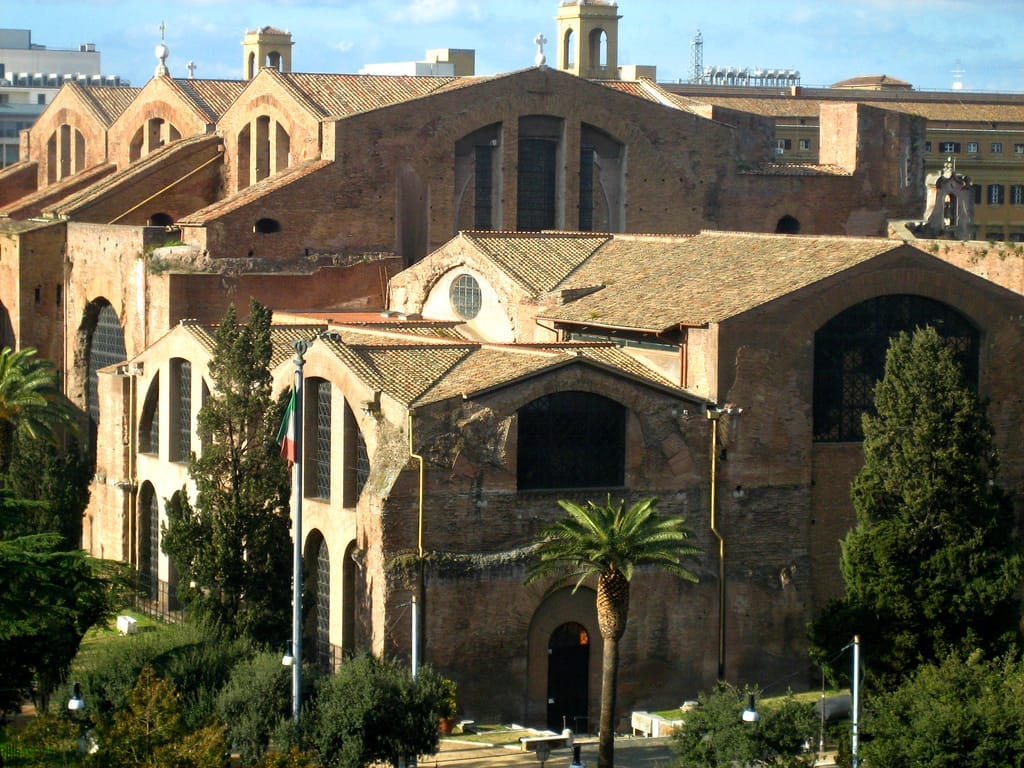
5. Discover Ancient Inscriptions Inside the Baths of Diocletian
Another National Roman Museum site, this one focuses on epigraphy — Rome's inscribed stones. The scale of the ancient baths is itself the display, and Michelangelo's conversion of the main hall into a church is an exhibit in itself.
Explore5. Discover Ancient Inscriptions Inside the Baths of Diocletian
Another National Roman Museum site, this one focuses on epigraphy — Rome's inscribed stones. The scale of the ancient baths is itself the display, and Michelangelo's conversion of the main hall into a church is an exhibit in itself.
Explore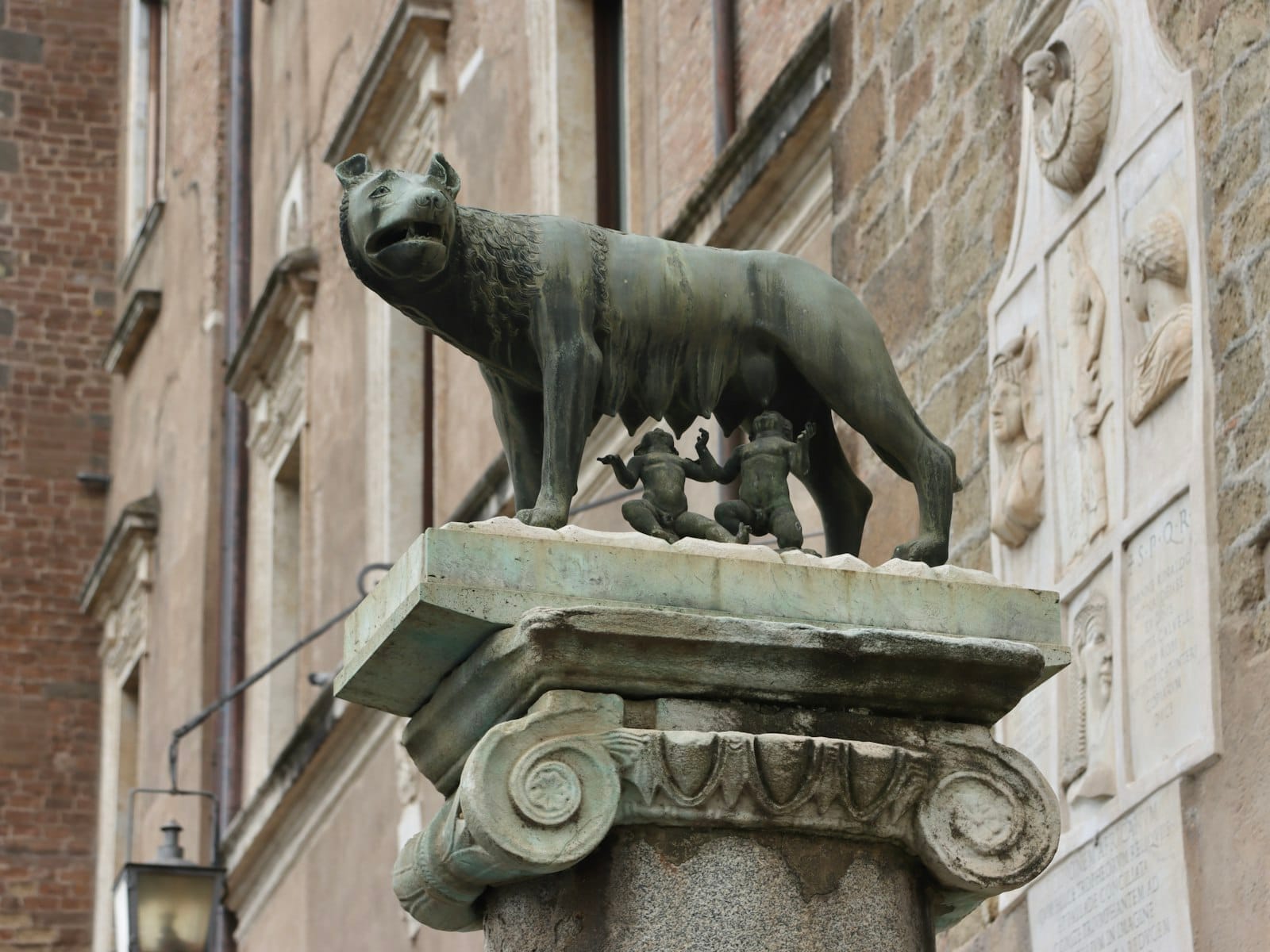
6. Visit the World's Oldest Public Museums on the Capitoline Hill
Founded in 1471, these museums house the original Marcus Aurelius equestrian statue, the Capitoline Wolf, and a sweeping gallery of ancient portrait busts. The view over the Forum from the back terrace is one of Rome's best.
Explore6. Visit the World's Oldest Public Museums on the Capitoline Hill
Founded in 1471, these museums house the original Marcus Aurelius equestrian statue, the Capitoline Wolf, and a sweeping gallery of ancient portrait busts. The view over the Forum from the back terrace is one of Rome's best.
Explore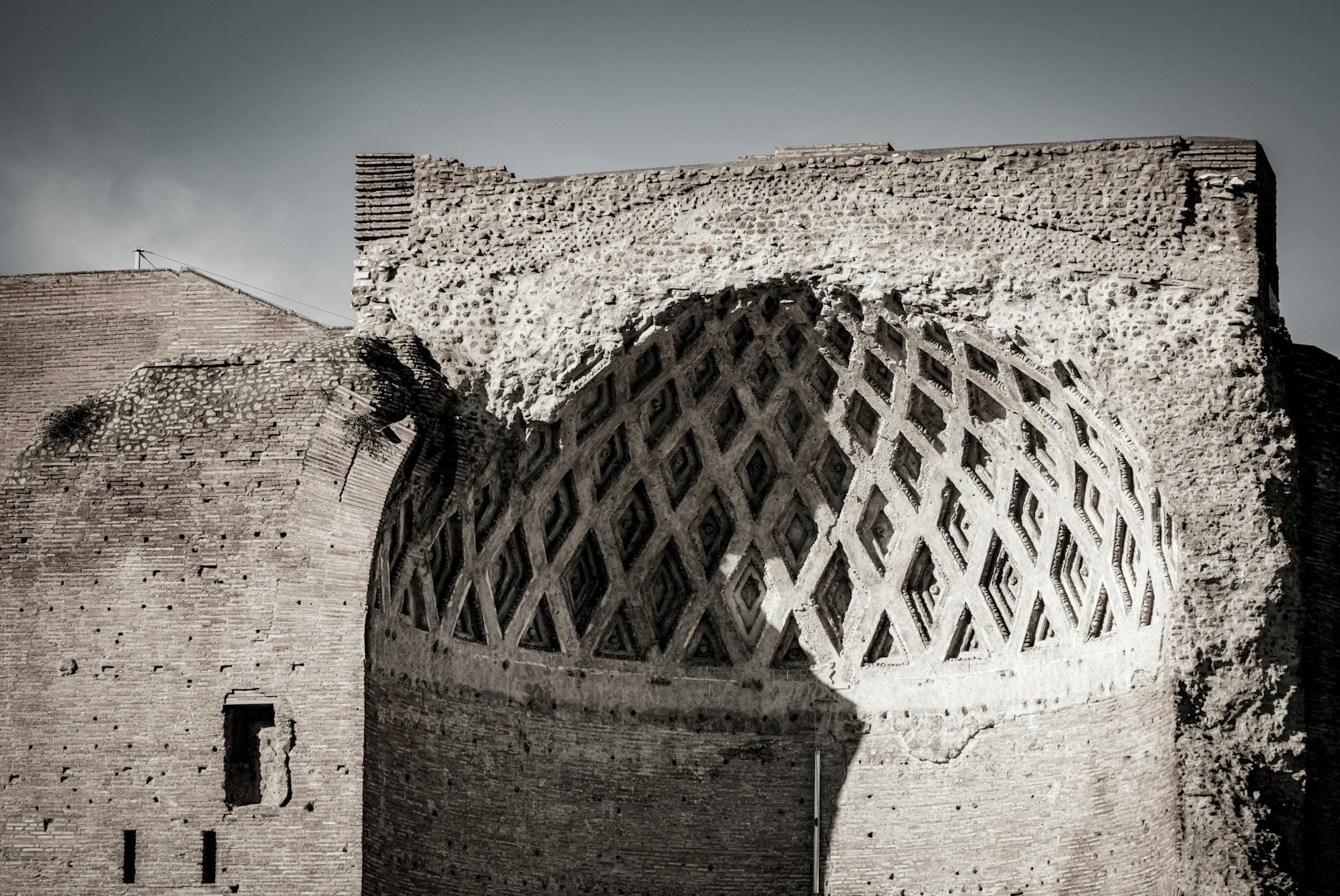
7. Descend into Nero's Golden House with VR Headsets
Guided tours of Nero's buried palace use virtual reality to reconstruct the lost frescoed halls. Advance booking is essential and tours are only offered on weekends. One of Rome's most technically immersive museum experiences.
Explore7. Descend into Nero's Golden House with VR Headsets
Guided tours of Nero's buried palace use virtual reality to reconstruct the lost frescoed halls. Advance booking is essential and tours are only offered on weekends. One of Rome's most technically immersive museum experiences.
ExploreRenaissance and Baroque Art Collections
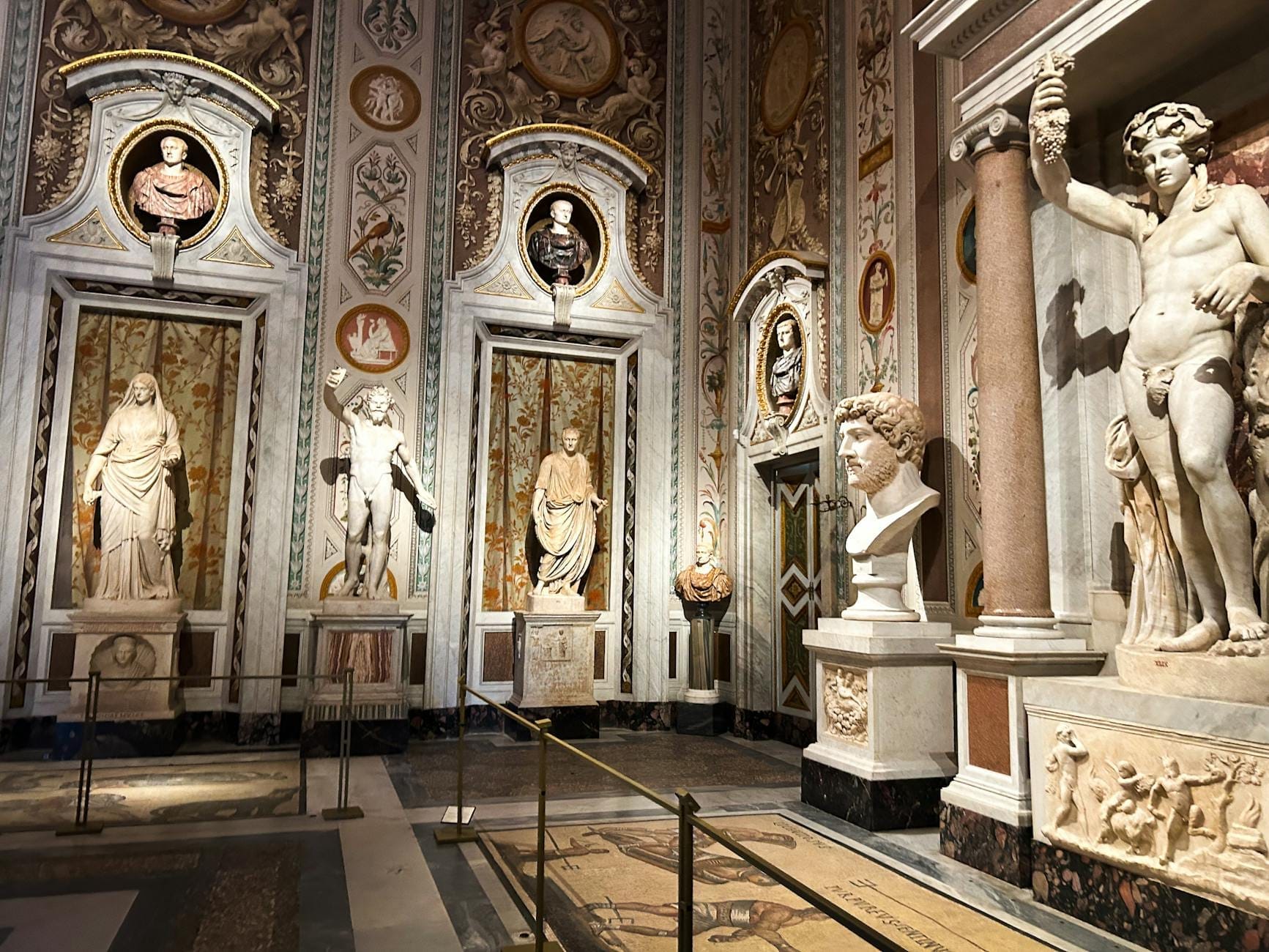
Rome's Renaissance and Baroque collections are spread across palaces, villas, and churches rather than purpose-built museums. The distinction matters: you're not looking at art in a neutral white-box gallery but in the rooms it was made for. This is especially true in the historic center, where several palaces still owned by noble families have been opened to the public.
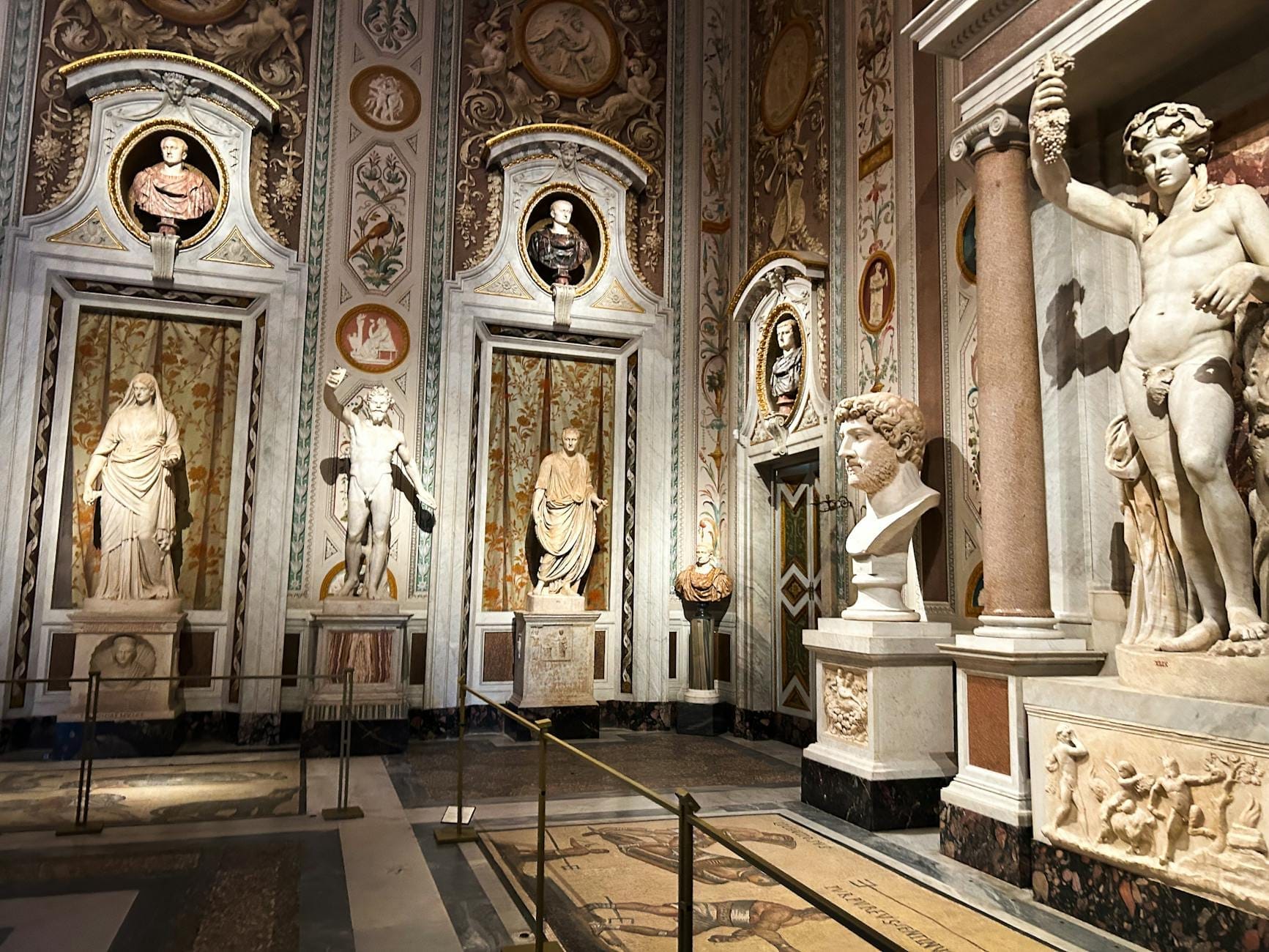
8. Book Months Ahead for Bernini's Best Work at the Borghese
Only 360 visitors allowed at a time, in strictly timed 2-hour slots. Inside: Bernini's Apollo and Daphne, The Rape of Proserpina, and six Caravaggio paintings. Book via the official site as far in advance as possible.
Explore8. Book Months Ahead for Bernini's Best Work at the Borghese
Only 360 visitors allowed at a time, in strictly timed 2-hour slots. Inside: Bernini's Apollo and Daphne, The Rape of Proserpina, and six Caravaggio paintings. Book via the official site as far in advance as possible.
Explore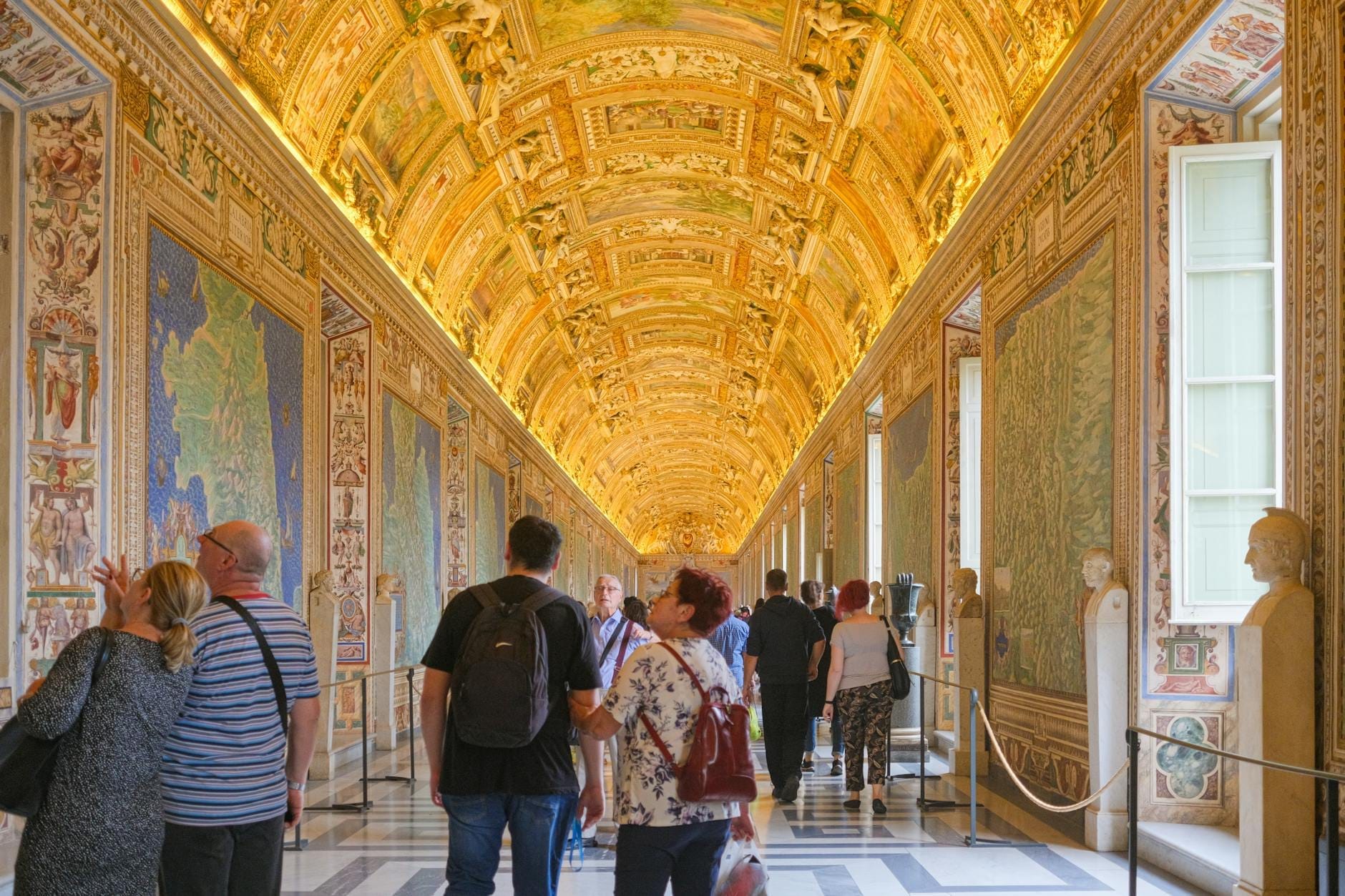
9. Follow Five Centuries of Papal Art to the Sistine Chapel
Over 70,000 works, four miles of galleries, and a ceiling by Michelangelo at the end. Book tickets online to skip the outdoor queue. Most visitors need 3-4 hours; serious art lovers should budget a full day.
Explore9. Follow Five Centuries of Papal Art to the Sistine Chapel
Over 70,000 works, four miles of galleries, and a ceiling by Michelangelo at the end. Book tickets online to skip the outdoor queue. Most visitors need 3-4 hours; serious art lovers should budget a full day.
Explore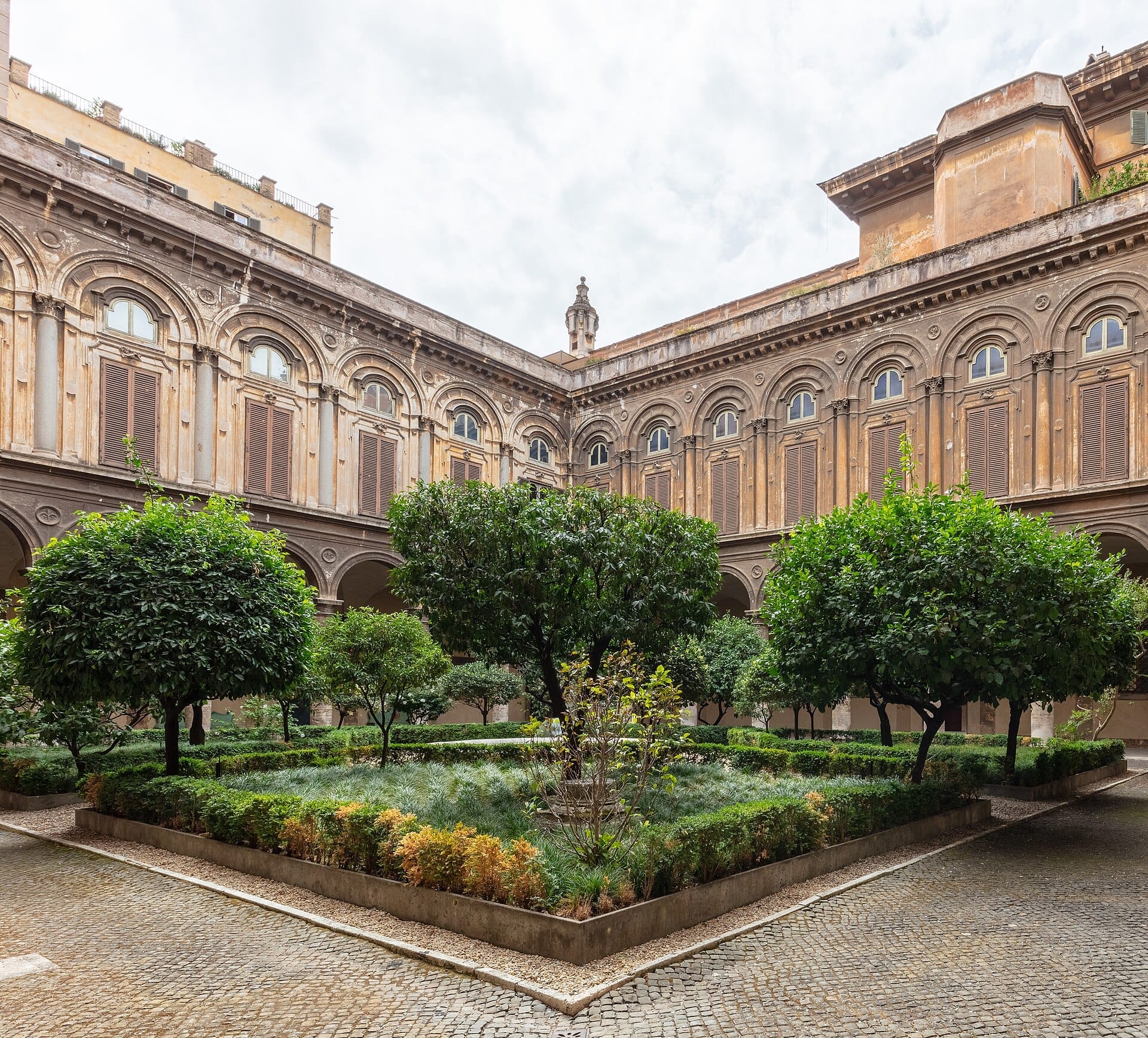
10. Find Velázquez's Pope Innocent X in a Still-Private Palace
Still owned by the Doria Pamphilj family, this palace displays Velázquez's piercing papal portrait alongside Caravaggios and Titians in original gilded galleries. Audio guide narrated by the family makes it unusually personal.
Explore10. Find Velázquez's Pope Innocent X in a Still-Private Palace
Still owned by the Doria Pamphilj family, this palace displays Velázquez's piercing papal portrait alongside Caravaggios and Titians in original gilded galleries. Audio guide narrated by the family makes it unusually personal.
Explore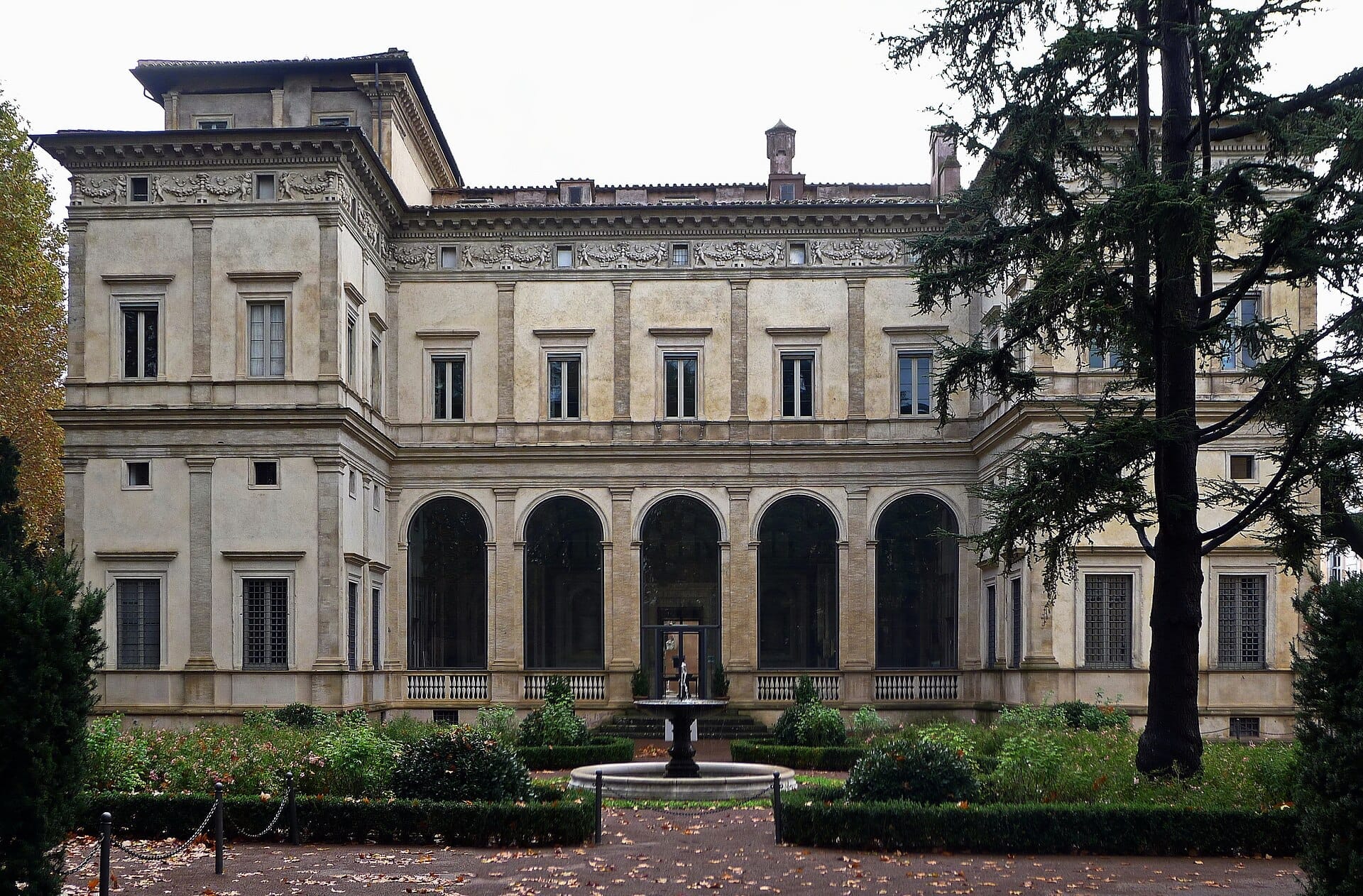
11. See Raphael's Galatea in an Undervisited Trastevere Villa
This early 16th-century villa contains Raphael's Galatea fresco and the extraordinary Loggia of Cupid and Psyche. Rarely crowded, beautifully intact, and a fraction of the price of the Borghese. One of Rome's best-kept secrets.
Explore11. See Raphael's Galatea in an Undervisited Trastevere Villa
This early 16th-century villa contains Raphael's Galatea fresco and the extraordinary Loggia of Cupid and Psyche. Rarely crowded, beautifully intact, and a fraction of the price of the Borghese. One of Rome's best-kept secrets.
Explore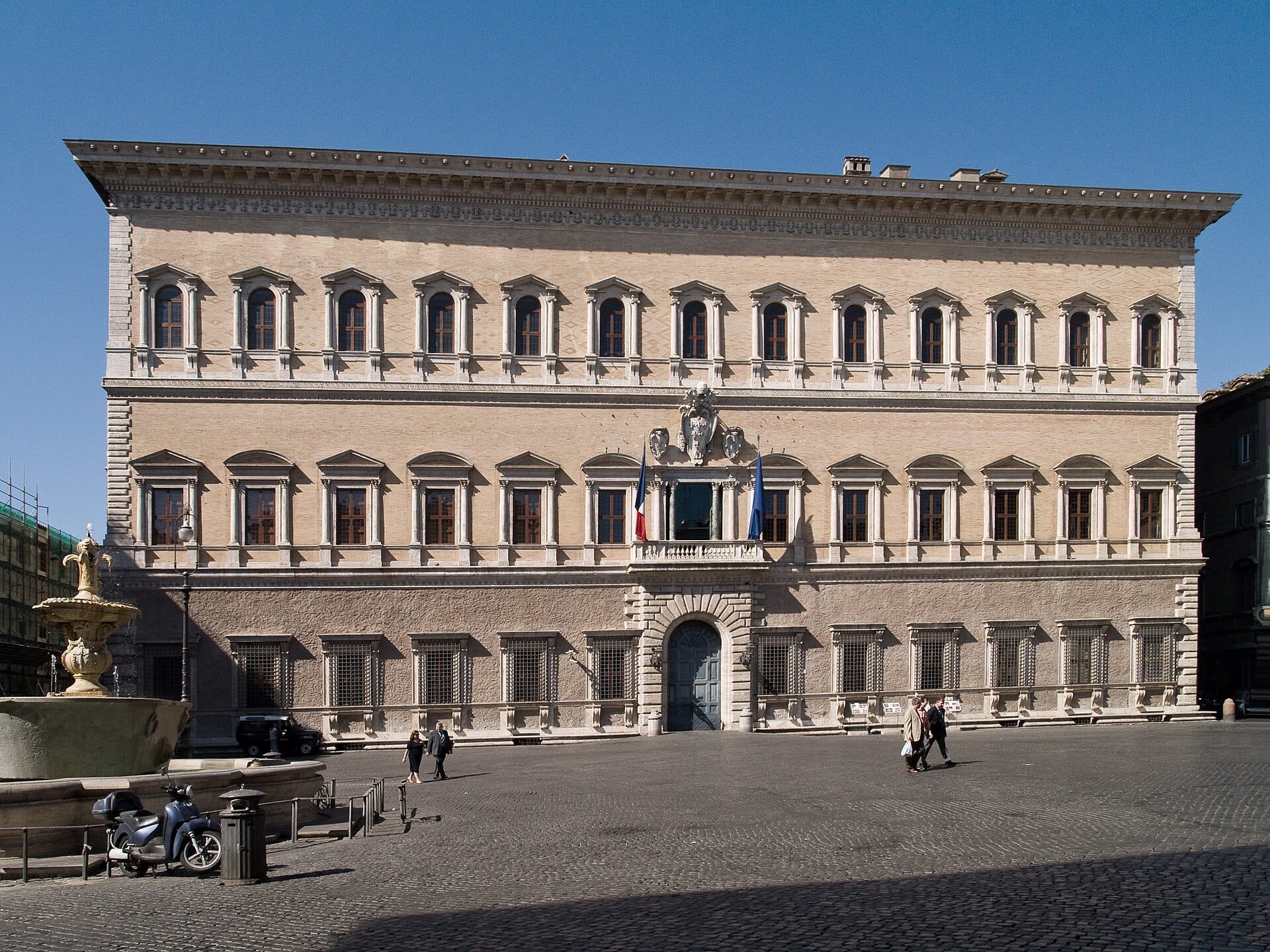
12. See Annibale Carracci's Frescoes Inside the French Embassy
Guided tours of this Michelangelo-assisted Renaissance palace reveal ceiling frescoes that directly influenced Rubens and Poussin. Limited access makes it feel exclusive. Book well in advance through the official site.
Explore12. See Annibale Carracci's Frescoes Inside the French Embassy
Guided tours of this Michelangelo-assisted Renaissance palace reveal ceiling frescoes that directly influenced Rubens and Poussin. Limited access makes it feel exclusive. Book well in advance through the official site.
ExploreArchaeological Depth: Layers and Hidden Sites
Some of Rome's most compelling museum experiences are underground or embedded in living buildings. These sites reward visitors who want to go beyond the obvious landmarks. Several fall within the Monti neighborhood, walkable from the Colosseum.
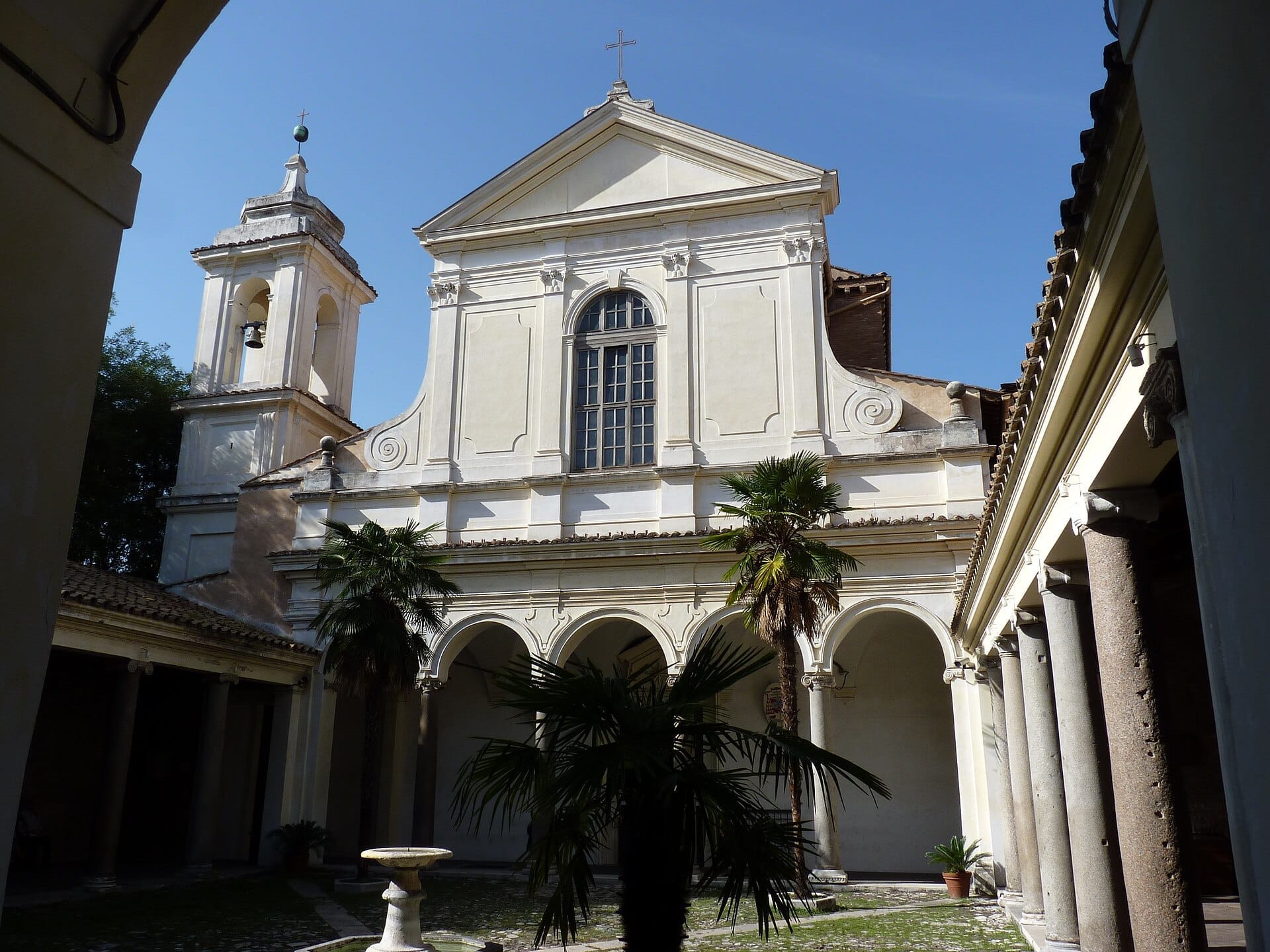
13. Descend Through Three Layers of Roman History at San Clemente
A 12th-century church sits atop a 4th-century basilica, which sits atop a 1st-century Mithraic temple. You can descend through all three layers independently. Budget 90 minutes and bring a light jacket for the lower levels.
Explore13. Descend Through Three Layers of Roman History at San Clemente
A 12th-century church sits atop a 4th-century basilica, which sits atop a 1st-century Mithraic temple. You can descend through all three layers independently. Budget 90 minutes and bring a light jacket for the lower levels.
Explore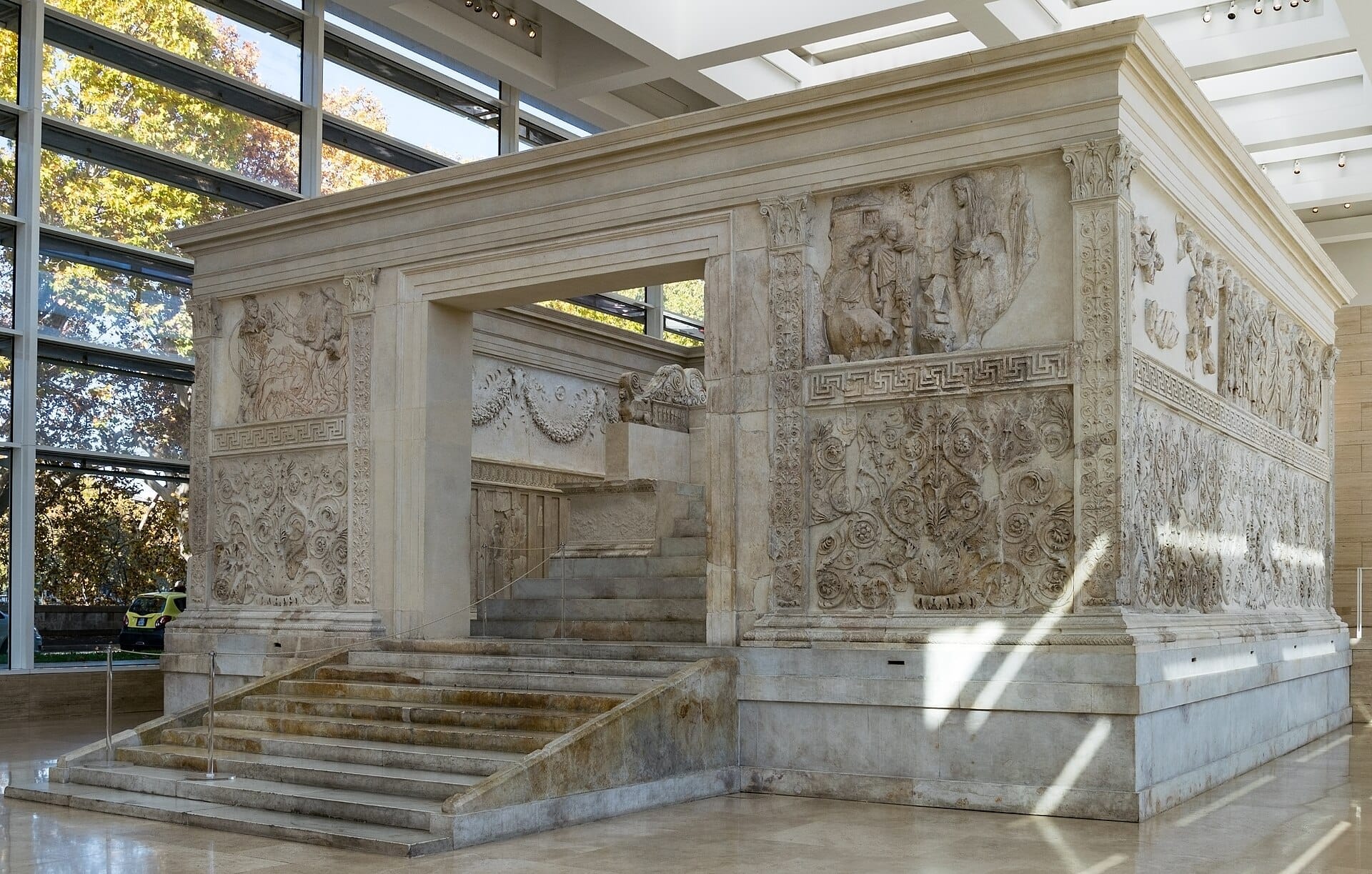
14. Study Rome's Greatest Piece of Political Sculpture at the Ara Pacis
Augustus's Altar of Peace, consecrated in 9 BC, is displayed in a purpose-built Richard Meier pavilion beside the Tiber. The marble reliefs are extraordinarily detailed. The museum context explains the political messaging behind the artistry.
Explore14. Study Rome's Greatest Piece of Political Sculpture at the Ara Pacis
Augustus's Altar of Peace, consecrated in 9 BC, is displayed in a purpose-built Richard Meier pavilion beside the Tiber. The marble reliefs are extraordinarily detailed. The museum context explains the political messaging behind the artistry.
Explore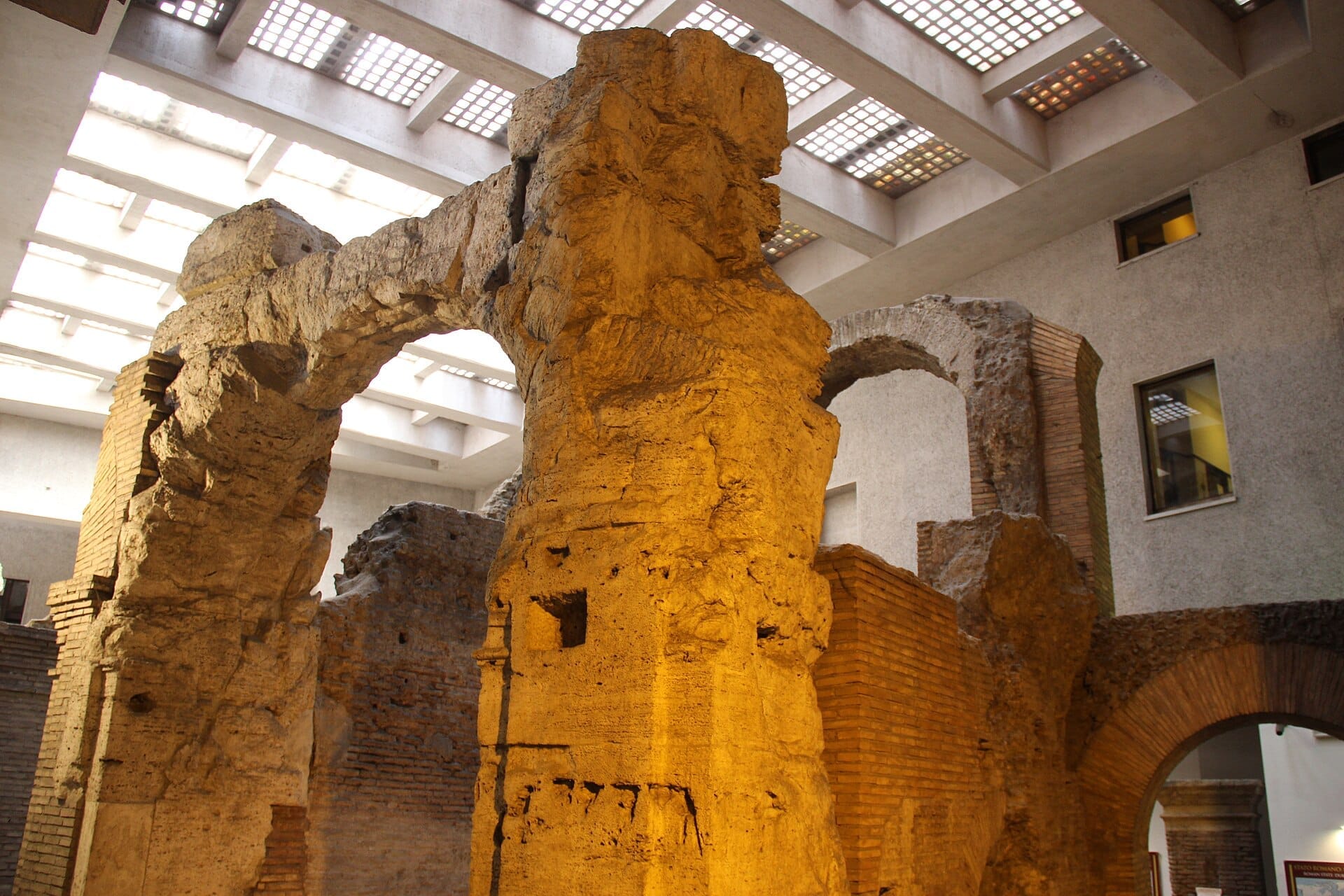
15. Walk the Original Arches Beneath Piazza Navona
The 1st-century stadium beneath Piazza Navona is accessible via this compact underground museum. Original travertine arches that once seated 30,000 spectators survive in excellent condition. A surprisingly moving context for the square above.
Explore15. Walk the Original Arches Beneath Piazza Navona
The 1st-century stadium beneath Piazza Navona is accessible via this compact underground museum. Original travertine arches that once seated 30,000 spectators survive in excellent condition. A surprisingly moving context for the square above.
Explore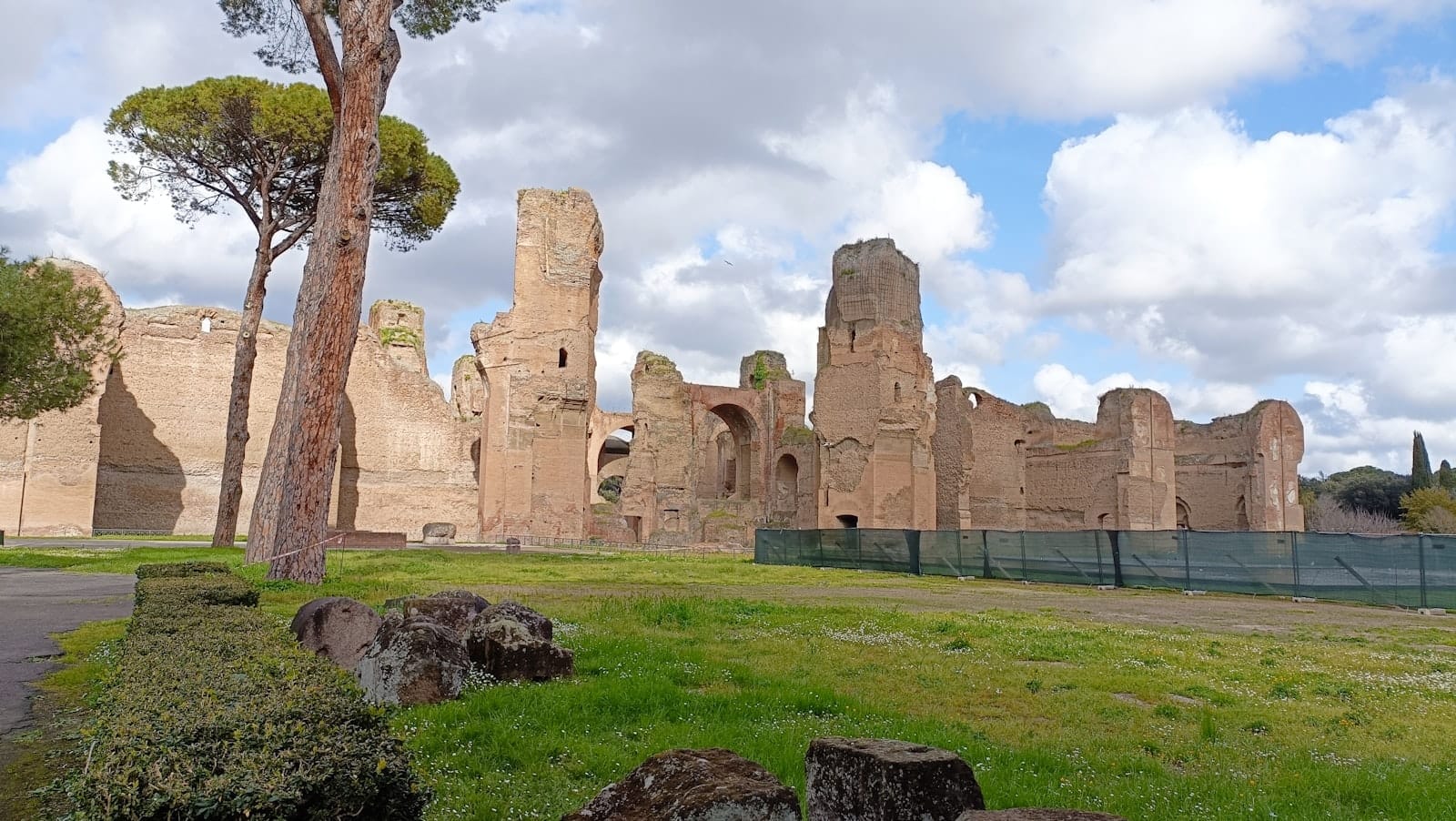
16. Grasp Imperial-Scale Engineering at the Baths of Caracalla
The ruins include an underground level with original hydraulic systems visible. Mosaic floors, soaring brick vaults, and occasional evening opera performances make this one of the most atmospheric ancient sites in Rome.
Explore16. Grasp Imperial-Scale Engineering at the Baths of Caracalla
The ruins include an underground level with original hydraulic systems visible. Mosaic floors, soaring brick vaults, and occasional evening opera performances make this one of the most atmospheric ancient sites in Rome.
ExploreChurches as Art Museums
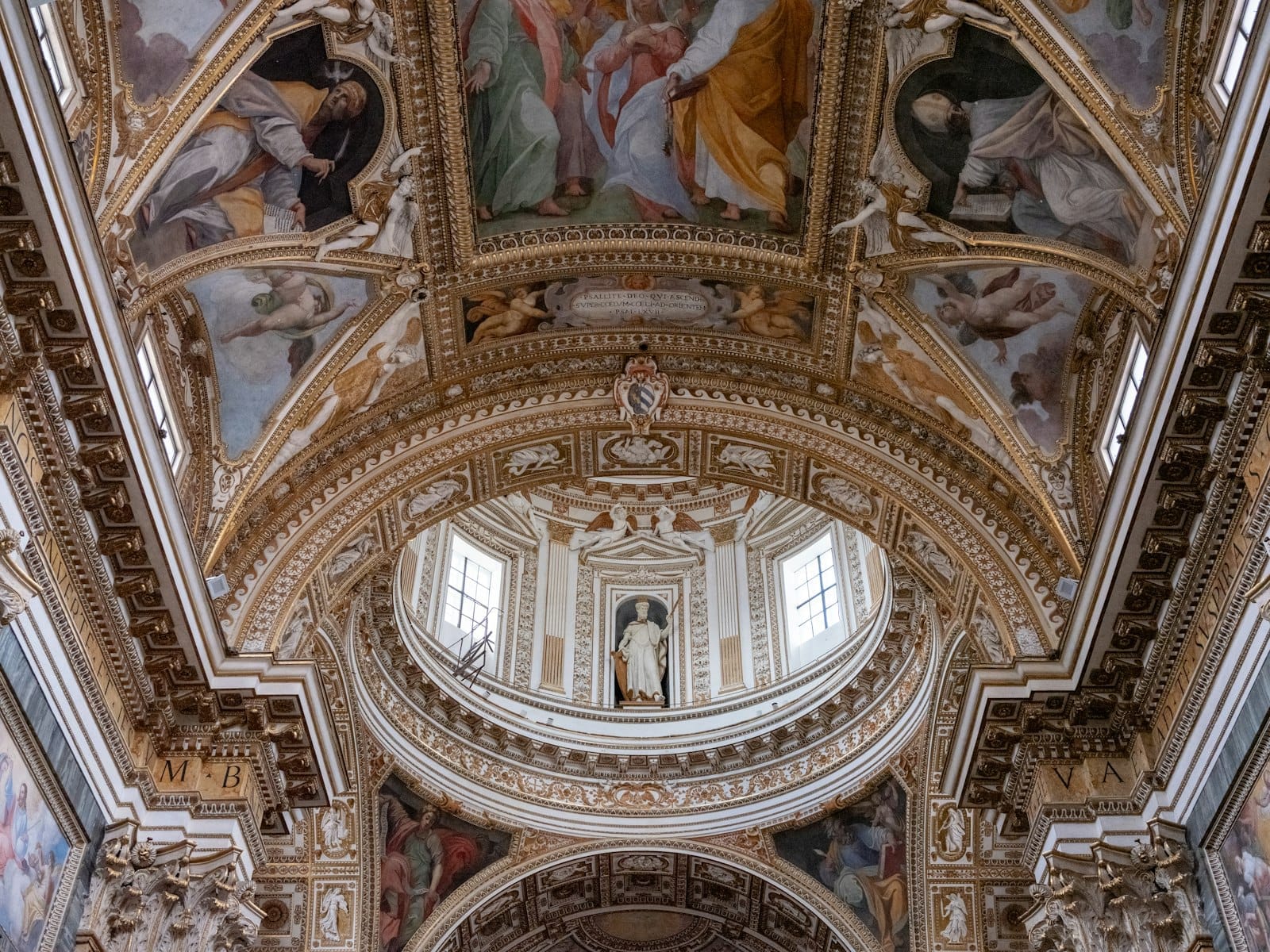
Rome's churches contain more great art than most cities' dedicated museums, and almost all of it is free to enter. The guide to the best churches in Rome goes deeper on this, but the sites below function specifically as repositories of major, named masterpieces worth seeking out on a museum-focused trip.
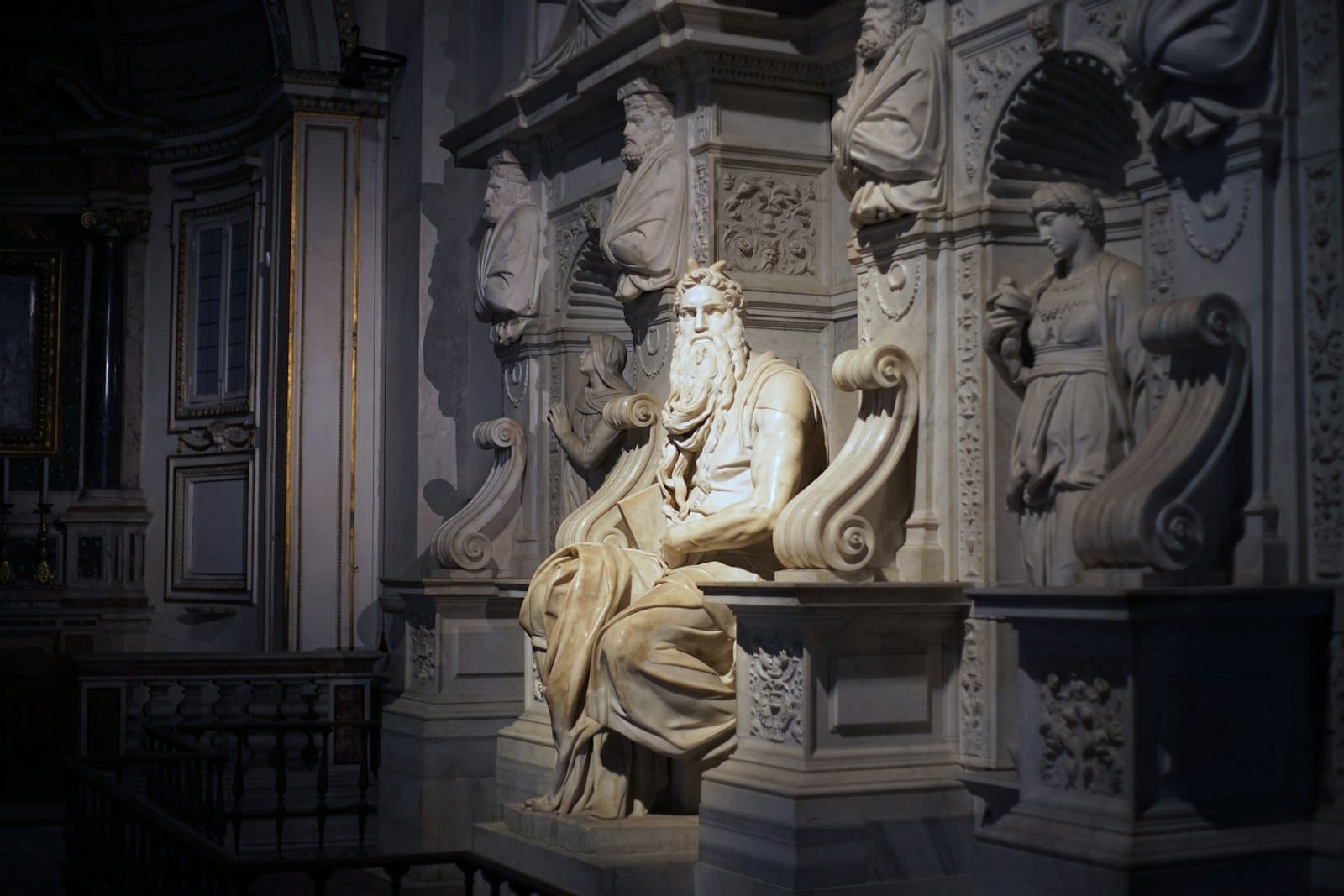
17. Stand Before Michelangelo's Moses at San Pietro in Vincoli
Michelangelo's Moses is one of the most powerful sculptures in the world. It sits in a 5th-century basilica near the Colosseum, free to enter. Go early on a weekday to see it without the tour-group crowds filling the small nave.
Explore17. Stand Before Michelangelo's Moses at San Pietro in Vincoli
Michelangelo's Moses is one of the most powerful sculptures in the world. It sits in a 5th-century basilica near the Colosseum, free to enter. Go early on a weekday to see it without the tour-group crowds filling the small nave.
Explore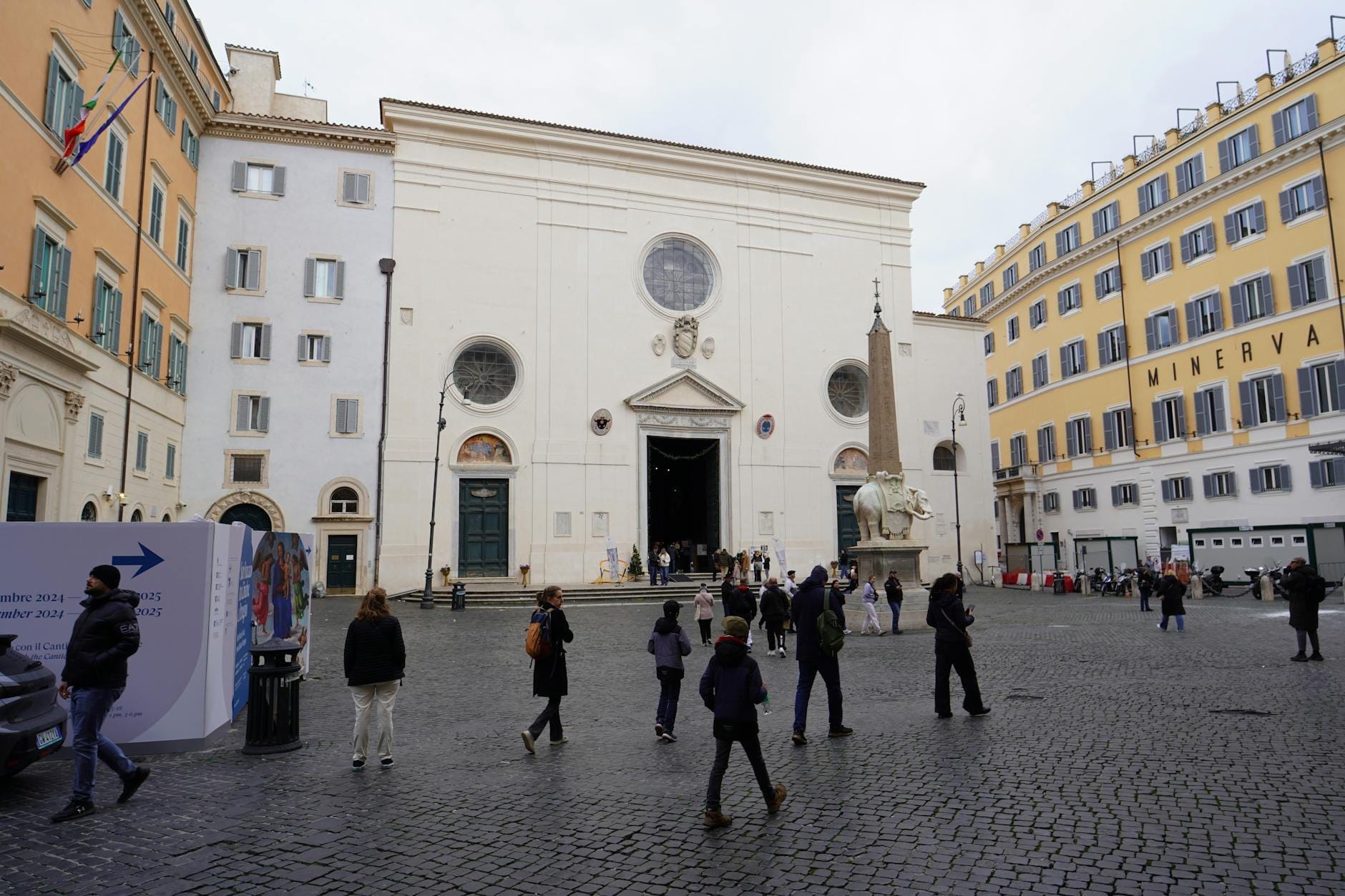
18. Find Michelangelo, Fra Angelico, and Filippino Lippi in One Gothic Church
Rome's only Gothic church packs in Michelangelo's Cristo della Minerva, Fra Angelico's tomb, Lippi frescoes, and St. Catherine's chapel. It's steps from the Pantheon and almost always quieter than the monument next door.
Explore18. Find Michelangelo, Fra Angelico, and Filippino Lippi in One Gothic Church
Rome's only Gothic church packs in Michelangelo's Cristo della Minerva, Fra Angelico's tomb, Lippi frescoes, and St. Catherine's chapel. It's steps from the Pantheon and almost always quieter than the monument next door.
Explore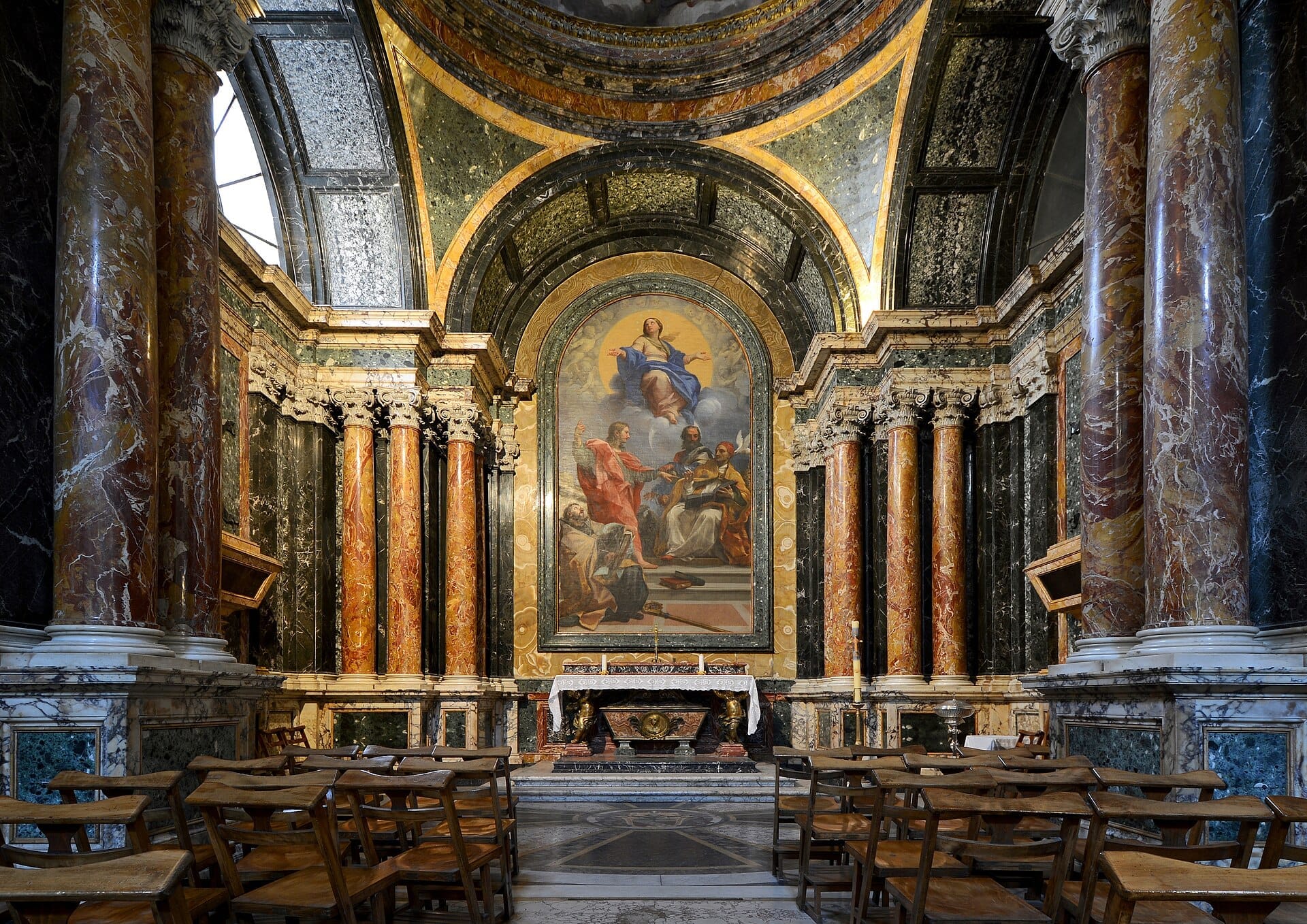
19. See Two Major Caravaggios for Free in Santa Maria del Popolo
The Conversion of Saint Paul and The Crucifixion of Saint Peter hang in the Cerasi Chapel. Both date to 1601 and represent Caravaggio at his most radical. Bring coins for the light meter — the chapel is otherwise dark.
Explore19. See Two Major Caravaggios for Free in Santa Maria del Popolo
The Conversion of Saint Paul and The Crucifixion of Saint Peter hang in the Cerasi Chapel. Both date to 1601 and represent Caravaggio at his most radical. Bring coins for the light meter — the chapel is otherwise dark.
ExploreModern and Specialist Museums
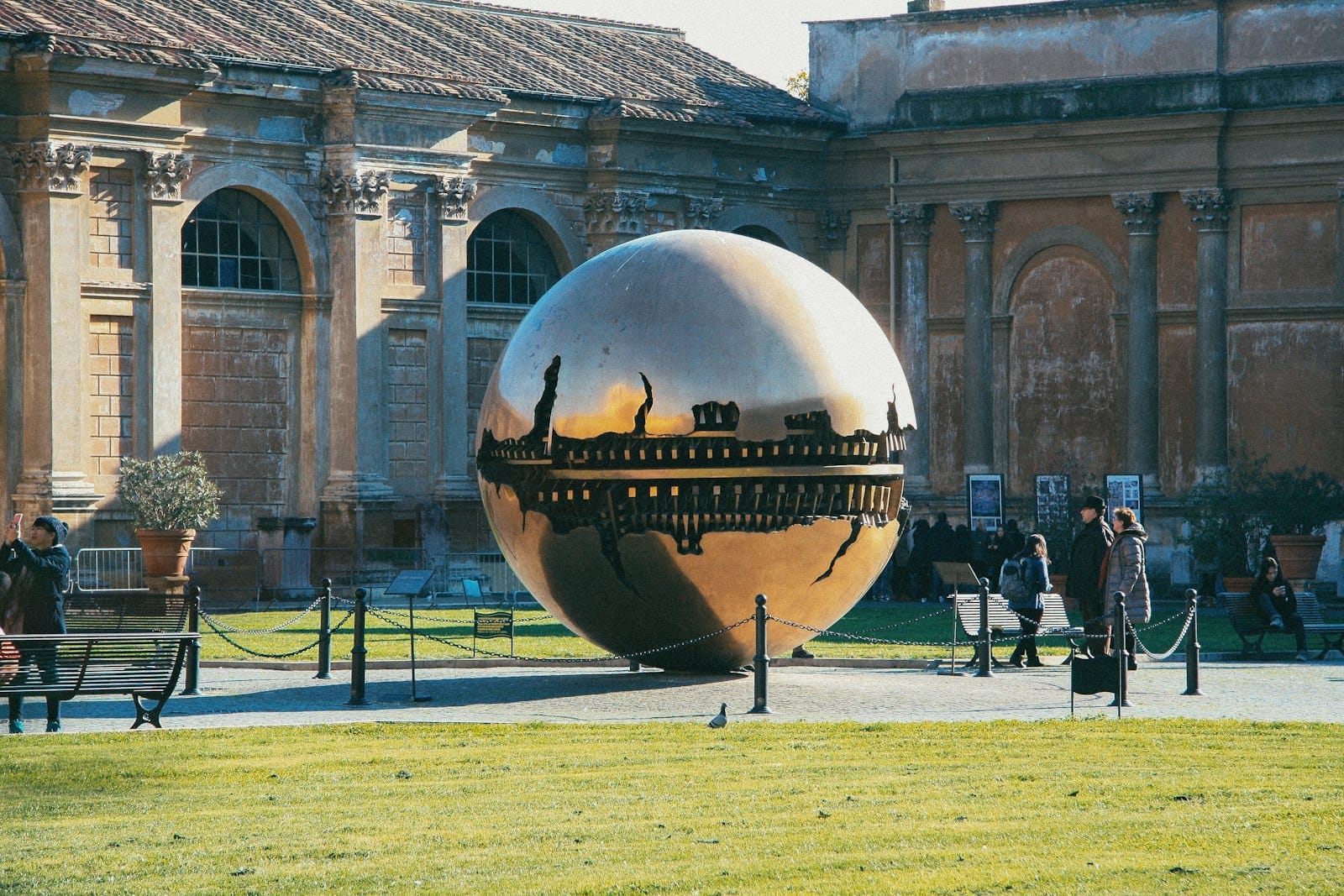
Not every great museum in Rome is ancient or Renaissance. The city has invested seriously in contemporary culture and has several specialist collections that deserve attention, particularly for visitors who want contrast with the classical weight of the historic center. For a fuller picture of the city's contemporary identity, the guide to things to do in Rome covers these alongside the major landmarks.
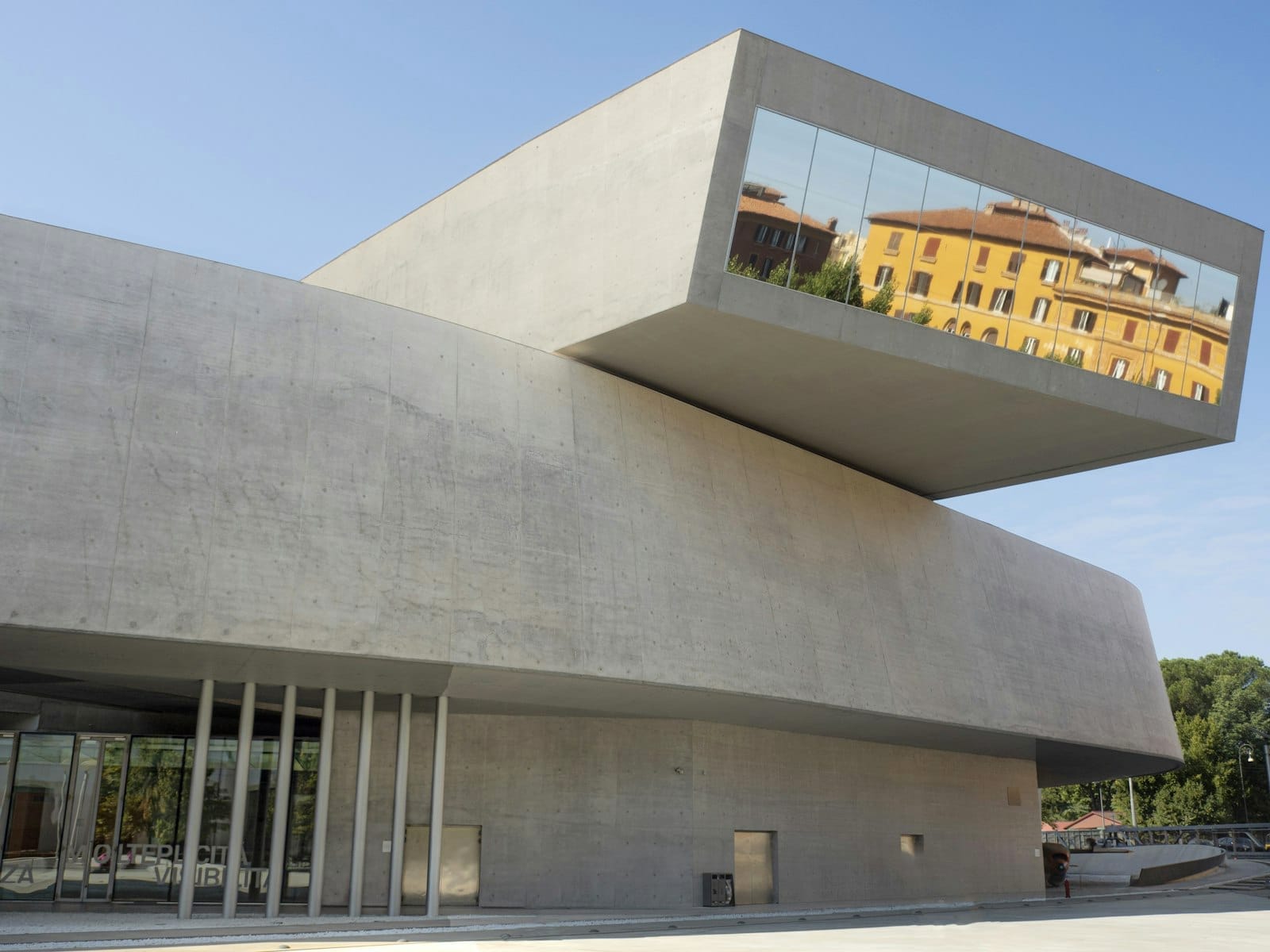
20. Experience Zaha Hadid's Architecture at MAXXI
Italy's national museum of contemporary art and architecture, housed in Zaha Hadid's 2010 Pritzker Prize-winning building. The structure itself justifies the visit. Rotating exhibitions are consistently strong by European standards.
Explore20. Experience Zaha Hadid's Architecture at MAXXI
Italy's national museum of contemporary art and architecture, housed in Zaha Hadid's 2010 Pritzker Prize-winning building. The structure itself justifies the visit. Rotating exhibitions are consistently strong by European standards.
Explore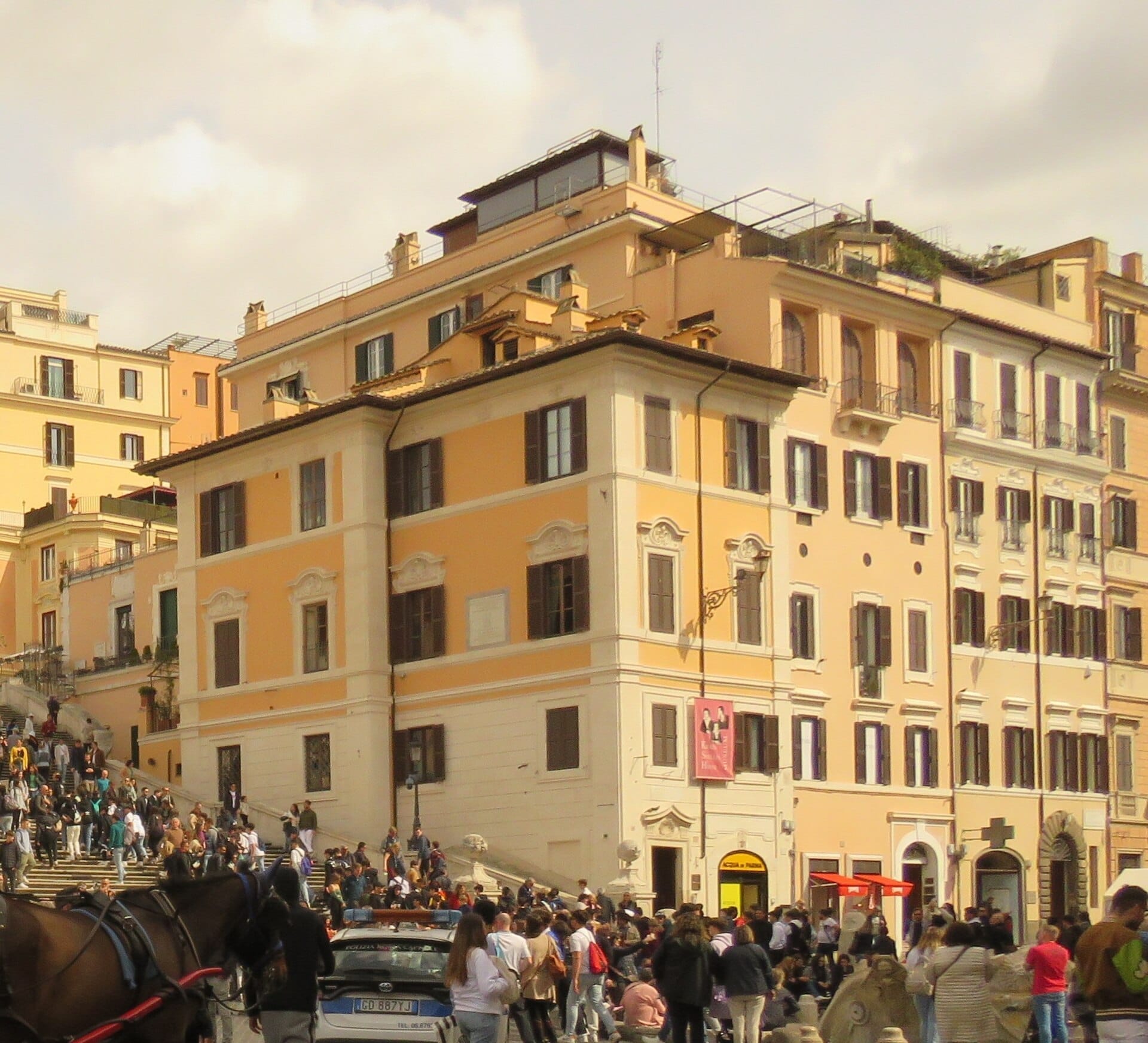
21. Visit the Room Where Keats Died at the Spanish Steps
The apartment where John Keats died in February 1821 is preserved as a small literary museum beside the Spanish Steps. Manuscripts, death masks, and portraits of Byron, Shelley, and Keats make this deeply moving for anyone who loves Romantic poetry.
Explore21. Visit the Room Where Keats Died at the Spanish Steps
The apartment where John Keats died in February 1821 is preserved as a small literary museum beside the Spanish Steps. Manuscripts, death masks, and portraits of Byron, Shelley, and Keats make this deeply moving for anyone who loves Romantic poetry.
Explore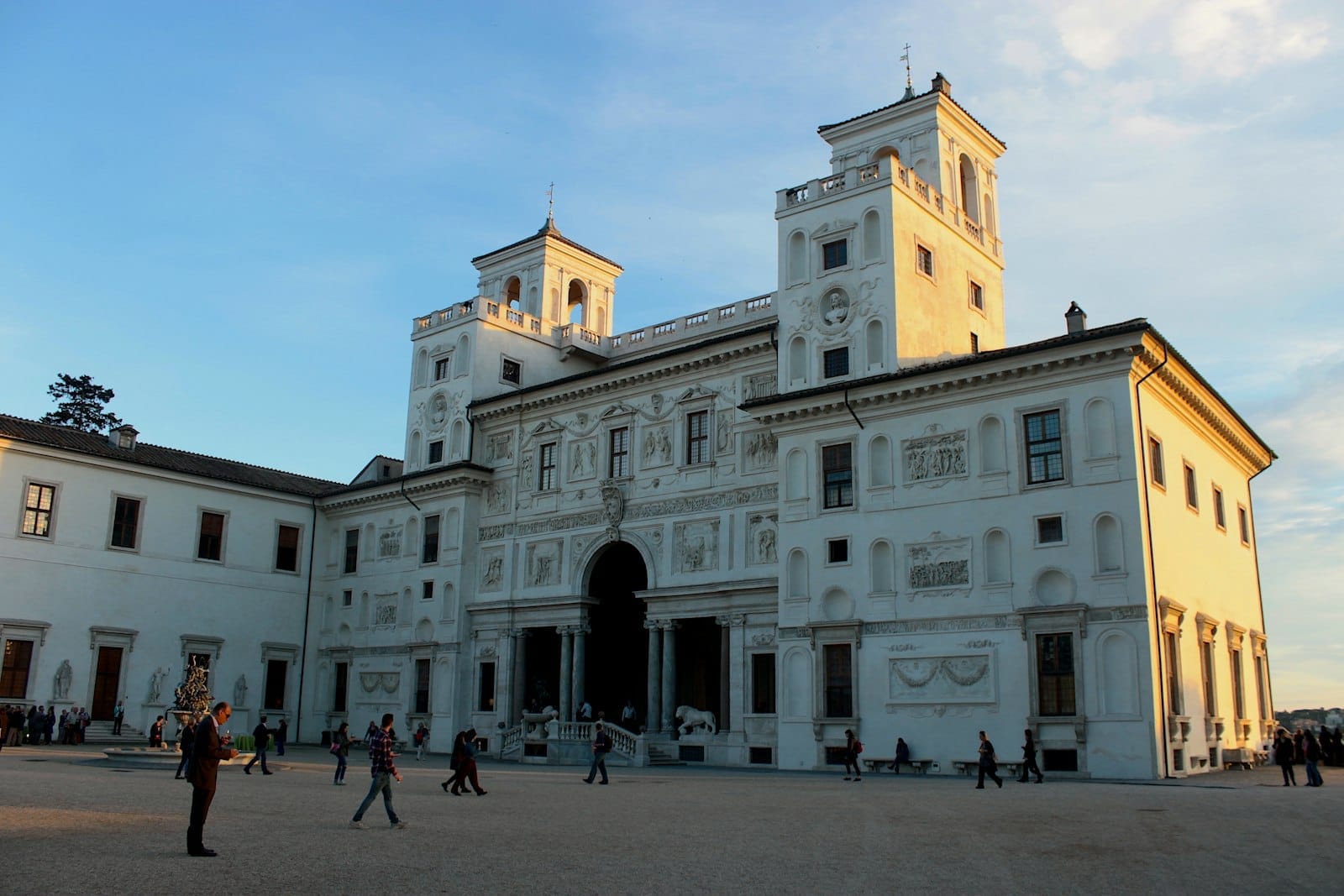
22. Tour the French Academy's Renaissance Villa and Gardens
The French Academy in Rome opens its gardens and contemporary exhibition spaces to the public. Ancient Roman sculptures are embedded in the garden walls, and the hilltop terrace above the Spanish Steps offers excellent views across the city.
Explore22. Tour the French Academy's Renaissance Villa and Gardens
The French Academy in Rome opens its gardens and contemporary exhibition spaces to the public. Ancient Roman sculptures are embedded in the garden walls, and the hilltop terrace above the Spanish Steps offers excellent views across the city.
ExploreFAQ
Which museums in Rome require advance booking?
The Galleria Borghese requires advance booking — without a reservation you will not get in. The Vatican Museums and Colosseum have long queues without pre-booked tickets and advance purchase is strongly recommended. The Domus Aurea only operates guided tours on weekends and must be booked ahead. Most other museums, including the Capitoline and National Roman Museum, can be entered on the day, though online booking avoids queues.
Are museums in Rome free?
Italian state museums are free on the first Sunday of each month, which covers the Colosseum, Roman Forum, Palatine Hill, and Palazzo Massimo among others. EU citizens under 18 enter most state museums free year-round. The Vatican Museums, Galleria Borghese, and privately owned museums like Palazzo Doria Pamphilj do not offer free-Sunday access. Several church-based collections are always free to enter.
How many museums can I realistically visit in a day in Rome?
Two major museums per day is a realistic maximum if you want to do each justice. The Vatican Museums alone can take 3-5 hours. The Colosseum combined with the Roman Forum and Palatine Hill takes a full morning. Plan for one big museum in the morning and one smaller specialist collection in the afternoon, and build in walking time between sites.
What is the best museum in Rome for ancient Roman art?
For ancient sculpture, the Capitoline Museums have the edge, with the original Marcus Aurelius statue and the Capitoline Wolf. For painting and fresco, the Palazzo Massimo branch of the National Roman Museum is unmatched — its room of frescoes from Livia's villa is one of the most extraordinary ancient interiors anywhere. Both are worth half a day each.
Is the Vatican Museum inside Rome or Vatican City?
The Vatican Museums are technically located inside Vatican City, an independent sovereign state enclosed within Rome. In practice, you access them from Roman streets via the Viale Vaticano entrance, and they are universally included in any list of Rome's museums. Your ticket is purchased separately from any Rome city museum pass and cannot be combined with Roman state museum discounts.
Tickets & tours
Live prices and dates from our booking partner. If you book, we may earn a commission at no extra cost to you.
Planning a trip? Discover personalized activities with the Nomado app.