Hidden Gems in Rome: Beyond the Tourist Trail
Rome rewards those who look past the Colosseum queue and the Trevi selfie crowd. These are the churches, viewpoints, markets, and underground worlds that most visitors walk right past, where the real texture of the city lives.
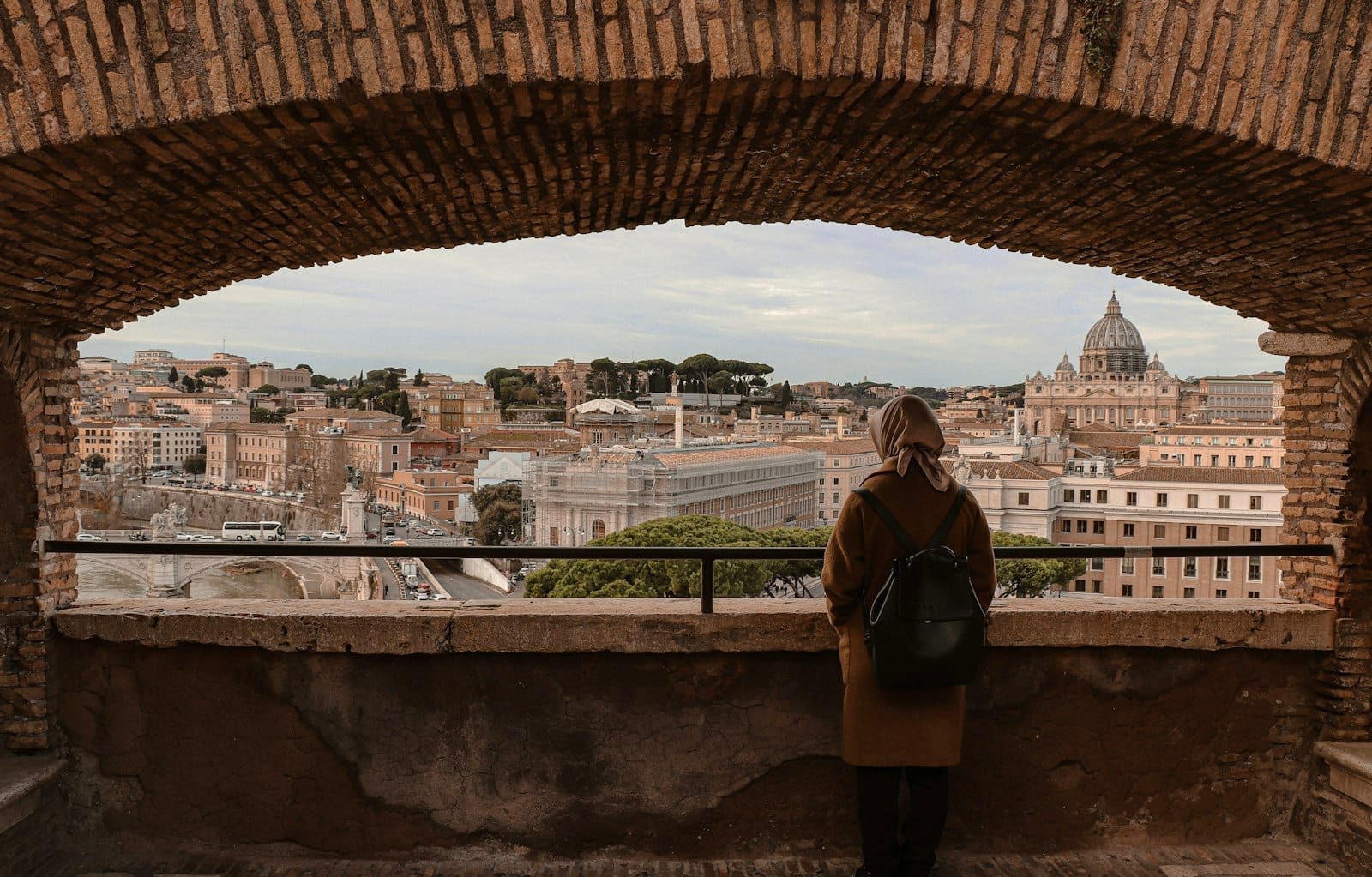
Tickets & tours
Live prices and dates from our booking partner. If you book, we may earn a commission at no extra cost to you.
Every visitor to Rome ticks off the Colosseum, the Vatican, and the Trevi Fountain. But the city's most memorable experiences are often the ones you stumble into by accident: a keyhole view of St. Peter's dome, a Raphael fresco in a nearly empty villa, a 2,000-year-old stadium buried beneath a famous piazza. This guide is built around those discoveries. For a broader orientation, see our complete Rome guide, and if you want to understand which neighborhoods anchor these experiences, the Monti and Testaccio district pages are good starting points. Most of what follows costs little or nothing to reach, and almost none of it requires booking weeks in advance.
Secret Viewpoints & Unexpected Panoramas
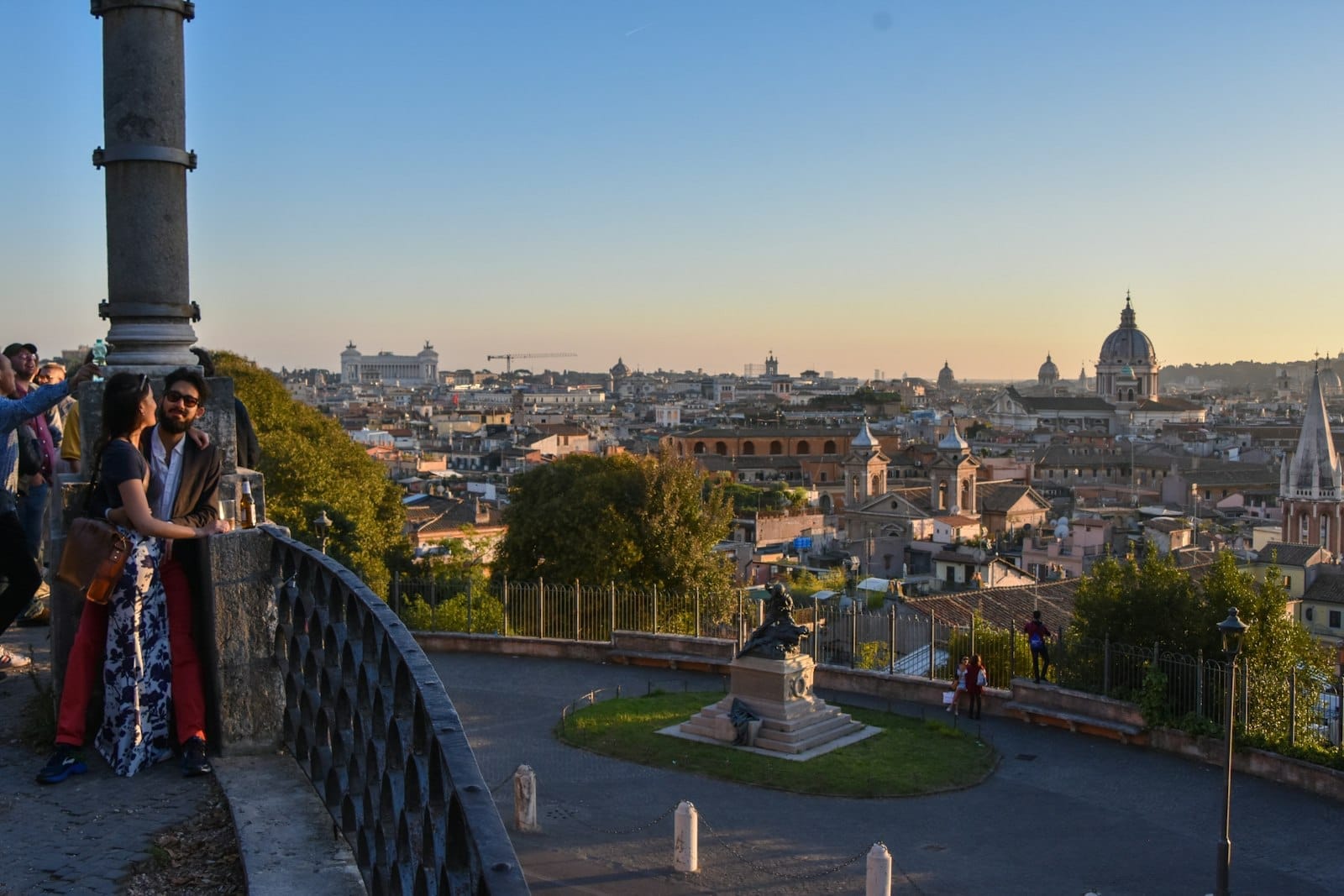
Rome's best views are rarely from the obvious places. The best viewpoints in Rome guide covers these in full detail, but the three below stand out for being genuinely surprising rather than merely scenic.
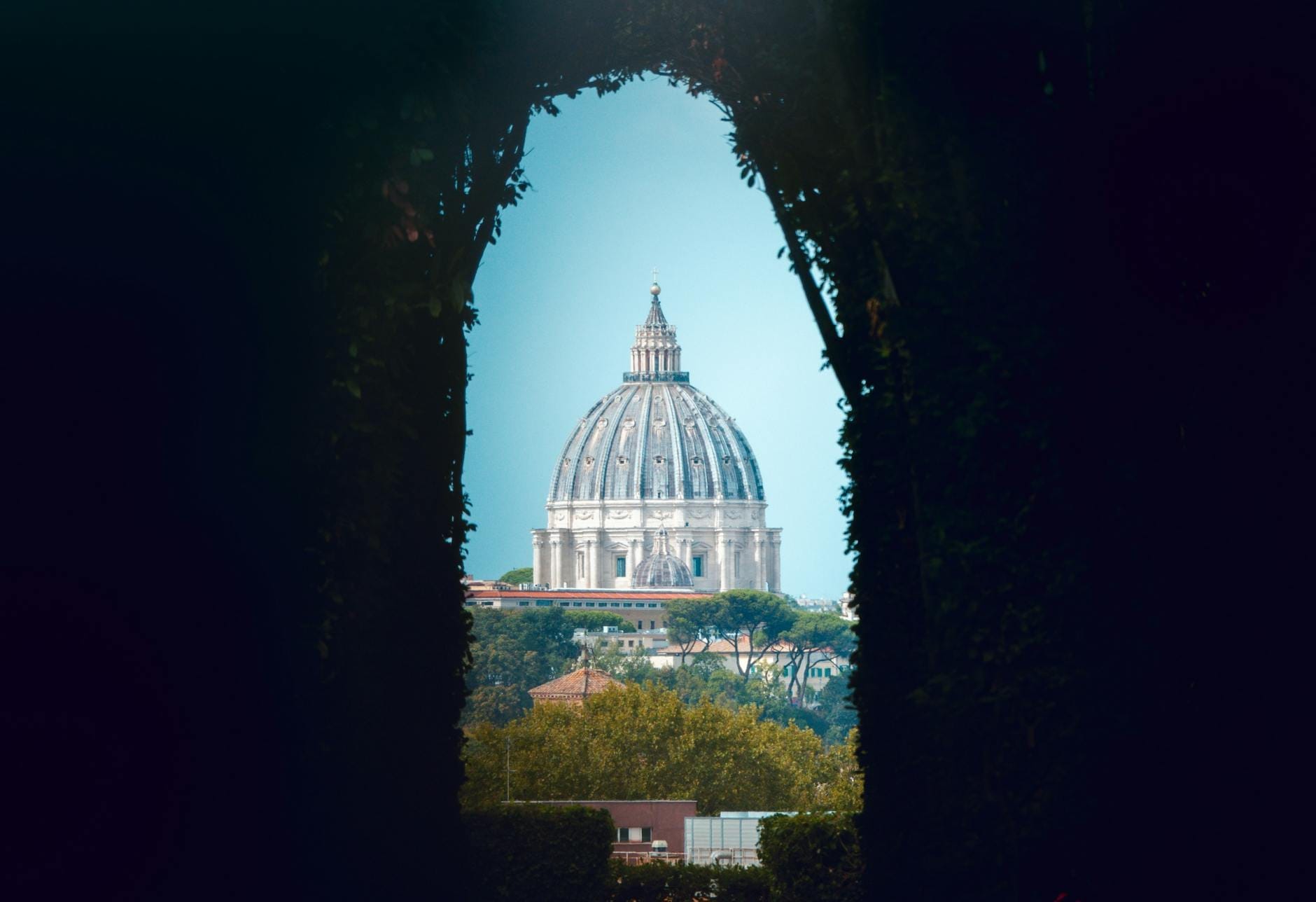
1. Peer Through the Knights of Malta Keyhole on Aventine Hill
A tiny keyhole in an unassuming gate on Aventine Hill frames St. Peter's dome perfectly, aligned across three sovereign territories. The queue is short, the experience lasts seconds, and it's utterly unforgettable. Free, open daily.
Explore1. Peer Through the Knights of Malta Keyhole on Aventine Hill
A tiny keyhole in an unassuming gate on Aventine Hill frames St. Peter's dome perfectly, aligned across three sovereign territories. The queue is short, the experience lasts seconds, and it's utterly unforgettable. Free, open daily.
Explore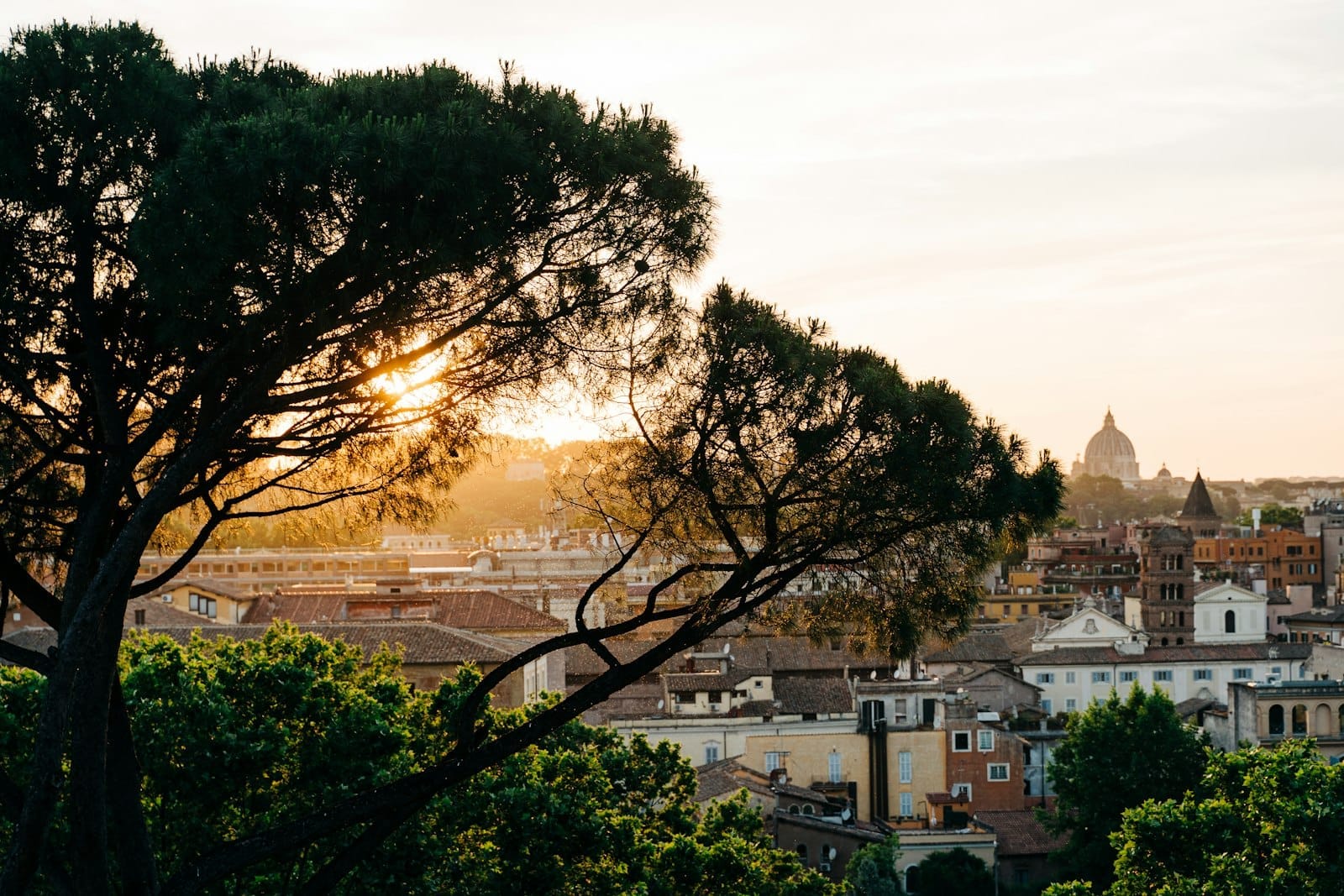
2. Watch the Sun Set from the Orange Garden on Aventine Hill
Parco Savello's rows of bitter orange trees frame a sweeping view across the Tiber to St. Peter's dome. Arrive 30 minutes before sunset for the best light. The garden closes at dusk, so timing matters. Free to enter.
Explore2. Watch the Sun Set from the Orange Garden on Aventine Hill
Parco Savello's rows of bitter orange trees frame a sweeping view across the Tiber to St. Peter's dome. Arrive 30 minutes before sunset for the best light. The garden closes at dusk, so timing matters. Free to enter.
Explore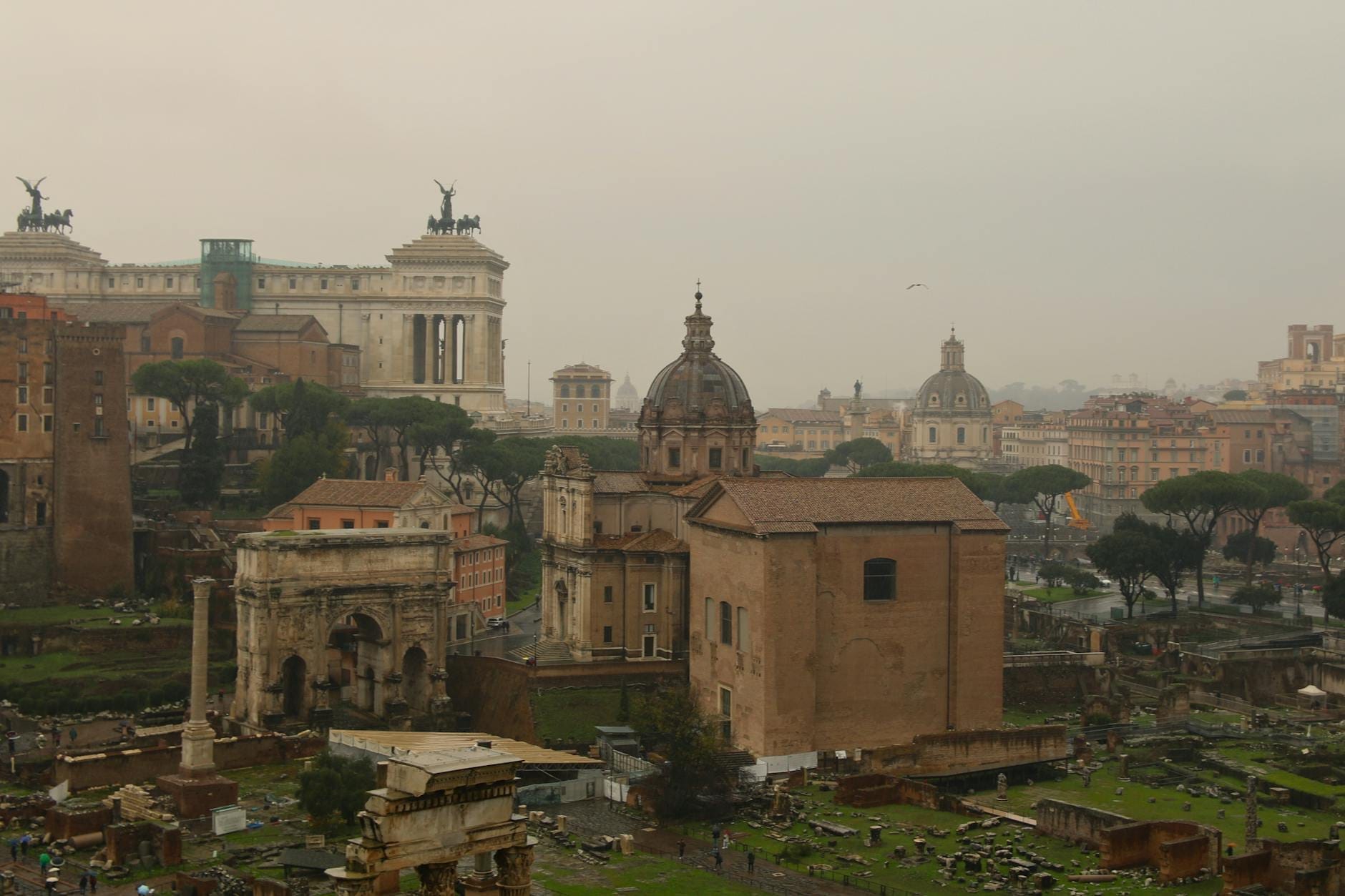
3. Catch Rome's Widest Panorama from Gianicolo Hill
Above Trastevere, the Janiculum offers the broadest unobstructed view of Rome's roofline. At noon a cannon fires, a tradition since 1847. Come early morning or late afternoon to avoid the tour buses. Completely free.
Explore3. Catch Rome's Widest Panorama from Gianicolo Hill
Above Trastevere, the Janiculum offers the broadest unobstructed view of Rome's roofline. At noon a cannon fires, a tradition since 1847. Come early morning or late afternoon to avoid the tour buses. Completely free.
Explore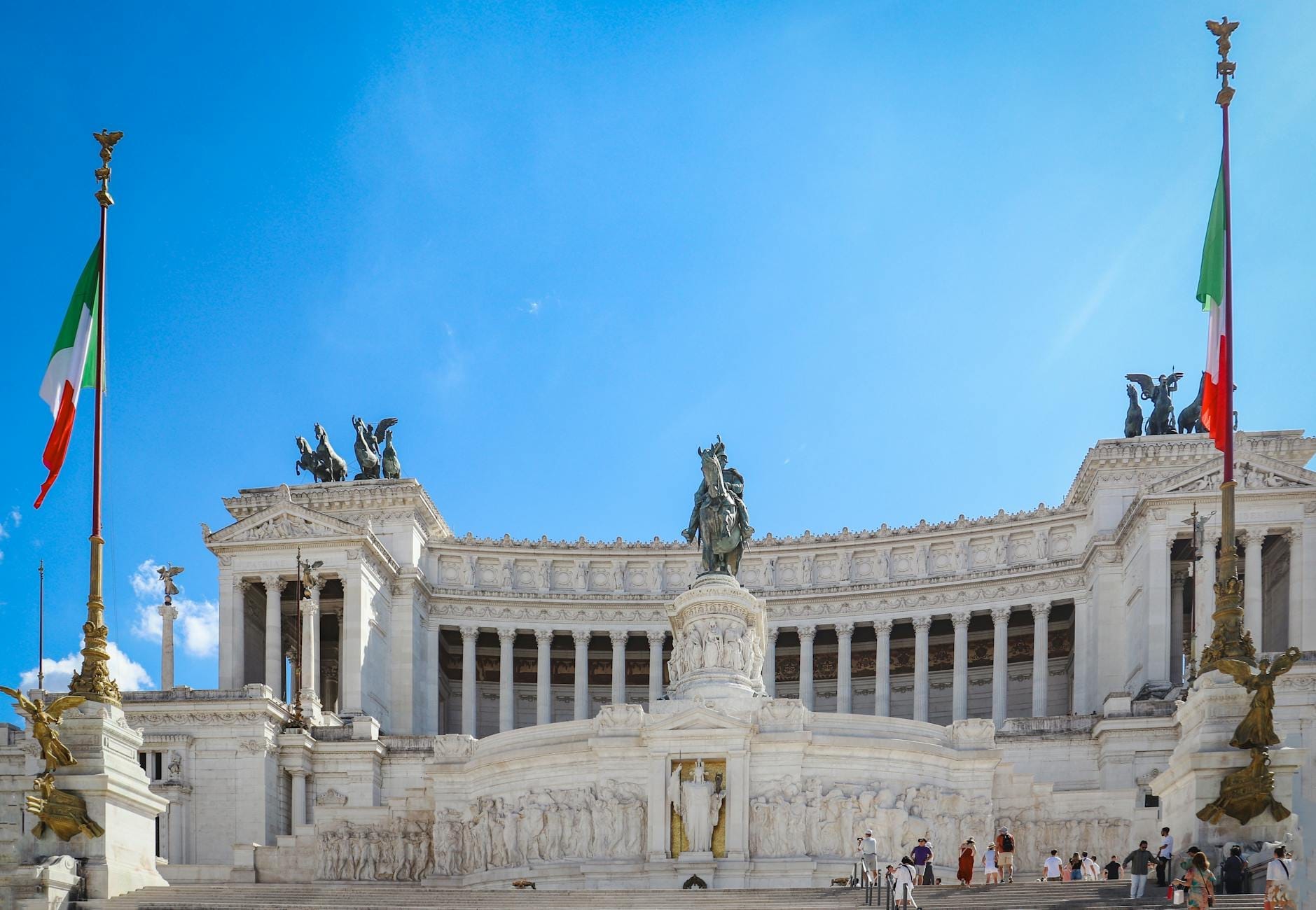
4. Ride the Free Elevator to the Vittoriano's Rooftop Terrace
The gleaming monument locals mock as the 'wedding cake' hides a secret: its free rooftop lift delivers a 360-degree panorama over Rome that rivals anything you'll pay for. Go at golden hour for the best photographs.
Explore4. Ride the Free Elevator to the Vittoriano's Rooftop Terrace
The gleaming monument locals mock as the 'wedding cake' hides a secret: its free rooftop lift delivers a 360-degree panorama over Rome that rivals anything you'll pay for. Go at golden hour for the best photographs.
ExploreUnderground Rome & Archaeological Surprises
Below street level, Rome exists in layers that most visitors never reach. The sites here require a bit more effort than a stroll past a famous ruin, but each one rewards the detour with experiences that feel genuinely off the beaten path. For context on Rome's ancient topography, the Ancient Rome neighborhood guide is worth reading before you go.
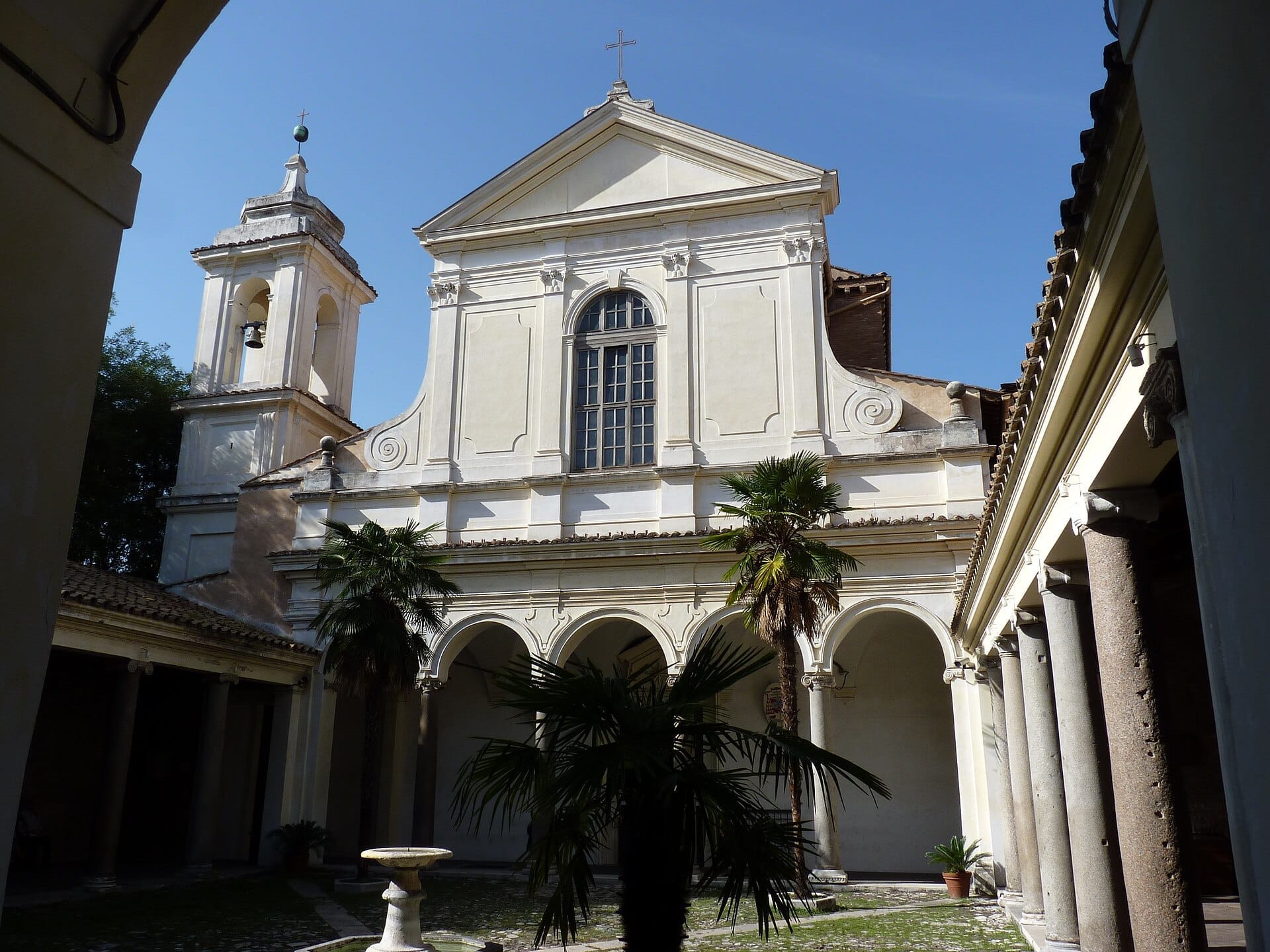
5. Descend Through Three Centuries at San Clemente Basilica
Ten minutes from the Colosseum, this church layers a 12th-century basilica over a 4th-century church over a 1st-century Mithraic temple. Descending through each level feels like time travel. Budget 45 minutes; entry to the lower levels costs a few euros.
Explore5. Descend Through Three Centuries at San Clemente Basilica
Ten minutes from the Colosseum, this church layers a 12th-century basilica over a 4th-century church over a 1st-century Mithraic temple. Descending through each level feels like time travel. Budget 45 minutes; entry to the lower levels costs a few euros.
Explore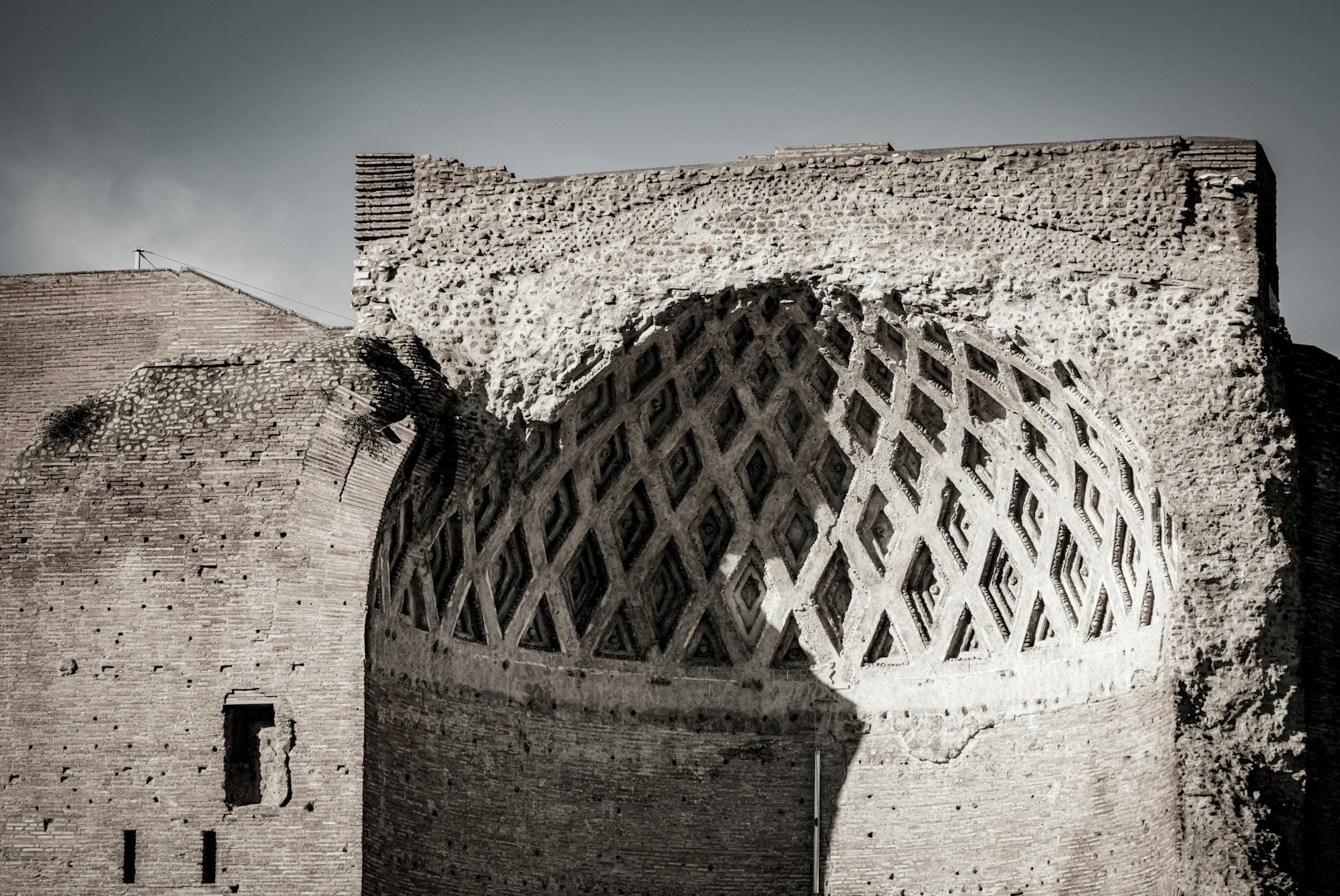
6. Explore Nero's Buried Golden House with a VR Tour
Nero's lavish palace was buried by later emperors and forgotten for centuries. VR headsets now reconstruct its frescoed halls to full glory. Entry is ticketed and guided tours fill up quickly, so book ahead. Genuinely surreal.
Explore6. Explore Nero's Buried Golden House with a VR Tour
Nero's lavish palace was buried by later emperors and forgotten for centuries. VR headsets now reconstruct its frescoed halls to full glory. Entry is ticketed and guided tours fill up quickly, so book ahead. Genuinely surreal.
Explore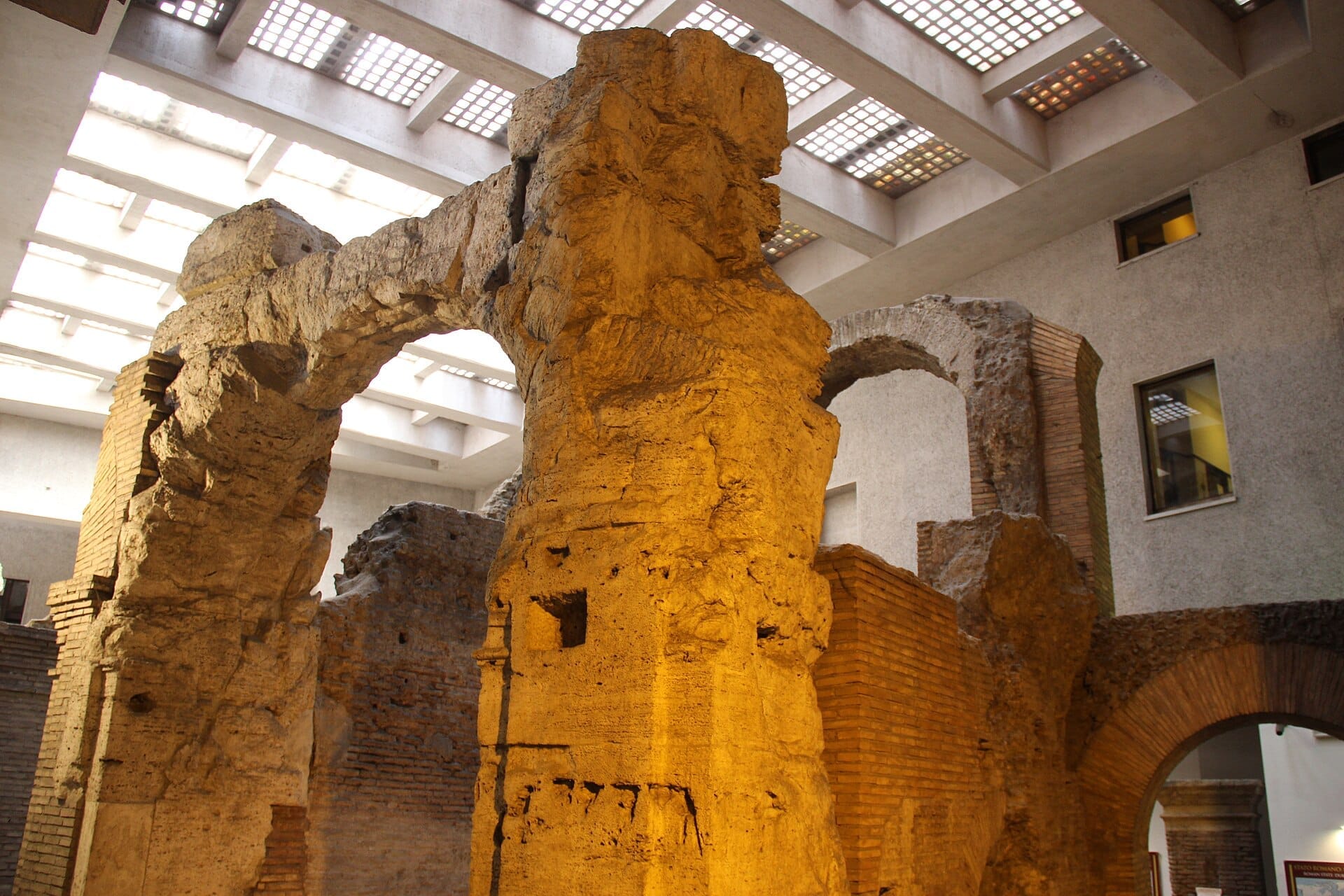
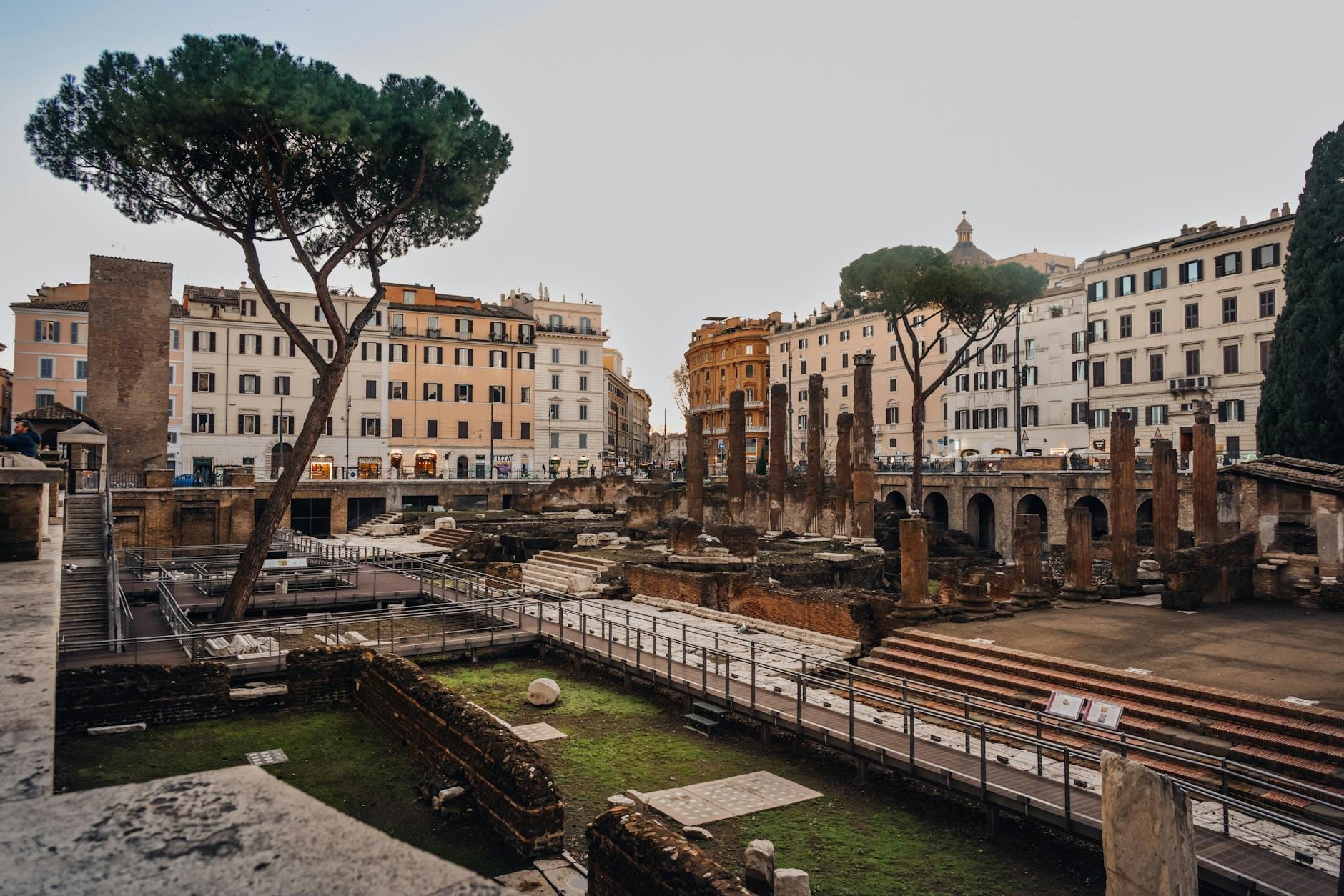
7. Walk the Ancient Stadium Hidden Under Piazza Navona
The elongated shape of Piazza Navona traces the 1st-century stadium beneath it. A compact underground site lets you walk among original travertine arches that once held 30,000 spectators. Most visitors above never know it exists.
Explore7. Walk the Ancient Stadium Hidden Under Piazza Navona
The elongated shape of Piazza Navona traces the 1st-century stadium beneath it. A compact underground site lets you walk among original travertine arches that once held 30,000 spectators. Most visitors above never know it exists.
Explore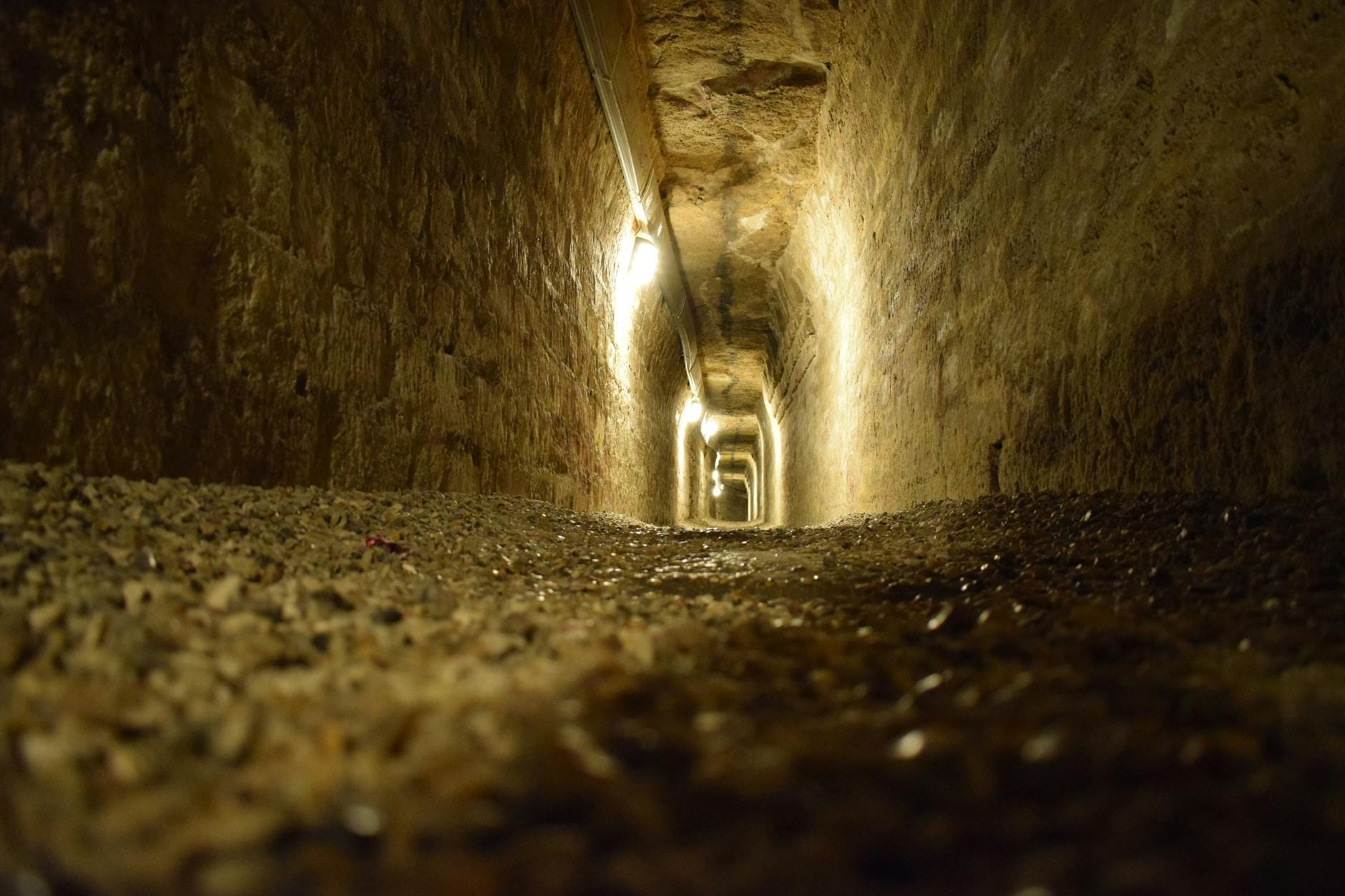
8. Follow the Dead into the Catacombs of San Callisto
The largest of Rome's Christian burial networks holds over 500,000 tombs in 20 km of tunnels along the Appian Way. Guided tours are mandatory, cool underground temperatures make this ideal in summer, and the early Christian art is haunting.
Explore8. Follow the Dead into the Catacombs of San Callisto
The largest of Rome's Christian burial networks holds over 500,000 tombs in 20 km of tunnels along the Appian Way. Guided tours are mandatory, cool underground temperatures make this ideal in summer, and the early Christian art is haunting.
Explore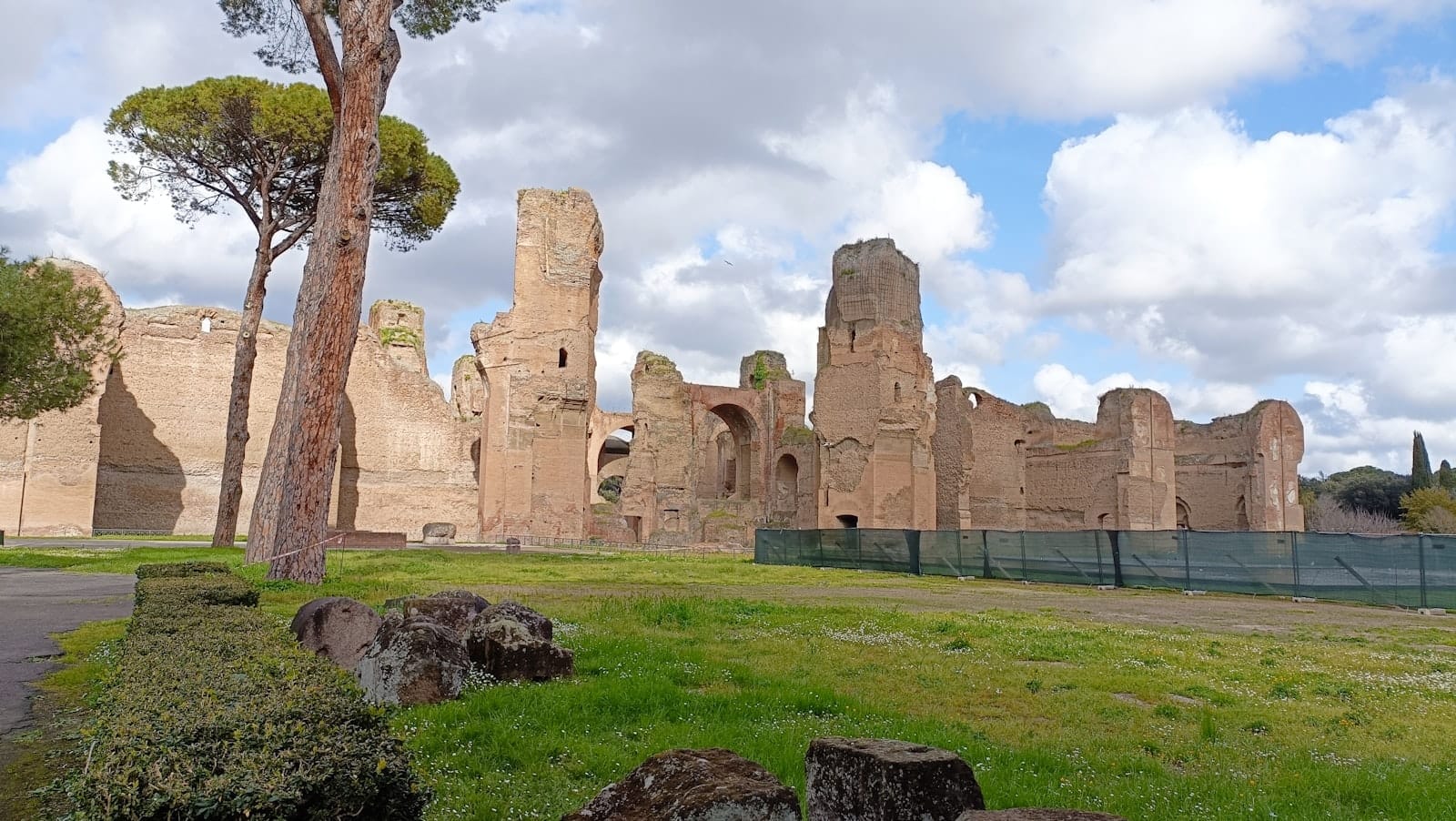
9. Stand Inside the Staggering Ruins of the Baths of Caracalla
These 3rd-century baths could hold 1,600 bathers and still stand 40 meters high in places. Mosaic floors survive in sections. Far fewer visitors come here than to the Colosseum, and the scale is arguably more impressive.
Explore9. Stand Inside the Staggering Ruins of the Baths of Caracalla
These 3rd-century baths could hold 1,600 bathers and still stand 40 meters high in places. Mosaic floors survive in sections. Far fewer visitors come here than to the Colosseum, and the scale is arguably more impressive.
ExploreArt & Architecture Most Visitors Walk Past
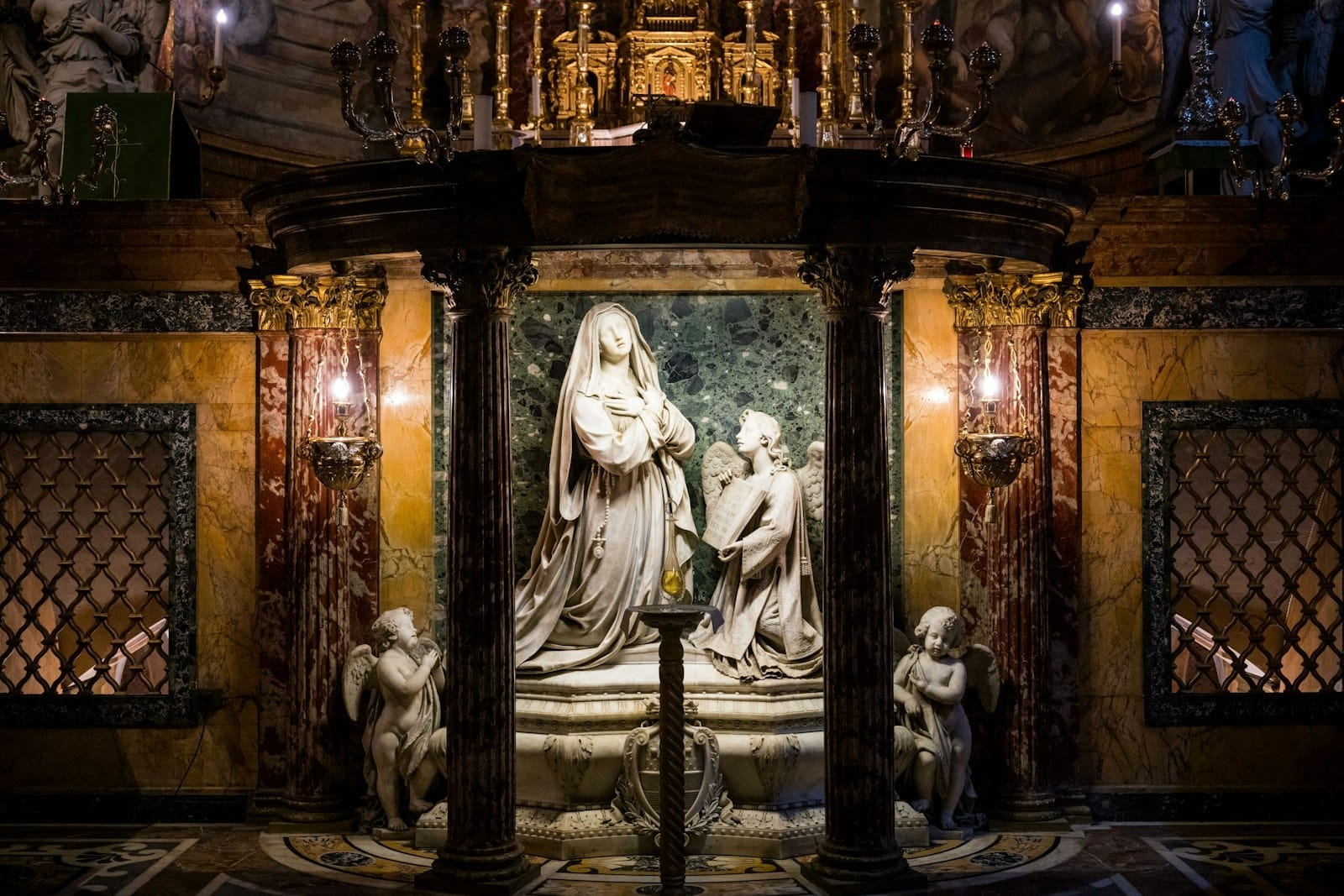
Rome's churches and palaces hide world-class art behind doors that most tourists never push open. The best churches in Rome guide goes deeper on the sacred architecture, but these specific sites stand out for their art-to-visitor-ratio.
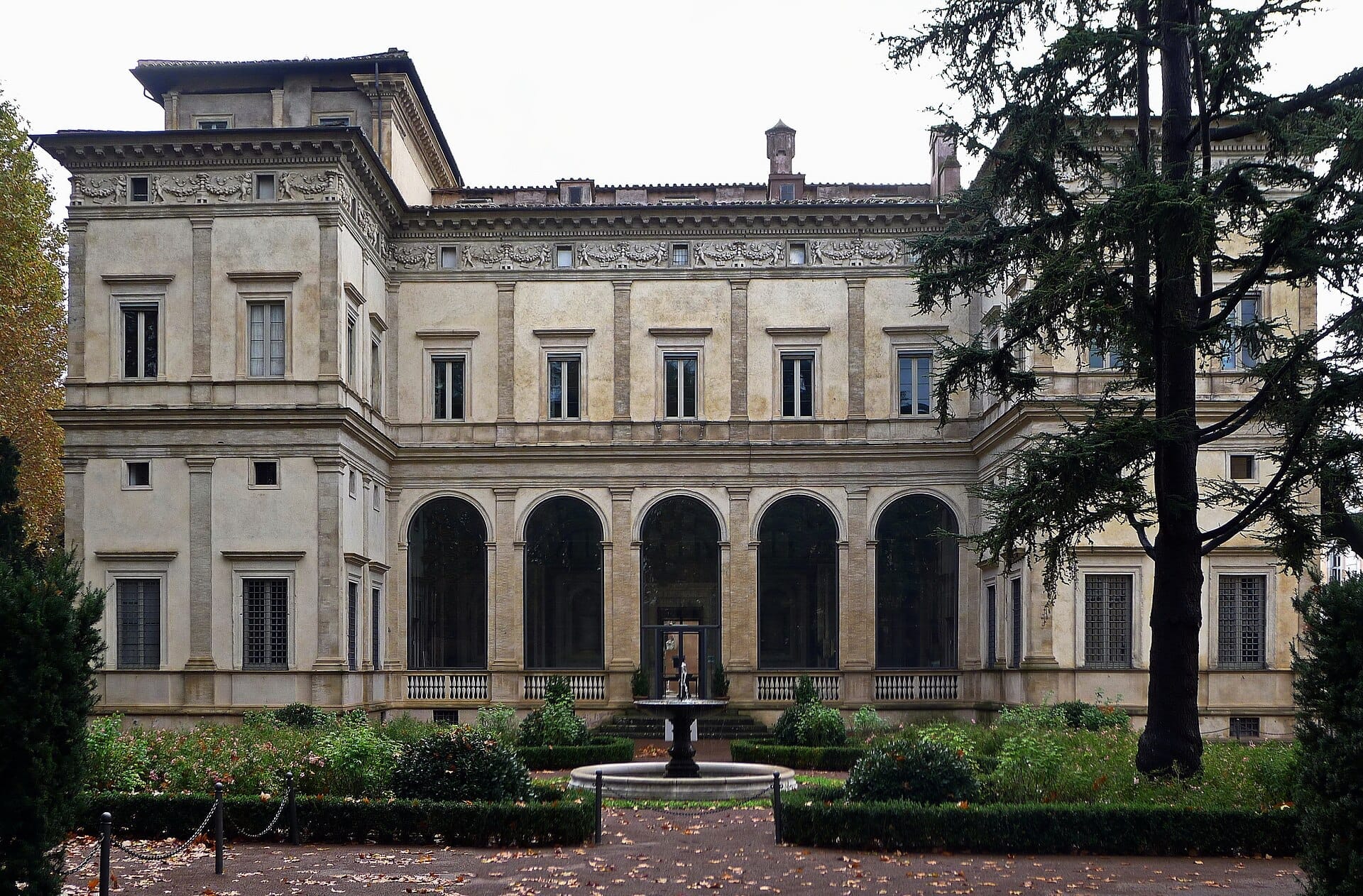
10. Find Raphael Frescoes in an Almost Empty Trastevere Villa
This early 16th-century villa holds Raphael's luminous Galatea fresco and is among the most undervisited Renaissance interiors in Rome. Morning visits are especially quiet. Small entry fee, usually no queue, extraordinary art.
Explore10. Find Raphael Frescoes in an Almost Empty Trastevere Villa
This early 16th-century villa holds Raphael's luminous Galatea fresco and is among the most undervisited Renaissance interiors in Rome. Morning visits are especially quiet. Small entry fee, usually no queue, extraordinary art.
Explore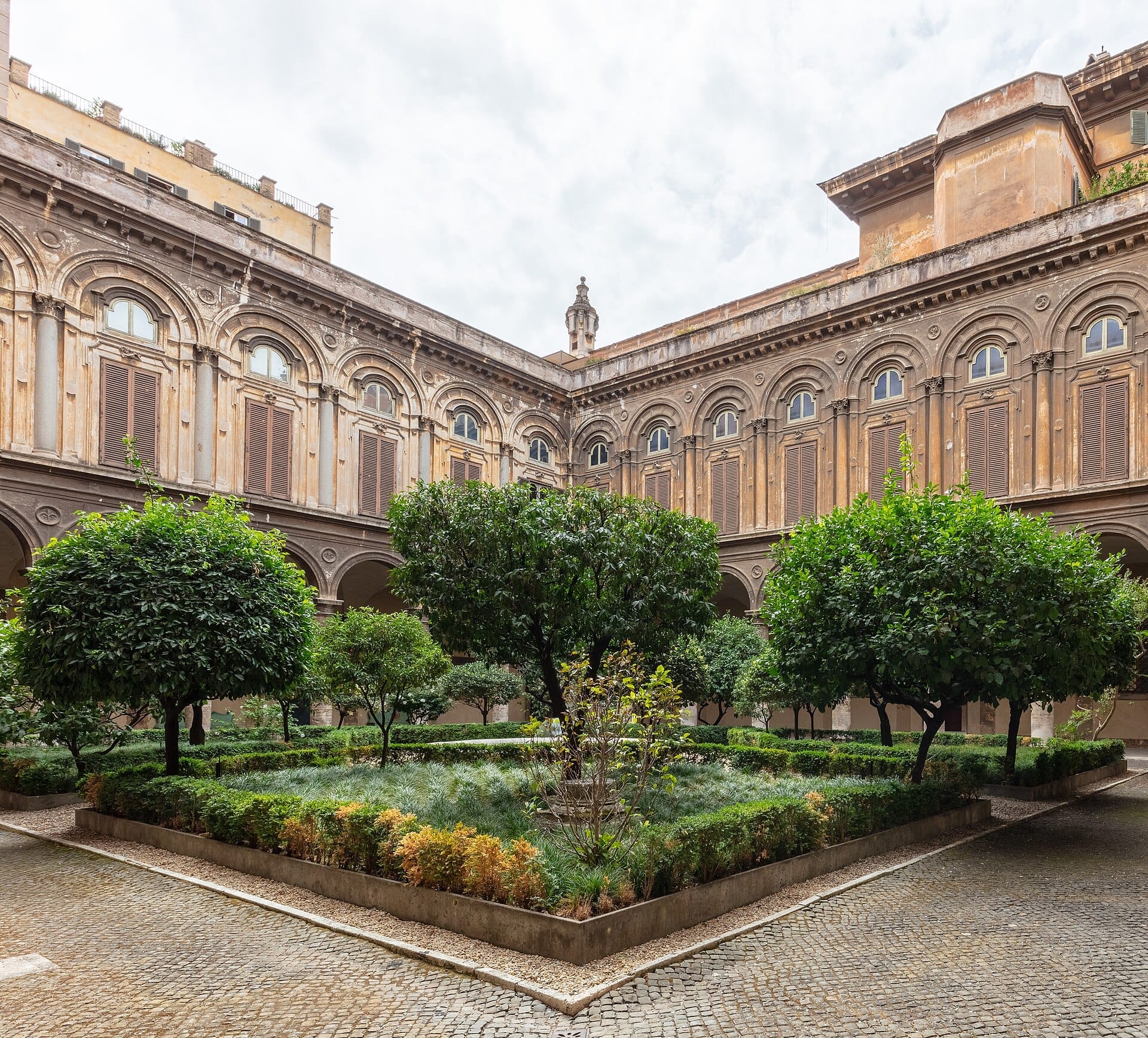
11. See Velázquez's Pope Innocent X in His Own Family Palace
This private palace, still owned by the Doria Pamphilj family, displays Velázquez's penetrating papal portrait in the same opulent Baroque gallery where it has hung for centuries. Caravaggio and Titian works surround it. Rarely crowded.
Explore11. See Velázquez's Pope Innocent X in His Own Family Palace
This private palace, still owned by the Doria Pamphilj family, displays Velázquez's penetrating papal portrait in the same opulent Baroque gallery where it has hung for centuries. Caravaggio and Titian works surround it. Rarely crowded.
Explore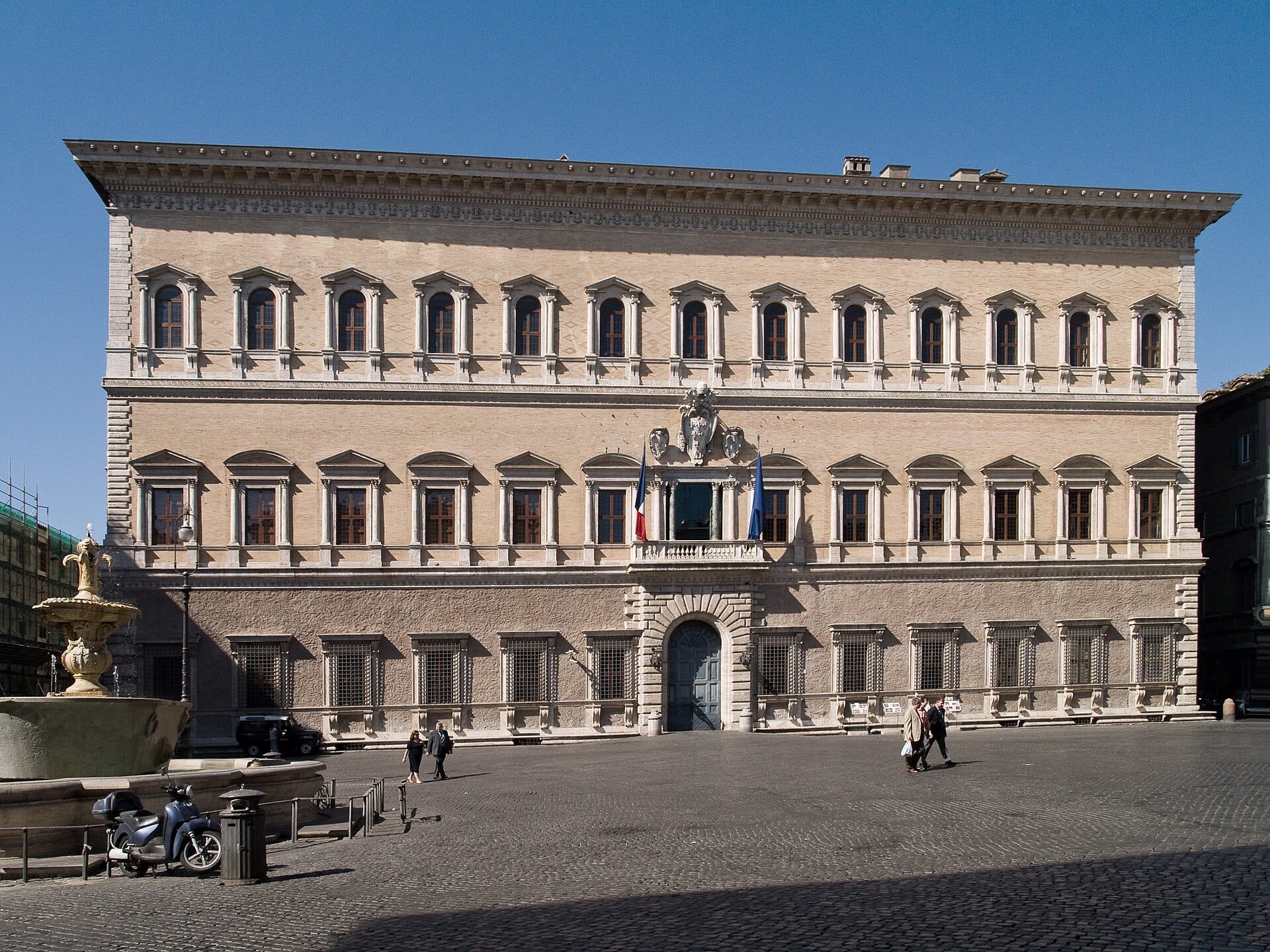
12. Tour the Sistine Chapel-Rivaling Frescoes Inside Palazzo Farnese
Annibale Carracci's ceiling frescoes in this French Embassy palace are a Baroque masterpiece almost no one sees. Guided tours must be booked in advance and visitor numbers are very limited. Worth every effort to secure a spot.
Explore12. Tour the Sistine Chapel-Rivaling Frescoes Inside Palazzo Farnese
Annibale Carracci's ceiling frescoes in this French Embassy palace are a Baroque masterpiece almost no one sees. Guided tours must be booked in advance and visitor numbers are very limited. Worth every effort to secure a spot.
Explore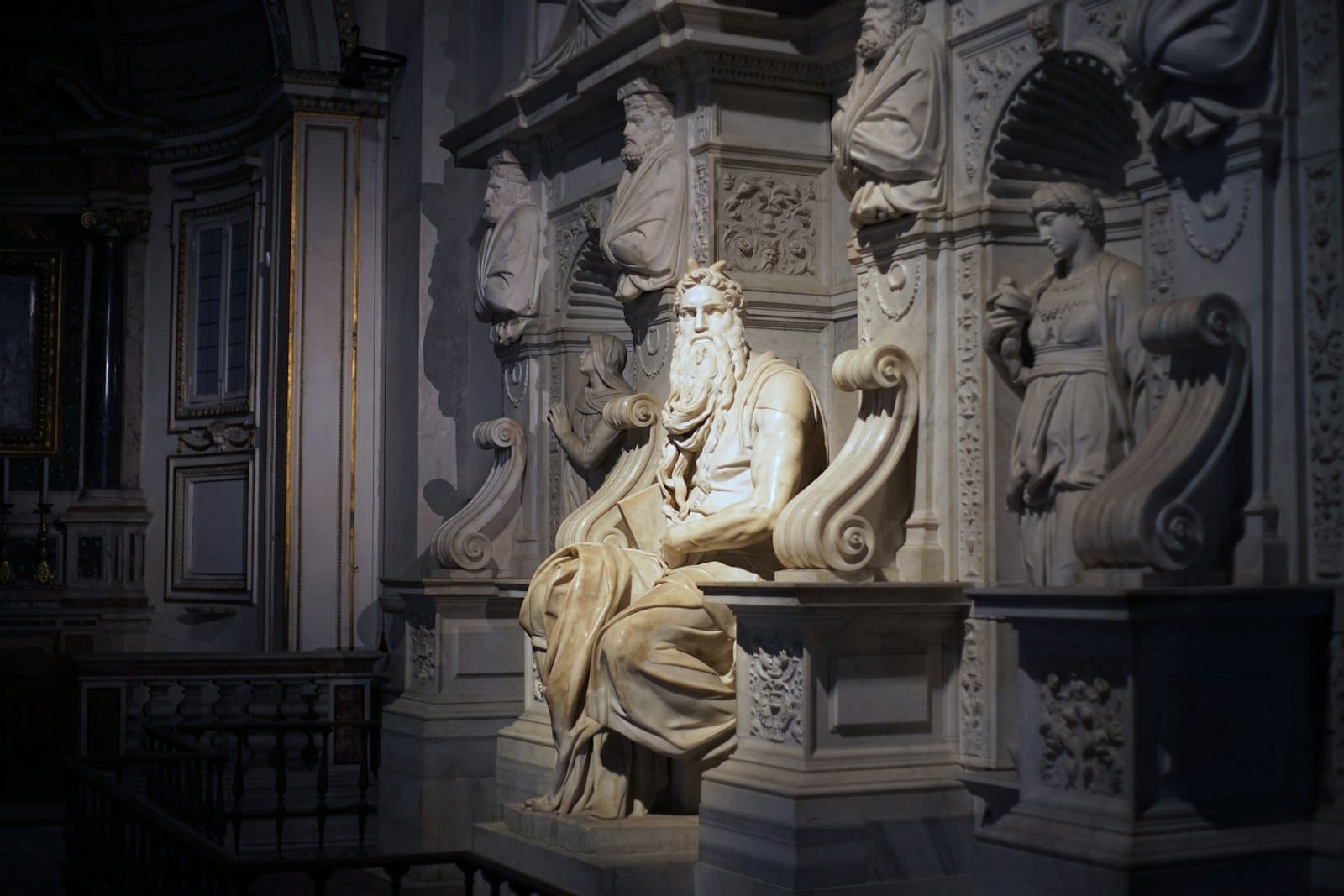
13. Stand Face to Face with Michelangelo's Moses
This 5th-century basilica near the Colosseum exists almost entirely for one reason: Michelangelo's seated Moses, whose focused intensity is astonishing in person. The church is free to enter and often surprisingly quiet mid-morning.
Explore13. Stand Face to Face with Michelangelo's Moses
This 5th-century basilica near the Colosseum exists almost entirely for one reason: Michelangelo's seated Moses, whose focused intensity is astonishing in person. The church is free to enter and often surprisingly quiet mid-morning.
Explore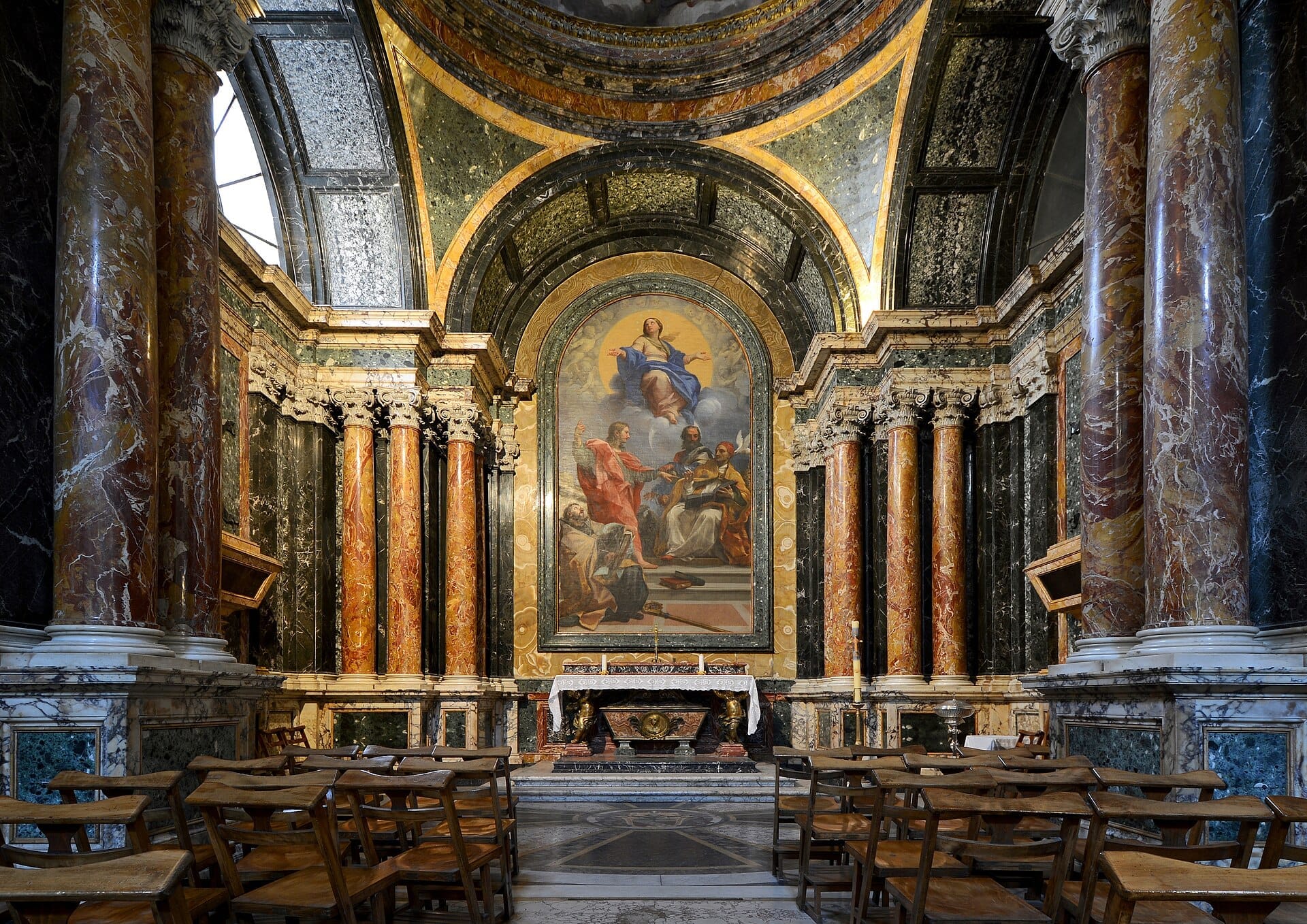
14. Seek Out Two Caravaggio Paintings Inside Santa Maria del Popolo
The Conversion of Saint Paul and The Crucifixion of Saint Peter hang in side chapels of this Renaissance church on Piazza del Popolo. Both are major Caravaggio works. Bring coins for the chapel lights; the church is free to enter.
Explore14. Seek Out Two Caravaggio Paintings Inside Santa Maria del Popolo
The Conversion of Saint Paul and The Crucifixion of Saint Peter hang in side chapels of this Renaissance church on Piazza del Popolo. Both are major Caravaggio works. Bring coins for the chapel lights; the church is free to enter.
Explore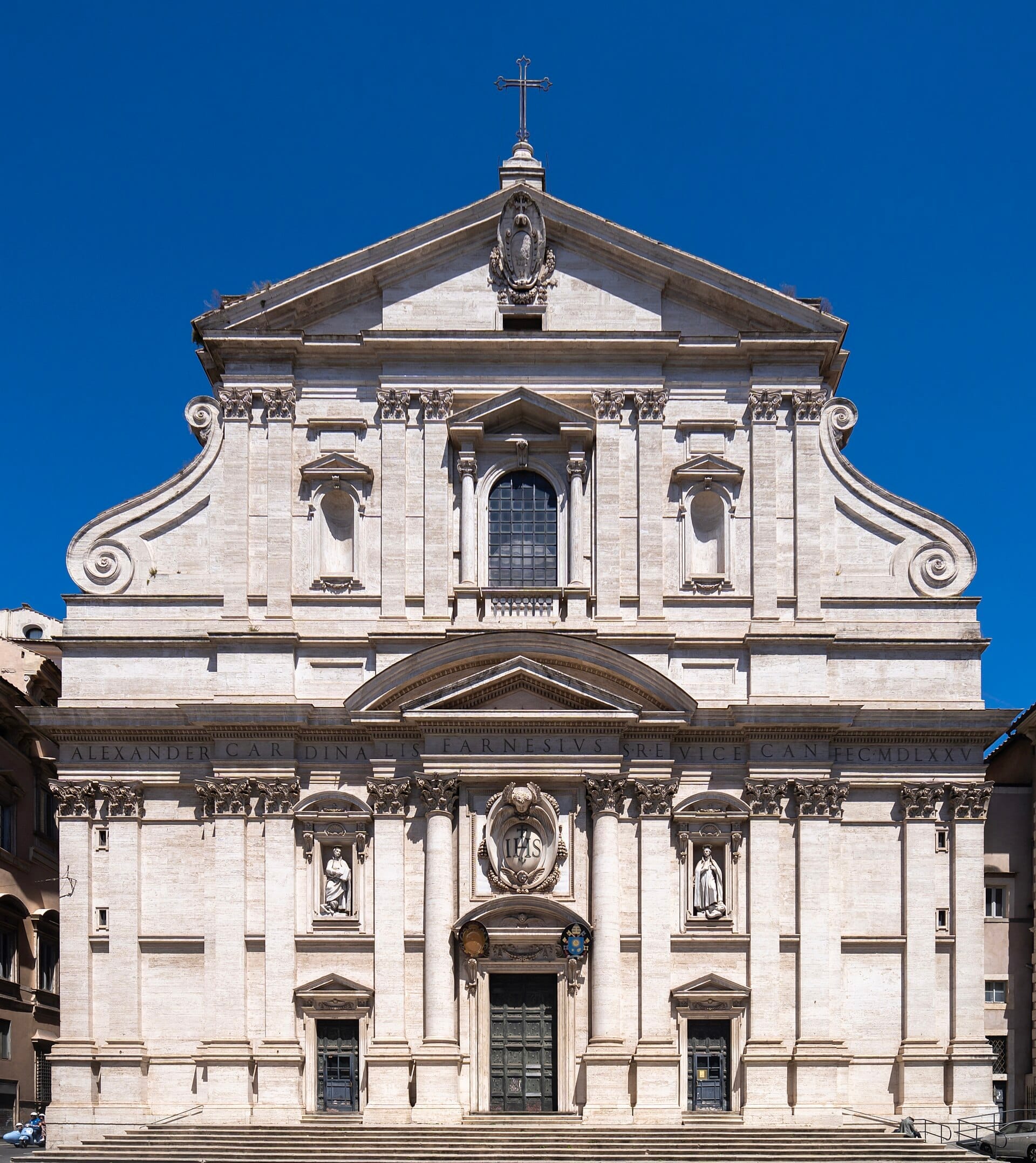
15. Look Up at the Sky-Bursting Ceiling of the Gesù Church
Gaulli's trompe-l'oeil ceiling fresco creates the illusion of painted figures actually breaking through the vault into open sky. It's one of Rome's great Baroque tricks and the church is free, central, and consistently overlooked.
Explore15. Look Up at the Sky-Bursting Ceiling of the Gesù Church
Gaulli's trompe-l'oeil ceiling fresco creates the illusion of painted figures actually breaking through the vault into open sky. It's one of Rome's great Baroque tricks and the church is free, central, and consistently overlooked.
Explore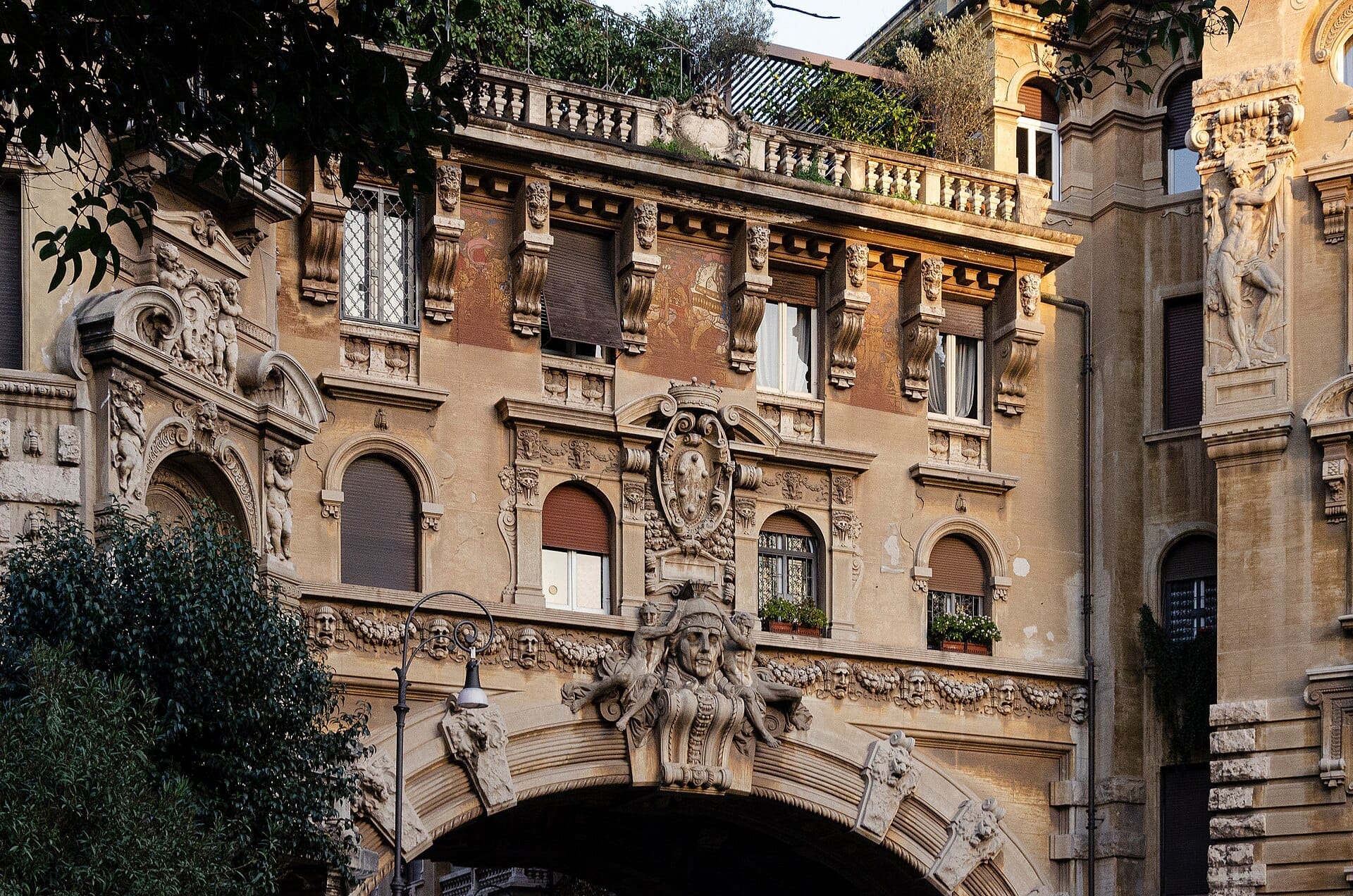
16. Wander the Fairy-Tale Architecture of Quartiere Coppedè
A few blocks near Piazza Buenos Aires hold Rome's strangest architectural fantasy: Gino Coppedè's early 1900s mashup of Art Nouveau, Gothic, Baroque, and medieval styles. Most Romans know it; almost no tourists find it.
Explore16. Wander the Fairy-Tale Architecture of Quartiere Coppedè
A few blocks near Piazza Buenos Aires hold Rome's strangest architectural fantasy: Gino Coppedè's early 1900s mashup of Art Nouveau, Gothic, Baroque, and medieval styles. Most Romans know it; almost no tourists find it.
Explore💡 Local tip
For Quartiere Coppedè, take Metro A to Spagna or Barberini, then a 20-minute walk or short taxi to Via Dora. There's no entry fee and no crowds. Late afternoon light suits the elaborate facades best.
Local Markets & Neighborhood Life
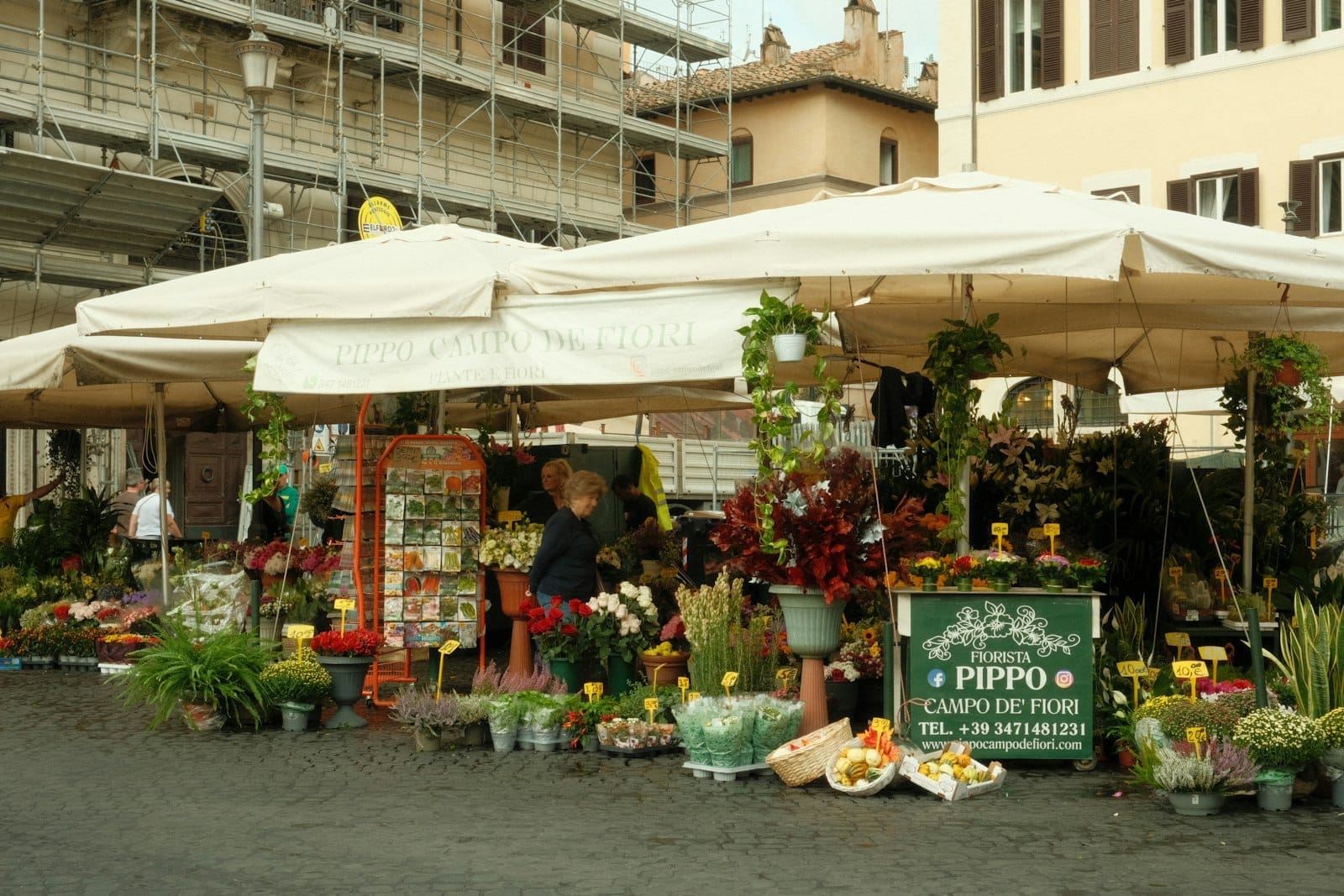
The neighborhoods that feel most authentically Roman are built around food, markets, and the pace of daily life. For where to eat near these spots, the Rome food guide covers the best trattorias, street food, and market eating across the city.
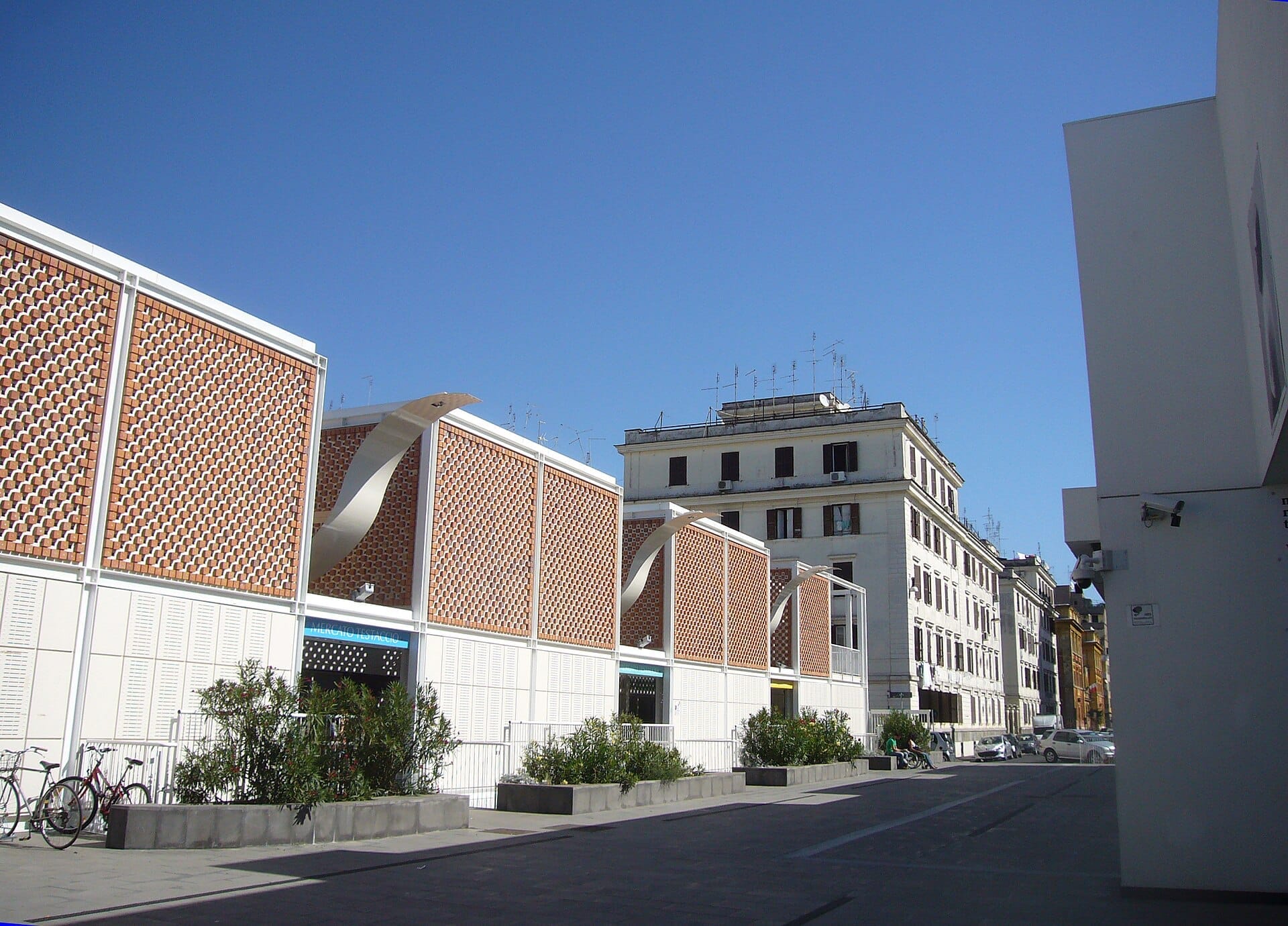
17. Eat Your Way Through Testaccio's Covered Food Market
Rome's best working food market has a cluster of lunch counters serving suppli, porchetta sandwiches, and cacio e pepe at prices tourists elsewhere never see. Go between 11am and 1pm before the best options sell out.
Explore17. Eat Your Way Through Testaccio's Covered Food Market
Rome's best working food market has a cluster of lunch counters serving suppli, porchetta sandwiches, and cacio e pepe at prices tourists elsewhere never see. Go between 11am and 1pm before the best options sell out.
Explore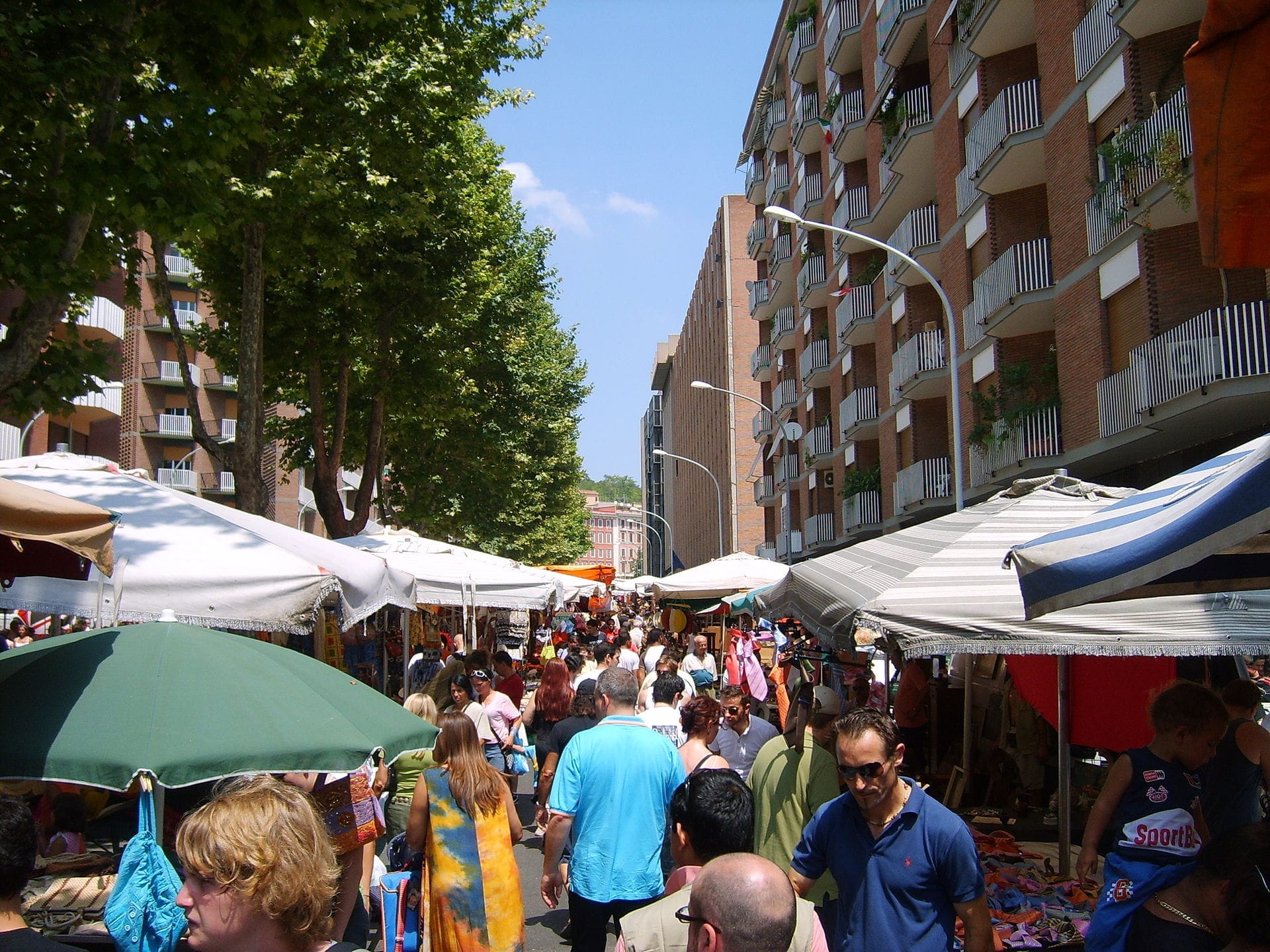
18. Spend a Sunday Morning at the Porta Portese Flea Market
Every Sunday, this massive riverside market in Trastevere sells vintage clothing, antiques, and street food across hundreds of stalls. Arrive by 8am for the best finds. Go early and bring cash; it winds down by early afternoon.
Explore18. Spend a Sunday Morning at the Porta Portese Flea Market
Every Sunday, this massive riverside market in Trastevere sells vintage clothing, antiques, and street food across hundreds of stalls. Arrive by 8am for the best finds. Go early and bring cash; it winds down by early afternoon.
Explore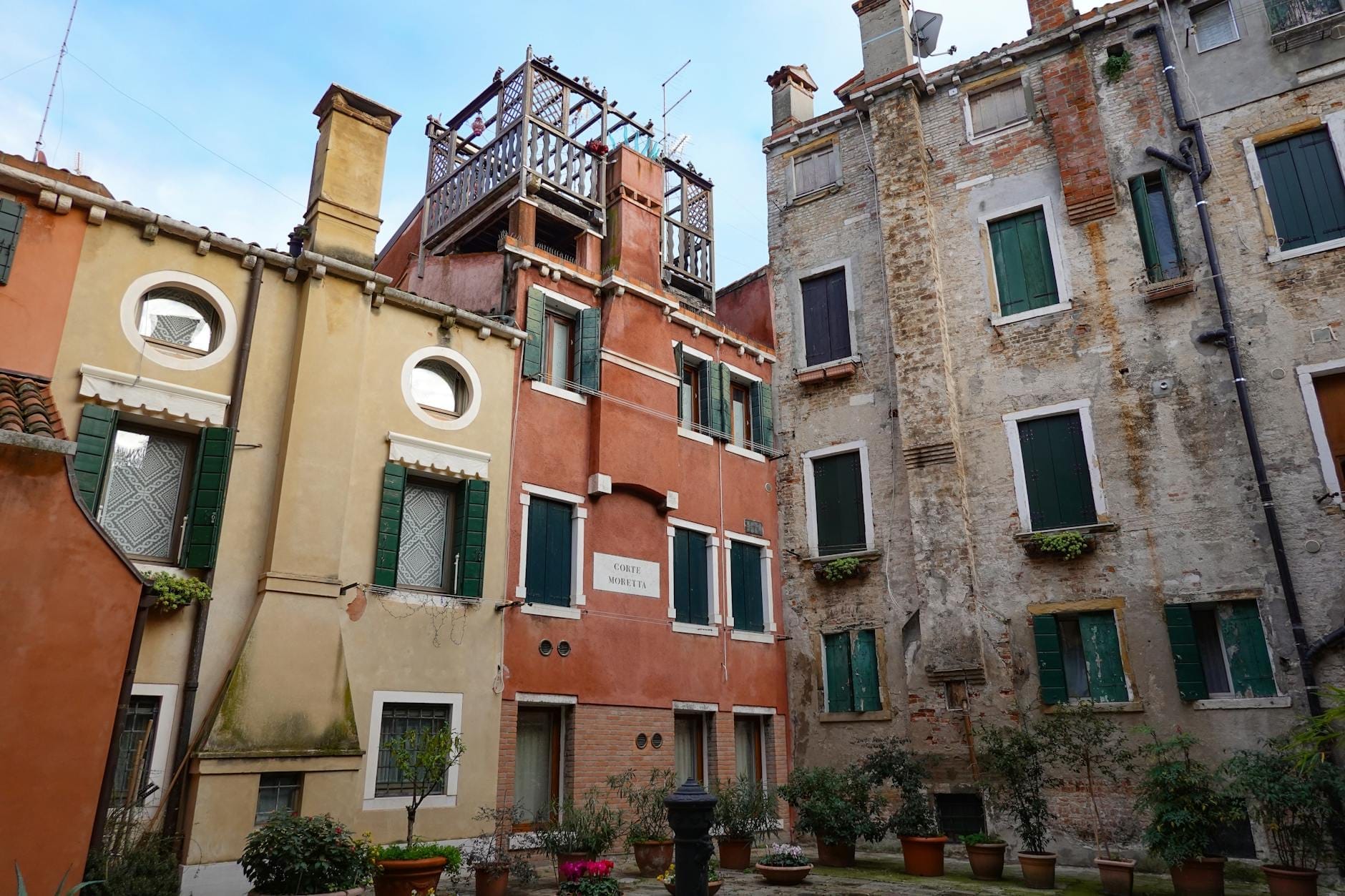
19. Explore Rome's Oldest Neighborhood in the Jewish Ghetto
Rome's Jewish community has lived here since the 2nd century BC. The ruins of the Portico d'Ottavia, traditional Roman-Jewish bakeries, and the Great Synagogue make this one of the city's most layered and underappreciated neighborhoods.
Explore19. Explore Rome's Oldest Neighborhood in the Jewish Ghetto
Rome's Jewish community has lived here since the 2nd century BC. The ruins of the Portico d'Ottavia, traditional Roman-Jewish bakeries, and the Great Synagogue make this one of the city's most layered and underappreciated neighborhoods.
ExploreThe Appian Way & Green Escapes
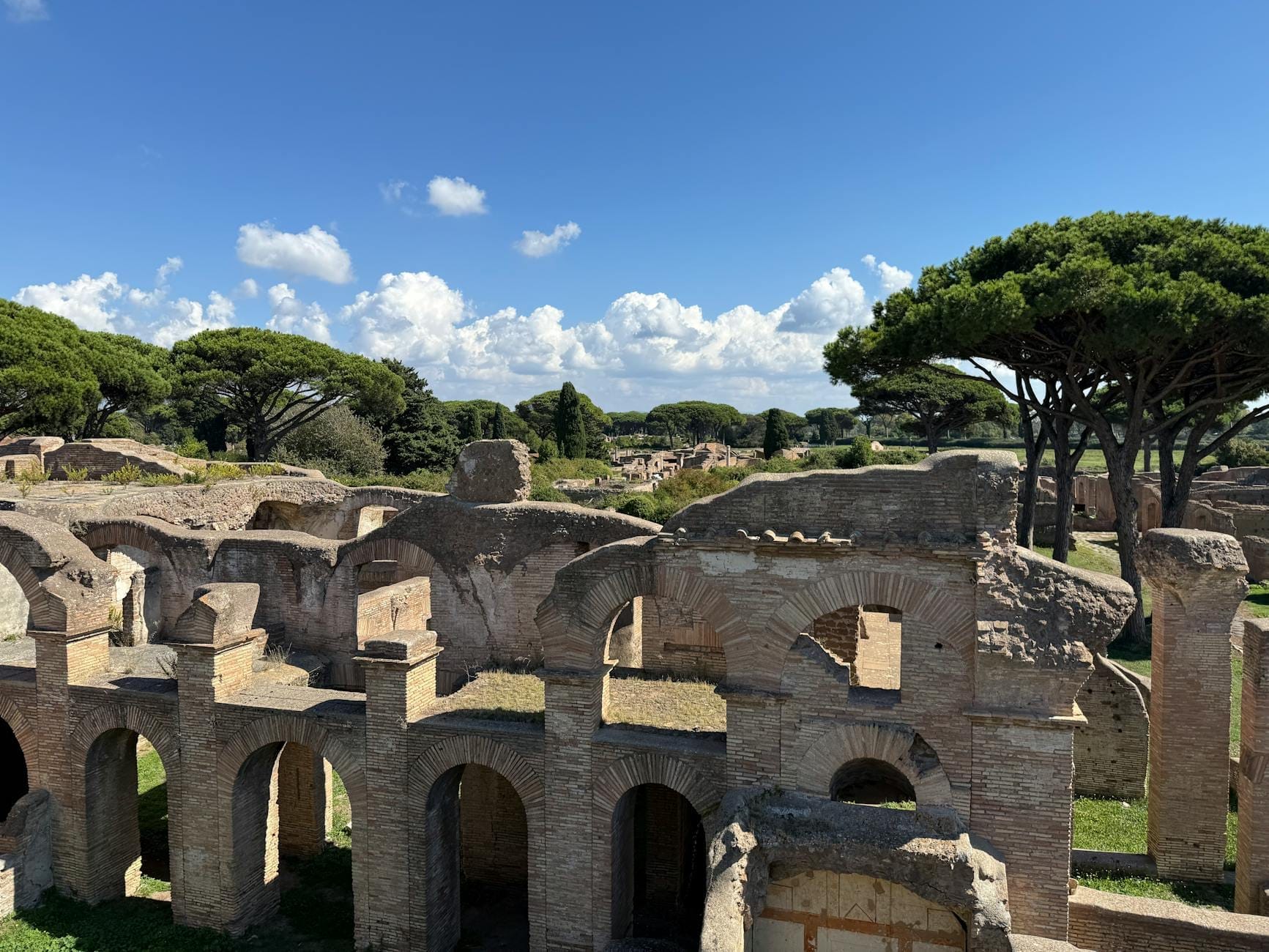
When the centro storico feels overwhelming, Rome has green corridors and ancient roads where the city breathes more slowly. The Rome day trips guide covers destinations further afield, but these options are reachable within 30 minutes of the city center.
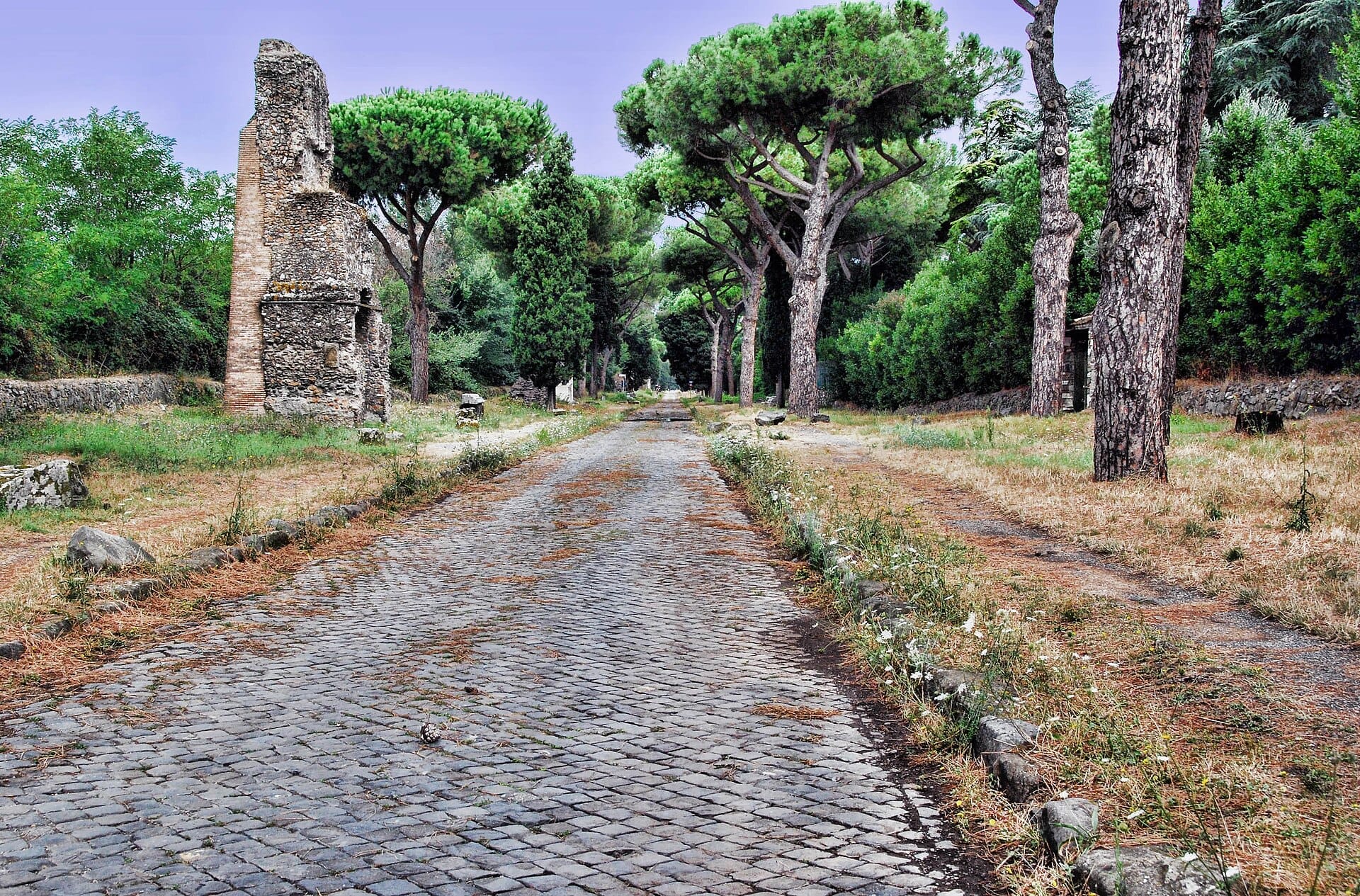
20. Walk the Ancient Appian Way Past Tombs and Open Fields
The first stretch of the 'Queen of Roads' outside the Aurelian Walls remains largely car-free on Sundays. Ancient tombs, aqueduct arches, and open farmland line the route. Rent a bike from a nearby kiosk for the best experience.
Explore20. Walk the Ancient Appian Way Past Tombs and Open Fields
The first stretch of the 'Queen of Roads' outside the Aurelian Walls remains largely car-free on Sundays. Ancient tombs, aqueduct arches, and open farmland line the route. Rent a bike from a nearby kiosk for the best experience.
Explore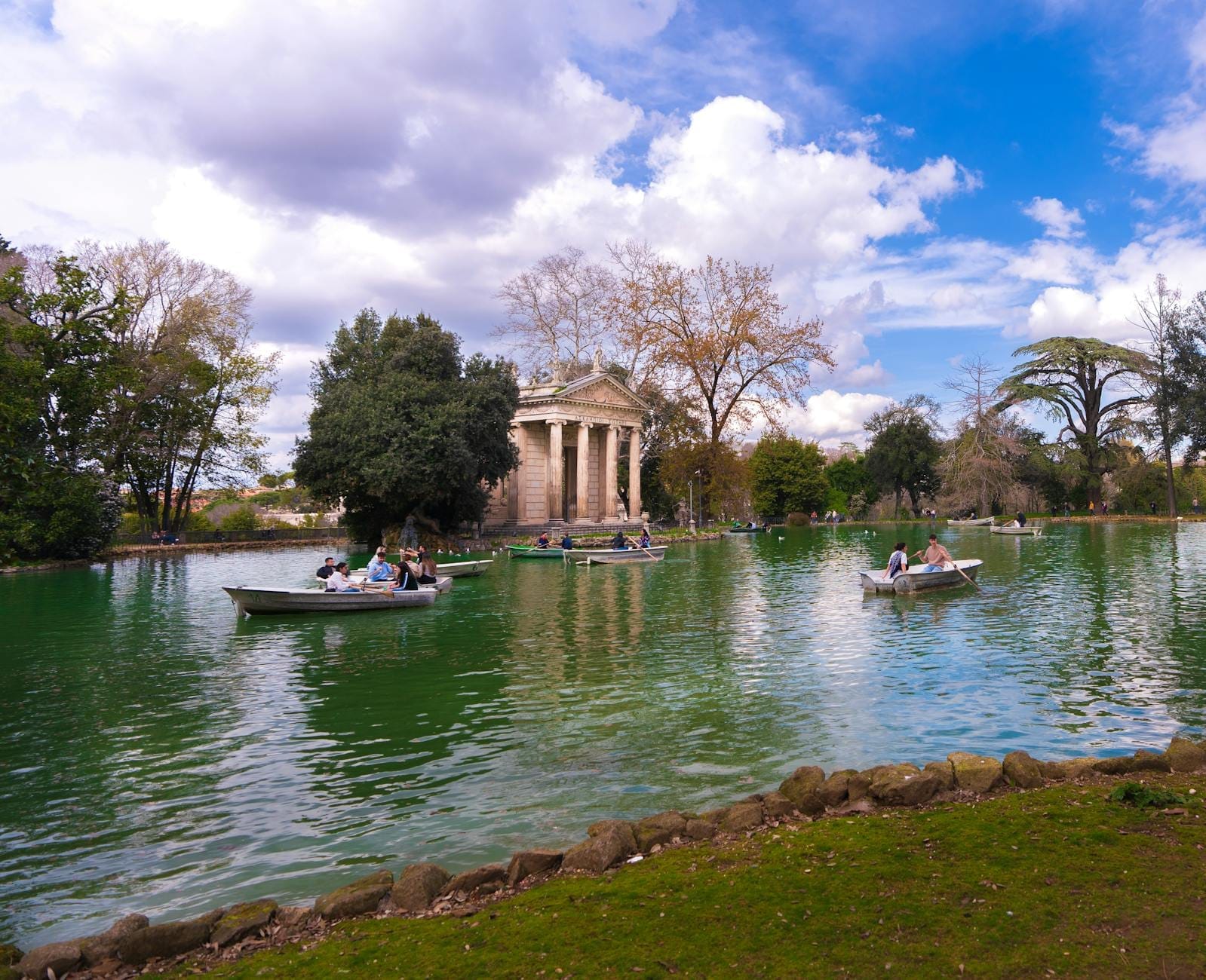
21. Escape the City in the 80-Hectare Villa Borghese Gardens
Pine-shaded paths, a rowing lake, and hilltop views make this Rome's best urban park. Hire a bike at the Viale dell'Obelisco entrance and ride to the Pincio terrace for a sunset panorama. Entry to the park is free.
Explore21. Escape the City in the 80-Hectare Villa Borghese Gardens
Pine-shaded paths, a rowing lake, and hilltop views make this Rome's best urban park. Hire a bike at the Viale dell'Obelisco entrance and ride to the Pincio terrace for a sunset panorama. Entry to the park is free.
Explore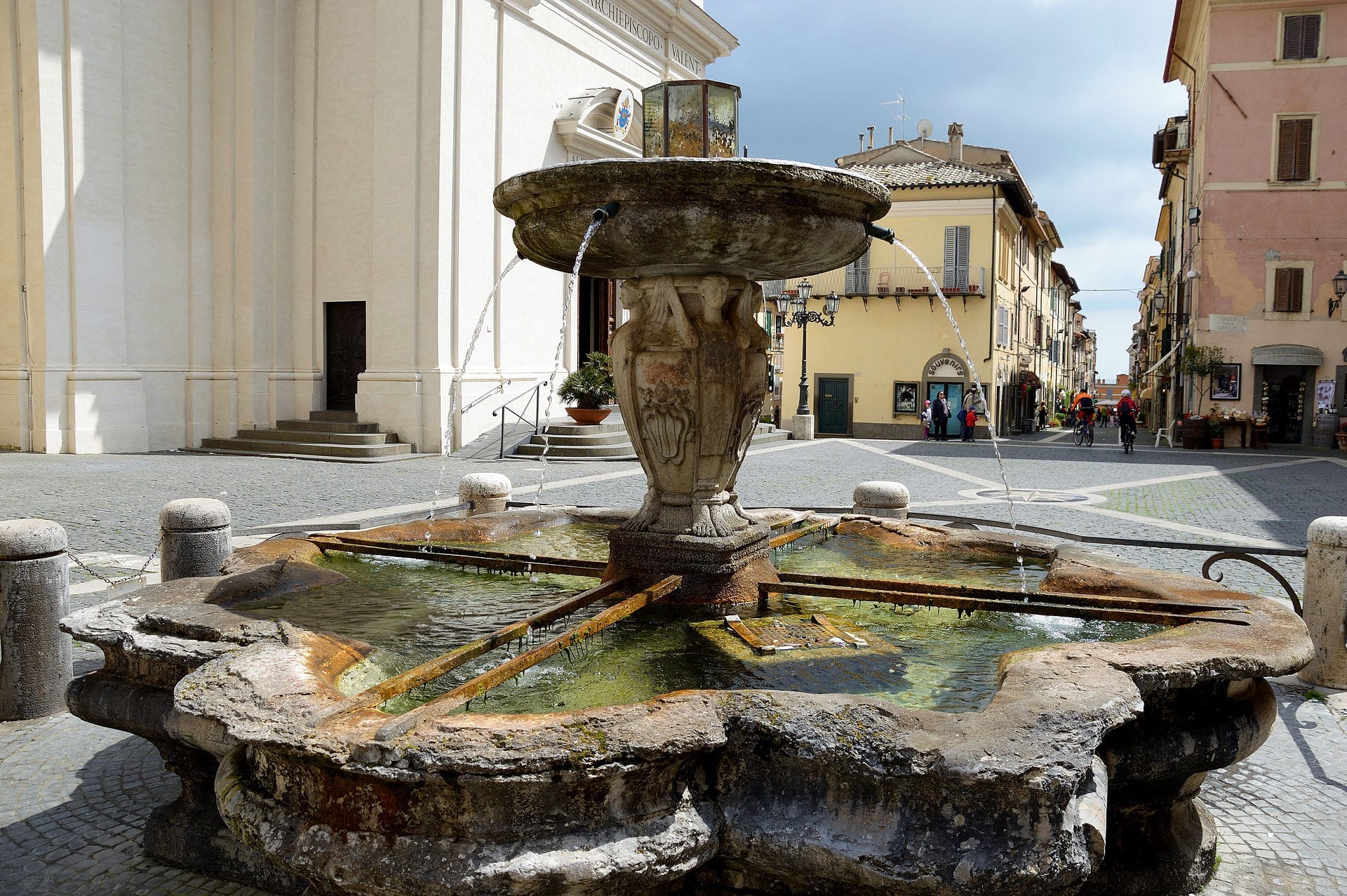
22. Visit the Papal Summer Palace and Its Barberini Gardens
Pope Francis opened this hilltop town above Lake Albano to the public in 2016. The Barberini Gardens inside the Apostolic Palace are spectacular and visited by a fraction of those who queue at the Vatican. Day trip from Rome in under an hour.
Explore22. Visit the Papal Summer Palace and Its Barberini Gardens
Pope Francis opened this hilltop town above Lake Albano to the public in 2016. The Barberini Gardens inside the Apostolic Palace are spectacular and visited by a fraction of those who queue at the Vatican. Day trip from Rome in under an hour.
ExploreFAQ
What are the most underrated things to do in Rome that aren't in guidebooks?
San Clemente Basilica's three-layer descent, the keyhole view on Aventine Hill, and the Domus Aurea VR tour consistently surprise even repeat visitors. Quartiere Coppedè is also rarely mentioned in mainstream guides despite being extraordinary.
Are there free hidden gems in Rome?
Yes, several. The Aventine Keyhole, Giardino degli Aranci, Gianicolo Hill panorama, Vittoriano rooftop (free lift), Gesù Church ceiling, and San Pietro in Vincoli all cost nothing to enter. The Appian Way is free to walk on Sundays.
How do I avoid crowds at Rome's lesser-known attractions?
Arrive before 9am or after 4pm at sites like San Clemente and Villa Farnesina. Midweek visits to the Baths of Caracalla are noticeably quieter than weekends. Palazzo Farnese requires advance booking, which naturally limits crowds.
What hidden gems in Rome are good for a rainy day?
Palazzo Doria Pamphilj, Villa Farnesina, Palazzo Farnese tours, and the underground Stadium of Domitian are all covered. The Catacombs of San Callisto also stay cool and dry year-round, making them ideal in both summer heat and rainy weather.
Which Rome hidden gems are close to the main tourist sites?
San Clemente is 10 minutes on foot from the Colosseum. San Pietro in Vincoli is 5 minutes away. Santa Maria del Popolo is directly on Piazza del Popolo. Palazzo Doria Pamphilj is about a 6-minute walk from the Pantheon. You can pair all of these with standard itinerary stops.
Tickets & tours
Live prices and dates from our booking partner. If you book, we may earn a commission at no extra cost to you.
Planning a trip? Discover personalized activities with the Nomado app.