Best Day Trips from Rome: Ancient Ruins, Hill Towns & Volcanic Lakes
Rome rewards those who venture beyond the city walls. Within an hour or two of the capital, you can walk through a remarkably intact Roman port city, stroll Renaissance water gardens, sip Frascati wine above a volcanic crater lake, or explore an Etruscan cliff town. These are the day trips that make a Rome visit feel genuinely complete.
Tickets & tours
Live prices and dates from our booking partner. If you book, we may earn a commission at no extra cost to you.
Rome is one of the great cities of the world, but Lazio and the surrounding regions hold treasures that rival anything in the city itself. The best day trips from Rome are not long hauls to Naples or Florence — those take 3+ hours each way and leave you exhausted. The sweet spot is within 90 minutes: ancient ports, papal lake retreats, Etruscan cliff towns, and volcanic hill villages that feel like a different world entirely. Most are accessible by train from Roma Termini without a car. For context on how much you can absorb in the city itself before heading out, see our Rome in 3 days itinerary and our dedicated Ostia Antica guide for the single most rewarding half-day trip from the capital.
💡 Local tip
Most day trips are easiest from Roma Termini or Roma Ostiense station. Buy regional train tickets at the station or online via Trenitalia. Organized tours handle logistics but cost more — worth it for Tivoli if you want both Villa d'Este and Hadrian's Villa in one day.
Ancient Ruins Beyond the City
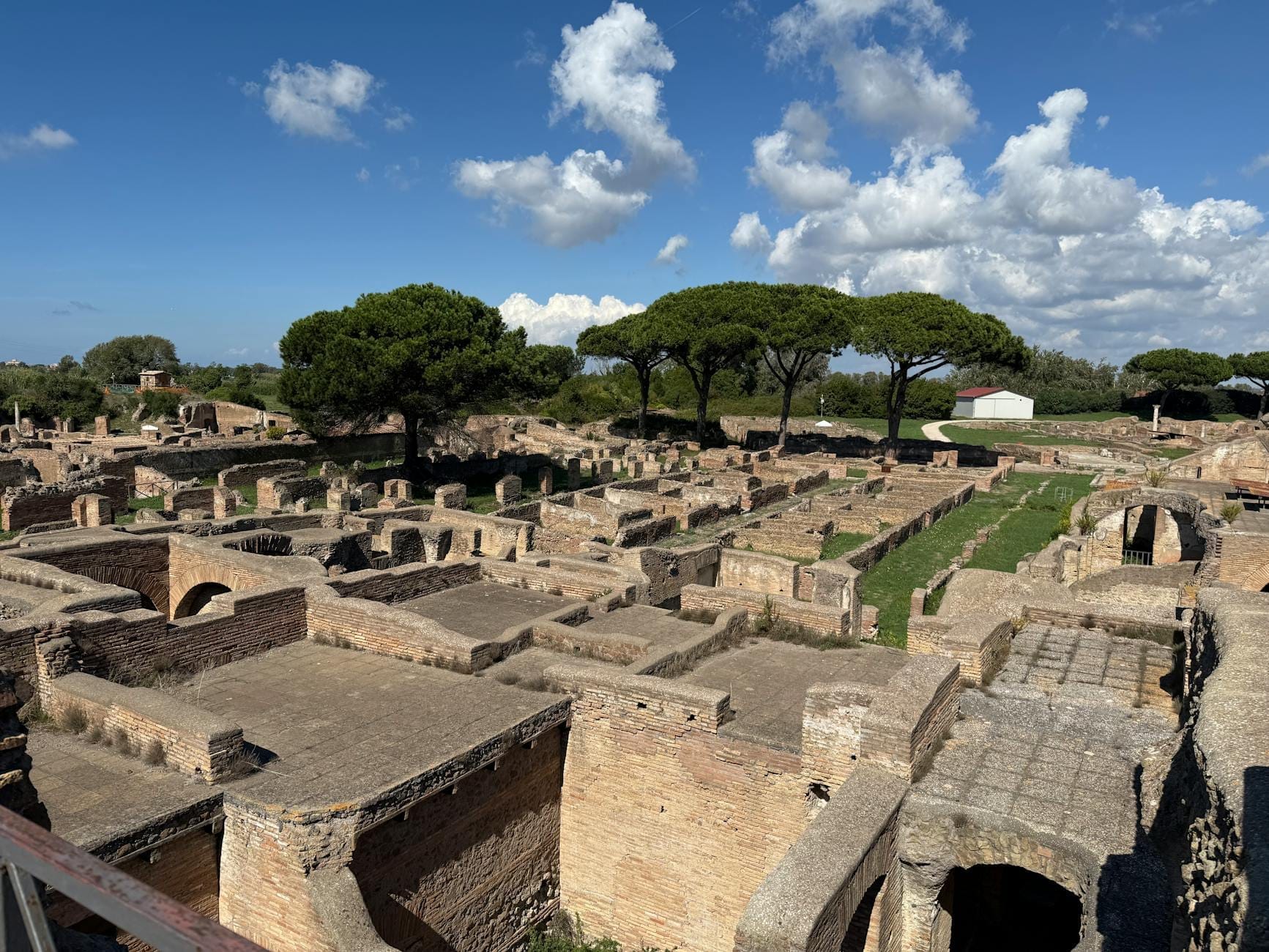
Rome's hinterland was the empire's playground, and the ancient infrastructure left behind is extraordinary. Ostia Antica is the standout — arguably better preserved than Pompeii for urban street life — but the Appian Way inside the city boundary offers a taste of Roman road travel that is just as evocative. If you want to go deeper into the city's own archaeological layer before heading out, the ancient Rome neighborhood is worth a full morning first.
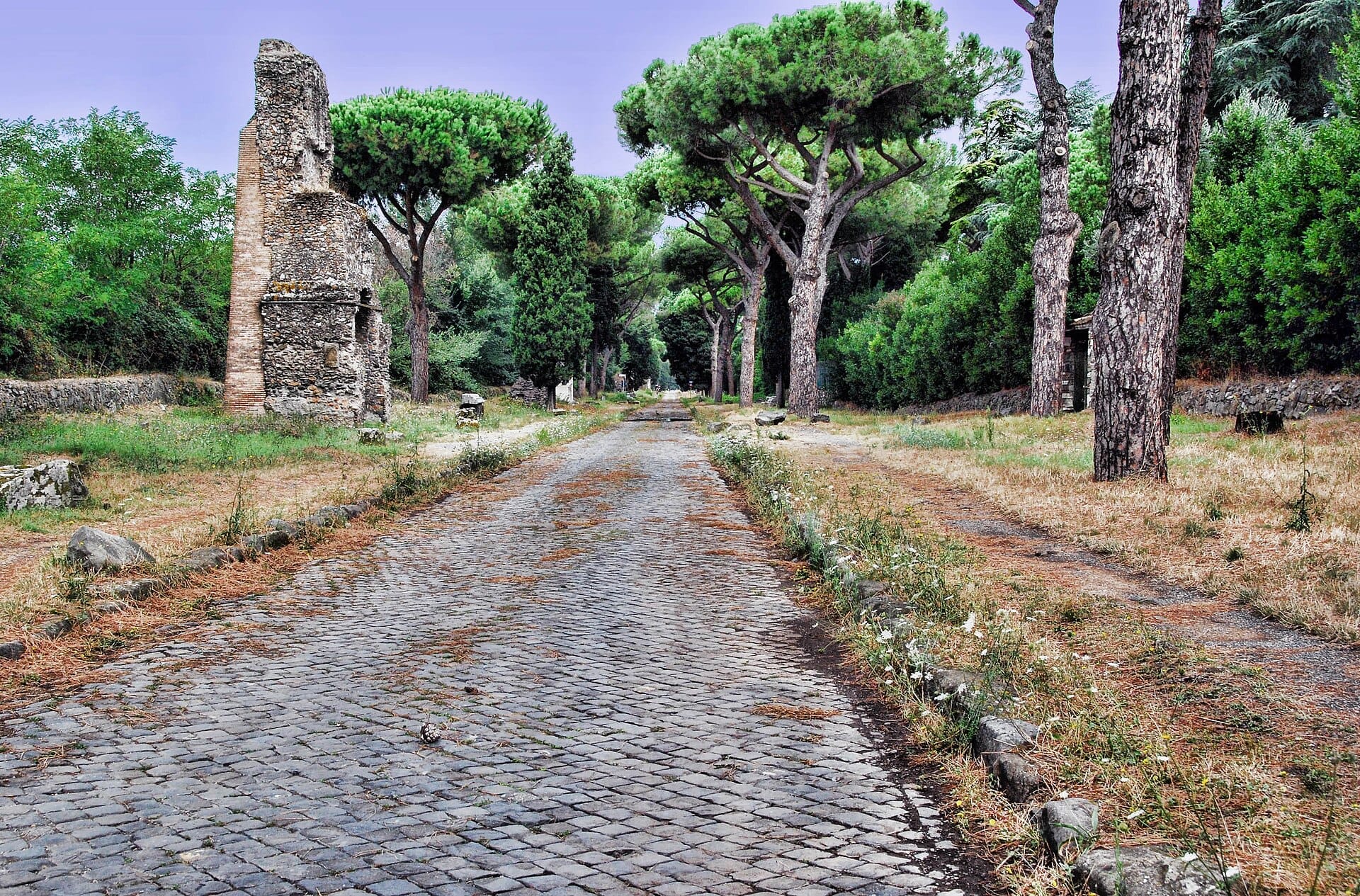
1. Walk the Appian Way for a Taste of Roman Road Travel
The first few kilometers outside the Aurelian Walls feel genuinely ancient: basalt paving stones, pine trees, crumbling tombs, and the Catacombs of San Callisto within walking distance. Rent a bike on weekends when the road closes to cars. Allow 2-3 hours.
Explore1. Walk the Appian Way for a Taste of Roman Road Travel
The first few kilometers outside the Aurelian Walls feel genuinely ancient: basalt paving stones, pine trees, crumbling tombs, and the Catacombs of San Callisto within walking distance. Rent a bike on weekends when the road closes to cars. Allow 2-3 hours.
Explore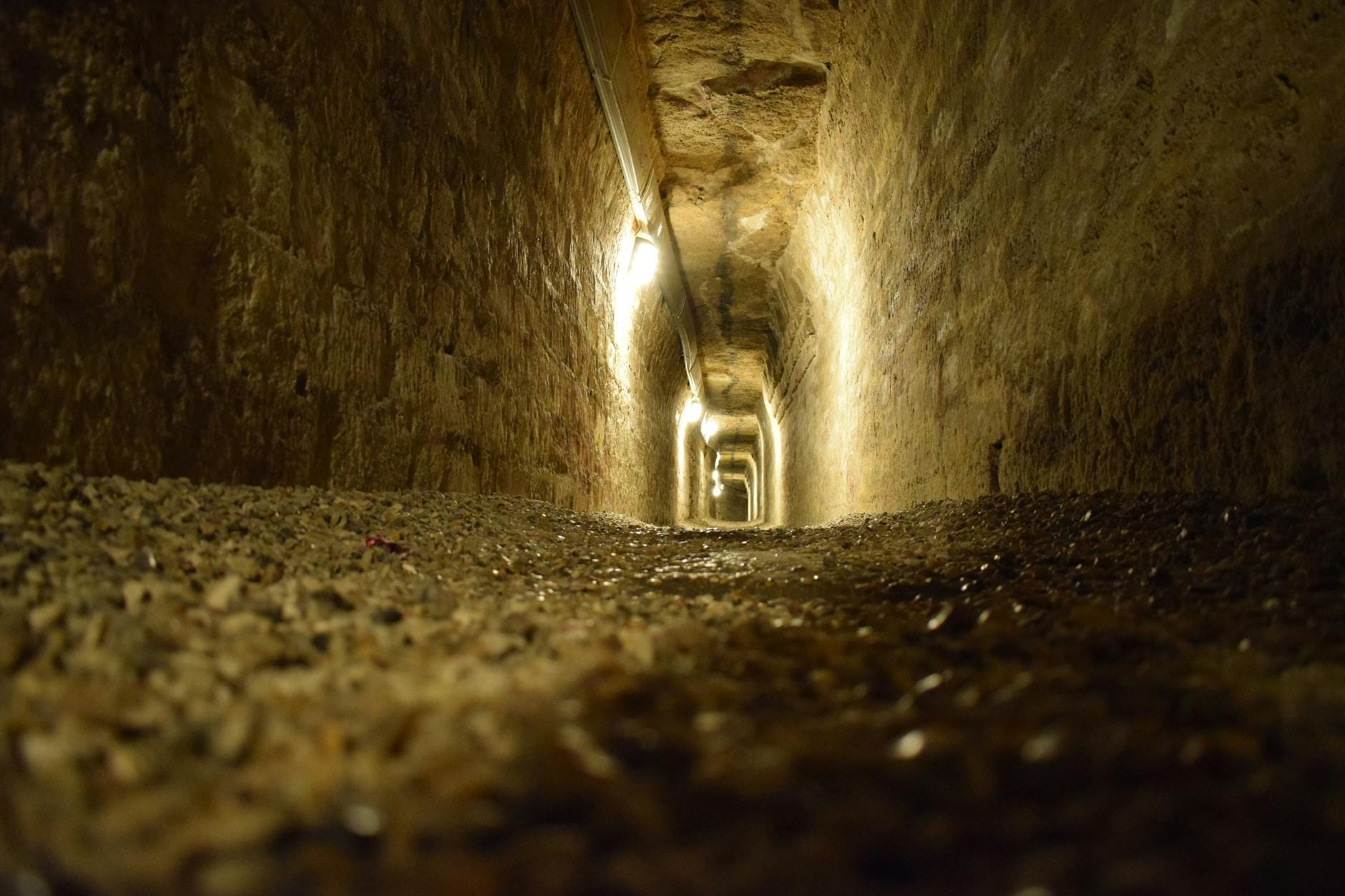
2. Descend into the Catacombs of San Callisto on the Appian Way
The largest Christian catacomb network in Rome, with 20 km of tunnels and over 500,000 tombs, sits directly on the Appian Way. Guided tours last 30-40 minutes and include early Christian frescoes and the crypts of 3rd-century popes. Combine with a Appian Way walk.
Explore2. Descend into the Catacombs of San Callisto on the Appian Way
The largest Christian catacomb network in Rome, with 20 km of tunnels and over 500,000 tombs, sits directly on the Appian Way. Guided tours last 30-40 minutes and include early Christian frescoes and the crypts of 3rd-century popes. Combine with a Appian Way walk.
Exploreℹ️ Good to know
Ostia Antica is Rome's single best half-day trip. Take the Roma-Lido train from Piramide metro station (Metro B) (30 min, €1.50 single ticket not included on ATAC day pass). The site needs 3-4 hours; combine with a quick beach stop at Ostia Lido on the same line in summer.
The Alban Hills: Papal Lakes and Hill Towns
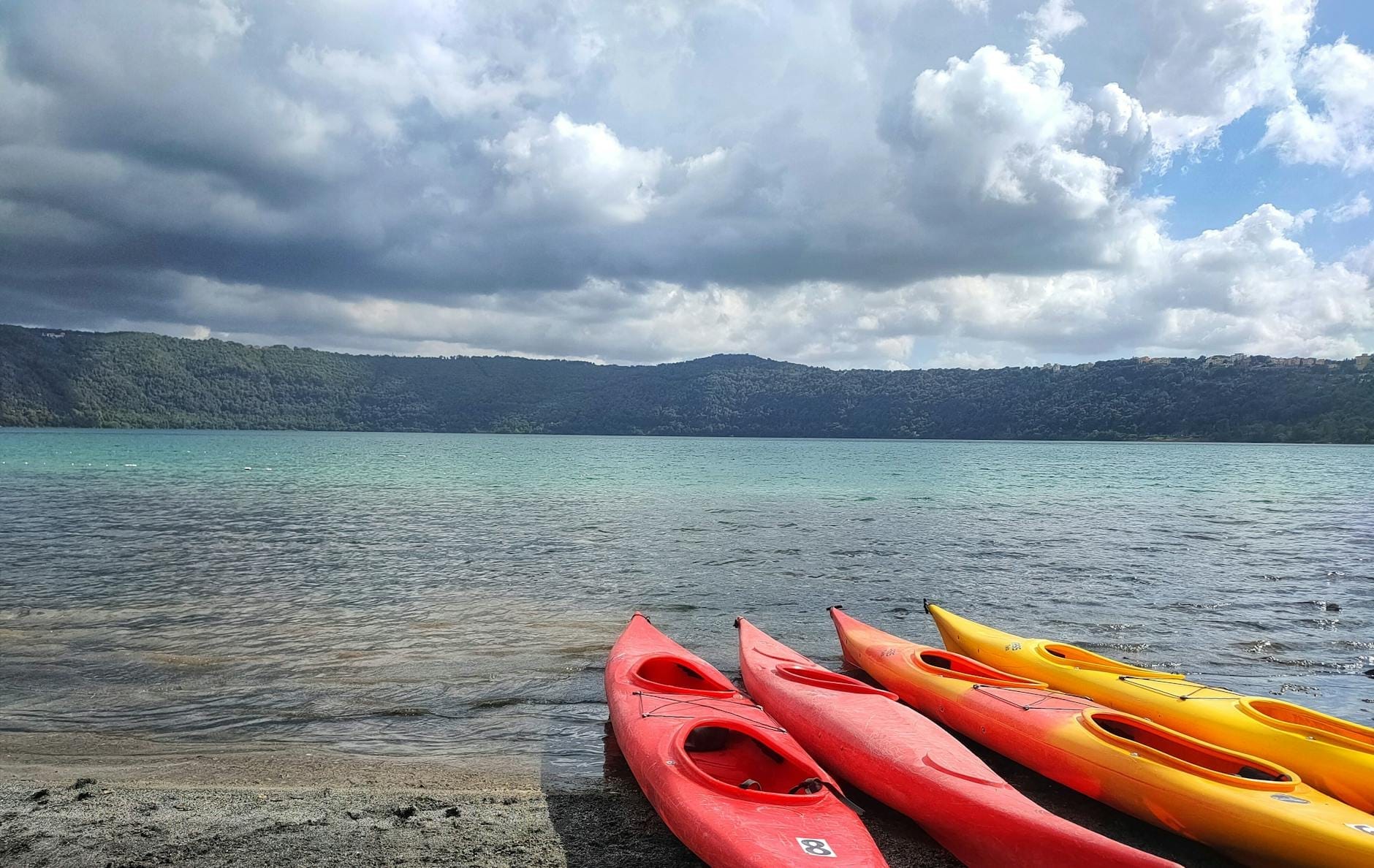
The Castelli Romani, a cluster of small towns built on and around ancient volcanic craters southeast of Rome, are a favorite escape for Romans themselves. The air is cooler, the white wine (Frascati) is good, and the views over the crater lakes are hard to beat. Spring and autumn are the best seasons for the hills: summer gets hot even at altitude, and the towns can feel sleepy in winter.
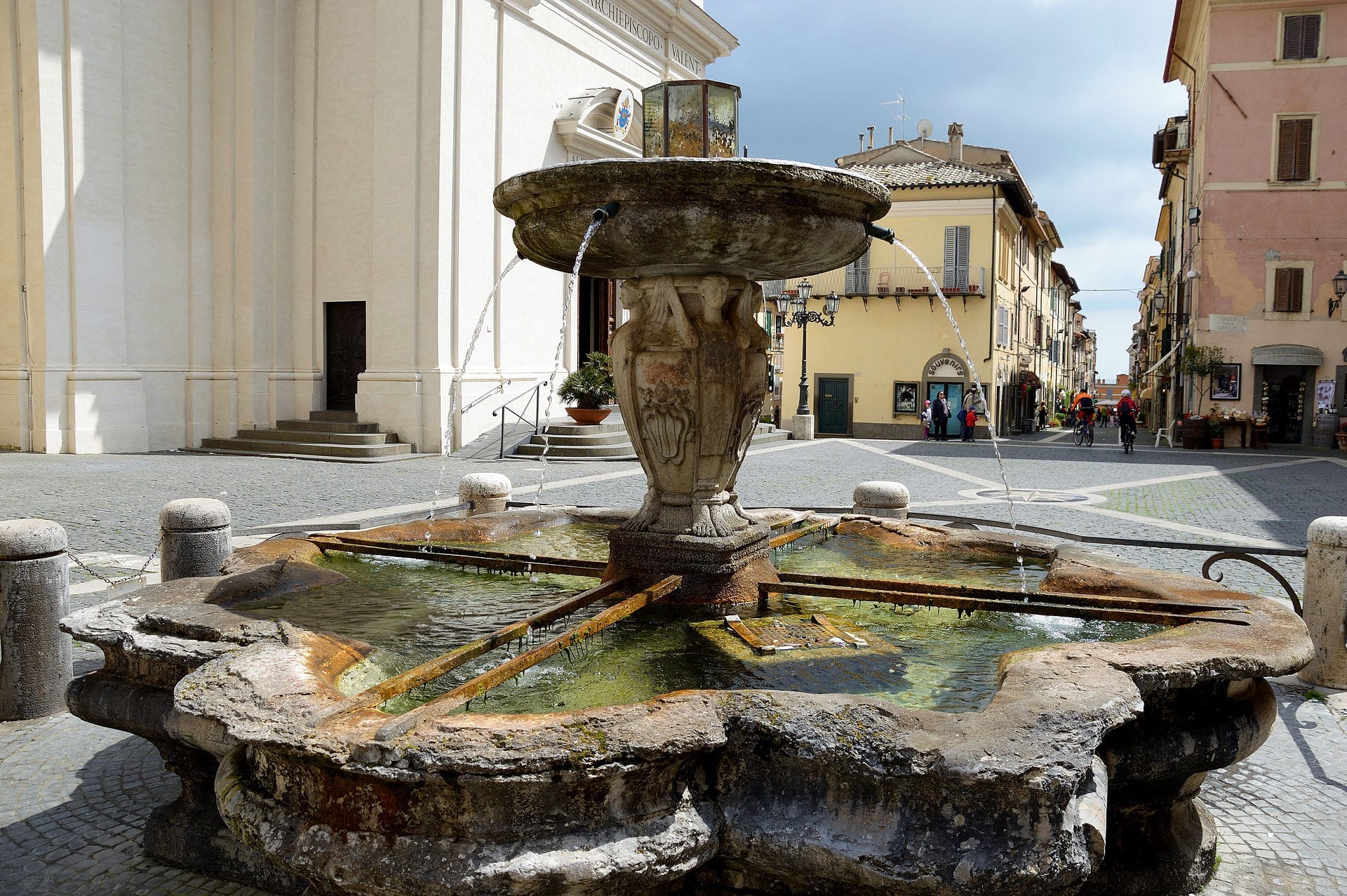
3. Visit the Papal Palace and Barberini Gardens at Castel Gandolfo
Perched above Lago Albano, this hilltop town was the papal summer retreat for nearly four centuries. Pope Francis opened the Apostolic Palace and the spectacular Barberini Gardens to visitors in 2016. Book tickets in advance through the Vatican; the gardens alone justify the trip.
Explore3. Visit the Papal Palace and Barberini Gardens at Castel Gandolfo
Perched above Lago Albano, this hilltop town was the papal summer retreat for nearly four centuries. Pope Francis opened the Apostolic Palace and the spectacular Barberini Gardens to visitors in 2016. Book tickets in advance through the Vatican; the gardens alone justify the trip.
Explore💡 Local tip
From Rome, take a regional train to Castel Gandolfo station (about 45 min from Termini via Ciampino). The town is a short uphill walk from the station. Combine with Nemi, 5 km away, for wild strawberries in early summer — the town's strawberry festival runs the first Sunday of June.
Renaissance Villas and Garden Towns
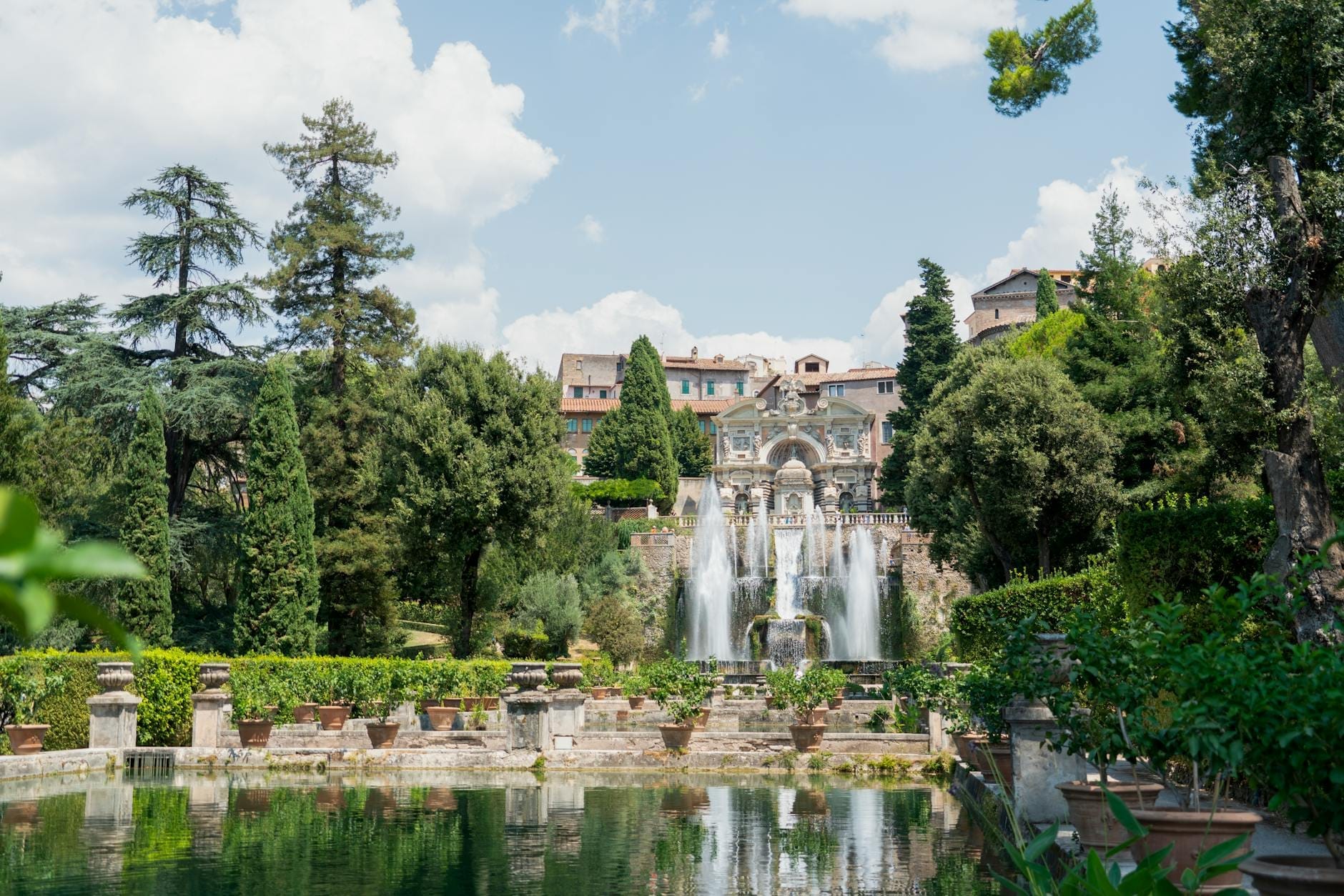
Tivoli, 29 km east of Rome in the foothills of the Apennines, contains two UNESCO World Heritage Sites within a few kilometers of each other. Villa d'Este's terraced water gardens and Villa Adriana's sprawling imperial complex are each a half-day on their own. Most visitors try to fit both in one day, which is doable but rushed — if you have to choose, Hadrian's Villa is the more significant site historically, while Villa d'Este is more visually spectacular. Organized tours from Rome handle the transfer and often include both. For broader context on what to do when you're back in the city, our complete Rome guide covers all the essentials.
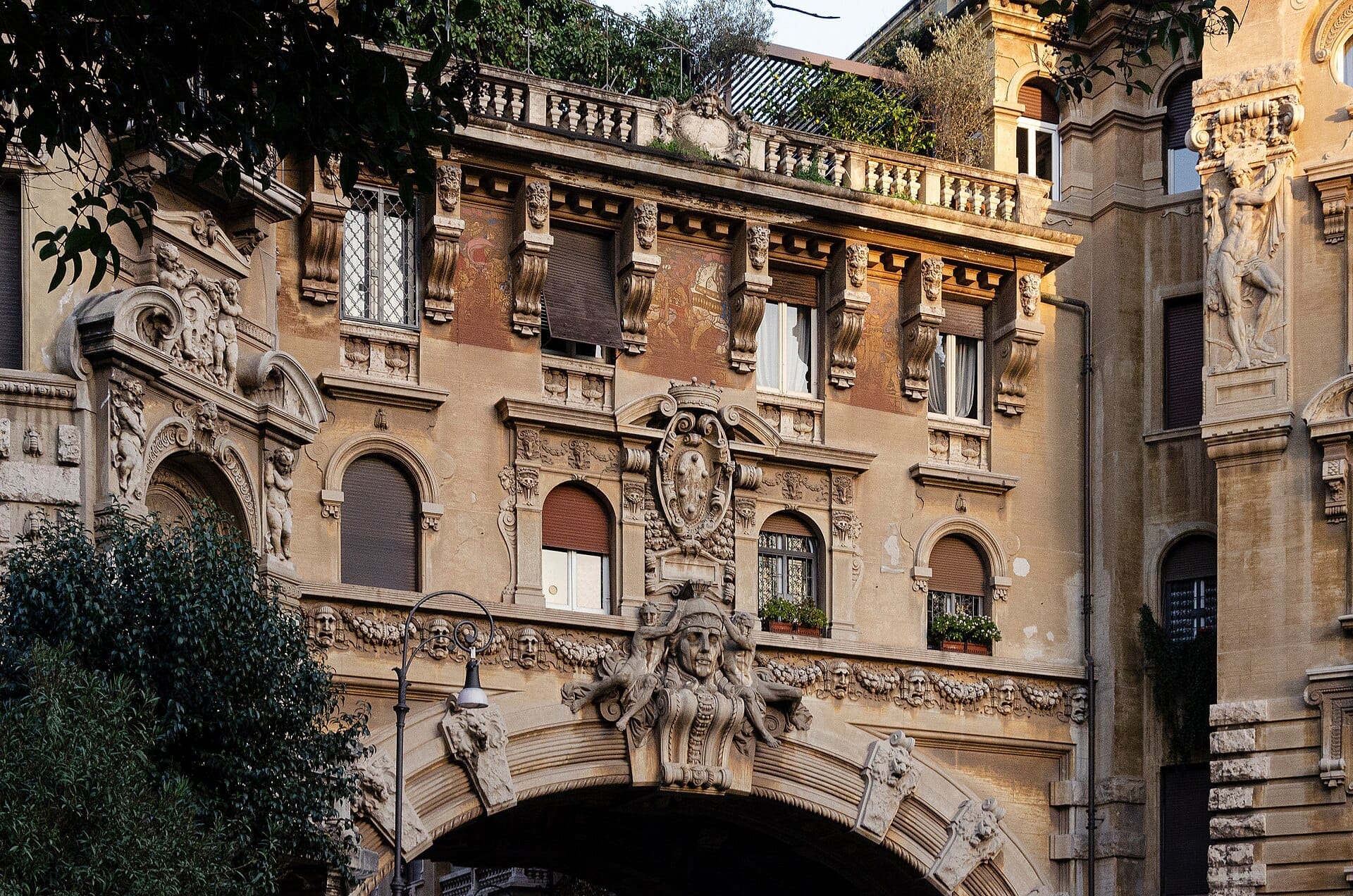
4. Explore the Fantastical Architecture of Quartiere Coppedè
Not a day trip by distance, but this surreal early-20th-century enclave near Piazza Buenos Aires feels like a completely different city. Art Nouveau, Gothic, and medieval styles collide in a handful of blocks. A 45-minute detour that rewards anyone spending multiple days in Rome.
Explore4. Explore the Fantastical Architecture of Quartiere Coppedè
Not a day trip by distance, but this surreal early-20th-century enclave near Piazza Buenos Aires feels like a completely different city. Art Nouveau, Gothic, and medieval styles collide in a handful of blocks. A 45-minute detour that rewards anyone spending multiple days in Rome.
Explore✨ Pro tip
For Tivoli, take a COTRAL bus from Ponte Mammolo metro station (Metro B1) — cheaper and more direct than the train for Villa d'Este in the town center. Hadrian's Villa requires a separate bus or taxi from Tivoli town. Organized tours that cover both sites save significant logistical headache.
Etruscan Towns and Medieval Hilltop Cities
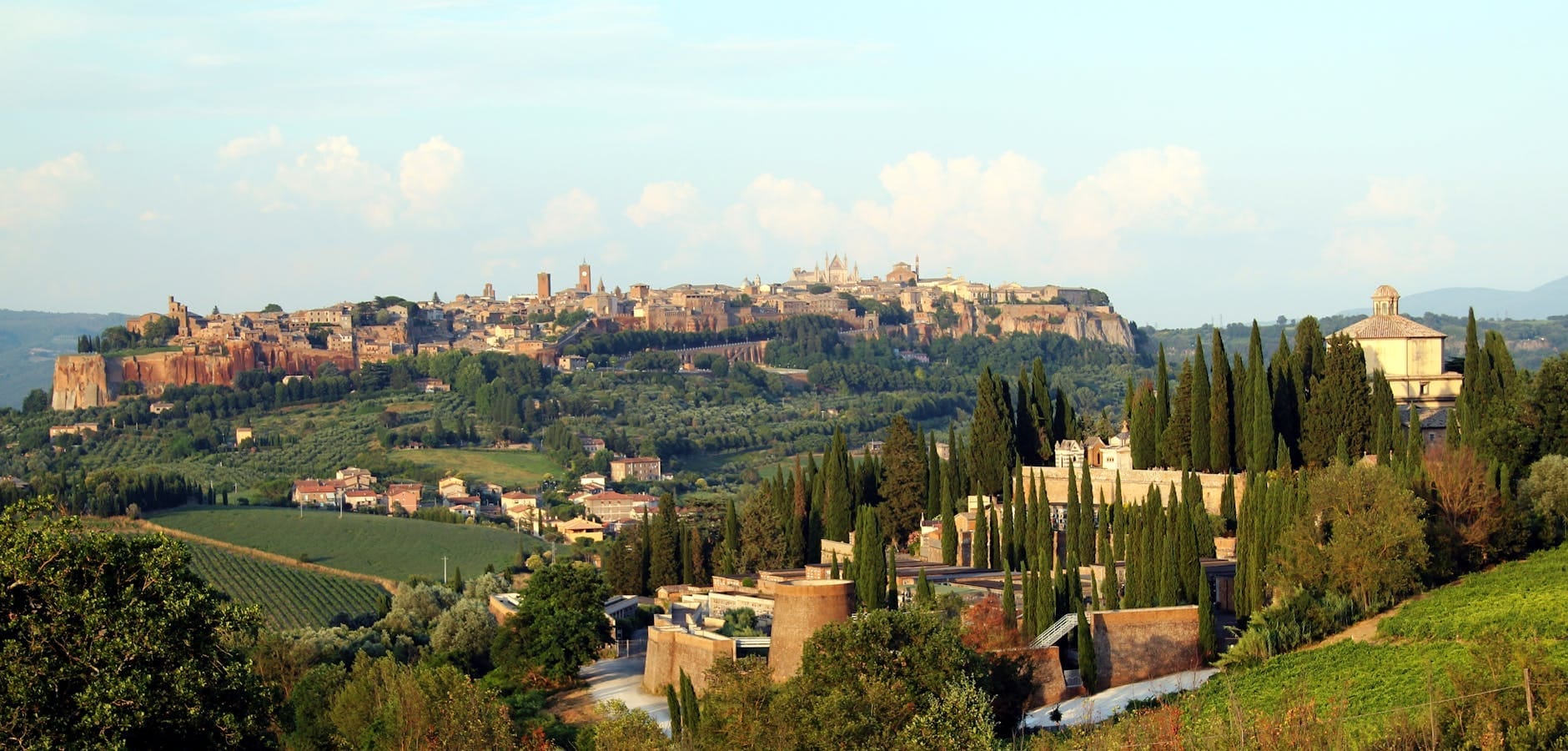
Orvieto, perched dramatically on a volcanic tuff plateau 90 minutes northwest of Rome by fast train, is the most rewarding full-day trip in this category. Its Gothic cathedral is one of Italy's finest, the Etruscan underground caves are genuinely fascinating, and the town itself is small enough to cover on foot in a day. Civita di Bagnoregio, a dying city accessible only by footbridge, is another extraordinary option for those with a car. These trips suit travelers who want medieval atmosphere rather than ancient ruins — a different register entirely from what Rome offers. For those watching their budget, note that Rome on a budget has tips for keeping day trip costs down.
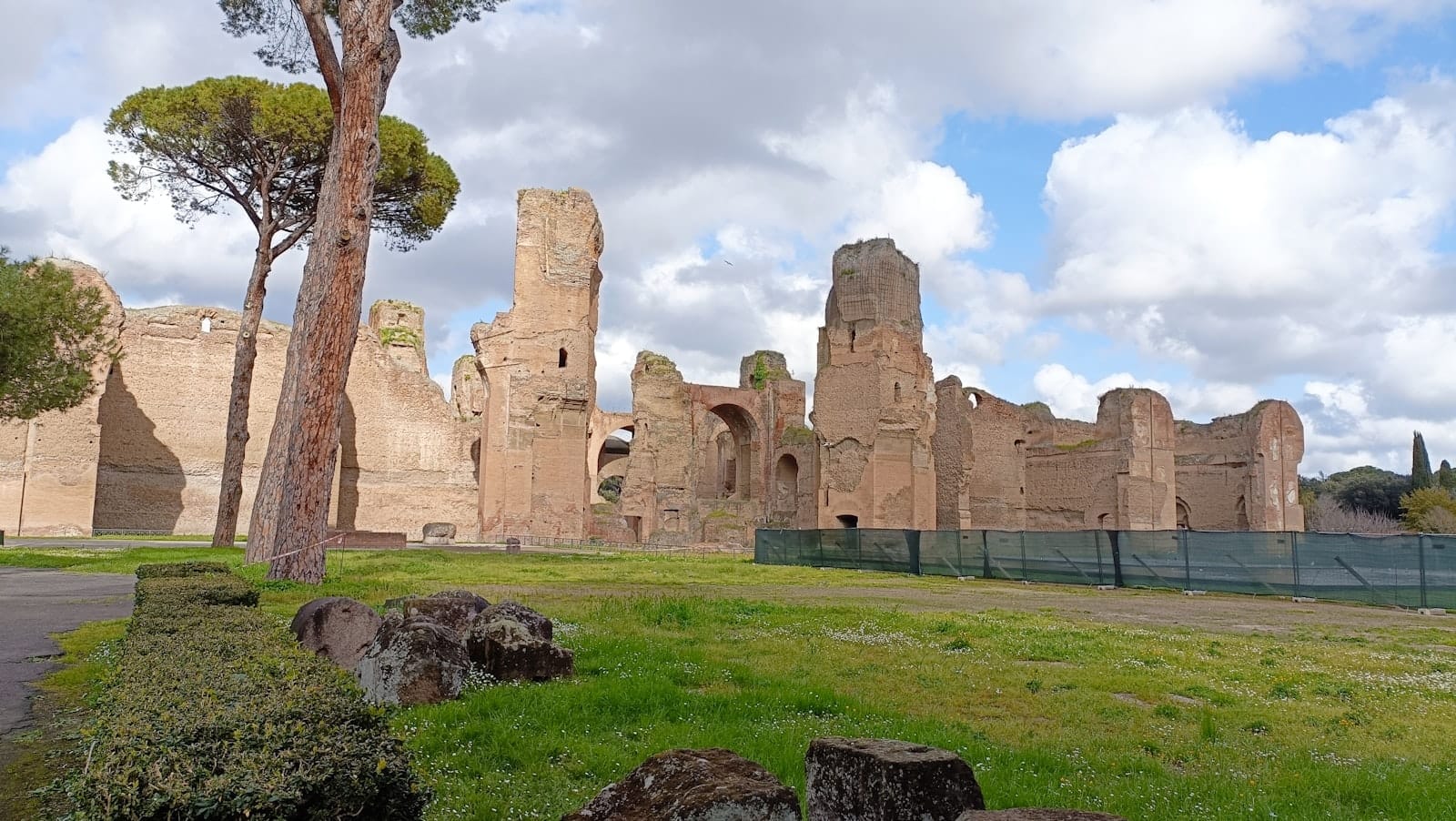
5. See the Scale of Ancient Rome at the Baths of Caracalla
These vast 3rd-century ruins within Rome itself make an excellent warm-up for a day trip mindset: soaring brick vaults, mosaic floors, and a sense of imperial ambition that prepares you for what Hadrian built at Tivoli. Allow 1-1.5 hours; open-air opera performances held here in summer.
Explore5. See the Scale of Ancient Rome at the Baths of Caracalla
These vast 3rd-century ruins within Rome itself make an excellent warm-up for a day trip mindset: soaring brick vaults, mosaic floors, and a sense of imperial ambition that prepares you for what Hadrian built at Tivoli. Allow 1-1.5 hours; open-air opera performances held here in summer.
Explore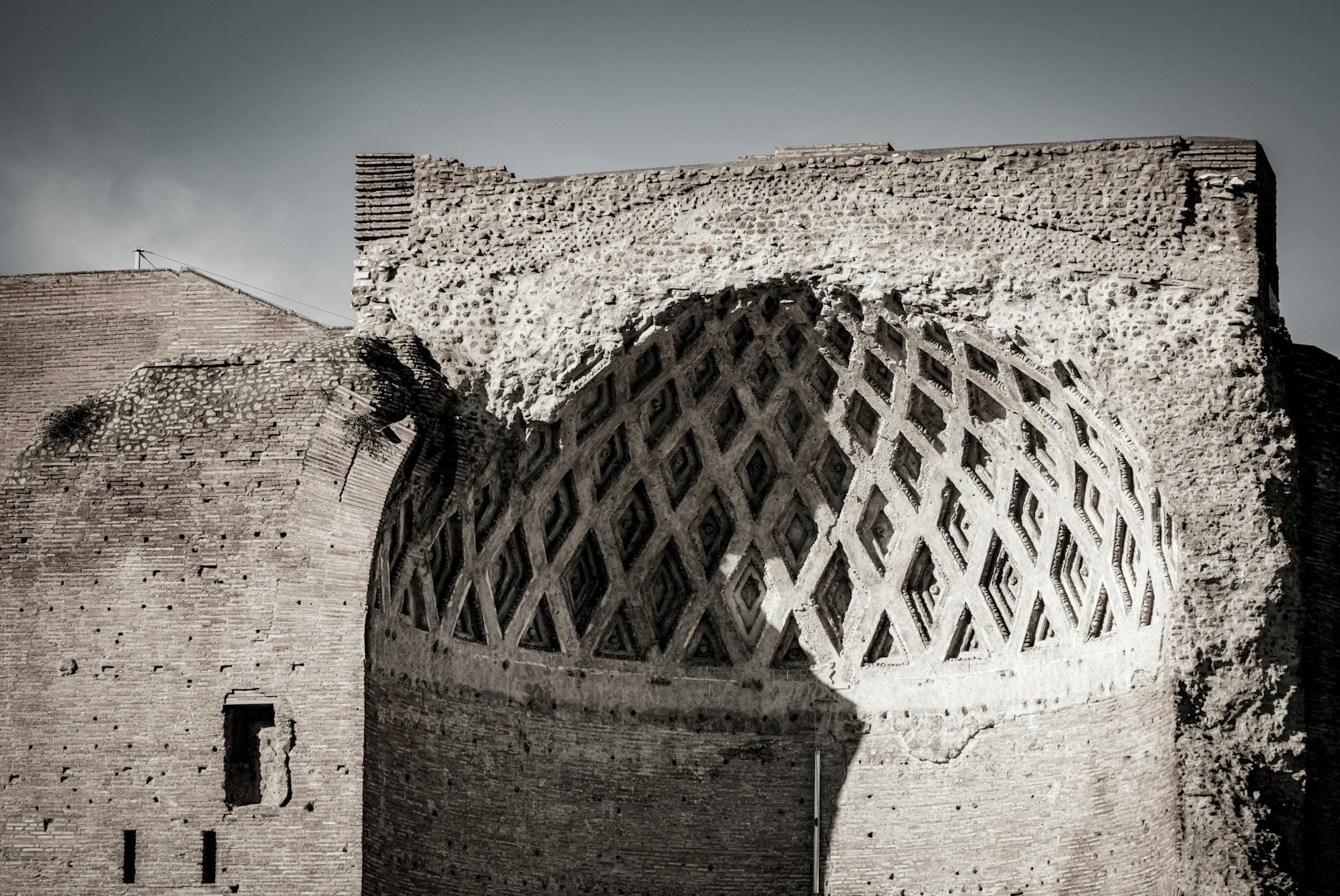
6. Explore Nero's Golden House Before Heading to Tivoli
Nero's buried palace beneath the Baths of Trajan is the city-side complement to Hadrian's Villa at Tivoli. VR-guided tours through lavishly frescoed underground halls last about 75 minutes. Book well in advance; weekend slots sell out weeks ahead.
Explore6. Explore Nero's Golden House Before Heading to Tivoli
Nero's buried palace beneath the Baths of Trajan is the city-side complement to Hadrian's Villa at Tivoli. VR-guided tours through lavishly frescoed underground halls last about 75 minutes. Book well in advance; weekend slots sell out weeks ahead.
ExploreCoastal Escapes and Beach Towns
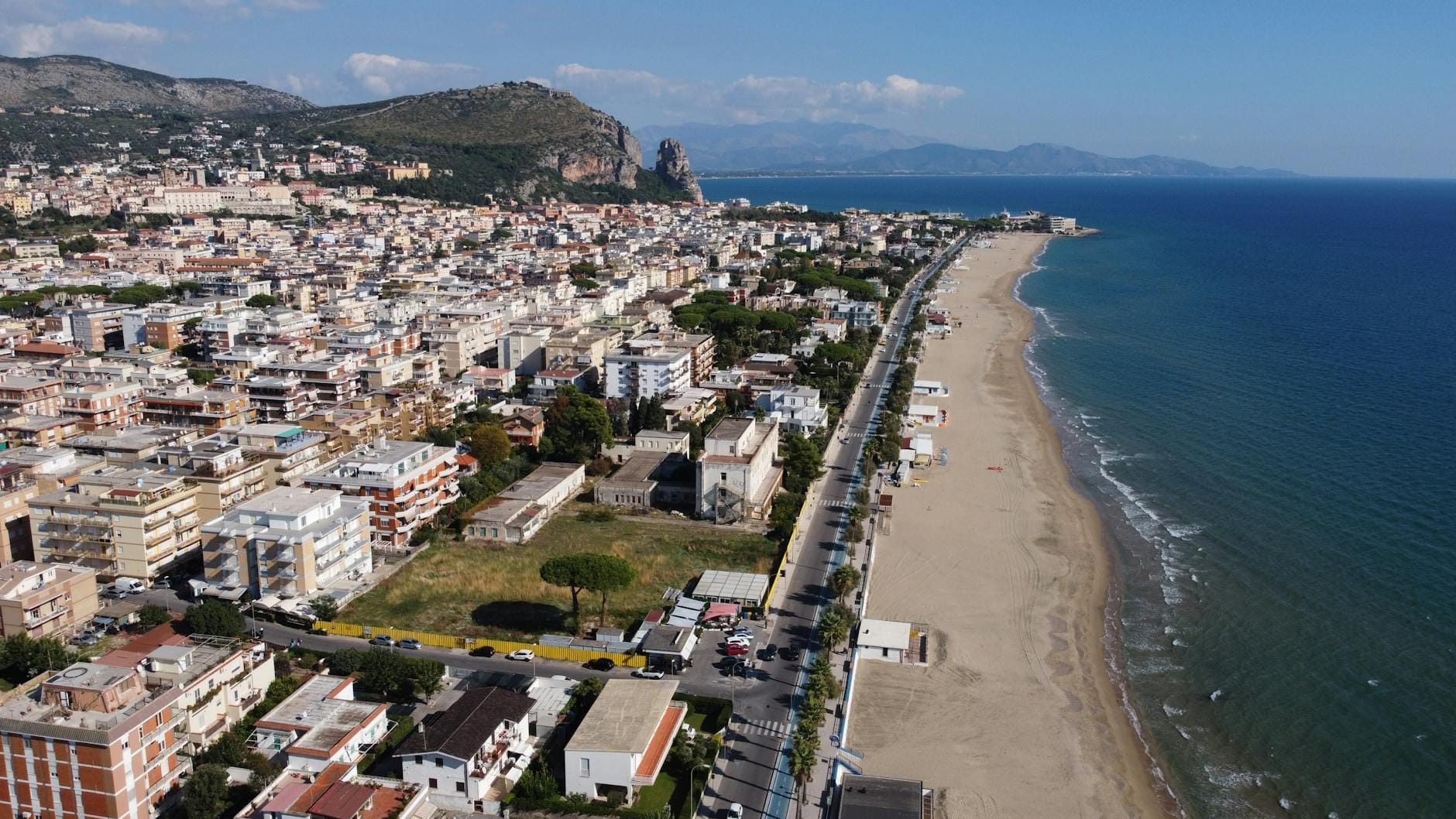
Rome is closer to the sea than many visitors realize. Anzio and Nettuno sit an hour south by train and offer wide sandy beaches, good seafood, and the sobering WWII Allied cemetery at Anzio. Sperlonga, further south on a rocky promontory, is arguably the most beautiful beach town accessible from Rome, with the bonus of the Villa and Grotto of Tiberius ruins dating to the 1st century AD. These are summer trips, best between June and September. For travelers who prefer staying closer and making the most of the city itself, our free things to do in Rome guide is worth bookmarking.
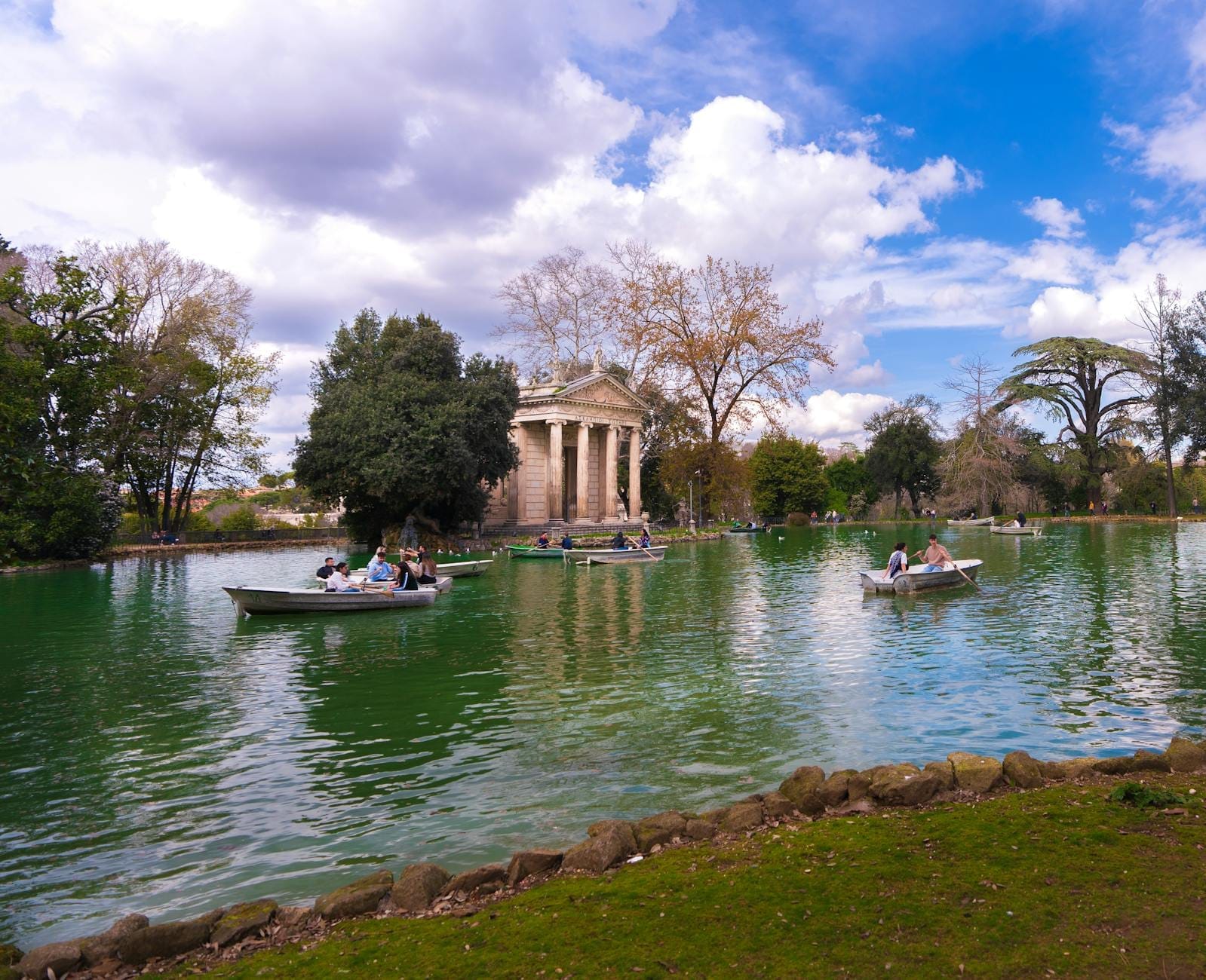
7. Spend a Slow Morning in Villa Borghese Before a Day Trip Departure
If your train departs mid-morning, the Borghese gardens are the ideal pre-departure buffer: 80 hectares of pine-shaded paths, boat rental on the lake, and zero admission. Combine with an early visit to Galleria Borghese if you've pre-booked a slot.
Explore7. Spend a Slow Morning in Villa Borghese Before a Day Trip Departure
If your train departs mid-morning, the Borghese gardens are the ideal pre-departure buffer: 80 hectares of pine-shaded paths, boat rental on the lake, and zero admission. Combine with an early visit to Galleria Borghese if you've pre-booked a slot.
Exploreℹ️ Good to know
Trains to Anzio and Nettuno depart from Roma Termini (about 1 hour, €5-8 each way). For Sperlonga, you'll need to take a train to Fondi-Sperlonga station, then a bus or taxi to the beach town — allow 2 hours total each way.
Half-Day Escapes Within Rome's Orbit
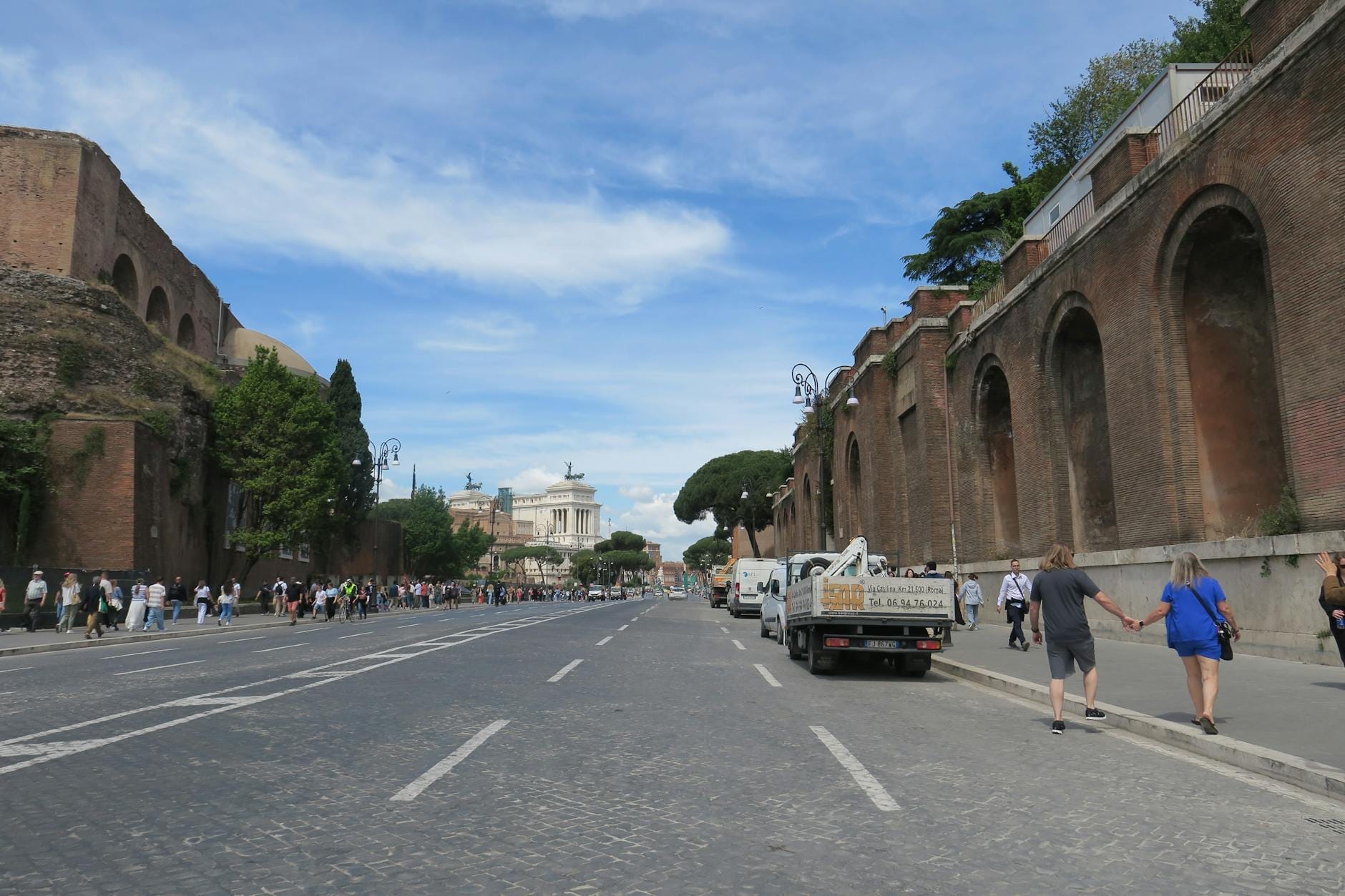
Not every escape requires a train ticket. Some of Rome's best 'day trip' energy is found on the Appian Way corridor or in the outer neighborhoods, where the city thins out and the ancient road network takes over. These options work well as afternoon excursions when you've already covered the main sites.
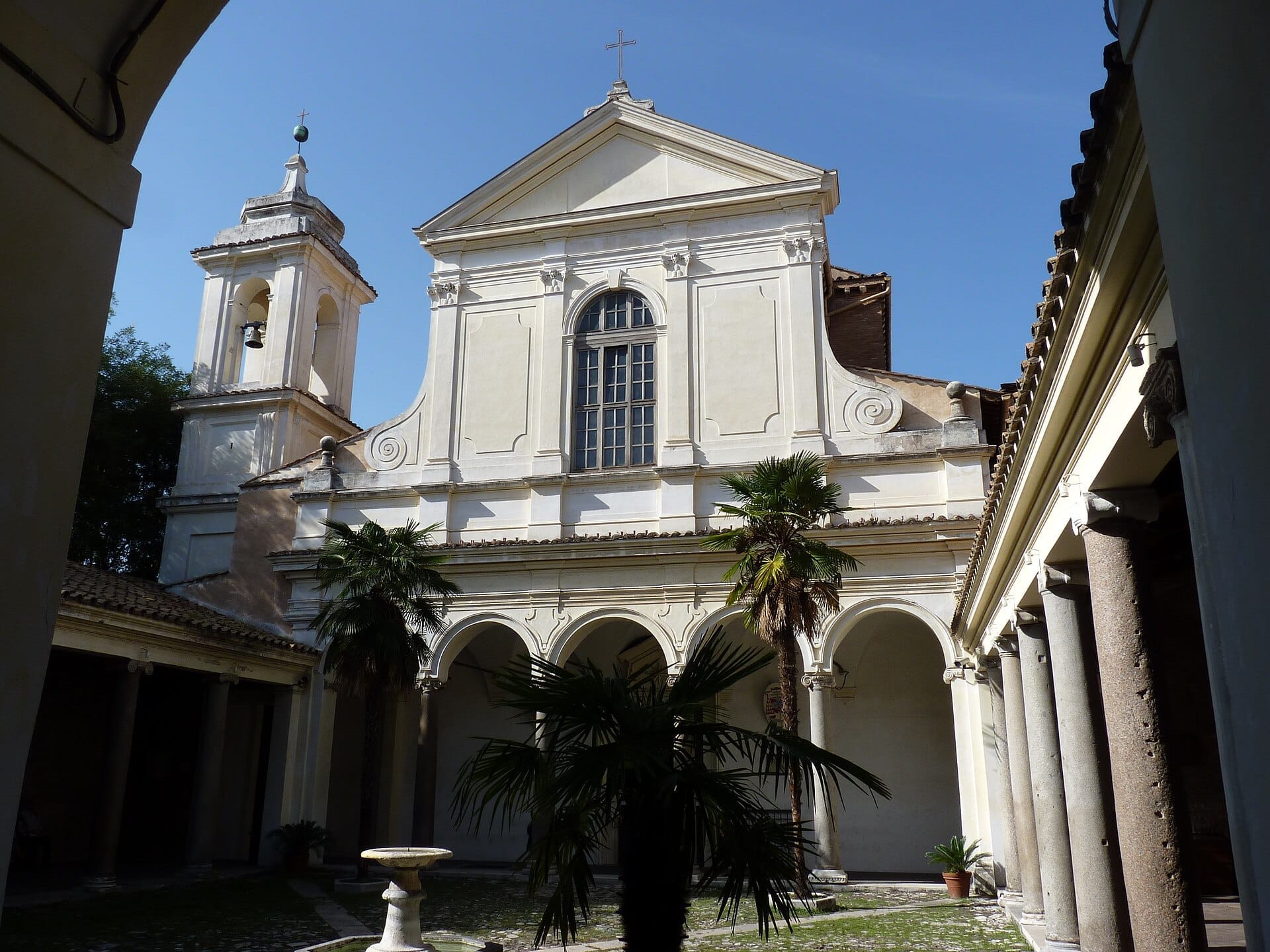
8. Descend Through 2,000 Years at San Clemente Basilica
Three layered centuries of Rome in one building: a 12th-century church, a 4th-century basilica, and a 1st-century Mithraic temple below street level. This 45-minute visit near the Colosseum works as a warm-up to the deeper underground experiences at Ostia or the Domus Aurea.
Explore8. Descend Through 2,000 Years at San Clemente Basilica
Three layered centuries of Rome in one building: a 12th-century church, a 4th-century basilica, and a 1st-century Mithraic temple below street level. This 45-minute visit near the Colosseum works as a warm-up to the deeper underground experiences at Ostia or the Domus Aurea.
Explore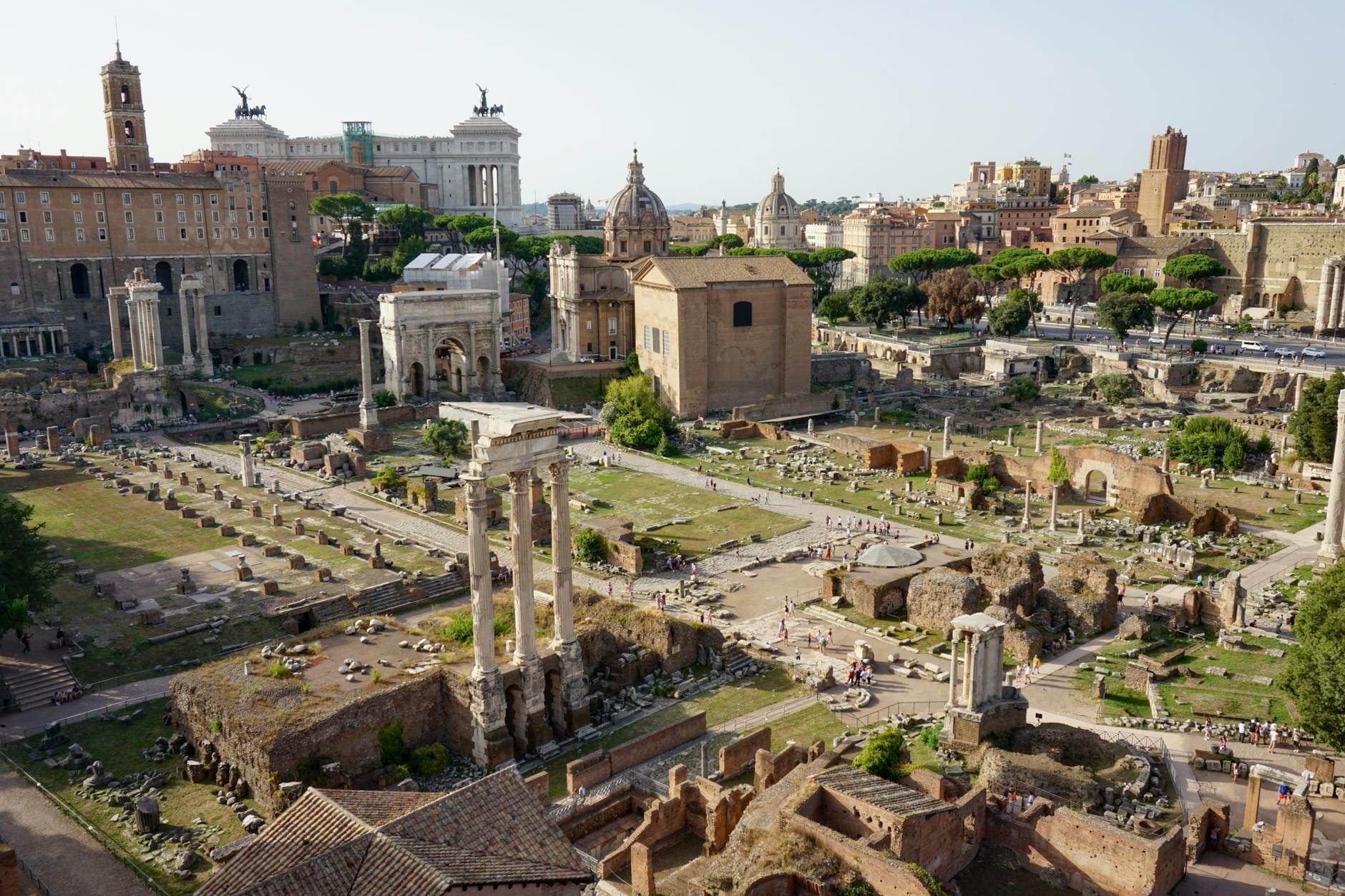
9. Walk the Palatine Hill for Imperial Palace Views Before Leaving Rome
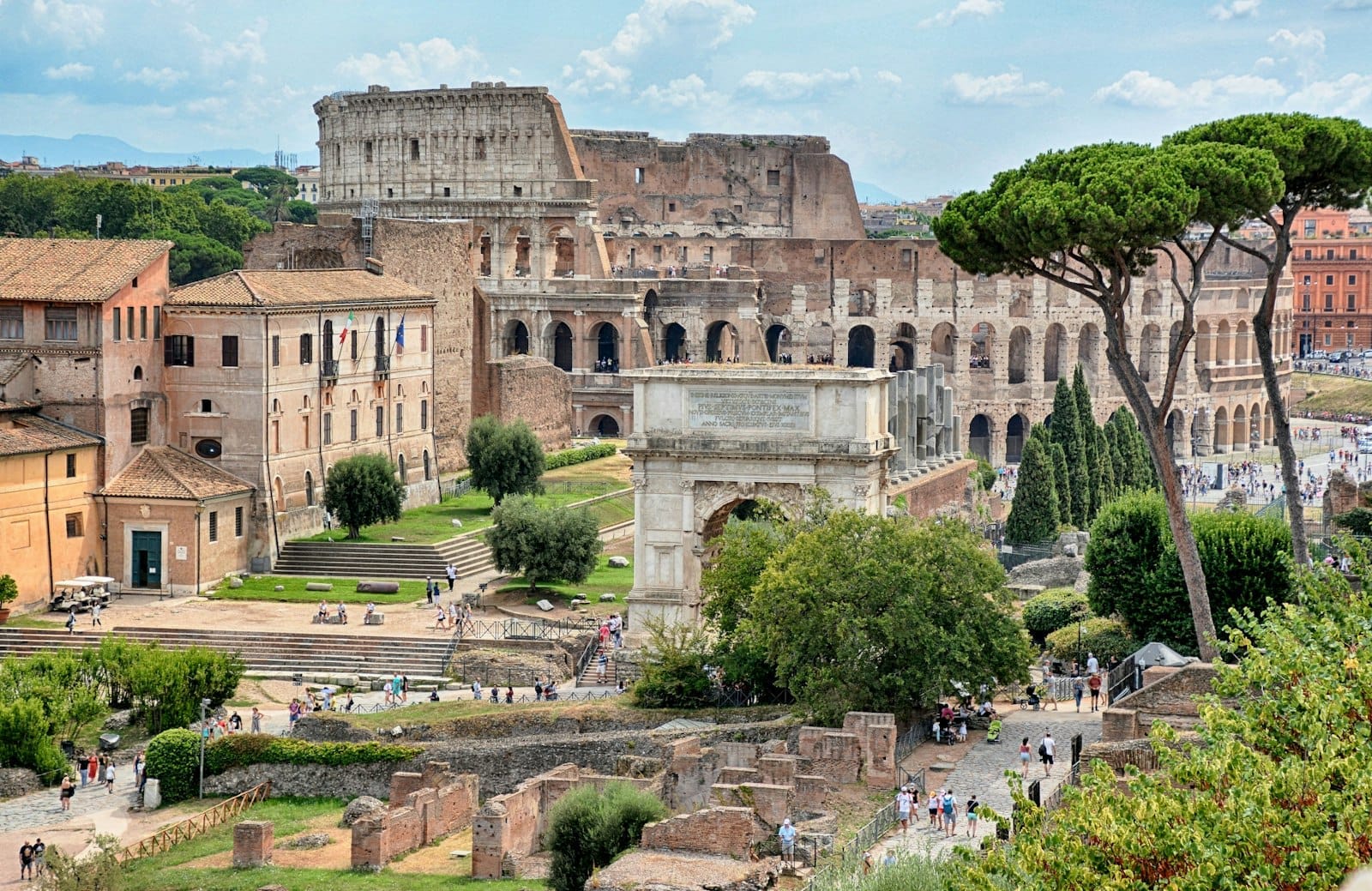
Rome's birthplace and the site of imperial palaces overlooks both the Forum and Circus Maximus. The included ticket with the Colosseum makes this a natural pairing. Two hours here set an excellent context for the Hadrian's Villa day trip to Tivoli.
Explore9. Walk the Palatine Hill for Imperial Palace Views Before Leaving Rome
Rome's birthplace and the site of imperial palaces overlooks both the Forum and Circus Maximus. The included ticket with the Colosseum makes this a natural pairing. Two hours here set an excellent context for the Hadrian's Villa day trip to Tivoli.
Explore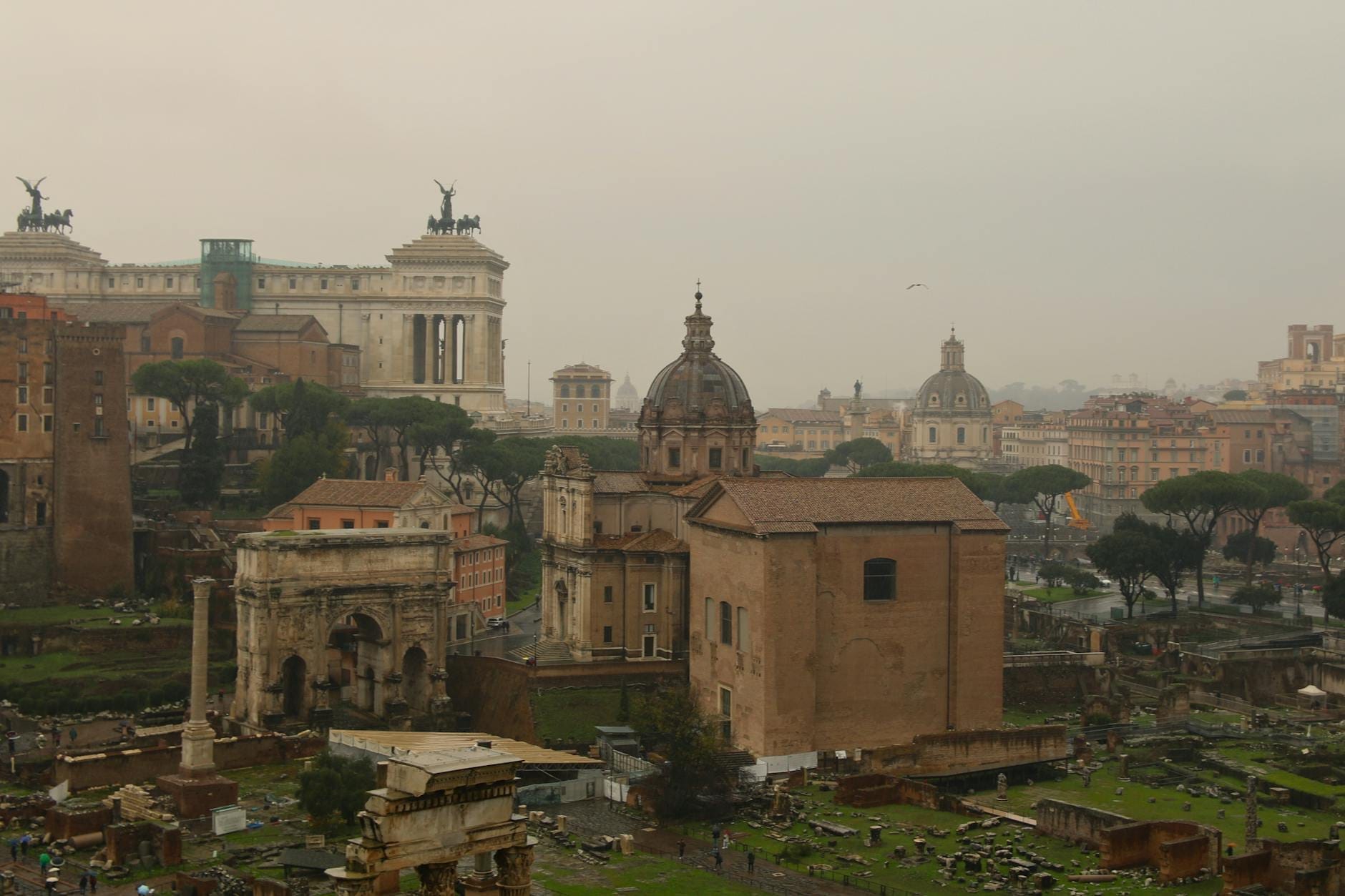
10. Take in the Full City Panorama from Gianicolo Before Heading Out
The Janiculum Hill above Trastevere offers Rome's broadest panorama: from St. Peter's dome to the Alban Hills you'll be visiting on your day trip. The noon cannon firing is a nice ritual. Free, 20 minutes from Trastevere on foot.
Explore10. Take in the Full City Panorama from Gianicolo Before Heading Out
The Janiculum Hill above Trastevere offers Rome's broadest panorama: from St. Peter's dome to the Alban Hills you'll be visiting on your day trip. The noon cannon firing is a nice ritual. Free, 20 minutes from Trastevere on foot.
ExploreFAQ
What is the best day trip from Rome by train?
Ostia Antica is the single best train day trip: 30 minutes from Piramide station on the Roma-Lido line, minimal cost, and an archaeological site that rivals Pompeii for urban completeness. Tivoli (Villa d'Este and Hadrian's Villa) is the best full-day train trip if you want Renaissance gardens plus ancient ruins.
Can I visit Pompeii as a day trip from Rome?
Technically possible but not recommended. The fast train (Italo or Frecciarossa) to Naples takes 1 hour 15 minutes, then another 30-40 minutes to Pompeii — you'll spend 3+ hours travelling and have limited time at the site. Prioritize day trips within Lazio (Tivoli, Ostia, Castel Gandolfo) and save Pompeii for a dedicated southern Italy trip.
Do I need a car for day trips from Rome?
No. Ostia Antica, Tivoli, Castel Gandolfo, Orvieto, Anzio, and Nettuno are all accessible by train from Roma Termini or nearby stations. A car adds flexibility for Sperlonga, Civita di Bagnoregio, and exploring the Castelli Romani villages at your own pace, but is not essential.
How far in advance should I book day trip tours from Rome?
For organized tours to Tivoli or Orvieto, 2-3 days ahead is usually sufficient outside peak season (July-August). For Castel Gandolfo, tickets are available on site or online; entry is limited but generally available. The Domus Aurea in Rome also requires advance booking.
What is the best time of year for day trips from Rome?
April-June and September-October are ideal: mild temperatures, long daylight hours, and manageable crowds. Beach trips to Anzio or Sperlonga are summer-only (June-September). Avoid day trips in August when sites are crowded and midday heat is extreme; many Castelli Romani restaurants close in January-February.
Tickets & tours
Live prices and dates from our booking partner. If you book, we may earn a commission at no extra cost to you.
Planning a trip? Discover personalized activities with the Nomado app.