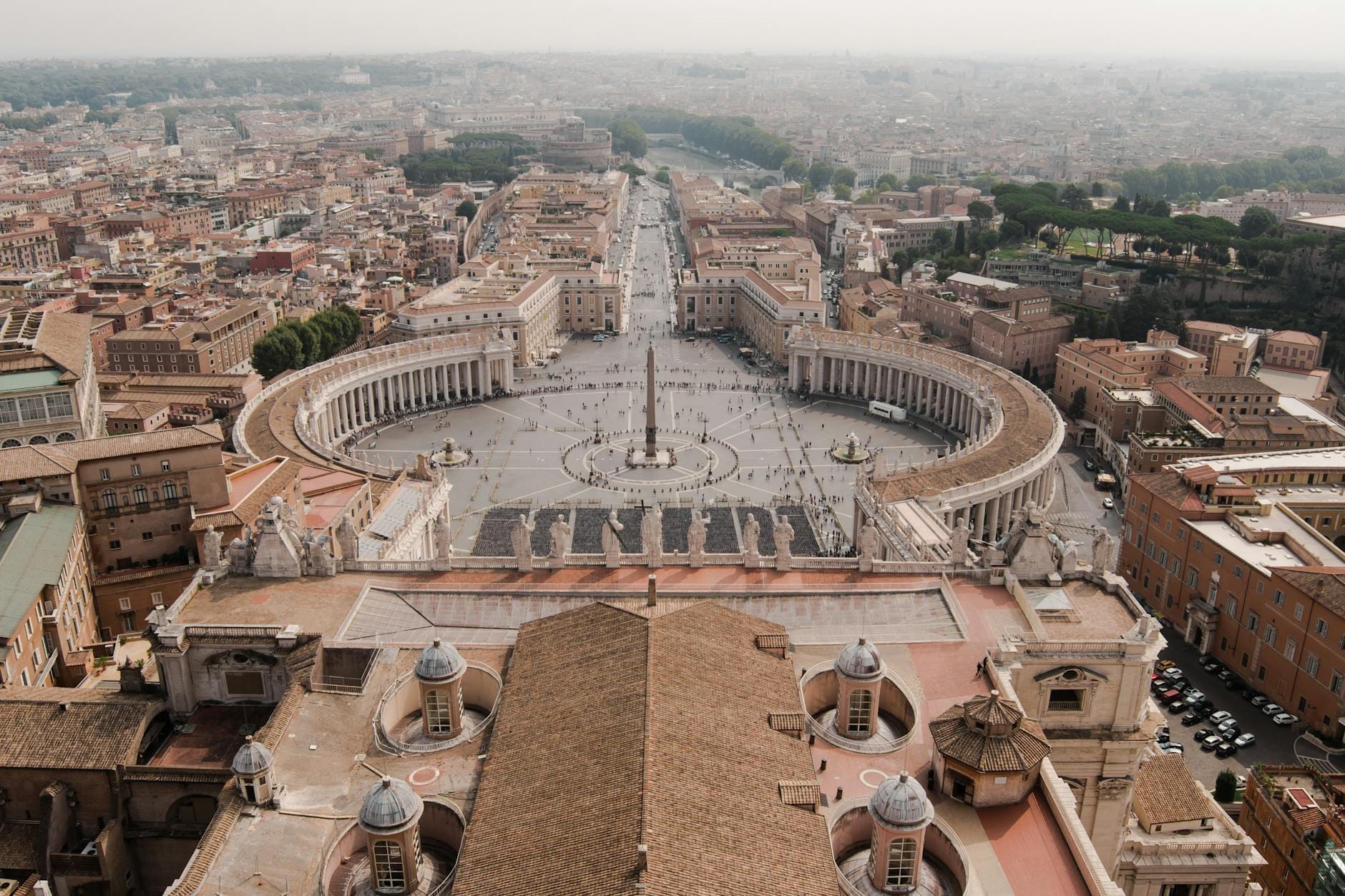
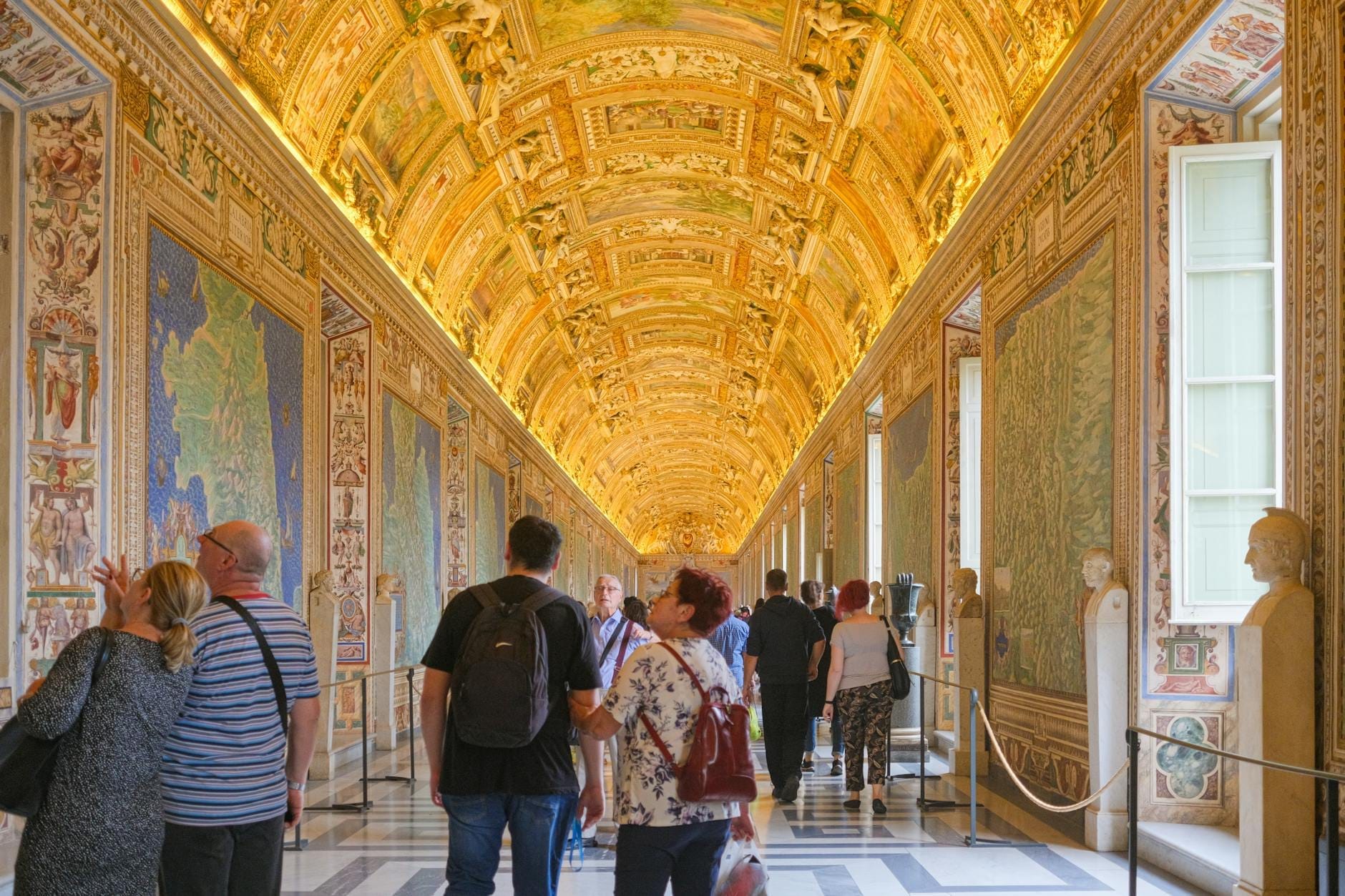
Vatican & Prati sits on the right bank of the Tiber, combining the world's most visited religious complex with one of Rome's most livable residential quarters. The area moves at two speeds: the reverent shuffle of pilgrims approaching St. Peter's Square, and the relaxed pace of locals heading to the market or a neighborhood bar on Via Cola di Rienzo.
Vatican & Prati is where the weight of Catholic history meets the ease of a well-heeled Roman neighborhood. On one side of the district, Bernini's colonnade frames the world's largest church and the art-packed Vatican Museums; on the other, tree-lined boulevards, a proper food market, and good trattorias make it one of the most comfortable bases in Rome.
Orientation
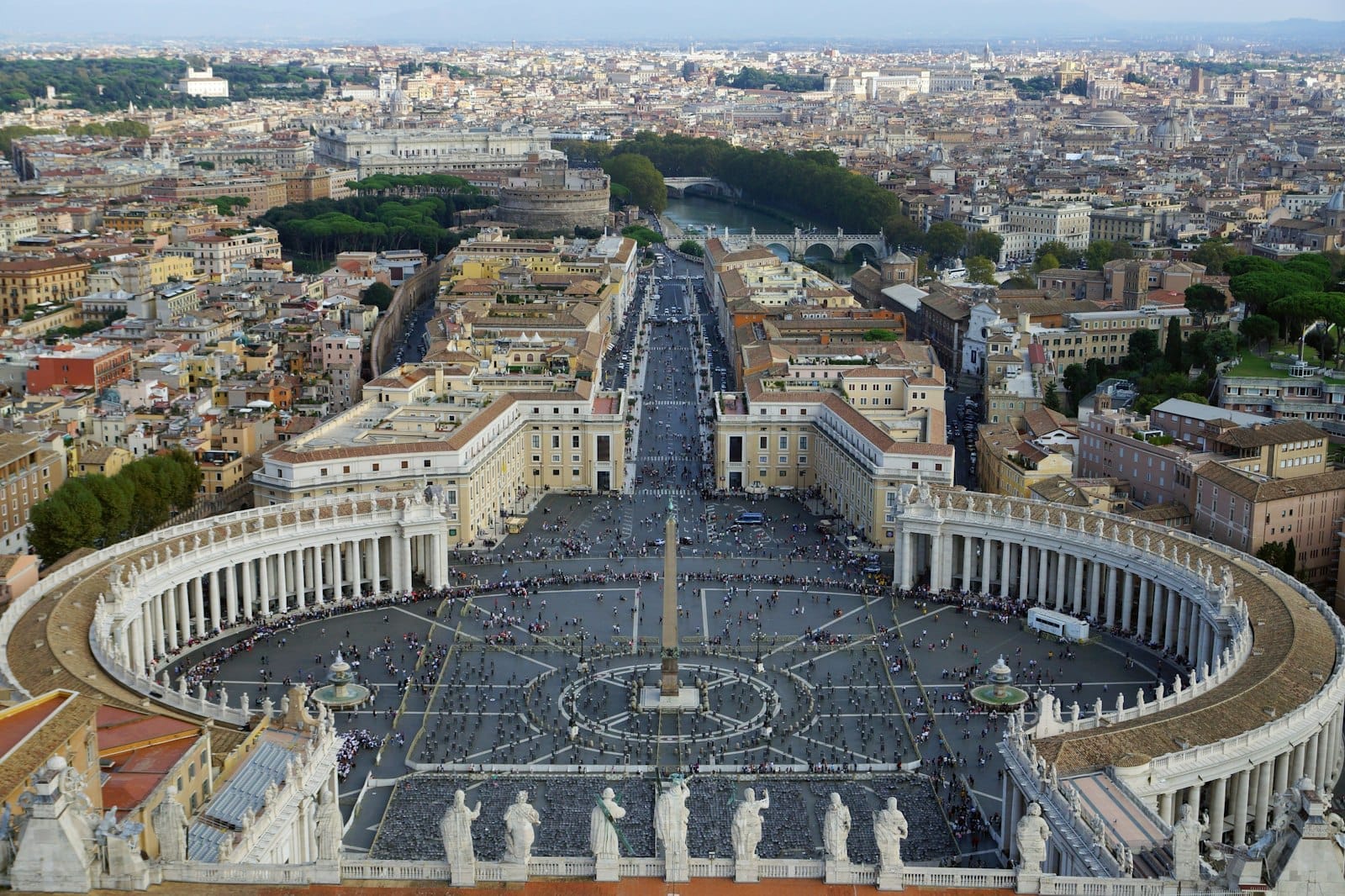
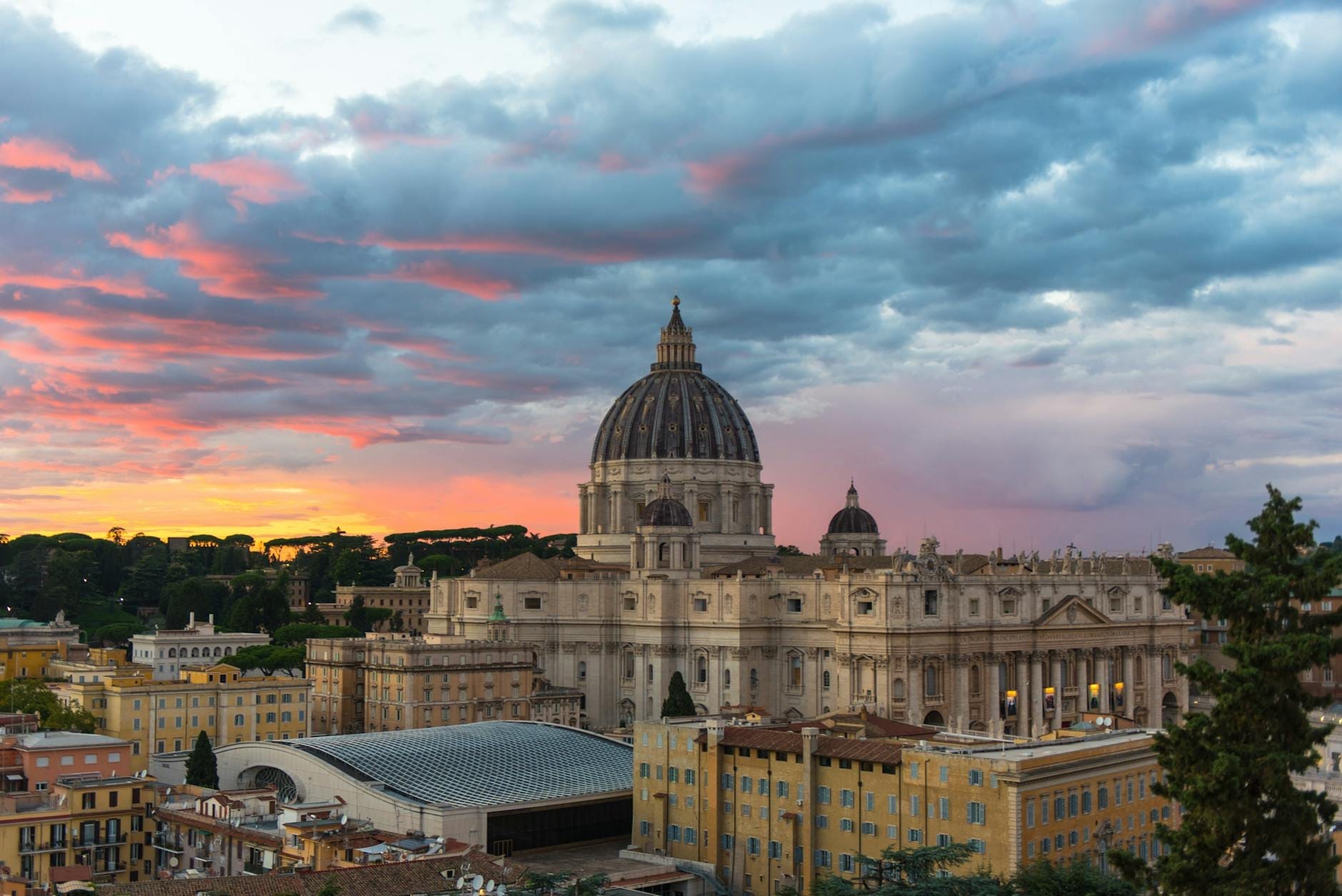
The Vatican & Prati area sits on the right (west) bank of the Tiber, directly across from Rome's historic center. Vatican City itself is an independent microstate of 49 hectares, enclosed by its own walls and bordered roughly by Viale Vaticano to the north, Via Aurelia to the west, and the edge of St. Peter's Square to the east. Immediately east of Vatican City, between the walls and the Tiber, lies Rione Borgo, the oldest part of this area, historically home to pilgrims arriving in Rome. The Borghi streets still have that layered, ecclesiastical quality, lined with religious-goods shops and leading the eye straight toward the dome of St. Peter's along Via della Conciliazione.
North of the Vatican walls is Rione Prati, a planned residential quarter developed at the end of the 19th century and formally recognized in 1921. Its name means 'meadows,' a reference to the open land that existed here before the neighborhood was laid out in a rational grid. Prati is defined by wide, straight streets, generous pavements, and a scale that feels more Milanese than Roman. The main commercial artery, Via Cola di Rienzo, runs southwest to northeast and connects Piazza del Risorgimento (at the Vatican walls) to the Tiber crossing near Piazza Cavour. To the south of Prati, Via della Conciliazione feeds into St. Peter's Square. To the west, the neighborhood fades into Aurelio, a quieter residential district. To the east, across the Tiber via Ponte Sant'Angelo or Ponte Vittorio Emanuele II, lies the centro storico.
Mentally, it helps to think of this area in three zones: Vatican City and its immediate approach (St. Peter's Square, the Museums, the Gardens); Borgo, the narrow medieval streets between the Vatican walls and Castel Sant'Angelo; and Prati proper, the grid of boulevards north of Via della Conciliazione. All three are walkable from each other, though the distance from the northern end of Prati to St. Peter's Basilica is a solid 20-minute walk.
Character & Atmosphere
Early mornings in Prati have a rhythm you rarely find in Rome's tourist-heavy quarters. The bar on the corner has the espresso machine going by 7am, and the clientele are locals in suits or scrubs rather than visitors in walking shoes. The Mercato Trionfale, one of Rome's largest and most-used covered markets, draws residents from across the area six mornings a week. The noise is productive: crates shifting, vendors calling prices, the particular percussion of a neighborhood that feeds itself.
By mid-morning, the mood near the Vatican changes sharply. The queues outside the Vatican Museums begin to stretch along Viale Vaticano. Via della Conciliazione fills with tour groups moving toward St. Peter's Square, religious-goods shops prop open their doors, and the whole stretch takes on the atmosphere of a pilgrimage corridor. The contrast with the calm streets three blocks north in Prati is striking and worth keeping in mind when choosing where to stay.
In the afternoon, particularly in summer, the area near the Vatican can feel genuinely overwhelming. The light is harsh, the stone surfaces radiate heat, and the tourist infrastructure (overpriced cafés, souvenir stalls) dominates. But walk north up Via dei Gracchi or Via Candia and the temperature drops, the crowds thin, and you're back in a residential neighborhood where the biggest event is someone's dog being walked past a gelateria. Late afternoon light on Prati's wide boulevards is particularly good: the street plan creates long sightlines, and the low sun catches the ornate late-19th-century facades at angles that reward slow walking.
After dark, Prati is pleasant and low-key rather than lively. Restaurants fill with a mix of hotel guests and local families. The streets around Piazza Cavour, where the imposing Palazzo di Giustizia (locally called the Palazzaccio) dominates the riverfront, take on a calmer quality, with occasional opera- or concert-goers heading to the Teatro Adriano. It is not a nightlife neighborhood, and that is part of its appeal for travelers who want somewhere to sleep well.
💡 Local tip
If you're staying in Prati and want to avoid the Vatican crowds entirely, orient your daily walks north and east: across the river into the centro storico via Ponte Sant'Angelo or Ponte Cavour, rather than south toward Via della Conciliazione.
What to See & Do
The obvious starting point is the Vatican complex itself. St. Peter's Square is free to enter and genuinely impressive at any hour, but early morning before 9am is when the scale registers most clearly, without the mass of people blocking Bernini's colonnade. The Basilica itself is also free to enter (though the dome climb carries a small charge). The Vatican Museums, which include the Sistine Chapel, require a ticket and planning: this is one of the most visited museum complexes in the world, and arriving without a timed reservation means a long wait in a slow-moving queue along Viale Vaticano.
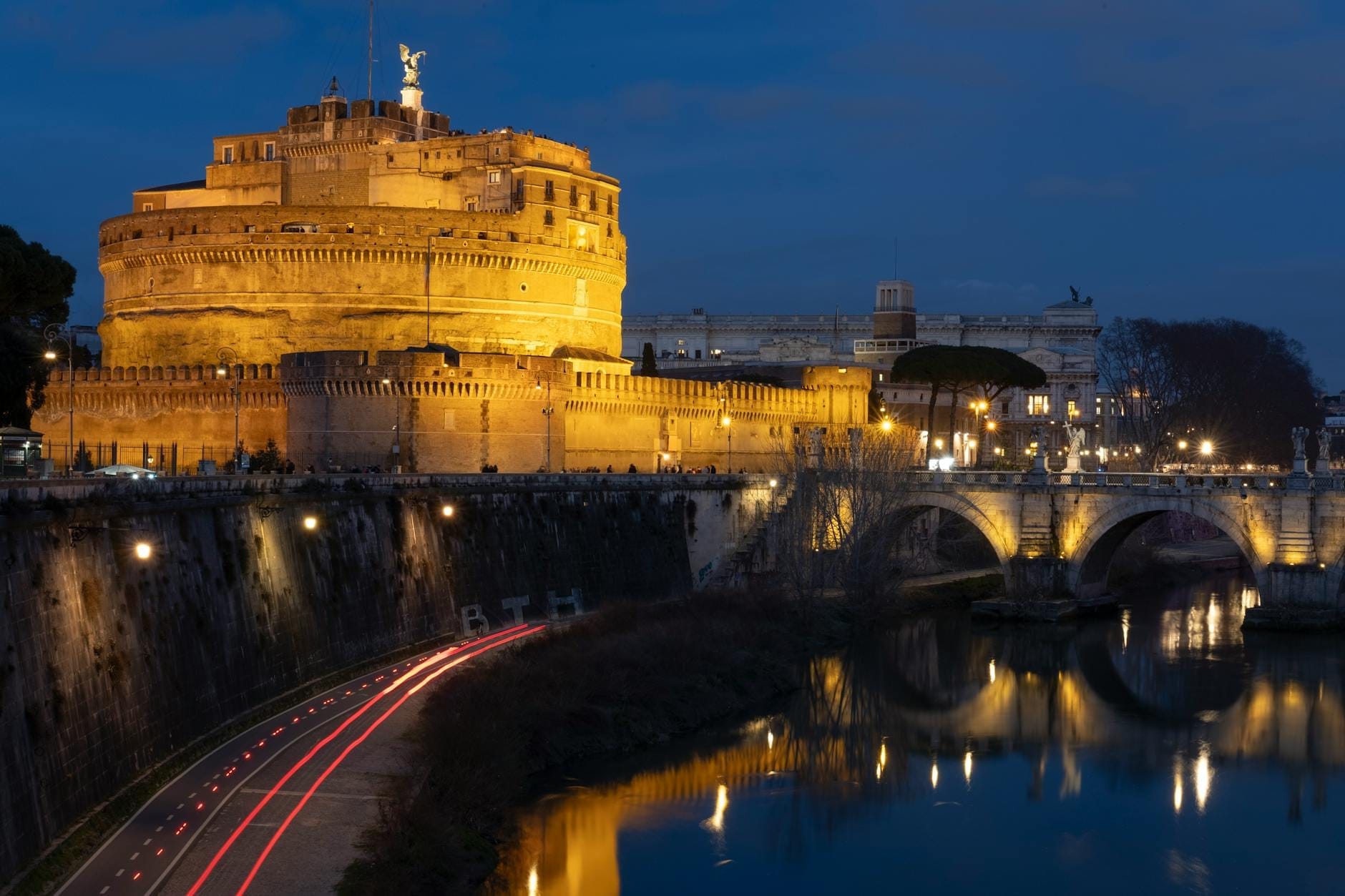
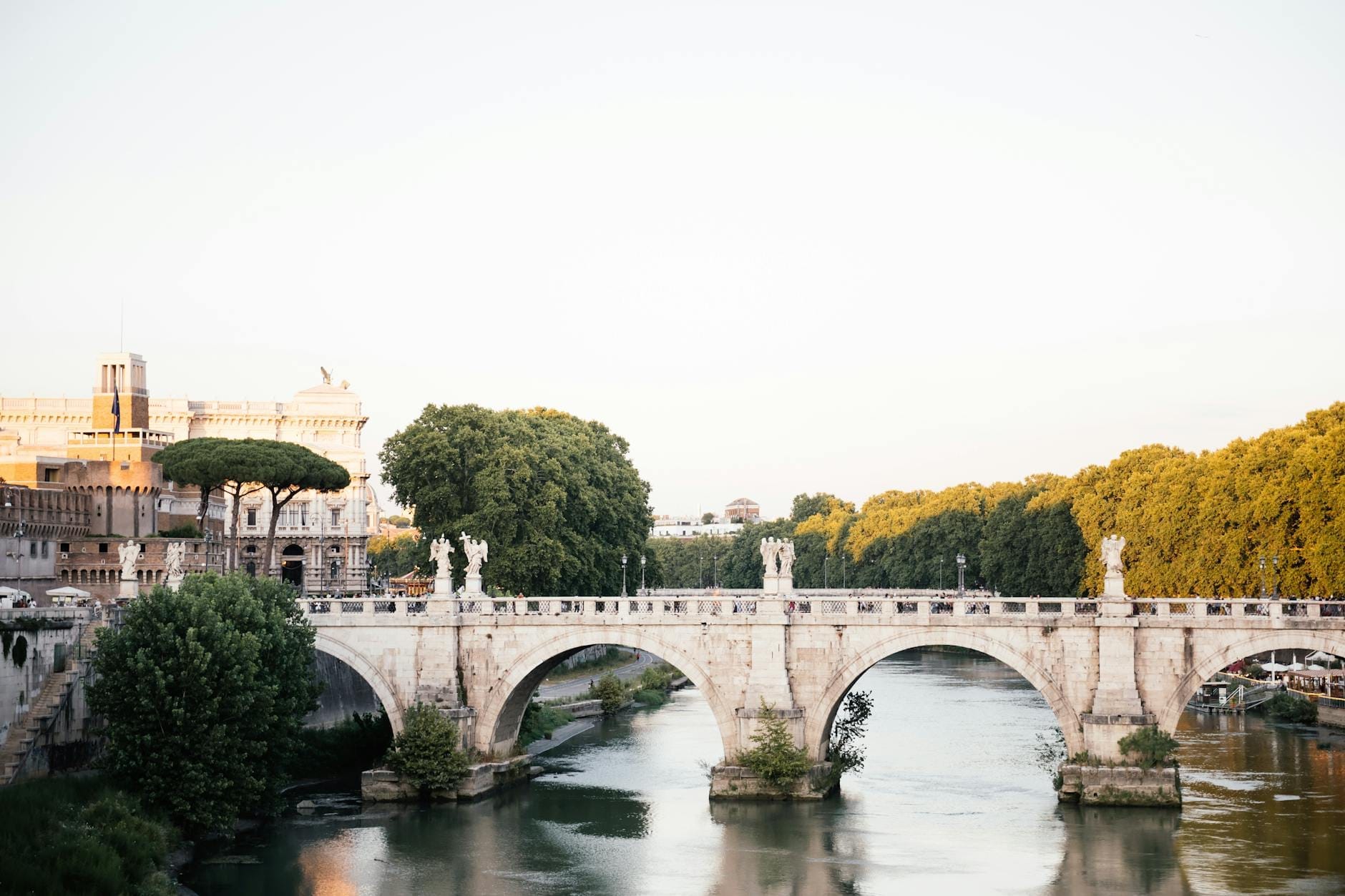
East of Vatican City, Rione Borgo leads to Castel Sant'Angelo, the circular fortress built as a mausoleum for Emperor Hadrian and later converted into a papal refuge. The views from its upper terrace are among the best in Rome: the Tiber, the domes of the centro storico, and the long approach of Ponte Sant'Angelo lined with Bernini's angel sculptures. The interior tells an unusually layered story, from Roman engineering to Renaissance papal apartments to its role as a military prison.
Across Ponte Sant'Angelo, the pedestrianized bridge connecting Borgo to the centro storico, is the best short walk in this part of Rome. At dusk especially, the view upstream toward the Vatican and downstream toward the historic center is one of those Roman moments that doesn't need any framing.
For travelers who want to understand the area's religious and artistic depth beyond the obvious sites, the Vatican Gardens (accessible via guided tour through the Vatican Museums booking system) offer an unexpectedly peaceful hour. And if the queues at the Vatican Museums feel prohibitive, check our guide to skip-the-line options in Rome before you visit. Early-morning access tours and evening openings are available at certain times of year.
St. Peter's Basilica and Square: free entry, arrive before 9am to avoid peak crowds
Vatican Museums and Sistine Chapel: pre-book timed entry online
Castel Sant'Angelo: paid entry, rooftop views are worth the climb
Ponte Sant'Angelo: free, best at dusk
Palazzo di Giustizia (exterior): the neo-Baroque Palazzaccio on Piazza Cavour is worth a look from the riverside
Mercato Trionfale: Rome's largest covered market, open Monday through Saturday mornings on Via Andrea Doria
⚠️ What to skip
Entry to St. Peter's Basilica and Vatican Museums requires that shoulders and knees be covered. This is enforced at the door. Lightweight scarves and long trousers are the practical solution, especially in summer.
Eating & Drinking
The food landscape in Vatican & Prati divides clearly along the tourist-to-local axis. Anything within 300 meters of Via della Conciliazione or the Vatican Museums entrance should be approached with caution: prices are inflated, quality is variable, and the clientele turns over too fast for most places to develop any character. The closer you get to the Vatican walls, the more the menus shift toward quick, expensive mediocrity.
Move north into Prati proper and the picture improves considerably. Via Cola di Rienzo is the main shopping street but also has decent cafés and pasticcerie that serve the local office crowd. The streets parallel to it, Via dei Gracchi and Via Candia particularly, have a better concentration of genuine neighborhood trattorias and enotecas. Portions here tend toward Roman classics: cacio e pepe, coda alla vaccinara, fried artichokes. There are also several reliable pizza al taglio spots where you order by the slice and weight, which is how Romans eat lunch.
The Mercato Trionfale on Via Andrea Doria is the best food stop in the area for self-caterers or anyone who wants to see where the neighborhood actually shops. The covered market has fruit, vegetables, cheese, cured meats, and cooked food stalls. It is large enough that it hasn't been gentrified into a tourist market, and prices reflect that. Tuesday through Saturday mornings are the best times to go.
For a broader picture of eating in Rome across all price ranges and neighborhoods, the Rome food guide covers the city's dining culture in detail. Prati fits into the city's food map as a solid everyday-dining neighborhood rather than a destination for exceptional or innovative cooking.
Breakfast: neighborhood bars on Via Cola di Rienzo for espresso and cornetto at the counter
Lunch: pizza al taglio by weight on Via Candia or Via dei Gracchi
Dinner: traditional Roman trattorias north of Piazza Risorgimento, away from the Vatican approach roads
Groceries and picnic supplies: Mercato Trionfale on Via Andrea Doria (mornings only)
Avoid: cafés and restaurants on Via della Conciliazione and immediately outside the Vatican Museums
Getting There & Around
Metro Line A is the backbone of public transit in this area. The Ottaviano station, on Via Candia in central Prati, puts you about a 10-minute walk from St. Peter's Square and gives you a direct line east to Spagna (Spanish Steps), Barberini (Trevi Fountain area), and Termini (the main train hub) in around 15 minutes. The Lepanto station, slightly north on the same line, is better for the upper part of Prati and for travelers coming from the northern parts of the city. Both stations are on Via Cola di Rienzo's orbit and are clearly signed.
Several bus lines serve the area along the Tiber embankment roads (Lungotevere), useful for reaching Trastevere to the south or the centro storico. Trams also run on routes that connect Prati with other parts of the city, though navigating Rome's bus and tram network requires more patience than the metro. For most visitors based in Prati, the metro is the workhorse: Line A covers the city's most visited corridor extremely well.
Walking into the centro storico from Prati is entirely reasonable: Ponte Sant'Angelo drops you directly at the edge of the historic center, and Piazza Navona is about 15 minutes on foot from the bridge. Ponte Cavour, slightly to the north, is a faster route toward Piazza del Popolo. For travelers without specific time pressure, walking across the Tiber is often more enjoyable than taking any transit option.
From Fiumicino Airport, the Leonardo Express train takes 32 minutes to Termini, where you connect to Metro Line A for Ottaviano (4 more stops, around 10 minutes). Total journey time from the airport is typically 50-60 minutes. Full details on all airport transfer options appear in the getting around Rome guide.
ℹ️ Good to know
Vatican City operates its own postal service, separate from Italy's. Postcards sent from Vatican post offices (inside St. Peter's Square) use Vatican stamps and are said to arrive more reliably than those sent via Italian post.
Where to Stay
Prati is consistently one of the better neighborhoods for accommodation in Rome, particularly for first-time visitors who want to be close to the Vatican without sleeping in the thick of the tourist scrum. The streets north of Via della Conciliazione, especially around Via Cola di Rienzo and Via Candia, have a high density of hotels ranging from three-star family-run properties to larger four-star options. For a broader comparison of where to base yourself across Rome, the where to stay in Rome guide covers all the main neighborhoods with honest trade-offs.
The practical case for staying here is strong: Metro Line A access, good supermarkets and a proper market, quieter streets than Trastevere or the centro storico at night, and a 10-20 minute walk to everything Vatican-related. The drawback is that Prati sits slightly outside Rome's densest sightseeing zone, so travelers focused on ancient Rome, the Colosseum, and the Roman Forum will spend more time in transit than visitors based in Monti or around Termini.
Borgo, the zone between the Vatican walls and Castel Sant'Angelo, also has hotels, and some are in genuinely beautiful buildings on narrow medieval streets. The trade-off is that Borgo can feel very tourist-oriented and is more affected by the daytime Vatican crowds. For most travelers, northern Prati offers a better everyday experience.
The area suits couples, solo travelers, and families with older children particularly well. It is accessible, safe, walkable, and has enough local infrastructure that you don't feel like you're living inside a theme park. Families with young children will find the wide pavements and relatively quiet side streets in Prati easier to navigate than the cobblestones and narrow alleys of Trastevere or Monti.
Honest Trade-Offs
Vatican & Prati is not for travelers who want to be in the heart of Rome's most atmospheric streets. If you're drawn to the dense medieval textures of Trastevere or the layered ancient-to-modern energy of Monti, Prati will feel slightly flat: its grid plan and 19th-century architecture are dignified rather than romantic. The neighborhood doesn't have Rome's characteristic warren of piazzas and alleyways. What it has instead is function, calm, and a certain quiet elegance.
The Vatican itself is a double-edged presence. The monuments are extraordinary, but the tourist infrastructure around them is among the most predatory in Rome. On peak summer days, the streets nearest St. Peter's are genuinely unpleasant: crowded, noisy, and full of aggressive souvenir vendors and unofficial 'guides.' Anyone planning to visit the Vatican Museums should pre-book online without exception. Arriving without a ticket and hoping to walk in is a serious misreading of how popular this site is.
For travelers who want to combine a Vatican visit with a wider exploration of Rome, this area works well as a base for the first two or three nights before shifting east. Check the Rome in 3 days itinerary for a realistic sequence that uses the Vatican & Prati location efficiently without exhausting you on the approach.
TL;DR
Vatican & Prati is best for: travelers prioritizing Vatican access, comfortable hotel options, and a quieter residential feel without sacrificing transit connections.
The Vatican Museums and St. Peter's Basilica are unmissable, but pre-booking is essential; the crowds here are among the largest of any single site in Europe.
Prati's grid of wide boulevards, good supermarkets, and Mercato Trionfale make it one of Rome's most livable bases, especially compared to more touristy alternatives.
Metro Line A at Ottaviano connects you to Termini, the Spanish Steps, and the Trevi Fountain area in under 15 minutes, and Ponte Sant'Angelo puts the centro storico within a 15-minute walk.
Skip this neighborhood if you want atmospheric medieval streets and a lively nightlife scene; choose it if you want comfort, safety, and the world's most important Christian site on your doorstep.
Rome has more churches per square kilometer than almost any city on earth, and the finest contain some of the greatest art ever made. This guide cuts through the noise to bring you the 15 churches that genuinely deserve your time, from world-famous papal basilicas to overlooked medieval gems.
Rome holds one of the densest concentrations of great museums anywhere on earth, from ancient sculpture collections to Baroque art palaces and cutting-edge contemporary spaces. This guide covers the 18 best, organized by type, with practical advice on what to prioritize and when to book.
Rome rewards visitors year-round, but the experience varies dramatically by season. This guide breaks down crowds, temperatures, costs, and local events to help you pick the right time for your trip.
Rome rewards those who look up, climb higher, and peer through keyholes. This guide covers the city's finest viewpoints, from sweeping 360-degree rooftop panoramas to perfectly framed peepholes, with tips on when to go and what you'll see.
Rome rewards budget travelers more than almost any major European capital. From Baroque piazzas and ancient hilltops to world-class churches and sprawling parks, a huge portion of the city's best experiences cost absolutely nothing. This guide covers the 20 best free things to do in Rome, organized so you can plan a full day without opening your wallet.
Rome's transport network is more complex than most first-time visitors expect. This guide breaks down every option for getting around Rome, from the limited metro to the best bus routes, airport transfers, taxis, and when walking beats everything else.
Rome rewards those who look past the Colosseum queue and the Trevi selfie crowd. These are the churches, viewpoints, markets, and underground worlds that most visitors walk right past, where the real texture of the city lives.
Ostia Antica is Rome's best-kept archaeological secret: a sprawling ancient city just 30 minutes from the capital, better preserved than most sites and far less crowded than the Forum or Colosseum. This guide covers everything from tickets and transport to the top ruins worth your time.
Rome transforms after sunset. Ancient ruins glow under floodlights, piazzas fill with locals rather than tour groups, and the city's food and nightlife scenes come alive. This guide covers the best nocturnal experiences in Rome, from free evening strolls to exclusive night tours of the Colosseum and Vatican.
Rome rewards those who venture beyond the city walls. Within an hour or two of the capital, you can walk through a remarkably intact Roman port city, stroll Renaissance water gardens, sip Frascati wine above a volcanic crater lake, or explore an Etruscan cliff town. These are the day trips that make a Rome visit feel genuinely complete.
Roman cuisine is one of the most specific, opinionated, and deeply satisfying in Italy. This guide covers the essential dishes, the rules locals follow, the best neighborhoods to eat in, and how to avoid the tourist traps that pass for Italian food in Rome.
Three days is enough to see Rome's greatest hits — if you plan smart. This itinerary covers the Colosseum, Vatican, Pantheon, and beyond, with the right order, practical timing tips, and a few stops that most visitors miss.
Rome is one of Europe's most rewarding cities to explore on a tight budget. This guide breaks down real costs, free attractions, transport options, and smart strategies so you can see the best of the city without draining your account.
Rome rewards families who come prepared. From gladiator stories at the Colosseum to gelato breaks in Villa Borghese, this guide covers every practical detail: advance tickets, stroller logistics, the best neighborhoods to base yourself, and how to keep kids engaged without burning everyone out.
Rome's top attractions can swallow hours in queue time alone. This guide breaks down exactly which sites demand advance booking, which platforms to trust, what skip-the-line actually means in practice, and where you can honestly walk straight in.
Rome rewards those who plan smart. This guide covers the essential things to do in Rome, from ancient ruins and world-class museums to neighborhood food markets and rooftop views, with honest advice on what to skip and how to book the rest.
Rome's food scene rewards the curious and punishes the complacent. This guide cuts through the tourist-trap noise to give you honest, neighborhood-by-neighborhood restaurant picks, dish-by-dish ordering advice, and practical tips on reservations, pricing, and when to skip the menu entirely.
Choosing where to stay in Rome shapes your entire trip. This guide breaks down every major neighborhood honestly, covering walkability, noise, price, and who each area suits best, so you can book with confidence.