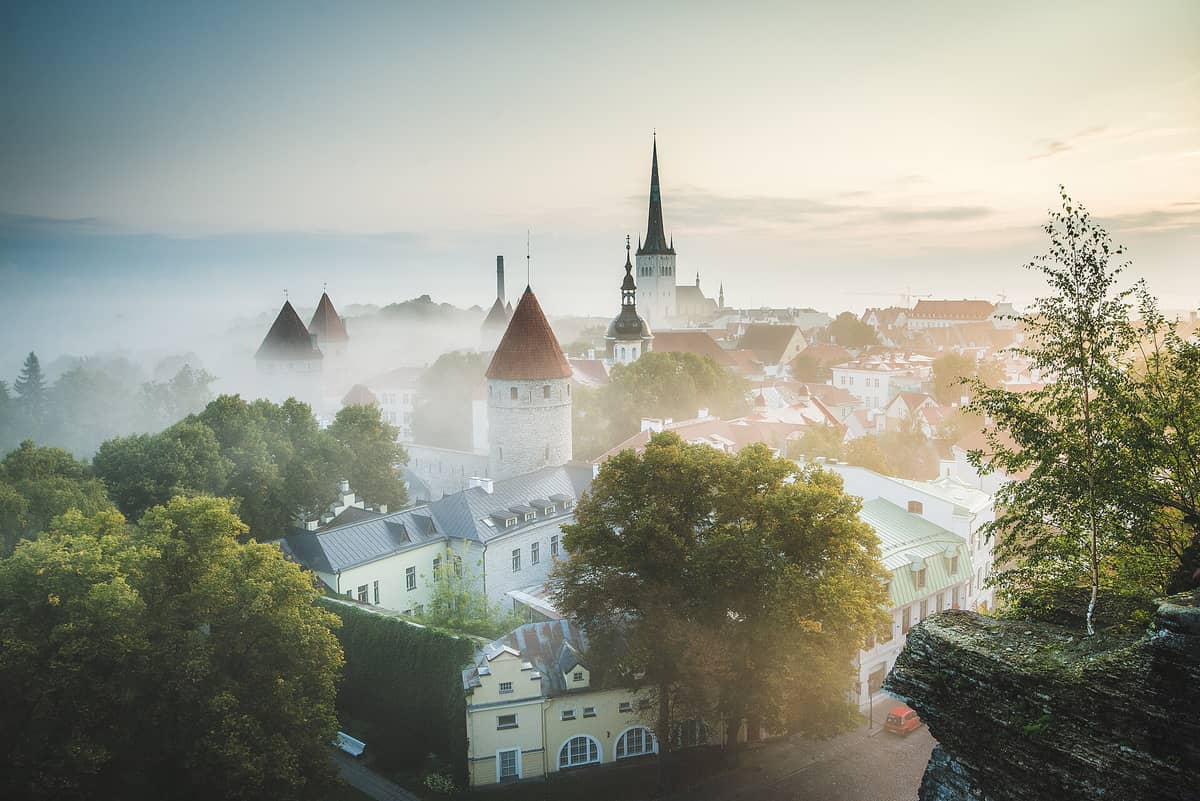
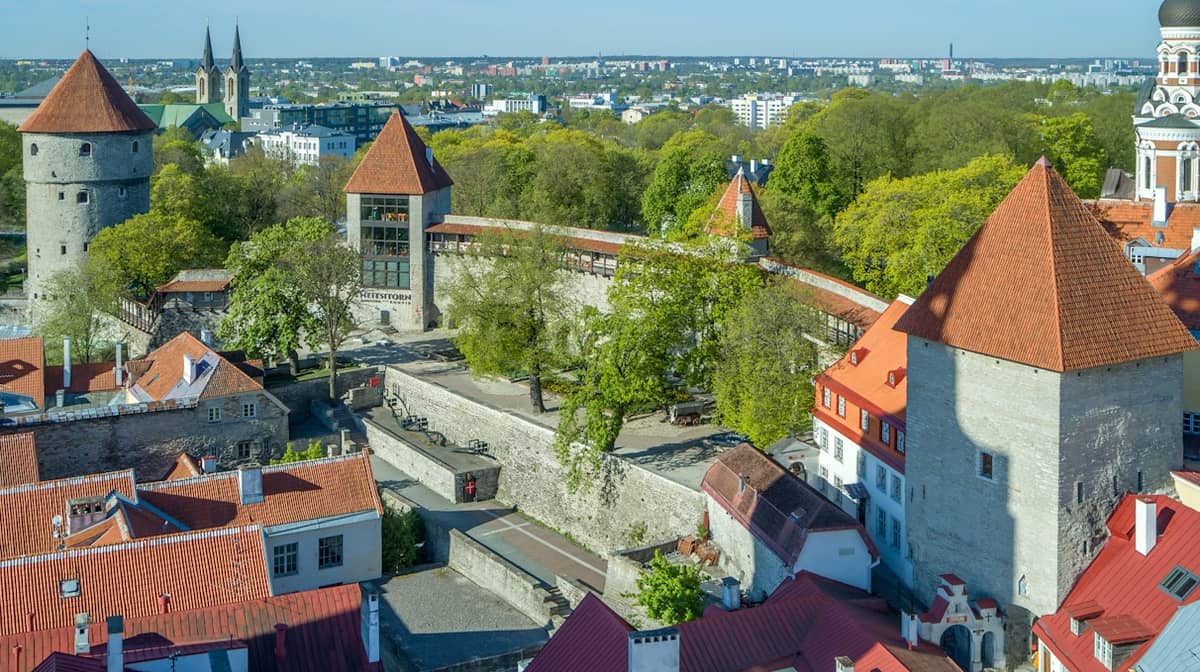
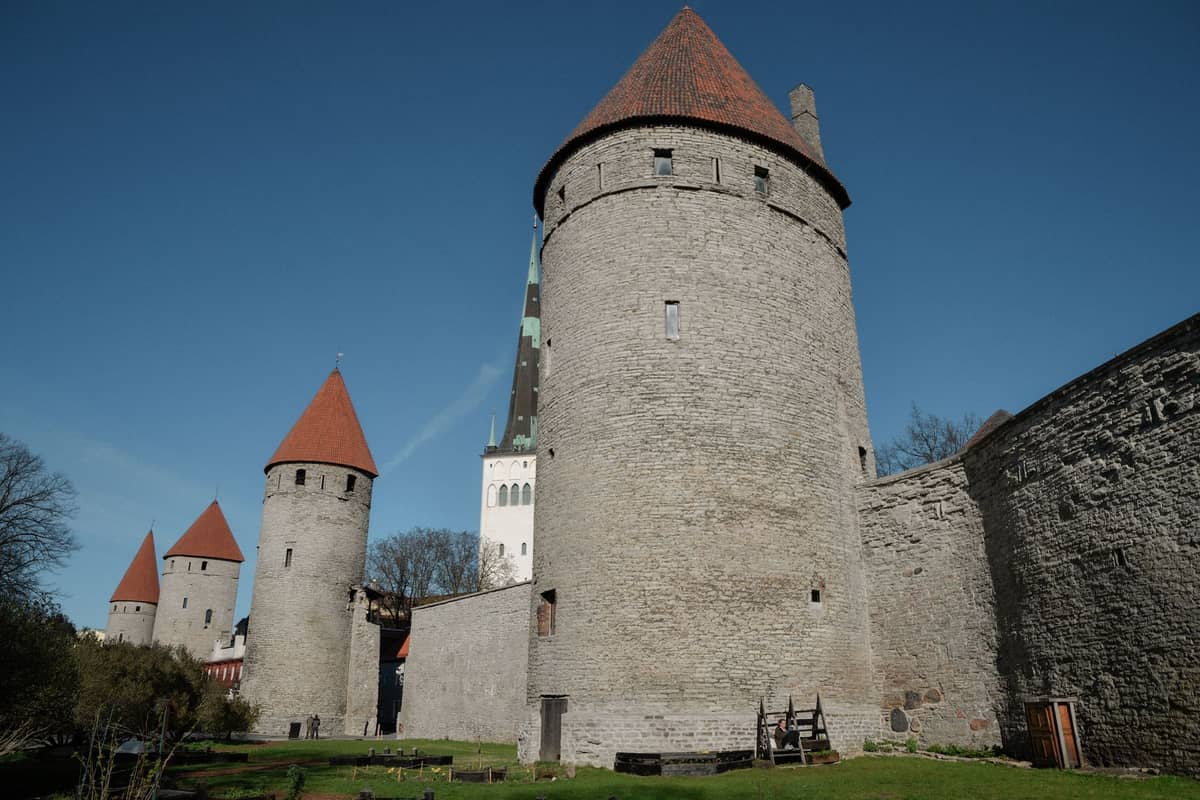
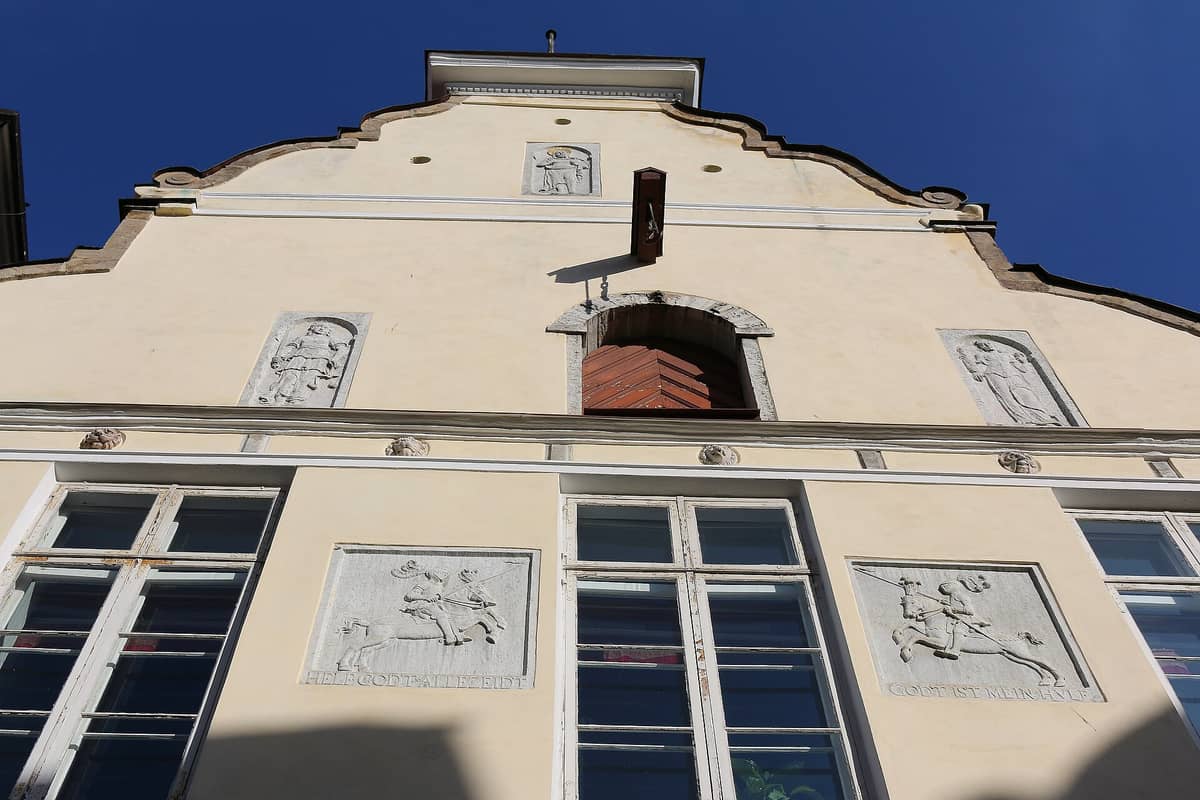
Tallinn Old Town (Vanalinn) is the historic heart of Estonia's capital, a remarkably intact medieval city encircled by limestone towers and ancient walls. Divided between the hilltop Toompea upper town and the merchant lower town below, it holds the greatest concentration of sights, restaurants, and accommodation in the city. Whether you're here for a weekend or a week, Old Town is where Tallinn's story begins.
Tallinn Old Town is one of the best-preserved medieval city centres in Northern Europe and a UNESCO World Heritage Site since 1997. Compact enough to walk in an afternoon but layered enough to reward days of exploration, it sits at the centre of everything Tallinn offers, where Gothic church spires rise above limestone cobblestones and eight centuries of history press up against the present.
Orientation
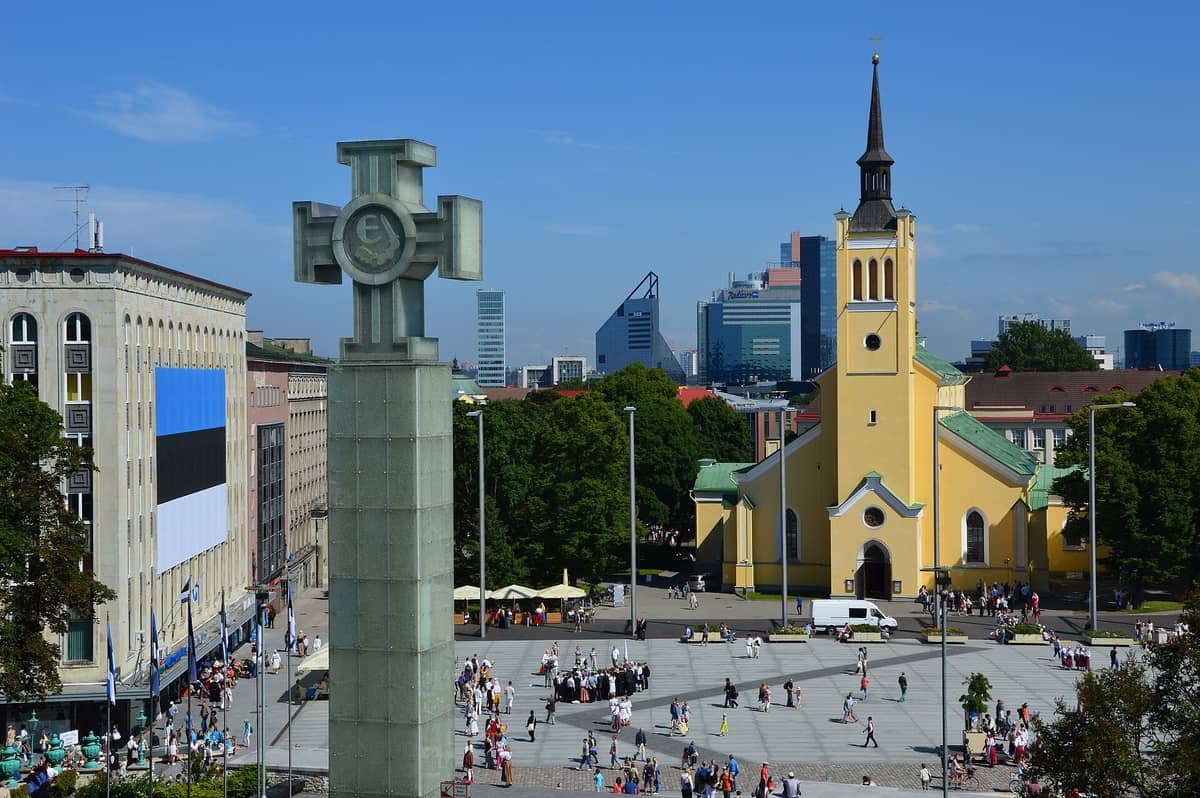
Old Town, known in Estonian as Vanalinn, occupies the historic core of Tallinn on a low limestone plateau above Tallinn Bay. Its rough boundaries follow the old fortification lines: roughly from Toompuiestee and Nunne Street in the north and northwest to the streets around Freedom Square in the south and southeast. Inside those lines, the medieval street grid is almost completely intact, which is precisely what earned the area its UNESCO listing in 1997, with the inscribed boundary later refined in 2008 to align with the Old Town Conservation Area.
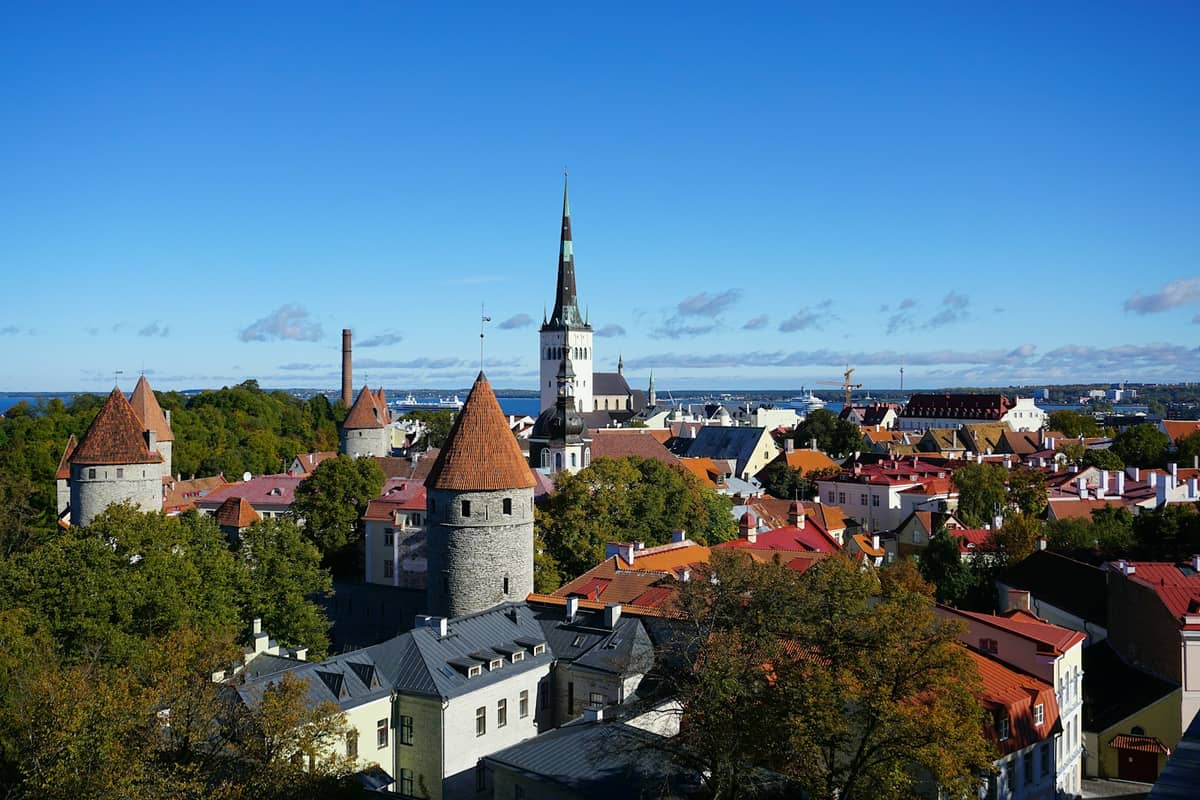
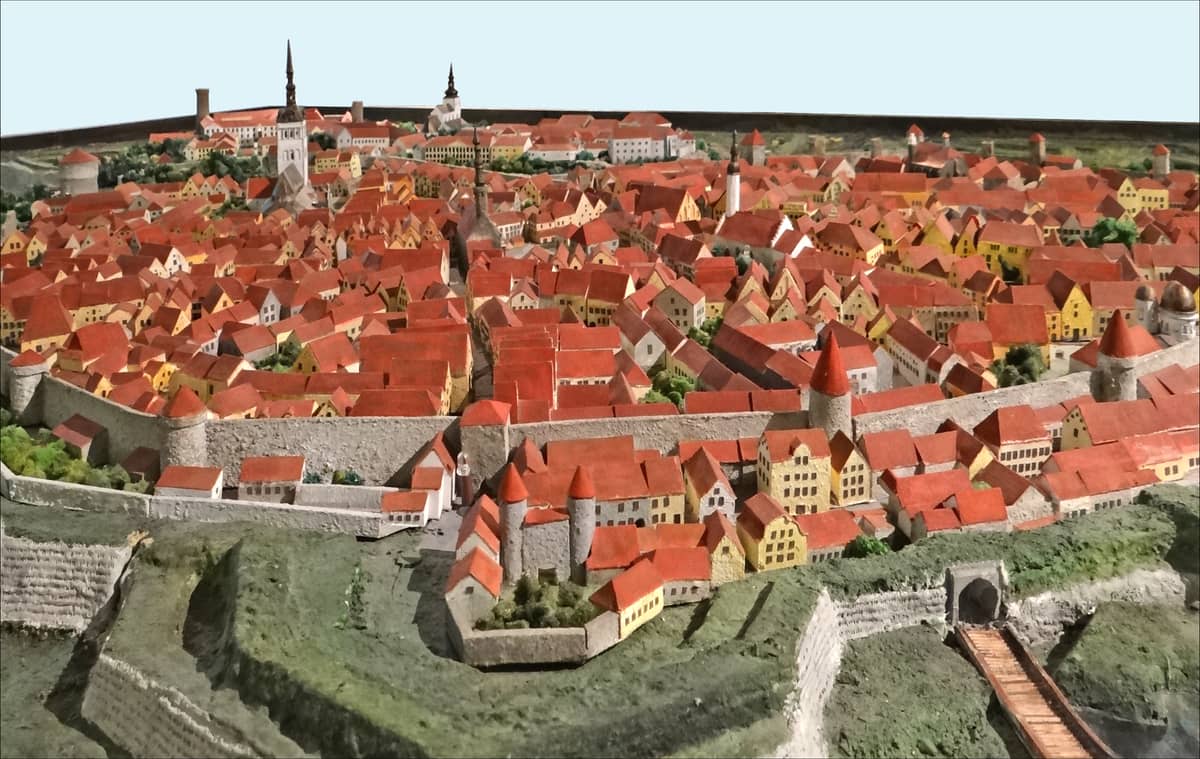
The neighbourhood divides clearly into two distinct zones. Toompea, the upper town, sits on a limestone hill at the western edge and was historically the seat of power: bishops, knights, and later, governors all ruled from here. The lower town, which spreads across the flat ground below Toompea, was the domain of merchants and craftsmen. These two parts of Old Town have different characters even today, and understanding that division helps you navigate the area far more intuitively.
Old Town is closely connected to several other city districts. To the northwest, a short walk along Põhja Boulevard brings you to the waterfront neighbourhood of Kalamaja, Tallinn's most talked-about creative district. To the east, the residential and green district of Kadriorg is about 20 minutes on foot or one tram stop away. The Old Town is the natural anchor for any visit to Tallinn, and most travellers will return to it repeatedly even if they are staying elsewhere.
Character & Atmosphere
The most important thing to understand about Tallinn Old Town is the difference between its tourist layer and its everyday layer. The tourist layer is real and significant: Viru Street, the main pedestrian artery running west from Viru Gate, is lined with amber shops, souvenir stalls, and cafés with laminated menus in six languages. Town Hall Square fills with tour groups by mid-morning and stays busy well into the evening. In summer, the outdoor seating sprawls across the square and the noise carries until midnight.
Step one or two streets off Viru, though, and the atmosphere shifts noticeably. Lanes like Vene Street or Katariina käik become quieter, shadowed by the walls of medieval guild houses and Dominican monastery ruins. In the early morning, before the tour coaches arrive, the cobblestones are nearly empty and the only sound is the rattle of a delivery van navigating the narrow access lanes. This is when Old Town is at its most photogenic and its most genuinely atmospheric.
Toompea operates on a slightly different schedule. Being the political quarter, it is home to the Estonian Parliament building and several embassies, which means it empties out on evenings and weekends in a way the lower town does not. The two Toompea viewing platforms, Kohtuotsa and Patkuli, draw visitors throughout the day, but the residential streets nearby are quiet. After dark, Toompea is peaceful to the point of stillness.
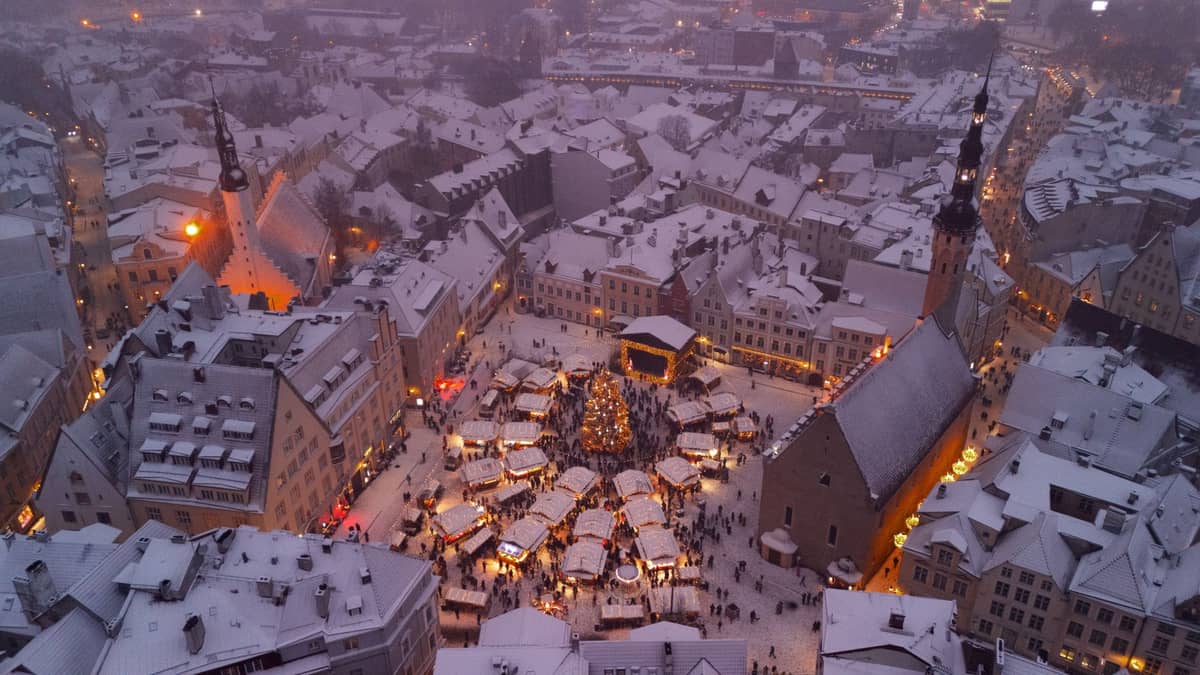
Winter changes the equation entirely. The Christmas market transforms Town Hall Square from late November through January, and the combination of snow on the medieval rooftops and the smell of mulled wine from timber stalls creates an atmosphere that the city barely needs to manufacture. Summer, by contrast, brings long Nordic evenings: sunset in June falls after 10pm, and the Old Town stays warm and sociable well into the night.
💡 Local tip
For the quietest experience of Old Town, aim to be on Toompea or in the back lanes of the lower town before 9am. The light is soft, the streets are near-empty, and you can take in the medieval architecture without navigating around tour groups.
What to See & Do
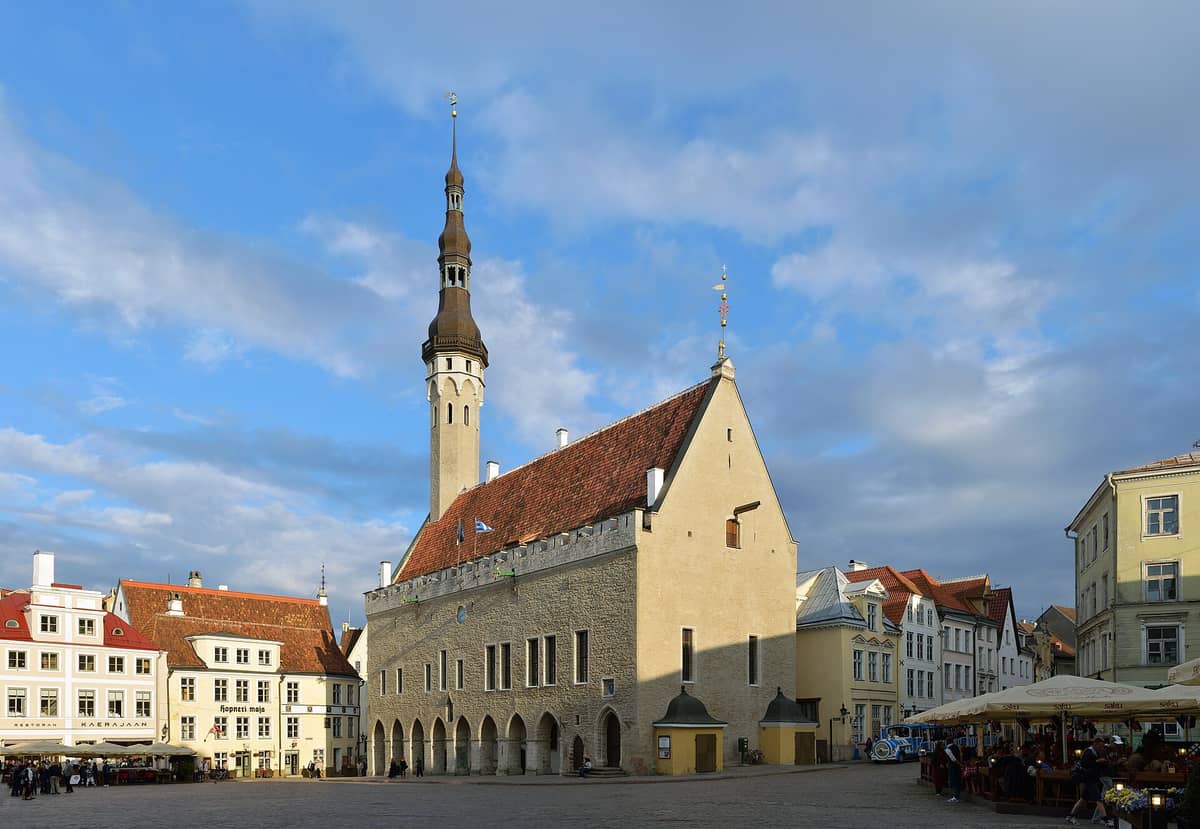
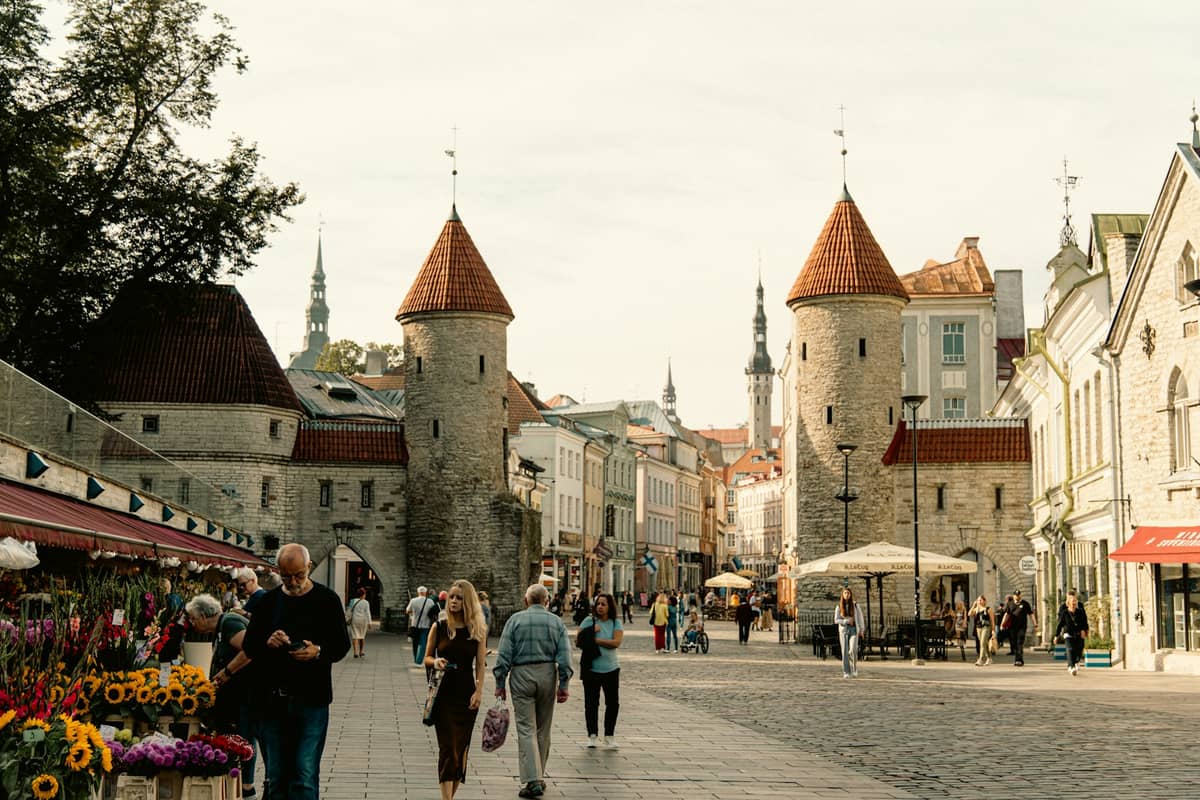
The logical entry point for most visitors is Viru Gate, the 14th-century double-tower gatehouse on the eastern edge of Old Town. Walking through it from the modern city into the medieval street grid is an effective transition, and the gate is hard to miss. From there, Viru Street leads directly to Town Hall Square, the civic and commercial heart of the lower town, ringed by Gothic and Baroque facades and anchored by the only surviving Gothic town hall in Northern Europe.
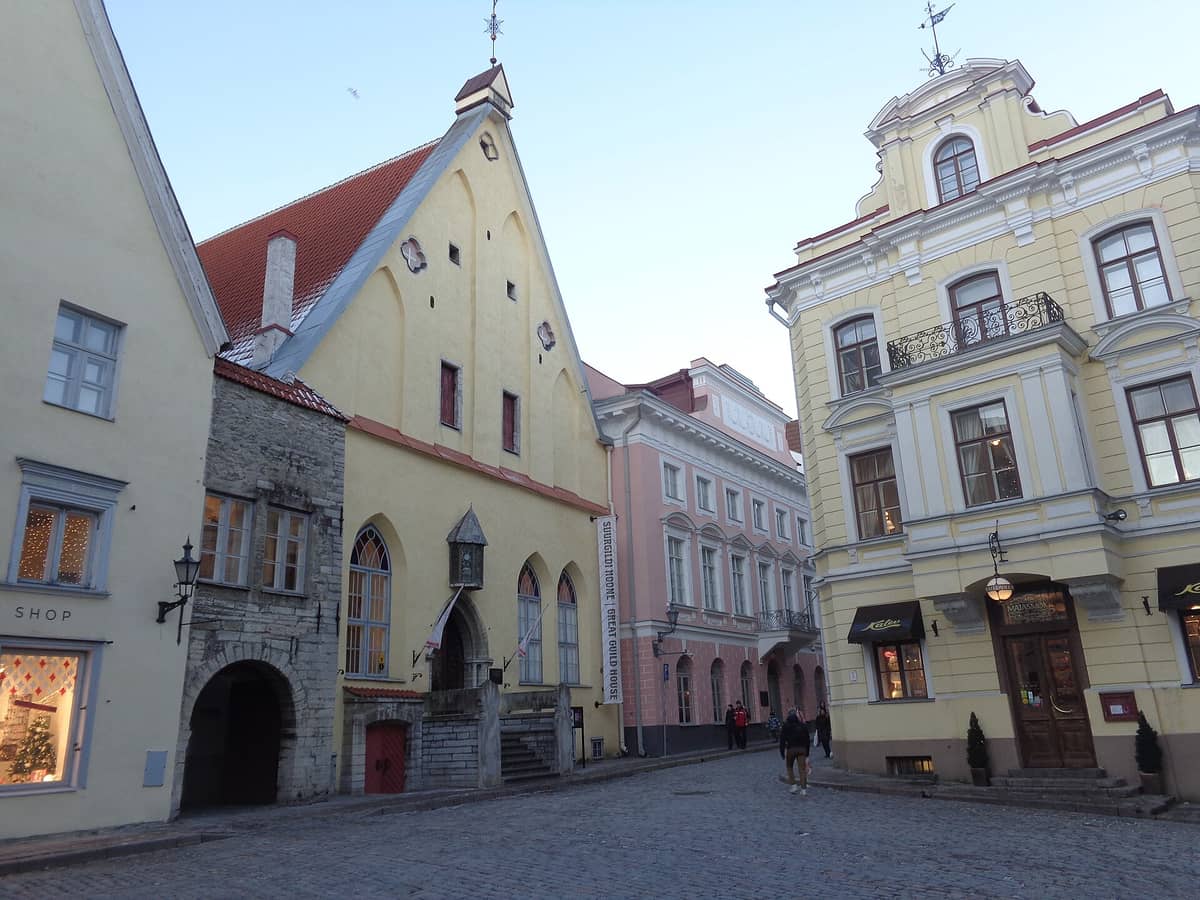
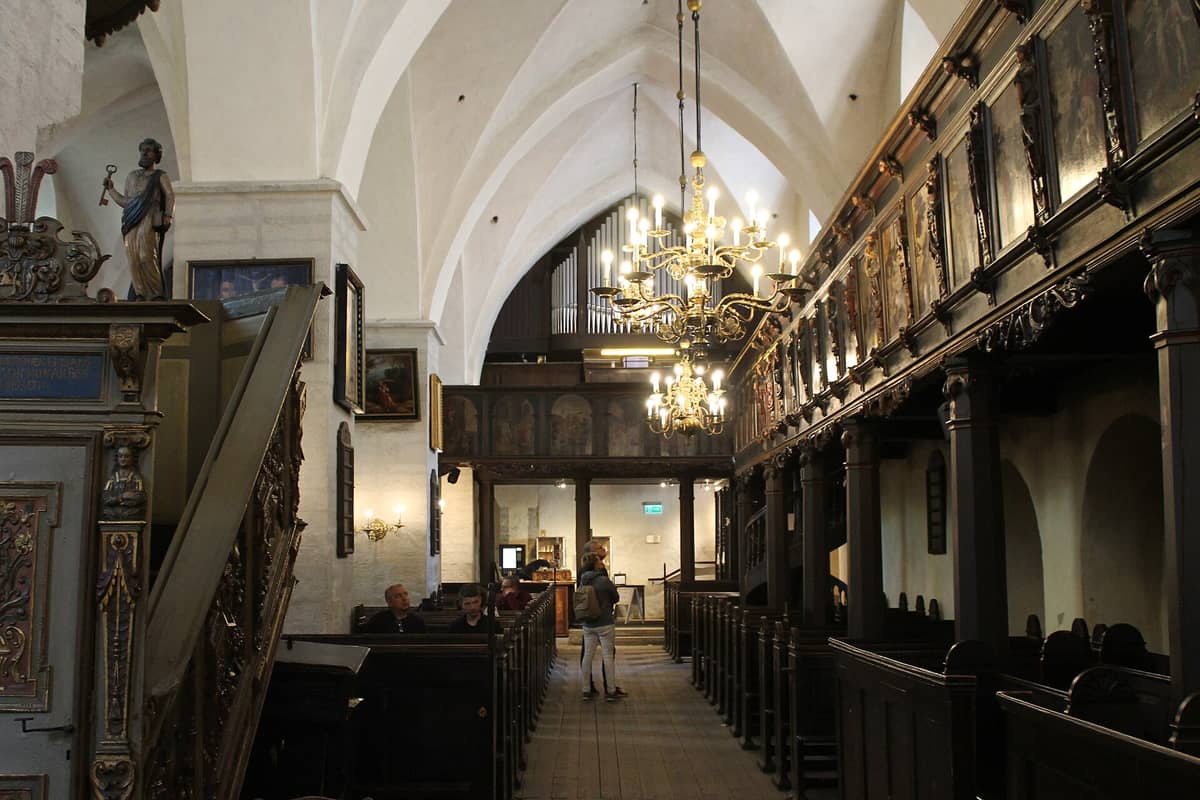
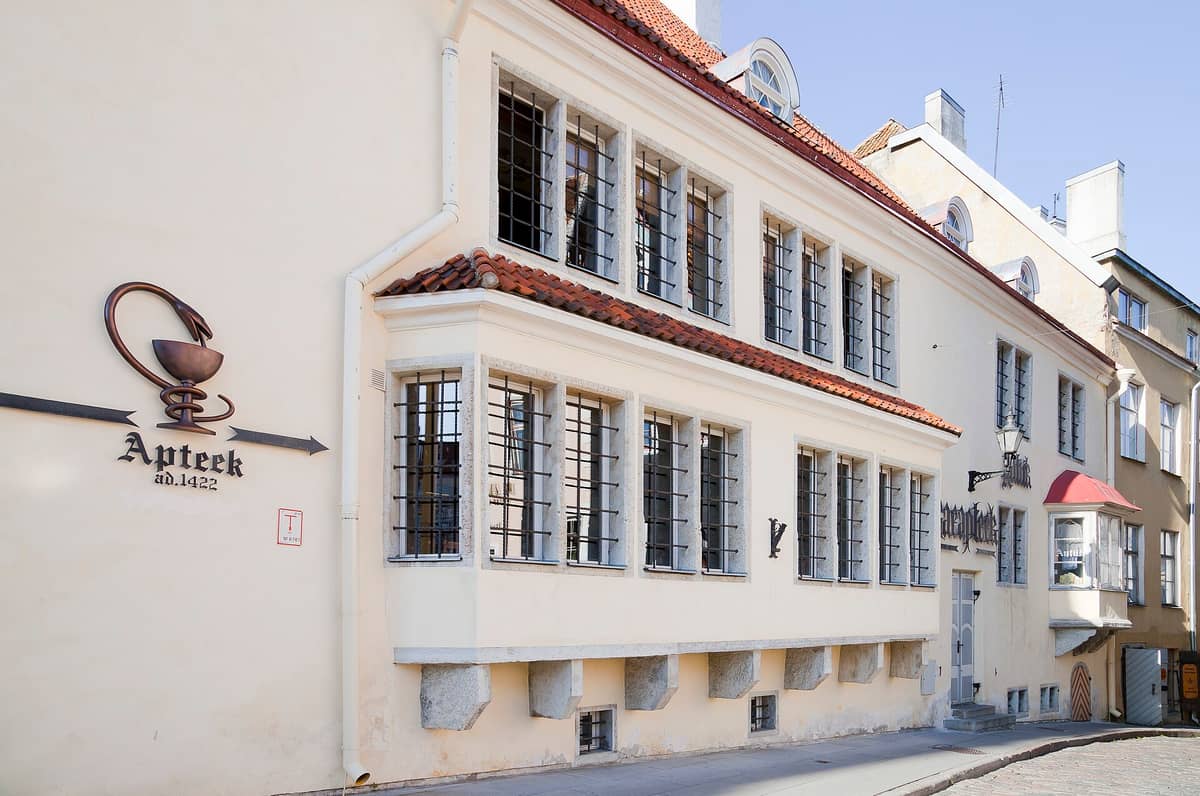
The square itself connects to several key sights within a short walk. The Town Hall Pharmacy on the northern corner of the square is said to be one of the oldest continuously operating pharmacies in Europe. The Holy Spirit Church is just steps away on Pühavaimu Street, its 17th-century clock the oldest public clock in Tallinn. The Great Guild Hall on Pikk Street, now home to the Estonian History Museum, is one of the finest examples of late-medieval civic architecture in the region.
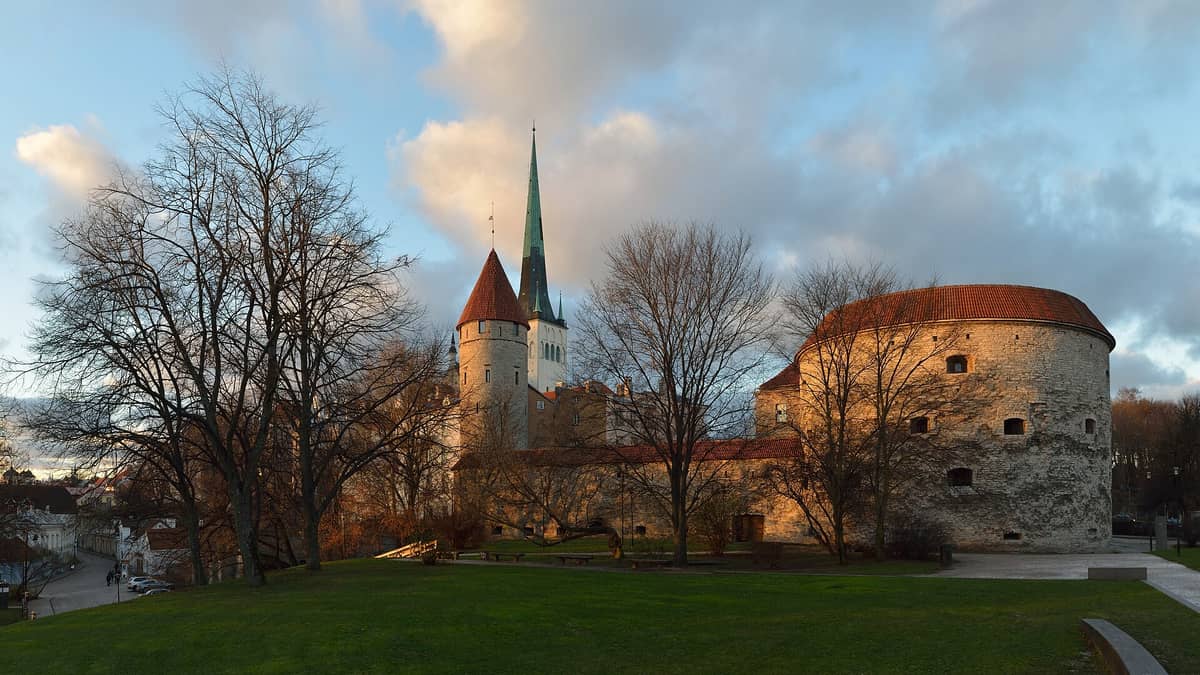
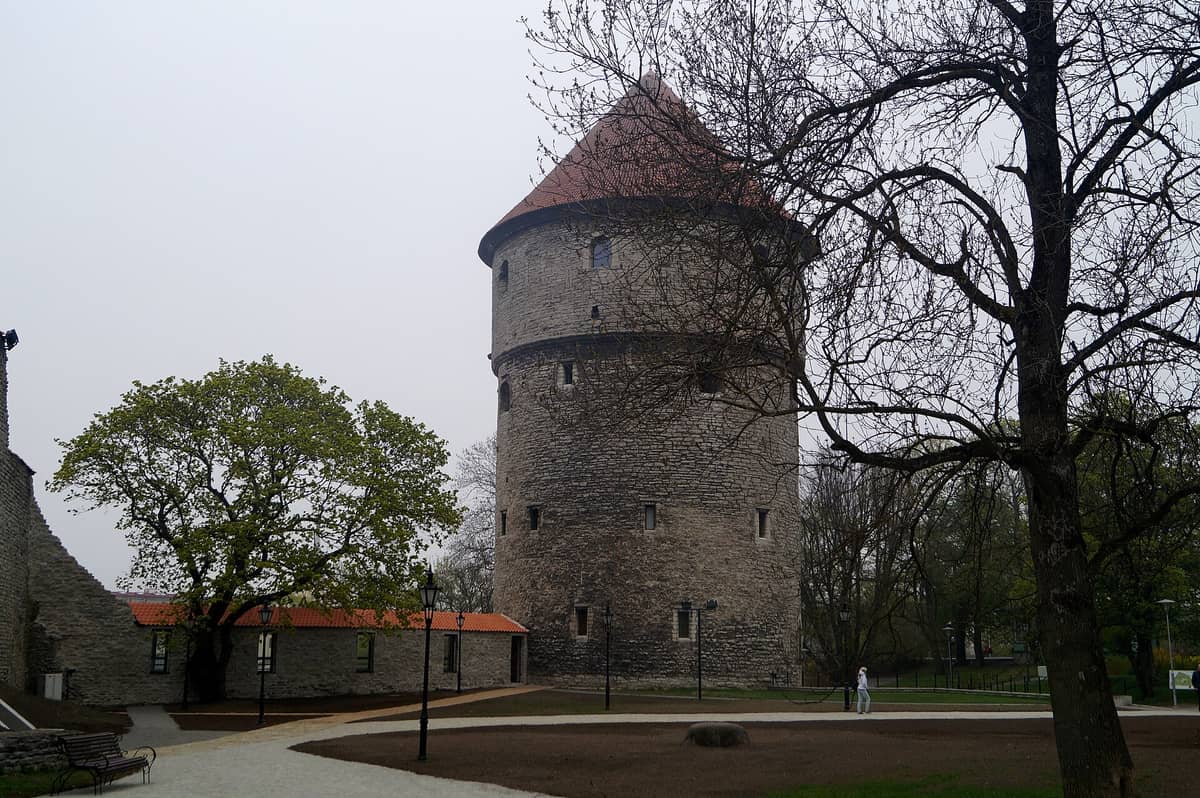
Walking north along Pikk Street brings you to the House of the Blackheads, a Renaissance-era building with a striking black portal used by the Brotherhood of Blackheads, a guild of unmarried foreign merchants. Further north, near the edge of the old fortifications, Fat Margaret is the bulky circular cannon tower that guarded the sea gate; it now houses the Estonian Maritime Museum.
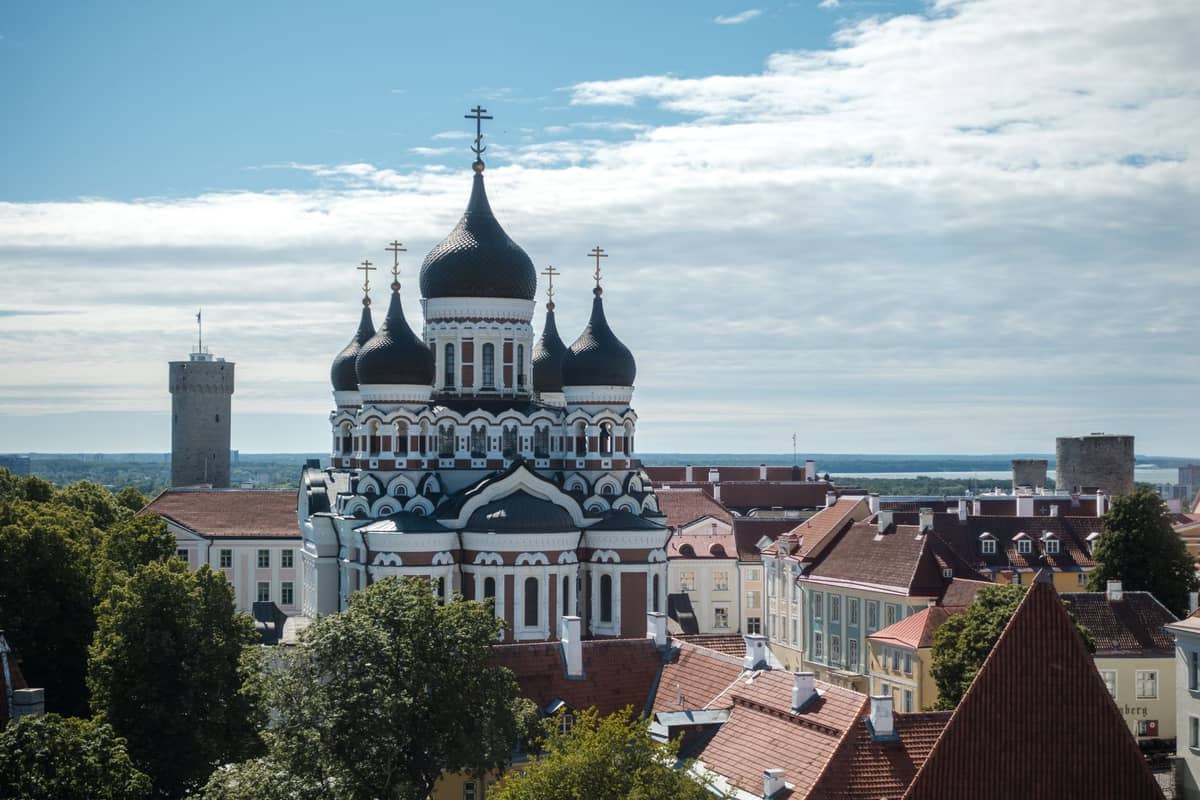
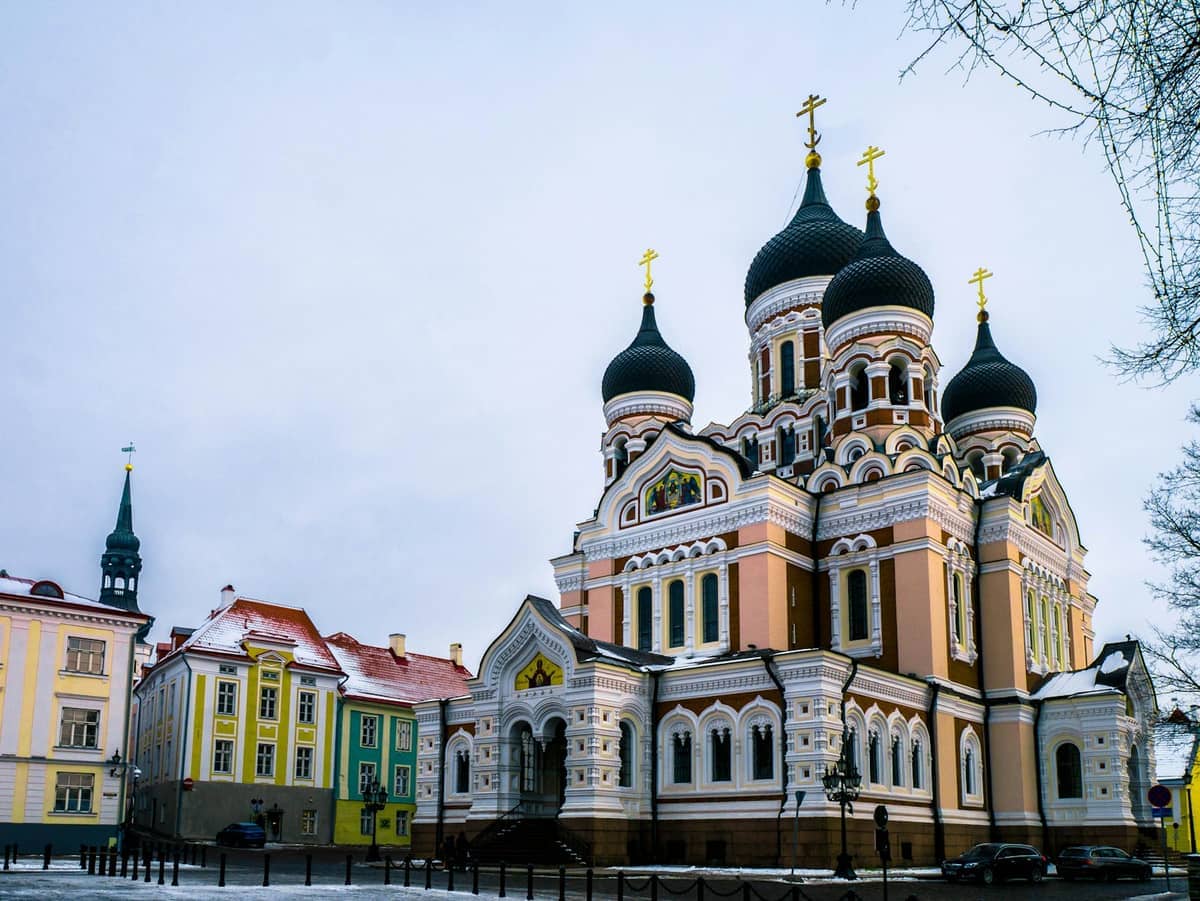
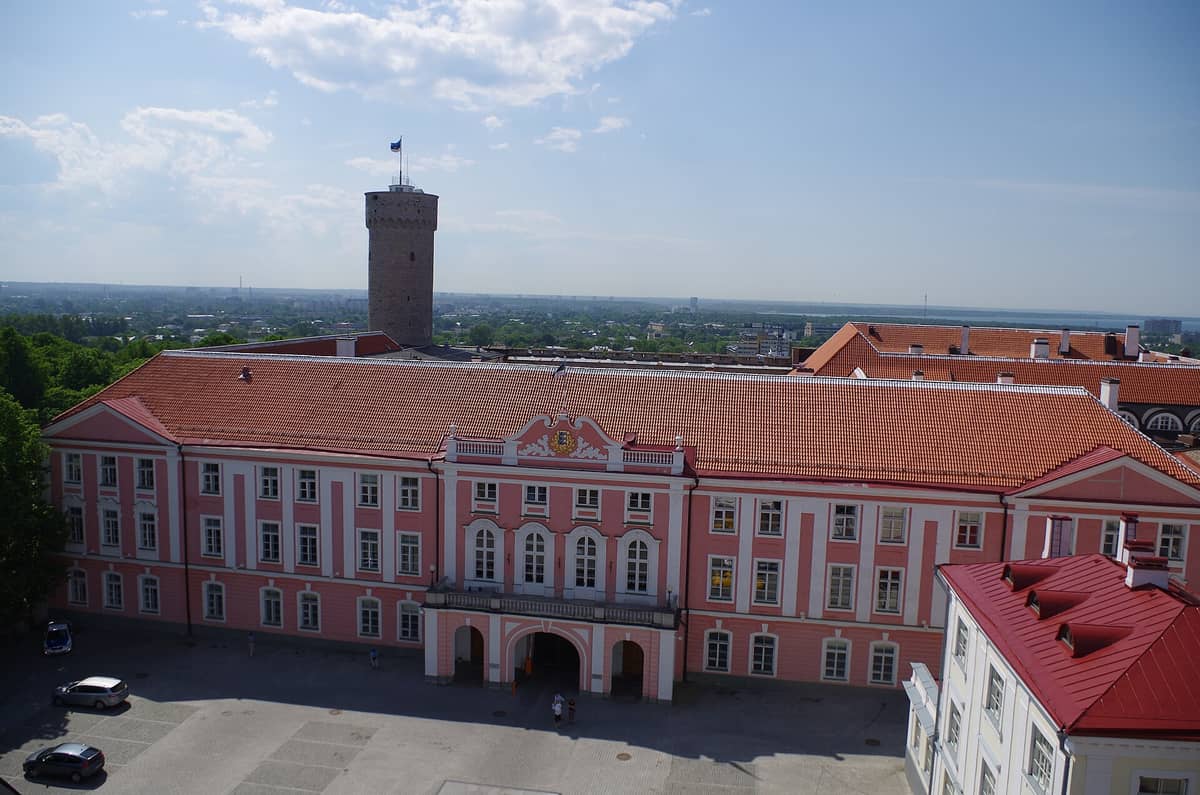
Toompea is worth a separate visit. Climb the hill via Pikk jalg (Long Leg) or Lühike jalg (Short Leg) lanes, both of which have been connecting the upper and lower towns since the medieval period. At the top, Toompea Castle houses the Estonian Parliament and is identifiable by its pink Baroque facade. The Alexander Nevsky Cathedral immediately opposite is a late 19th-century Russian Orthodox church whose onion domes have become one of the most recognisable images of the Tallinn skyline.
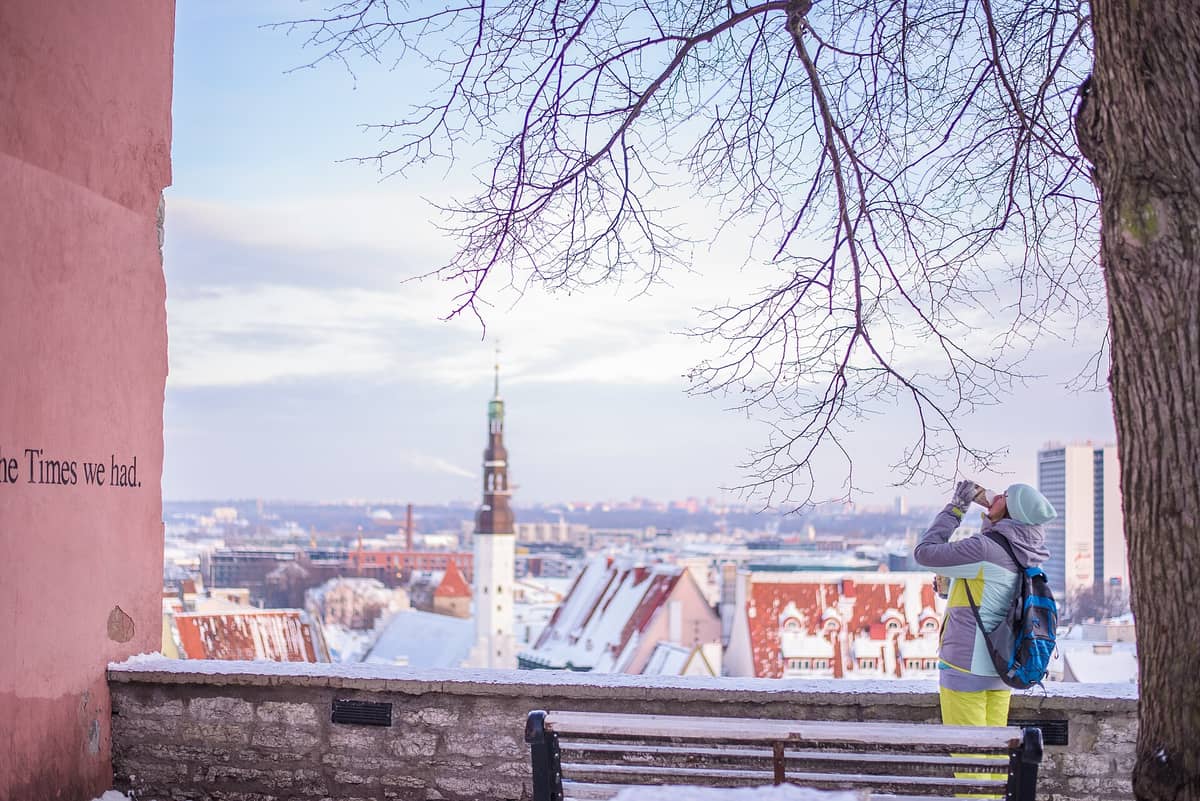
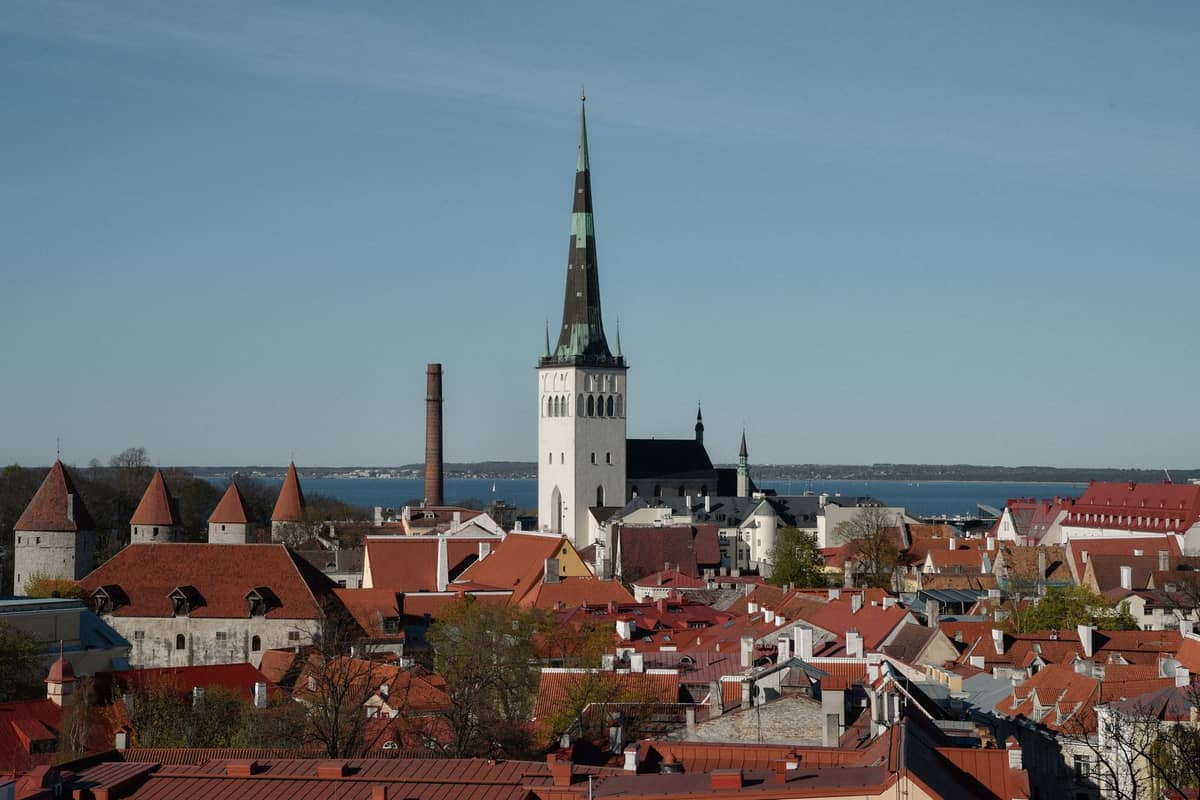
The two Toompea viewing platforms offer different perspectives over the lower town and city beyond. Kohtuotsa viewing platform gives the more classic panorama and tends to be busier; Patkuli viewing platform sits at a lower elevation to the west and offers a view toward the port. Both are free and accessible throughout the day. For a broader guide to the best vantage points across the city, the best viewpoints in Tallinn guide covers all the key options.
Town Hall Square and the Gothic Town Hall
Viru Gate (14th-century double towers)
Toompea Castle and the Alexander Nevsky Cathedral
Kohtuotsa and Patkuli viewing platforms
St. Olaf's Church tower (open to visitors, panoramic views)
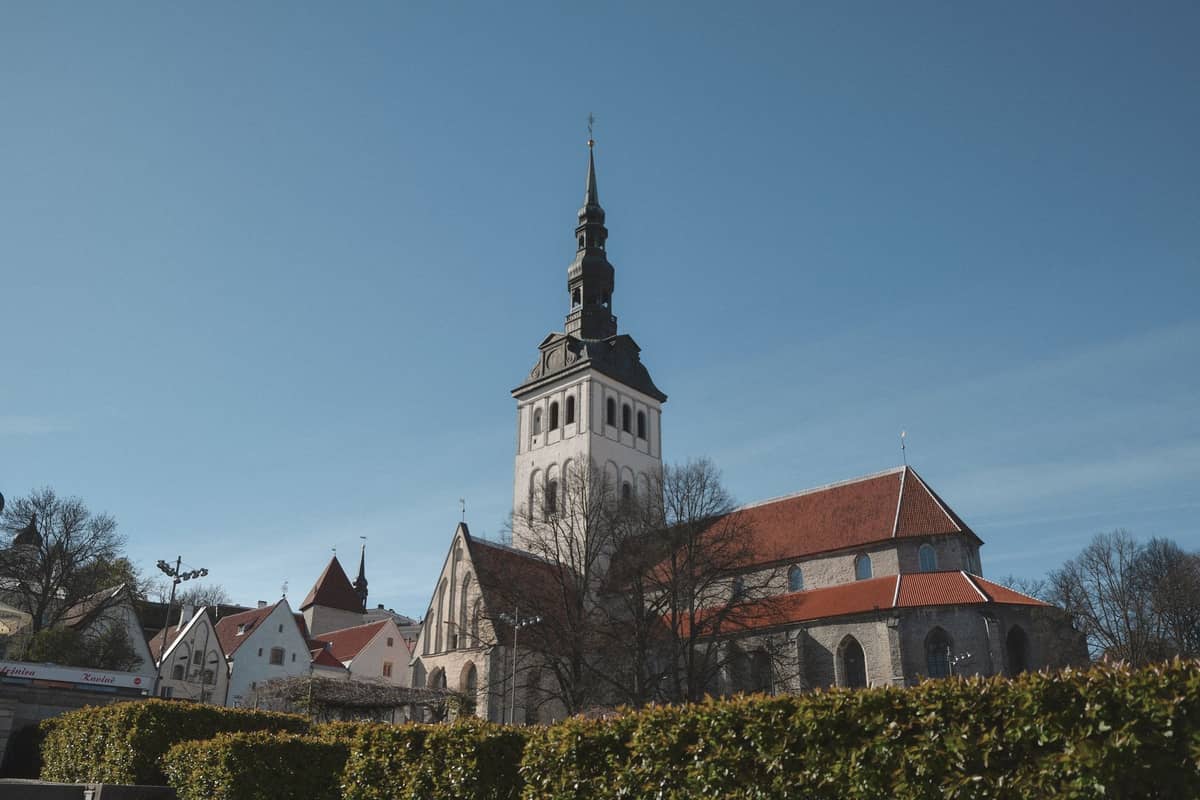
Niguliste Museum (medieval art and church silver)
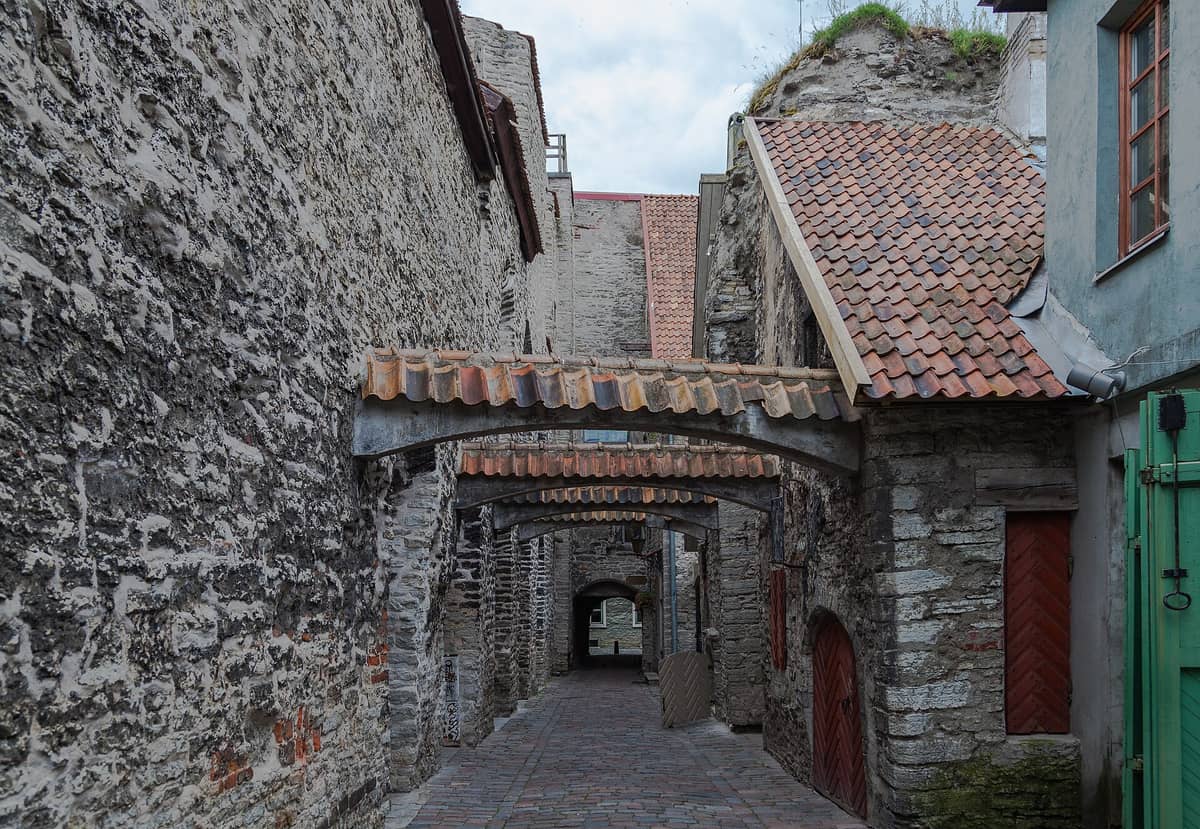
St. Catherine's Passage (covered medieval lane with artisan workshops)
The city walls and Kiek in de Kök fortification museum
Great Guild Hall (Estonian History Museum)
House of the Blackheads
The St. Olaf's Church tower is worth climbing for the view from roughly 60 metres above the Old Town rooftops. The Niguliste Museum occupies a converted medieval church and holds an important collection of religious art, including a haunting section of Bernt Notke's 15th-century Dance of Death painting. The St. Catherine's Passage is a narrow covered lane running between Vene and Müürivahe streets with active craft studios and small galleries.
ℹ️ Good to know
The Tallinn Card gives free or discounted entry to most Old Town museums and includes unlimited use of public transport. If you plan to visit more than two or three paid attractions in a day, it usually pays for itself. See the Tallinn Card guide for current pricing and inclusions.
Eating & Drinking
The food scene in Old Town has a wide quality range, and knowing where to look matters. The restaurants immediately on Town Hall Square and along the first stretch of Viru Street are aimed squarely at tourists, with medieval-themed interiors, higher prices, and menus in multiple languages. They are not all bad, but they are not where locals eat. The better options tend to be on the side streets: Vene Street, Rataskaevu Street, and the lanes around the Dominican monastery.
Estonian food is the main reason to eat well in Old Town. The cuisine draws on Northern European traditions: rye bread, pork, game, smoked fish, and root vegetables dominate winter menus. In warmer months, the emphasis shifts to fresh pike-perch from Estonian lakes, foraged mushrooms, and locally grown produce. Several Old Town restaurants have made a serious effort to revive and modernise traditional recipes, and the quality of contemporary Estonian cooking in the neighbourhood has improved markedly over the last decade.
For a wider overview of what to order and where to find it across the city, the what to eat in Tallinn guide and the where to eat in Tallinn guide both cover Old Town options alongside the broader city.
The café culture in Old Town is strong. Raeapteek, the pharmacy on Town Hall Square, has been there since at least the 15th century, but for coffee you are better served by the independent cafés on Rataskaevu or in the quieter parts of Vene Street. Most open by 9am and serve good coffee alongside Estonian baked goods like rukkileib (dense rye bread) and other sweet treats. Prices for coffee and a snack in Old Town run slightly higher than the city average, but not dramatically so.
Bar-wise, Old Town has a full range from cellar bars in medieval vaulted rooms to rooftop terraces with views over the lower town. The bar scene on and around Suur-Karja Street becomes lively from Thursday through Saturday, with a mix of locals and visitors. It is loud and sociable without being threatening, though the immediate vicinity of Town Hall Square can get rowdy late on summer weekends.
⚠️ What to skip
Stag parties and large group tours gravitate toward Old Town's more commercial bars, particularly in summer. If you want a quieter evening, stick to the restaurants and wine bars on the northern side streets around Pikk Street, or head to Kalamaja for a more local atmosphere after dinner.
Getting There & Around
Old Town is almost entirely pedestrianised, and car access within the walls is restricted to permit holders and deliveries during morning hours. This is not an inconvenience; it means the lanes are calm, walking is easy, and the whole area is compact enough to cover on foot. From the eastern entry at Viru Gate to the western edge of Toompea is roughly 700 metres as the crow flies, though the medieval street grid means you will walk more than that in practice.
Tram line 2 runs along the northern edge of Old Town, with a stop near the Linnahall area giving easy access to the port-side of the neighbourhood. From Balti jaam, Tallinn's main rail and long-distance bus terminal to the northwest, it is about a 12-minute walk east along Põhja Boulevard to reach Old Town's northern boundary. From the central bus station to the southeast, the walk to Viru Gate takes approximately 20 to 25 minutes.
Tallinn Airport (IATA: TLL) is located roughly 5 km southeast of the city centre. Tram line 4 connects the airport to the city, and the journey to the Old Town boundary takes around 20 to 25 minutes. Taxis and ride-hailing apps (Bolt is the dominant local app) are available outside the arrivals hall. For a full breakdown of transport options within the city, the getting around Tallinn guide covers buses, trams, taxis, and cycling routes in detail.
Within Old Town itself, there is no public transport beyond the tram at the perimeter. The cobblestones are uneven in places, and the lanes on Toompea involve some uphill walking. Visitors with limited mobility should be aware that the hill climbs to Toompea via Pikk jalg and Lühike jalg are steep and entirely on stone surfaces. An alternative approach to Toompea is via a gentler road from the west, though it is longer.
Where to Stay
Old Town has the widest accommodation range in Tallinn, from converted medieval buildings and boutique hotels in Gothic courtyard properties to budget hostels on side streets. For most first-time visitors, staying in or immediately adjacent to Old Town makes practical sense: the major sights are walkable, and you do not need a tram to reach your dinner reservation. The where to stay in Tallinn guide covers all the main neighbourhood options with more detail on accommodation types and price ranges.
Within Old Town, the quieter streets around Toompea and the northwestern corner of the lower town tend to have less noise at night than the blocks immediately adjacent to Town Hall Square or Suur-Karja Street. If you are a light sleeper, ask specifically about rooms facing interior courtyards rather than the street. Summer weekends in particular can be noisy until 2 or 3am near the main bar strip.
The trade-off for staying in Old Town is price. Hotels here are generally more expensive than equivalent properties in Kalamaja or further out, and the car-free environment means arriving with heavy luggage requires some planning. Most hotels will advise on drop-off points within the permitted zones. For travellers who want the medieval atmosphere as their baseline and do not mind paying a premium for it, Old Town remains the most rewarding place to base yourself in Tallinn.
Practical Notes
Old Town suits almost every type of visitor on a first trip to Tallinn, but it pairs best with excursions outward into other parts of the city. The Tallinn Old Town walking tour guide provides a structured route through the key sights if you prefer a logical sequence. For a broader city itinerary that uses Old Town as a base while incorporating other neighbourhoods, the 2 days in Tallinn guide is a useful starting point.
Tallinn is part of the Schengen Area and uses the Euro. English is widely spoken in Old Town's hotels, restaurants, and tourist-facing businesses; you are unlikely to encounter a language barrier anywhere in the neighbourhood. Tipping around 10% is considered polite at sit-down restaurants but is not obligatory. Tap water in Estonia is safe to drink. Estonian emergency services are reached on 112.
The cobblestones are the main physical consideration. Wear shoes with grip rather than smooth soles, especially in wet or icy conditions. In winter, the city does grit and sand the main pedestrian routes, but the smaller lanes can become treacherous after a freeze. Ice and compact snow on Toompea's access lanes in January and February deserve respect.
TL;DR
Tallinn Old Town is the undisputed starting point for any visit to the city: compact, walkable, and extraordinarily well-preserved, it holds more medieval architecture per square metre than almost anywhere else in Europe.
It divides into Toompea (the hilltop political and ecclesiastical quarter) and the lower town (the merchant quarter), each with a distinct atmosphere worth exploring separately.
The main tourist strip around Town Hall Square and Viru Street is genuinely crowded in summer; the quieter lanes one block off the main routes offer a completely different experience.
Best suited to: first-time visitors to Tallinn, history and architecture enthusiasts, travellers who want walkable access to the city's major sights, and couples looking for atmosphere and good restaurants.
Less ideal for: travellers on a tight budget who want a local residential feel, light sleepers during summer weekends, or anyone hoping to avoid the tourist circuit entirely. In those cases, Kalamaja to the northwest is worth considering as a base.
Two days is enough to cover Tallinn's medieval heart, its finest museums, and a taste of the city's creative neighbourhoods. This itinerary is structured day by day, starting with the Old Town's UNESCO-listed streets and working outward to Kadriorg and Kalamaja.
Three days is the ideal amount of time to experience Tallinn properly. This itinerary takes you from the medieval Old Town through creative Kalamaja, out to the elegant Kadriorg district, and to the seaside, covering the city's essential sights without rushing.
Tallinn's skyline is defined by its churches. The medieval Old Town alone holds centuries of Lutheran, Orthodox, and Catholic history within a few walkable blocks. This guide covers the finest religious buildings in the city, from active cathedrals to a deconsecrated Gothic church housing world-class medieval art.
Tallinn stands out for museum culture. This guide covers the city's finest institutions, from a fortress-turned-medieval-art-gallery to one of Europe's most dramatic maritime museums, with practical advice on saving money and planning your visits.
Tallinn rewards visitors in every season, but the right time to go depends entirely on what you want. This guide breaks down weather, crowd levels, pricing, and key events month by month so you can make an informed decision.
Tallinn rewards those who look up and out. Whether you want the classic medieval rooftop panorama, sweeping Baltic Sea vistas, or the highest point in Estonia, this guide covers every viewpoint worth your time, from the free hilltop terraces of Toompea to a Soviet-era tower with a glass floor.
Tallinn sits at the perfect launching point for exploring Estonia's wild coast, ancient forests, and dramatic landscapes. These are the best day trips from Tallinn, covering everything from national parks and island escapes to medieval ruins and surreal Soviet-era sites.
Tallinn rewards budget travellers generously. The medieval Old Town is freely walkable, city museums open their doors for free on the first Sunday of each month, and the parks, beaches, and viewpoints cost nothing at all. This guide covers the best free experiences in the city, organised so you can plan a full day without spending a cent.
Tallinn is a compact city, but knowing which transport option to use, and when, saves time and money. This guide covers public transport tickets, trams, buses, taxis, ride-hailing apps, airport connections, and the biggest misconceptions visitors run into.
Tallinn is one of Europe's most intact medieval capitals, a UNESCO-listed city that pairs cobblestoned Old Town lanes with a surprisingly modern, tech-forward culture. This guide cuts through the hype to tell you exactly what you'll get, what it costs, and when to go.
Tallinn sits on the Gulf of Finland, and its coastline delivers genuine beach options within minutes of the city centre. This guide covers the best sandy stretches, island beaches reached by ferry, and scenic coastal stops worth combining with a swim.
The Tallinn Card promises free entry to 50+ attractions and unlimited public transport for 24, 48, or 72 hours. But does it actually save you money? This guide breaks down the real costs, the best-value attractions, and the scenarios where skipping the card makes more sense.
The Tallinn Christmas Market transforms Town Hall Square into one of Europe's most atmospheric winter destinations. This guide covers exact dates, opening hours, food and drink to try, the best times to visit, and practical tips for getting the most out of your trip.
Tallinn is one of Europe's most effortlessly romantic cities, with a medieval Old Town, baroque parks, and a waterfront that rewards slow exploration. This guide covers the best experiences for couples, from golden-hour viewpoints and art museum dates to island escapes and atmospheric cobblestone lanes.
Tallinn rewards those who look beyond the postcard views. From a flooded Soviet quarry to a bog walk inside city limits, these are the experiences that separate a good Tallinn trip from a great one.
Summer transforms Tallinn into its most animated version, with nearly endless daylight, major festivals, and the Old Town packed with visitors. This guide covers the climate, key events, best activities, and practical advice on crowds and pricing so you can plan a summer trip that actually works.
Tallinn in winter is cold, atmospheric, and significantly cheaper than summer — but it rewards visitors who go in with realistic expectations. This guide covers the climate, costs, seasonal highlights, transport, and the honest truth about snow guarantees.
Tallinn preserves one of Europe's most intact medieval city centres, shaped by Danish kings, Hanseatic merchants, and the Livonian Order. This guide covers the history, the key sites, and how to explore them without wasting a day.
Tallinn is surrounded by bogs, forests, islands, and coastline within an hour of the city centre. This guide covers the best outdoor escapes, from wild island day trips and waterfall walks to urban parks and Estonia's most dramatic landscapes.
Tallinn stands out when it comes to nightlife. Whether you want cocktails in a 13th-century cellar, craft beer in a converted factory yard, or a club that runs until 05:00, this guide breaks down exactly where to go, what to pay, and when to show up.
Everything you need to walk Tallinn's UNESCO-listed medieval Old Town on your own terms. This guide covers the full route from Viru Gate to Toompea Hill, admission costs for key stops, seasonal crowd patterns, and practical tips for getting the most from 2-4 hours on foot.
Tallinn is one of Northern Europe's most rewarding cities for budget travelers. Between its largely free medieval Old Town, weekday lunch deals, and efficient public transport, a comfortable visit is achievable for €32-45 per day. This guide covers exactly where to save and what's genuinely worth paying for.
Shopping in Tallinn spans medieval souvenir lanes, a three-storey Baltic market with 300 traders, contemporary Estonian design studios, and sprawling Soviet-era food halls. This guide covers every major area, what each does best, realistic prices, and the seasonal quirks that affect when and where you should go.
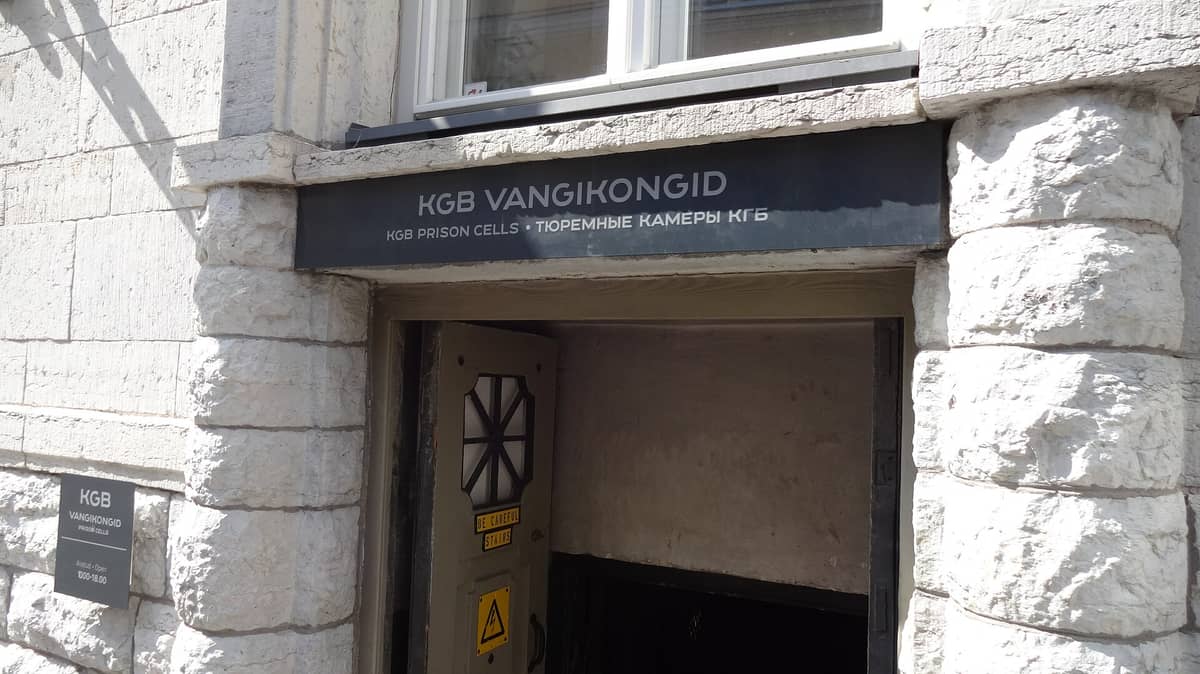
Tallinn carries its Soviet-era history in concrete and memory. This guide covers the key museums, former KGB facilities, Soviet monuments, and practical tips for exploring one of Europe's most layered occupation histories — from the Vabamu Museum to Linnahall and beyond.
The Tallinn to Helsinki ferry is one of Europe's most convenient short sea crossings, taking as little as 2 hours with up to 10 daily departures year-round. This guide covers every operator, realistic prices, seasonal scheduling, day trip logistics, and what to expect on board.
Tallinn stands out for family travel. Medieval towers to climb, a full-size submarine to explore, a zoo with polar bears, and island ferry trips make it genuinely exciting for children. This guide covers the best family activities across the city and beyond.
Tallinn rewards visitors well beyond its famous Old Town. This guide covers the best things to do in Tallinn across history, culture, nature, and nightlife, with practical advice on what to skip, when to go, and how to make the most of your time in Estonia's capital.
Estonian cuisine is more nuanced than most visitors expect. This guide covers the essential dishes, the best neighbourhoods to eat well, realistic price ranges for 2026, and practical advice on where the food is worth it and where it is not.
Tallinn's dining scene stretches far beyond the medieval Old Town, with Michelin-recognized kitchens, creative Kalamaja eateries, and modernist Estonian cuisine in the Rotermann Quarter. This guide breaks down where to eat, what to spend, and which tourist traps to avoid.
Tallinn divides neatly into distinct neighbourhoods, each with a different atmosphere, price point, and trade-off. This guide breaks down every major area so you can choose the right base for your trip, whether you want cobblestones and cathedral views or hip cafés and local pricing.