Visiting Tallinn in Winter: What to Really Expect
Tallinn in winter is cold, atmospheric, and significantly cheaper than summer — but it rewards visitors who go in with realistic expectations. This guide covers the climate, costs, seasonal highlights, transport, and the honest truth about snow guarantees.
Plan and book this trip
Tools from our partner Travelpayouts help you compare flights and hotels. If you book through them, we may earn a commission at no extra cost to you.
Flights
Hotels map
TL;DR
- Winter in Tallinn runs December–February, with temperatures typically between -5°C and 0°C and cold snaps reaching -15°C.
- Daylight is short: around 6–7 hours in December, improving steadily toward March.
- The Tallinn Christmas Market on Town Hall Square (late November to early January) is the single biggest winter draw.
- Hotels run 30–50% cheaper than in summer outside the festive peak — making January and February excellent value months.
- Snow is likely but not guaranteed: some winters are slushy and grey rather than picture-postcard white.
Winter Climate: Temperatures, Daylight, and Snow
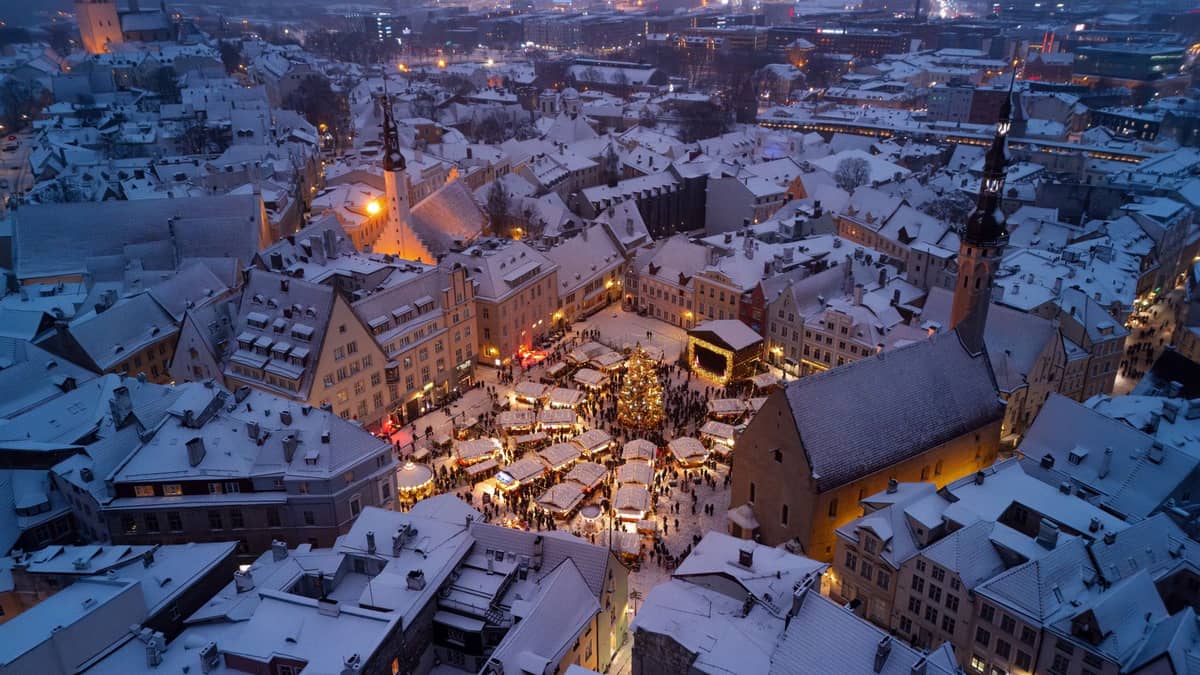
Tallinn sits at roughly 59°N on the Gulf of Finland, which gives it a humid continental climate with genuinely cold winters. Average daytime temperatures in January hover around -3°C to -5°C, with nights dropping to around -8°C. Cold snaps — particularly in February — can push temperatures to -15°C or below for several days at a stretch. Dress accordingly: this is not the kind of cold that a light jacket handles.
Daylight is the bigger psychological challenge for many visitors. In December, sunrise comes around 09:10 and sunset around 15:20, giving you roughly six to seven usable hours of daylight. By February, that window extends noticeably — about 30 extra minutes per week through late winter — and March brings a much more comfortable nine to ten hours. If short days bother you, February or March visits are worth considering over peak December.
ℹ️ Good to know
Tallinn is not in the Arctic Circle and does not experience polar night. You will have daylight in December — just plan outdoor sightseeing for the late morning and early afternoon window to make the most of it.
Snow is common from December through March, but not guaranteed on any given trip. Some winters deliver consistent snow cover from late November onwards; others hover around 0°C and produce slush and rain rather than the photogenic medieval streetscape most visitors imagine. Climate variability has made deep, sustained snow cover less predictable than it was two decades ago. If a snowy Old Town is the specific reason you're visiting in winter, late December to mid-February gives you the best statistical odds — but build in some flexibility.
The Christmas Market and Festive Season
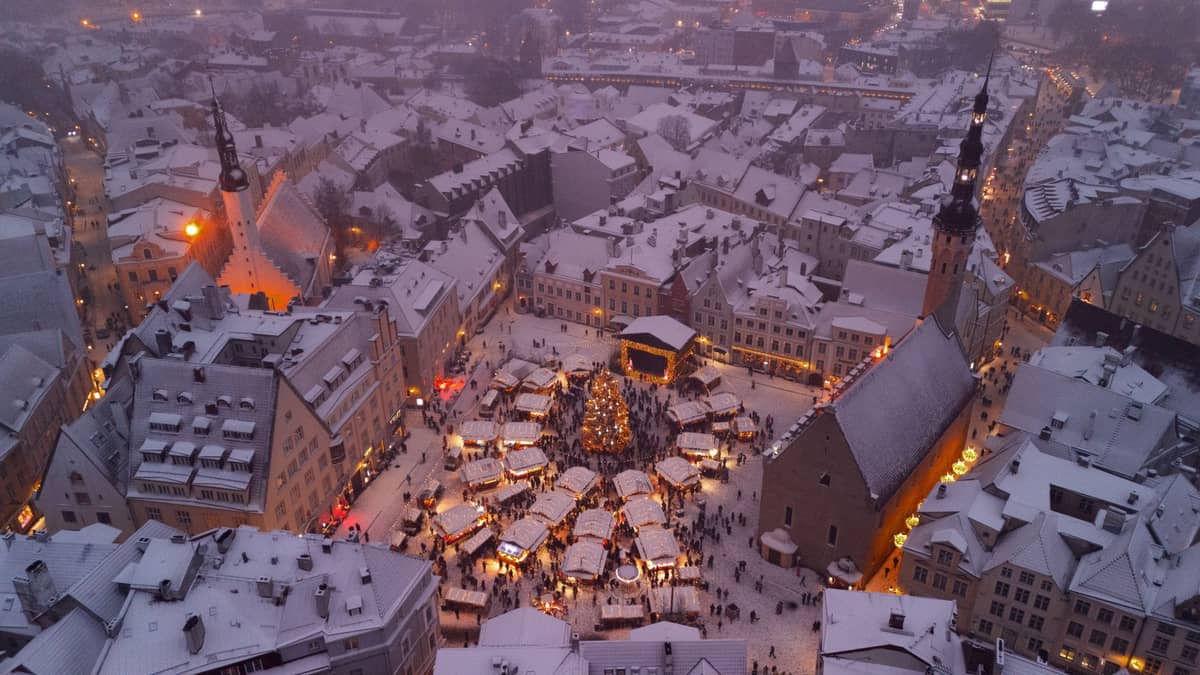
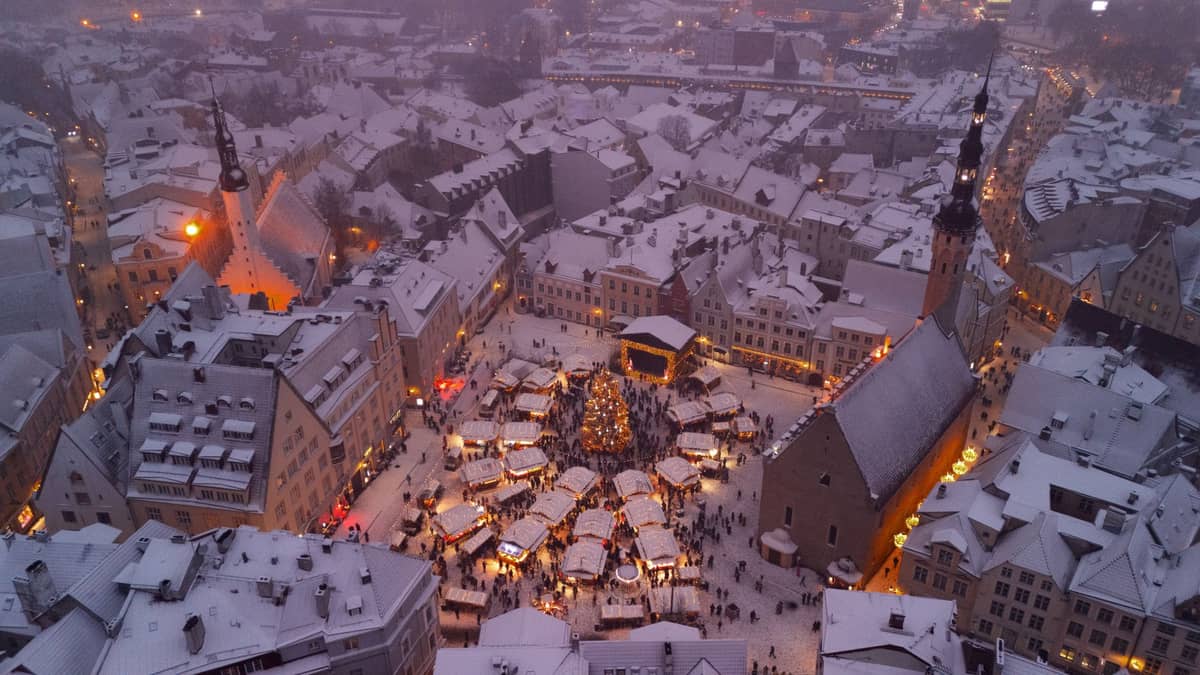
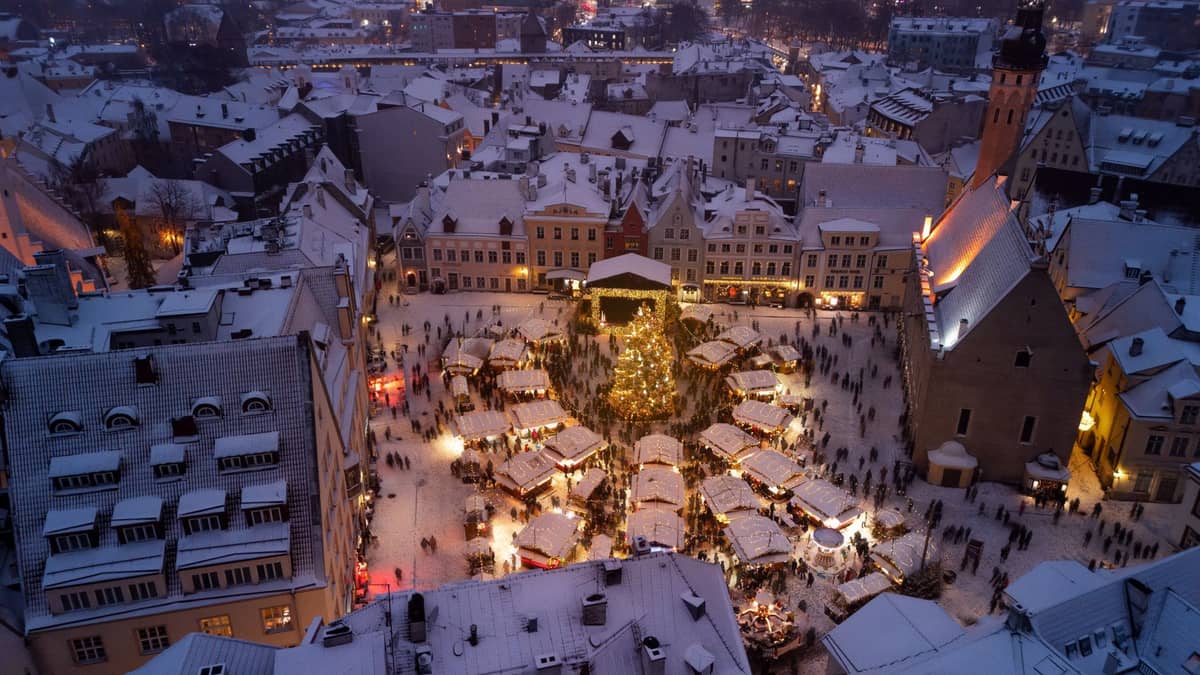
The Tallinn Christmas Market on Raekoja plats (Town Hall Square) typically runs from late November to early January and is one of the oldest and most atmospheric in the Baltic region. Wooden stalls sell mulled wine (glögi), gingerbread, smoked meats, and Estonian crafts against the backdrop of the medieval Town Hall. Evening visits, when the square lights up, are especially atmospheric.
The festive period is the one time winter pricing logic reverses itself. Accommodation rates around Christmas and New Year's Eve approach summer levels, and the Old Town gets noticeably more crowded on weekends. If you want the market experience without the premium, visit on a weekday in early to mid-December. After early January, visitor numbers drop sharply and prices follow — January and February become the quietest, cheapest months of the year.
💡 Local tip
The Christmas Market is free to enter and genuinely worth a visit, but the stalls closest to the Town Hall tend to be the most touristy and marked up. Walk the outer edges of the market and the side streets off the square for better prices and slightly more local-oriented vendors.
Costs and Value: Why Winter Makes Financial Sense
Outside the Christmas and New Year window, winter is comfortably the cheapest time to visit Tallinn. Hotels that charge €120–180 per night in July regularly drop to €60–100 in January and February. A realistic mid-range daily budget covering a central hotel, two restaurant meals, and two or three paid attractions works out to roughly €90–110 per person per day in winter.
- Accommodation Budget guesthouses from around €30–50/night; mid-range hotels €60–100/night in January and February outside holiday weekends.
- Meals A sit-down lunch at a traditional Estonian restaurant in the Old Town costs €10–16; dinner at a mid-range spot runs €20–35 per person including a drink.
- Tallinn Card Priced at approximately €45 (24h), €65 (48h), and €78 (72h) for adults — includes entry to most major museums and unlimited public transport. Verify current prices at the official Visit Tallinn portal before buying.
- Public transport Tourist day passes cost around €3 (24h) or €5 (72h). Note that residents ride for free, but the tourist passes are still very affordable.
- Paid attractions Most museums charge €5–15 for entry. The Seaplane Harbour and Kumu Art Museum are at the higher end; smaller church museums and the Town Hall are cheaper.
For a fuller breakdown of saving money year-round, the Tallinn on a budget guide covers free attractions, cheap eats, and discount strategies that apply particularly well in the off-season.
What to Do in Tallinn in Winter
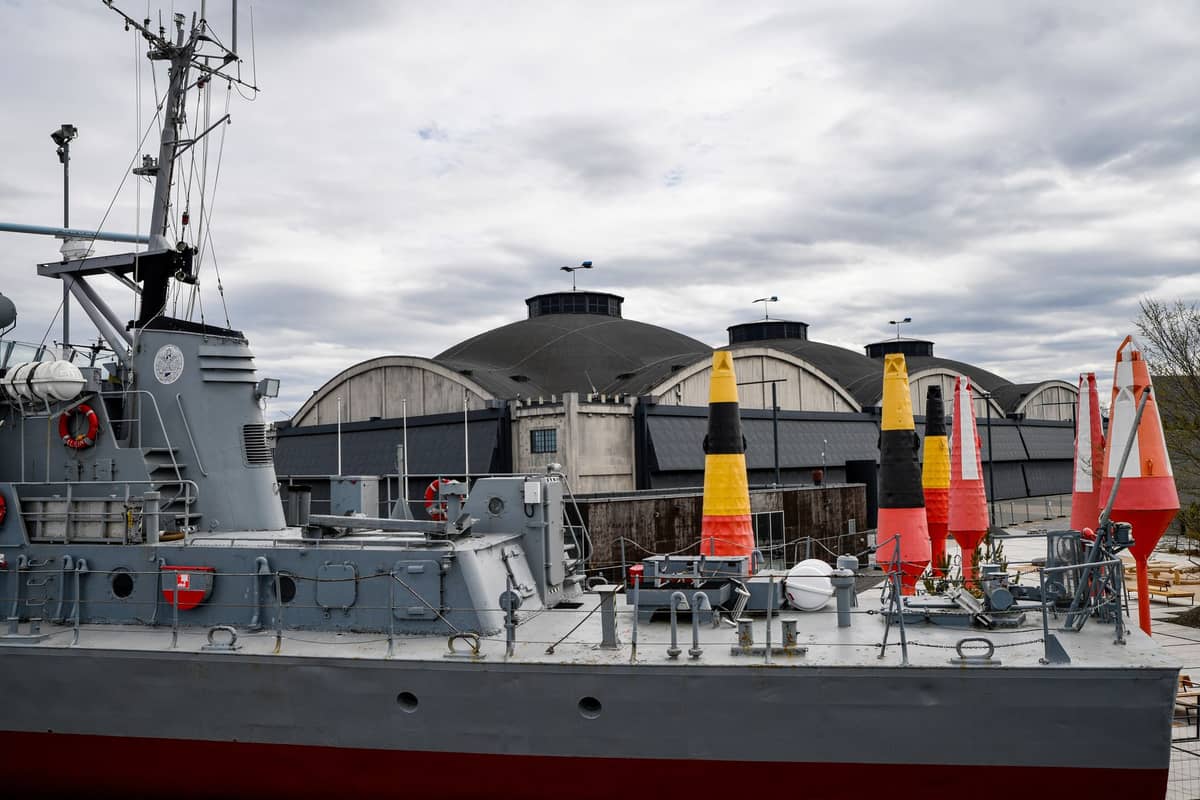
The short daylight hours actually work in your favour for indoor culture. Tallinn has a dense concentration of good museums for a city its size. The Seaplane Harbour (Lennusadam) is the most impressive — a 1917 seaplane hangar housing submarines, icebreakers, and full-scale maritime exhibits. Allow two to three hours. The Kumu Art Museum in Kadriorg is Estonia's largest art museum and architecturally striking; the permanent collection covers Estonian art from the 18th century to the Soviet period and beyond.
The Vabamu Museum of Occupations and Freedom is one of the most thoughtfully curated museums in the Baltic states, covering Soviet and Nazi occupation in Estonia with personal testimonies and interactive exhibits. It is genuinely moving and takes at least 90 minutes to do properly. The KGB Prison Cells at the Viru Hotel offer a very different, more claustrophobic experience — guided tours of the secret surveillance floor used by the KGB during the Soviet era.
- Walk the Old Town at dusk when the medieval streetlamps and Christmas lights (December–January) create the most atmospheric conditions.
- Visit Toompea Hill for views over the Lower Town — the Patkuli and Kohtuotsa viewing platforms are best in early afternoon light.
- Explore the covered Balti Jaam Market on a cold morning for local produce, street food, and a very non-touristy atmosphere.
- Check whether the outdoor ice rinks at Town Hall Square or Ülemiste are operating — a free or low-cost winter activity.
- Book a traditional Estonian sauna session: saunas are taken seriously here and several spa hotels and public facilities offer them year-round.
✨ Pro tip
The Kalamaja neighbourhood — Tallinn's creative district — is worth a winter visit for its independent cafés, Telliskivi Creative City's indoor food and craft spaces, and the Fotografiska Tallinn photography museum. It's a 15-minute walk or short tram ride from the Old Town and has a genuinely local, non-tourist feel.
Getting Around in Winter
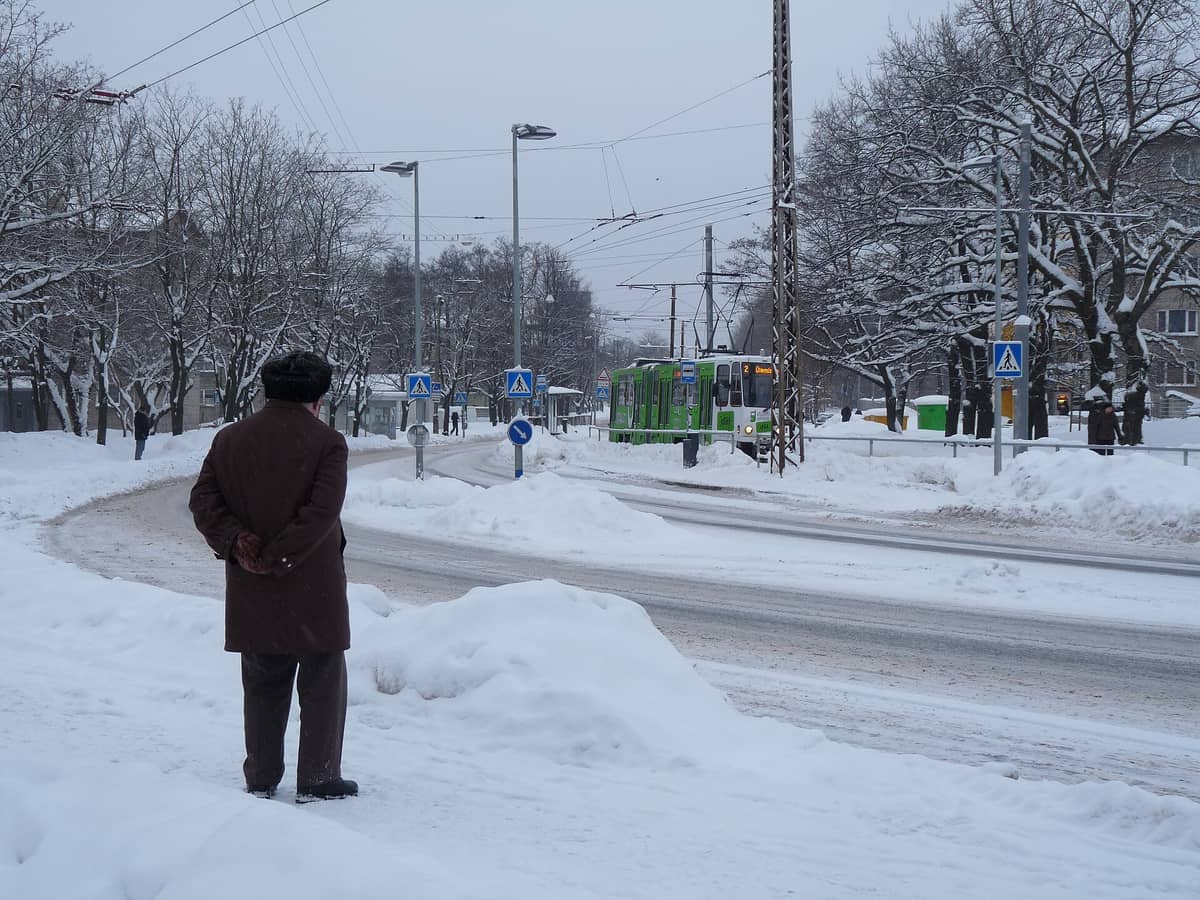
Tallinn's public transport network covers buses, trams, and trolleybuses. For tourists, a 24h or 72h tourist ticket provides unlimited travel and costs a few euros. Trams are the most straightforward option for getting between the Old Town, Kalamaja, and Kadriorg. The network is reliable but routes can feel confusing at first; the transport.tallinn.ee website and app help with planning specific journeys.
Bolt (the Estonian-founded ride-hailing app) is widely used and works well for airport transfers and late-night journeys when public transport is less frequent. Card payments are accepted almost everywhere in Tallinn — Estonia is one of Europe's most cashless societies — though having €10–20 in cash is useful for market stalls. For a full overview of moving around the city, see the getting around Tallinn guide.
Walking the Old Town is the primary way to experience it, but winter pavements can be icy. Wear shoes with actual grip — not fashion trainers. The city does salt and sand main streets, but the cobbled lanes of the Old Town can be treacherous after overnight frost. This is especially relevant for the steep paths up to Toompea Hill.
⚠️ What to skip
Old Town cobblestones become genuinely slippery after freezing temperatures. Avoid smooth-soled boots or fashion footwear. Waterproof ankle boots with rubber soles are the practical minimum; ice cleats (available cheaply in local supermarkets) are worth buying if you plan to walk extensively in icy conditions.
When to Visit in Winter: Month by Month
Not all winter months in Tallinn are equal, and the right choice depends on what you're prioritising. November is technically pre-winter but relevant: the Christmas Market opens in late November, temperatures drop sharply, and hotel rates are low. It's a solid choice for anyone who wants the festive atmosphere without the December crowds.
December is peak winter season: the Christmas Market runs through most of the month, snow odds are at their highest, and the city looks genuinely beautiful when it snows. The trade-off is higher accommodation prices around the 20th to the 1st of January and noticeably more tourists on weekends. If December is your window, aim for early to mid-month on a weekday arrival.
January and February are the true off-season. The Christmas Market is gone, the tourist crowds have dispersed, and prices drop to their annual lows. These are excellent months for museum-focused trips and authentic city experiences, but you need to be comfortable with short days and cold weather that can be genuinely bitter. March is when the season starts turning: daylight increases significantly, prices stay low, and there's a cleaner, crisper quality to the cold that many people find more pleasant than the damp grey of January.
FAQ
Is Tallinn worth visiting in winter?
Yes, for the right type of traveller. If you enjoy medieval architecture, good museums, low crowds, and low prices, Tallinn in winter delivers all of those. The Christmas Market period (late November to early January) adds a festive layer that many visitors find compelling. It is not a beach holiday, and short daylight hours require planning — but the city is compact, walkable, and has enough indoor culture to fill several days comfortably.
Does it snow in Tallinn in December?
Snow is likely but not guaranteed. December gives you the best statistical chance of seeing snow in the Old Town, but some years produce slush and rain rather than a white Christmas. Cold snaps can arrive from late November; equally, December can sit just above freezing with no significant snowfall. Build flexibility into expectations.
How cold is Tallinn in January?
January is typically the coldest month, with average daytime temperatures between -3°C and -5°C and nights near -8°C. Cold spells can push this to -15°C or lower for several days. Wind chill on the coast and across Toompea Hill makes it feel colder. Pack thermal base layers, a proper winter coat, gloves, and a hat.
What is the cheapest time to visit Tallinn?
January and February are the cheapest months. Hotels frequently drop 30–50% compared to summer rates, and flights from most European cities are significantly cheaper. The exception is the Christmas and New Year period (roughly December 20 to January 2), when prices spike back up.
How many hours of daylight does Tallinn get in winter?
Around six to seven hours in December, with sunrise near 09:10 and sunset near 15:20. By February, daylight extends to roughly eight hours, and March sees a rapid increase toward ten hours. This is short but not extreme — plan outdoor sightseeing for late morning to early afternoon.