Getting Around Tallinn: The Complete Transport Guide
Tallinn is a compact city, but knowing which transport option to use, and when, saves time and money. This guide covers public transport tickets, trams, buses, taxis, ride-hailing apps, airport connections, and the biggest misconceptions visitors run into.
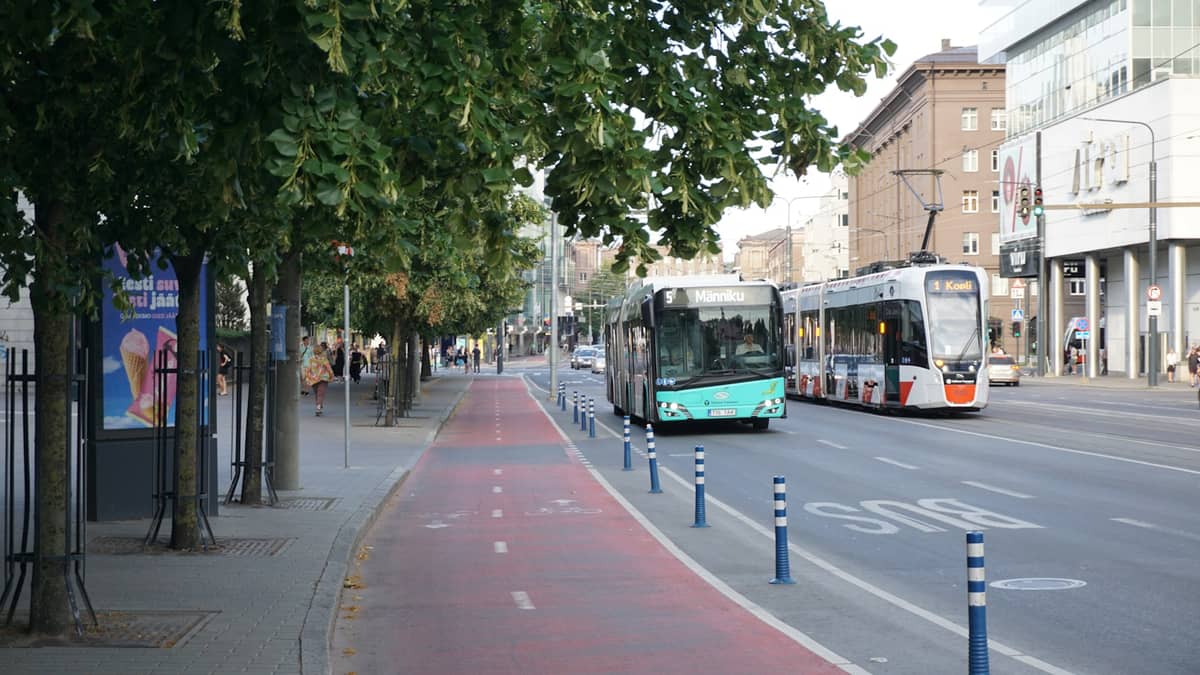
Plan and book this trip
Tools from our partner Travelpayouts help you compare flights and hotels. If you book through them, we may earn a commission at no extra cost to you.
Flights
Hotels map
TL;DR
- Tallinn's public transport generally runs buses, trams, and trolleybuses from around 6:00 a.m. to 11:00 p.m., with some routes extending closer to midnight; there is currently no regular city-operated night bus network.
- Cash is not accepted on vehicles. Pay by contactless bank card at the validator, or buy QR tickets in advance at the airport, port terminals, Viru Centre, or the Tourist Information Centre.
- Ticket prices: 1-hour €2, 1-day €5.50, 3-day €9, 5-day €11. The Tallinn Card includes unlimited public transport and may be worth it if you plan to visit multiple paid attractions.
- Public transport is NOT free for tourists. Free travel is for registered Tallinn residents only.
- The Old Town is best explored on foot. Most popular sights are within 15-20 minutes' walk of each other.
How Tallinn Is Laid Out (and Why It Matters for Getting Around)

Tallinn covers about 159 km² on the southern shore of the Gulf of Finland, but tourist activity concentrates in a relatively tight corridor. Tallinn's Old Town sits on a limestone plateau called Toompea in the northwest of the city centre. Most other popular areas, including Kadriorg, Kalamaja, and Telliskivi, are within 2-4 km of the Old Town. This compact layout means walking is a realistic option for most daytime sightseeing.
The airport sits roughly 4 km southeast of the city centre, and Tallinn's ferry terminals, which serve Helsinki and Stockholm, are about 1 km north of the Old Town. Neither requires a complicated transfer. Where public transport becomes genuinely useful is when heading to the beach at Pirita (about 7 km east), the Open Air Museum in Rocca al Mare (about 8 km west), or when the weather makes walking unpleasant.
ℹ️ Good to know
Tallinn operates on Eastern European Time (EET, UTC+2), switching to EEST (UTC+3) during summer daylight saving. Transport timetables published on transport.tallinn.ee use 24-hour clock format. Weekend and public holiday schedules differ from weekday timetables, so always check before travelling on a holiday.
Public Transport: Buses, Trams, and Trolleybuses
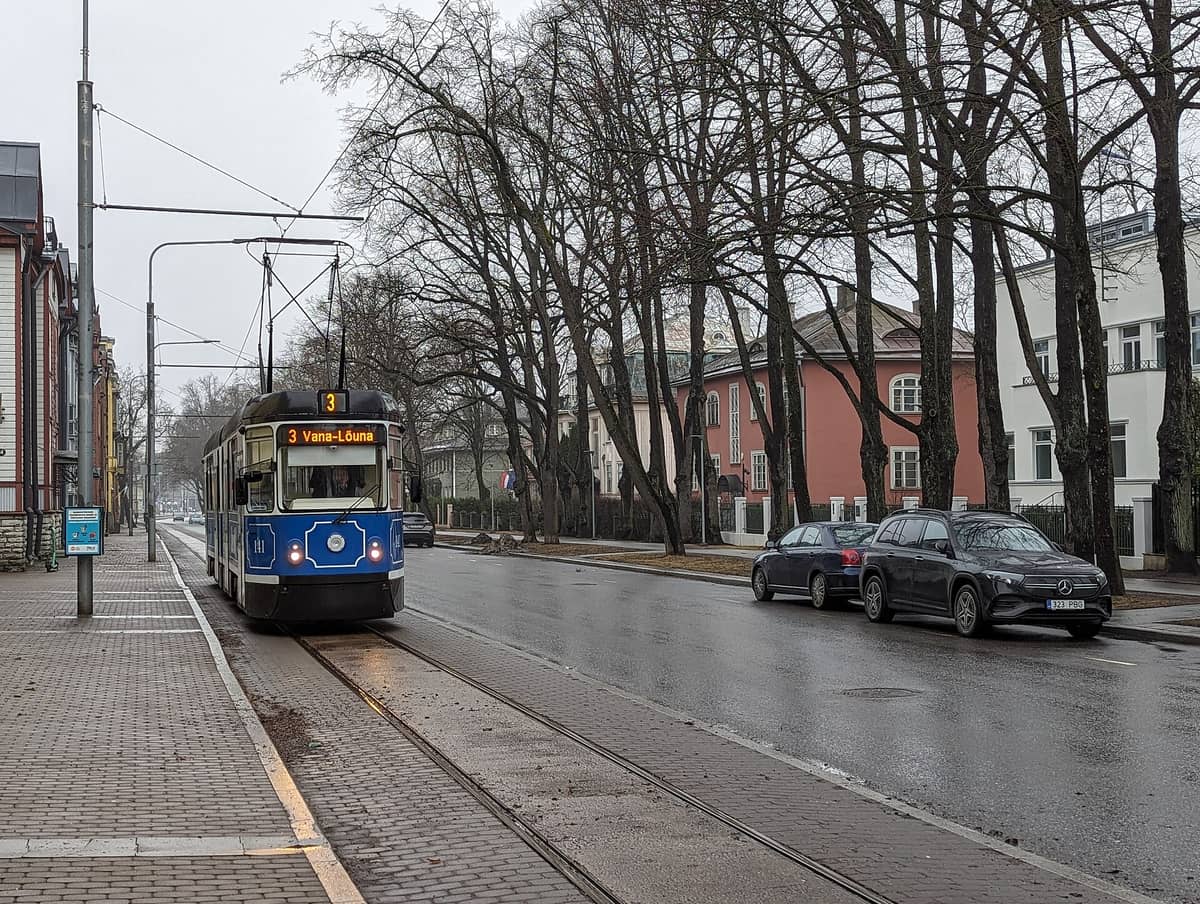
Tallinn's municipal network is run by the Tallinn Transport Department and covers the city thoroughly with buses, trams, and trolleybuses. For visitors, the most useful lines are the trams: tram 1 and tram 3 connect the city centre with Kadriorg (the park and KUMU art museum), while several bus lines serve the airport, ferry terminals, and outer neighbourhoods. Route and real-time schedule tools are available at transport.tallinn.ee and work well from mobile browsers.
Standard operating hours run from approximately 6:00 a.m. to 11:00 p.m., with some routes continuing closer to midnight; outside those windows, taxis and ride-hailing are generally the only practical options. Outside those windows, taxis and ride-hailing are the only practical options.
- 1-hour ticket €2 — enough for a single journey across the city, valid on any vehicle
- 1-day ticket €5.50 — good value if you plan more than three journeys in a day
- 3-day ticket €9 — the practical choice for most short trips
- 5-day ticket €11 — worth considering for a full week trip combined with day-trip travel
- 30-day ticket €30 — designed for residents and longer stays; requires a Smartcard (Ühiskaart)
⚠️ What to skip
Public transport in Tallinn is NOT free for tourists. The city's free travel scheme applies exclusively to registered Tallinn residents who have a personalised Ühiskaart. Visitors must pay. Inspectors do check tickets, and fines are issued on the spot. Do not board without a valid ticket.
How to Pay: Contactless Cards, QR Tickets, and the Smartcard
The simplest payment method for most visitors is a contactless bank card, tapped directly at the yellow validator inside the vehicle when boarding. Each tap buys a 1-hour ticket automatically; no app, no pre-purchase, no cash required.
One important note: cash is not accepted on board at all. If you don't have a contactless card or smartphone payment, you need to buy tickets in advance. QR tickets can be purchased from machines at Tallinn Airport (TLL), Tallinn Bus Station, Port of Tallinn terminals A and D, the Cruise Terminal, Viru Centre bus terminal, and the Tallinn Tourist Information Centre, or online via the Tallinn Transport / Pilet.ee ticket websites before arriving.
The Ühiskaart (Smartcard) is the reloadable prepaid card used by residents and frequent travellers. It can be loaded at supermarkets, kiosks, post offices, and online. For most visitors staying less than a week, the contactless card option is faster and simpler.
✨ Pro tip
If you are planning to visit several paid museums and use public transport heavily, compare the Tallinn Card against paying separately. The card includes unlimited public transport plus free entry to major attractions including KUMU, Seaplane Harbour, and the Open Air Museum. For a 2-3 day itinerary with museum visits, it often pays for itself. Check current Tallinn Card pricing at visittallinn.ee before buying, as prices are updated periodically.
Taxis and Ride-Hailing in Tallinn
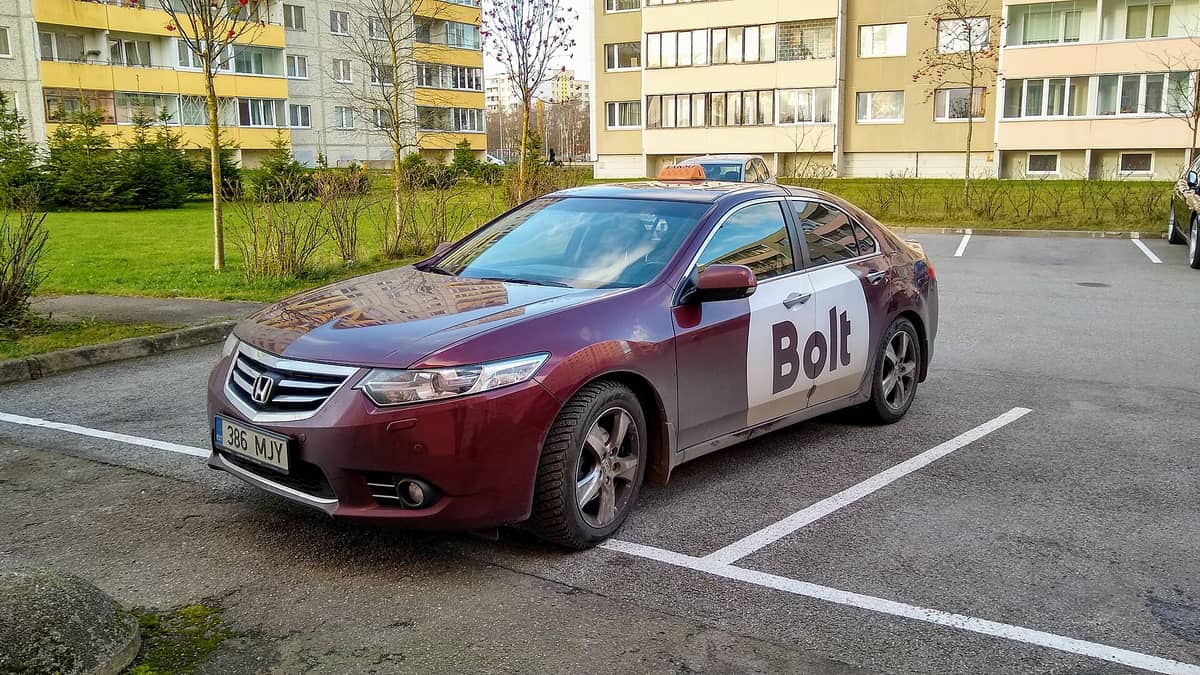
Bolt (formerly Taxify, the app that originated in Estonia) is the dominant ride-hailing option in Tallinn and works reliably across the city. Uber also operates in Tallinn, though with a smaller driver pool. Both apps show upfront pricing, which removes the ambiguity of metered taxis. For airport pickups, pre-booking via Bolt is recommended during peak arrivals to avoid waiting.
Street taxis are still widely used. By law, taxi rates must be posted on a yellow sticker in the right rear window of every vehicle, listing the base fare, per-kilometre rate, and per-minute waiting rate. Reputable taxi companies in Tallinn include Tulika Takso and Tallink Takso. Avoid unlicensed drivers approaching you near the ferry terminals or Old Town tourist areas, where opportunistic overcharging occasionally occurs. If you use a metered taxi, verify the sticker rate before the journey starts.
- Use Bolt for transparent upfront pricing and the widest driver availability in Tallinn
- For airport arrivals, order your Bolt before collecting luggage to reduce waiting time
- Street taxis: always check the yellow fare sticker in the rear window before agreeing to a ride
- The journey from Tallinn Airport to the Old Town typically takes around 10 minutes by taxi in normal traffic
- Avoid drivers who approach you unprompted at the ferry port or Old Town gates
Getting From the Airport to the City Centre
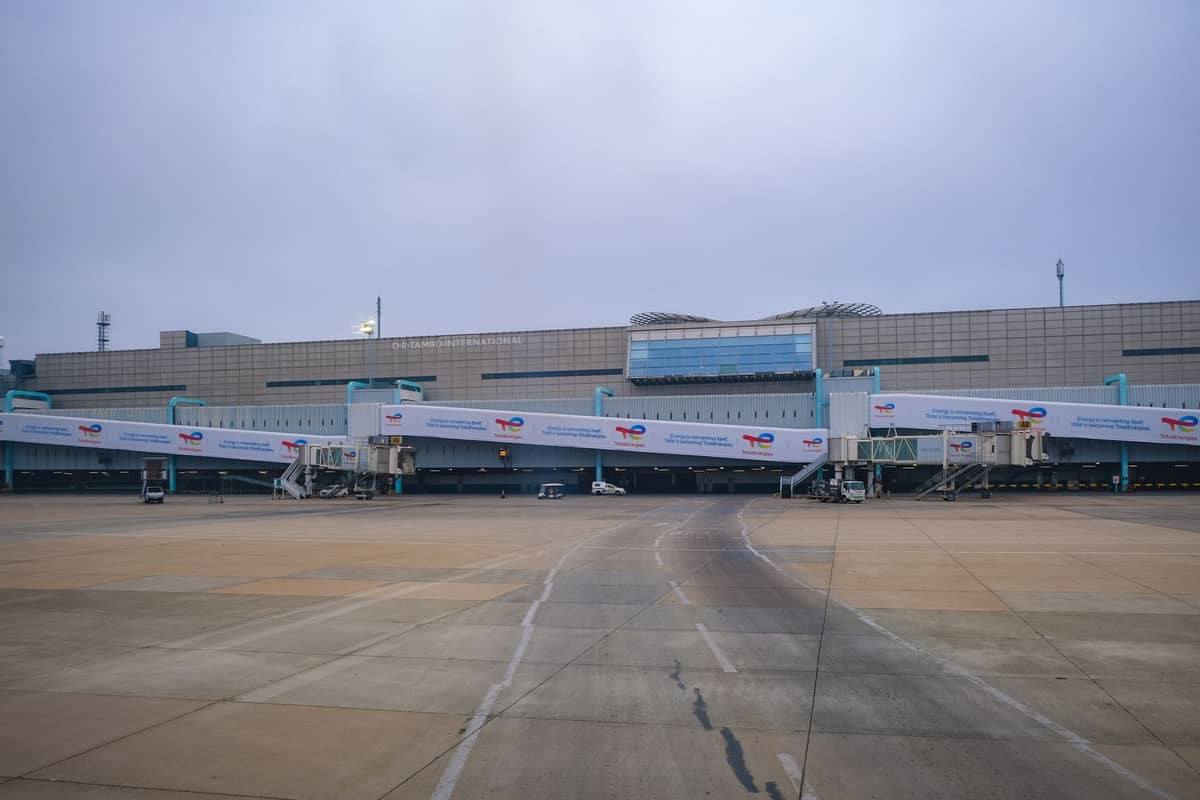
Tallinn Lennart Meri Airport (IATA: TLL) is about 4 km southeast of the city centre, making it one of the more conveniently located European capital airports. The journey by taxi or Bolt takes around 10 minutes under normal conditions and costs roughly €8-12. During morning rush hour or after major evening flights, add 5-10 minutes.
Public bus connections run from the airport to the city centre. Bus lines 2 and 15 connect TLL directly to the city via several central stops, and the journey takes approximately 20–25 minutes depending on traffic and stop selection. The fare is the standard public transport ticket (€2 for a 1-hour ticket by contactless card). Bus tickets can also be bought at the machines in the arrivals hall if you don't have a contactless card ready. Check transport.tallinn.ee for the current bus numbers and stop locations, as lines are occasionally adjusted.
💡 Local tip
If you arrive by ferry from Helsinki or Stockholm, the port terminals are within comfortable walking distance of the Old Town (around 15-20 minutes on foot). Trams and buses also serve the port area. The walk along the waterfront is straightforward and avoids the need for any transport at all if you are travelling light.
Walking, Cycling, and Getting Around the Old Town
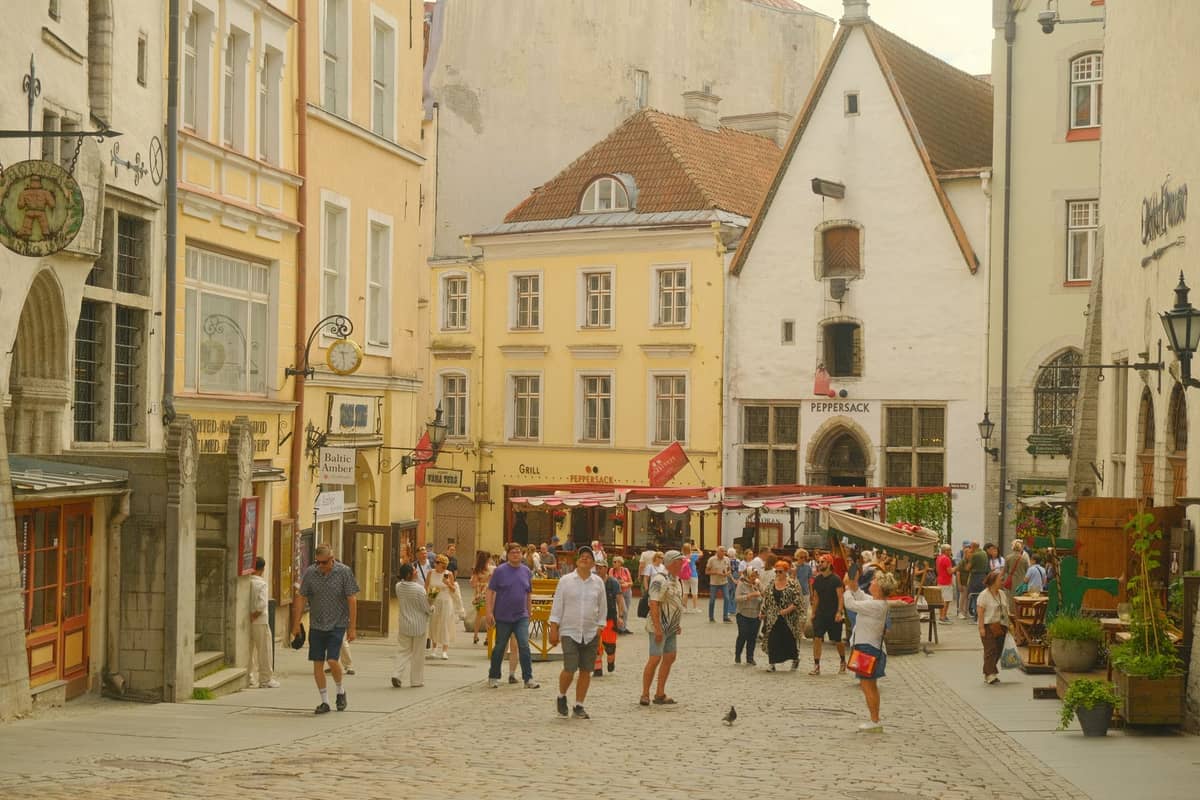
For the Old Town walking tour and most sights within the medieval core, the only sensible option is your feet. Cobblestone streets make cycling impractical in the Old Town itself, and the area is largely pedestrianised. The Viru Gate entrance from the east, near Hotel Viru, is the most used pedestrian entry point for visitors arriving from the Viru Centre transport hub.
For cycling outside the Old Town, Tallinn has a growing network of cycle lanes, particularly along the coastal route toward Pirita and along the Kalamaja waterfront. Several rental services operate seasonally (roughly April to October), including the city's own Tallinn Bike Share scheme. Cycling to Pirita Beach or through Kadriorg Park is a genuinely pleasant option on dry days. The coastal path from the city centre to Pirita is mostly flat and takes around 30-40 minutes by bike.
Electric scooter rental apps (Bolt Scooters, among others) operate in Tallinn and are worth considering for covering 1-3 km distances quickly, particularly between Kalamaja and Telliskivi. Check availability in the app, as scooter density drops significantly in winter months. Pavements in the Old Town are off-limits for scooters by city regulation.
Practical Tips for Getting Around Tallinn
- Download transport.tallinn.ee or bookmark it as a web app. It shows real-time departures and journey planning without requiring a separate installation.
- The Tallinn Tourist Information Centre (near Viru Gate) sells multi-day tickets and can assist with route queries. Opening hours vary seasonally.
- Taxis and ride-hailing prices spike during New Year's Eve, major concert nights, and late weekend evenings. Budget extra time and cost for those windows.
- The city's phone contact for transport queries can be found on the Tallinn Transport Department website; use the currently listed number rather than relying on older guide figures.
- Emergency services in Estonia use the EU standard number 112. Estonia's country dialling code is +372.
- Weekend and public holiday timetables differ from weekday schedules. Always check before relying on a specific departure.
- Luggage lockers are available at Tallinn Bus Station and in some port terminals, useful if you need to explore without bags on arrival or departure day.
FAQ
Is public transport free in Tallinn for tourists?
No. Free public transport in Tallinn applies only to registered city residents with a personalised Ühiskaart. Visitors must purchase tickets. The easiest option is paying by contactless bank card directly on the vehicle. Fines are issued to anyone caught without a valid ticket.
How do I get from Tallinn Airport to the city centre?
By taxi or Bolt app: around 10 minutes, approximately €8-12. By public bus (lines 2 and 15 or current equivalents): about 20-25 minutes, €2 by contactless card. Ticket machines are available in the arrivals hall. Check transport.tallinn.ee for current bus numbers before travelling.
What is the best transport option for a 3-day visit to Tallinn?
For most 3-day visitors, a combination of walking (for the Old Town and Kadriorg) and occasional taxis or Bolt rides covers everything comfortably. If you plan to use public transport daily and visit paid museums, compare the 3-day transport ticket (€9) against the Tallinn Card, which includes both unlimited transport and free museum entry.
Can I use a contactless credit card on Tallinn public transport?
Yes. Contactless payment via bank card, Apple Pay, or Google Pay works directly at the validators on all trams, buses, and trolleybuses. Cash is not accepted on any vehicle. This is the fastest and most convenient payment method for visitors.
How do I get from the Tallinn ferry port to the Old Town?
The ferry terminals at Port of Tallinn are roughly 1-1.5 km north of the Old Town gates, a 15-20 minute walk on flat ground. Trams and buses also serve the port area. If you are travelling light and the weather is reasonable, walking is the easiest option and gives you a first look at the city without needing any transport.