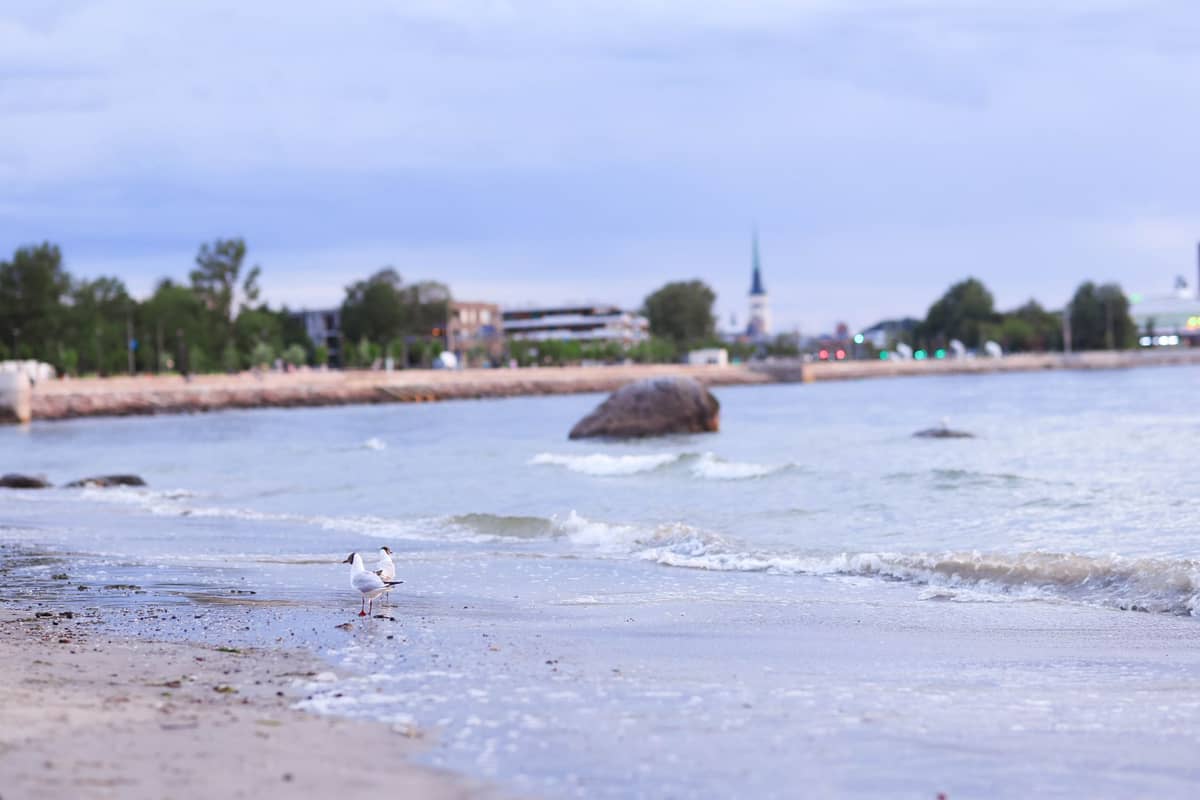
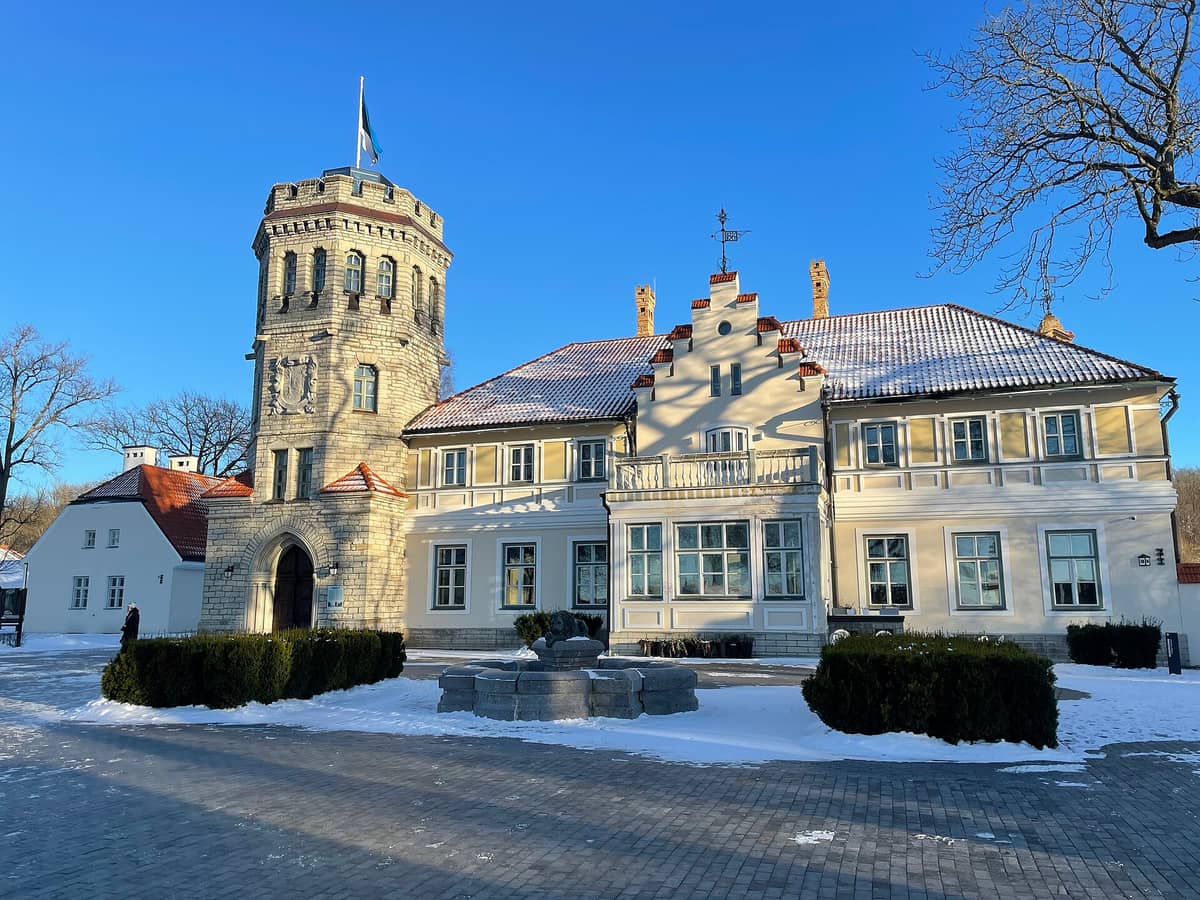
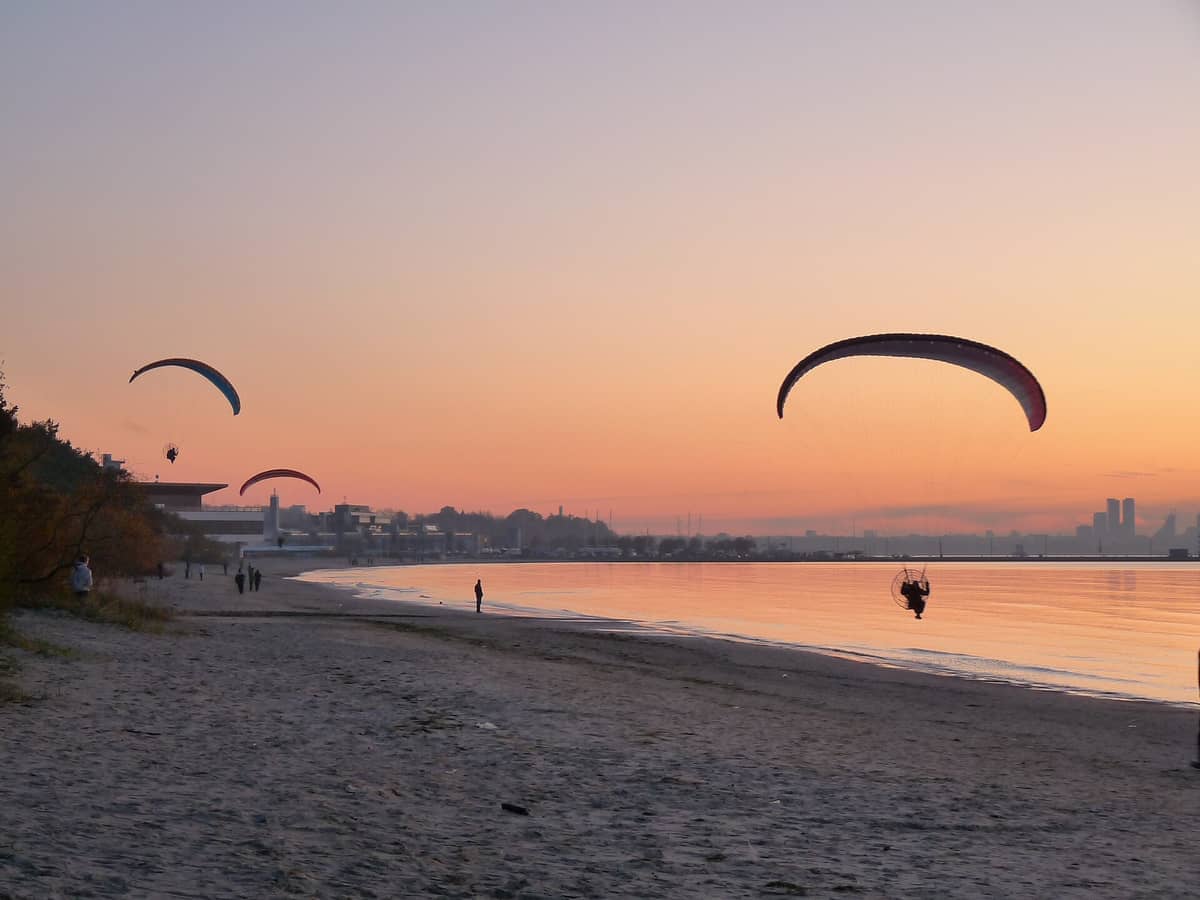
Pirita is Tallinn's coastal retreat, stretching along the eastern shore of Tallinn Bay around the mouth of the Pirita River. Known for its long sandy beach, riverside promenade, and forested surroundings, it offers a pace of life completely unlike the cobblestones and tourist flow of the Old Town. This is where Tallinn locals come to breathe.
Pirita sits on the northeastern edge of Tallinn where the Pirita River meets the Bay of Finland, combining a long sandy beach with pine-edged cycling paths, the haunting ruins of a 15th-century convent, and the legacy of the 1980 Moscow Olympics sailing regatta. It is the city's primary outdoor escape, and it feels like it.
Orientation
Pirita is both a district and a subdistrict of Tallinn, located roughly 7 kilometres northeast of the city centre along the coast. The subdistrict itself covers about 1.7 km² at the mouth of the Pirita River on Tallinn Bay, bordered by the subdistricts of Merivälja to the north, Mähe and Kloostrimetsa to the east, and Maarjamäe to the southwest. Pirita tee, the main coastal road running from the city centre, is the artery that connects everything.
To build a mental map: coming from central Tallinn, you follow Reidi Road northeast from the Kadriorg area, passing the Russalka Memorial and the Maarjamäe complex before the city fabric opens up and the sea appears on your left. The road becomes Pirita tee as the beach stretches out, the Pirita River estuary cuts through on your right, and the convent ruins rise from the tree line. Regati puiestee (Regatta Boulevard) branches off toward the Olympic Sailing Centre.
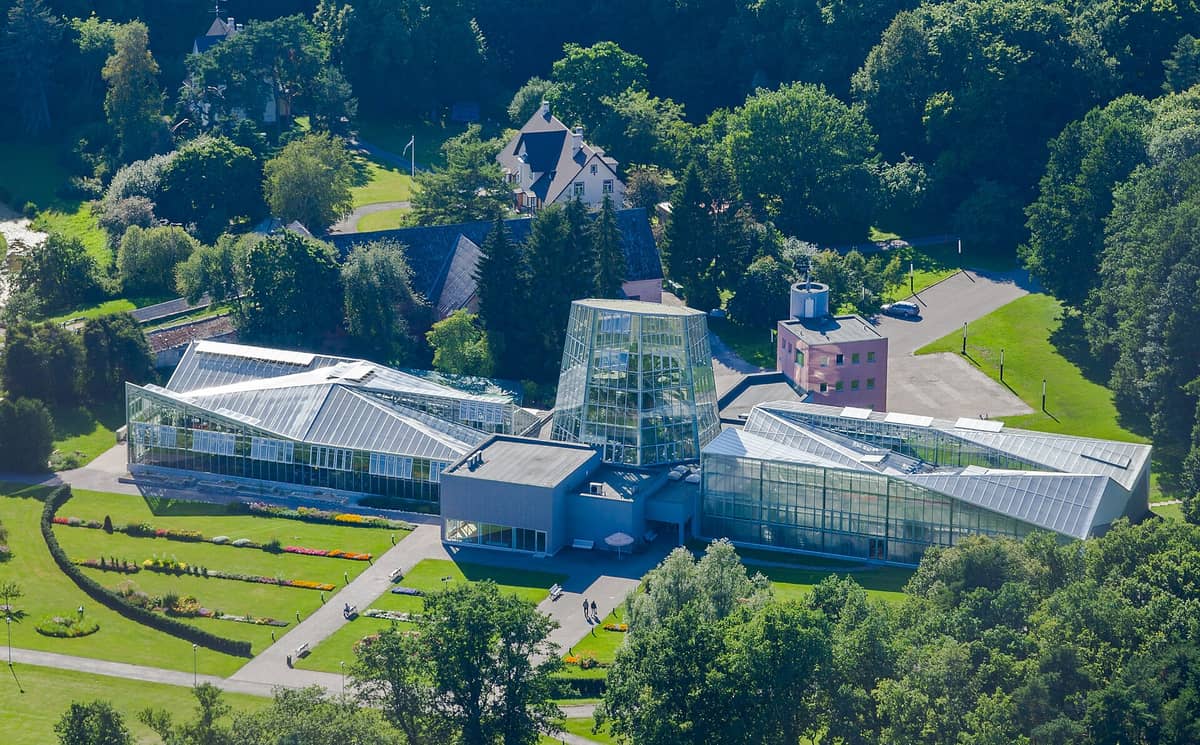
Pirita sits in a natural sequence of coastal neighbourhoods. The Kadriorg neighbourhood and its palace park lie directly to the southwest, making it easy to combine both areas in a single day along the coast. The Tallinn Botanic Garden and TV Tower are further into the Pirita district, back from the shore, accessible along Kloostrimetsa tee.
Character & Atmosphere
Pirita has a dual character that depends heavily on season and time of day. In summer, particularly on weekends, it draws large numbers of Tallinn locals to the beach. The car parks along Pirita tee fill by mid-morning, the beach café terraces hum with conversation, and the promenade becomes a steady stream of cyclists, joggers, and families pushing prams. On a warm July afternoon, the atmosphere is relaxed and genuinely local: this is not a tourist resort, and the crowd reflects that.
Come early morning, even in high summer, and the character shifts entirely. The beach is nearly empty. Light comes in low and golden across the bay from the northeast. You can walk the full length of the sand without passing more than a handful of swimmers and early-morning runners. The pine trees behind the beach hold the cool air longer than the open shore, and the smell of salt and resin mixes in a way that feels distinctly Nordic.
Outside the summer months, Pirita becomes quieter in a way that rewards visitors who seek it out. In September and October the beach loses its crowds but gains a certain melancholy beauty: the sea turns grey-green, the light is long and diffuse, and the paths along the river become genuinely peaceful. In winter, on clear cold days, the frozen or half-frozen bay creates a landscape unlike anything in the city centre. Few tourists make it out here in January, and that absence itself is part of the experience.
The residential streets behind the beach are lined with detached houses, many of them large by Estonian standards, set back behind gardens and wooden fences. This is one of Tallinn's more affluent outer districts. The pace slows as you move away from the seafront. There are no backpacker bars, no souvenir stalls, no tour groups. What you find instead is the rhythm of a suburb that happens to have one of the best beaches in the country at its edge.
ℹ️ Good to know
Pirita is very much a seasonal destination. If you visit between October and April, expect a quiet, weather-exposed seafront rather than a lively beach scene. The promenade and convent ruins are worth the trip year-round, but plan your expectations accordingly.
What to See & Do
The anchor of any visit is Pirita Beach, one of the longest sandy beaches near a Baltic capital. The beach stretches for about two kilometres, backed by a low dune ridge and pine woodland. The water is shallow enough to be suitable for children and gets warm enough for comfortable swimming in July and August. There are changing facilities, beach volleyball courts, and a small number of seasonal cafés and kiosks along the front.
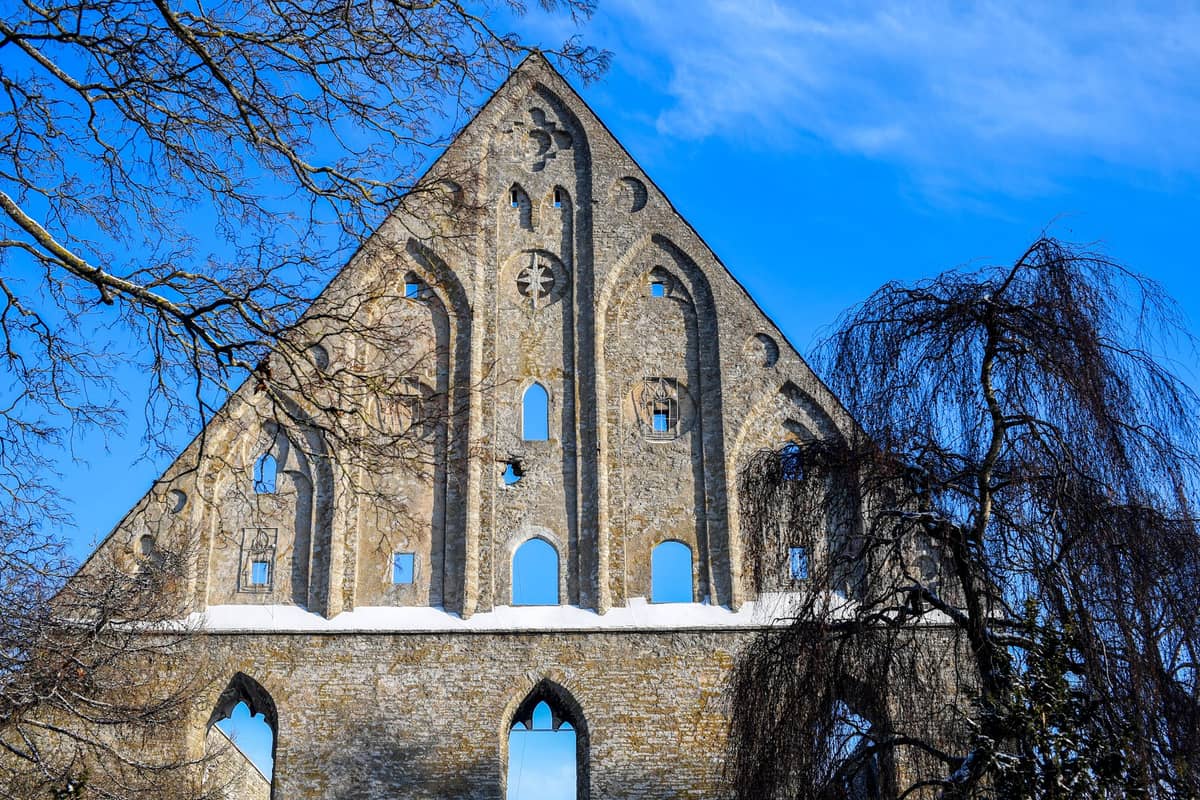
Inland from the beach, the ruins of St. Bridget's Convent (Pirita klooster) are one of Tallinn's more affecting historical sites. Founded in 1407 by the Brigittine Order and once the largest convent in medieval Livonia, it was destroyed during the Livonian War in 1577 and never fully rebuilt. What remains is the soaring gable wall of the church, standing intact against the sky, surrounded by the excavated outlines of the former cloister complex. The ruins are open to visitors and the site includes a small museum and an active convent established in the 20th century.
The Olympic Sailing Centre, built for the 1980 Moscow Olympics when Tallinn hosted the sailing events, stands at the northern edge of the beach area along Regati puiestee. The architecture is a textbook example of Soviet-era sports functionalism: wide horizontal facades, a tower that once served as a viewing platform, and a marina still in active use. You cannot go inside the main buildings without purpose, but the marina and its surroundings are freely accessible and interesting for anyone curious about Tallinn's Soviet-era infrastructure.
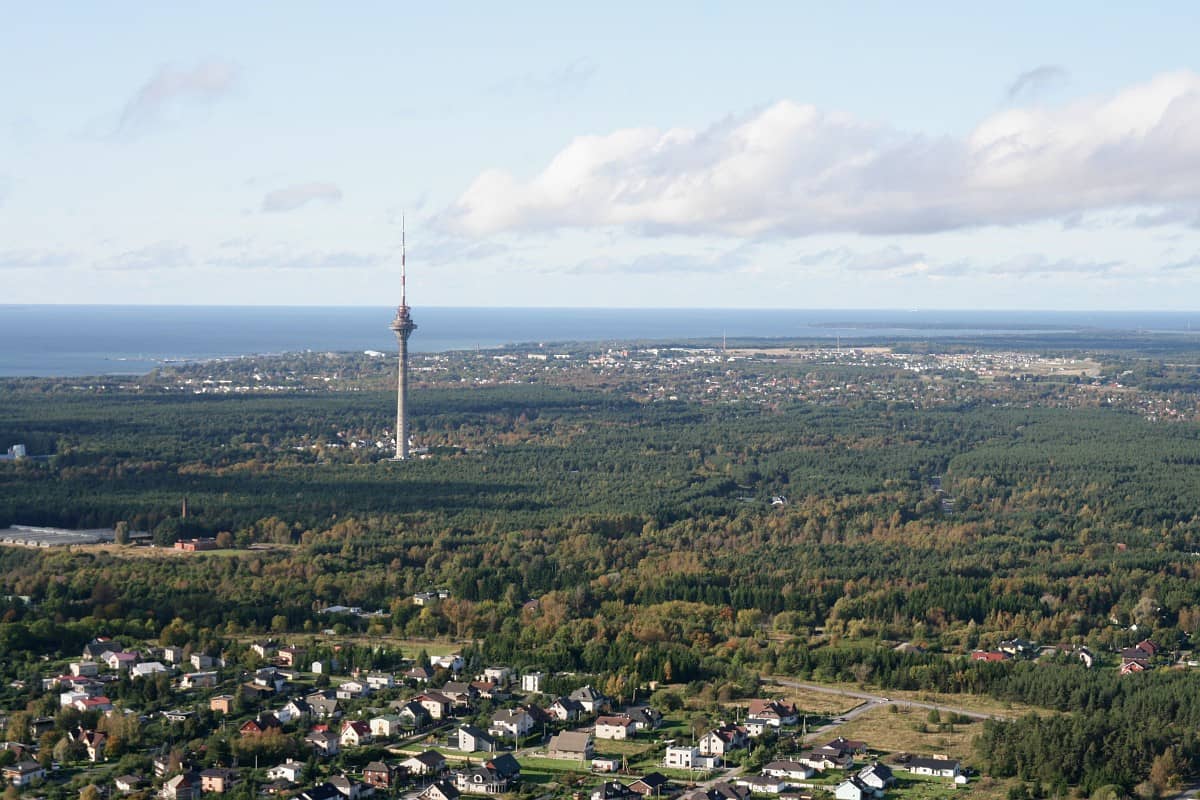
Further into the Pirita district, the Tallinn Botanic Garden and the Tallinn TV Tower are worth combining into a half-day if you are already in the area. The Botanic Garden is a genuine leisure destination in its own right, particularly in late spring when the rhododendron collection is in bloom. The TV Tower offers sweeping views across the bay, the city, and on clear days toward Finland.
Walk or cycle the Pirita promenade from the Russalka Memorial to the river estuary: the full route is about 4 km one way
Visit the Pirita Convent ruins in the late afternoon when the light catches the old stone gable
Rent a paddleboard or kayak from the beach in summer
Explore the forested trails along Kloostrimetsa tee toward the Botanic Garden
Walk to the TV Tower for panoramic views of the bay and the city grid
💡 Local tip
The promenade and cycle path connecting Pirita to central Tallinn runs parallel to the coast the entire way. Renting a bike from the city centre and cycling out to Pirita along the seafront is one of the most enjoyable things you can do in Tallinn on a clear day — the route takes roughly 30-40 minutes at a leisurely pace.
Eating & Drinking
Pirita is not a dining destination in the way that Kalamaja or the Old Town are. The food options here are functional and seasonal rather than varied or ambitious. In summer, the beach area supports a handful of café-kiosks serving grilled items, ice cream, coffee, and cold drinks. These operate from roughly May through September and then largely disappear. Do not come to Pirita expecting a dinner restaurant scene: you will not find one.
There are a small number of more permanent cafés and casual restaurants along Pirita tee serving Estonian comfort food: soups, pork dishes, pancakes, and the kind of unpretentious lunch menu that keeps local workers fed. Prices are generally lower than the Old Town equivalent, and the service is quicker and less curated. A two-course lunch with a drink will typically cost under 15 euros.
If you want a proper meal before or after visiting Pirita, the practical approach is to eat in Kadriorg on the way out or back. The Kadriorg area, particularly around the park entrance and Weizenbergi street, has a better concentration of cafés and restaurants that are open year-round. Alternatively, pack a picnic: Pirita's beach and riverside spaces are perfect for it, and a well-stocked supermarket on Pirita tee makes provisioning easy.
Getting There & Around
From central Tallinn, Pirita is most directly reached by bus along Pirita tee. Several bus routes run from the city centre and the Kadriorg area out to the Pirita stop near the beach and convent. Journey time from the city centre is typically 20-30 minutes depending on traffic. Tallinn's public transport system uses a Smartcard (Ühiskaart) or contactless payment; single fares are fixed city-wide. For current route numbers and schedules, check transport.tallinn.ee or the city's official map and journey planner.
The most rewarding way to arrive, weather permitting, is by bicycle or on foot along the coastal promenade. The promenade path runs from the Kadriorg area along the seafront all the way to the Pirita river mouth, largely separated from traffic. This connects naturally to a visit to the Russalka Memorial and the Maarjamäe district on the way. For a guide to navigating Tallinn's transport more broadly, see the overview of getting around Tallinn.
Within Pirita itself, walking is the logical option. The beach, the convent, the marina, and the river estuary are all within comfortable walking distance of the main bus stop. For the Botanic Garden and TV Tower, which sit further back into the Pirita district along Kloostrimetsa tee, you will either need a bus connection or a longer walk of 2-3 km from the beach. A ride-hailing app such as Bolt (formerly Taxify) is a practical fallback if you do not want to wait for a bus connection.
⚠️ What to skip
Parking along Pirita tee fills quickly on sunny summer weekends. If you are driving, arrive before 10am or expect a significant walk from wherever you manage to park. Public transport or cycling will save you considerable frustration on busy days.
Where to Stay
Pirita has very limited accommodation options and is not generally recommended as a base for first-time visitors to Tallinn. The area is residential and quiet, which suits some travellers well, but the distance from the Old Town and the relative scarcity of public transport connections after evening hours make it impractical if your priority is access to the city's restaurants, nightlife, and cultural sites.
There are a small number of guesthouses and aparthotels in the wider Pirita district, oriented mainly toward visitors who are specifically in Tallinn for beach holidays, sailing events, or longer stays. If you prefer a neighbourhood closer to the city centre but still outside the Old Town crowds, Kadriorg is a far better base: it sits between the city and the coast, with far more dining options and better transit. For a full overview of accommodation zones in Tallinn, the guide to where to stay in Tallinn covers the main options in detail.
Pirita in Context: Day Trips and Wider Exploration
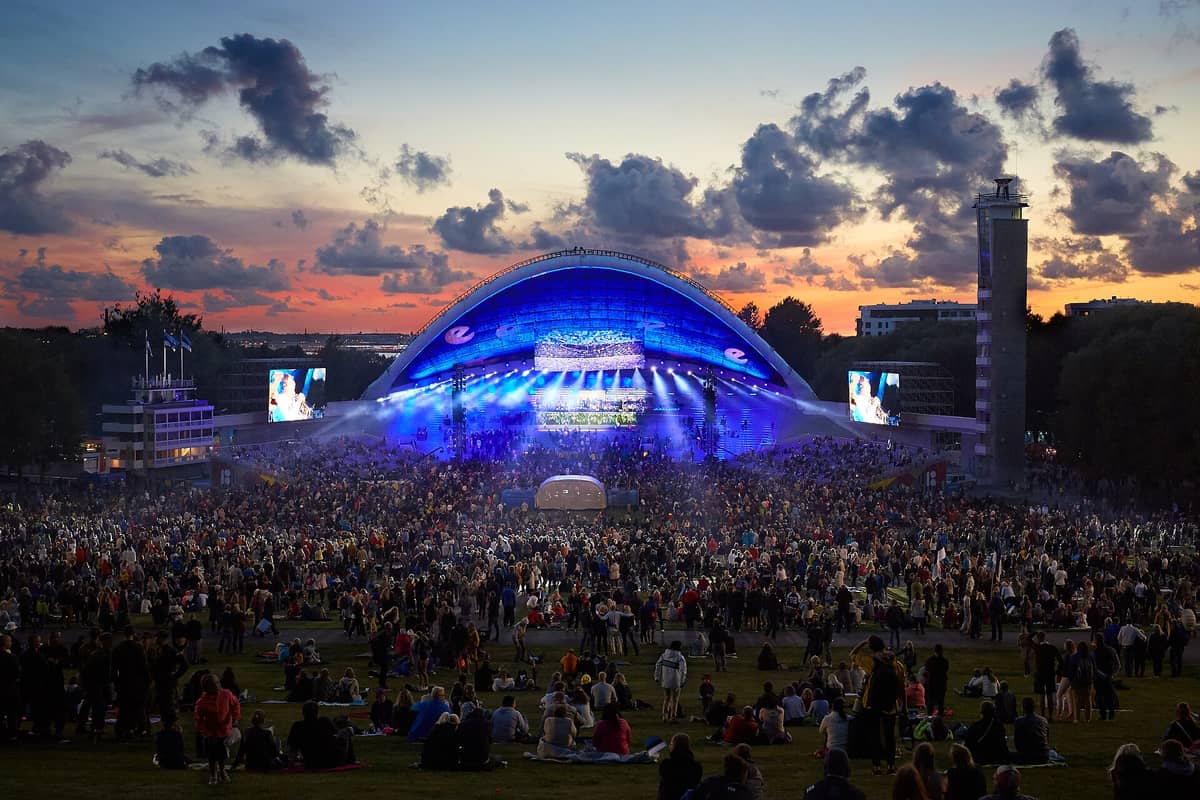
Pirita makes natural sense as part of a longer coastal day that also takes in the nearby Maarjamäe Palace and its history museum, or as a half-day addition to a morning in Kadriorg. The Song Festival Grounds at Maarjamäe, where Estonia's enormous choral tradition comes to life every five years, are visible from Pirita tee on the approach from the city and worth a short detour.
From Pirita, it is also possible to reach Aegna Island by seasonal boat service in summer. Aegna is a small, largely forested island in Tallinn Bay, with walking trails, a quiet beach, and almost no permanent population. It makes for an uncommonly peaceful half-day if the weather holds. Check local ferry operators for current schedules as these vary by season.
For nature further afield, the Tallinn nature guide maps out the best green spaces and coastal routes in and around the city. Pirita features prominently as one of the most accessible seafront areas for visitors staying anywhere near the centre.
TL;DR
Pirita is Tallinn's main beach district: a long sandy coastline on Tallinn Bay, roughly 7 km northeast of the city centre along the coast road and promenade.
Best visited in summer for the beach, but worth a trip year-round for the medieval convent ruins, coastal promenade walk, and quieter pace of life.
Not a dining or nightlife destination: come for nature, cycling, open water, and a break from the Old Town crowds rather than for restaurants or evening entertainment.
Easiest to reach by bus along Pirita tee or by cycling the coastal promenade from Kadriorg: allow 20-30 minutes from the city centre.
Best suited to travellers who want outdoor activity, a genuine local leisure area, or something to pair with a visit to Kadriorg on the same day.
Two days is enough to cover Tallinn's medieval heart, its finest museums, and a taste of the city's creative neighbourhoods. This itinerary is structured day by day, starting with the Old Town's UNESCO-listed streets and working outward to Kadriorg and Kalamaja.
Three days is the ideal amount of time to experience Tallinn properly. This itinerary takes you from the medieval Old Town through creative Kalamaja, out to the elegant Kadriorg district, and to the seaside, covering the city's essential sights without rushing.
Tallinn's skyline is defined by its churches. The medieval Old Town alone holds centuries of Lutheran, Orthodox, and Catholic history within a few walkable blocks. This guide covers the finest religious buildings in the city, from active cathedrals to a deconsecrated Gothic church housing world-class medieval art.
Tallinn stands out for museum culture. This guide covers the city's finest institutions, from a fortress-turned-medieval-art-gallery to one of Europe's most dramatic maritime museums, with practical advice on saving money and planning your visits.
Tallinn rewards visitors in every season, but the right time to go depends entirely on what you want. This guide breaks down weather, crowd levels, pricing, and key events month by month so you can make an informed decision.
Tallinn rewards those who look up and out. Whether you want the classic medieval rooftop panorama, sweeping Baltic Sea vistas, or the highest point in Estonia, this guide covers every viewpoint worth your time, from the free hilltop terraces of Toompea to a Soviet-era tower with a glass floor.
Tallinn sits at the perfect launching point for exploring Estonia's wild coast, ancient forests, and dramatic landscapes. These are the best day trips from Tallinn, covering everything from national parks and island escapes to medieval ruins and surreal Soviet-era sites.
Tallinn rewards budget travellers generously. The medieval Old Town is freely walkable, city museums open their doors for free on the first Sunday of each month, and the parks, beaches, and viewpoints cost nothing at all. This guide covers the best free experiences in the city, organised so you can plan a full day without spending a cent.
Tallinn is a compact city, but knowing which transport option to use, and when, saves time and money. This guide covers public transport tickets, trams, buses, taxis, ride-hailing apps, airport connections, and the biggest misconceptions visitors run into.
Tallinn is one of Europe's most intact medieval capitals, a UNESCO-listed city that pairs cobblestoned Old Town lanes with a surprisingly modern, tech-forward culture. This guide cuts through the hype to tell you exactly what you'll get, what it costs, and when to go.
Tallinn sits on the Gulf of Finland, and its coastline delivers genuine beach options within minutes of the city centre. This guide covers the best sandy stretches, island beaches reached by ferry, and scenic coastal stops worth combining with a swim.
The Tallinn Card promises free entry to 50+ attractions and unlimited public transport for 24, 48, or 72 hours. But does it actually save you money? This guide breaks down the real costs, the best-value attractions, and the scenarios where skipping the card makes more sense.
The Tallinn Christmas Market transforms Town Hall Square into one of Europe's most atmospheric winter destinations. This guide covers exact dates, opening hours, food and drink to try, the best times to visit, and practical tips for getting the most out of your trip.
Tallinn is one of Europe's most effortlessly romantic cities, with a medieval Old Town, baroque parks, and a waterfront that rewards slow exploration. This guide covers the best experiences for couples, from golden-hour viewpoints and art museum dates to island escapes and atmospheric cobblestone lanes.
Tallinn rewards those who look beyond the postcard views. From a flooded Soviet quarry to a bog walk inside city limits, these are the experiences that separate a good Tallinn trip from a great one.
Summer transforms Tallinn into its most animated version, with nearly endless daylight, major festivals, and the Old Town packed with visitors. This guide covers the climate, key events, best activities, and practical advice on crowds and pricing so you can plan a summer trip that actually works.
Tallinn in winter is cold, atmospheric, and significantly cheaper than summer — but it rewards visitors who go in with realistic expectations. This guide covers the climate, costs, seasonal highlights, transport, and the honest truth about snow guarantees.
Tallinn preserves one of Europe's most intact medieval city centres, shaped by Danish kings, Hanseatic merchants, and the Livonian Order. This guide covers the history, the key sites, and how to explore them without wasting a day.
Tallinn is surrounded by bogs, forests, islands, and coastline within an hour of the city centre. This guide covers the best outdoor escapes, from wild island day trips and waterfall walks to urban parks and Estonia's most dramatic landscapes.
Tallinn stands out when it comes to nightlife. Whether you want cocktails in a 13th-century cellar, craft beer in a converted factory yard, or a club that runs until 05:00, this guide breaks down exactly where to go, what to pay, and when to show up.
Everything you need to walk Tallinn's UNESCO-listed medieval Old Town on your own terms. This guide covers the full route from Viru Gate to Toompea Hill, admission costs for key stops, seasonal crowd patterns, and practical tips for getting the most from 2-4 hours on foot.
Tallinn is one of Northern Europe's most rewarding cities for budget travelers. Between its largely free medieval Old Town, weekday lunch deals, and efficient public transport, a comfortable visit is achievable for €32-45 per day. This guide covers exactly where to save and what's genuinely worth paying for.
Shopping in Tallinn spans medieval souvenir lanes, a three-storey Baltic market with 300 traders, contemporary Estonian design studios, and sprawling Soviet-era food halls. This guide covers every major area, what each does best, realistic prices, and the seasonal quirks that affect when and where you should go.
Tallinn carries its Soviet-era history in concrete and memory. This guide covers the key museums, former KGB facilities, Soviet monuments, and practical tips for exploring one of Europe's most layered occupation histories — from the Vabamu Museum to Linnahall and beyond.
The Tallinn to Helsinki ferry is one of Europe's most convenient short sea crossings, taking as little as 2 hours with up to 10 daily departures year-round. This guide covers every operator, realistic prices, seasonal scheduling, day trip logistics, and what to expect on board.
Tallinn stands out for family travel. Medieval towers to climb, a full-size submarine to explore, a zoo with polar bears, and island ferry trips make it genuinely exciting for children. This guide covers the best family activities across the city and beyond.
Tallinn rewards visitors well beyond its famous Old Town. This guide covers the best things to do in Tallinn across history, culture, nature, and nightlife, with practical advice on what to skip, when to go, and how to make the most of your time in Estonia's capital.
Estonian cuisine is more nuanced than most visitors expect. This guide covers the essential dishes, the best neighbourhoods to eat well, realistic price ranges for 2026, and practical advice on where the food is worth it and where it is not.
Tallinn's dining scene stretches far beyond the medieval Old Town, with Michelin-recognized kitchens, creative Kalamaja eateries, and modernist Estonian cuisine in the Rotermann Quarter. This guide breaks down where to eat, what to spend, and which tourist traps to avoid.
Tallinn divides neatly into distinct neighbourhoods, each with a different atmosphere, price point, and trade-off. This guide breaks down every major area so you can choose the right base for your trip, whether you want cobblestones and cathedral views or hip cafés and local pricing.