Tallinn's Soviet History: Sites, Museums & Stories
Tallinn carries its Soviet-era history in concrete and memory. This guide covers the key museums, former KGB facilities, Soviet monuments, and practical tips for exploring one of Europe's most layered occupation histories — from the Vabamu Museum to Linnahall and beyond.
Plan and book this trip
Tools from our partner Travelpayouts help you compare flights and hotels. If you book through them, we may earn a commission at no extra cost to you.
Flights
Hotels map
TL;DR
- Tallinn's Soviet history spans from 1940 to 1991, with two separate occupation periods broken by Nazi rule — most museums cover both.
- The Vabamu Museum of Occupations and Freedom and the KGB Prison Cells at Pagari 1 are the essential starting points for understanding this history.
- Hotel Viru's rooftop KGB Museum and the Maarjamäe complex offer distinct angles; all four are worth combining into a single day.
- Winter hours are reduced at most sites (Wed–Sun only from October to April), so plan accordingly.
- The Tallinn Card covers several Soviet-history attractions and can reduce costs if you're visiting multiple sites.
Understanding Tallinn's Soviet Period
Estonia was occupied by the Soviet Union twice: first from 1940 to 1941, then from 1944 until independence was restored in 1991. That adds up to nearly five decades of Soviet rule, interrupted by three years of Nazi occupation. This distinction matters when visiting Tallinn's museums, because almost all of them address both occupations rather than treating Soviet history in isolation. The Vabamu Museum, in particular, covers the full arc from 1940 to 1991, including deportations, armed resistance, cultural repression, and the eventual Singing Revolution.
Tallinn also has a physical layer of Soviet history that goes beyond museums. Brutalist architecture, Soviet-era monuments, repurposed factories, and a former Olympic venue are woven into the city's fabric. Some of these structures have been demolished, others transformed, and a few left in deliberate disrepair as a form of historical commentary. Understanding the difference between preserved history and functional ruin helps you decide what to prioritize.
ℹ️ Good to know
Estonia's relationship with Soviet history is not nostalgic. Unlike some post-Soviet states, Estonia frames this period explicitly as occupation and has invested heavily in memorialization. Visitors should approach these sites with that context in mind.
The Core Museums: Where to Start
The Vabamu Museum of Occupations and Freedom at Toompea 8b is the most comprehensive starting point. Its permanent exhibition uses first-person testimonies, archival footage, and interactive displays to walk visitors through both occupations, the deportations of 1941 and 1949, and the independence movement. Plan at least two hours here. From May to September, the museum is open daily 10:00–18:00; from October to April, it operates Wednesday to Sunday, 11:00–18:00. Admission is currently 15 euros for adults, with a combination ticket available that includes the KGB Prison Cells for 22 euros.
The KGB Prison Cells at Pagari 1, just a short walk from the Vabamu, are operated by the same institution and occupy the basement of the former NKVD and KGB headquarters. The cells, interrogation rooms, and solitary confinement spaces are preserved largely as they were. This is not a reconstructed museum — the rooms are the actual spaces where prisoners were held and questioned. The combined ticket with Vabamu (currently 22 euros versus 15 + separate KGB Prison Cells pricing) is the better value. Opening hours mirror the Vabamu schedule, though check the official site in December, when the cells have sometimes opened daily except December 24–26.
⚠️ What to skip
The KGB Prison Cells and the Hotel Viru KGB Museum are separate sites with different operators and booking procedures. They share a name but have nothing to do with each other logistically. Do not assume booking one grants access to the other.
The Hotel Viru KGB Museum occupies the 23rd floor of the Soviet-era Viru Hotel, now operating as Original Sokos Hotel Viru at Viru väljak 4. During the Soviet era, the top floor was officially listed as a technical floor on all building plans — it was actually a KGB surveillance center used to monitor foreign guests. The museum is open for visits only by guided tour at fixed times rather than general walk‑in hours, so check the current schedule with the hotel or Visit Tallinn before planning; tours typically run on multiple days each week. The tour lasts around 45 minutes and covers listening equipment, hidden microphones, and the administrative infrastructure of surveillance. Book through the hotel reception or check major tour platforms for combined Soviet-history tours that include this stop.
Monuments, Architecture, and Outdoor Sites
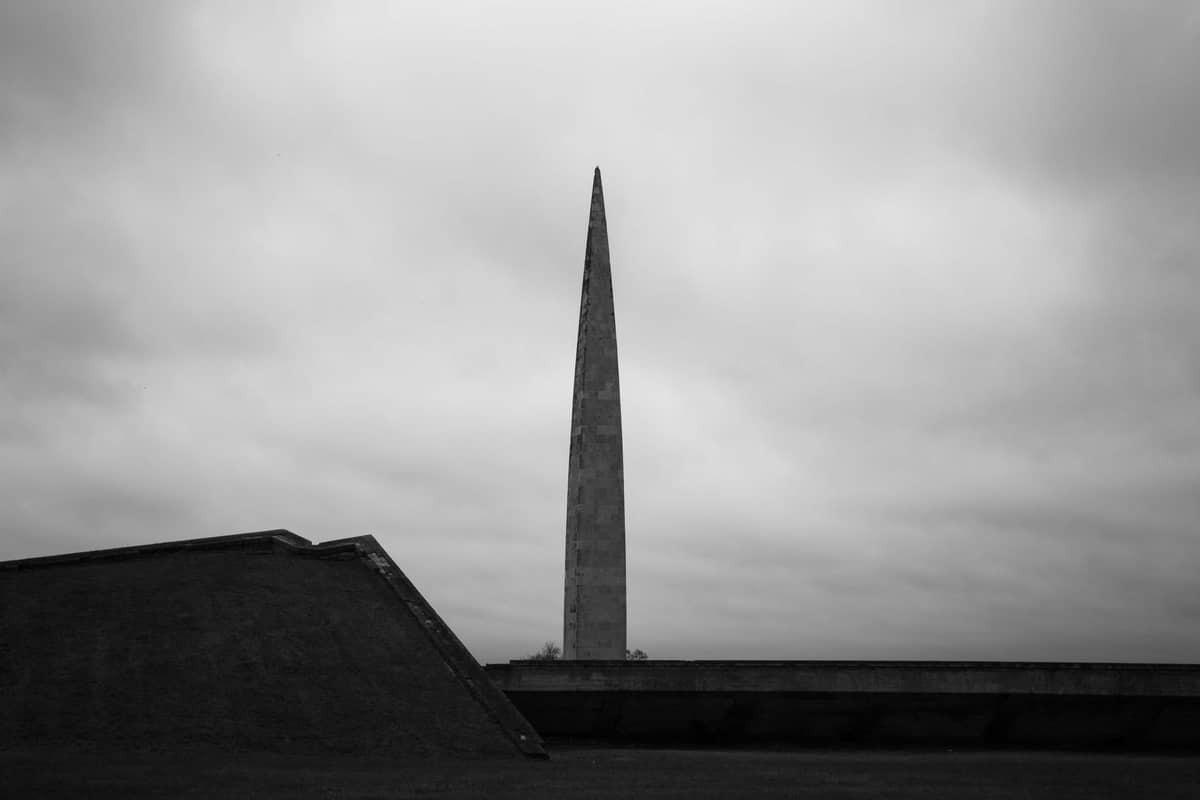
The Maarjamäe Memorial Complex on the coastal road northeast of the Old Town combines Soviet-era war memorials with a newer Victims of Communism memorial, inaugurated in 2018. The contrast is intentional and striking: the old Soviet obelisks sit beside a design that specifically commemorates those who suffered under Soviet rule. The adjacent Maarjamäe Palace houses the Estonian History Museum's 20th-century exhibition, which covers Soviet occupation in depth alongside other periods of modern Estonian history.
Linnahall, the massive waterfront structure near the port, was built for the sailing events of the 1980 Moscow Olympics. It is one of the most ambitious pieces of Soviet-era architecture in the Baltic states: a brutalist cascade of concrete terraces descending to the sea. The structure is not an official tourist attraction and has been closed to the public for safety reasons in recent years, though its exterior is fully visible. Do not treat access as guaranteed. The Tallinn TV Tower is a more visitor-friendly Soviet-era landmark, open to the public with observation deck access included in some city passes. Built for the 1980 Olympics, it also played a documented role in the 1991 independence events when Estonian civilians formed a human shield around the base.
- Maarjamäe Memorial Complex Soviet-era memorials plus the Victims of Communism memorial, open year-round. Free outdoor access. Maarjamäe Palace museum hours vary — check the Estonian History Museum website.
- Linnahall 1980 Olympics venue, now derelict. Exterior viewing only; internal access has been restricted for safety. Verify current entry status before visiting.
- Tallinn TV Tower Built for the 1980 Olympics and a site of resistance during the 1991 coup attempt. Open to visitors with observation deck; typically included in Tallinn Card.
- Patarei Sea Fortress 19th-century sea fortress used as a Soviet-era prison. Access is seasonal and subject to change — check current status before planning a visit.
- Alexander Nevsky Cathedral Built during Tsarist rule, but its prominent position on Toompea became politically charged during the Soviet period. Free to enter.
✨ Pro tip
Combine the KGB Prison Cells (Pagari 1) with the Vabamu Museum in a single morning — they are operated jointly and are about a 10-minute walk apart. Then take a taxi or tram northeast for the Maarjamäe complex in the afternoon. This covers the most concentrated Soviet-history content in Tallinn without backtracking.
Guided Tours vs. Self-Guided Exploration
The Hotel Viru KGB Museum is one of the few sites that is tour-only — you cannot wander through independently. For everything else, the choice between a guided tour and self-guided exploration depends on how much context you want versus flexibility. The Vabamu and KGB Prison Cells are well-labeled in English and genuinely comprehensible without a guide. Maarjamäe Palace's 20th-century exhibition also has strong English translations.
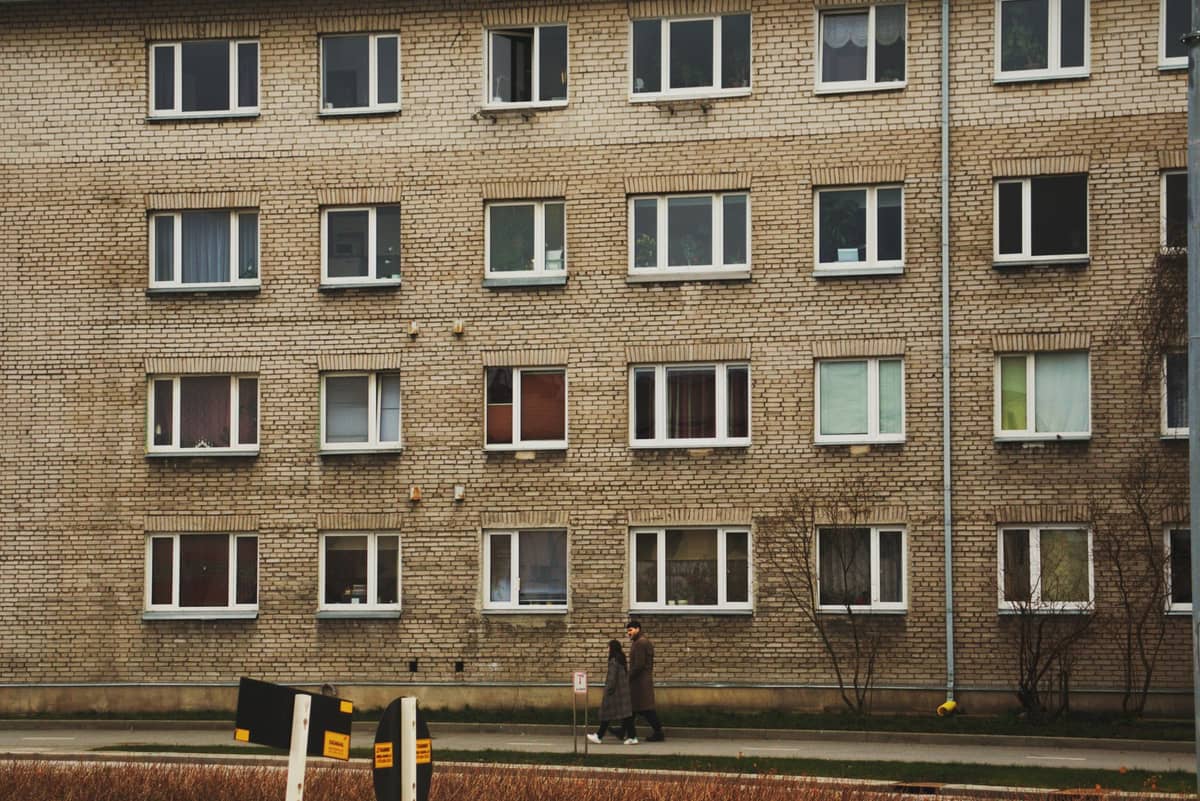
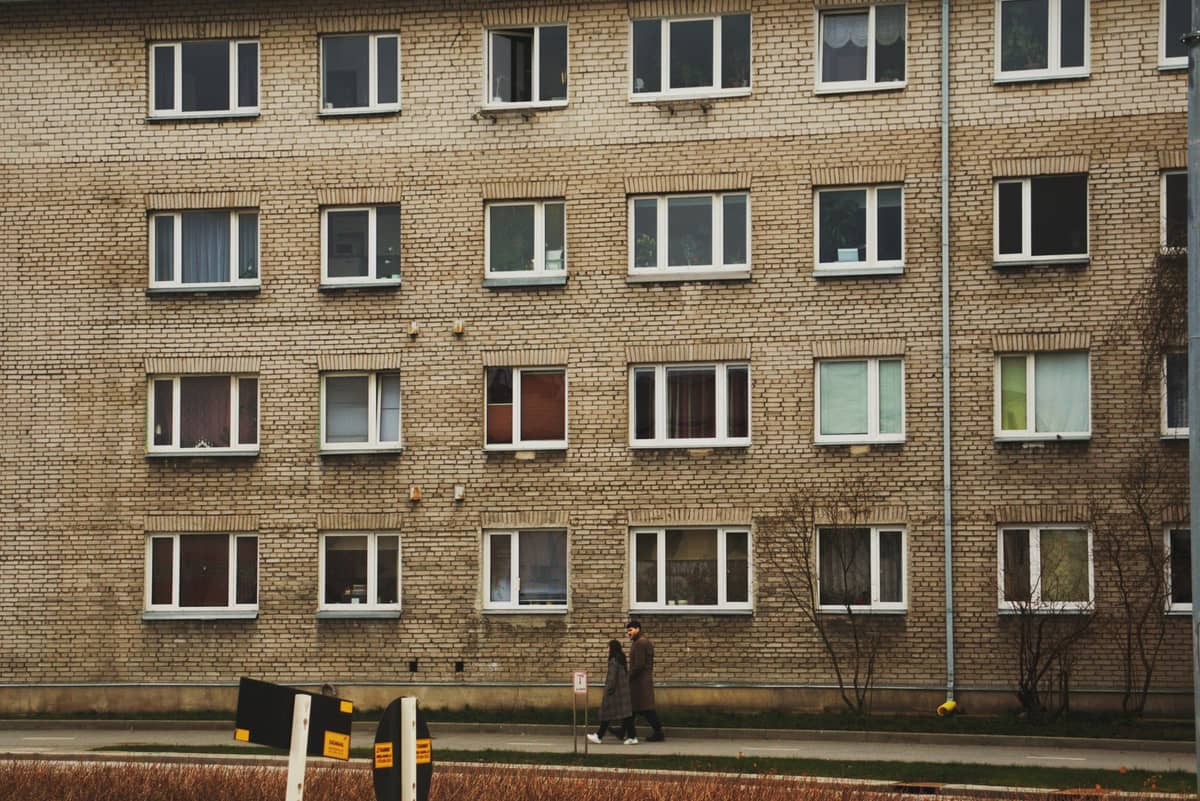
Guided Soviet-history tours of Tallinn run regularly and typically combine several sites, including the KGB Prison Cells, Hotel Viru, Linnahall, and outdoor monuments, into a three- to four-hour walk. These tours are worth considering if you want to cover the urban landscape (Soviet-era apartment blocks, the port area, the Kopli district) rather than just the formal museum circuit. Check platforms like GetYourGuide or the Vabamu's own events calendar for scheduled options. If you prefer to set your own pace, the Tallinn Old Town walking tour provides a useful framework for understanding the broader city layout before focusing on Soviet-era sites.
Tickets, Passes, and Practical Planning
Pricing across Tallinn's Soviet-history sites ranges from free (outdoor monuments, Maarjamäe memorial grounds) to around 10–22 euros for the main museums. The combined Vabamu and KGB Prison Cells ticket is currently 22 euros — better value than purchasing a separate 15-euro Vabamu ticket and individual KGB Prison Cells entry. Verify current pricing directly with Vabamu before visiting, as rates are updated periodically. The Tallinn Card covers entry to the TV Tower and several other attractions; check the current card benefits list, as included sites change.
- Winter hours (October to April): the Vabamu and KGB Prison Cells operate Wednesday to Sunday only, 11:00–18:00. Plan accordingly if visiting outside summer.
- Outdoor sites (Maarjamäe, Linnahall exterior, the Bronze Soldier monument at the Defense Forces Cemetery) are accessible year-round but can be icy and exposed from November to March.
- The Hotel Viru KGB Museum requires booking in advance — walk-in access is not guaranteed and guided tours have fixed start times.
- Patarei Sea Fortress has had inconsistent opening schedules in recent years; check current status through Visit Tallinn or local press before making it a firm plan.
- Public holidays: most museums are closed on major Estonian public holidays; check the Vabamu website calendar for confirmed closure dates.
If you are combining Soviet history with a broader itinerary, the best museums in Tallinn guide covers the full range of options across art, maritime, and open-air history. For a focused two-day plan that integrates Soviet sites with Old Town and the Kadriorg area, see the 2 days in Tallinn itinerary.
What Gets Overstated (and What Doesn't)
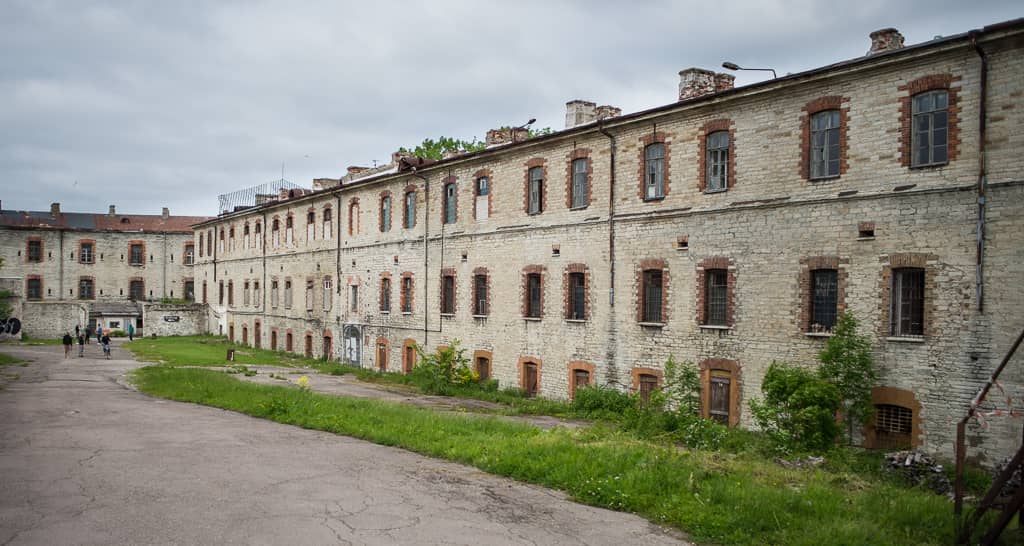
Several sources describe Patarei as a major dark-tourism destination. Its reputation is justified historically — the fortress has a documented and grim past — but its current state as a visitor site is unreliable. Access has been limited, restoration work has been ongoing, and it has closed and reopened multiple times. If Patarei is a priority for you, verify that it is open before building your trip around it.
Linnahall is regularly photographed and described online as an explorable ruin. It is visually dramatic, but physical access has been restricted due to safety concerns, and the situation can change. Walking past it and photographing the exterior is straightforward; entering is not guaranteed and is not officially permitted. Do not plan an extended visit based on blog posts from several years ago.
The Vabamu and KGB Prison Cells, by contrast, are consistently well-maintained and worth every euro. They represent some of the most thoughtfully designed occupation history museums in Europe, comparable in approach (if not scale) to the Baltic states' other major memory institutions. For travelers interested in this history, these two sites alone justify a dedicated half-day. For a broader picture of Tallinn's 20th-century story, the contemporary history wing at Maarjamäe Palace provides essential context that connects the Soviet period to both pre-war Estonian independence and the restoration of that independence in 1991.
FAQ
What is the best museum for Soviet history in Tallinn?
The Vabamu Museum of Occupations and Freedom at Toompea 8b is the most comprehensive option, covering both Nazi and Soviet occupations with strong English-language content and first-person testimonies. Combining it with the KGB Prison Cells on the same ticket gives you the fullest picture in a single visit.
Are the KGB Prison Cells and the Hotel Viru KGB Museum the same thing?
No. They are separate sites with different operators. The KGB Prison Cells at Pagari 1 are run by the Vabamu and are the actual basement detention facilities of the former KGB headquarters. The Hotel Viru KGB Museum is on the 23rd floor of the Viru Hotel and focuses on surveillance of foreign guests. Both are worth visiting but require separate bookings.
Can I visit Linnahall?
The exterior is visible and can be photographed from the surrounding area near the port. Internal access has been restricted due to structural safety concerns and the building's ongoing uncertain status. Verify current access before visiting — conditions change and older travel blog posts may be out of date.
When are Soviet history museums in Tallinn closed?
From October to April, the Vabamu and KGB Prison Cells operate Wednesday to Sunday only, 11:00–18:00; from May to September, they are open daily 10:00–18:00. They are also closed on certain public holidays. The Hotel Viru KGB Museum operates by fixed guided tour times rather than regular walk‑in hours, and its weekly schedule can vary. Always check the official websites before visiting, especially around Christmas and Easter.
Is Soviet history in Tallinn covered in the Tallinn Card?
Some Soviet-era sites, including the Tallinn TV Tower and Vabamu, are currently included in the Tallinn Card. Coverage changes periodically, so check the current card benefits list on the Visit Tallinn website before purchasing. The KGB Prison Cells are not consistently included and may require separate admission, so factor in those costs.