Tallinn Old Town Self-Guided Walking Tour: The Complete Route Guide
Everything you need to walk Tallinn's UNESCO-listed medieval Old Town on your own terms. This guide covers the full route from Viru Gate to Toompea Hill, admission costs for key stops, seasonal crowd patterns, and practical tips for getting the most from 2-4 hours on foot.
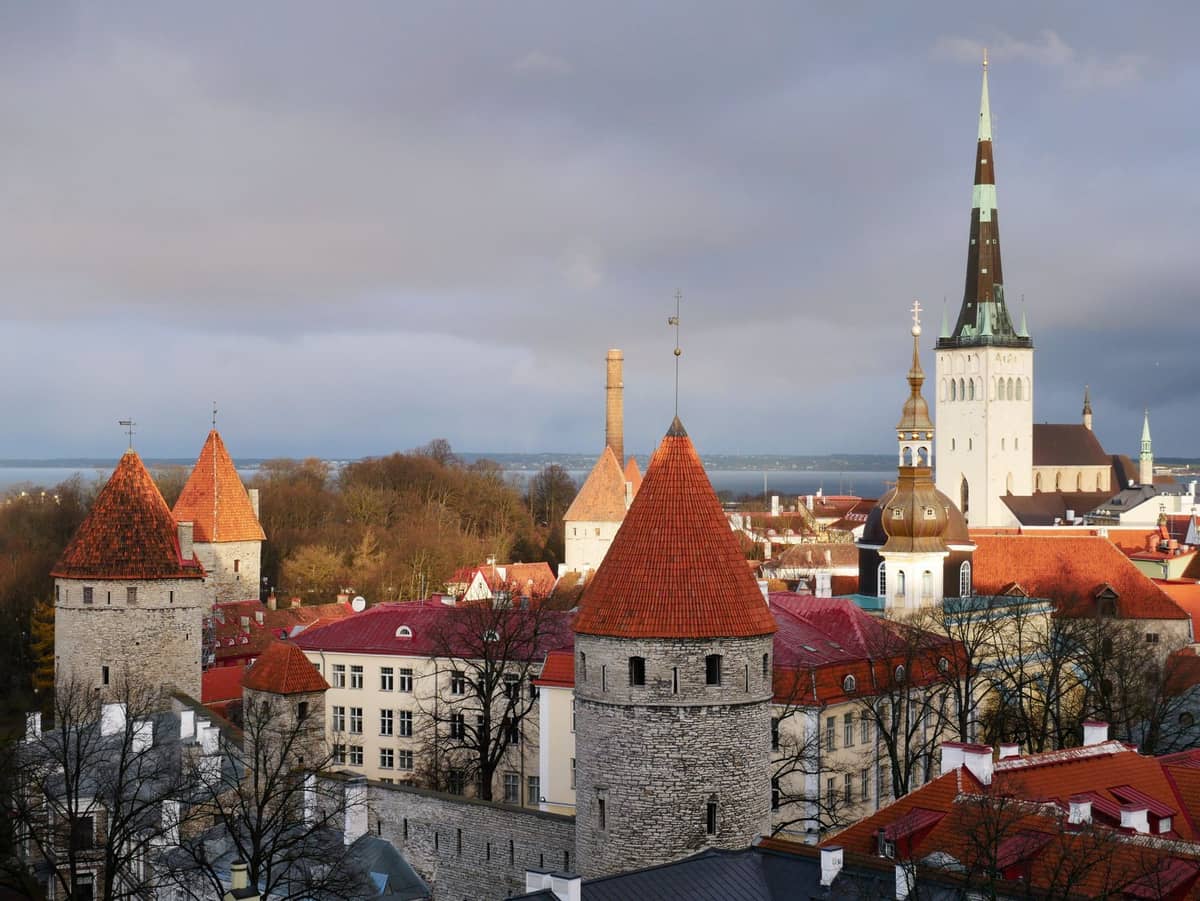
Plan and book this trip
Tools from our partner Travelpayouts help you compare flights and hotels. If you book through them, we may earn a commission at no extra cost to you.
Flights
Hotels map
TL;DR
- The full circuit through Lower Town and Toompea Hill covers around 3.5-4 km and takes 2.5 to 3.5 hours at a relaxed pace.
- All streets, squares, and outdoor spaces are free. Paid stops like Kiek in de Kök (from €16) and St. Olaf's tower (€5) are optional.
- Start at Viru Gate and finish at the Kohtuotsa or Patkuli viewing platforms on Toompea for the best panoramic payoff.
- Cobblestones can be slippery in winter and summer crowds peak at viewpoints around midday. Early mornings before 9am are consistently quieter.
- No guide needed, but a mapped route helps. See our full Tallinn things-to-do guide for context beyond the Old Town walls.
Why Tallinn Old Town Rewards a Self-Guided Approach
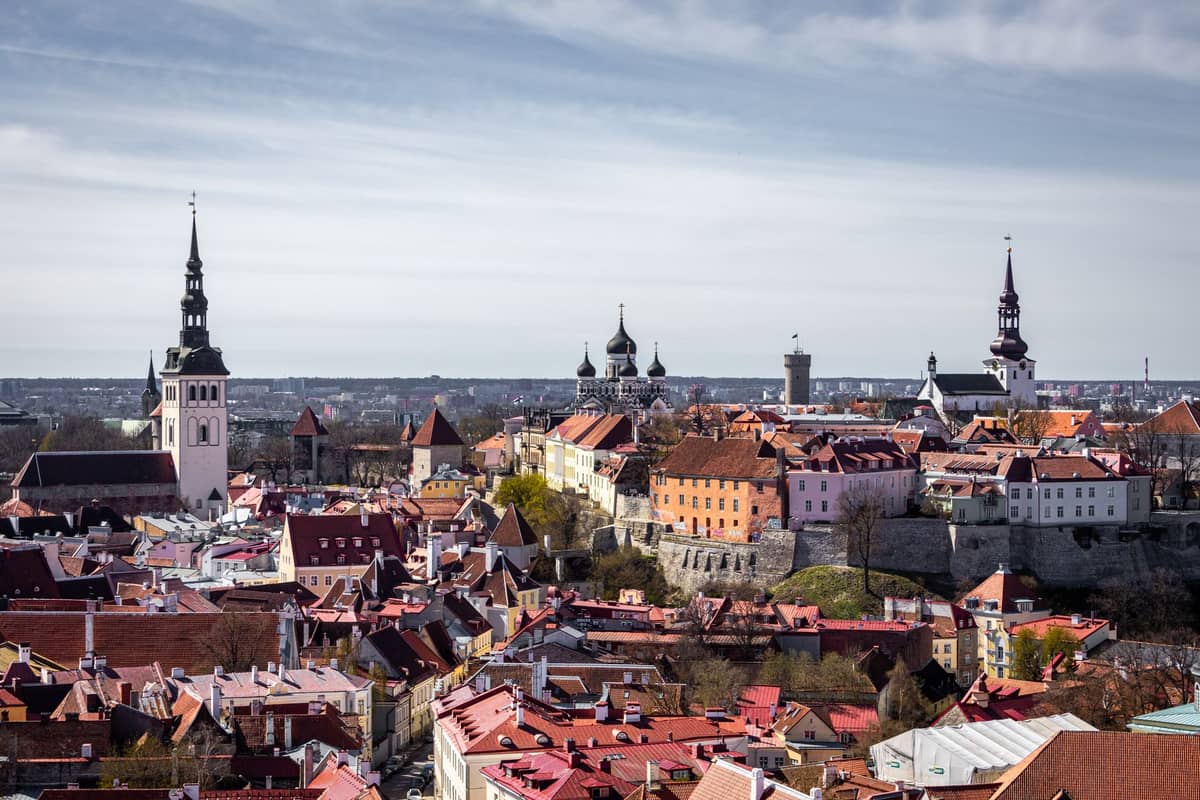
Tallinn's Old Town, known locally as Vanalinn, is one of the most complete medieval city cores in Northern Europe and has been a UNESCO World Heritage Site since 1997. At roughly 113 hectares, it is compact enough to cover on foot in a single morning or afternoon, yet dense enough in history and architectural detail that slowing down always pays off. Unlike many historic European centres that have been heavily commercialised at street level, Tallinn Old Town still has functioning churches, a working pharmacy dating to the 15th century, and residential side streets where very few tourists venture.
A self-guided tour gives you the flexibility to linger at the stops that interest you and move quickly past the ones that don't. The route described here is structured but not rigid. You can complete the main highlights in 2 hours if you keep moving, or stretch it to 4-5 hours if you add paid attractions like the Bastion Tunnels or climb St. Olaf's tower. Most visitors find 3 hours the sweet spot.
💡 Local tip
Wear flat, grippy shoes. Old Town's cobblestones are uneven at the best of times and become genuinely slippery after rain or in winter frost. Heels and smooth-soled shoes make the walk uncomfortable and the climb to Toompea harder than it needs to be.
The Route: Lower Town First, Then Toompea
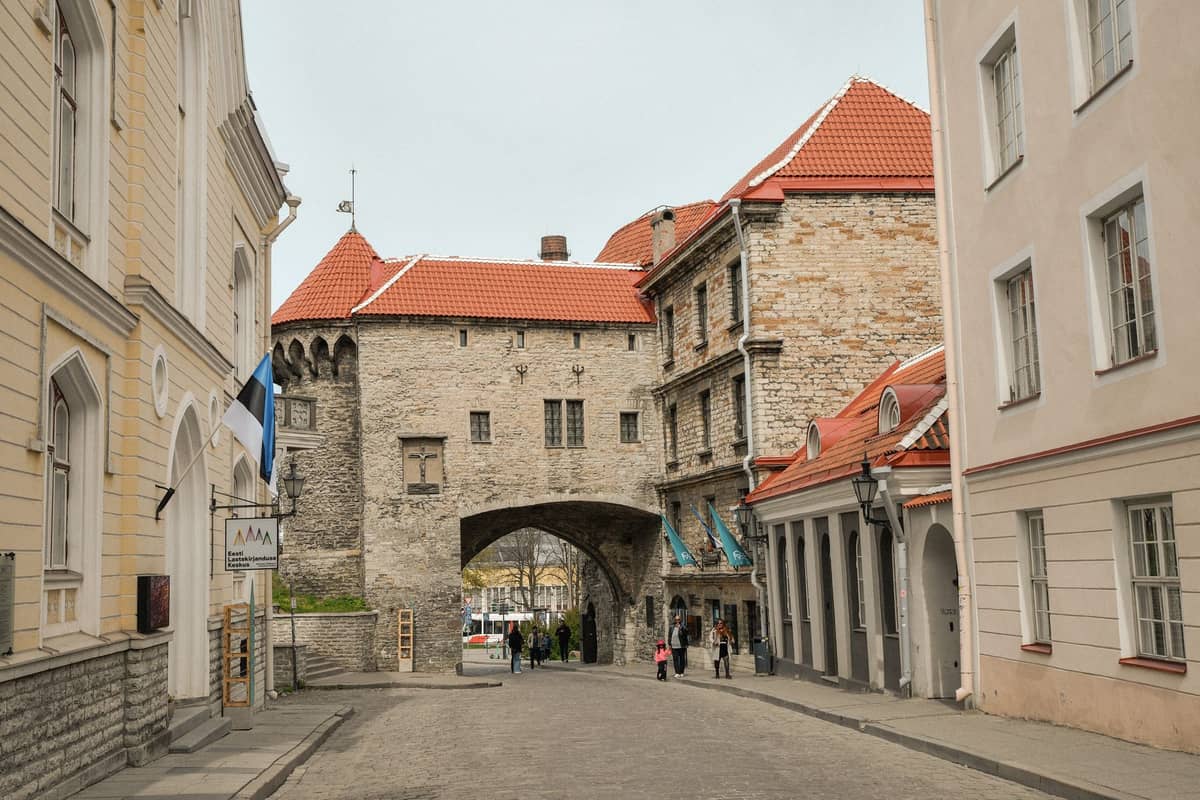
The most logical approach is to start in the Lower Town, work through the main medieval streets, then climb to Toompea Hill for the views. Begin at Viru Gate, the 14th-century gatehouse on the eastern edge of Old Town. It is the most photogenic entrance and sits right on Viru Street, which leads directly into the heart of the historic core. The tourist information centre is nearby if you want a printed map.
From Viru Gate, head north along the medieval town walls toward Fat Margaret, the rotund cannon tower at the harbour end of Pikk Street. The tower now houses the Estonian Maritime Museum and the walk along Pikk Street passes the House of the Blackheads and the Church of the Holy Spirit (€2 entry) along the way. Budget 20-30 minutes for this stretch.
Double back south along Pikk and turn into St. Catherine's Passage, a narrow medieval lane lined with artisan workshops. It connects to Katariina käik and is one of the few spots in Old Town that still feels genuinely off the main tourist flow. From here, a short walk brings you to Town Hall Square (Raekoja plats), the geographic and social centre of the Lower Town.
At Town Hall Square you have several options. The Tallinn Town Hall tower can be climbed for €5 in summer months and offers a rooftop view over the square. The Town Hall Pharmacy on the square's corner has been operating since at least 1422, making it one of the oldest continuously running pharmacies in Europe. Worth a quick look inside even if you don't buy anything.
After the square, head up the hill toward Toompea. The climb via either the Long Leg Gate Tower road or the Short Leg Gate steps takes 10-15 minutes. At the top, Alexander Nevsky Cathedral dominates the plateau with its onion domes. It is free to enter and worth going inside for the mosaics and incense-heavy atmosphere, though photography inside is restricted. Immediately adjacent is Toompea Castle, now the seat of the Estonian parliament.
Finish at the viewpoints. Kohtuotsa viewing platform is the more popular one and gets crowded. Patkuli viewing platform is a short walk west and offers a different angle over the Lower Town rooftops with noticeably fewer people. On a clear day, both offer views across the bay toward Helsinki's direction.
Key Stops and What They Actually Cost
The majority of the walking tour is free. All public streets, squares, the medieval town wall promenade sections, and viewpoints cost nothing. Paid attractions are optional add-ons. Here is what to expect at the most visited stops as of 2026 pricing:
- Kiek in de Kök + Bastion Tunnels From €16. The defensive tower museum combined with the underground tunnel network beneath Toompea is the single most rewarding paid experience on this route. Budget 1-1.5 hours extra if you add this.
- St. Olaf's Church Tower €5. Narrow spiral staircase, 258 steps to a viewing gallery. Not suitable for claustrophobic visitors, but the elevated view over the Lower Town is excellent.
- Niguliste Museum €8. Former Gothic church now housing medieval art, including the famous Bernt Notke 'Danse Macabre' fragment. Closes on Mondays.
- Tallinn Town Hall Tower €5. Open seasonally (typically summer months). Short climb, good view over the square.
- Holy Spirit Church €3. One of the finest Gothic interiors in the Baltic states. The 1684 clock on the facade is the oldest in Tallinn.
- Alexander Nevsky Cathedral Free entry. Orthodox cathedral completed in 1900. Open daily, but closed during services.
ℹ️ Good to know
If you plan to visit 3 or more paid attractions, compare prices against the Tallinn Card, which covers museum entry and public transport. For a single day focused on Old Town, it may or may not save you money depending on which stops you choose. Check the current pricing before buying.
When to Walk: Crowd Patterns and Seasonal Realities
Tallinn Old Town is walkable year-round, but the experience changes significantly by season and time of day. Summer (June to August) brings the largest crowds, with cruise ship passengers flooding the main streets between roughly 10am and 4pm. If you are visiting in summer, starting before 9am or after 5pm transforms the experience. The light is also better in the early morning and evening hours.
Winter has its own appeal. Snow on the medieval rooftops and the relative absence of crowds make January and February surprisingly good for photography and atmosphere. The Tallinn Christmas market on Town Hall Square runs through most of December and is genuinely one of the better ones in Northern Europe, though the square gets packed on weekend afternoons. Cobblestones ice over quickly, so be cautious on the Toompea hill descent in freezing temperatures.
May and September are arguably the best compromise months: mild temperatures, manageable crowds, and most attractions open at full hours. For a fuller breakdown of seasonal trade-offs, see the best time to visit Tallinn guide.
⚠️ What to skip
Tour groups from cruise ships follow predictable patterns: they arrive mid-morning, concentrate on Town Hall Square and Kohtuotsa viewpoint, and leave by early afternoon. If you want to experience these spots without navigating around guided groups, plan your visit for early morning or late afternoon.
Practical Logistics: Getting There, Navigation, and What to Skip
Old Town is in the centre of Tallinn and easily reached on foot from most hotels in the city. Viru Gate, the recommended starting point, is about a 10-minute walk from Viru bus and tram stop, which is served by multiple lines. Tallinn's public transport system runs on buses and trams (trolleybuses having been phased out). Tickets can be purchased from the driver in cash or via the Ühiskaart smartcard, which is cheaper per ride and reloadable at supermarkets and kiosks.
Navigation inside Old Town is straightforward. The street grid is irregular but the area is small enough that getting briefly turned around is not a problem. Printed maps are available free from the tourist information centre near Town Hall Square. For digital navigation, standard mapping apps work well. If you want a structured audio experience, GPS-based self-guided audio tours with around 30 stops are available through several platforms at roughly $7-10 per person. For context on getting around the wider city, see the guide to getting around Tallinn.
A few things worth skipping or approaching with realistic expectations: the souvenir shops along Viru Street sell largely identical woolens, amber jewelry, and Soviet-era novelties at tourist prices. If you want locally made crafts, the workshops in St. Catherine's Passage and on Müürivahe Street (the street along the old town wall) are a better option. The horse-drawn carriage rides around Old Town are expensive relative to what you get and block the narrow streets during peak hours.
- Start at Viru Gate and walk the Lower Town before climbing to Toompea, not the reverse. The hill is easier to climb than descend on cobblestones.
- Carry cash for church entry fees. Several smaller churches and the pharmacy do not reliably accept card payments.
- The Tallinn city wall has several accessible tower sections where you can walk the ramparts, most of which charge a small entry fee.
- Public toilets are scarce in Old Town. The paid facilities near Town Hall Square (around €0.50) are reliable. Cafes along Viru Street will generally let you use facilities if you buy a coffee.
- Allow time to sit in Town Hall Square, particularly in the late afternoon when the tour groups have thinned and the light hits the town hall facade well.
Beyond the Main Circuit: What to Add If You Have More Time
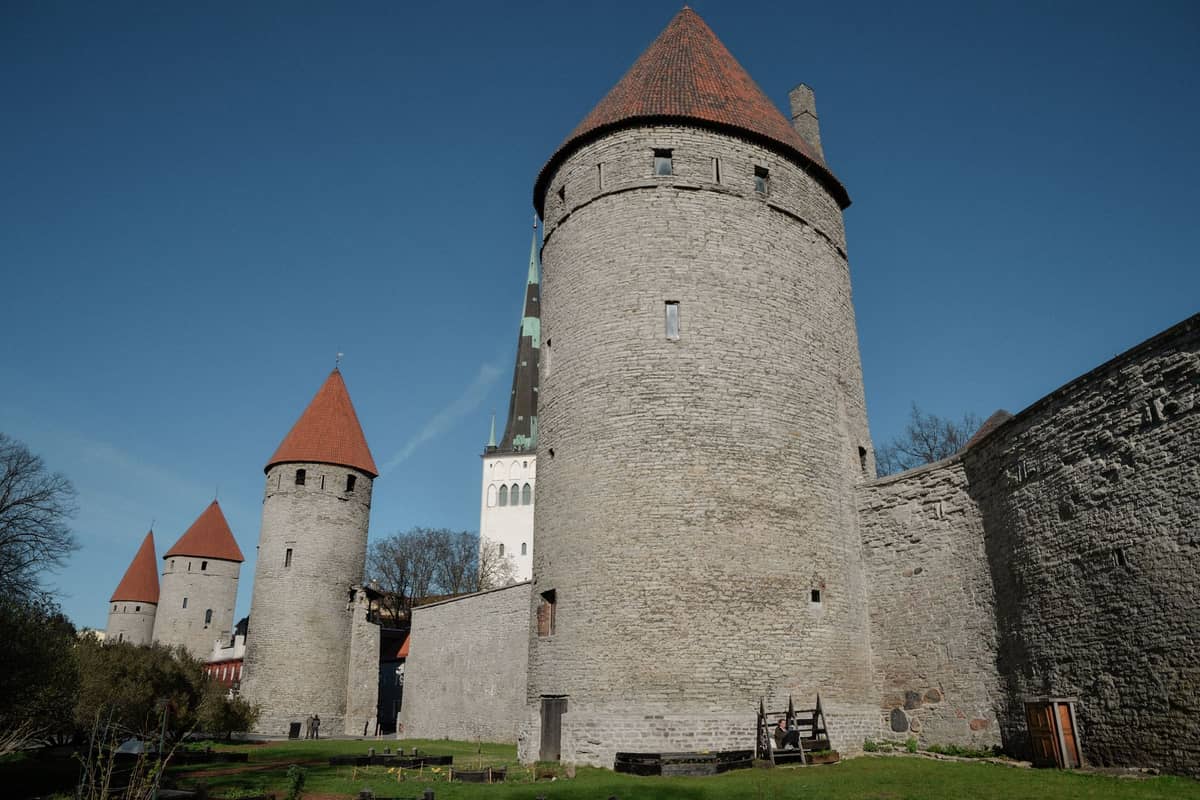
If you have a full day rather than a half day, the medieval core can be extended in a few directions. The Kiek in de Kök tower and its Bastion Tunnels on the southern edge of Toompea are genuinely worth the entry fee and the extra 1-1.5 hours. The tunnels were built into the limestone escarpment in the 17th century as part of the city's fortification system and remained in use well into the 20th century.
Just outside the Old Town walls to the northwest is Kalamaja, a former working-class district with wooden houses, independent cafes, and the Telliskivi Creative City complex. It is a 15-20 minute walk from Viru Gate and makes a logical afternoon extension after finishing the Old Town circuit. For a full day itinerary that combines Old Town with Kalamaja and other neighbourhoods, the 2 days in Tallinn guide has a structured plan.
Families with children can adapt this route without difficulty. The Proto Invention Factory near the Old Town is an interactive science museum that works well as a one-hour addition. For a dedicated family-oriented overview, see Tallinn with kids.
FAQ
How long does a self-guided walking tour of Tallinn Old Town take?
The core circuit covering Lower Town and Toompea Hill is 3.5-4 km and takes about 2.5 to 3.5 hours at a relaxed pace, including time to look around churches and viewpoints. Add 1-1.5 hours if you visit the Kiek in de Kök and Bastion Tunnels, or climb St. Olaf's tower. A full day with paid attractions and coffee stops fits into 4-5 hours.
Is Tallinn Old Town walking tour free?
All streets, squares, and viewpoints are free to access at any time. Several churches ask for a small entry fee (€3-€5), and major paid attractions like the Kiek in de Kök tower start from €16. You can do a meaningful self-guided tour spending nothing, or combine free exploration with a few paid stops.
Where should I start a self-guided walking tour of Tallinn Old Town?
Viru Gate, on the eastern edge of Old Town, is the best starting point. It is the most recognisable entrance, connects directly to the main medieval streets, and is within easy walking distance of Viru tram and bus stop. From there, walk through the Lower Town first and climb to Toompea Hill at the end to finish at the viewpoints.
Is Tallinn Old Town walkable in winter?
Yes, but take the cobblestones seriously. They ice over quickly in sub-zero temperatures and the Toompea Hill descent becomes slippery. Wear waterproof shoes with a grippy sole. Winter crowds are much smaller than summer, and the December Christmas market on Town Hall Square adds considerable atmosphere.
Do I need a guided tour or can I explore Tallinn Old Town alone?
You can cover all the main highlights independently without a guide. The area is compact and well-signed, and printed maps are available free from the tourist information centre near Town Hall Square. If you want structured commentary, GPS-based audio tours with around 30 stops are available for roughly $7-10 per person and can be used offline.