Best Things to Do in Tallinn: The Definitive Guide
Tallinn rewards visitors well beyond its famous Old Town. This guide covers the best things to do in Tallinn across history, culture, nature, and nightlife, with practical advice on what to skip, when to go, and how to make the most of your time in Estonia's capital.
Plan and book this trip
Tools from our partner Travelpayouts help you compare flights and hotels. If you book through them, we may earn a commission at no extra cost to you.
Flights
Hotels map
TL;DR
- Tallinn's medieval Old Town is a UNESCO World Heritage Site and the obvious starting point, but the city has far more to offer across its diverse neighbourhoods, including Kalamaja and Kadriorg.
- Top draws include Toompea Hill viewpoints, the Seaplane Harbour museum, Kadriorg Park and Palace, and Telliskivi Creative City.
- First-timers should consider the Tallinn Card for free museum entry and public transport, which adds up quickly on a packed itinerary.
- May through September is the most practical window for visiting; winter is quieter but atmospheric, especially around the Christmas market.
- Two full days cover the essentials; see our 3-day Tallinn itinerary if you want breathing room.
Tallinn Old Town: Where to Start (and What to Actually See)
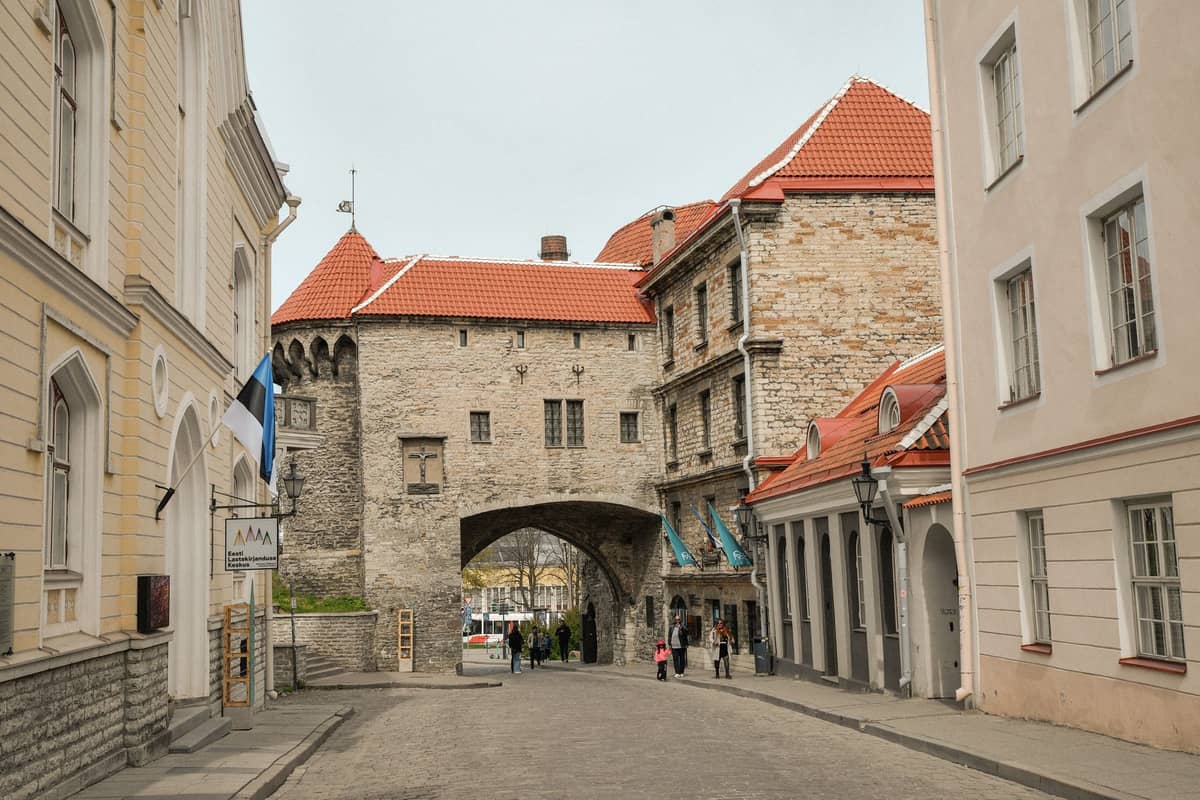
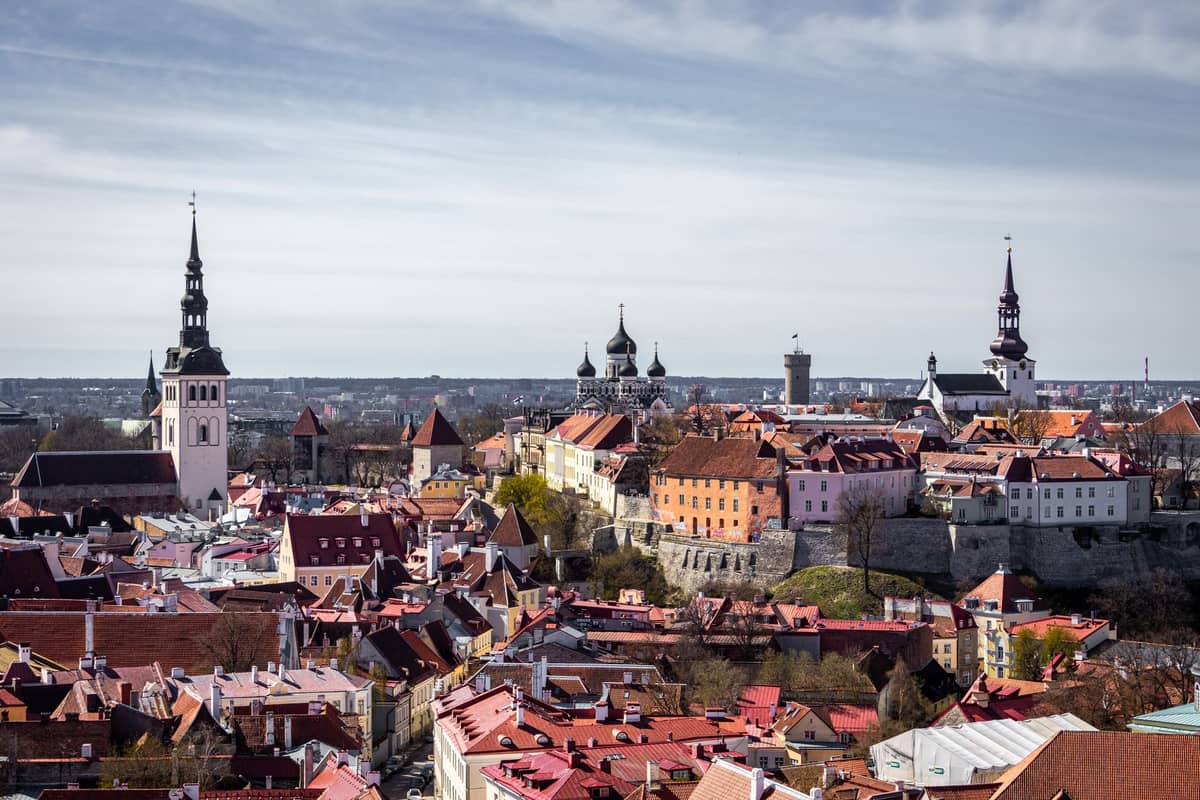
Tallinn's Old Town (Vanalinn) is one of the best-preserved medieval city centres in Northern Europe, and its UNESCO World Heritage status is genuinely earned. The cobbled limestone streets, Gothic spires, and intact 14th-century city wall are not a reconstruction or a theme park. They are the real thing, which is why the area gets crowded fast between June and August.
Start at Town Hall Square early in the morning before tour groups arrive. The Tallinn Town Hall dates to the 15th century and is one of the finest surviving Gothic civic buildings in the Baltic region. The Town Hall Pharmacy next door claims to be one of the oldest continuously operating pharmacies in Europe. Whether or not that record holds up to scrutiny, it is worth a quick look inside.
From the square, walk up to Toompea Hill to reach the upper town. The Alexander Nevsky Cathedral dominates the hilltop with its onion domes, built during Russian imperial rule in 1900 as a deliberate statement of power. It remains a functioning Russian Orthodox church, so dress modestly if entering. Toompea Castle sits next door, now housing the Estonian Parliament (Riigikogu). The exterior is viewable freely; interior access is limited to guided tours on specific dates.
💡 Local tip
The two best viewpoints on Toompea Hill are Kohtuotsa and Patkuli. Kohtuotsa Viewing Platform faces northeast over the red-tiled rooftops toward the harbour and is the more photogenic of the two. Patkuli is quieter, with views over the lower town's towers and walls. Both are free and open at all hours.
Back in the lower town, don't overlook St. Olaf's Church, whose spire once made it one of the tallest buildings in the world. The climb to the observation platform is steep but worth it for the panoramic views. Nearby, St. Catherine's Passage is a narrow medieval lane lined with artisan workshops, far less crowded than the main streets.
Museums Worth Your Time (and One to Skip)
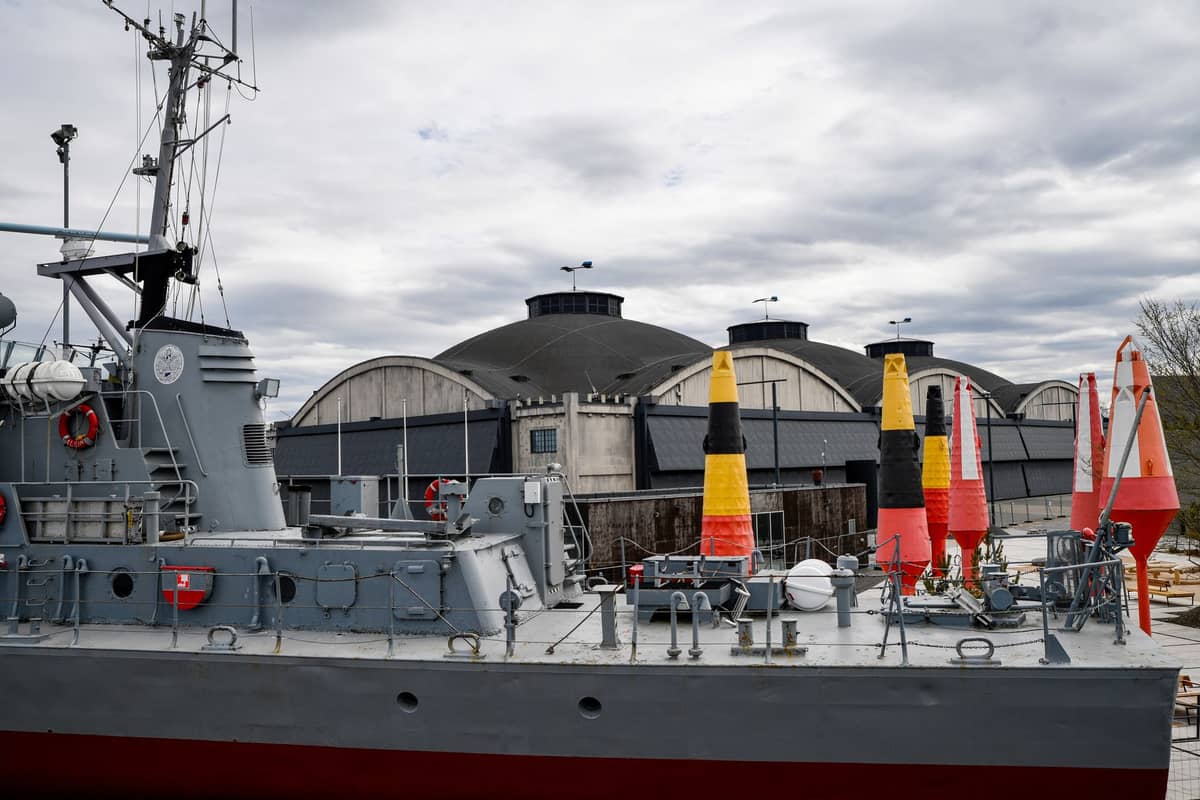
Tallinn stands out for museum quality. The Seaplane Harbour (Lennusadam) is consistently one of the most impressive maritime museums in Northern Europe. Housed in a restored Art Nouveau seaplane hangar from 1916, it contains a full-scale Soviet-era submarine you can walk through, an icebreaker, and dozens of historic vessels and naval aircraft. Plan two to three hours here. It is located in the Kalamaja district, about 2 km northwest of the Old Town.
For modern art, KUMU in Kadriorg is the main Estonian art museum and worth the trip even if contemporary art is not your primary interest. The building itself, designed by Finnish architect Pekka Vapaavuori and opened in 2006, is architecturally striking. The permanent collection covers Estonian art from the 18th century onward, including the Soviet period, with strong curatorial context.
The Vabamu Museum of Occupations and Freedom covers Estonia's experiences under both Soviet and Nazi occupation with well-designed, immersive exhibits. It handles difficult history honestly and is one of the more emotionally affecting museums in the city. For something more niche, the KGB Prison Cells in the basement of the Viru Hotel reveal the surveillance apparatus the Soviets maintained in what was outwardly a tourist hotel. Tours are guided and should be booked in advance.
- Seaplane Harbour Best overall museum experience in Tallinn. Allow 2-3 hours. Tickets around €16-18 for adults; verify current pricing on the museum's site.
- KUMU Art Museum Strong collection, excellent building, set in Kadriorg Park. Pair it with a walk through the park and a visit to Kadriorg Palace.
- Vabamu Museum Essential context for understanding modern Estonia. Central location in Old Town. Around €10-12 for adults.
- Niguliste Museum Medieval church converted into a museum of religious art. The Dance of Death painting fragment is the highlight. Compact and easy to fit into a morning.
- Great Guild Hall Part of the Estonian History Museum network. The medieval hall is impressive; the exhibits are decent but not exceptional. Fine if you have an extra hour.
⚠️ What to skip
Several shops and 'museums' along Viru Street in the Old Town are tourist traps dressed up as cultural attractions. The Tallinn Chocolate Museum and similar micro-attractions charge entry fees for minimal content. Skip them and put that money toward the Seaplane Harbour or Vabamu instead.
Beyond the Old Town: Kadriorg, Kalamaja, and Telliskivi
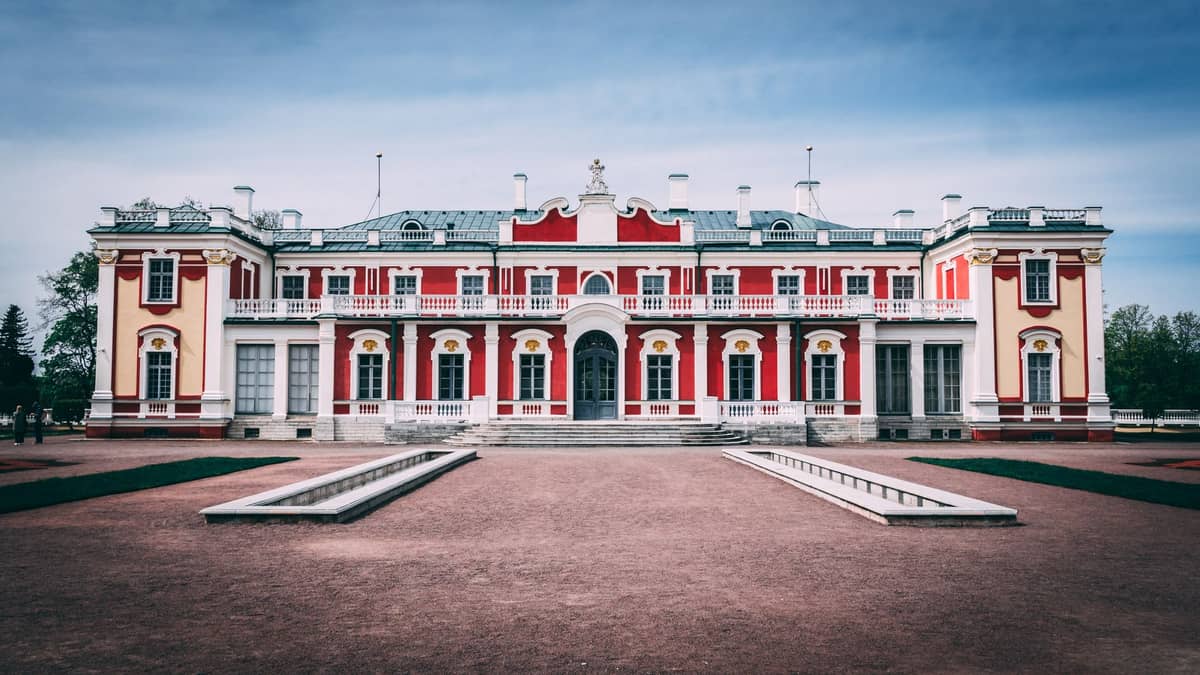
Spending your entire visit inside the Old Town walls means missing a significant portion of what makes Tallinn interesting. Kadriorg is the neighbourhood most visitors should prioritise first. Peter the Great commissioned the baroque Kadriorg Palace in 1718 after his Baltic campaigns, and the surrounding Kadriorg Park remains one of the finest formal gardens in the Eastern Baltic. It is about 2 km east of the Old Town, a straightforward tram ride or a pleasant 25-minute walk along Narva Road.
Kalamaja is Tallinn's most characterful residential neighbourhood, a grid of colourful wooden houses northwest of the Old Town that survived both Soviet-era development and post-independence gentrification in relatively good shape. The area contains the Seaplane Harbour, the Telliskivi Creative City complex (a converted industrial site with independent shops, cafes, street art, and a weekend flea market at Balti Jaam), and the Balti Jaam Market itself, which is one of the most authentic local markets in the city.
Telliskivi is worth an afternoon regardless of your interests. The complex operates as a genuine creative cluster rather than a polished mall, with independent coffee roasters, vintage clothing, craft beer bars, and live music venues sharing space with artists' studios. Saturday mornings are ideal when the flea market is running.
Outdoor Activities, Viewpoints, and Day Trips
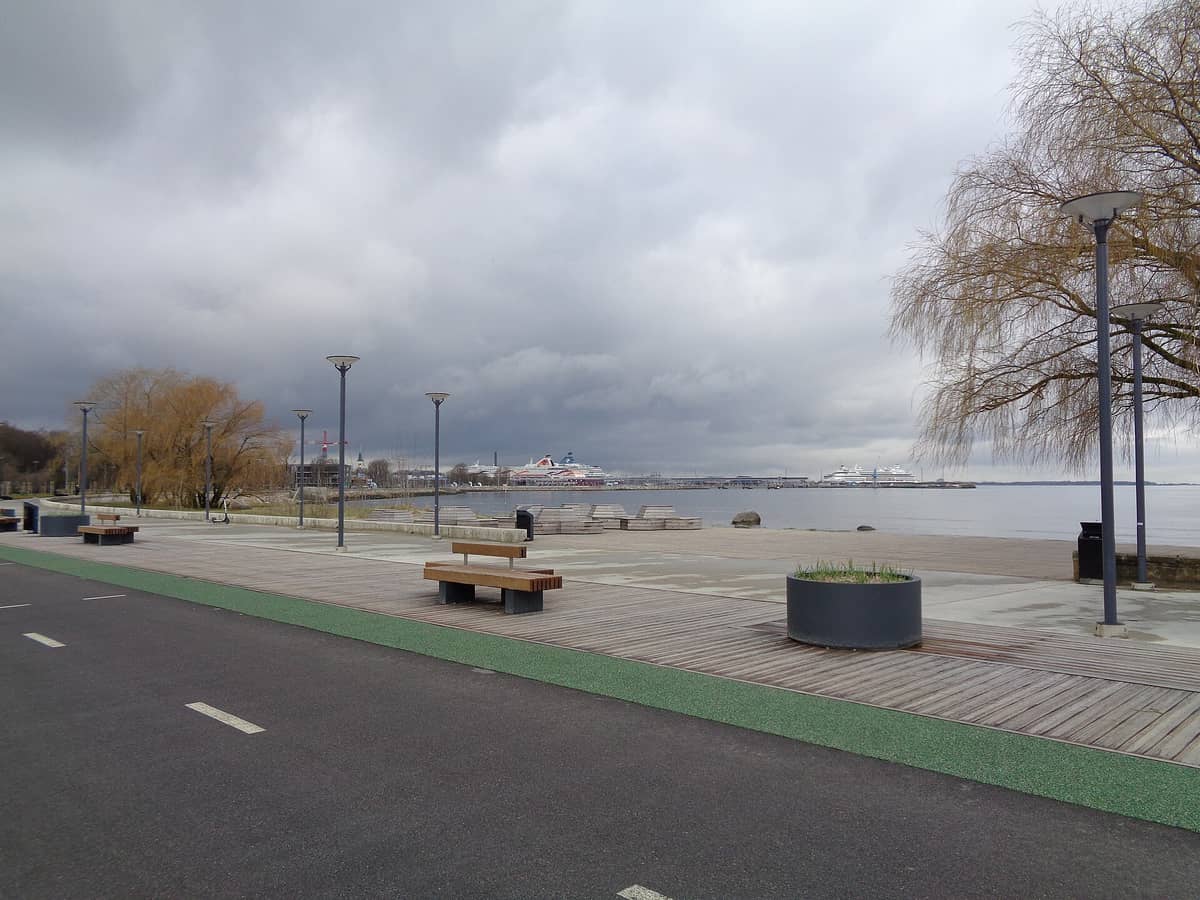
Tallinn has more green space than its compact reputation suggests. Beyond Kadriorg Park, the Tallinn Botanic Garden in the Pirita district is a genuine escape from the city, particularly in spring when the rhododendron collection is in bloom. Pirita itself offers a beach, a cycling path along the river, and the atmospheric ruins of Pirita Convent, founded in 1407 and partially destroyed in the Livonian War.
The Tallinn TV Tower sits in Pirita and is worth combining with a visit to the area. At 314 metres, the observation deck at 170 metres provides the widest panoramic view of Tallinn and the Gulf of Finland. Opening hours are approximately daily 10:00–18:00 (verify before visiting as hours can vary seasonally). It is not in the Old Town and requires a bus or taxi to reach.
For day trips, Lahemaa National Park is the standout option, roughly 70 km east of Tallinn. The park covers coastal forests, manor houses, and bog landscapes, and it is reachable by car in about an hour or by organised tour. The Jagala Waterfall, Estonia's widest natural waterfall, is an easy stop en route. See the full day trips from Tallinn guide for logistics on these and other options.
✨ Pro tip
The Kohtuotsa and Patkuli viewpoints on Toompea are excellent at any hour, but they are genuinely spectacular in the long evenings of June and July when the sun sets around 22:30 and the light over the Old Town rooftops is unlike anything you will see in Western Europe. If you are visiting in summer, go up around 21:00.
Seasonal Considerations: When to Go and What Changes
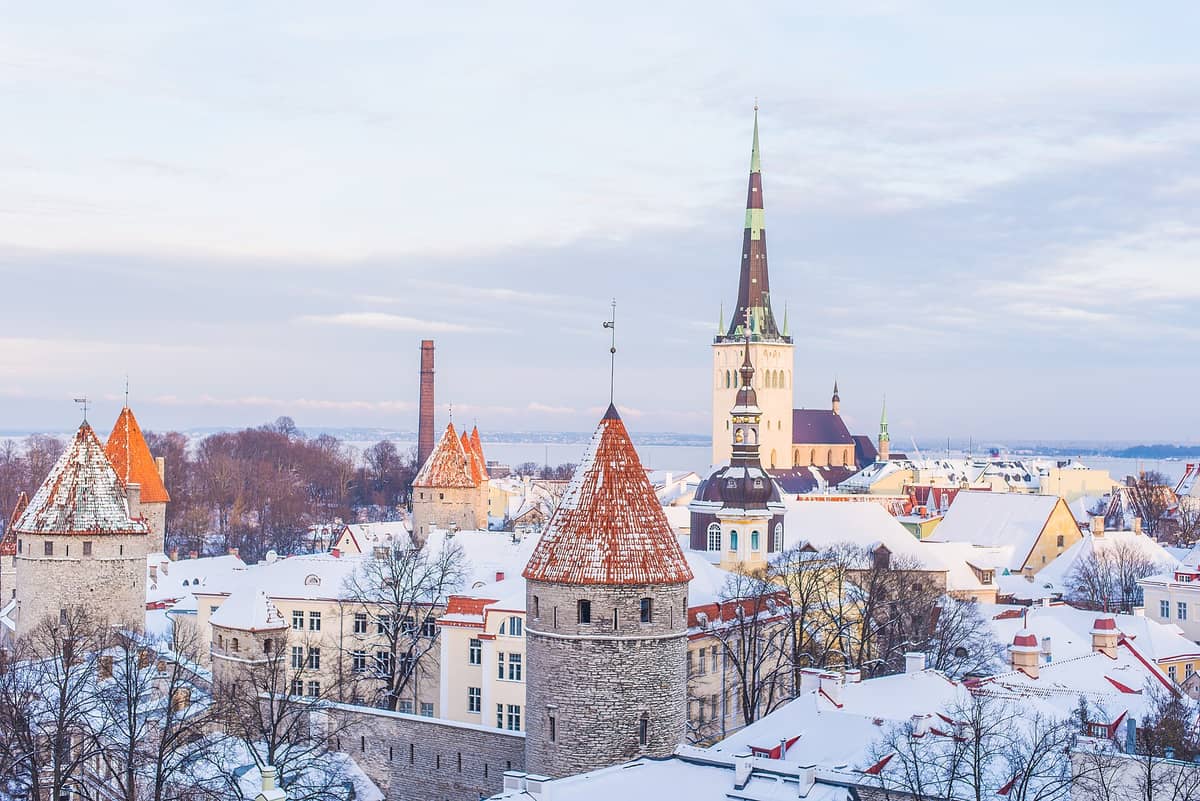
Tallinn's climate is humid continental (Köppen Dfb), meaning cold winters with regular snow and mild to warm summers. The practical implications for travellers vary considerably by month. For a full breakdown, see the best time to visit Tallinn guide, but the short version is this: May through September is the most comfortable window for walking tours, viewpoints, and outdoor activities. July is the warmest month but also the most crowded, with large cruise ship arrivals inflating Old Town numbers on weekdays.
Winter is underrated for visitors who can handle temperatures regularly below 0°C. The Old Town under snow is genuinely beautiful, and the Tallinn Christmas Market on Town Hall Square runs from late November through early January and is one of the better-regarded Christmas markets in Northern Europe, smaller and less commercialised than its German counterparts. Crowds thin significantly after Christmas, making late December and January arguably the most peaceful time to explore the Old Town on foot. For more on what the city looks like in colder months, the Tallinn in winter guide covers the specifics.
- May-June: Long daylight hours begin, outdoor terraces open, fewer crowds than peak summer. Best balance of weather and manageable visitor numbers.
- July-August: Warmest and busiest months. Old Town saturated on weekends and cruise ship days (check port schedules). Book accommodation well in advance.
- September: Crowds drop sharply, weather remains mild, foliage begins to turn in Kadriorg Park. Arguably the single best month for a first visit.
- December: Christmas Market runs until early January. Snow likely but not guaranteed. Many museums have shorter winter hours.
- January-February: Quietest and coldest. Ideal for budget travel and museum-focused itineraries. Dress in proper layers.
Practical Tallinn: Getting Around, Costs, and Logistics
Tallinn is a compact city and most Old Town sights are walkable from each other. The historic centre itself covers less than 1 square kilometre, so distances are short once you are inside. The main logistical challenge is that key attractions in Kadriorg, Kalamaja, and Pirita are spread out and not walkable from each other in a single session.
Public transport is reliable and inexpensive. Trams, buses, and trolleybuses cover the city comprehensively. Tickets are cheaper with the Smartcard (Ühiskaart), which can be loaded at supermarkets, kiosks, and post offices. Single tickets bought from drivers cost more. The ride-hailing app Bolt (formerly Taxify) is the dominant local option and fares are significantly lower than in most Western European capitals. For taxi rides, rates are posted on a yellow sticker in the rear window of each vehicle by law.
Budget travellers will find Tallinn genuinely affordable by Northern European standards, particularly for food and drink outside the immediate tourist core. The Tallinn on a budget guide covers specific strategies, and the free things to do in Tallinn guide lists no-cost options including viewpoints, parks, and churches. If you plan to visit four or more paid attractions, the Tallinn Card typically pays for itself and includes unlimited public transport.
ℹ️ Good to know
Estonia is part of the Schengen Area and uses the Euro. English is widely spoken in hotels, restaurants, and tourist areas. Tipping is not obligatory but around 10% is appreciated for good service. The emergency number is 112. Electrical sockets are Type F (Schuko), 230V.
FAQ
How many days do you need in Tallinn?
Two full days cover the Old Town thoroughly and allow for one or two major attractions outside it. Three days lets you explore Kadriorg, Kalamaja, and one day trip without rushing. Anything under two days means you will see the highlights but miss the character of the non-tourist neighbourhoods.
Is Tallinn only worth visiting for the Old Town?
No. The Old Town is the obvious anchor, but Kadriorg Park and Palace, the Seaplane Harbour museum, Kalamaja's wooden architecture, and Telliskivi Creative City are genuinely distinct from the medieval core. Visitors who only see the Old Town miss roughly half of what makes Tallinn interesting.
What is the best free thing to do in Tallinn?
The Toompea Hill viewpoints (Kohtuotsa and Patkuli) are free, open around the clock, and provide the best panoramic views of the city. Kadriorg Park is also free to enter and one of the most beautiful spaces in the city. Walking the Old Town streets, city walls, and St. Catherine's Passage costs nothing.
Is Tallinn worth visiting in winter?
Yes, particularly if you visit during the Christmas Market period (late November to early January) or if you prefer quiet, uncrowded sightseeing. The Old Town under snow is atmospheric and the city's museums are easier to enjoy without summer queues. The trade-off is short daylight hours and temperatures regularly below freezing.
What is the Tallinn Card and is it worth buying?
The Tallinn Card provides free entry to most of the city's major museums and attractions plus unlimited public transport. It is available in 24, 48, and 72-hour versions. If you plan to visit four or more paid museums in a day, it typically pays for itself. The Seaplane Harbour, KUMU, and Vabamu alone often cover the card's cost. Verify current pricing and included attractions on the Visit Tallinn website before purchasing.