Best Time to Visit Tallinn: A Season-by-Season Guide
Tallinn rewards visitors in every season, but the right time to go depends entirely on what you want. This guide breaks down weather, crowd levels, pricing, and key events month by month so you can make an informed decision.
Plan and book this trip
Tools from our partner Travelpayouts help you compare flights and hotels. If you book through them, we may earn a commission at no extra cost to you.
Flights
Hotels map
TL;DR
- May and September offer the best balance: mild weather, manageable crowds, and accommodation prices 15-30% below peak.
- June to August is peak season with up to 19 hours of daylight, warm temperatures around 20-24°C, but higher prices and busier Old Town streets.
- Winter (November to February) brings the lowest hotel rates, often 30-40% below summer, plus the acclaimed Christmas Market on Town Hall Square.
- Tallinn is a genuine year-round destination. See our Tallinn in winter guide and summer guide for season-specific planning.
- Book peak-season flights 3-4 months ahead and accommodation 2-3 months ahead; shoulder season requires far less lead time.
Understanding Tallinn's Climate
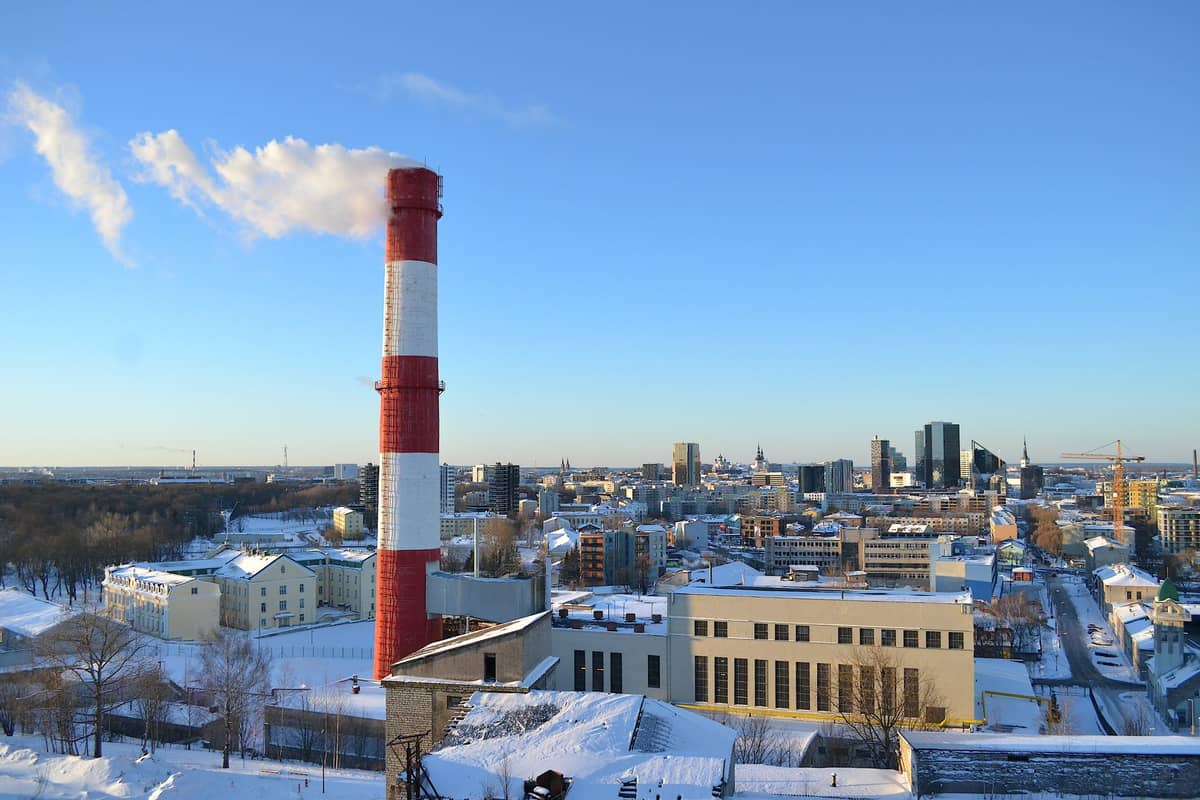
Tallinn sits at approximately 59°N on the Gulf of Finland, which gives it a humid continental climate (Köppen Dfb). That means cold, often snowy winters and mild to moderately warm summers, with precipitation spread fairly evenly across the year rather than concentrated in a rainy season. There is no single 'bad' month to visit outright, but the contrasts between seasons are significant enough to matter for trip planning.
Summer highs reach around 20-24°C in July, occasionally touching 28°C during heat waves. Winter averages sit between -2°C and 4°C, with temperatures regularly dipping below freezing from December through February. Snow is common but not guaranteed in December; January and February tend to be the coldest and snowiest months. Spring and autumn are transitional and can surprise you in either direction.
ℹ️ Good to know
Tallinn operates on Eastern European Time (EET, UTC+2) in winter and Eastern European Summer Time (EEST, UTC+3) from late March to late October. Factor this in when coordinating transport connections, particularly ferries to Helsinki.
Peak Season: June to August
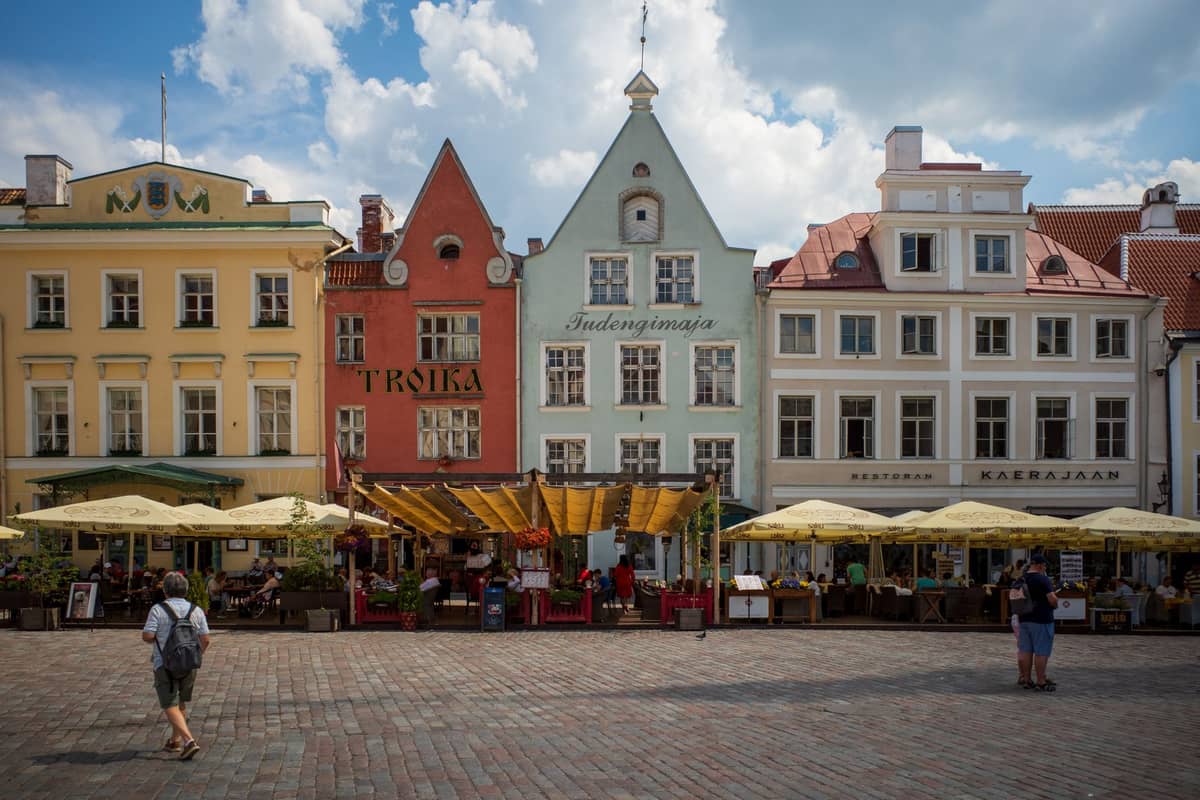
Summer is when Tallinn is at its most energetic. Daylight in June stretches to 18-19 hours, producing near-white-night conditions that let you explore Tallinn's Old Town at 10pm with light still in the sky. The medieval streetscape looks extraordinary at dusk, and outdoor terraces fill up fast. If atmosphere and event access are your priorities, summer delivers.
The trade-offs are real. Accommodation and flights run 15-30% more expensive than shoulder months, and the Old Town's narrow cobblestone lanes can feel congested on summer weekends when cruise ships disgorge passengers into Viru Gate simultaneously. The best strategy is to structure your days to hit the most visited spots early in the morning (before 9am) or in the evening, and use the long daylight hours to explore outer districts that most tourists never reach.
- Temperatures Average highs of 20-22°C in June, peaking around 22-24°C in July and August. Rain is possible throughout.
- Daylight Up to 19 hours in late June; drops to around 15-16 hours by late August. Excellent for sightseeing.
- Crowds Highest visitor numbers of the year, particularly on weekends from mid-June to mid-August.
- Prices Peak rates for hotels and flights. Budget accommodation fills quickly; book 2-3 months ahead for the best options.
- Key events Tallinn Old Town Days (June), Tallinn Music Week fringe events, and outdoor concerts at the Song Festival Grounds.
⚠️ What to skip
Cruise ship days in summer can push Old Town crowds to uncomfortable levels. Check port schedules and plan major sightseeing on non-port days, or shift your morning start to 8am before ships dock.
Shoulder Season: May and September to October
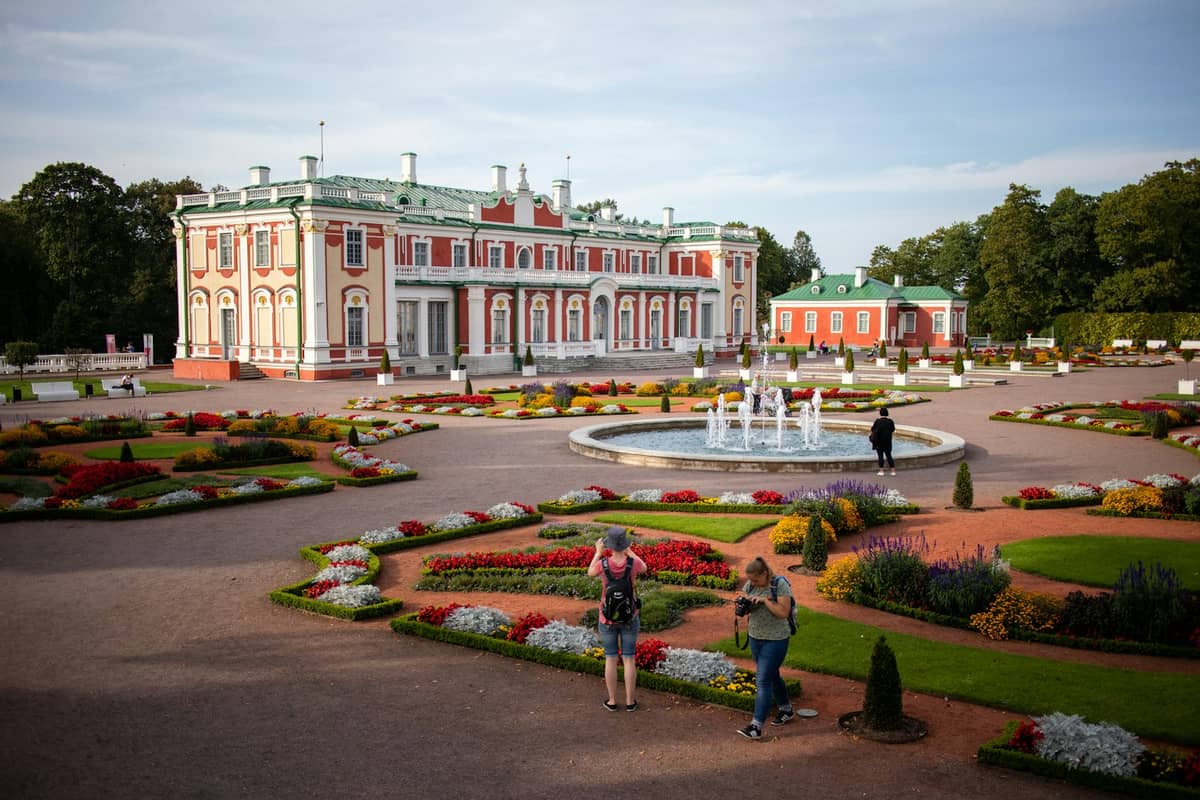
May and September are the strongest arguments for avoiding peak season entirely. Visitor numbers drop by roughly 20-40% compared to July, accommodation costs fall 15-30%, and the city's core attractions are significantly easier to enjoy. Kadriorg Park is at its best in May when the flower beds are in full bloom, and in late September when the trees turn. Either month gives you the Old Town largely to yourself on weekday mornings.
May averages around 14-16°C and feels genuinely spring-like, with enough warmth for outdoor dining but cool enough for comfortable walking. September sits at a similar range, 14-18°C early in the month, cooling toward October. Rain is possible in both months, so a waterproof layer is sensible. October gets noticeably colder and wetter, but the compensation is autumn foliage across the city's many parks and the start of lower season pricing.
April is worth considering if you're budget-focused and unbothered by unpredictable weather. Some attractions operate on reduced spring schedules in early April, so check opening hours in advance. For those who want the full picture of what to do during these months, our complete Tallinn activities guide covers what's open and worth prioritizing across seasons.
✨ Pro tip
For shoulder season travel, booking flights 6-8 weeks out and accommodation 4-6 weeks ahead is typically sufficient and gives you flexibility to watch for price drops. This is a major advantage over the 3-4 month lead time required in peak season.
Winter: November to February
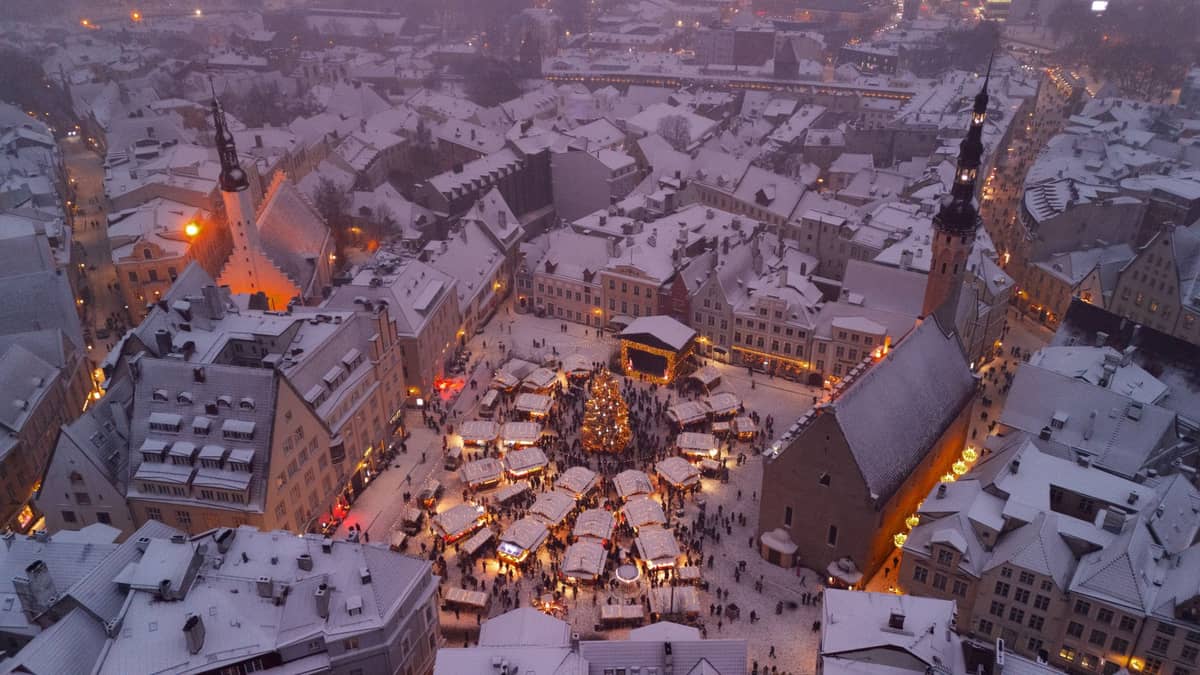
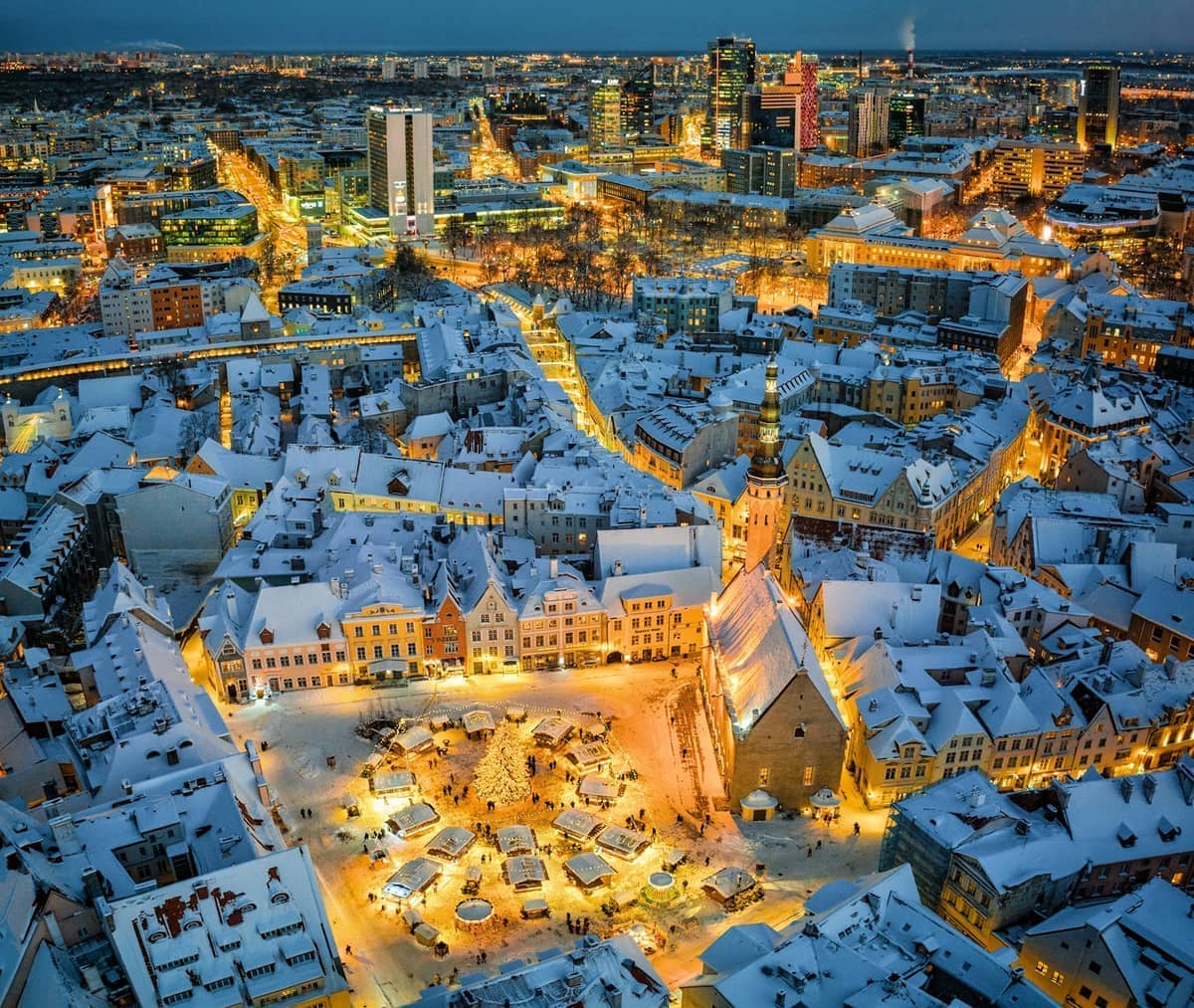
Winter in Tallinn is not a compromise option — it is a genuinely different experience worth seeking out. Snow on the medieval towers of the Old Town, frost on the cobblestones, and the Tallinn Christmas Market running from late November to late December on Town Hall Square: this combination draws visitors specifically for the season, not despite it.
Temperatures average between -2°C and 4°C from December through February, often dropping lower overnight. Daylight is limited to around 6-7 hours in December, which concentrates sightseeing into a shorter window but also creates early golden hours that photographers find valuable. Dress in proper layers: base layer, insulating mid-layer, and a windproof outer shell. Waterproof boots with grip matter on icy cobblestones.
Hotel rates in January and February often hit their annual lows, sometimes 30-40% below summer peaks. Museum queues are minimal, and indoor attractions like the Seaplane Harbour, Vabamu Museum, and KUMU Art Museum can be enjoyed at an unhurried pace. January and early February are the quietest weeks of the year, which works well for travelers who prefer depth over buzz.
- Late November to around the end of December: Christmas Market on Town Hall Square, the city's single most atmospheric winter event.
- January to February: lowest prices of the year, near-empty attractions, and a good chance of snow-covered Old Town views.
- Indoor alternatives are plentiful: Seaplane Harbour, Vabamu, KUMU, and the city's many medieval churches all operate in winter.
- Daylight is limited (around 6-7 hours in December) — build itineraries around morning light for outdoor photography.
Month-by-Month Quick Reference
Rather than vague seasonal categories, here is a month-level breakdown that maps weather, crowds, and price together so you can match your priorities to the calendar.
- January Coldest month, -3 to 1°C average. Lowest hotel prices. Quiet but limited daylight. Good for budget-focused museum visits.
- February Similar to January but days lengthen slightly. Snow likely. Still excellent value and minimal crowds.
- March Transitional. Temperatures 0-6°C, ice thaws unevenly. Prices start rising. Not the prettiest month visually.
- April 8-12°C average, unpredictable. Some attractions on reduced hours. Early spring tulips appear in Kadriorg late month.
- May 14-16°C, parks blooming, long evenings returning. Strong shoulder season pick. Crowds still manageable.
- June Up to 19 hours of daylight. Warm evenings, packed terraces. Prices jump. Book well ahead.
- July Peak month. 22-24°C, maximum daylight, maximum crowds. Best weather but highest cost and most congestion.
- August Still warm (around 22°C early month), daylight starts shortening. Slightly fewer crowds than July by late August.
- September 14-18°C, golden light, autumn colours developing. Excellent balance of comfort and value. Highly recommended.
- October Cooler (8-13°C), wetter, but foliage peaks. Prices dropping. Good for travelers who don't mind rain.
- November Cold and grey until the Christmas Market opens late in the month. Low prices, limited appeal mid-month.
- December Christmas Market runs until late December. Snow possible. Short days but high atmosphere. Prices spike around market weekends.
Practical Planning: What to Know Before You Book
Tallinn's Old Town is compact enough that most major attractions are walkable, but knowing how to structure your time matters. A two-day Tallinn itinerary works well in any season if you prioritize accordingly. In summer, pack evenings with outdoor exploration. In winter, front-load indoor attractions for the short daylight hours and use the afternoon light for viewpoints like Kohtuotsa and Patkuli.
The Tallinn Card covers public transport and entry to many museums, and its value calculation depends on your visit length and season. In summer when you spend more time outdoors, you may use fewer museums. In winter it often pays off quickly. Estonia is a Schengen Area member, so EU and EEA nationals need only a passport or national ID card; US, Canadian, Australian, and New Zealand passport holders do not need a visa for short stays, though entry rules should always be verified against current regulations before travel.
For those considering extending beyond the city, the shoulder and summer months are best for day trips from Tallinn to places like Lahemaa National Park or the coastal waterfalls. Winter day trips are possible but require more planning around daylight and road conditions.
💡 Local tip
Prices, opening hours, and event dates change annually. Always cross-check current information at visittallinn.ee before booking, particularly for the Christmas Market dates and major festival schedules which shift slightly year to year.
FAQ
What is the best month to visit Tallinn?
May and September are consistently the strongest months for most travelers. Both offer mild temperatures (around 11-16°C), manageable crowds, and accommodation costs 15-30% below peak summer rates. July is the warmest and most eventful but also the most crowded and expensive.
Is Tallinn worth visiting in winter?
Yes, particularly in late November and December when the Christmas Market runs on Town Hall Square. The snow-covered medieval Old Town is genuinely spectacular. January and February are quieter but offer the lowest prices of the year and short queues at indoor attractions like the Seaplane Harbour and KUMU. Pack warm layers and waterproof boots with grip.
How many days do you need in Tallinn?
Two full days covers the essential Old Town highlights comfortably. Three days allows you to add outer districts like Kadriorg, Kalamaja, or Pirita, plus a half-day museum deep-dive. Four or more days work well if you plan a day trip to Lahemaa National Park or want a genuinely unhurried pace.
Does Tallinn get very crowded in summer?
Yes, especially on weekends from mid-June to mid-August when cruise ship traffic adds to the regular influx of tourists. The Old Town's narrow lanes around Town Hall Square and Viru Gate can feel genuinely congested between 10am and 6pm on busy days. Arriving early (before 9am) or exploring in the evening significantly improves the experience.
What should I pack for a trip to Tallinn?
In summer, light layers plus a waterproof jacket and comfortable walking shoes for cobblestones. In winter, thermal base layers, an insulating mid-layer, a windproof and waterproof outer shell, and waterproof boots with good grip are essential. The cobblestones in Old Town become slippery when icy. In shoulder months, pack for both warm and cool days.