Tallinn in Summer: What to Do in June, July & August
Summer transforms Tallinn into its most animated version, with nearly endless daylight, major festivals, and the Old Town packed with visitors. This guide covers the climate, key events, best activities, and practical advice on crowds and pricing so you can plan a summer trip that actually works.
Plan and book this trip
Tools from our partner Travelpayouts help you compare flights and hotels. If you book through them, we may earn a commission at no extra cost to you.
Flights
Hotels map
TL;DR
- Summer (June–August) is peak season: expect the longest days, the best weather, and the highest prices and crowds.
- Daytime temperatures average 18–23°C in July, but evenings cool quickly and rain is common, so always pack layers. See our best time to visit Tallinn guide for a full seasonal breakdown.
- Around the June solstice, daylight stretches past 22:00 — not true 'white nights', but remarkably bright evenings that change the feel of the city entirely.
- Jaanipäev (Midsummer, 23–24 June) is Estonia's biggest holiday: many locals leave Tallinn, some businesses reduce hours, but the city gains a rare quietness.
- Old Town hotels sell out 2–3 months in advance in July–August. Book early, or explore accommodation options outside the Old Town for better availability and value.
What Summer Actually Feels Like in Tallinn
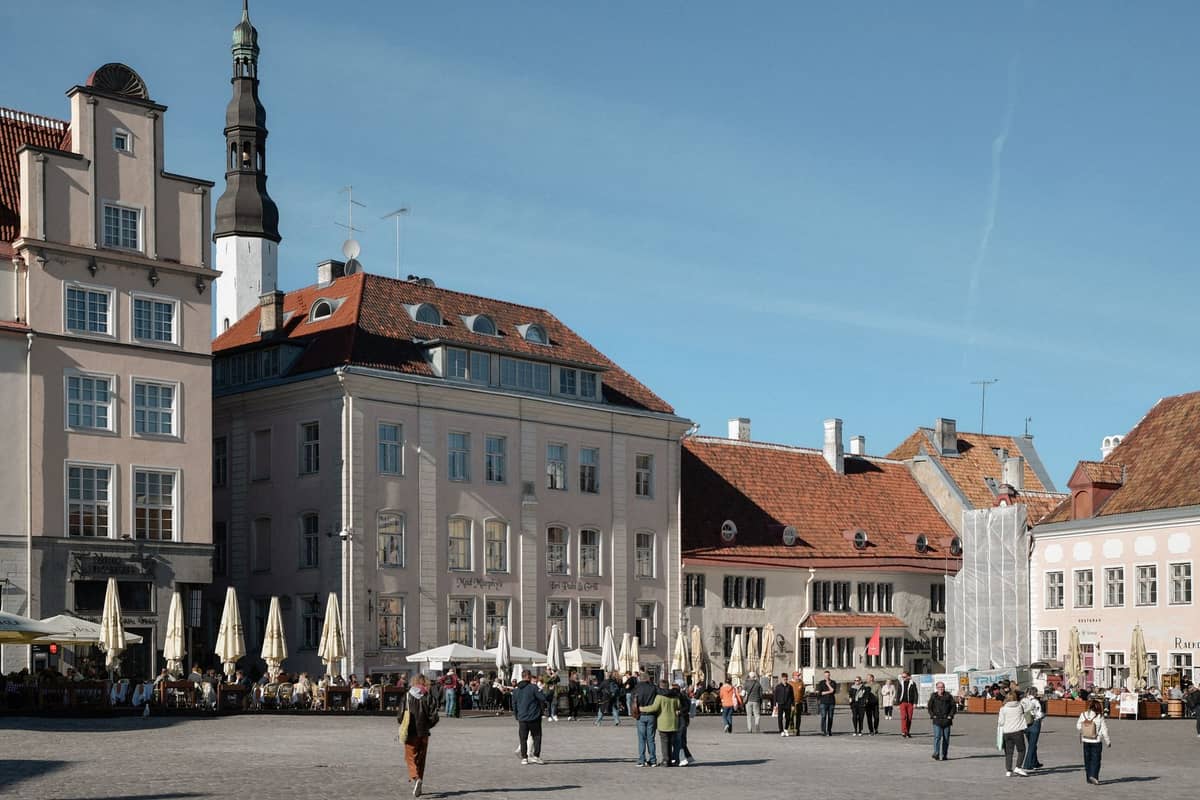
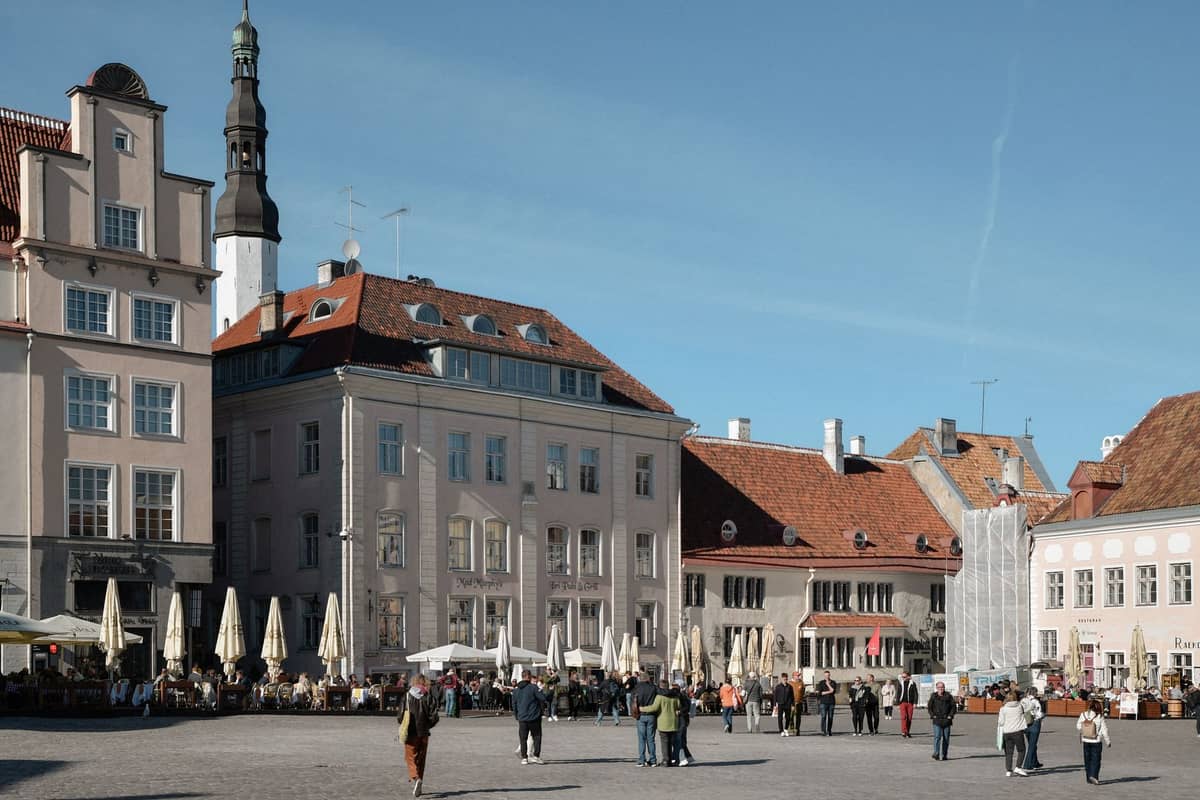
Tallinn sits at roughly 59°N, farther north than most of Canada's major cities, which gives its summer a quality you won't find in southern European destinations. In June, the sun sets after 22:30 and rises before 04:00. By mid-August, nights grow noticeably longer, but the core summer months feel lit almost around the clock. This extended daylight is one of the best reasons to visit.
Temperatures in July typically sit between 18°C and 23°C during the day, occasionally spiking into the high 20s during heat waves. It is not a hot-weather destination in the Mediterranean sense. Evenings routinely drop to 12–15°C, and rain arrives without much warning. The practical upshot: bring a light waterproof jacket and don't assume every day will be warm enough for short sleeves. The upside is that the city never gets oppressively hot, and outdoor dining and walking remain comfortable throughout the season.
⚠️ What to skip
The 'white nights' idea is a slight exaggeration for Tallinn. Unlike St. Petersburg, Tallinn still experiences short twilight periods rather than true round-the-clock light. Expect it to feel dusk-like around midnight in June, not fully dark — but also not daylight bright. Bring an eye mask if you're a light sleeper.
Summer Festivals and Events Worth Planning Around
The summer calendar is one of the strongest arguments for visiting Tallinn in June, July, or August. The events below are recurring annual fixtures, but exact dates shift year to year. Always verify on the official Visit Tallinn events calendar before booking travel around a specific festival.
- Tallinn Old Town Days (Vanalinna Päevad) — early June The Old Town fills with street performers, craft markets, and themed historical events across multiple days. Free to attend in most areas, with some paid performances. Typically the first major crowd event of the season.
- Jaanipäev (Midsummer) — 23–24 June Estonia's most important public holiday. Most Estonians leave Tallinn for countryside bonfires. The city is quieter than usual, which is actually appealing if you want the Old Town with fewer crowds. Some smaller shops and restaurants close or run reduced hours.
- Tallinn Medieval Days — usually July The Old Town transforms into a Hanseatic-style medieval fair with costumed traders, jousting, archery, and craft demonstrations. Popular with families and genuinely well-executed, though Town Hall Square gets extremely crowded at peak times.
- Birgitta Festival — late July to early August Opera and classical music performed in the open-air ruins of Pirita Convent. One of the most atmospheric cultural events in the Baltics. Tickets sell out; book well in advance through the festival's official site.
- Tallinn Fringe Festival — mid-August to mid-September Multidisciplinary performing arts spread across venues citywide, with a mix of free and ticketed shows. Less touristy in character than the medieval events, and worth looking into for theatre and contemporary performance.
✨ Pro tip
For the Birgitta Festival, book tickets the moment they go on sale — usually several months before the event. Performances at the Pirita Convent ruins are genuinely memorable, but the venue is small and good seats disappear fast. Pair it with an evening at Pirita Beach nearby.
Best Things to Do in Tallinn in Summer
Summer is the right season to combine Old Town exploration with outdoor activities that simply aren't viable in winter. The city's parks, beaches, and harbour all come into their own between June and August.
For the best views without the midday crowds, head to the Kohtuotsa viewing platform or the Patkuli viewing platform early in the morning or after 19:00, when the cruise ship day-trippers have largely cleared out. The light in late evening is extraordinary.
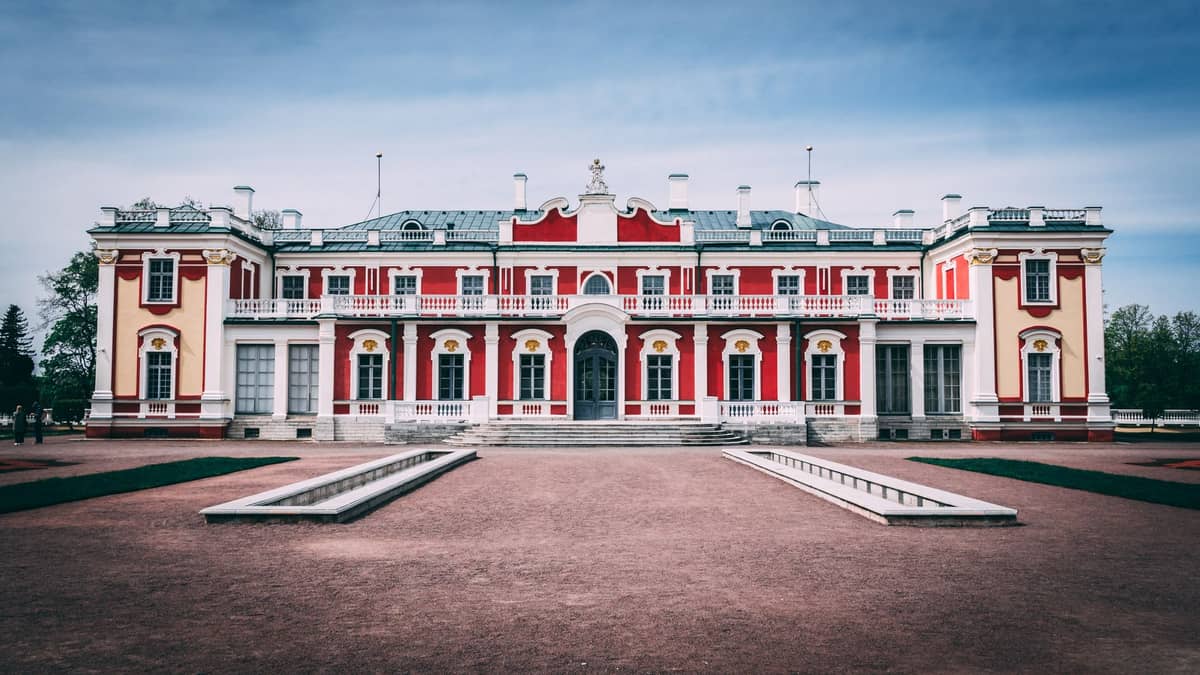
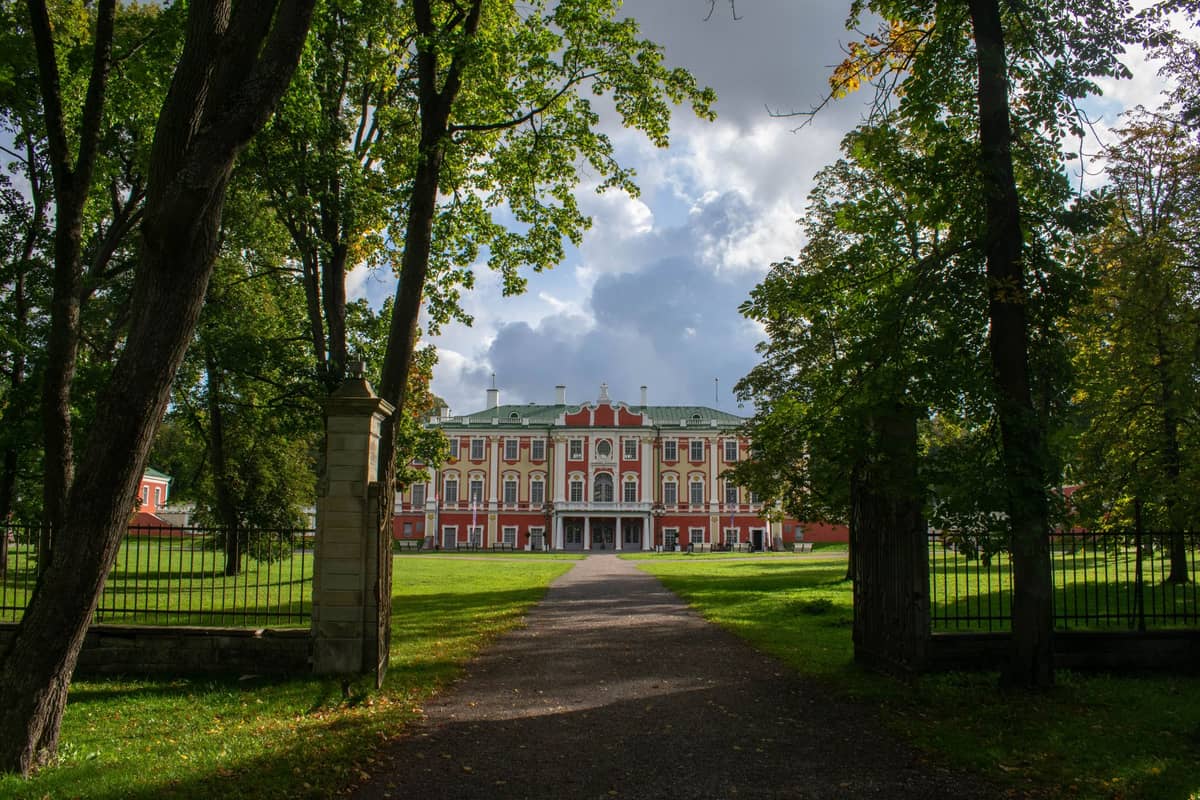
Kadriorg is at its best in summer. The formal baroque gardens surrounding Kadriorg Palace are well-maintained and free to walk through. The KUMU Art Museum sits at the top of the park and is worth at least two hours, especially if the weather turns. The walk from Old Town to Kadriorg takes around 25–30 minutes on foot, or you can take tram line 1 or 3.
Tallinn's beaches are legitimate in summer, not just token seaside spots. Pirita Beach is the most popular, with a proper sandy stretch, cafes, and calm water. Stroomi Beach in the Pelguranna district is less crowded and preferred by locals. Water temperatures in July reach around 18–20°C on good years, making it genuinely swimmable. For a full overview, check the Tallinn beaches guide.
Sunset harbour cruises run from Tallinn's Old City Harbour (Vanasadam) and are most worthwhile in June and early July when the light stays golden until well past 22:00. Book through operators directly or via ticketing platforms — prices vary, but budget around €25–45 per person for a 1.5–2 hour cruise with a drink included. Advance booking is essential on weekends. For wider day-trip options from Tallinn, see our day trips from Tallinn guide, which covers Lahemaa National Park, Rummu quarry, and the coastal areas.
- Walk the Tallinn City Wall — full circuit of the surviving towers takes about 1.5 hours
- Visit the Seaplane Harbour museum, which has indoor and outdoor exhibits and suits rainy days well
- Explore Telliskivi Creative City on a weekend morning for markets, street food, and independent shops
- Take a day trip to Lahemaa National Park, around 70 km east of Tallinn, for forest trails and manor houses
- Cycle along the coastal path from Pirita towards the Botanic Garden — rental bikes are available in the city centre
- Catch an outdoor concert at the Tallinn Song Festival Grounds, which hosts events throughout summer (some are free, others ticketed)
Crowds, Cruise Ships, and How to Work Around Them
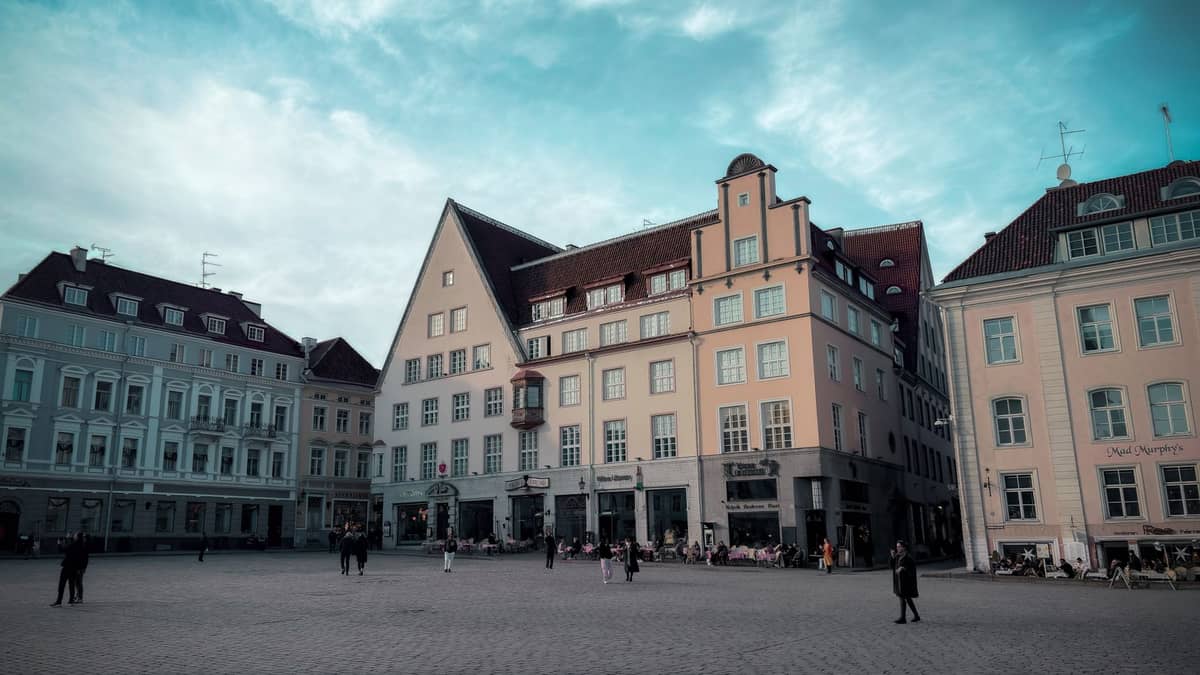
Tallinn's Old Town is a UNESCO World Heritage Site and one of the best-preserved medieval city centres in Northern Europe, which means it draws significant tourism pressure in summer. The situation is manageable if you understand the patterns.
Cruise ships dock at the passenger harbour, roughly a 15-minute walk from Town Hall Square. Ships typically arrive in the morning and passengers tour until mid-afternoon, creating a distinct peak between about 10:00 and 15:00. If you want to photograph Town Hall Square, St. Olaf's Church, or the viewpoints without crowds of people, aim for before 09:00 or after 17:00. The difference is dramatic.
The Kalamaja neighbourhood northwest of the Old Town offers a genuinely different pace. It's a working-class area turned creative district, with wooden houses, independent cafes, and the Balti Jaam Market. It's not untouched by tourism, but it doesn't feel like a medieval theme park either. Worth a half-day in any summer itinerary.
💡 Local tip
The Town Hall Pharmacy on Town Hall Square claims to be one of the oldest continuously operating pharmacies in Europe. It's worth a quick look inside even if you don't need anything — the interior fittings are original, and it doesn't cost anything to browse. Most cruise-day visitors walk right past it.
Accommodation and Pricing in Summer
July and August are the most expensive months to stay in Tallinn by a significant margin. Central Old Town hotels and boutique guesthouses regularly sell out 2–3 months in advance for peak weekends. If you're arriving without a reservation in late July, expect limited options at elevated prices.
The practical advice: book accommodation as early as you can, and consider properties in Kalamaja, Kadriorg, or the city centre just outside the Old Town walls. These areas offer better value, faster availability, and in many cases easier access to transport and restaurants. A 10-minute walk or a single tram stop separates them from the medieval core.
For a structured approach to where to base yourself, the where to stay in Tallinn guide breaks down neighbourhoods by character, price range, and proximity to key sights. If you're working with a tighter budget, the Tallinn on a budget guide has specific recommendations for keeping costs down without sacrificing the experience.
Planning Your Itinerary for Summer
Two days is enough to cover the Old Town properly and see Kadriorg. Three days lets you add a beach, a day trip, and one or two evening events. For a day-by-day structure, the 2 days in Tallinn itinerary and the 3 days in Tallinn itinerary are good starting points to adapt around whatever summer events are running during your visit.
One practical note on the Tallinn Card: it bundles free public transport with entry to many major museums and some attractions. In summer, when museum queues are longer and you're likely to use transport more, it often pays off over two or more full days. Run the numbers against your planned itinerary before buying.
If you're travelling with children, Tallinn works well in summer. The outdoor spaces, the medieval events, and attractions like the Seaplane Harbour and Tallinn Zoo are all well-suited to families. See the dedicated Tallinn with kids guide for age-specific recommendations.
FAQ
Is Tallinn hot in summer?
Not by southern European standards. July averages 18–23°C during the day, with occasional warmer spells reaching the high 20s. Evenings regularly drop to 12–15°C and rain is common. Pack layers and a light waterproof jacket regardless of the forecast.
How long does it stay light in Tallinn in summer?
Around the June solstice, the sun sets after 22:30 and rises before 04:00, giving roughly 18–19 hours of daylight. It doesn't get truly dark — more of a deep twilight around midnight. By late August, nights return to something more normal. This extended light is one of the best things about a summer visit.
What is Jaanipäev and how does it affect travel?
Jaanipäev (St. John's Day) falls on 23–24 June and is Estonia's major midsummer holiday. Most Tallinn residents leave the city to celebrate in the countryside with bonfires and gatherings. The Old Town is noticeably quieter, which can be a plus for tourists, but some smaller businesses and restaurants may close or run reduced hours around those dates.
When should I book accommodation for a summer visit to Tallinn?
For July and August, booking 2–3 months in advance is strongly advisable for Old Town hotels and popular guesthouses. Weekends during festival periods sell out fastest. If you're booking later, look at properties in Kalamaja or near Kadriorg — good availability and often better value.
Is Tallinn worth visiting in summer despite the crowds?
Yes, but with adjusted expectations. The Old Town is genuinely busy, especially when cruise ships are in port (typically 10:00–15:00). The solution is to shift your Old Town time to early morning or evening, and use the afternoons for beaches, parks, and neighbourhoods like Kalamaja that don't follow the cruise-day peak. Summer is also when the festivals, outdoor events, and long evenings make Tallinn at its most atmospheric.