Where to Stay in Tallinn: Best Areas & Hotels (2026 Guide)
Tallinn divides neatly into distinct neighbourhoods, each with a different atmosphere, price point, and trade-off. This guide breaks down every major area so you can choose the right base for your trip, whether you want cobblestones and cathedral views or hip cafés and local pricing.
Plan and book this trip
Tools from our partner Travelpayouts help you compare flights and hotels. If you book through them, we may earn a commission at no extra cost to you.
Flights
Hotels map
TL;DR
- Old Town (Vanalinn) is the best base for first-time visitors and short trips, but it carries the highest prices and the most tourist foot traffic.
- Kalamaja and Telliskivi offer genuine local character, lower nightly rates, and easy tram access to the centre. See what the area looks like in our guide to Kalamaja.
- Kadriorg suits families and culture-focused travellers; Pirita is the summer beach pick.
- Book Old Town hotels at least 6-8 weeks ahead for summer (June-August) and December. Outside those windows, Tallinn rarely sells out.
- Public transport in Tallinn is reliable enough that staying outside Old Town is a genuine option. Check our getting around Tallinn guide for routes and fares.
How to Choose Where to Stay in Tallinn
Tallinn is a compact city of roughly 160 square kilometres on the Gulf of Finland, with a population of around 454,000. The distances between neighbourhoods are short, and the municipal bus, tram, and trolleybus network covers all the main visitor areas. That means your neighbourhood choice comes down to atmosphere and price as much as convenience. Unlike some European capitals where location is everything, staying 2-3 kilometres outside Old Town in Tallinn still puts you within 10-15 minutes of the main sights.
Prices peak hard in two windows: June through August, when daylight stretches past 10pm and the outdoor terraces fill up, and December, when the Christmas market draws visitors from across Northern Europe. Outside those periods, Tallinn is genuinely affordable. A mid-range hotel room in Old Town during shoulder season (April-May or September-October) can run 30-40% cheaper than the same room in July. Budget travellers willing to stay in Kalamaja or Kesklinn can find solid options at 50-70 EUR per night when central hotels charge twice that.
💡 Local tip
Tallinn uses the Euro (EUR). All major cards are accepted almost everywhere, including small cafés and market stalls. Contactless payment is standard. There is no practical need to carry large amounts of cash.
Old Town (Vanalinn): The Classic Choice
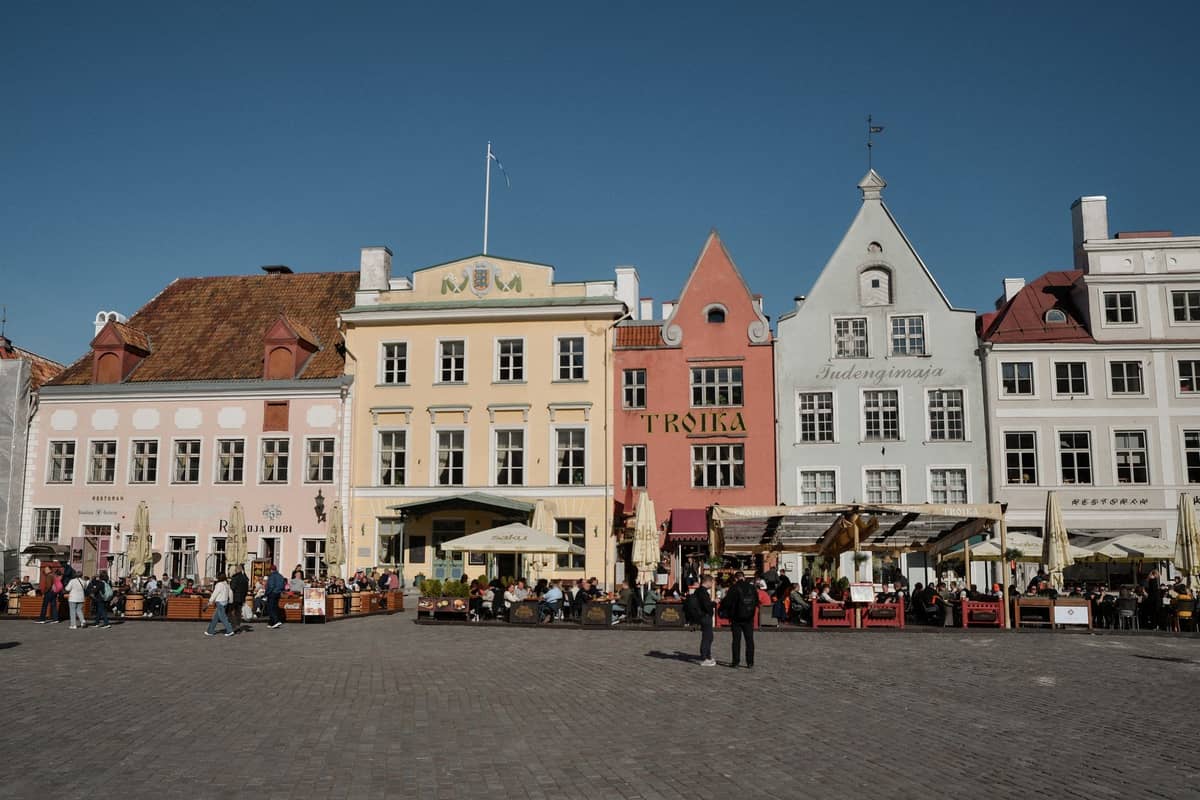
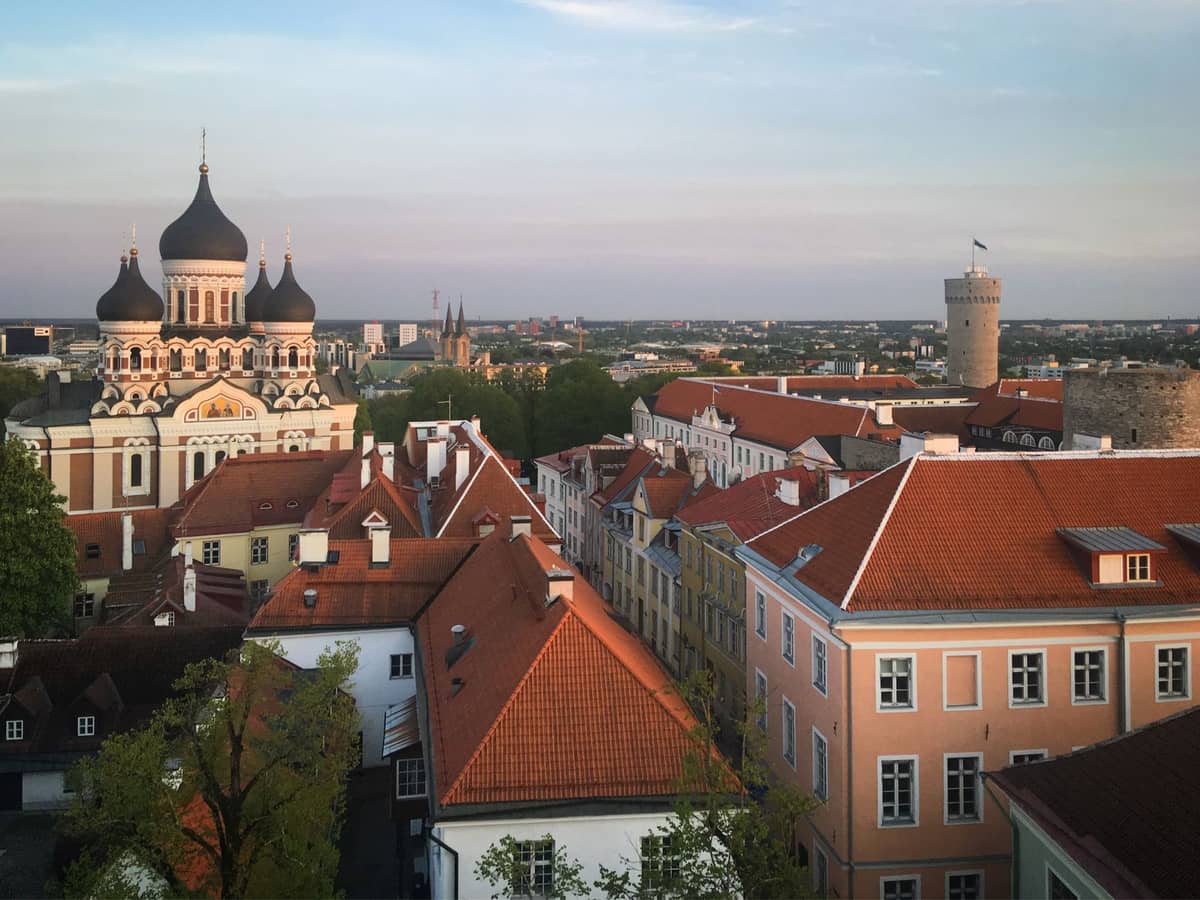
Old Town is Tallinn's UNESCO World Heritage-listed medieval core, and it earns its reputation. The Town Hall and Viru Gate are a short walk from most hotels here. Cobbled streets, Gothic towers, and the atmosphere of a genuinely preserved 13th-15th century city are hard to match. For first-time visitors on 2-3 day trips, staying inside the walls removes all logistical friction: you walk out of your door and you are already there.
The trade-off is real, though. Old Town gets crowded from late spring through early autumn, and the streets around Town Hall Square fill with tour groups from late morning until early evening. Restaurant prices in the very centre carry a tourist premium. Accommodation ranges from dormitory-style hostels to boutique luxury hotels in restored medieval buildings. The upper-mid and luxury end of that spectrum (100-250+ EUR per night in peak season) represents good value for what you get architecturally, but comparable comfort costs noticeably less in Rotermann or Kesklinn.
- Best for First-time visitors, short city breaks, travellers who want everything walkable, couples on romantic trips
- Price range (per night) Budget hostels from around 20-30 EUR per dorm bed; mid-range doubles 80-150 EUR; boutique/luxury 150-300+ EUR in peak season
- Transport Mostly walkable within Old Town; trams and buses at Viru or A. Laikmaa stops connect to the wider city
- Watch out for Noise on Friday and Saturday nights near the main streets; some streets are uneven cobblestone that is hard on wheeled luggage and uncomfortable with mobility issues
Rotermann Quarter & Kesklinn: Modern Comfort, Smart Location
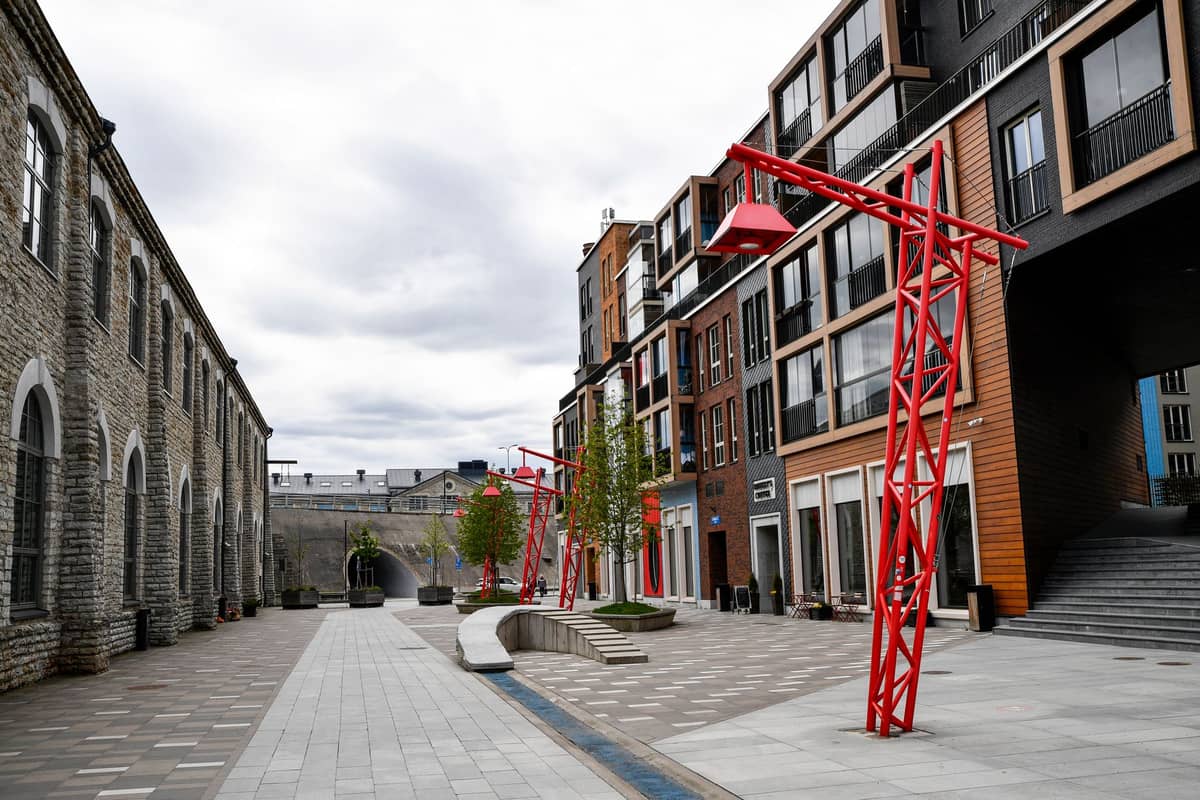
The Rotermann Quarter sits between Old Town and the port, a five-minute walk from Viru Gate. It is Tallinn's most architecturally interesting modern district, built around converted 19th-century limestone warehouses that now house restaurants, design shops, and contemporary hotels. Kesklinn (the broader city centre) extends outward from here and includes the main commercial streets around Viru and the bus station area.
For business travellers or anyone who wants reliable hotel infrastructure, fast Wi-Fi, and a gym without paying Old Town boutique rates, Kesklinn and Rotermann deliver. Design hotels here tend to offer larger rooms and more modern amenities than their medieval-district counterparts. The ferry terminals for Helsinki are also within walking distance, which matters if you are combining Tallinn with a trip across the Gulf.
✨ Pro tip
If you are arriving by ferry from Helsinki, staying in Rotermann or Kesklinn saves you from dragging luggage through Old Town's uneven cobblestones. Most hotels here are 5-10 minutes flat walk from the D-terminal at Tallinn Passenger Port.
Kalamaja & Telliskivi: The Local Neighbourhood Pick
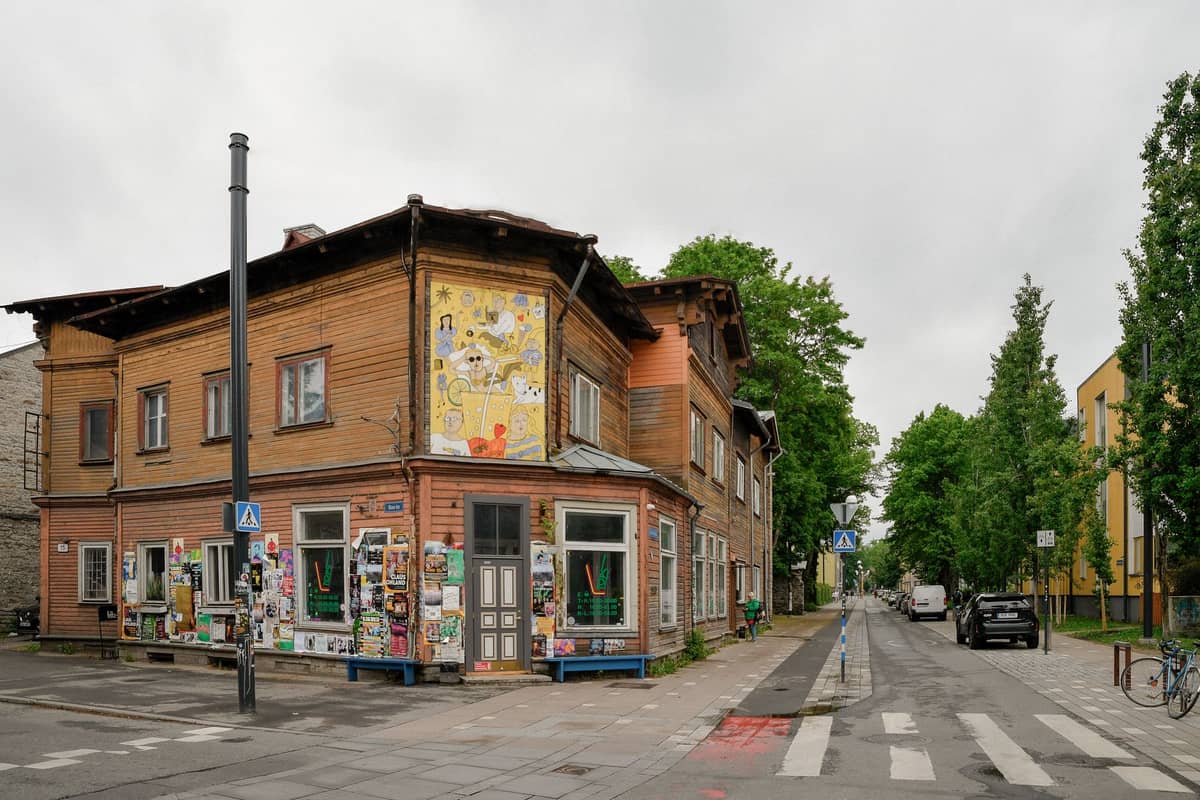
Kalamaja is the neighbourhood that Tallinn residents actually live in, and its reputation has grown steadily over the past decade. Wooden houses painted in faded pastels, independent coffee roasters, natural wine bars, and the Telliskivi Creative City complex form its backbone. The area sits northwest of Old Town, roughly 1.5-2 kilometres from Viru Gate, and bus lines run directly into the city centre.
Accommodation here leans toward boutique guesthouses, apartments, and smaller hotels rather than international chains. Nightly rates are noticeably lower than Old Town equivalents, and you get a more authentic read on how Tallinn actually functions. The Seaplane Harbour maritime museum is a 10-minute walk, which makes Kalamaja a logical base if that is on your itinerary. The main downside is that the area has fewer hotel beds overall, so options are more limited than in the centre.
Noblessner, the regenerated industrial waterfront just north of Kalamaja, adds harbour views and a growing restaurant scene to the mix. It is still developing but already worth considering, particularly for longer stays. Read more about the Noblessner waterfront area for current dining and leisure options.
Kadriorg: Quiet, Green, and Family-Friendly
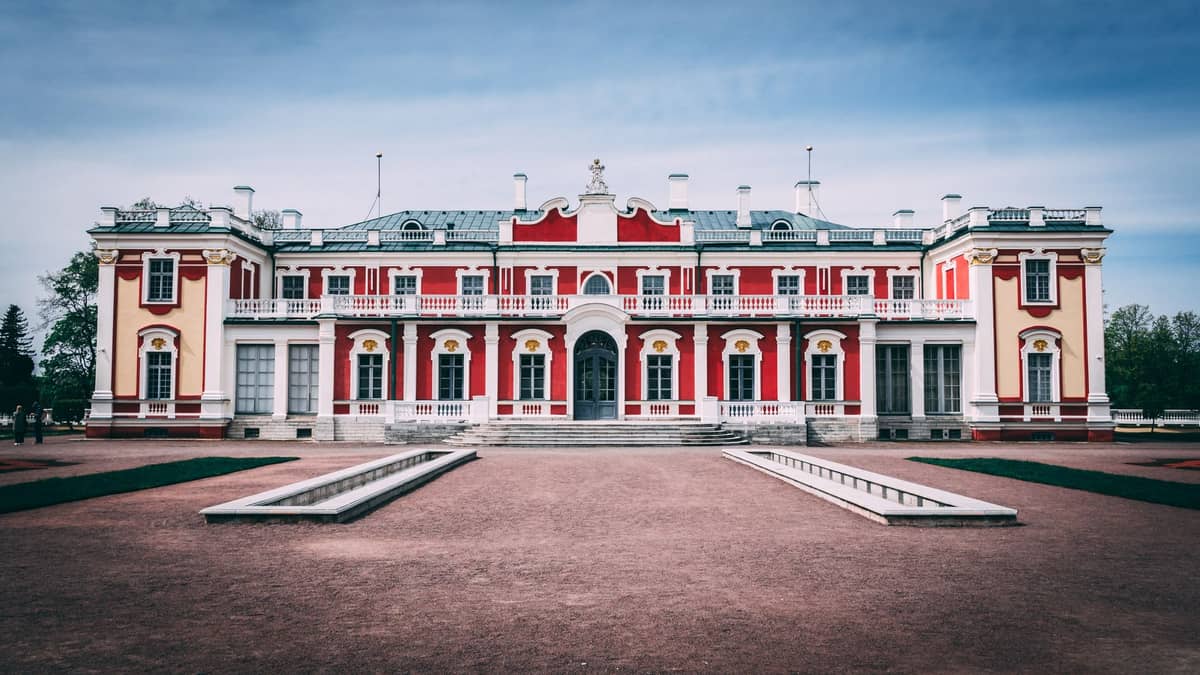
Kadriorg sits roughly 2 kilometres east of Old Town, and it is the most residential of Tallinn's visitor neighbourhoods. The centrepiece is Kadriorg Park, a formal baroque park built by Peter the Great in the early 18th century, which surrounds Kadriorg Palace and connects to the KUMU Art Museum, Estonia's national art gallery.
Families with children do well here. The park is large and safe, the pace is slower than Old Town, and the neighbourhood has good cafés and local restaurants that are not oriented around tourist turnover. A tram runs along Narva maantee directly into the city centre, so access is straightforward. Hotel density is lower than in central areas, but the accommodation that exists tends toward guesthouses and apartment rentals with more space per euro. Note that Kadriorg is quieter in winter, when the park loses some of its appeal; it shines from April through September.
Pirita: The Summer Beach Base
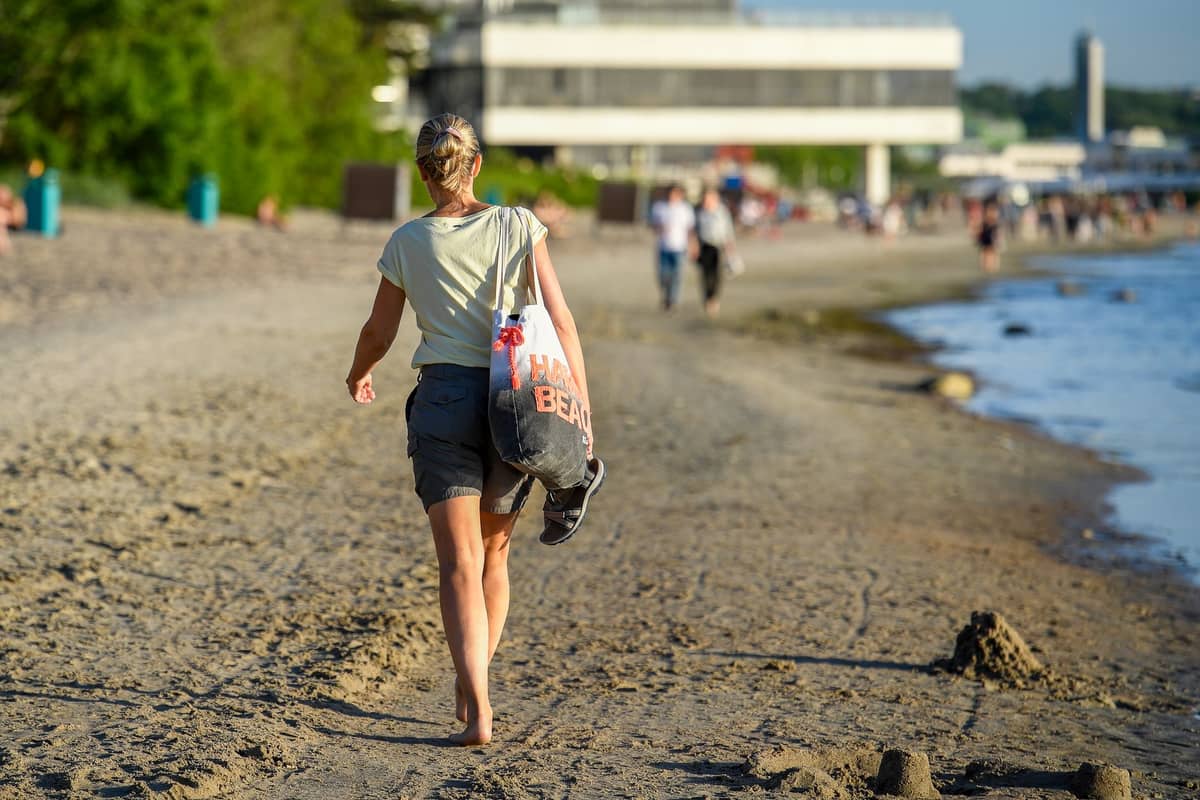
Pirita is Tallinn's seaside suburb, about 5-6 kilometres northeast of Old Town along the coast. Pirita beach is the city's main sandy stretch, and from June through August the area fills with locals and visitors making the most of Baltic summer. The marina, the ruins of Pirita Convent, and access to forest trails make it a legitimate base for anyone prioritising outdoor time.
Outside summer, Pirita is a quiet suburb with limited after-dark options, and the bus connections to the centre, while functional, take 20-25 minutes. It is not a good pick for winter visits or for anyone with a packed sightseeing schedule. But for a summer trip focused on beach time, cycling, and occasional forays into the city, it works well. Hotels here tend to be larger and more resort-style than boutique Old Town properties.
⚠️ What to skip
Pirita in winter is genuinely isolated for visitors. Most restaurants reduce hours or close, the beach is empty, and bus frequency drops. If you are visiting November through March, base yourself in Old Town, Kesklinn, or Kalamaja instead.
Practical Tips for Booking Your Tallinn Stay
Tallinn's main airport, Lennart Meri Tallinn Airport (IATA: TLL), is approximately 4 kilometres southeast of the city centre. Bus connections run into the centre, and taxis or Bolt ride-hailing are widely available. The city's public transport system, covering trams, buses, and trolleybuses, uses a Smartcard (Ühiskaart) system. Tickets can also be bought from bus and trolleybus drivers with cash. Route and schedule information is at transport.tallinn.ee.
- Book Old Town accommodation 6-8 weeks ahead for July, August, and the first two weeks of December.
- Shoulder season (April-May, September-October) offers the best combination of reasonable prices and good weather for walking the city.
- Apartments booked through short-term rental platforms often represent better value than hotels for stays of 3+ nights, particularly in Kalamaja and Kadriorg.
- Check whether your hotel includes breakfast: in Old Town mid-range properties, it often adds 10-15 EUR per person and is sometimes not worth it given the density of good cafés nearby.
- The Tallinn Card covers public transport and museum entry; if you are staying outside Old Town and need to use transport daily, factor this into your accommodation-versus-location calculation.
For a detailed itinerary that accounts for where you are sleeping, the 2 days in Tallinn guide and 3 days in Tallinn itinerary both sequence sights by neighbourhood, making it easier to see which base makes most sense for your schedule.
Budget travellers should read the Tallinn on a budget guide alongside this one. Accommodation is usually the largest single cost on a Tallinn trip, and choosing Kalamaja or Kesklinn over Old Town can free up 30-50 EUR per night for food, museums, and day trips.
FAQ
Is it worth staying in Tallinn Old Town, or is it too touristy?
Old Town is worth it for first-time visitors on short trips, because the walkability and atmosphere are genuinely good. If you have been before, or you are staying more than 3-4 days, Kalamaja or Kadriorg offer a more realistic picture of the city at lower prices. Old Town does get crowded with day-trippers mid-morning to early evening, but it quietens down noticeably after 7-8pm.
What is the best area to stay in Tallinn for families?
Kadriorg is the strongest choice for families. The park is large and safe, the pace is relaxed, and the tram into the centre is direct. Kalamaja also works well for families who want a local neighbourhood feel with good food options nearby.
How far is the airport from the city centre, and where should I stay if I have an early flight?
Tallinn Airport (TLL) is about 4 kilometres southeast of the centre. The drive or Bolt ride takes 10-15 minutes outside rush hour. Kesklinn and the city centre are the most practical bases if you have an early departure; Old Town adds only a few minutes and is still very manageable.
When is the cheapest time to book a hotel in Tallinn?
Late autumn (November) and the quieter parts of winter (January-February, outside New Year) consistently offer the lowest hotel rates. Spring (April-May) is the sweet spot for price and weather, particularly for Old Town stays where summer rates can be 50-80% higher.
Is public transport in Tallinn good enough to stay outside the Old Town?
Yes, reliably so. Trams connect Kalamaja, Kadriorg, and Kesklinn to the centre in 10-20 minutes. Buses extend coverage to Pirita. The Smartcard system is easy to use, and tickets are inexpensive. Staying outside Old Town does not mean compromising access to the main sights.