Tallinn on a Budget: How to Visit Estonia's Capital for Less
Tallinn is one of Northern Europe's most rewarding cities for budget travelers. Between its largely free medieval Old Town, weekday lunch deals, and efficient public transport, a comfortable visit is achievable for €32-45 per day. This guide covers exactly where to save and what's genuinely worth paying for.
Plan and book this trip
Tools from our partner Travelpayouts help you compare flights and hotels. If you book through them, we may earn a commission at no extra cost to you.
Flights
Hotels map
TL;DR
- Budget travelers can realistically spend €32-45 per day in Tallinn, covering a hostel dorm, public transport, and good food.
- The medieval Tallinn Old Town is a UNESCO World Heritage Site with almost no entry fees, making it ideal for low-cost sightseeing.
- The Tallinn Card (€45 for 24 hours in 2026) only saves money if you're visiting several paid attractions in a single day.
- Tallinn is almost entirely cashless, so a contactless Visa or Mastercard is all you need.
- Book accommodation early and avoid event weekends like Tallinn Music Week and Old Town Days, when prices spike significantly.
What Does Tallinn Actually Cost? A Realistic Daily Budget
Tallinn sits in an interesting middle ground for European travel. It's significantly cheaper than Helsinki or Stockholm, but no longer the bargain destination it was a decade ago. That said, with some planning, a budget traveler can cover accommodation, food, transport, and solid sightseeing for around €32-45 per day.
- Budget traveler (hostel dorm, market meals, public transport) €32-45 per day
- Mid-range (private room, café lunches, occasional museum entry) €70-110 per day
- Comfortable (boutique hotel, restaurant dinners, guided tours) €150-200+ per day
The biggest lever you have is accommodation. Hostel dorms in Tallinn run €15-25 per night, while budget private rooms start around €45-60. Food costs are highly variable: a sit-down dinner in the Old Town tourist zone can easily cost €20-30 per person, but the same quality meal is available for €7-12 at a lunch-special restaurant or local market. Knowing where to eat makes a bigger difference to your daily spend than almost anything else.
⚠️ What to skip
Accommodation prices rise sharply during major events. Tallinn Music Week (typically April), Old Town Days (June), and the Black Nights Film Festival (November) can push hostel prices up by 30-50%. Check your dates against the events calendar before booking.
Free and Low-Cost Sightseeing in Tallinn
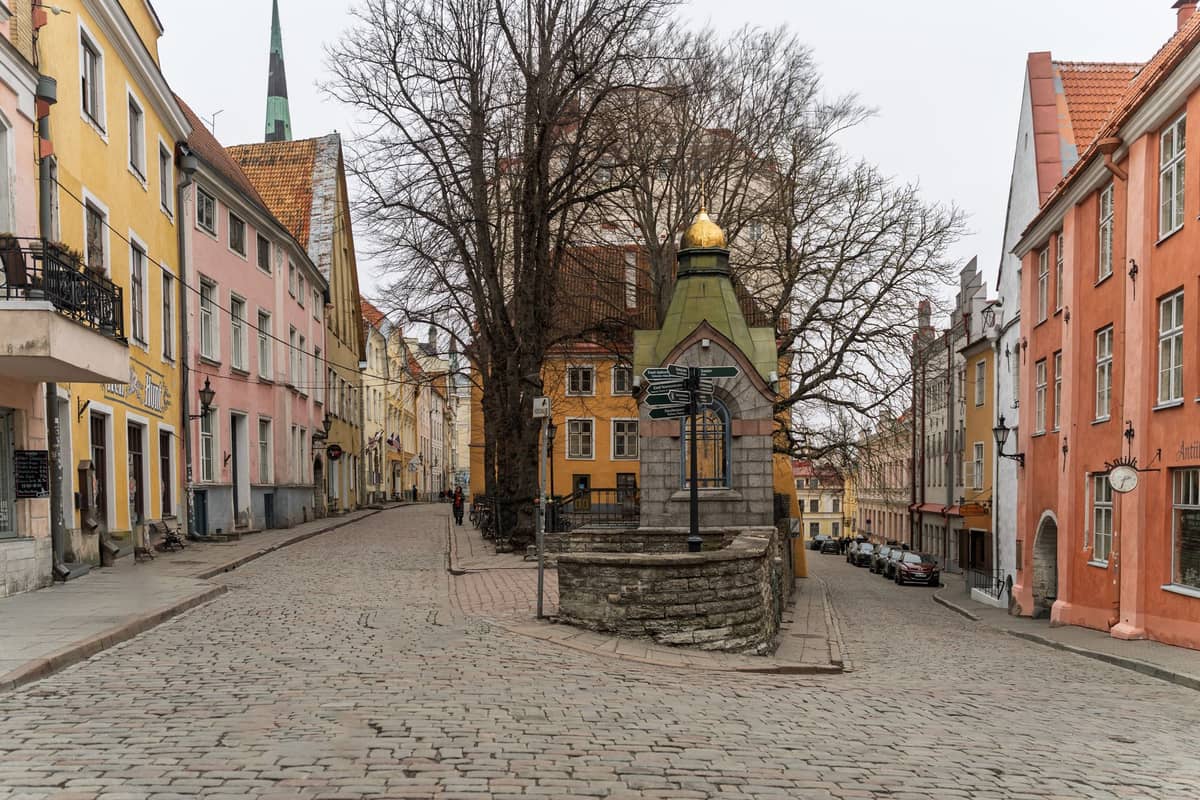
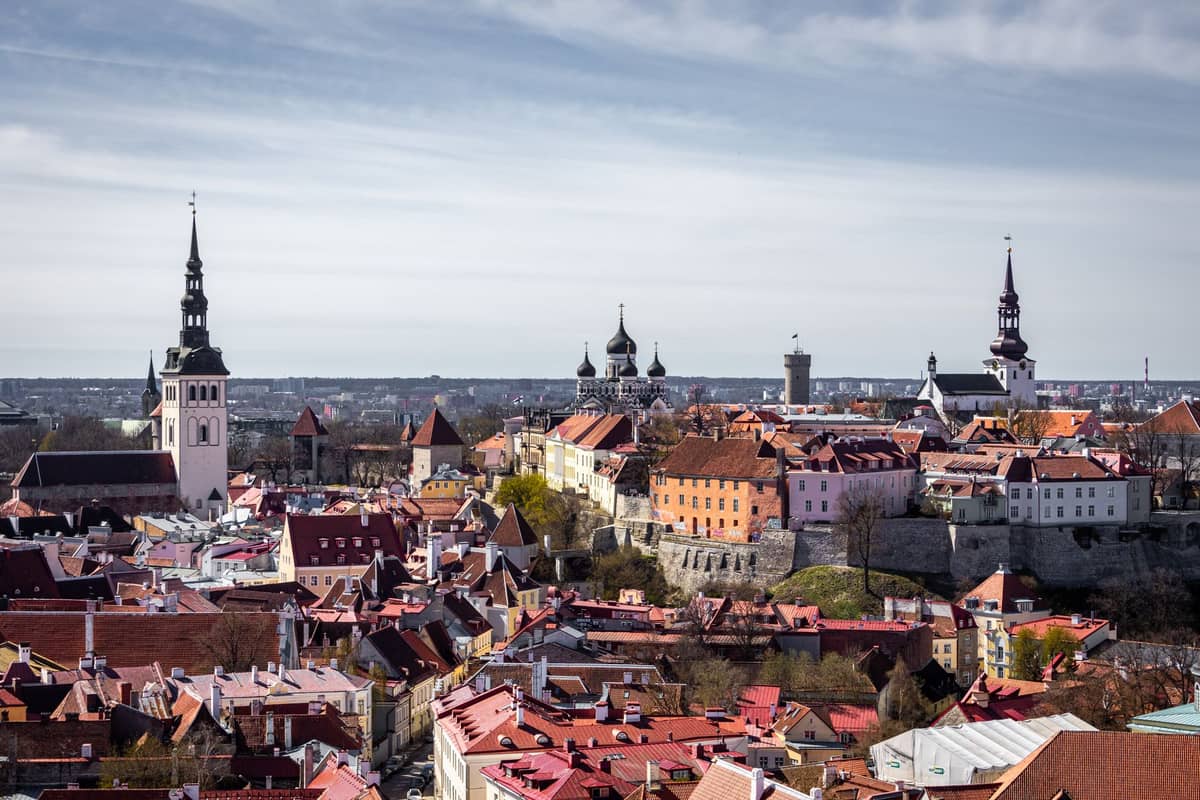
The single best free activity in Tallinn is simply walking around the Old Town. The entire walled medieval district, a UNESCO-listed medieval city and one of the best-preserved in Europe, is freely accessible. You're not paying to enter a theme park; you're walking centuries-old streets that happen to still function as a living city. Start at Viru Gate and work your way up to Toompea Hill without spending a cent.
- Kohtuotsa and Patkuli viewing platforms on Toompea Hill: both free, both offer sweeping Old Town rooftop views
- Alexander Nevsky Cathedral: free entry to this striking Orthodox cathedral on Toompea
- St. Olaf's Church courtyard and exterior: free; tower entry costs a small fee (worth it for the view)
- Kadriorg Park: the full park grounds are free; the palace interior charges entry
- Tallinn Song Festival Grounds: free to walk around outside of event days
- Kalamaja neighborhood street art and wooden architecture: entirely free to explore on foot
- Stroomi Beach and Pirita Beach: both free, accessible by public transport
The Kadriorg Park area deserves particular attention for budget travelers. The park itself is free, the Russalka Memorial on the seafront is free, and the walk between Kadriorg and the Pirita coastline costs nothing. The full list of free things to do in Tallinn is longer than most visitors expect.
✨ Pro tip
The best free viewpoints in Tallinn are on Toompea Hill. Both the Kohtuotsa and Patkuli platforms are free, unobstructed, and far less crowded than paid observation decks. Early morning visits (before 9am) mean almost no other tourists in the frame.
Is the Tallinn Card Worth Buying?
The Tallinn Card costs €45 for 24 hours (2026 pricing) and includes unlimited public transport plus free entry to a long list of museums and attractions. On paper it looks like a great deal. In practice, it depends entirely on how you plan your day.
To break even on a 24-hour card, you'd need to visit enough paid attractions to exceed €45 in entry fees within a single day. That's achievable if you're combining the Seaplane Harbour (around €16-18 entry), Kumu Art Museum (around €10-12), and using public transport several times. But if you're spending most of your time walking the Old Town, visiting free viewpoints, and eating at markets, the card simply won't pay off.
- Card makes sense if: You're visiting 3+ paid museums in one day, using public transport frequently, and covering a lot of ground
- Card does NOT make sense if: Your itinerary focuses on free Old Town walking, viewpoints, beaches, or parks
- Best value card pairing: Seaplane Harbour + Kumu + public transport all day = likely breaks even or saves money
Eating Well Without Spending Much
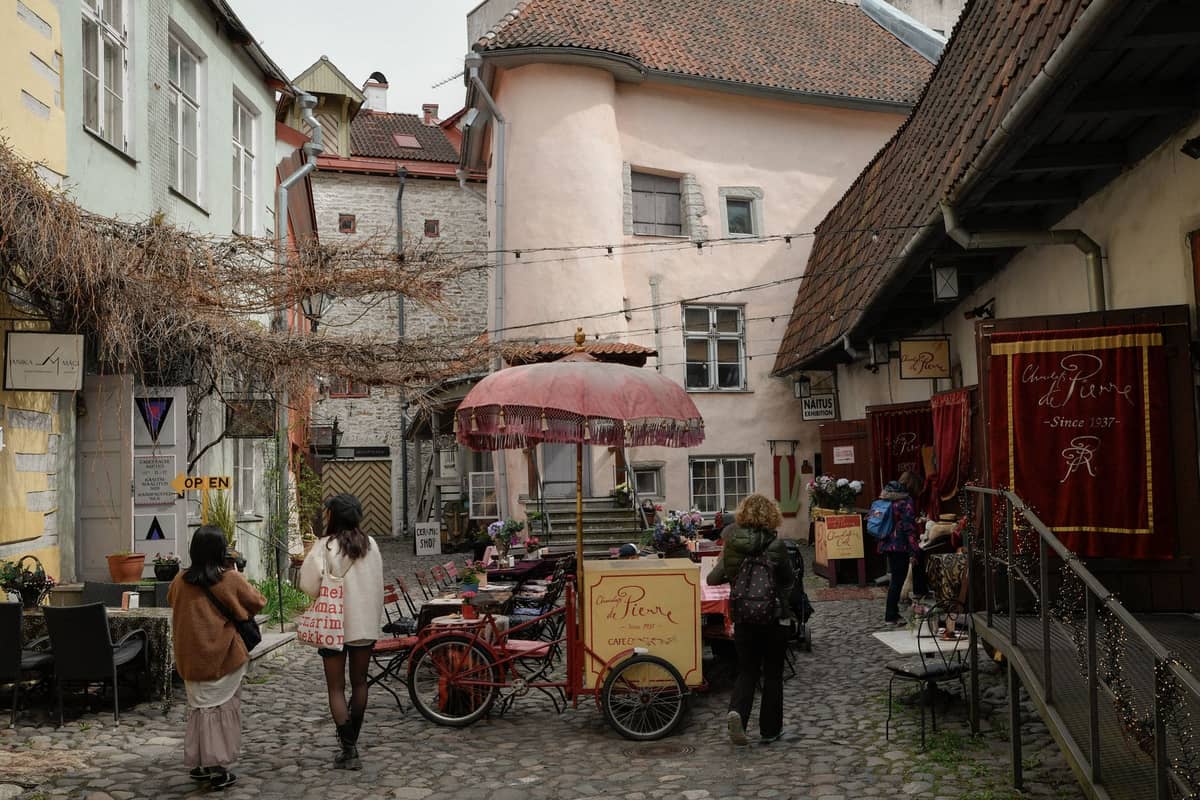
Food in the Old Town tourist corridor is, bluntly, overpriced for what you get. A bowl of soup and bread near Town Hall Square can cost €10-14. Walk two streets outside the tourist zone and the same quality costs €5-8. The price differential is real and consistent.
The most reliable budget strategy is the weekday lunch special. Tallinn restaurants across the city centre and Old Town offer a set lunch menu (often called päevapraad, or daily special) on weekdays, typically between 11am and 3pm. These usually include soup, a main course, and bread for €6-10. Visit Tallinn officially highlights these offers as one of the best ways to eat well without overspending.
For even cheaper eating, the Balti Jaam Market near the train station is the right call. Hot food stalls serve filling Estonian and Russian-influenced dishes for €3-6. It's unpretentious, local, and a far better use of your food budget than a tourist-facing Old Town café. The Kalamaja neighborhood also has a growing selection of affordable cafés that cater more to locals than visitors.
- Weekday päevapraad (daily lunch special): €6-10 for a full meal, available across the city centre
- Balti Jaam Market food stalls: €3-6 for hot dishes, very local crowd
- Supermarkets (Rimi, Maxima, Selver): stock up on bread, cheese, smoked fish, and local dairy for €5-8
- Avoid: restaurants directly on Town Hall Square, where you are paying for location, not food quality
💡 Local tip
Tallinn is almost entirely cashless. You don't need to visit an ATM or carry euros in coin. Contactless Visa and Mastercard payments work everywhere from street food stalls to tram ticket validators. This also means no need to pay ATM withdrawal fees.
Getting Around Tallinn Cheaply
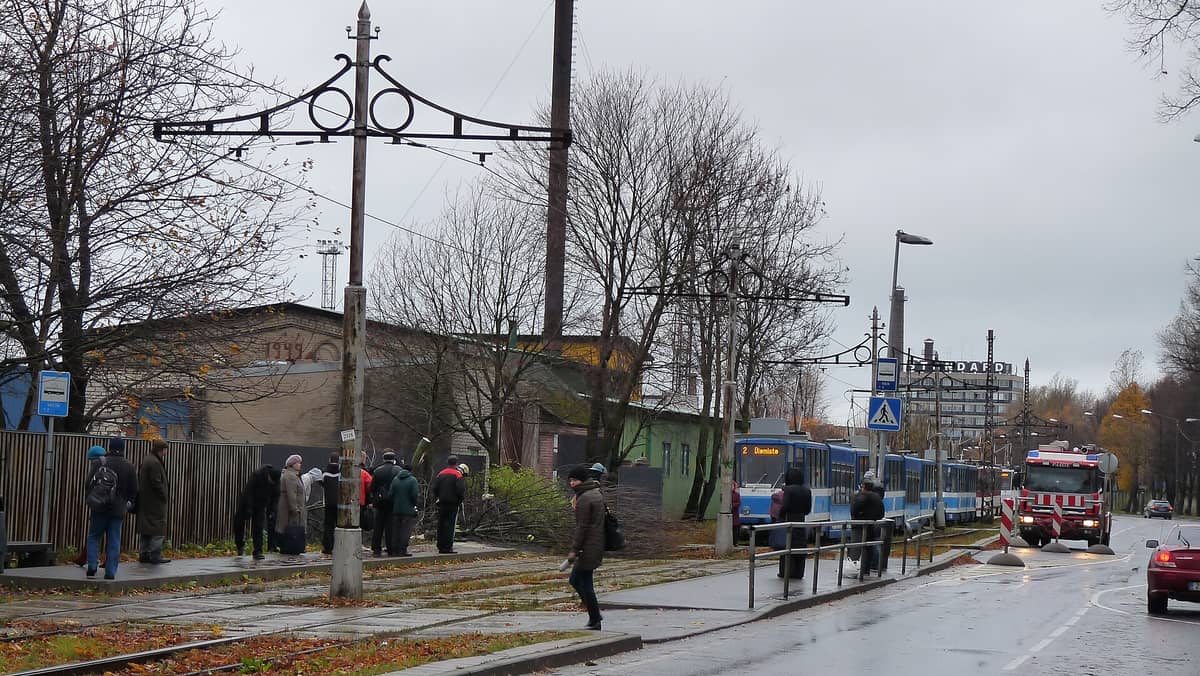
Tallinn's public transport network covers buses, trams, and trolleybuses, and connects the Old Town area to neighborhoods like Kadriorg, Kalamaja, Pirita, and the TV Tower with reliable frequency. For most tourist purposes, the system is completely adequate and considerably cheaper than taxis.
Single tickets can be purchased from the driver for cash, but the smartest option is to pay via contactless bank card directly on the validator, which gives you a cheaper per-ride rate. The Smartcard (Ühiskaart) is the local prepaid option if you're staying longer. For a full breakdown of routes and transport options, see the guide to getting around Tallinn.
For the Old Town itself, you won't need any transport at all. The entire historic center is walkable, and most of the top sights are within 15 minutes on foot from Viru Gate. Taxis and ride-hailing apps like Bolt are available and reasonably priced by Western European standards, but they're genuinely unnecessary unless you're heading to outer neighborhoods late at night.
If you're planning day trips, book intercity buses early. Lux Express connects Tallinn to Tartu, Riga, and other Baltic cities, and fares are dynamic: the same ticket that costs €22 the day before departure can be €7 if booked a week in advance. The difference is significant on a tight budget.
When to Visit for the Best Value

Budget travel in Tallinn isn't just a winter strategy. Shoulder season, roughly April to May and September to October, offers a strong combination of reasonable accommodation prices, manageable crowds, and decent weather. Summer (June to August) is beautiful but brings higher prices and busy weekends. For a deeper look at the trade-offs, the best time to visit Tallinn guide breaks it down by month.
Winter is genuinely worth considering for budget visitors who don't mind cold. Tallinn's Christmas market on Town Hall Square is one of the oldest and most atmospheric in the Baltic region, and accommodation outside the peak Christmas week is often at its lowest annual price. The Old Town looks exceptional in snow, and the tourist crowds thin out noticeably after early January.
ℹ️ Good to know
Estonia is part of the Schengen Area and the European Union. Visitors from the EU, EEA, USA, Canada, Australia, and New Zealand do not need a visa for short visits. Estonia uses the Euro (EUR), and the country dial code is +372. Emergency services are reached on 112.
FAQ
How much money do I need per day in Tallinn?
Budget travelers managing on hostel dorms, public transport, and lunch specials can get by on €32-45 per day. A more comfortable mid-range experience with a private room and restaurant meals runs €70-110 per day. The biggest cost variables are accommodation and whether you eat inside the Old Town tourist zone or slightly outside it.
Is the Tallinn Card worth it for budget travelers?
Only if you're visiting multiple paid attractions in a single day. The 24-hour card costs €45 in 2026. If your day includes the Seaplane Harbour, Kumu Art Museum, and frequent public transport use, it breaks even or saves money. If you're mainly walking the free Old Town and visiting viewpoints, skip it.
What are the cheapest ways to eat in Tallinn?
The weekday lunch special (päevapraad) is the best value in town: a full meal for €6-10 at most restaurants in the city centre and Old Town, available Monday to Friday between roughly 11am and 3pm. The Balti Jaam Market food stalls are even cheaper at €3-6 per dish. Avoid restaurants directly on Town Hall Square, where you're paying a heavy location premium.
Do I need cash in Tallinn?
No. Tallinn is almost entirely cashless. Contactless Visa and Mastercard payments are accepted at restaurants, shops, market stalls, and even on public transport validators. You can visit Tallinn comfortably without visiting an ATM.
What's the cheapest time of year to visit Tallinn?
January to March (excluding the Christmas market period in December) typically sees the lowest accommodation prices. Shoulder seasons in April-May and September-October offer a better balance of value and weather. Avoid event weekends like Tallinn Music Week, Old Town Days, and the Black Nights Film Festival, when prices spike noticeably.