Tallinn's Medieval History: A Complete Traveller's Guide
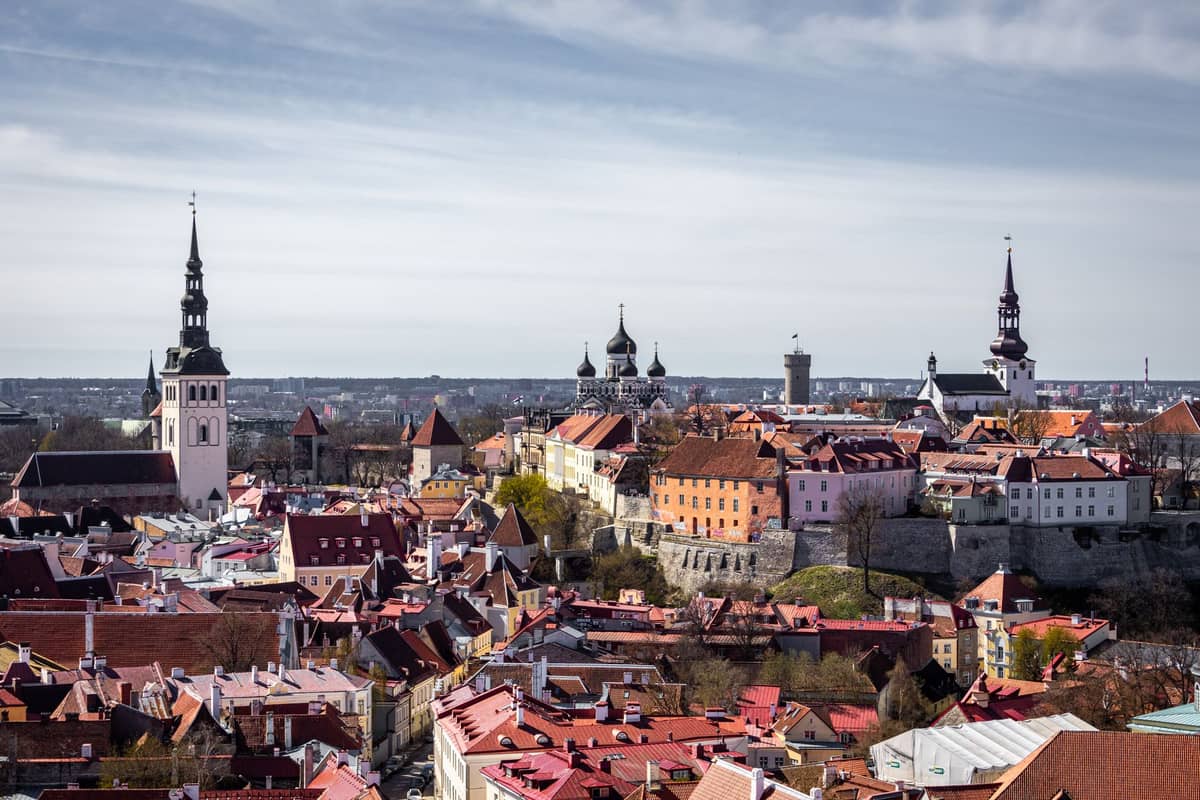
Tallinn preserves one of Europe's most intact medieval city centres, shaped by Danish kings, Hanseatic merchants, and the Livonian Order. This guide covers the history, the key sites, and how to explore them without wasting a day.
Plan and book this trip
Tools from our partner Travelpayouts help you compare flights and hotels. If you book through them, we may earn a commission at no extra cost to you.
Flights
Hotels map
TL;DR
- Tallinn's Old Town (Vanalinn) is a UNESCO World Heritage Site inscribed in 1997, with its medieval street grid and urban fabric dating from the 13th century.
- The city was founded as Reval by Danish King Valdemar II in 1219 and received Lübeck city rights in 1248, making it one of the Baltic's most important Hanseatic ports.
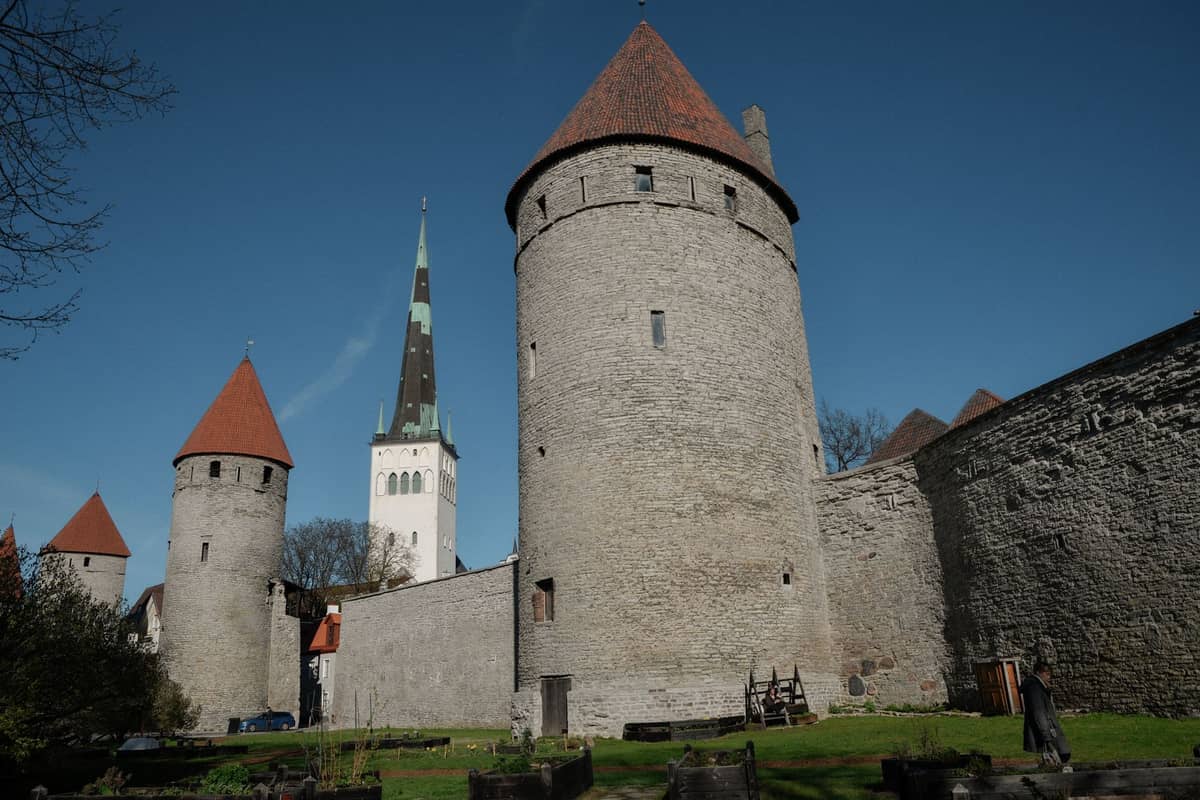
- Around 20 of the original 66 medieval towers still stand — the best place to see them is along the Tallinn City Wall walk.
- Summer (June to August) is best for guided tours and full opening hours; winter visits are quieter but tower climbs can be icy.
- For a structured route through the medieval core, use the Tallinn Old Town walking tour to connect the major sites efficiently.
Before Reval: The Settlement That Predates the Conquest
Most visitors assume Tallinn's history begins with the Danes in 1219, but the site was inhabited and strategically significant centuries earlier. A fort on Toompea hill and a trading settlement at its base existed by the 10th to 11th centuries, positioned along the Viking route linking Scandinavia to Constantinople. The stronghold known as Lindanise — an Estonian fortification on Toompea — is generally dated to the 11th–12th centuries. This was not a minor outpost: the hill dominates the surrounding terrain, and the lower town was already functioning as a trading node.
In 1154, Arab geographer al-Idrisi likely included the settlement on his map of the known world, recording it under a name often identified as Kolyvan or Colonia. That cartographic appearance confirms Tallinn was recognized as a place of commercial importance well before any European power formally claimed it. The common misconception that the city is purely a Danish creation overlooks this deeper layer of Estonian and pre-conquest history.
ℹ️ Good to know
The name 'Tallinn' is widely believed to derive from the Estonian 'taani linnus', meaning 'Danish castle'. However, for most of its recorded history — from 1219 until the early 20th century — the city was known internationally as Reval. The modern name Tallinn only became official after Estonian independence.
The Danish Conquest and the Birth of Reval (1219–1346)
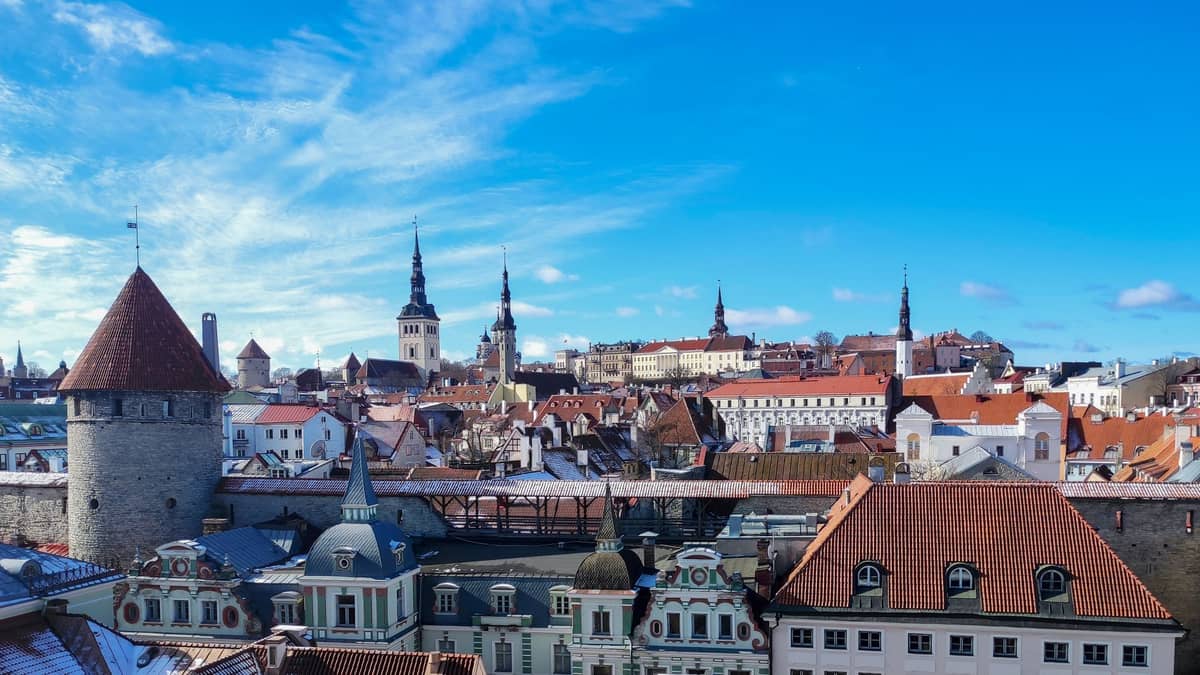
In 1219, Danish King Valdemar II landed on the Estonian coast, defeated the local Estonian forces, and built a stone fortress on Toompea. He renamed the settlement Reval, and this phase marks the beginning of the city’s Danish-ruled medieval history. The Danes brought German ecclesiastical and administrative structures with them, and the Danish church authorities began organizing the local church presence that would come to define the Old Town's skyline.
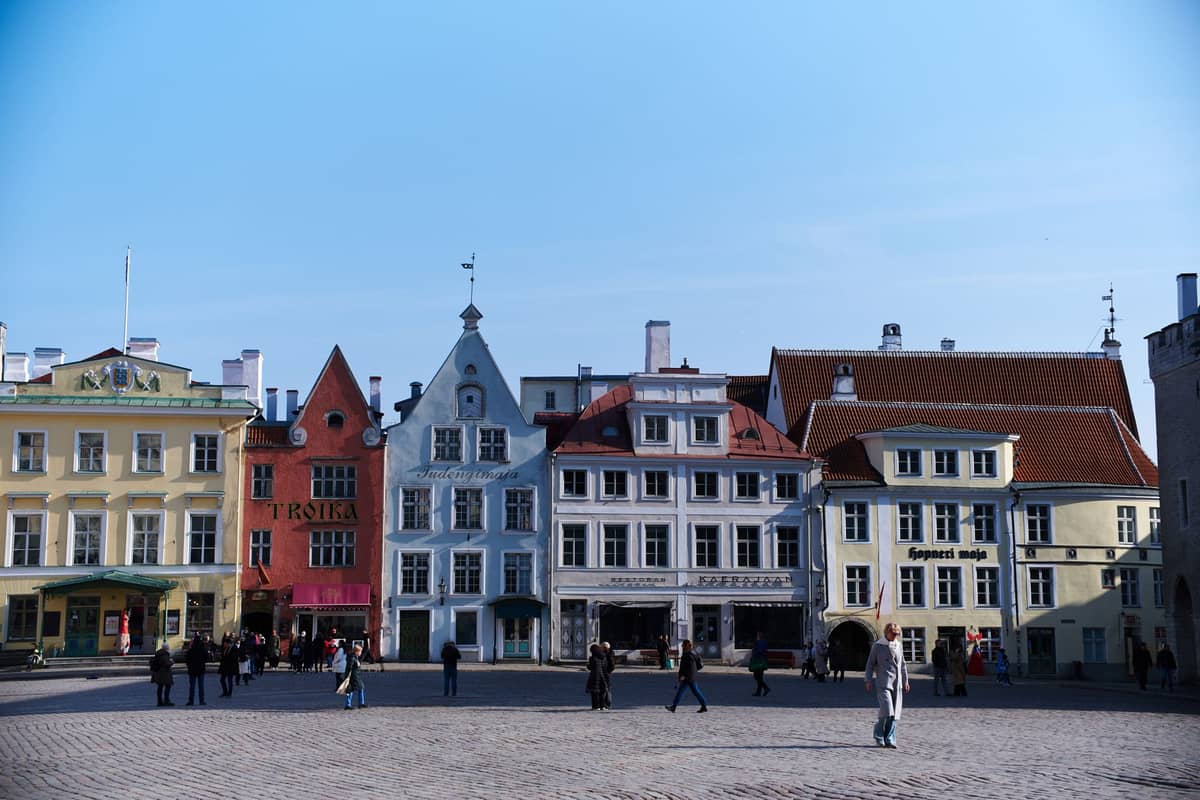
Danish control was interrupted early. The Teutonic Order seized Reval in 1227 before Denmark reasserted authority in 1238. Then in 1248, Reval received Lübeck city rights — a pivotal moment. This legal framework gave the town autonomous municipal governance modelled on German law, enabling the merchant class to organize, trade under recognized rules, and build the civic infrastructure that still shapes the Old Town today. The Town Hall, the guild houses, the market square: all of these flow from that 1248 grant.
In 1346, Denmark sold Reval and the rest of northern Estonia to the Teutonic Order for 19,000 marks of silver. The sale marked the end of Danish rule and the beginning of a period under the Livonian Order — the Order's Baltic branch — that would last until 1561. Visitors can see the physical legacy of this transition most clearly at Toompea Castle, which evolved under both Danish and Order administration into the fortified complex that anchors the upper town.
Hanseatic Power: When Reval Was a Baltic Trading Capital
Reval's entry into the Hanseatic League in the late 13th century transformed it from a regional fortress town into one of the most commercially significant cities on the Baltic. The League was a network of merchant guilds and trading cities stretching from London to Novgorod, and Reval occupied a critical node: it was the primary transit point between western European markets and the Russian interior.
The goods flowing through Reval's port included furs, wax, honey, grain, cloth, and salt. The merchant families who profited built the houses, churches, and guild halls whose facades still line the streets of the lower town. By the 14th century, Reval was one of the best-fortified cities in northern Europe, surrounded by walls with 46 towers. Around 26 of those towers survive today, which is a genuinely remarkable preservation rate for a city that has changed hands repeatedly over eight centuries.
- Town Hall (Raekoda) Built in the 14th century, this is one of the few surviving Gothic town halls in northern Europe. The ground-floor arcade and the distinctive spire are defining features of Hanseatic civic architecture. The square in front hosted medieval markets.
- Great Guild Hall Originally the headquarters of Tallinn's most powerful merchant guild, the Great Guild Hall dates to the early 15th century. It now houses the Estonian History Museum, with exhibits covering the medieval and Hanseatic periods in detail.
- St Olaf's Church (Oleviste kirik) At its 16th-century peak, St Olaf's spire reached around 159 metres — reputedly the tallest structure in the world at the time. The tower is climbable and offers a direct view over the medieval street grid.
- St Nicholas' Church (Niguliste kirik) Founded in the 13th century for German merchants, Niguliste now functions as a museum and concert hall. It houses the famous 'Dance of Death' painting fragment attributed to Bernt Notke, one of the most significant medieval artworks in the Baltic region.
- Holy Spirit Church (Pühavaimu kirik) Dating to the 13th century, this church on the edge of the Old Town square still holds regular services. Its exterior clock, dating to 1684, is the oldest public clock in Tallinn.
✨ Pro tip
The Great Guild Hall's Estonian History Museum is one of the best places in Tallinn to understand the Hanseatic period before walking the Old Town. Spending an hour there first gives the street-level architecture real context. Ticket prices are reasonable — check the museum's official site for current rates, as they are updated seasonally.
Walking the Medieval City: Key Sites and Practical Logistics
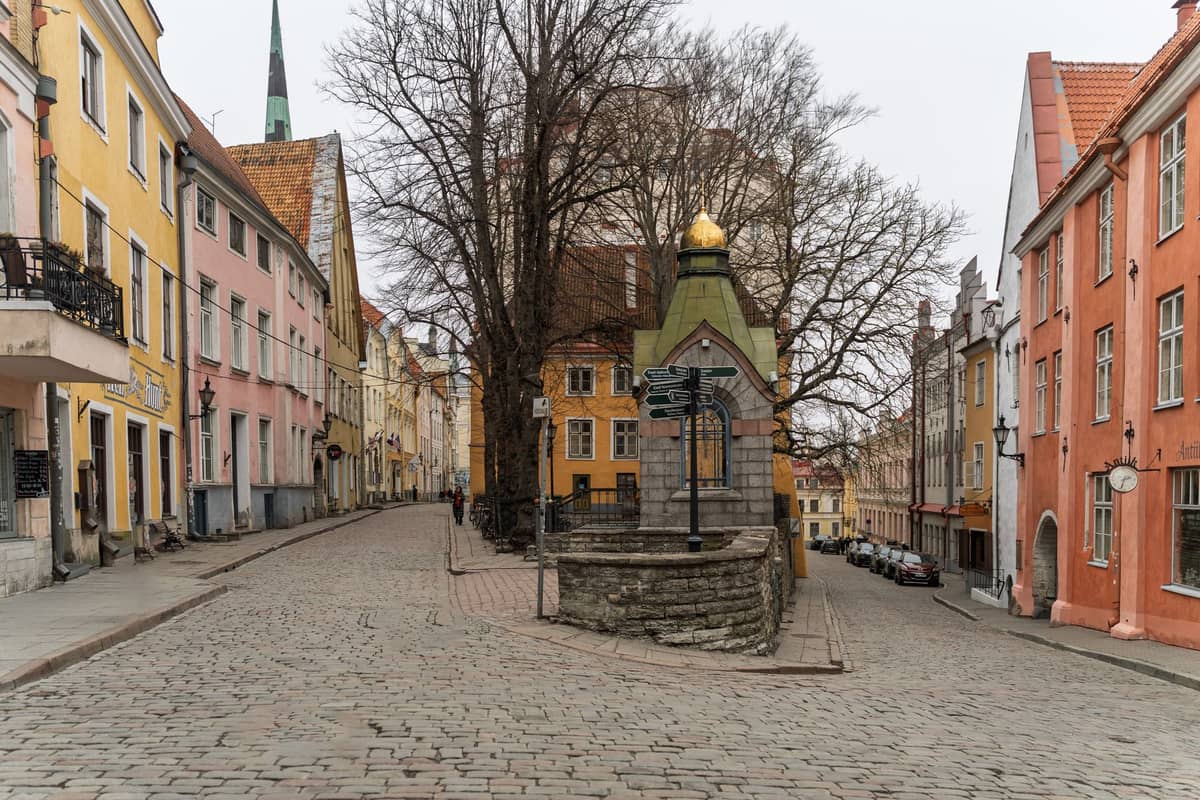
The Old Town divides naturally into two levels. The upper town (Toompea) is where the castle and cathedral sit — historically the domain of bishops and rulers. The lower town is where merchants lived and traded. Both are walkable from each other and from the main entry points at Viru Gate, the 14th-century gatehouse that most visitors pass through from the modern city. Arrive early in the morning — before 9am in summer — if you want the cobbled streets without the tour group crowds.
The city wall walk is the single best way to grasp the scale of medieval Tallinn's defences. Several tower sections are open to visitors, with the stretch between Kiek in de Kök and the Maiden's Tower being particularly accessible. Kiek in de Kök — a name that translates roughly as 'peek into the kitchen' in Low German, because residents could supposedly see into nearby kitchens from its height — is now a museum covering Tallinn's medieval and early modern defences, including tunnel systems beneath the bastions.
For viewpoints that frame the medieval silhouette from outside the walls, both the Kohtuotsa viewing platform and the Patkuli viewing platform on Toompea offer elevated perspectives over the lower town's towers and rooflines. These are free to access and worth visiting at different times of day — the light is particularly good in the early evening.
- Old Town entry is free — you don't need a ticket to walk the streets, only to enter specific museums and towers.
- Most major churches charge a small entry fee (around €3-5); verify current prices at each site as they change seasonally.
- St Catherine's Passage (Katariina käik) is a narrow medieval alley connecting Vene Street to Müürivahe Street — worth a detour for its Gothic arched niches and craft workshops.
- The Town Hall Pharmacy on Town Hall Square has operated from the same location since at least 1422, making it one of the longest‑running pharmacies in Europe.
- Guided walking tours depart from Town Hall Square throughout the day in summer; in winter, tours run less frequently but are easier to book with smaller group sizes.
⚠️ What to skip
Cobblestone streets throughout the Old Town are genuinely uneven, and several slopes on Toompea can become dangerously slippery in winter. Wear shoes with grip, not smooth-soled footwear, if visiting between November and March. Some tower staircases are steep and narrow — not suitable for anyone with significant mobility limitations.
Seasonal Considerations for Medieval Sightseeing
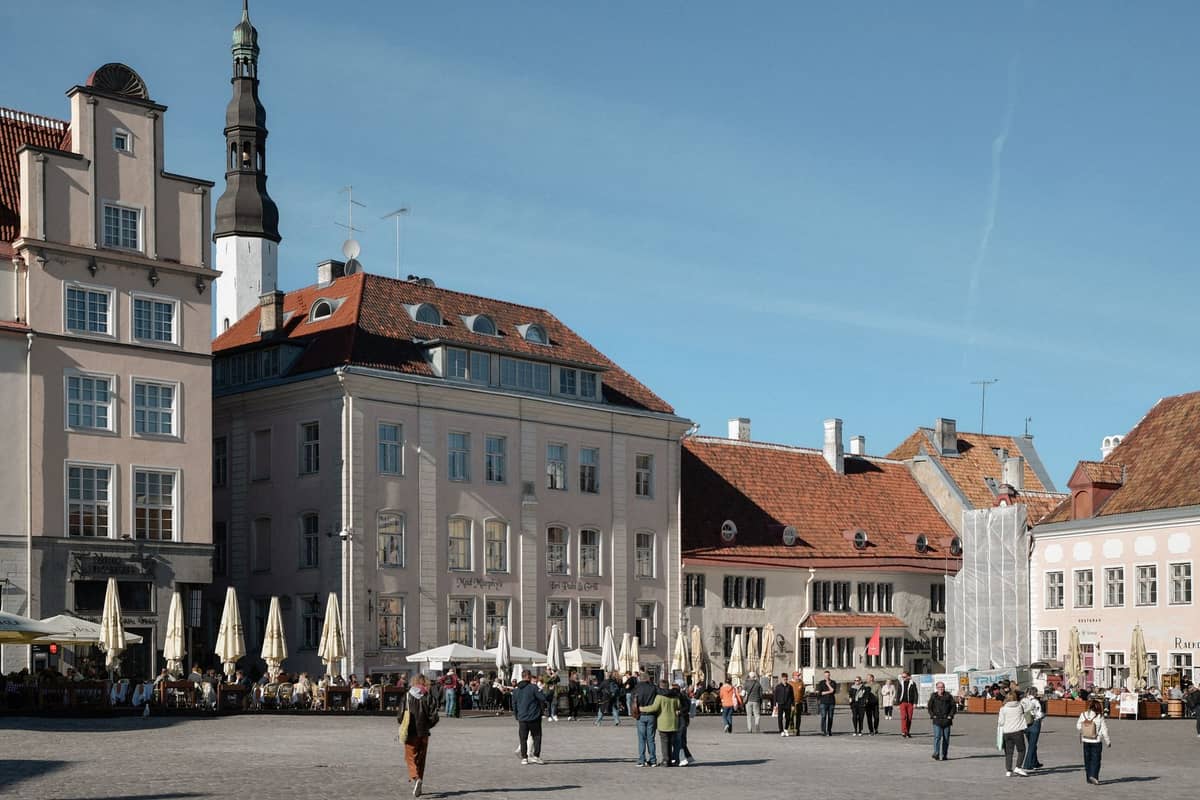
Tallinn's medieval sites are accessible year-round, but the experience differs substantially by season. Summer (June to August) brings the longest daylight — up to 18 hours near midsummer — which means you can visit outdoor sites and viewpoints well into the evening. Most museums and towers operate extended hours during this period. The trade-off is crowd density: Town Hall Square and Viru Gate are heavily trafficked from mid-morning onwards. If the summer crowds are a concern, the lesser-known corners of Tallinn offer breathing room without leaving the medieval period behind.
Winter (December to February) is a genuinely different proposition. Snow on the limestone towers and Gothic spires is visually striking, and the Tallinn Christmas market on Town Hall Square has been running for centuries in various forms, making it one of the most historically consistent winter events in northern Europe. However, expect sub-zero temperatures, icy cobblestones, and some sites operating reduced hours or closed for maintenance. Daylight is limited to around 6 hours in December. Spring (April to May) and early autumn (September) offer a reasonable balance: thinner crowds, manageable temperatures, and full operating schedules at most sites.
Context and Connections: Beyond the Old Town Walls
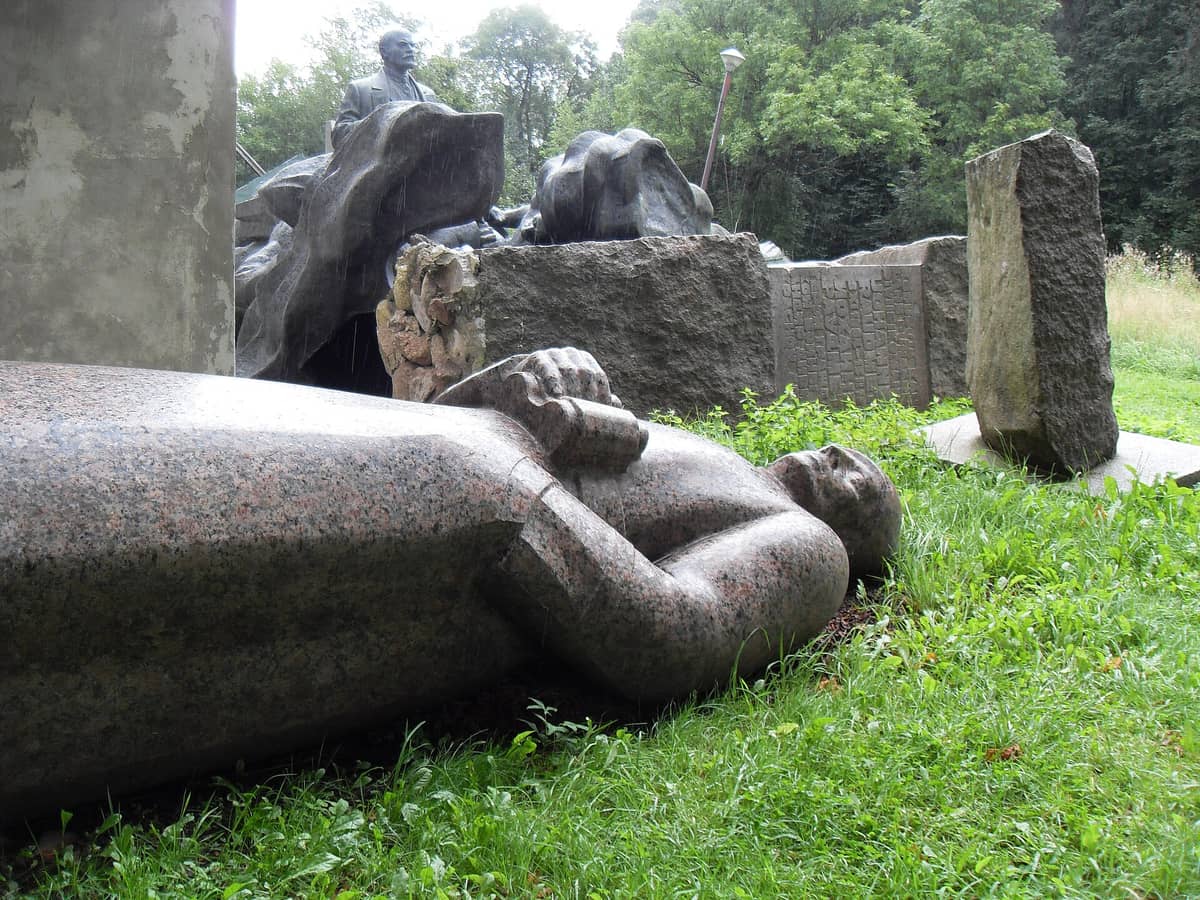
Tallinn's medieval identity doesn't end at the city wall. The wider story of Estonian history — including what happened after the Hanseatic period, through Swedish rule, Russian Imperial control, and Soviet occupation — is told across several museums outside the Old Town. The Vabamu Museum of Occupations and Freedom is the most direct bridge between medieval Tallinn and the 20th-century history that shaped modern Estonia. It sits just outside the Old Town walls and is walkable from any of the main medieval sites.
For a broader perspective on Estonian material culture spanning the medieval period into the 20th century, the Estonian Open Air Museum in Rocca al Mare is worth a half-day. It doesn't focus on Tallinn's urban medieval history specifically, but it contextualizes the rural Estonian world that existed alongside the merchant city. Similarly, the Tallinn Soviet history guide covers the layers added after the medieval period and helps visitors understand why preservation of the Old Town was so politically and culturally significant.
If you're planning two or three days and want to structure your time efficiently, the 2 days in Tallinn itinerary allocates the medieval core to day one and broader city exploration to day two — which is a sensible approach. The medieval sites are concentrated enough to cover in a full day, especially if you start at Viru Gate and work upward to Toompea before descending through the lower town in the afternoon.
FAQ
Is Tallinn's Old Town really medieval, or has it been reconstructed?
Tallinn's Old Town is genuinely medieval in structure — not a reconstruction. The street grid, the city walls, and the majority of the major buildings date to the 13th to 15th centuries and have been continuously inhabited and adapted rather than rebuilt from scratch. UNESCO inscribed it in 1997 precisely because of this authenticity. Some buildings have been restored and facades repaired over the centuries, but the core urban fabric is real, not recreated.
How long does it take to walk the Old Town and see the main medieval sites?
A thorough walk covering Viru Gate, Town Hall Square, Kiek in de Kök, Toompea Castle, Alexander Nevsky Cathedral, and the main viewpoints takes around 3 to 4 hours at a relaxed pace. Add another 1 to 2 hours if you plan to enter any museums (the Niguliste Museum and the city wall towers each warrant at least an hour). A full day is comfortable; half a day is possible if you're selective.
When is the best time to visit Tallinn's medieval Old Town?
Late spring (May) and early autumn (September) offer the best combination of manageable crowds, full museum hours, and reasonable weather. Summer is the most popular period and offers the longest daylight, but Town Hall Square becomes very crowded midday. Winter is atmospheric, especially during the Christmas market season in December, but some tower access is restricted and the cobblestones can be icy.
Do I need to buy tickets in advance for the medieval sites?
For most individual sites — Kiek in de Kök, Niguliste Museum, St Olaf's tower — tickets can be purchased at the door. During peak summer weeks, popular sites can see queues, so arriving early (before 10am) is more effective than advance booking for most attractions. The Tallinn Card, if you're planning to visit multiple paid sites in a day or two, can reduce costs — check the Visit Tallinn website for current pricing and included attractions.
Why was Tallinn known as Reval, and when did the name change?
Reval was the name given to the settlement after the Danish conquest in 1219, and it remained the city's primary international name through Danish, Teutonic Order, Swedish, and Russian Imperial rule — for roughly 700 years, until 1918. The Estonian name Tallinn, believed to derive from 'taani linnus' (Danish castle), became the official name when Estonia declared independence after World War I. The shift was part of a broader Estonianization of place names after centuries of German and Russian administrative dominance.