Hidden Gems in Tallinn: Off the Beaten Path
Tallinn rewards those who look beyond the postcard views. From a flooded Soviet quarry to a bog walk inside city limits, these are the experiences that separate a good Tallinn trip from a great one.
Plan and book this trip
Tools from our partner Travelpayouts help you compare flights and hotels. If you book through them, we may earn a commission at no extra cost to you.
Flights
Hotels map
Most visitors to Tallinn spend their time inside the Old Town walls, and they leave happy. But the city has a deeper layer that takes a tram ride, a short ferry trip, or a short drive to reach. The Kalamaja district alone contains more interesting things to do than a full day allows, and that is before you factor in the wild islands offshore, the Soviet-era relics on the waterfront, or the bog that sits inside the city boundary. This guide is for travellers who want to go further. For a broader overview of what Tallinn offers, see our guide to things to do in Tallinn. For those who want to spend zero euros, the free things to do in Tallinn guide has you covered. The picks below are organised by theme, roughly in order of how far they take you from the city centre.
Creative Districts & Local Culture
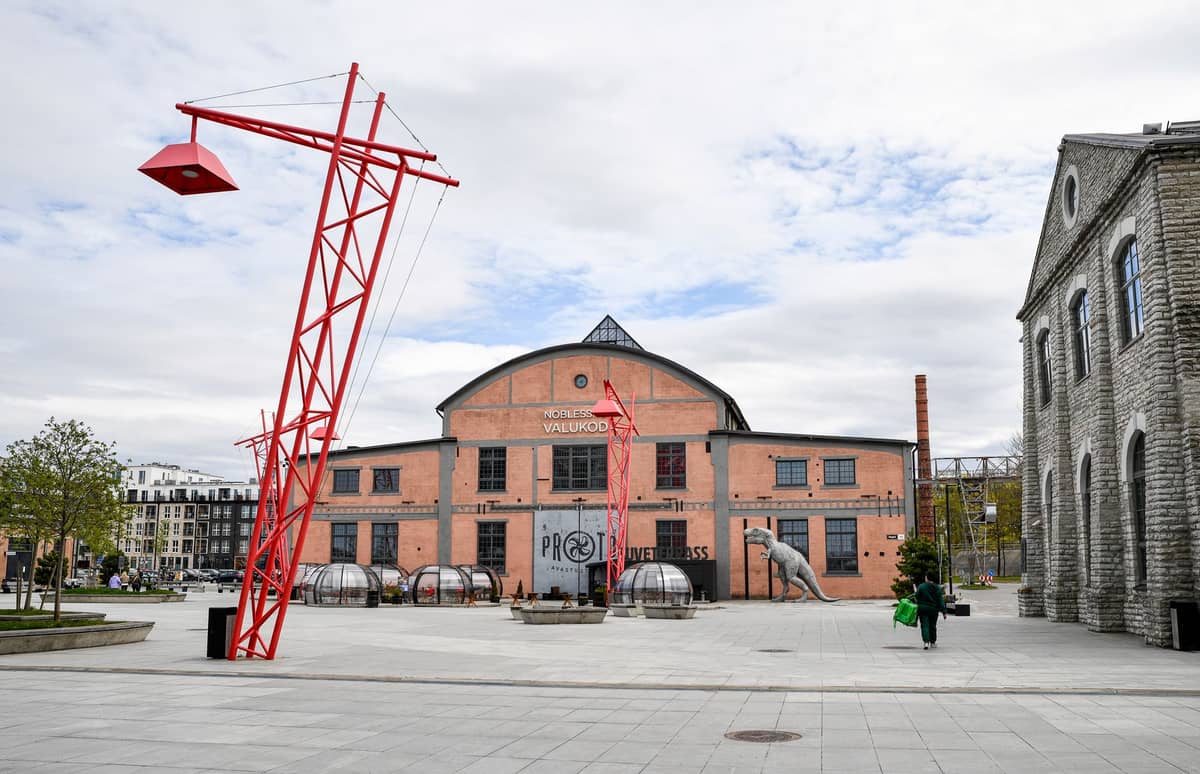
The neighbourhoods just outside the Old Town walls are where Tallinn actually lives. Telliskivi and Kalamaja have become the centre of the city's independent culture scene, while the Noblessner harbour area has transformed from a Soviet submarine factory into one of the most interesting museum and creative quarters on the Baltic coast. Getting here takes a 15-minute walk or one tram stop from the Old Town.
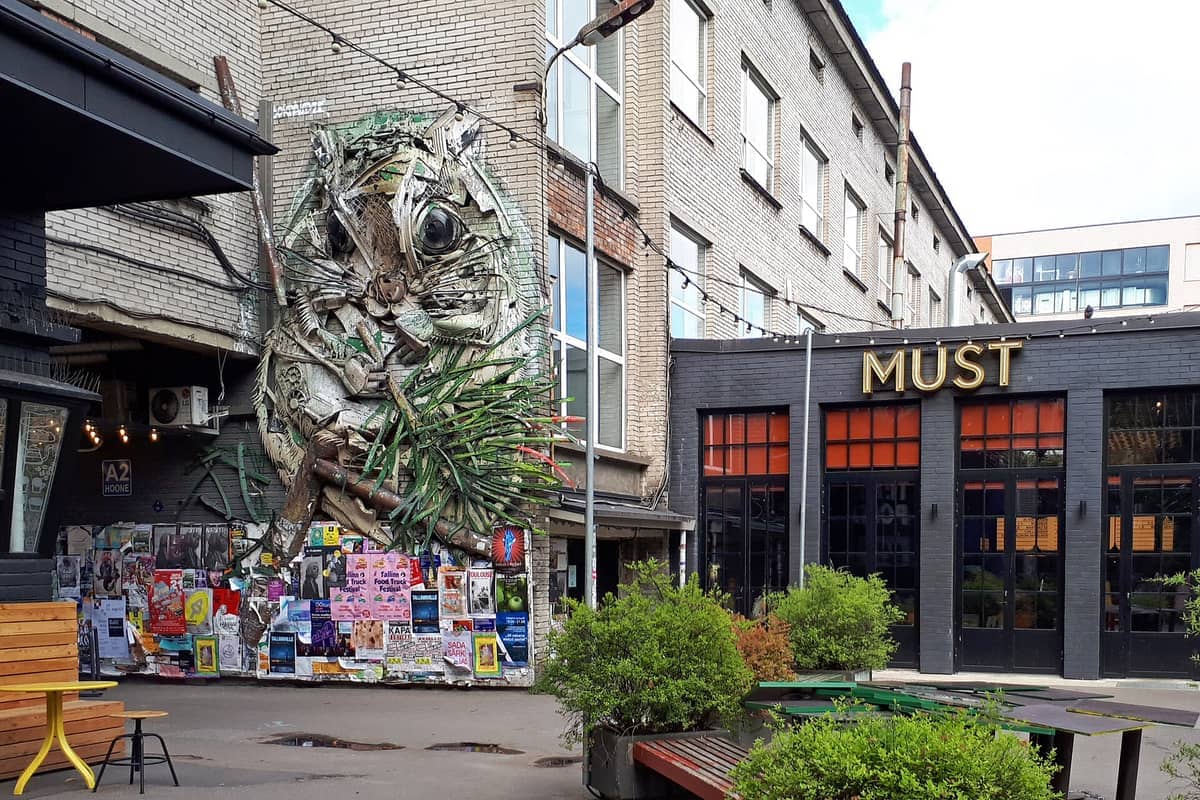
1. Explore Tallinn's Alternative Scene at Telliskivi
A converted Soviet factory complex that now holds independent shops, street food stalls, galleries, and live music venues. Weekend flea markets are the best time to visit. It feels like the anti-Old Town and locals treat it as their main social hub.
Explore1. Explore Tallinn's Alternative Scene at Telliskivi
A converted Soviet factory complex that now holds independent shops, street food stalls, galleries, and live music venues. Weekend flea markets are the best time to visit. It feels like the anti-Old Town and locals treat it as their main social hub.
Explore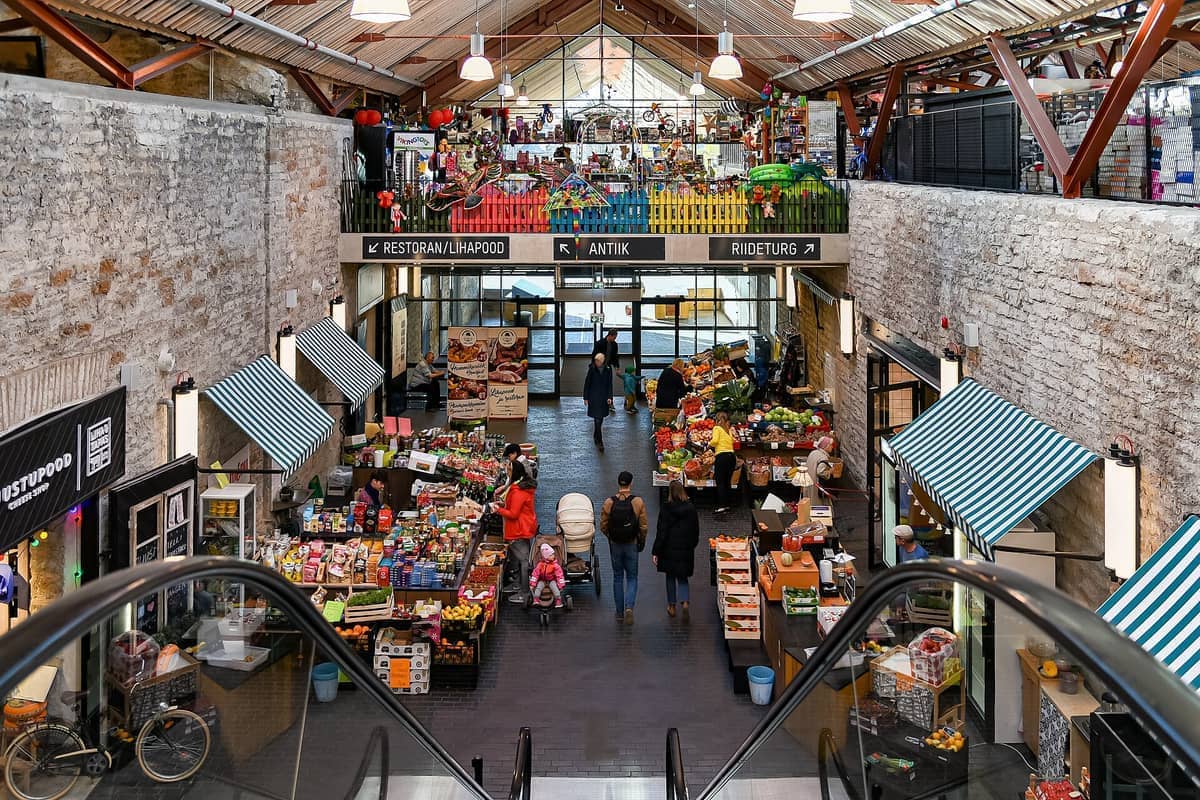
2. Browse the Real Tallinn at Balti Jaam Market
Adjacent to the Baltic train station, this market sells fresh produce, local cheeses, Soviet-era collectibles, and cheap street food. It is entirely unglamourised and deeply local. Go on a weekday morning to see it at full capacity without tour groups.
Explore2. Browse the Real Tallinn at Balti Jaam Market
Adjacent to the Baltic train station, this market sells fresh produce, local cheeses, Soviet-era collectibles, and cheap street food. It is entirely unglamourised and deeply local. Go on a weekday morning to see it at full capacity without tour groups.
Explore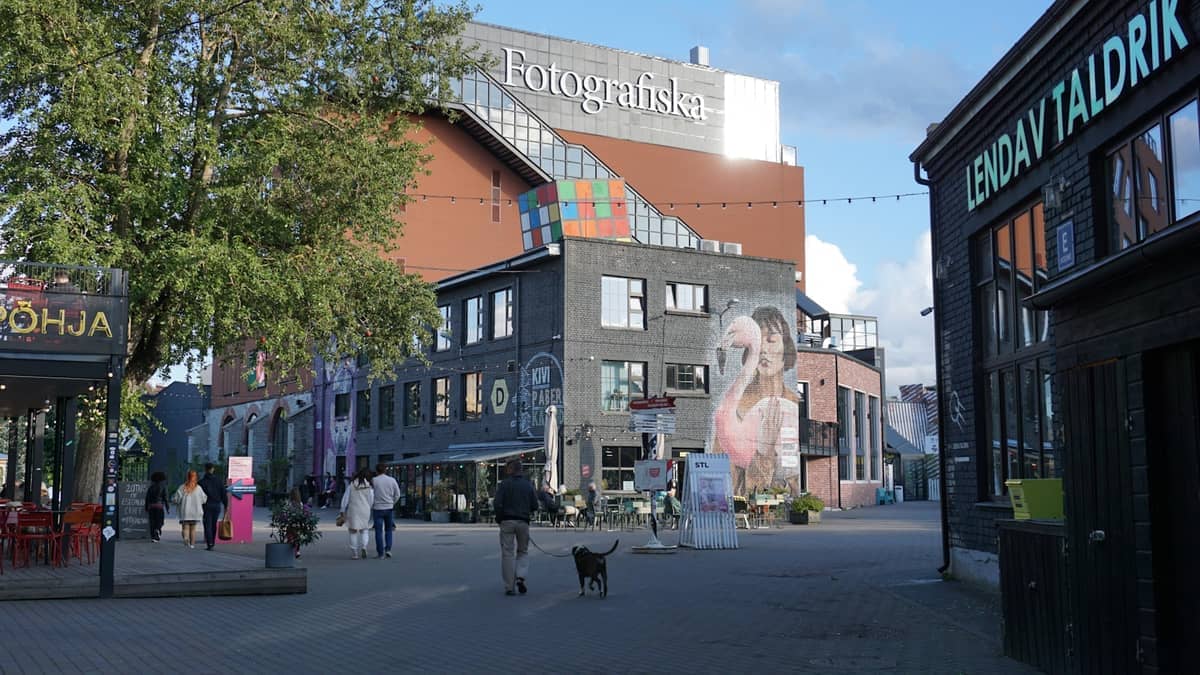
3. See World-Class Photography at Fotografiska
The Baltic outpost of Stockholm's photography institution sits in a converted building in Kalamaja with rotating major exhibitions and a rooftop restaurant overlooking the Old Town spires. The programming punches well above what you'd expect from a city this size.
Explore3. See World-Class Photography at Fotografiska
The Baltic outpost of Stockholm's photography institution sits in a converted building in Kalamaja with rotating major exhibitions and a rooftop restaurant overlooking the Old Town spires. The programming punches well above what you'd expect from a city this size.
Explore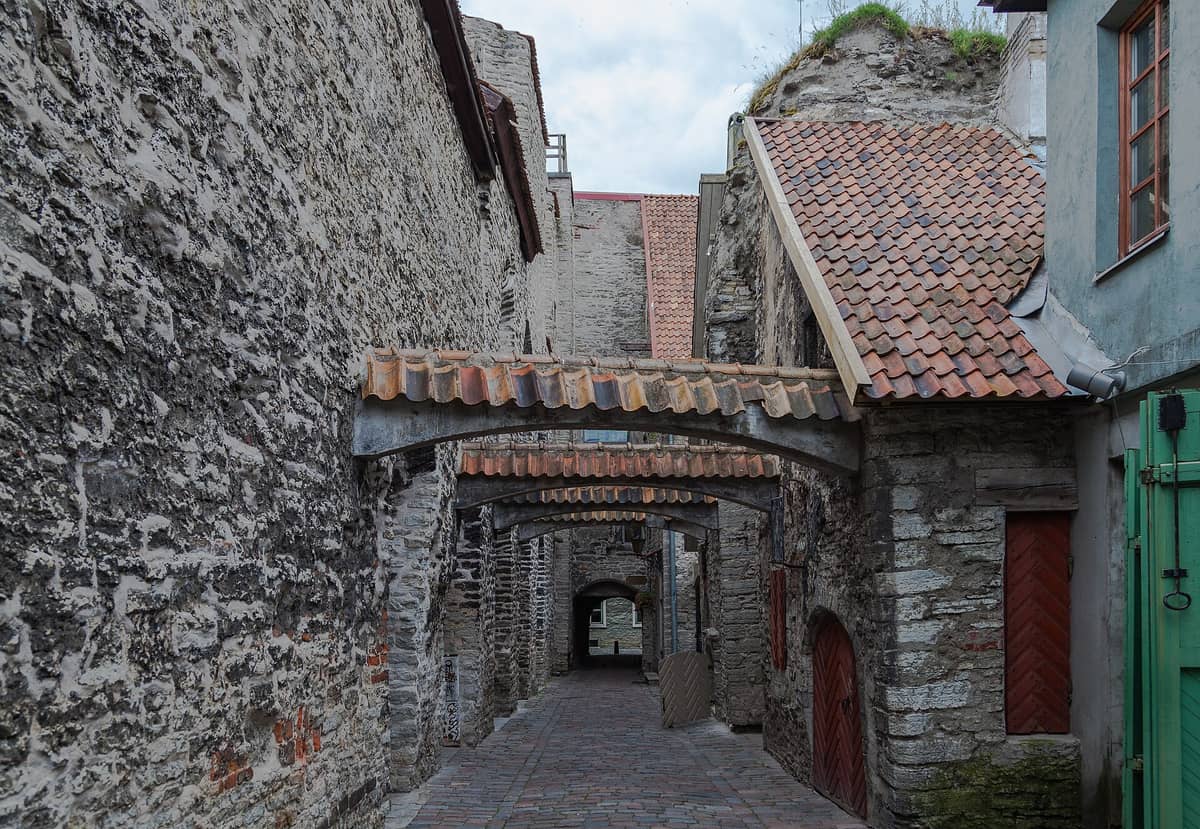
4. Find the Artisan Workshops in St. Catherine's Passage
A narrow medieval alley beside the ruins of a Dominican monastery where working craftspeople produce ceramics, jewellery, and textiles from their workshops. You can watch them work and buy directly. Few streets in the Old Town feel this unchanged.
Explore4. Find the Artisan Workshops in St. Catherine's Passage
A narrow medieval alley beside the ruins of a Dominican monastery where working craftspeople produce ceramics, jewellery, and textiles from their workshops. You can watch them work and buy directly. Few streets in the Old Town feel this unchanged.
ExploreHarbour Secrets & Soviet Relics
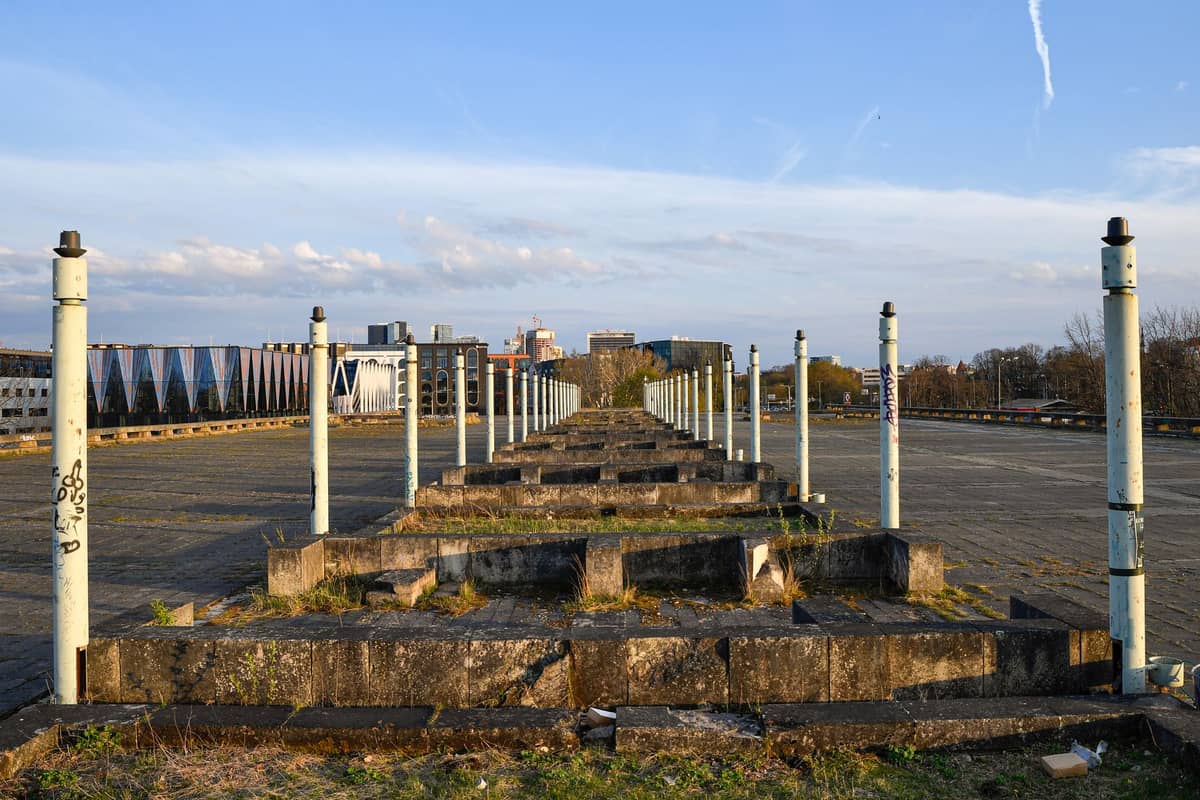
Tallinn's seafront holds two of the most extraordinary structures in the Baltic states: a brutalist Olympic amphitheatre slowly returning to nature, and three Art Nouveau seaplane hangars housing a full-sized submarine. Neither appears on most standard itineraries. For context on how this waterfront fits into the city's Soviet past, see the Tallinn Soviet history guide.
5. Walk the Roof of Tallinn's Abandoned Soviet Amphitheatre
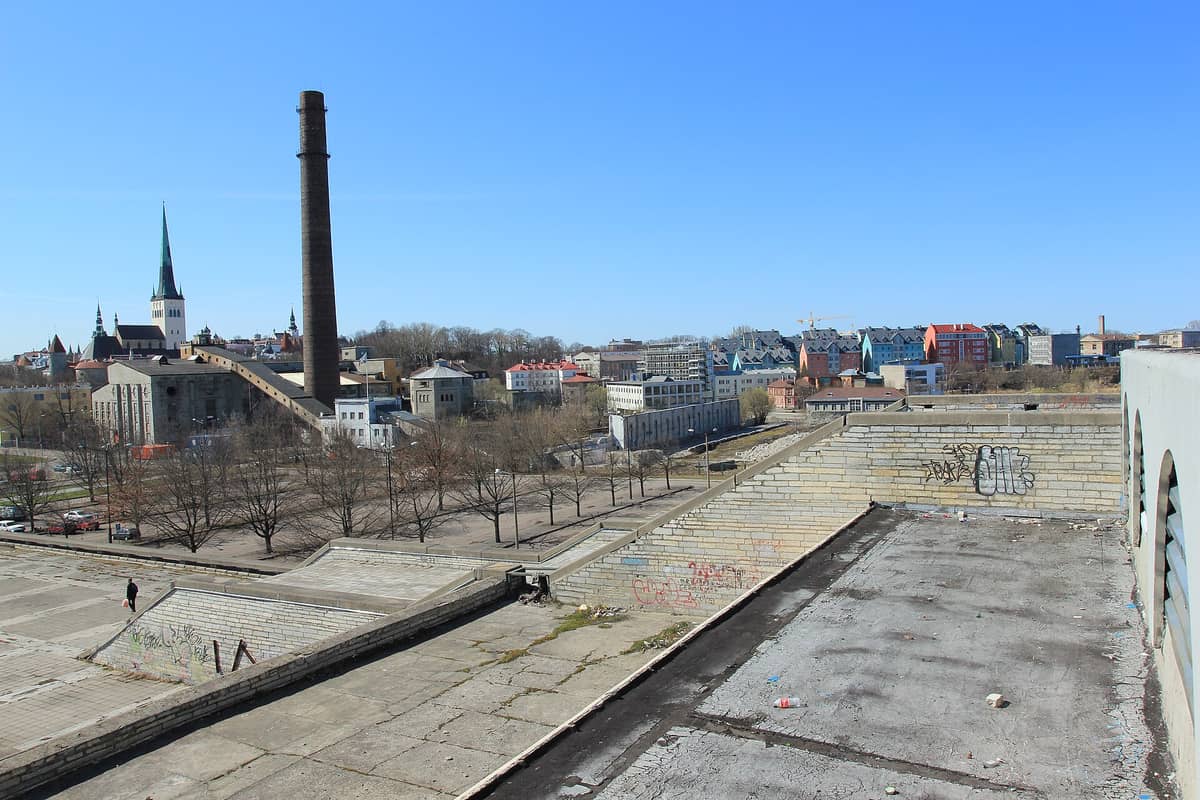
Built for the 1980 Moscow Olympics sailing events, Linnahall is a monumental brutalist ruin whose concrete terraces are now open for walking. The sea views are excellent and the atmosphere is genuinely eerie. The building itself is closed but the exterior is fully accessible.
Explore5. Walk the Roof of Tallinn's Abandoned Soviet Amphitheatre
Built for the 1980 Moscow Olympics sailing events, Linnahall is a monumental brutalist ruin whose concrete terraces are now open for walking. The sea views are excellent and the atmosphere is genuinely eerie. The building itself is closed but the exterior is fully accessible.
Explore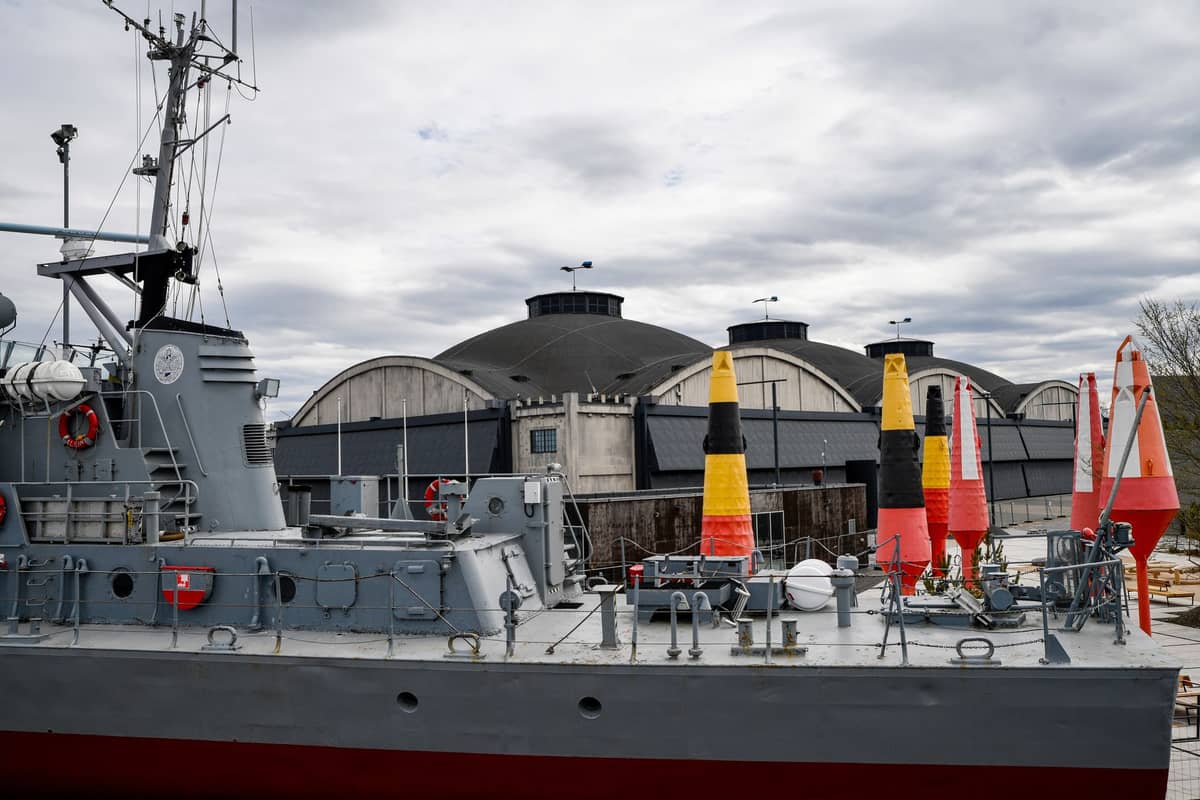
6. Climb Inside a Submarine at the Seaplane Harbour
Three enormous Art Nouveau seaplane hangars from 1916 now contain a full-size submarine, seaplanes, and an icebreaker you can board. The engineering of the domed hangars alone justifies the entrance fee. Plan two to three hours here minimum.
Explore6. Climb Inside a Submarine at the Seaplane Harbour
Three enormous Art Nouveau seaplane hangars from 1916 now contain a full-size submarine, seaplanes, and an icebreaker you can board. The engineering of the domed hangars alone justifies the entrance fee. Plan two to three hours here minimum.
Explore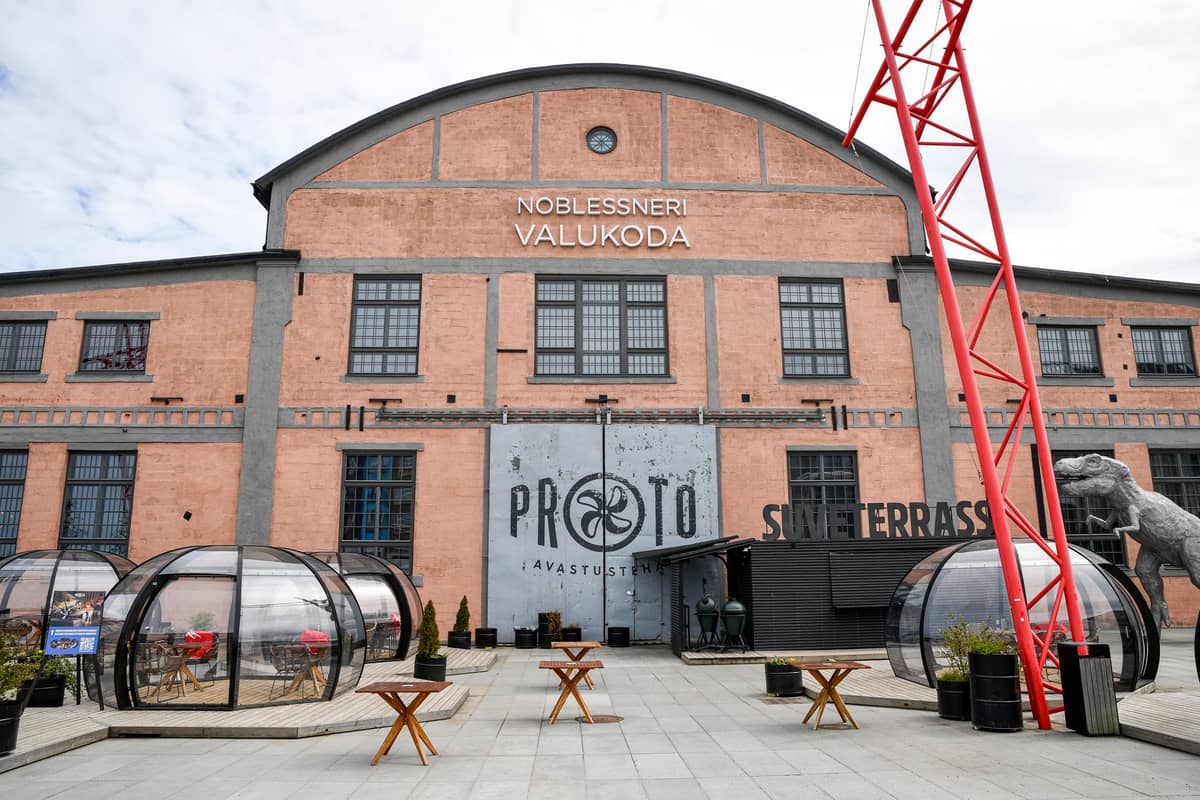
7. Get Hands-On at PROTO Invention Factory in Noblessner
An interactive museum celebrating Estonian innovation, with exhibits on robotics and engineering inside a converted industrial building at Noblessner harbour. It works well for curious adults as much as families. The neighbourhood around it is worth exploring before or after.
Explore7. Get Hands-On at PROTO Invention Factory in Noblessner
An interactive museum celebrating Estonian innovation, with exhibits on robotics and engineering inside a converted industrial building at Noblessner harbour. It works well for curious adults as much as families. The neighbourhood around it is worth exploring before or after.
Explore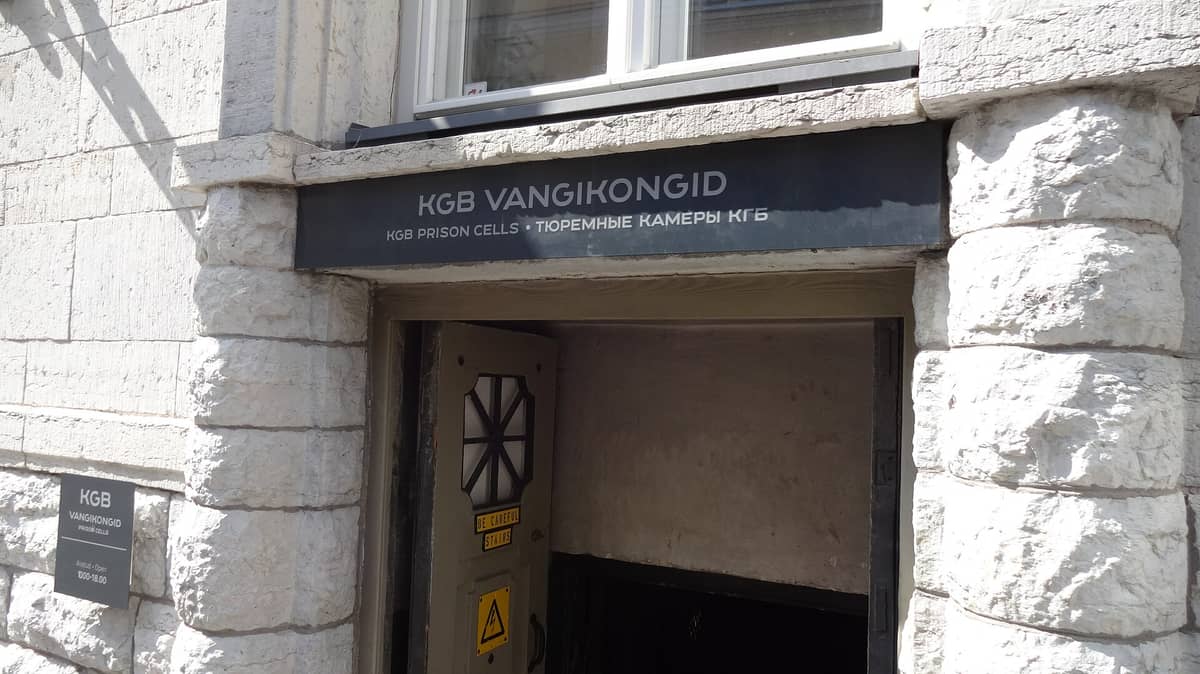
8. Descend into the KGB Prison Cells Beneath the Viru Hotel
The basement of what is now the Viru Hotel contains the preserved secret surveillance rooms and prison cells of the Soviet KGB. Guided tours run daily and last around an hour. It is one of the most visceral encounters with Estonia's occupation period anywhere in the country.
Explore8. Descend into the KGB Prison Cells Beneath the Viru Hotel
The basement of what is now the Viru Hotel contains the preserved secret surveillance rooms and prison cells of the Soviet KGB. Guided tours run daily and last around an hour. It is one of the most visceral encounters with Estonia's occupation period anywhere in the country.
Explore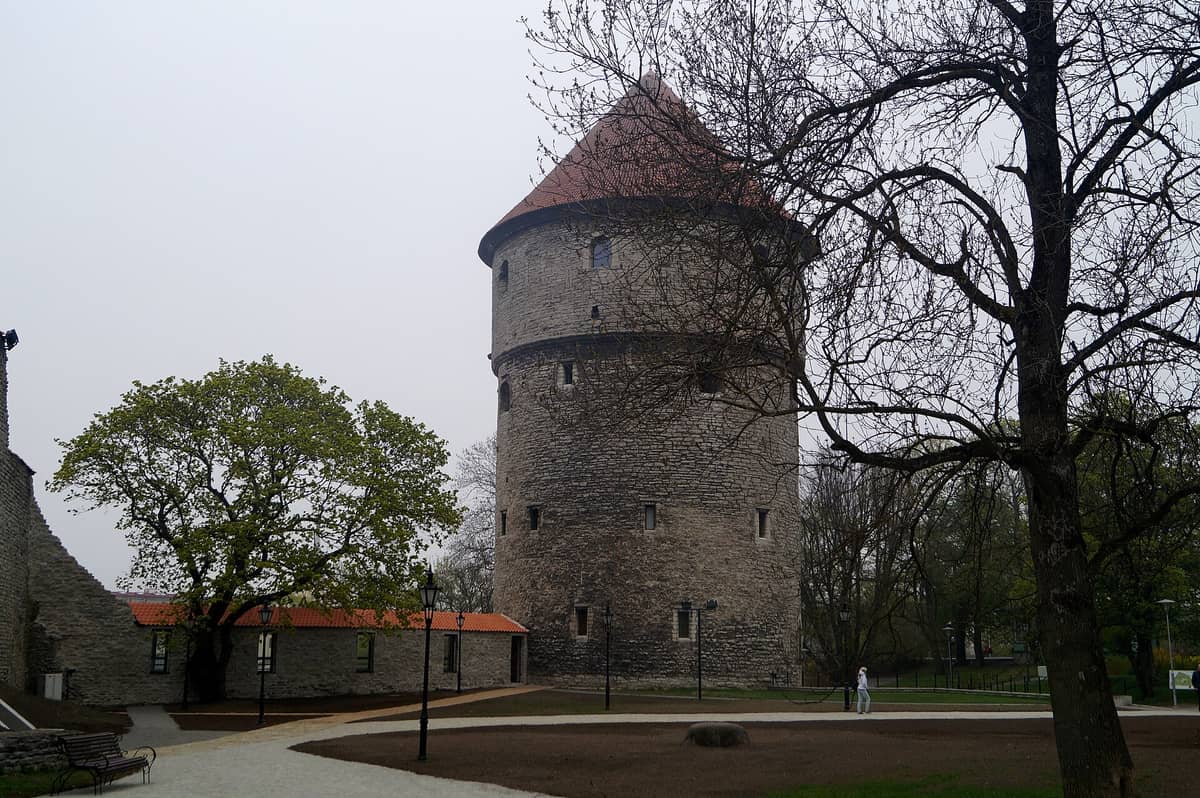
9. Go Underground Through the Bastion Passages from Kiek in de Kök
This 15th-century cannon tower connects to a network of underground bastion tunnels built in the 17th century. Guided tunnel tours depart from here and last about 45 minutes. Advance booking is recommended, especially in summer, as group sizes are limited.
Explore9. Go Underground Through the Bastion Passages from Kiek in de Kök
This 15th-century cannon tower connects to a network of underground bastion tunnels built in the 17th century. Guided tunnel tours depart from here and last about 45 minutes. Advance booking is recommended, especially in summer, as group sizes are limited.
ExploreParks, Bogs & Coastal Nature
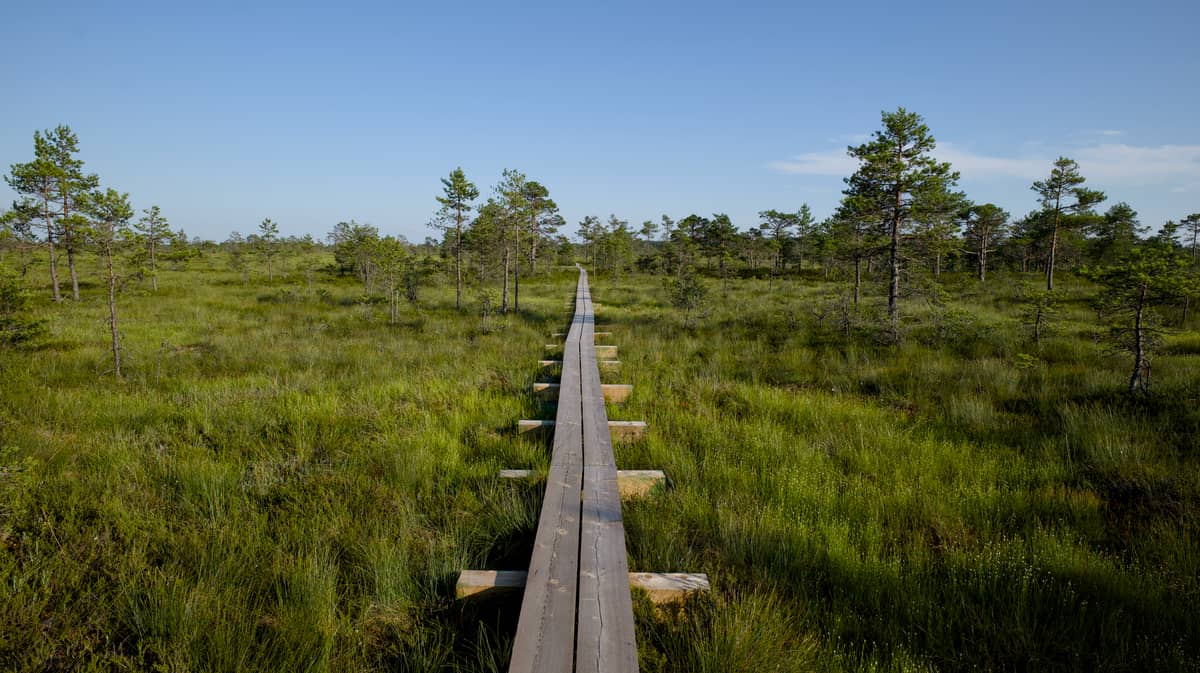
Tallinn has more accessible nature than most European capitals. The bog walk at Pääsküla sits within the city boundary. Glehn Park in Nõmme requires a short tram and bus ride. And the islands in Tallinn Bay are reachable by ferry from the city's own port. For a full picture of Tallinn's natural side, the Tallinn nature guide covers everything from beach options to the national park day trip east of the city.
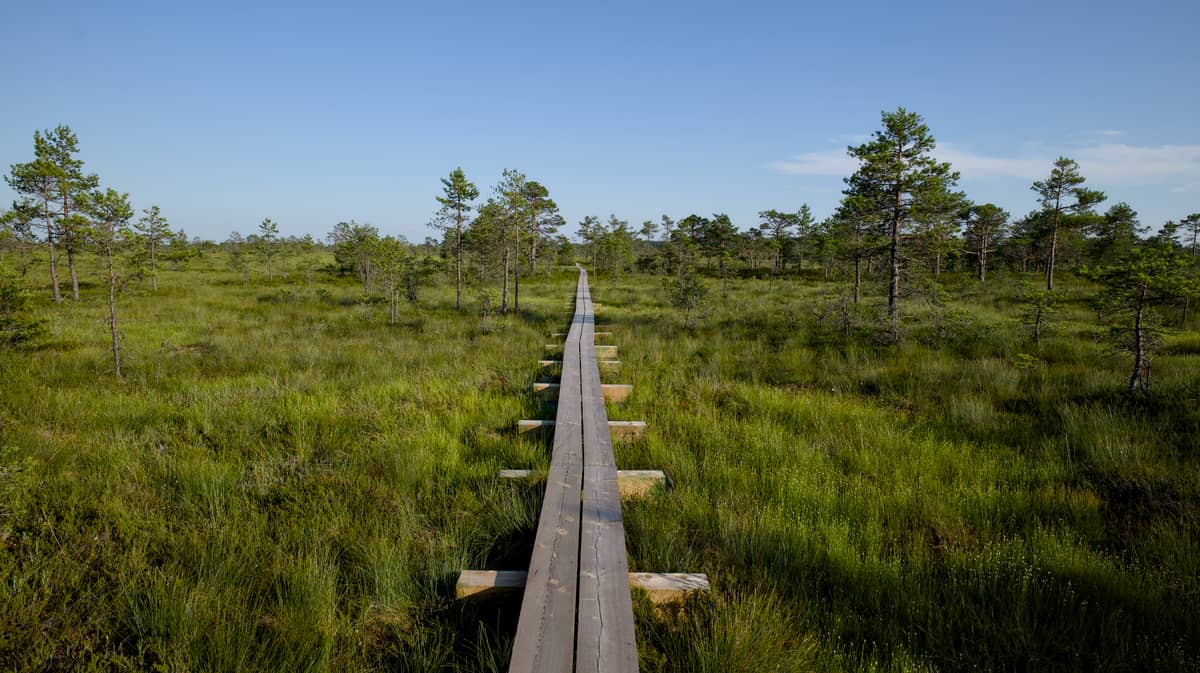
10. Walk a Raised Bog Inside the City Limits at Pääsküla
A boardwalk trail through open peatland, pine forest, and small lakes that sits entirely within Tallinn's municipal boundary. It takes about 90 minutes at a relaxed pace. Very few cities on the continent have anything like it this close to the centre.
Explore10. Walk a Raised Bog Inside the City Limits at Pääsküla
A boardwalk trail through open peatland, pine forest, and small lakes that sits entirely within Tallinn's municipal boundary. It takes about 90 minutes at a relaxed pace. Very few cities on the continent have anything like it this close to the centre.
Explore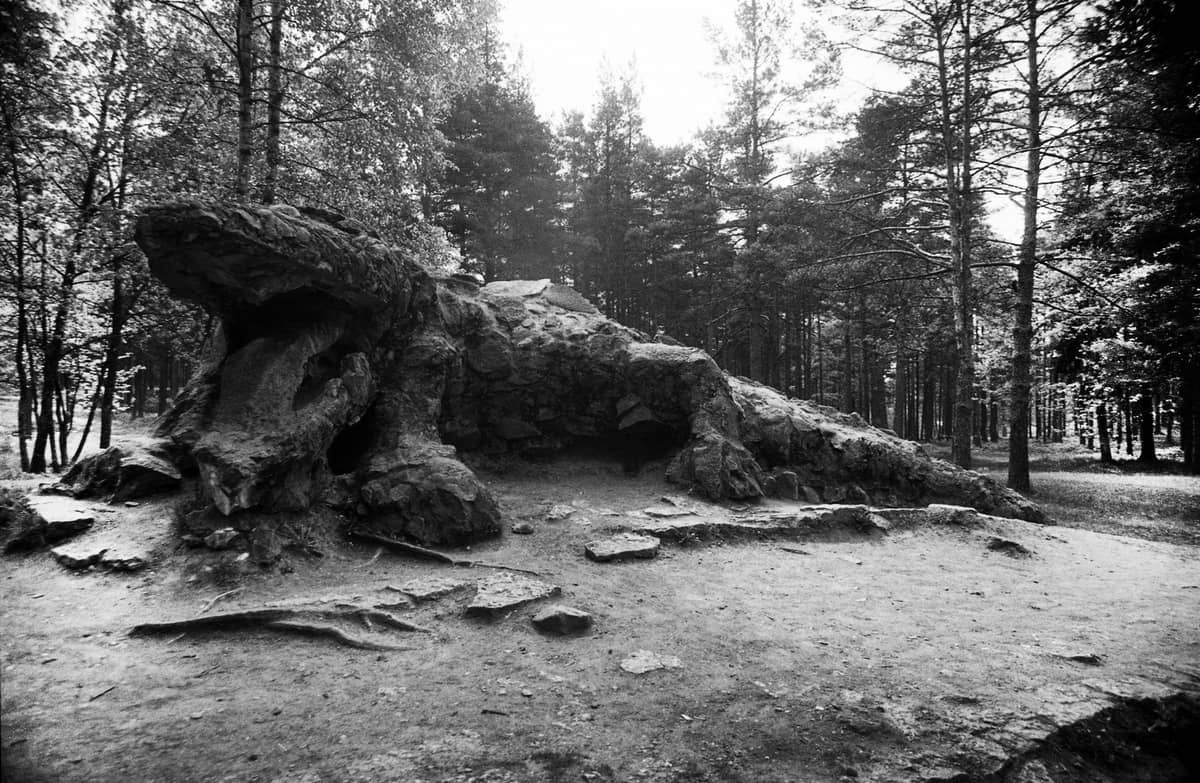
11. Discover the Gothic Folly of Glehn Park in Nõmme
A Victorian-era park in the quiet Nõmme suburb built around a neo-Gothic castle tower and winding forest paths, designed by an eccentric 19th-century baron. The tower gives views over the surrounding pines. It is rarely visited by tourists and feels genuinely secluded.
Explore11. Discover the Gothic Folly of Glehn Park in Nõmme
A Victorian-era park in the quiet Nõmme suburb built around a neo-Gothic castle tower and winding forest paths, designed by an eccentric 19th-century baron. The tower gives views over the surrounding pines. It is rarely visited by tourists and feels genuinely secluded.
Explore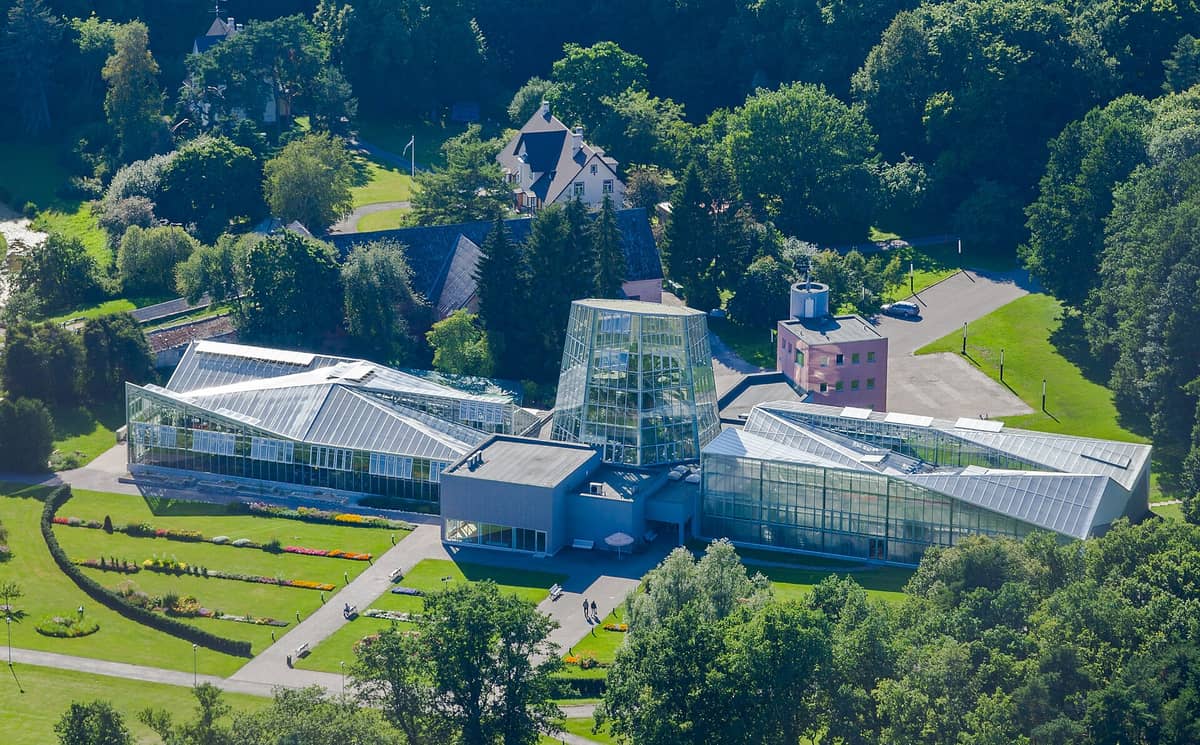
12. Escape the Crowds at the Tallinn Botanic Garden
A 123-hectare garden in the Pirita River Valley with native plant collections, tropical greenhouses, and forest walking trails. It is one of the larger botanic gardens in the region and almost entirely off the tourist radar. Visit on a weekday for genuine solitude.
Explore12. Escape the Crowds at the Tallinn Botanic Garden
A 123-hectare garden in the Pirita River Valley with native plant collections, tropical greenhouses, and forest walking trails. It is one of the larger botanic gardens in the region and almost entirely off the tourist radar. Visit on a weekday for genuine solitude.
Explore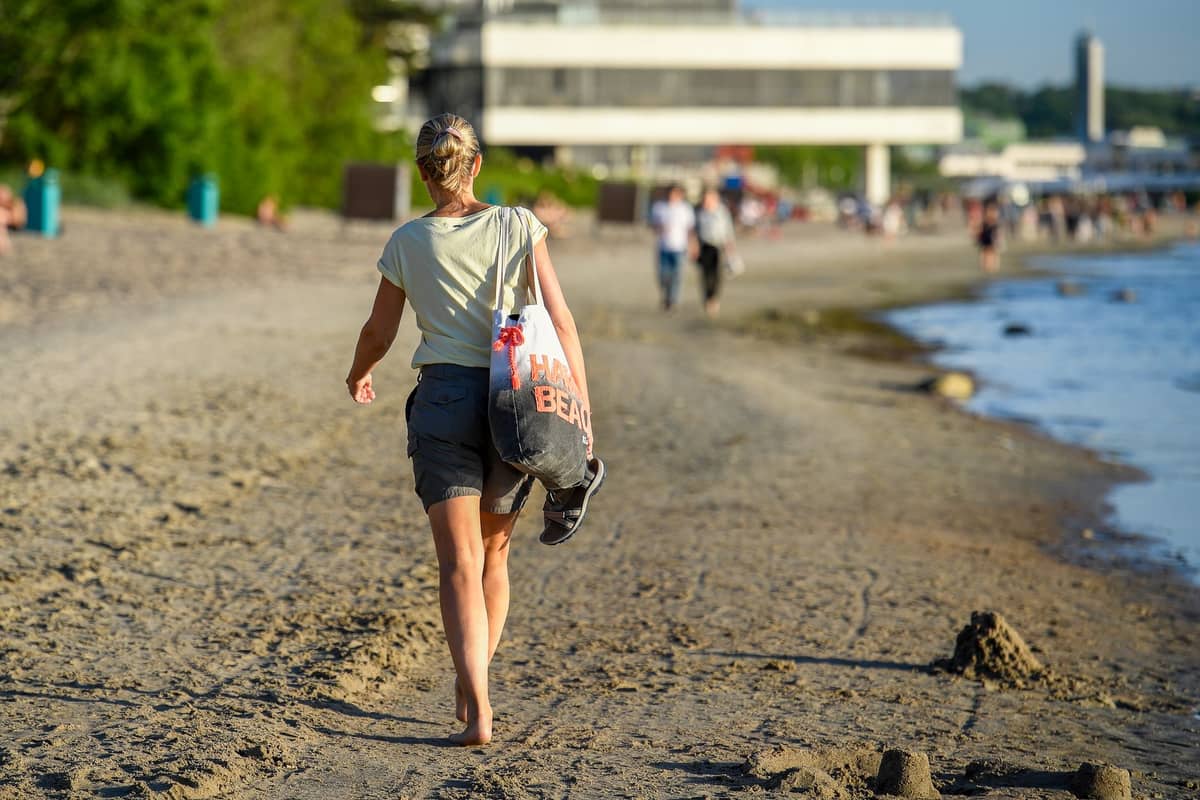
13. Swim at Stroomi, Tallinn's Quieter Western Beach
A long sandy beach on Tallinn's western coast backed by pine forest, favoured by locals over the more famous Pirita. The water is calmer here and crowds are noticeably thinner. Good facilities including changing rooms and beach volleyball courts.
Explore13. Swim at Stroomi, Tallinn's Quieter Western Beach
A long sandy beach on Tallinn's western coast backed by pine forest, favoured by locals over the more famous Pirita. The water is calmer here and crowds are noticeably thinner. Good facilities including changing rooms and beach volleyball courts.
ExploreIsland Escapes from the City
Two islands in Tallinn Bay offer day trips that feel worlds away from the city despite being reachable by a short ferry ride. Both are best visited between May and September, when ferries run regularly and the weather allows proper exploring. Check seasonal ferry schedules in advance as services are limited outside summer.
14. Hike WWI Fortifications on Uninhabited Aegna Island
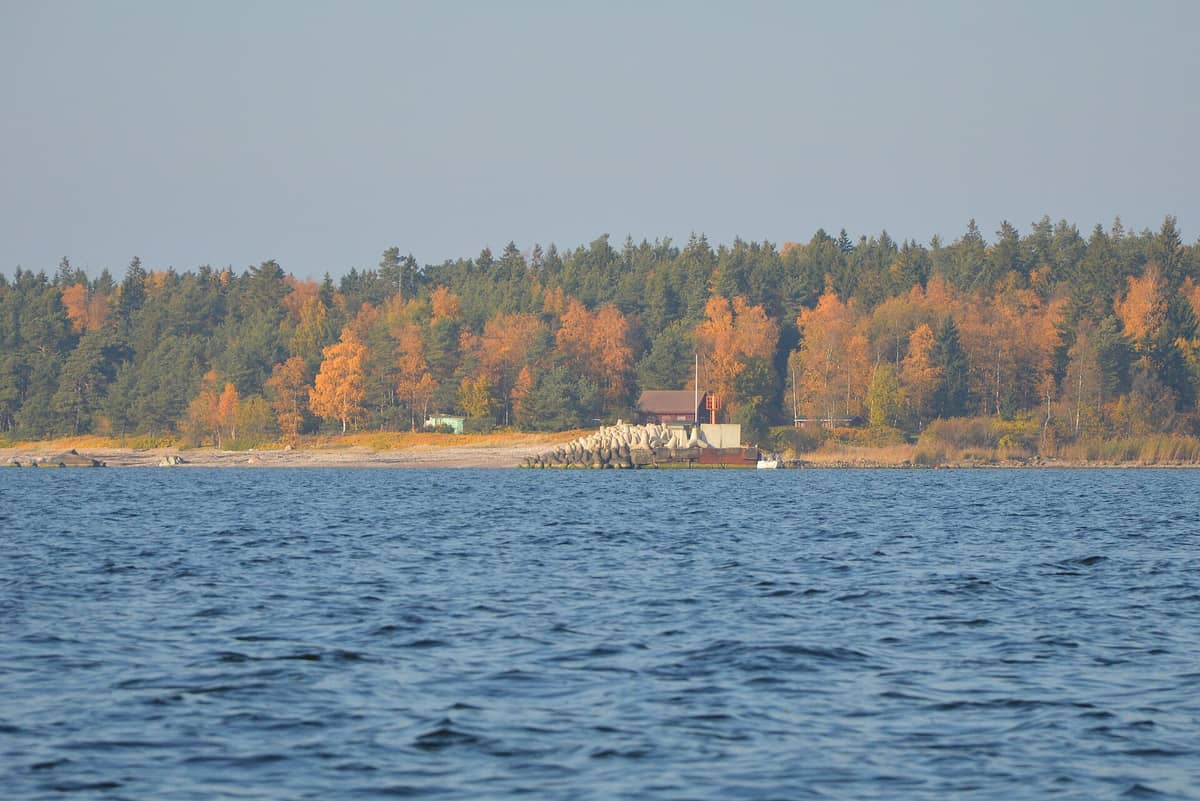
A 45-minute ferry ride from Tallinn brings you to this small, forested island with sandy beaches, hiking trails, and the ruins of WWI-era military fortifications. There are no permanent residents and no tourist facilities. Bring your own food and allow a full day.
Explore14. Hike WWI Fortifications on Uninhabited Aegna Island
A 45-minute ferry ride from Tallinn brings you to this small, forested island with sandy beaches, hiking trails, and the ruins of WWI-era military fortifications. There are no permanent residents and no tourist facilities. Bring your own food and allow a full day.
Explore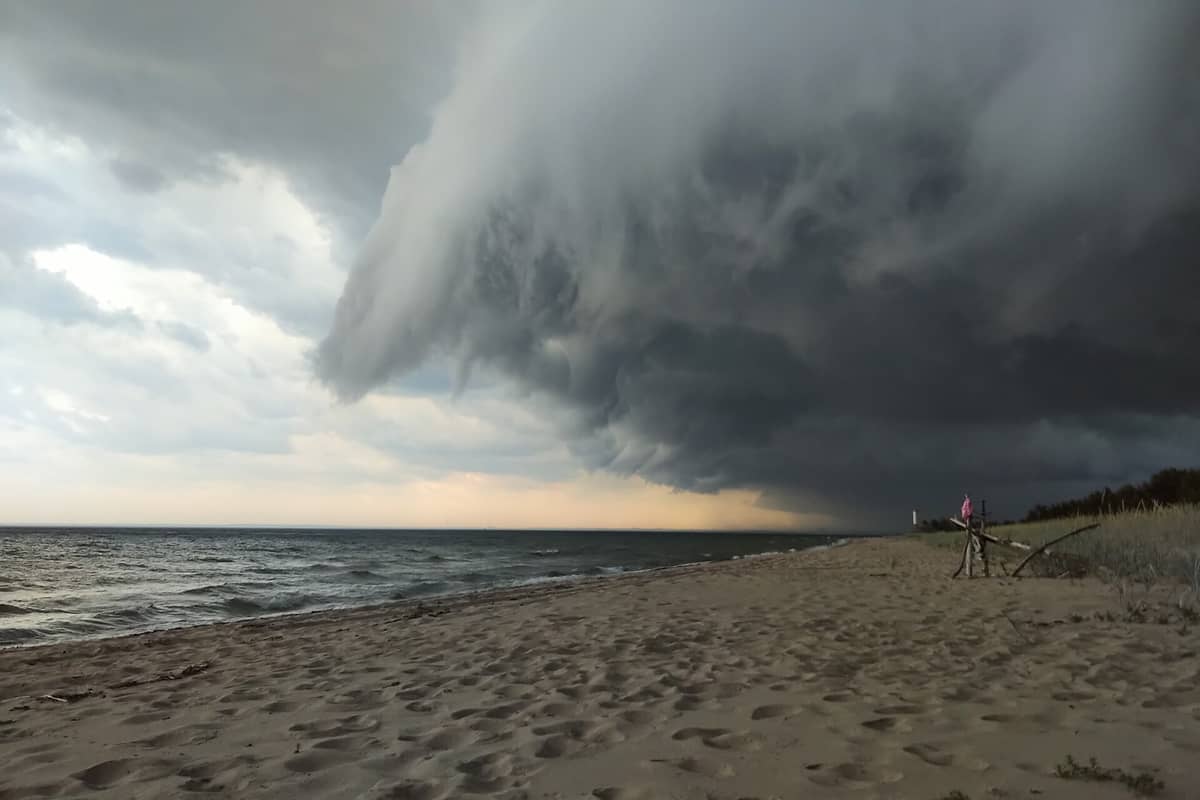
15. Explore a Former Soviet Military Island at Naissaar
Naissaar served as a Soviet military base until 1994 and remains largely wild, with pine forests, sandy beaches, a narrow-gauge railway, and the eerie remains of military buildings. Ferries run in summer and the island is now a nature reserve. Allow a full day to explore properly.
Explore15. Explore a Former Soviet Military Island at Naissaar
Naissaar served as a Soviet military base until 1994 and remains largely wild, with pine forests, sandy beaches, a narrow-gauge railway, and the eerie remains of military buildings. Ferries run in summer and the island is now a nature reserve. Allow a full day to explore properly.
ExploreDay Trips Worth the Drive
Some of Tallinn's best off-the-beaten-path experiences require a short drive. The options below are all within 45 km of the city and combine well with each other. For a full breakdown of what is reachable in a day, see the day trips from Tallinn guide.
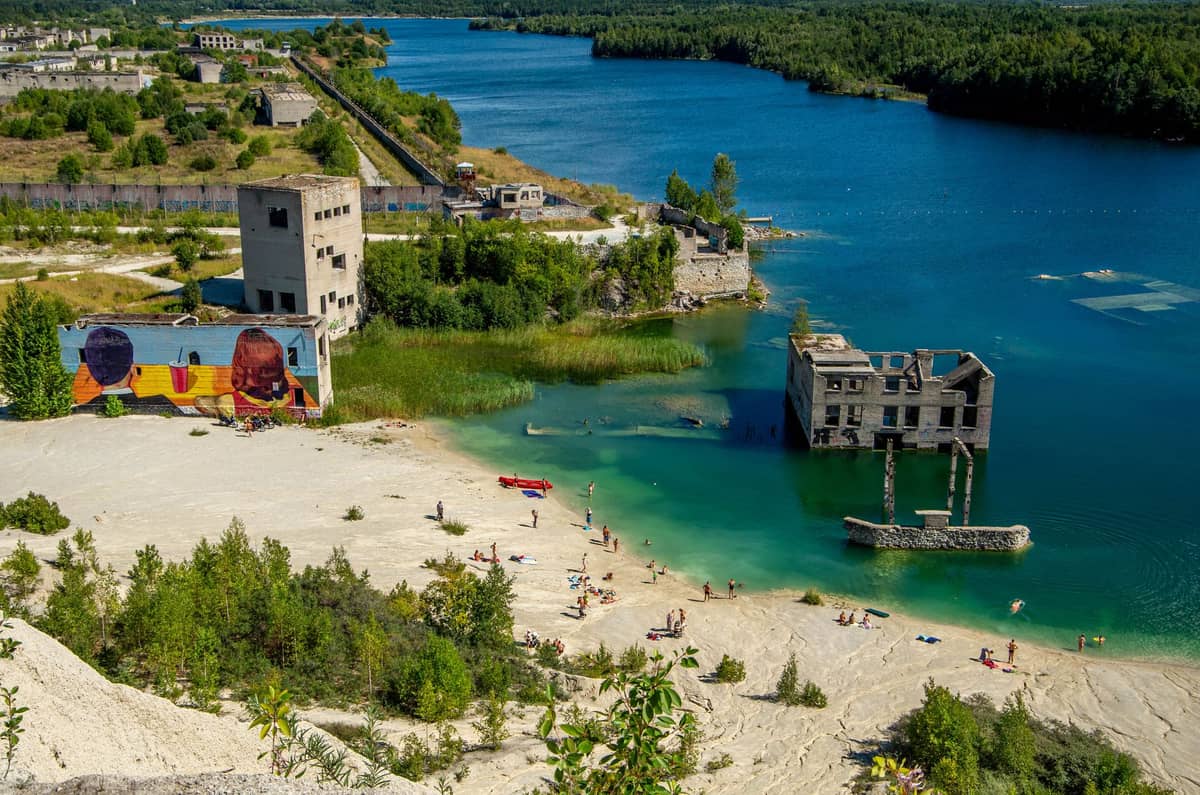
16. Swim in a Flooded Soviet Prison Quarry at Rummu
A limestone quarry 40 km from Tallinn that was worked by Soviet-era prisoners and is now flooded with crystal-clear turquoise water. Submerged prison buildings are visible from the surface. It is one of Estonia's most surreal landscapes and has become popular for swimming and diving in summer.
Explore16. Swim in a Flooded Soviet Prison Quarry at Rummu
A limestone quarry 40 km from Tallinn that was worked by Soviet-era prisoners and is now flooded with crystal-clear turquoise water. Submerged prison buildings are visible from the surface. It is one of Estonia's most surreal landscapes and has become popular for swimming and diving in summer.
Explore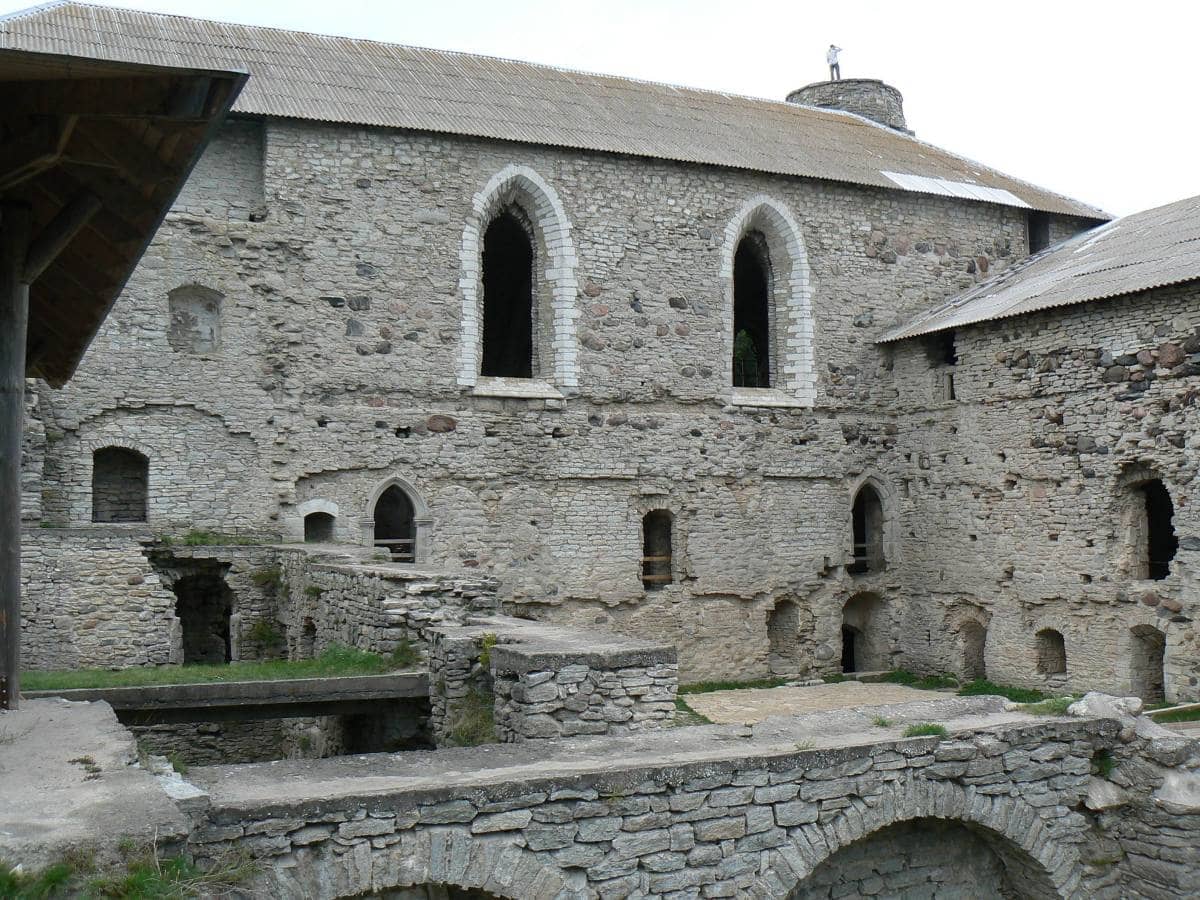
17. Wander the Gothic Ruins of Padise Abbey
A 14th-century Cistercian monastery 45 km west of Tallinn with substantial stone ruins, Gothic vaulting, and a small museum. It sits in quiet rural countryside and sees very few visitors. Combine it with the Keila-Joa waterfall nearby for a full day out.
Explore17. Wander the Gothic Ruins of Padise Abbey
A 14th-century Cistercian monastery 45 km west of Tallinn with substantial stone ruins, Gothic vaulting, and a small museum. It sits in quiet rural countryside and sees very few visitors. Combine it with the Keila-Joa waterfall nearby for a full day out.
Explore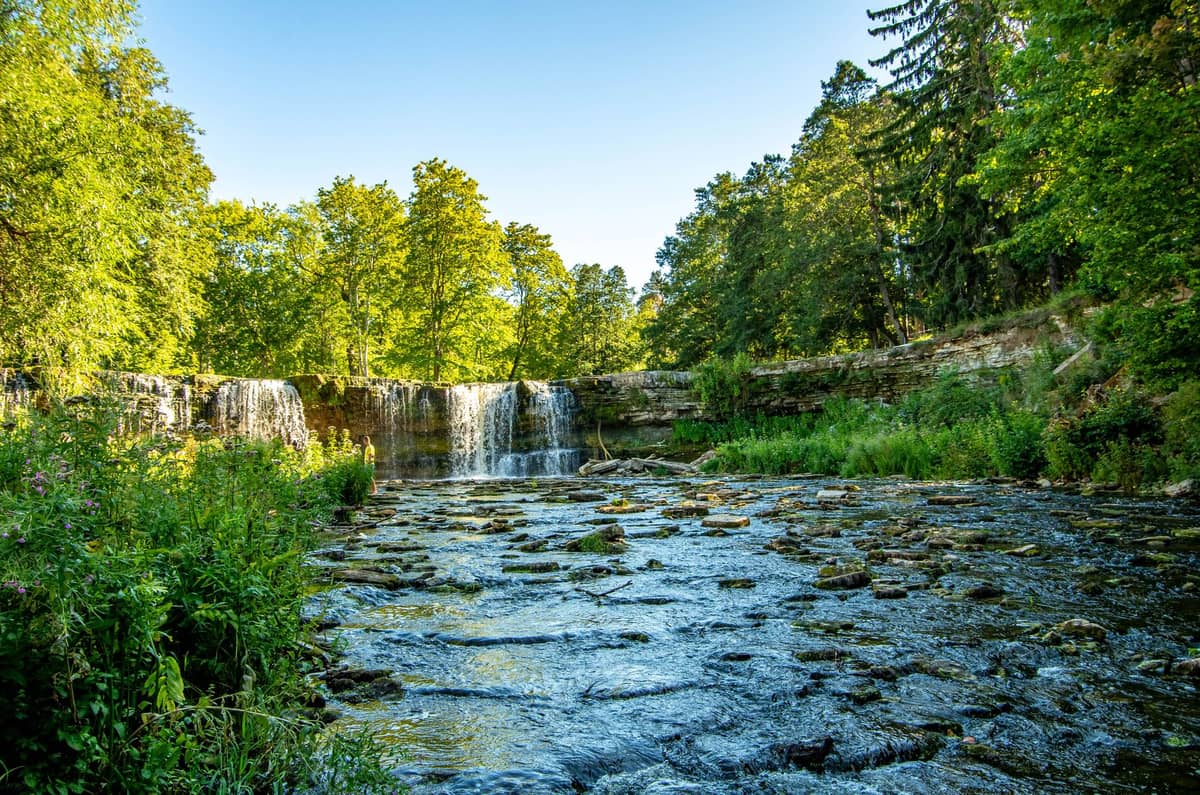
18. Picnic at the Keila-Joa Waterfall and Manor Park
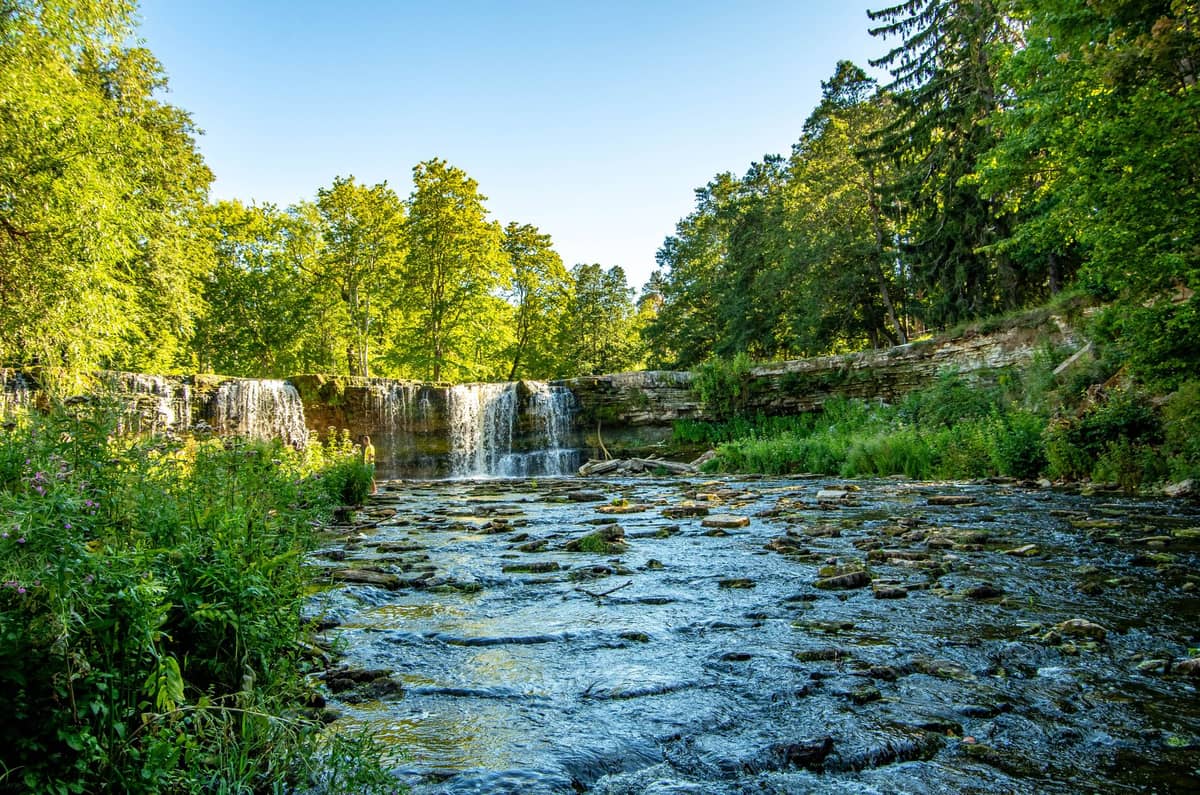
A picturesque waterfall on the Keila River set within a landscaped park that also contains a 19th-century manor and a ruined medieval castle. It is 25 km southwest of Tallinn and takes about two hours to visit properly. The combination of waterfall, ruins, and parkland is hard to beat near the city.
Explore18. Picnic at the Keila-Joa Waterfall and Manor Park
A picturesque waterfall on the Keila River set within a landscaped park that also contains a 19th-century manor and a ruined medieval castle. It is 25 km southwest of Tallinn and takes about two hours to visit properly. The combination of waterfall, ruins, and parkland is hard to beat near the city.
Explore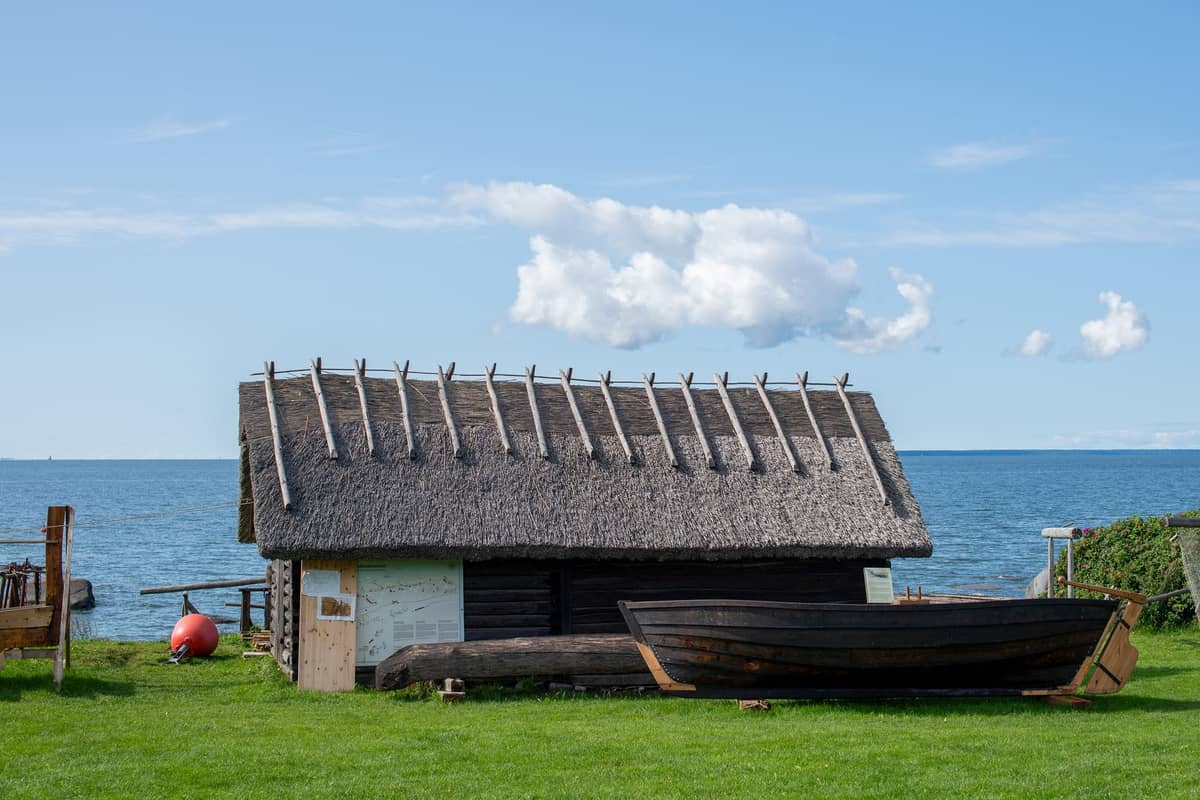
19. See Estonian Fishing Culture at the Viimsi Open Air Museum
A coastal open-air museum on the Viimsi Peninsula preserving traditional Estonian fishing village buildings, boats, and maritime heritage in a genuine seaside setting. It is quieter and more intimate than the larger Rocca al Mare museum. The location on the coast adds real atmosphere.
Explore19. See Estonian Fishing Culture at the Viimsi Open Air Museum
A coastal open-air museum on the Viimsi Peninsula preserving traditional Estonian fishing village buildings, boats, and maritime heritage in a genuine seaside setting. It is quieter and more intimate than the larger Rocca al Mare museum. The location on the coast adds real atmosphere.
Explore✨ Pro tip
The Tallinn Card covers public transport and entry to several attractions including Kumu and the Seaplane Harbour. If you plan to visit three or more paid sites in a day, it typically pays for itself.
FAQ
Which hidden gems in Tallinn are free to visit?
Pääsküla Bog, Linnahall, Telliskivi Creative City, Glehn Park, Stroomi Beach, and St. Catherine's Passage all cost nothing to enter. The Russalka Memorial and Kadriorg Park are also free.
How do I get to Kalamaja and Telliskivi from the Old Town?
Both are a 15-20 minute walk from the Old Town. Tram lines 1 and 3 also stop at Telliskivi. The Noblessner area is a further 10-minute walk north from Telliskivi along the seafront.
When do ferries to Aegna and Naissaar islands run?
Both islands are served by seasonal ferries running primarily from late May to September. Schedules vary by year and weather, so check the operator's timetable before planning your visit.
Are the day trips like Rummu Quarry and Padise Abbey accessible without a car?
Rummu and Padise are difficult to reach by public transport and are best done by rental car or organised tour. Keila-Joa is served by a local bus from Tallinn, making it the easiest car-free day trip option of the three.
Is the KGB Prison Cells museum suitable for children?
The content is sobering and deals with Soviet repression and imprisonment. It is generally recommended for ages 12 and up. The guided tour format means the experience is structured, which helps with context.