Tallinn Botanic Garden: A Quiet Corner of Pirita Worth Knowing
Set in the forested Kloostrimetsa area of Pirita, Tallinn Botanic Garden is a working botanical institution founded in 1961 (opened to the public in 1970) with a large outdoor landscape and greenhouse collections. It rewards slow exploration and is especially worthwhile in late spring and early summer when the flowering plants peak.
Quick Facts
- Location
- Kloostrimetsa tee 52, Pirita, Tallinn 11913
- Getting There
- Buses 34A and 38 or 38 to Kloostrimetsa stop
- Time Needed
- 2 to 3 hours; longer if you explore the forest paths
- Cost
- Paid admission; verify current prices at botaanikaaed.ee before visiting
- Best for
- Nature lovers, families with children, photography, and slow-travel days
- Official website
- botaanikaaed.ee/en
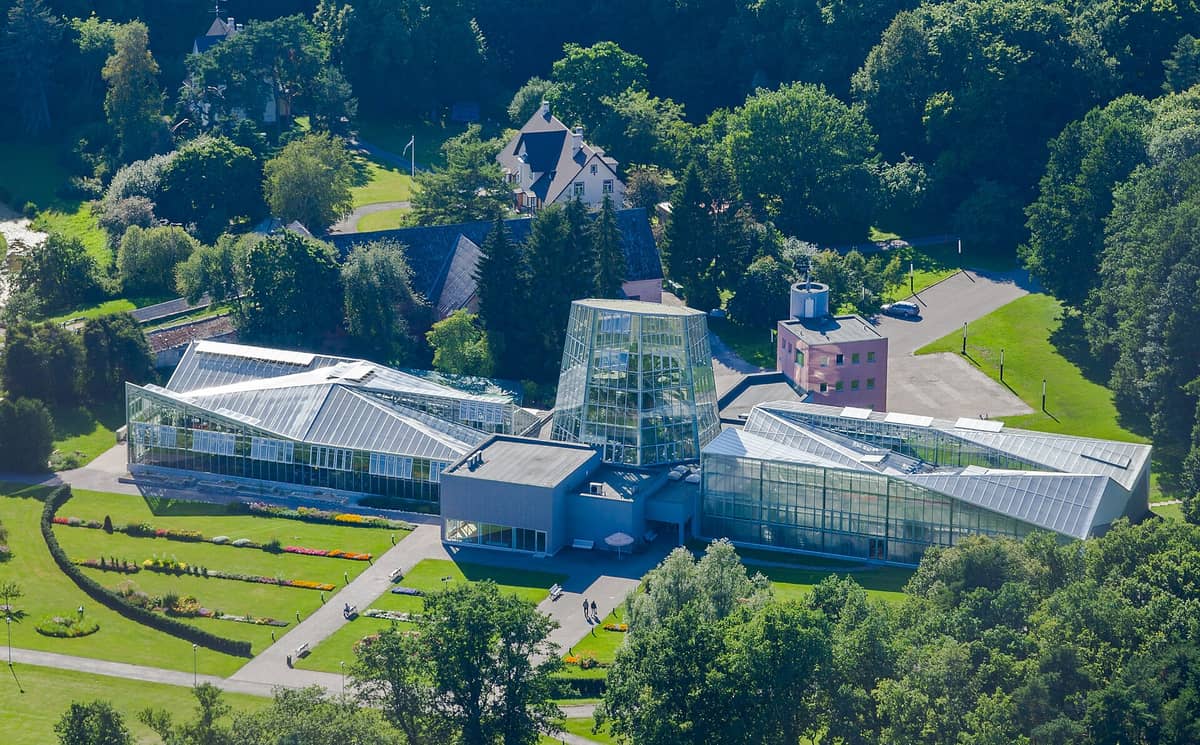
What Tallinn Botanic Garden Actually Is
Tallinn Botanic Garden, known in Estonian as Tallinna Botaanikaaed, was founded in 1961 and opened to the public on 1 December 1970 and operates today as a scientific and educational institution as well as a public green space. It sits in the Kloostrimetsa area of the Pirita district, roughly 9 to 10 kilometres northeast of Tallinn's Old Town, surrounded by mature pine and mixed forest that gives the whole site a sense of remove from the city.
The garden is not a manicured city park. It is a serious botanical collection spread across a large territory, combining formal themed beds, glasshouse ranges, and wilder forest sections. If you arrive expecting the tightly controlled geometry of a Western European botanic garden, adjust your expectations: this place has a looser, more naturalistic character that suits its northern forest setting.
ℹ️ Good to know
Opening hours (main season): outdoor gardens 09:00–20:00, visitor centre 10:00–19:00, greenhouses 11:00–19:00, territory closes at 21:00. Hours may change seasonally — check botaanikaaed.ee before your visit.
The Layout: What You Will Actually See
The outdoor collections are organized into themed zones covering plant geography, systematic botany, and ornamental horticulture. The rose garden and ornamental flowering sections are the most photogenic in June and July, when color and fragrance peak simultaneously. The rock garden, planted with low-growing alpines and perennials, rewards a closer look at ground level — the scale of individual specimens becomes apparent only when you crouch down.
The greenhouses are a separate draw, particularly relevant from autumn through spring when the outdoor landscape goes dormant. Inside, tropical and subtropical plant collections create a sharp contrast with the grey Estonian sky visible through the glass. The moisture and warmth inside the glasshouses hit you the moment you step through the door — a sensory shift that makes the experience feel genuinely different from the outdoor sections.
Beyond the formal collections, the site borders forested land where paths wind through taller trees. These sections are quieter and less structured, and they attract visitors who are less interested in botany and more in a peaceful walk among mature conifers. The transition between managed garden and semi-wild forest happens gradually and without obvious signage, which can feel either exploratory or slightly disorienting depending on your navigation confidence.
Tickets & tours
Hand-picked options from our booking partner. Prices are indicative; availability and final rates are confirmed when you complete your booking.
Self-guided Discovery Walk of Tallinn city contrasts beyond the medieval walls
From 26 €Instant confirmationFree cancellationTallinn's art and culture tour with a local
From 62 €Instant confirmationFree cancellationHistorical walking tour of Tallinn with a local
From 599 €Instant confirmationFree cancellationIntroductory walking tour of Tallinn with a local guide
From 109 €Instant confirmationFree cancellation
When to Visit: How the Garden Changes Through the Year
Late May through July is the clearest sweet spot. Rhododendrons, which form one of the more substantial collections here, bloom in late May and early June. The rose garden follows in June and carries into July. Visiting on a weekday morning in this window means you will have large sections of the garden largely to yourself, with birdsong as the dominant background sound rather than other visitors.
August and September shift the visual weight toward the ornamental grass and late-summer perennial sections. The light in late summer afternoons is particularly useful for photography — low-angle and warm, catching texture in seed heads and grasses. Autumn brings color from the tree collection and a general quieting of the site.
Winter is the least rewarding season outdoors, though the greenhouses remain open and offer genuine shelter. The grounds do not stay open late into the evening in winter, and snow-covered paths through the conifers have their own character, but the formal collection areas offer little to see. If you are visiting Tallinn in winter and have limited time, this is not the place to prioritize.
💡 Local tip
For rhododendrons specifically, aim for the last week of May or first week of June. This window is relatively short and weather-dependent — a late cold spell can delay blooms by a week or more.
Getting Here from the City Centre
The garden is in Pirita, which is not walking distance from central Tallinn. The practical options are buses 34A and 38 or bus 38, both of which serve the Kloostrimetsa stop near the garden entrance. Journey time from the city centre is typically 20 to 30 minutes depending on traffic and your starting point. Tallinn's public transport uses the Ühiskaart smartcard system for the best fare, though single-journey tickets can also be purchased.
If you are combining the botanic garden with other Pirita-area attractions, the Pirita Convent ruins and Pirita Beach are within a short bus ride or a reasonable walk, making a half-day itinerary in this part of the city straightforward. For broader context on what the area offers, the Pirita neighborhood guide covers the district well.
Taxis and ride-hailing via Bolt are direct options if you prefer not to use public transit. The address — Kloostrimetsa tee 52 — is well-known to local drivers. Cycling from the city centre is feasible in good weather; a dedicated path runs along the coast through Kadriorg and continues toward Pirita, making the ride scenic rather than stressful.
Practical Details Worth Knowing Before You Go
Wear shoes with grip. The paths in the less-maintained sections of the garden and the forested edges are uneven, and after rain they become soft and slippery in places. Flat-soled or thin-soled shoes will make the forest paths uncomfortable. This is not a site where you can comfortably tour in city footwear after any rainfall.
The visitor centre handles ticketing and has general information about the collections. Signage throughout the garden is present but not comprehensive — some beds and specimens are labeled, others are not, and the labeling is not always bilingual. Estonian is the primary language of the labels you will encounter, though English is available at the visitor centre.
Accessibility information for visitors with mobility limitations was not available on the official documents reviewed for this guide. If this is relevant to your visit, contact the garden directly through the official website before traveling. The terrain in the formal garden areas is more manageable than the forest sections, but the site as a whole is not flat.
⚠️ What to skip
Admission prices are not reproduced here as they are subject to change. Check the current ticket prices at botaanikaaed.ee before your visit to avoid surprises at the entrance.
Photography: Where the Light and Composition Work Best
The garden opens at 09:00, and early morning in summer delivers the best light for close-up plant photography — soft, even, and with dew still on the leaves and petals. By mid-morning on a sunny summer day the contrast becomes harsh, particularly in the open beds. The greenhouse interiors photograph well in any weather, as the diffuse light through the glass is flattering for tropical foliage.
The forest sections offer useful depth and layering for wider compositions, especially in autumn with color in the canopy. If botanical gardens are a serious interest, Estonia's nature attractions around Tallinn include several other sites worth pairing with this visit.
Who This Garden Suits — and Who It Does Not
The botanic garden suits visitors who are comfortable with a slower pace and find genuine interest in plants, quiet outdoor space, or the contrast between the cultivated and the semi-wild. Families with children who are patient walkers will find plenty to engage with, particularly in the more visual sections like the rock garden and greenhouses. It also suits photographers willing to explore beyond the obvious subjects.
Visitors with a tightly packed Old Town itinerary will likely find the travel time and the garden's pace hard to justify against alternatives closer to the center. If your Tallinn trip is short, read through the 2-day Tallinn itinerary to weigh priorities. The botanic garden rewards those who actively choose it, not those who include it as an afterthought.
Anyone expecting a polished, highly curated visitor attraction with consistent English signage, a strong café, and clear wayfinding throughout may find the experience falls short of those expectations. The garden is genuine and substantive, but it is run as a scientific institution first and a tourist attraction second.
Insider Tips
- The rhododendron collection is one of the more significant draws, but it blooms for a narrow window — roughly late May to early June. Outside that period the same area is visually unremarkable. Plan accordingly if this is a specific goal.
- Bus 34 is often the faster option from the city centre compared to bus 38, depending on where you board. Check the real-time transport app or transport.tallinn.ee for live departure times rather than relying on printed schedules.
- The garden territory stays open until 21:00 in the main season, which in summer means you can walk the outdoor sections in long evening light after the visitor centre and greenhouses have closed. The site empties out considerably after 18:00 on weekdays.
- Combining this visit with Pirita Beach makes a logical half-day: spend the morning in the garden when the light is best, then walk or take a short bus ride to the beach for the afternoon. Both are in the same district and require no additional travel back to the centre between them.
- The forest paths that extend beyond the formal collections are not consistently maintained or marked. If you venture into them, note your route on a map app before you lose the main path markers — the canopy can make phone GPS sluggish.
Who Is Tallinn Botanic Garden For?
- Plant enthusiasts and botanical garden visitors who want to see a working northern European collection
- Families with older children who can manage a 2 to 3 hour outdoor walk
- Photographers working in the early morning window with an interest in macro plant subjects
- Travelers building a half-day in Pirita combining the garden with the beach or convent ruins
- Visitors seeking genuine quiet away from the Old Town crowds on a warm-weather day
Nearby Attractions
Other things to see while in Pirita:
- Maarjamäe Palace
Maarjamäe Palace is a 19th-century Gothic Revival manor on Tallinn's northeastern coast that now houses the Estonian History Museum's flagship permanent exhibition. The building's ornate silhouette, the surrounding Soviet-era memorial complex, and the Gulf of Finland backdrop make it one of the most layered cultural sites in the country.
- Pirita Beach
Pirita Beach is Tallinn's largest and most popular beach, stretching 2.4 kilometres along the Gulf of Finland just 15 minutes from the city centre. Free to access year-round, it draws swimmers in summer, joggers in spring and autumn, and winter walkers who come for the frozen sea views. This guide covers what the experience is actually like, when to go, and how to get there.
- Pirita Convent
The roofless Gothic shell of Pirita Convent has stood on the banks of the Pirita River since the early 15th century, outlasting war, occupation, and centuries of Baltic winters. Open year-round and steps from the sea, it is one of the most atmospheric historical sites in the Tallinn region.
- Tallinn Song Festival Grounds
The Tallinn Song Festival Grounds, known in Estonian as Lauluväljak, is one of the most symbolically charged open-air venues in Europe. With a sweeping arched stage, a park open 24 hours a day, and a direct connection to Estonia's peaceful path to independence, it rewards visitors who look beyond the Old Town.